Are Tissue Sarees Practical? 5 Lightweight Versions
Tissue sarees shimmer like sunlight on silk, but do they work beyond the wedding hall? This guide explores whether tissue sarees truly suit everyday celebrations and spotlights five lightweight versions that balance glamour with comfort.
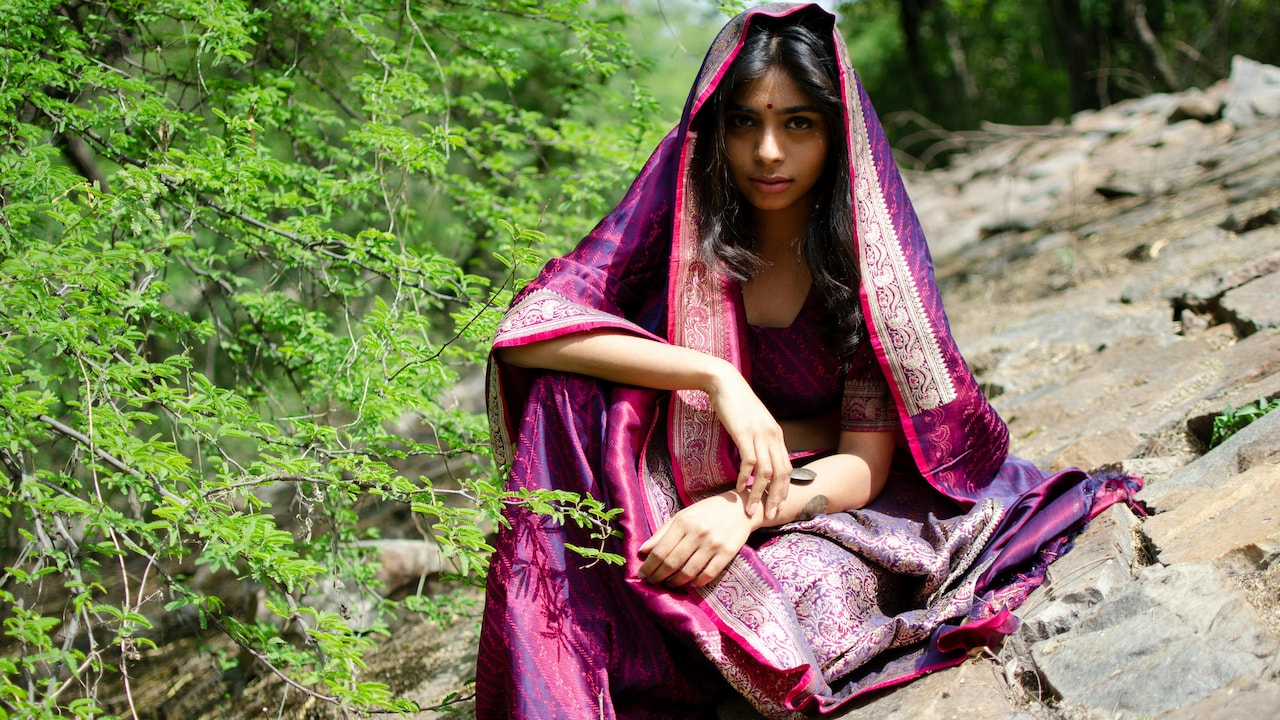
Are Tissue Sarees Practical? 5 Lightweight Styles That Blend Comfort And Glamour.
Tissue sarees have always carried a certain drama. The gentle gleam, the metallic undertone, the way the fabric catches light with every step, everything about them whispers celebration. From wedding receptions in Delhi to festive evenings in Chennai, tissue sarees often claim the spotlight. Yet a question lingers in many wardrobes: are they actually practical?
Heavy zari borders and stiff textures once gave tissue sarees a reputation for grandeur rather than comfort. Many associate them with grand halls, long ceremonies and careful pleating. However, fashion evolves. Designers experiment with blends, lighter weaves and contemporary drapes. Markets from Varanasi to Kanchipuram now offer tissue sarees that feel softer, easier and far more wearable than before.
So, can a tissue saree move from occasional splendour to a versatile staple? The answer lies in choosing the right version. Not all tissue sarees weigh the same, and not all demand the same effort. The following ten sections explore practicality, comfort and five lightweight variations that deserve attention.
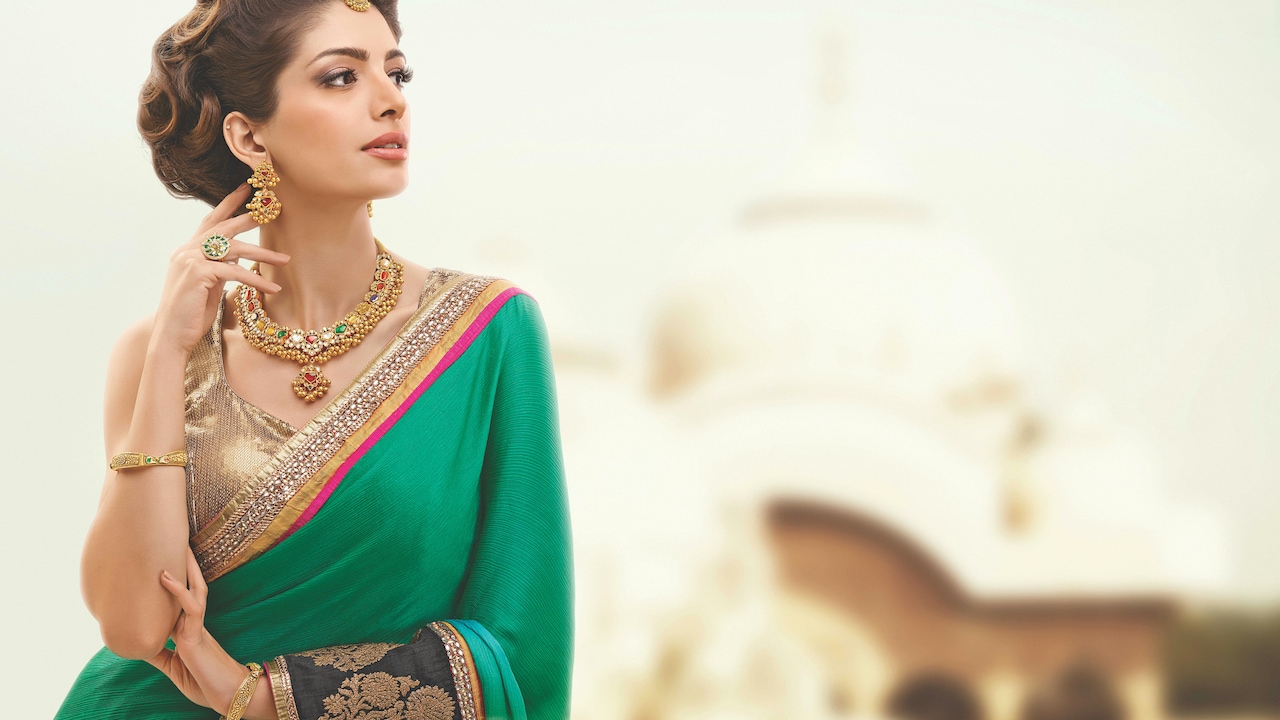
Are Tissue Sarees Practical? 5 Lightweight Versions
Photo Credit: Pexels
What Makes A Tissue Saree Truly Wearable?
Understanding What Makes Tissue Sarees Unique
Tissue sarees derive their signature sheen from the interweaving of silk threads with metallic yarn, often zari. This combination creates a translucent, glossy surface that looks rich without overwhelming colour. Unlike plain silk, tissue carries a delicate crispness. That crispness gives structure to pleats and pallu, which explains why the drape often looks regal.
However, that same structure sometimes creates hesitation. A stiffer weave can restrict movement, especially during long events. Sitting cross-legged during rituals or navigating crowded gatherings may feel slightly awkward in heavier versions. Yet lighter weaves now address these concerns. Contemporary tissue sarees use finer silk threads and subtler metallic strands, which reduce stiffness.
Practicality depends less on the concept of tissue and more on the weave quality. A well-made tissue saree balances shine with suppleness. When chosen wisely, it does not feel like armour. Instead, it behaves like silk with a luminous twist, offering elegance without discomfort.
The Weight Factor: Heavy Glamour Versus Daily Comfort
Weight plays a decisive role in determining whether a saree feels wearable. Traditional tissue sarees often carried dense zari work. Brides favoured them for receptions, and families viewed them as heirloom investments worth ₹25,000 or more. Such pieces looked stunning but required stamina.
Modern buyers seek flexibility. Lightweight tissue versions now fall between ₹6,000 and ₹15,000, depending on craftsmanship. These sarees retain sheen but skip the heavy borders and thick metallic threads. The result feels breathable and far easier to manage in warm weather.
Comfort matters during extended celebrations. Festivals often stretch for hours. Family gatherings involve endless conversations, snacks and photographs. A saree that allows easy movement transforms the entire experience. Lighter tissue versions prove that glamour does not demand discomfort. Choosing a moderate weight ensures that style enhances confidence rather than limiting it.
Silk Tissue Sarees: The Classic Lightweight Choice
Silk tissue sarees strike a beautiful balance between tradition and wearability. They use fine silk yarn combined with subtle metallic threads, resulting in a soft shimmer rather than a bold sparkle. This variation drapes smoothly and feels gentle against the skin.
Unlike heavier brocade styles, silk tissue does not stand stiffly. The pleats fall naturally, and the pallu flows instead of jutting outward. This makes it suitable for day functions such as engagement ceremonies, housewarmings or festive lunches. The saree pairs effortlessly with minimal jewellery, allowing the fabric to shine.
Silk tissue also adapts well to contemporary blouse designs. Sleeveless cuts, boat necks or even tailored jackets complement its understated glow. For those hesitant about tissue due to comfort concerns, silk tissue offers reassurance. It maintains celebratory charm without the burden of excess weight, making it one of the most practical options in this category.
Organza Tissue Sarees: Airy And Elegant
Organza tissue sarees feel like a breath of fresh air. The organza weave introduces lightness and transparency, while metallic threads add just enough sparkle. The combination produces a dreamy aesthetic, ideal for daytime celebrations and summer events.
This version feels remarkably light. It folds easily and occupies minimal wardrobe space. The crisp texture still provides structure, yet the saree does not weigh down the shoulders. During warm evenings, organza tissue feels comfortable and breathable.
Styling becomes playful with this variation. Floral embroidery, pastel tones and delicate borders enhance its soft charm. A simple pearl necklace or subtle jhumkas complete the look without overwhelming the fabric. Organza tissue proves that tissue sarees can feel youthful and modern. Practicality meets grace here, especially for those who prefer understated glamour over bold opulence.
Chiffon Tissue Sarees: Fluid Movement With Shine
Chiffon tissue sarees introduce fluidity into the equation. Chiffon alone offers softness and movement, and when blended with metallic threads, it gains a luminous edge. The result feels light as air and easy to carry for long hours.
This version works beautifully for evening parties or festive dinners. The saree hugs the body gently without clinging excessively. Pleats form effortlessly, and the pallu flows with every step. Unlike stiff varieties, chiffon tissue accommodates active movement. Dancing at a sangeet or mingling at a celebration feels natural.
Colour choices often lean towards jewel tones such as emerald, wine or sapphire. These shades amplify the shimmer without appearing overpowering. Chiffon tissue appeals to those who want comfort first and shine second. It answers the practicality question confidently by combining ease with elegance.
Linen Tissue Sarees: Contemporary And Breathable
Linen tissue sarees reflect modern taste. Linen offers breathability and a relaxed texture, while metallic threads introduce a subtle festive glow. This pairing creates a saree that feels current and comfortable.
The fabric suits semi-formal gatherings, office festivities or cultural events. It does not scream grandeur, yet it never looks plain. Linen tissue often features muted shades like dusty rose, sage green or soft gold. These tones enhance versatility.
The weave allows air circulation, which proves valuable during humid weather. The saree stays structured but never rigid. Styling remains effortless with oxidised jewellery or handcrafted blouses. Linen tissue shows that practicality does not dilute charm. Instead, it invites experimentation and everyday elegance without sacrificing comfort.
Cotton Tissue Sarees: Festive Yet Functional
Cotton tissue sarees surprise many with their practicality. Cotton ensures comfort, while metallic threads add celebratory sparkle. The result feels grounded yet festive, perfect for traditional occasions that require ease of movement.
Morning rituals, temple visits or family poojas often demand simplicity. Cotton tissue suits these settings beautifully. It drapes neatly and stays secure throughout the day. The fabric absorbs heat better than pure silk tissue, making it suitable for warmer climates.
Designs frequently feature subtle stripes, small motifs or understated borders. These elements maintain aesthetic appeal without excessive shine. Cotton tissue costs less compared to heavy silk versions, often starting around ₹4,500. This accessibility increases its popularity among younger buyers seeking style within budget. Cotton tissue demonstrates that practicality and festivity can coexist harmoniously.
Ease Of Draping And Maintenance
Practicality extends beyond weight. Draping ease and maintenance also influence decisions. Traditional tissue sarees sometimes demand careful pleating due to stiffness. Lightweight versions, however, behave more cooperatively.
Silk and chiffon tissue variations drape smoothly, requiring minimal adjustment. Linen and cotton tissue hold pleats well, reducing the need for constant fixing. Organza tissue may require gentle handling, but it is rewarded with a polished finish.
Maintenance remains relatively straightforward. Most lightweight tissue sarees require dry cleaning, especially those with zari. However, lighter metallic work reduces the risk of thread damage. Proper storage in muslin cloth preserves the sheen and prevents creasing. With mindful care, these sarees maintain their charm for years. Ease in both draping and upkeep strengthens the case for practicality.
Styling Versatility Across Occasions
A practical saree must adapt to various settings. Lightweight tissue versions offer impressive versatility. A silk tissue saree styled with temple jewellery suits a wedding function. The same saree paired with a minimalist blouse and heels transforms for a formal dinner.
Linen tissue fits office celebrations effortlessly. Chiffon tissue elevates festive evenings. Cotton tissue anchors traditional ceremonies without discomfort. This adaptability ensures better value for money. Rather than reserving the saree for one grand event, wearers can rotate it across multiple occasions.
Blouse experimentation also enhances versatility. Contrasting fabrics such as velvet, brocade or even raw silk create new moods. Accessories shift the tone instantly. This flexibility encourages creative styling and reduces wardrobe redundancy. Practicality often lies in reusability, and lightweight tissue sarees excel in this regard.
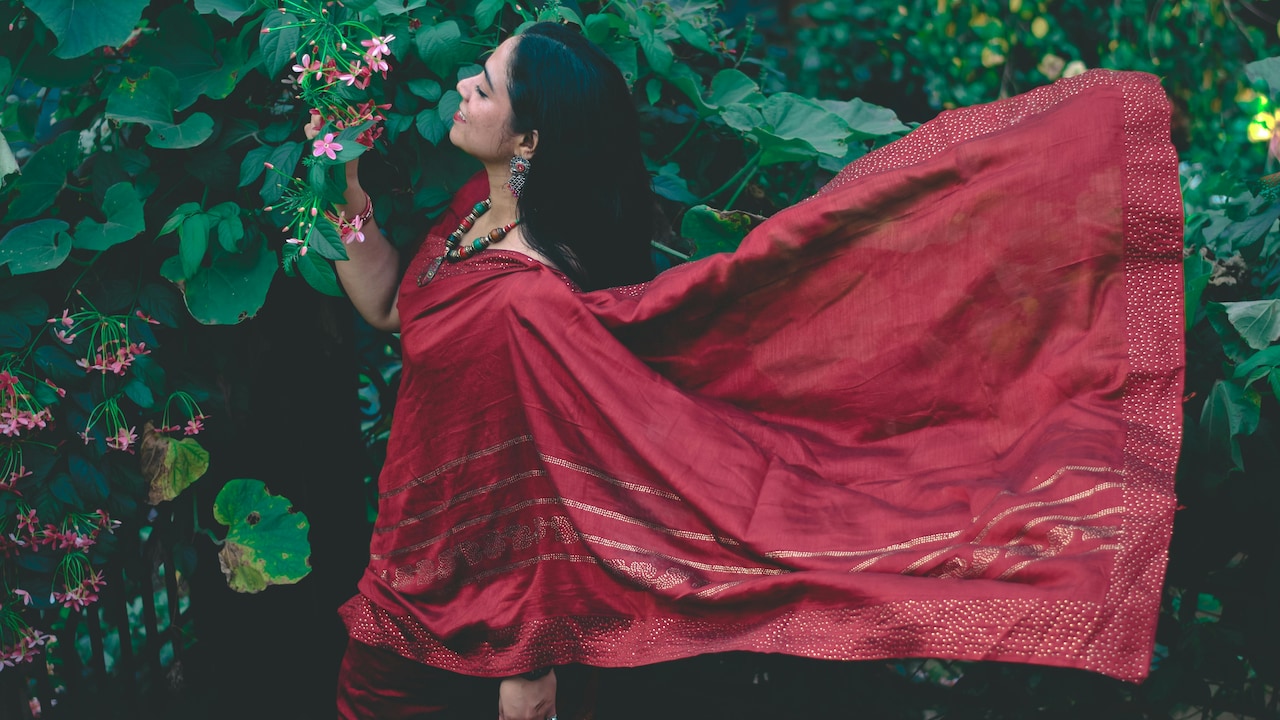
Are Tissue Sarees Practical? 5 Lightweight Versions
Photo Credit: Pexels
Products Related To This Article
1. ALPENIKA Woven Design Zari Tissue Banarasi Saree
2. Kalista Tissue Saree
3. Moda Rapido Beads and Stones Embroidered Tissue Tussar Saree
4. RIDDHIMAN FASHION Self Design Zari Tissue Saree
5. Mitera Sequinned Tissue Saree
Tissue sarees once symbolised pure opulence. Heavy zari, stiff weaves and elaborate borders defined their identity. Over time, evolving tastes and comfort needs reshaped the category. Today, lightweight versions prove that tissue sarees can indeed be practical.
Silk tissue balances tradition with ease. Organza tissue feels airy and modern. Chiffon tissue offers fluid glamour. Linen tissue reflects contemporary minimalism. Cotton tissue combines festivity with comfort. Each version addresses weight, drape and versatility differently, yet all retain the signature shimmer that makes tissue special.
Choosing wisely transforms the experience. Instead of fearing stiffness or discomfort, focus on weave, weight and occasion. With the right selection, a tissue saree no longer waits silently in the wardrobe for rare celebrations. It steps confidently into festivals, family gatherings and elegant evenings, proving that practicality and radiance can coexist beautifully.
(Disclaimer: This article may include references to or features of products and services made available through affiliate marketing campaigns. NDTV Convergence Limited (“NDTV”) strives to maintain editorial independence while participating in such campaigns. NDTV does not assume responsibility for the performance or claims of any featured products or services.)