Colour Psychology: Picks That Instantly Make Office Wear Look Sharper
The right colours can instantly sharpen office wear and influence how others perceive you. From navy authority to pastel approachability, discover how smart shade choices elevate everyday work outfits with subtle psychological impact.

Explore colour picking tips to find formals that look sharp and stunning.
Walk into any office on a Monday morning, and a familiar palette appears. Navy blazers, white shirts, charcoal trousers, perhaps the occasional pastel kurta. Safe choices dominate. Yet colour, when chosen with intention, transforms far more than fabric. It influences mood, perception and even the way colleagues respond during a presentation.
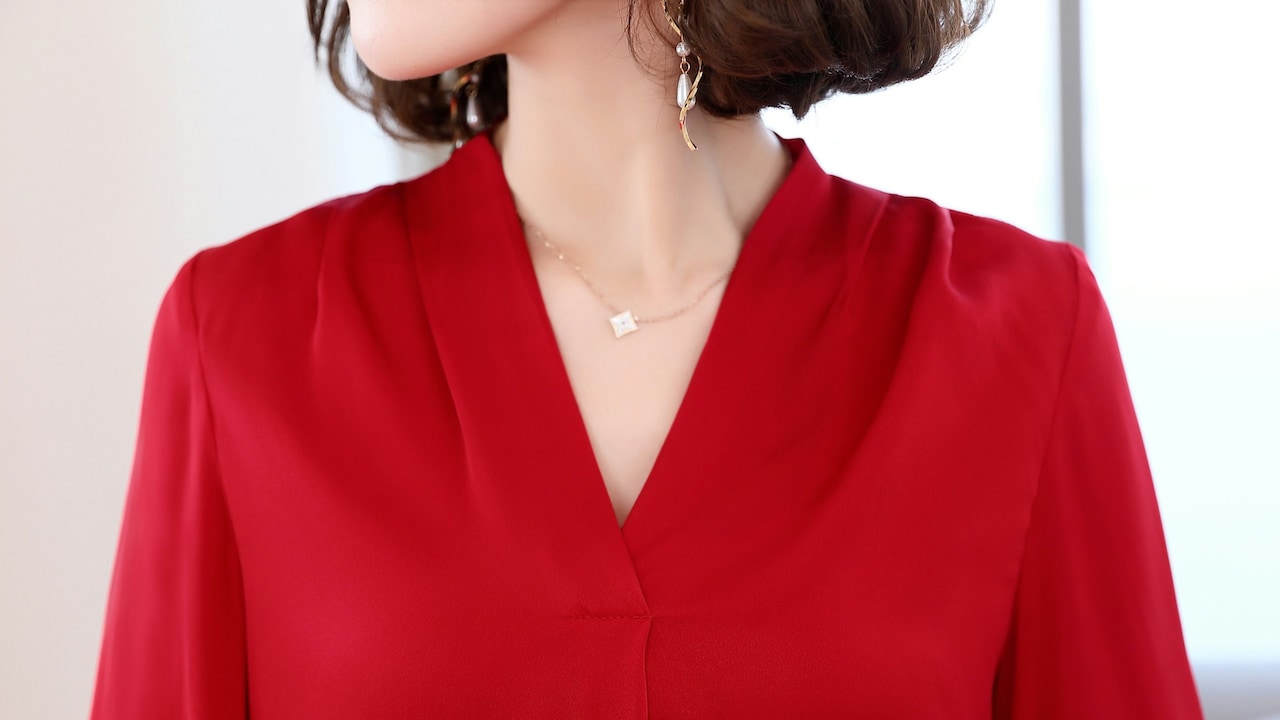
Try these colour choosing tips to make formal wear look sharp instantly; Photo Credit: Unsplash
Colour psychology explores how hues affect human behaviour. Retail brands rely on it. Hospitality spaces are designed around it. Even political campaigns use it carefully. In professional dressing, colour can project authority, approachability, creativity or calm. The trick lies not in chasing trends but in understanding what each shade communicates.
In a country where board meetings sit comfortably alongside festive Fridays, colour choices often balance tradition and ambition. Whether selecting a ₹2,500 high-street blazer or investing ₹15,000 in a tailored suit, shade selection can determine whether the outfit whispers or commands.
The following guide explores ten colour picks that instantly sharpen office wear. Not through gimmicks or loud statements, but through smart, psychological cues that enhance presence without shouting for attention.
Also Read: 10 Best Blazers for Office Wear: Stay Sharp, Wrinkle-Free And Comfortable All Day
How Colour Quietly Shapes First Impressions At Work
The Authority Of Navy Blue
Navy blue anchors countless wardrobes for good reason. It signals reliability, trust and quiet confidence. Unlike black, which can feel severe in daytime meetings, navy offers depth without drama. Leaders across global boardrooms favour navy because it communicates competence without intimidation.
In humid climates where harsh black absorbs heat and attention, navy feels softer and more adaptable. A navy blazer paired with a crisp white shirt creates a sharp silhouette that suits client presentations as easily as appraisal meetings. For women, a navy sari with a structured blouse blends tradition with corporate polish.
Navy works beautifully under bright office lighting. It photographs well for LinkedIn profile updates. It flatters most skin tones. When tailored properly, it projects structure and seriousness while allowing room for personality through accessories. Think burgundy heels, a tan leather bag, or even a muted printed tie.
For professionals climbing the ladder, navy becomes a dependable ally. It says capable without trying too hard. And in competitive spaces, understated confidence often wins.
The Confidence Of Deep Red
Red often sparks hesitation in corporate settings. Too loud, too bold, too aggressive. Yet deeper shades, such as burgundy or wine, create a very different impression. They radiate controlled power and strong self-assurance.
A deep red blouse under a grey blazer instantly energises an outfit. A maroon tie against a pale blue shirt adds dimension without appearing flamboyant. These tones draw attention strategically. They guide the eye during presentations and subtly frame facial expressions.
Colour psychologists associate red with passion and decisiveness. In moderation, it sharpens presence. It works particularly well during negotiations or pitch meetings where assertiveness matters. The key lies in balance. Head-to-toe bright red can overwhelm, but strategic accents feel intentional.
Festive seasons often bring richer colours into workplaces. Deep red bridges that celebrate that celebratory mood with professional polish. It carries cultural resonance while maintaining corporate sharpness. When chosen thoughtfully, red becomes less about spectacle and more about controlled confidence.
The Calm Of Soft Grey
Grey often receives unfair criticism for appearing dull. In reality, soft grey offers sophistication and neutrality that allow personality to shine. It creates a refined backdrop that sharpens tailoring and highlights accessories.
Light grey suits work brilliantly in warmer months. They reflect light and feel breathable compared to darker hues. For women, a dove-grey kurta paired with structured trousers feels modern and polished. It avoids the starkness of white while retaining freshness.
Psychologically, grey signals balance and composure. It suggests rational thinking and steady judgment. During tense meetings or performance reviews, such visual cues can influence perception. Colleagues often associate grey with calm problem-solvers.
The magic of grey lies in its adaptability. Pair it with navy for authority, with burgundy for richness, or with pastel tones for approachability. A well-fitted grey blazer purchased for ₹4,000 can look far more expensive when styled correctly.
Rather than blending into the background, soft grey allows sharper elements to stand out. It frames the wearer without competing for attention.
The Freshness Of Crisp White
White remains a timeless symbol of clarity and organisation. A crisp white shirt communicates readiness and precision. Wrinkles or stains undermine its power, but sharp tailoring transforms it into a professional weapon.
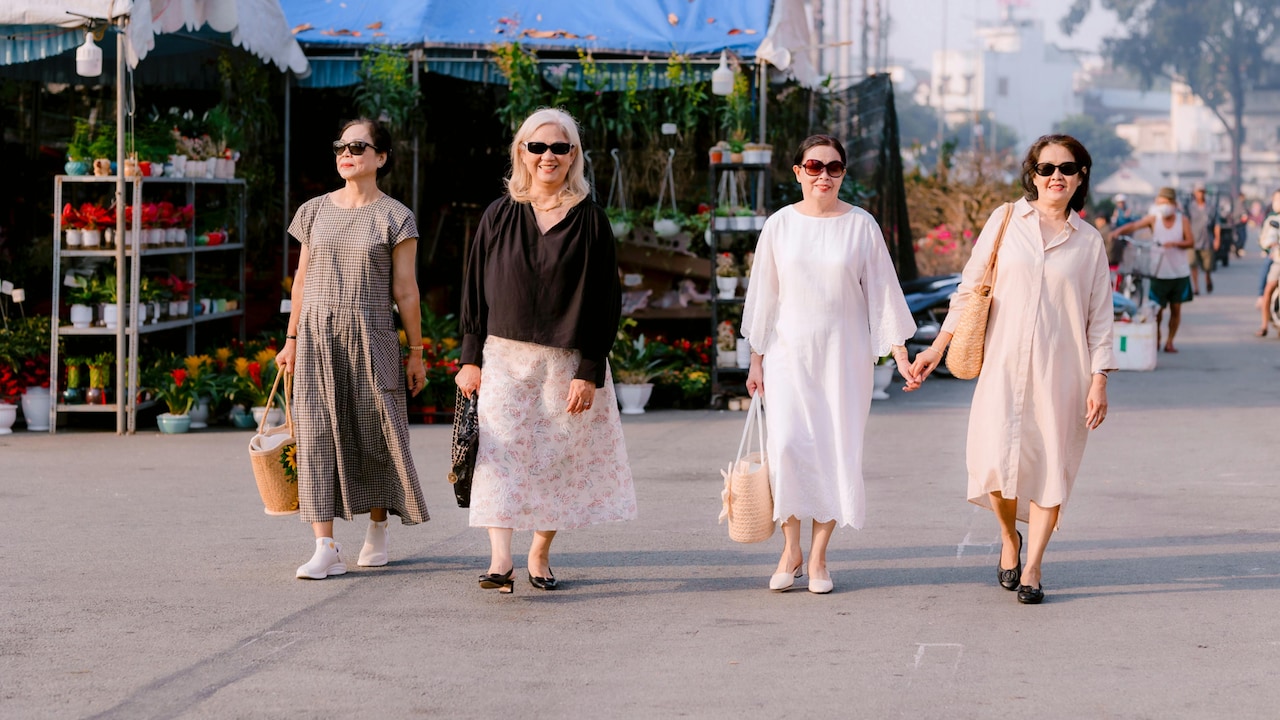
In hot climates, white offers both visual and physical comfort. It reflects heat and brightens the overall look. A structured white kurta with subtle detailing feels clean yet authoritative. For men, a well-ironed white shirt under a navy or charcoal jacket creates instant sharpness.
White signals transparency and honesty. During interviews or first meetings, it often leaves a strong impression. It pairs easily with almost every colour, making it the backbone of a versatile wardrobe.
Maintenance matters. Investing in quality fabric prevents transparency issues and maintains structure. Spending ₹1,200 more on better cotton can dramatically improve longevity and appearance.
White demands care but rewards effort. It acts as a canvas upon which other colours perform, ensuring the overall outfit looks deliberate and polished.
The Power Of Charcoal Black
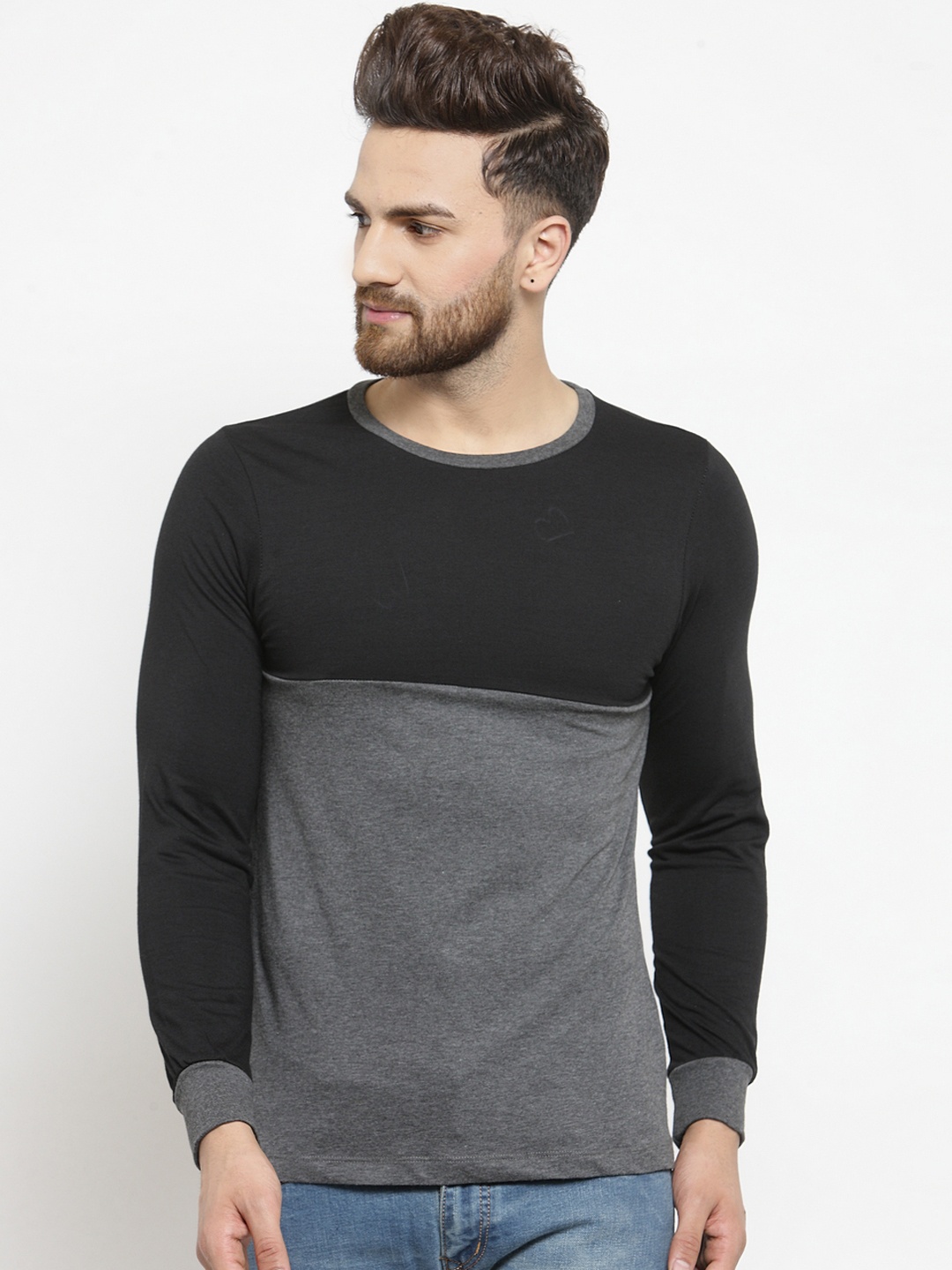
Black carries undeniable strength. It symbolises authority, sophistication and control. Yet pure jet black can appear harsh in bright office settings. Charcoal black softens the intensity while retaining impact.
Charcoal suits create sharp lines and slimming effects. They work particularly well for senior roles or formal presentations. A charcoal dress with subtle tailoring commands respect without shouting for attention.
In evening corporate events, black becomes indispensable. It transitions seamlessly from conference room to networking dinner. Paired with metallic accessories or a silk pocket square, it radiates confidence.
Psychologically, darker tones signal seriousness and focus. They reduce visual distraction and sharpen body language. However, balance remains crucial. Pair charcoal with lighter shirts or colourful scarves to avoid looking overly stern.
For professionals building a capsule wardrobe, a well-tailored charcoal blazer offers exceptional value. Even at ₹8,000, its versatility across seasons and occasions justifies the investment. Black may not suit every day, but when chosen thoughtfully, it delivers unmatched sharpness.
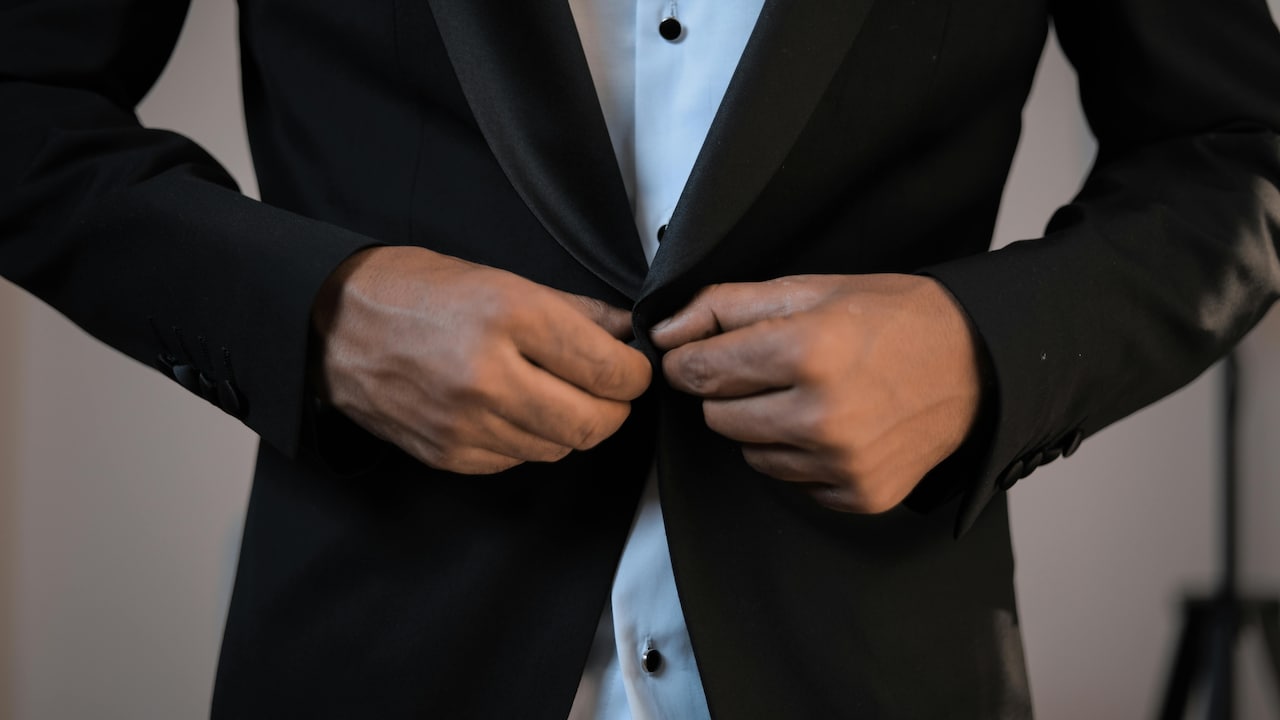
Charcoal black adds sophistication and offers unmatched sharpness; Photo Credit: Pexels
The Approachability Of Pastel Blue
Pastel blue communicates openness and approachability. It softens corporate formality without sacrificing professionalism. In client-facing roles, this gentle shade often fosters trust and comfort.
A powder blue shirt brightens darker suits. It feels less rigid than white while maintaining neatness. For women, a pastel blue sari or blouse under a neutral blazer strikes a balance between traditional elegance and modern professionalism.
Colour psychology links blue to reliability and calm thinking. Lighter shades enhance this perception by adding warmth. They reduce intimidation, making conversations flow more easily.
During brainstorming sessions or collaborative meetings, pastel blue creates a welcoming atmosphere. It signals willingness to listen and engage. In workplaces that encourage innovation, such subtle cues matter.
This shade also photographs beautifully under natural light, making it ideal for profile pictures or internal communications. It sharpens features gently and complements a wide range of complexions. Pastel blue may appear subtle, but its impact on perception remains powerful.
The Sophistication Of Emerald Green
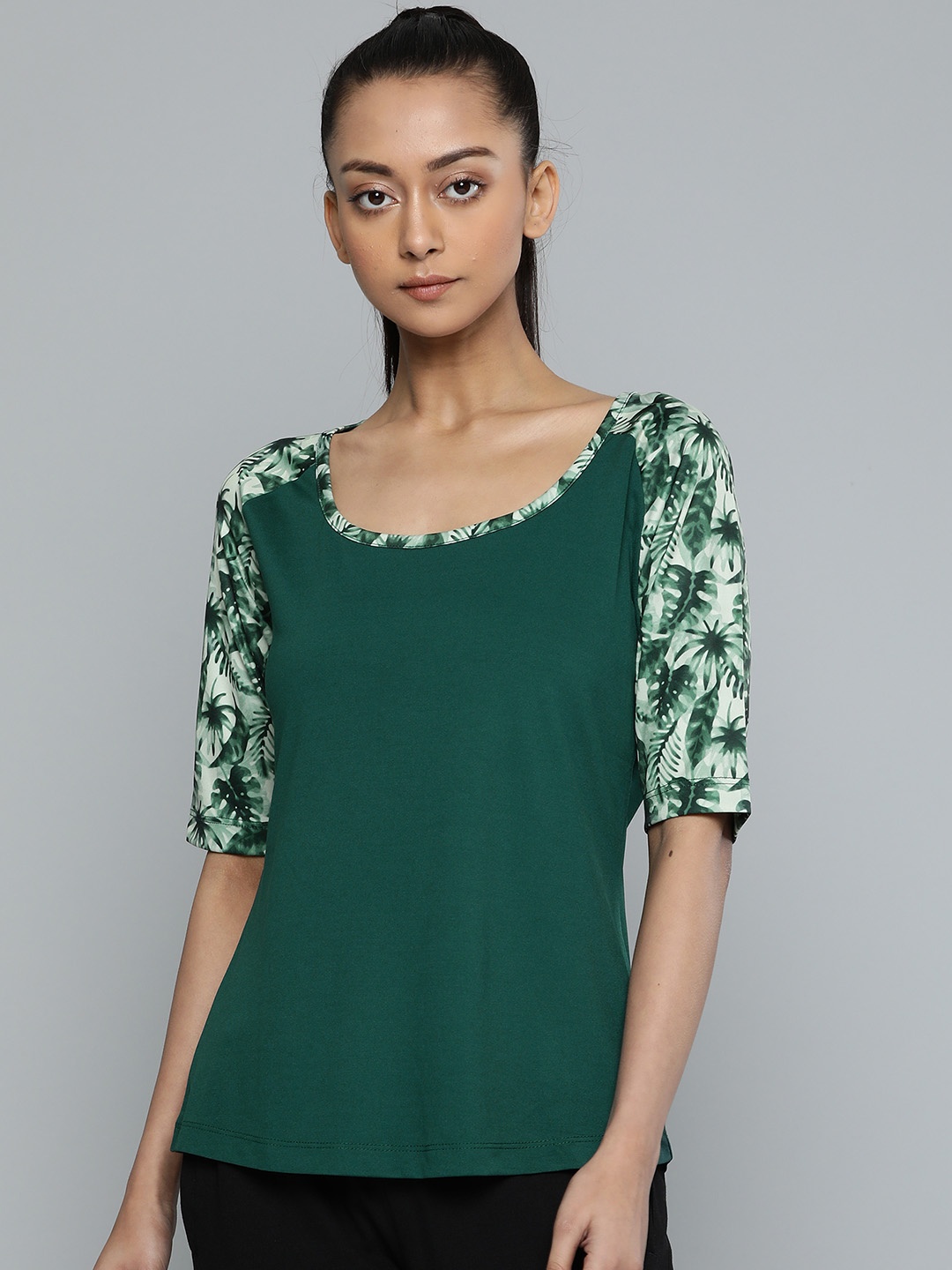
Green often feels underused in corporate wardrobes. Yet deeper tones, such as emeral,d bring sophistication and individuality without veering into eccentric territory. Emerald green signals growth, ambition and freshness.
An emerald blouse paired with tailored trousers creates a striking yet refined look. A silk emerald tie adds character to neutral suits. The richness of this shade conveys confidence and creativity.
In fast-growing industries where innovation drives success, green subtly reflects forward thinking. It feels refreshing amidst predictable blacks and greys. During festive seasons, emerald also resonates culturally while remaining professional.
Pairing emerald with gold or beige accents enhances its elegance. Avoid overly bright neon greens, which can distract rather than sharpen. Depth makes the difference.
Emerald pieces often become conversation starters. They stand out gently in meeting rooms filled with monotone outfits. When worn with assurance, this shade balances creativity and composure beautifully.
The Warmth Of Earthy Beige
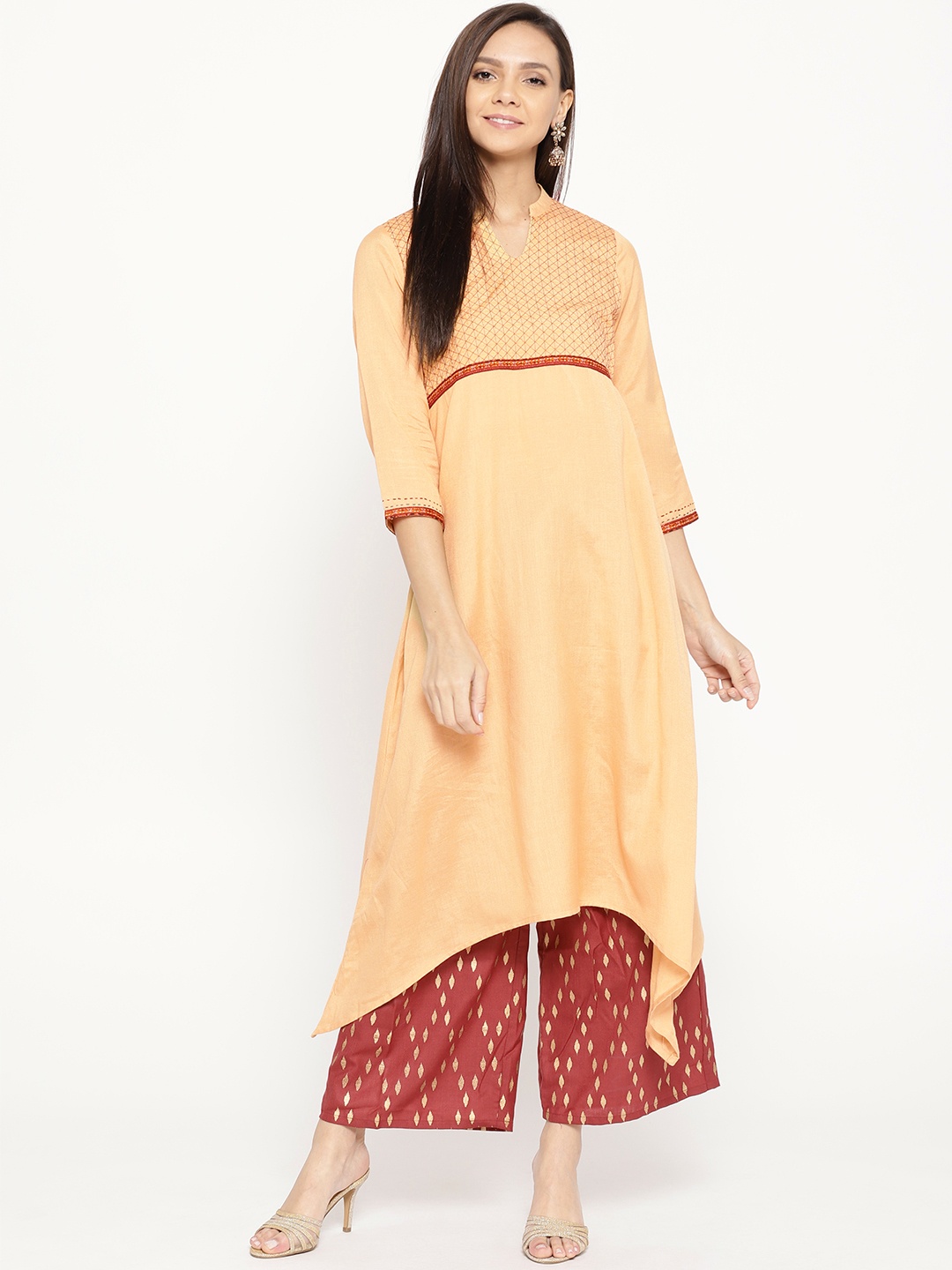
Beige may seem understated, yet it offers warmth that many cooler tones lack. Earthy beige suits and kurtas feel grounded and refined. They soften harsh lighting and complement warmer complexions effortlessly.
Psychologically, beige communicates stability and practicality. It avoids the rigidity of darker colours while retaining polish. In leadership roles that require empathy and approachability, beige creates subtle comfort.
A beige blazer layered over a white or pastel shirt sharpens the overall look without appearing stiff. For women, a structured beige sari with minimal embellishment feels elegant and contemporary.
Beige works particularly well in creative or consulting environments where formality relaxes slightly. It blends authority with warmth. Accessories in brown leather or muted metallic tones enhance its depth.
Rather than fading into the background, earthy beige provides a sophisticated canvas that feels current and calm. It proves that sharpness does not always require intensity.
The Energy Of Mustard Accents
Mustard might not dominate an entire outfit, but as an accent, it injects vitality. This warm yellow tone conveys optimism and enthusiasm. In moderation, it sharpens neutral ensembles beautifully.
A mustard scarf against a grey suit transforms the mood instantly. A pocket square or handbag in this shade adds personality without overwhelming professionalism. It works best in small doses.
Colour psychology links yellow to creativity and positivity. In brainstorming sessions or team-building events, mustard accents subtly encourage openness and fresh thinking. They brighten the atmosphere without appearing playful.
In climates filled with sunshine, mustard harmonises naturally with its surroundings. It complements navy, charcoal and beige particularly well. However, balance remains essential. Overuse can distract.
Used thoughtfully, mustard demonstrates confidence in personal style. It shows comfort with individuality while respecting corporate boundaries. Sometimes, sharpness emerges from unexpected details rather than dominant shades.
The Balance Of Blush Pink
Pink in professional settings often divides opinion. Yet blush or dusty rose tones offer remarkable elegance. They soften traditional corporate colours and add subtle warmth.
A blush shirt paired with charcoal trousers creates contrast without aggression. For women, a muted pink sari with a structured blazer blends femininity with authority seamlessly. The shade feels modern and composed.
Psychologically, softer pinks signal empathy and emotional intelligence. In managerial roles that demand strong communication skills, these cues prove valuable. They counterbalance darker tones and prevent outfits from appearing severe.
Blush also pairs beautifully with navy and grey. It brings freshness to standard combinations and works well across seasons. The key lies in choosing muted tones rather than bright candy pink.
When worn confidently, blush communicates assurance rather than fragility. It sharpens office wear by introducing dimension and warmth without compromising professionalism.
Products Related To This Article
1. HIGHLANDER Men Solid Casual Shirt
2. CORSICA Women Comfort High-Rise Trousers
3. Turtle Single-Breasted Tailored Fit Blazers
4. HIGHLANDER Classic Slim Fit Vertical Striped Spread Collar Cotton Casual Shirt
5. Divra Clothing Men Comfort Cargos Trousers
6. June 9 Clothing Women Classic Fit Solid Tie-Up Neckline Casual Shirt
7. Peregrine by Pantaloons Notched Lapel Single-Breasted Slim Fit Casual Blazers
8. SZN Women Loose Fit High-Rise Wide Leg Trousers
Colour influences perception long before words enter the conversation. In office environments where first impressions shape opportunities, shade selection becomes a strategic tool rather than an afterthought.
Sharp dressing does not demand extravagant spending or constant trend-chasing. A thoughtfully chosen ₹3,000 blazer in navy can outperform a ₹20,000 suit in an ill-suited colour. The secret lies in understanding what each hue communicates and aligning it with professional goals.
From the authority of navy to the optimism of mustard accents, colour psychology offers practical guidance for everyday choices. It allows professionals to express confidence, creativity and composure without uttering a single sentence.
Wardrobes evolve with careers. Early roles may favour approachable pastels, while leadership positions often lean towards deeper tones. The journey remains personal, yet psychology provides a reliable compass.
Ultimately, sharp office wear emerges from intention. When colours reflect purpose and personality, clothing stops being routine fabric and starts becoming silent strategy. In competitive workplaces filled with ambition and aspiration, that subtle advantage can make all the difference.
(Disclaimer: This article may include references to or features of products and services made available through affiliate marketing campaigns. NDTV Convergence Limited (“NDTV”) strives to maintain editorial independence while participating in such campaigns. NDTV does not assume responsibility for the performance or claims of any featured products or services.)