Best Durable Leggings That Don't Fade or Turn Grey After Washing
Deep-coloured leggings shouldn't fade into dull grey after a few washes. This is how to choose durable fabric, better dye quality, and the right wash habits to keep them dark, rich and long-lasting.
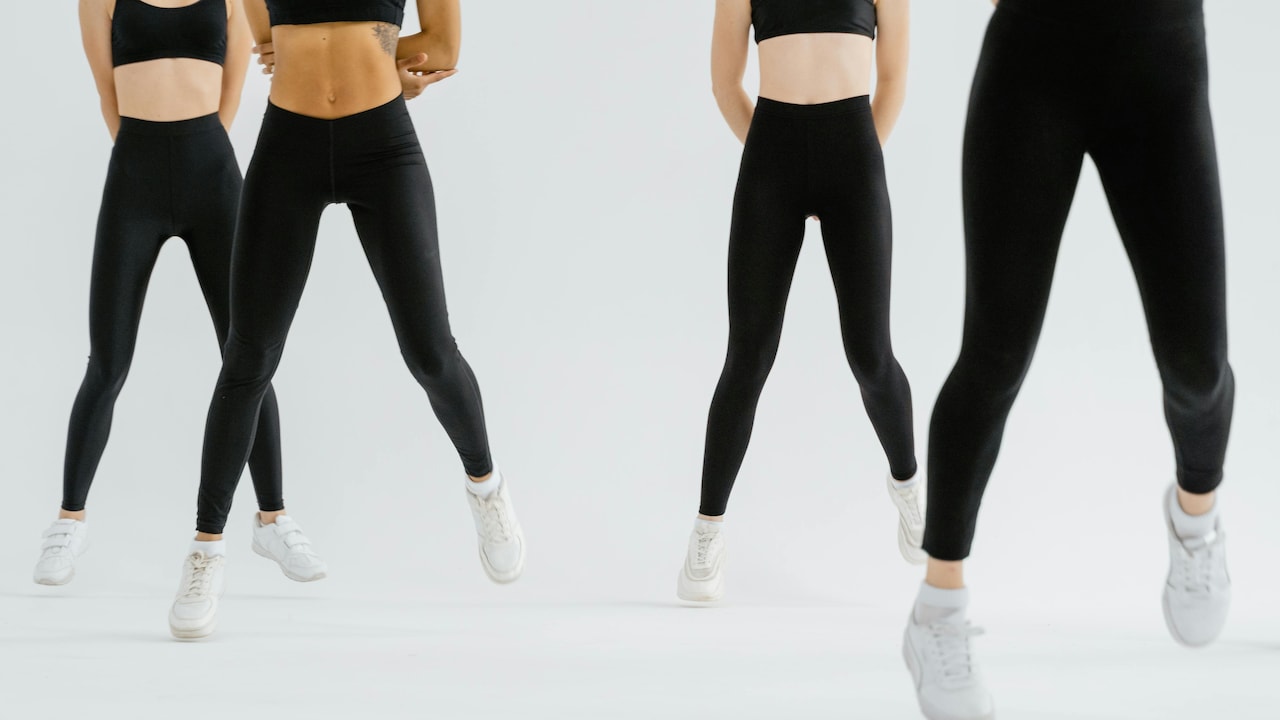
Best Durable Leggings That Keep Their Deep Colour And Don't Turn Grey After Washing.
There's something oddly satisfying about a pair of deep black leggings. They make outfits look cleaner, they work with kurtas, oversized tees, gym tops, and even those “just running downstairs for milk” moments. But the heartbreak is real when that jet black turns into a tired charcoal after a few washes.
The worst part? Faded leggings don't just look old. They look dusty. Like they've been through three monsoons, two heartbreaks, and one over-enthusiastic washing machine.
The truth is, durable colour is not a luxury. It's a quality marker. If the fabric, dye, and finish are right, leggings can stay dark, smooth, and presentable for months, even with regular wear. This article keeps it practical, realistic, and a little bit fun, because nobody wants a lecture when they're just trying to buy leggings that don't give up on life after four washes.
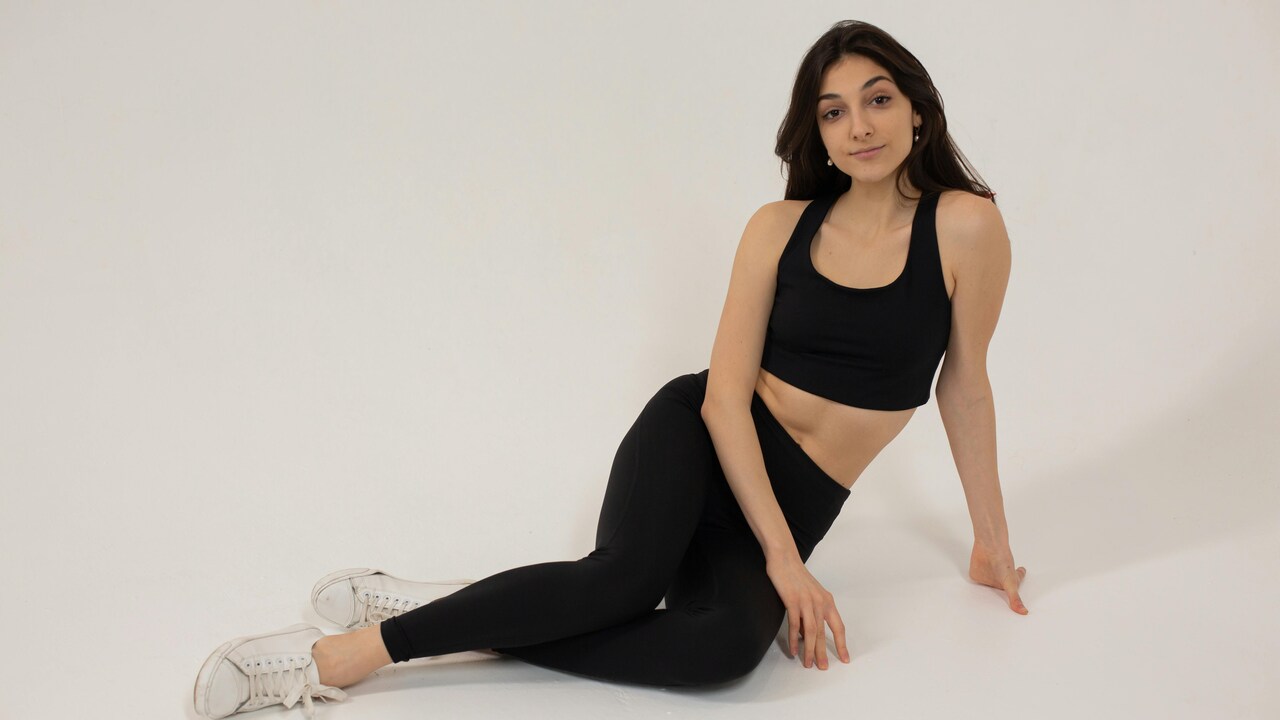
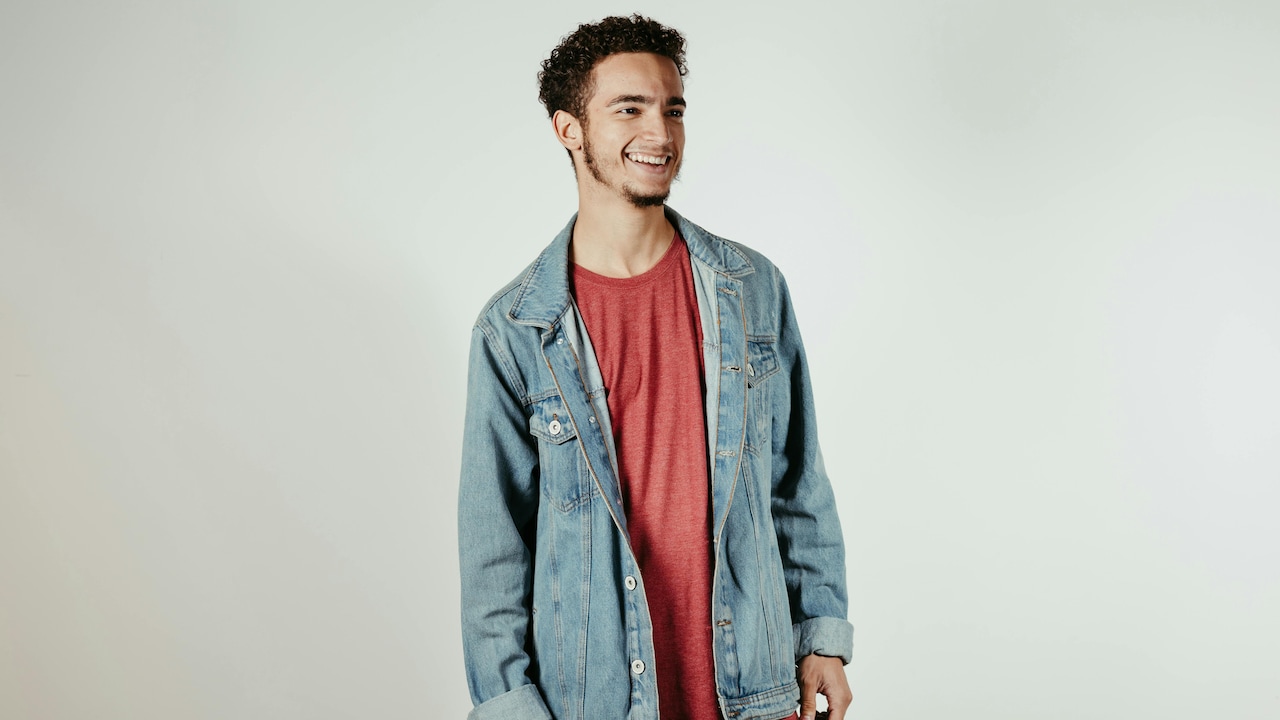
How to Stop Black Leggings from Fading: Fabric, Fit and Wash Tips; Photo Credit: Pexels
What to Look for in Leggings That Stay Dark After Every Wash
1) Start With Fabric That Holds Dye Like It's Personal
If deep colour is the goal, fabric choice is the first and biggest decision. Not all fabrics hold dye well, and some lose colour faster, even if they look great on Day 1. Cotton-heavy leggings feel breathable, but they often fade more quickly, especially if the cotton isn't combed or treated well. On the other hand, blends with polyester and elastane tend to hold colour better, because synthetic fibres grip dye more stubbornly.
A solid starting point is a cotton-polyester-elastane mix. It gives comfort, stretch, and better colour retention. Pure polyester also holds colour brilliantly, but it can feel less breathable in warm weather, especially during peak summer. The sweet spot is a blend that feels soft but not flimsy, with enough stretch to move without becoming see-through.
If leggings feel too thin in the store or while unboxing, that's not “lightweight”. That's “future grey”. Thin fabric often loses colour faster because there's less fibre to hold the dye and more friction during wear and wash.
2) Avoid “Ultra Soft” If It Feels Like Butter, That's Often a Red Flag
This one sounds strange, but it's true: some leggings that feel extremely soft right away are softer because of chemical softeners rather than good fibre quality. Those softeners wash out, and when they do, the fabric loses its smoothness, and the colour starts looking dull.
A genuinely durable legging feels smooth, but not slippery like satin. It should feel like it has structure. Think “firm hug”, not “melted ice cream”.
If the leggings feel like they could snag on a fingernail just by looking at them, they probably will. And once pilling starts, the colour looks faded even if the dye hasn't fully washed out. Pilling is basically the fabric's way of saying, “I'm tired”.
A good test is stretching the fabric slightly between fingers. If the colour looks patchy or lightens dramatically, it's a sign the dye saturation isn't deep enough or the knit is too loose.
Also Read: Best Leggings That Do Not Roll Down During Workouts: Ultimate Guide To No-Slip Activewear
3) Look for Matte Blacks Over Shiny Blacks (Unless It's for Gymwear)
Deep black leggings come in two main personalities: matte and shiny. Matte blacks usually age better. They keep their rich look even when the fabric starts softening slightly with time. Shiny blacks can look great at first, but they show wear faster, especially around thighs and knees, where friction is highest.
For daily wear, matte black is the safer bet. It's forgiving. It hides minor lint. It doesn't highlight every little stretch line. It also pairs better with traditional outfits, which many people still rely on for daily comfort and office wear.
Shiny leggings, especially those with a “wet look” finish, can peel or crack over time. And when that happens, no amount of washing care can fix it. That's not fading, that's the fabric's outer coating giving up.
If leggings are meant for workouts, a slight sheen can be okay because performance fabrics often use that finish. But for everyday use, matte is the classic for a reason.
4) Pay Attention to GSM and Thickness, Not Just Stretch
A lot of people judge leggings by stretch alone. Big mistake. Stretch is easy to add. Durability is harder.
GSM refers to fabric weight, and while shoppers don't always see this on labels, the feel tells the story. If the fabric feels dense and slightly heavy in hand, it's more likely to stay dark. Dense knits protect the dye because the fibres are packed tightly. They also resist friction better, which reduces fading and that ugly “grey knee” look.
Thin leggings fade fast because they get stressed. Every squat, every stair climb, every sitting-on-the-sofa moment stretches the fibres. Stretching makes dye appear lighter, and repeated stress makes the fabric lose depth.
A durable pair of leggings should feel like it can survive a crowded metro, a long workday, and an evening grocery run without looking like it aged five years.
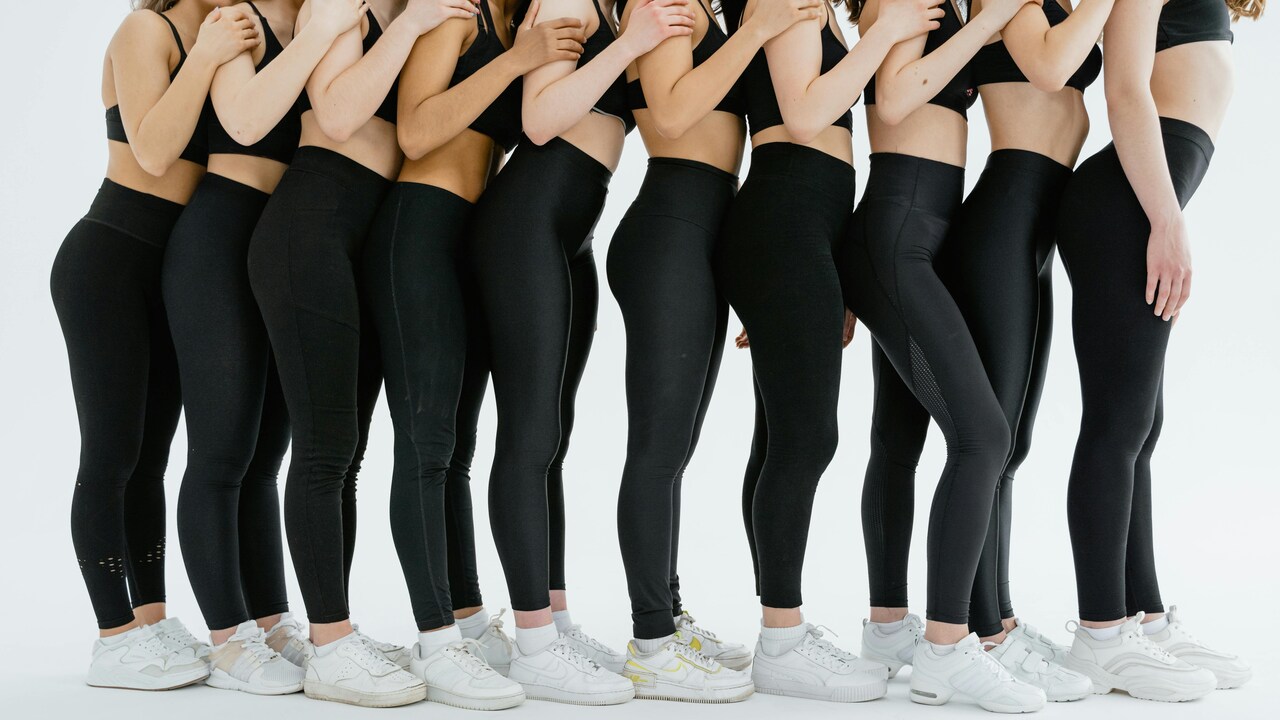
How to Stop Black Leggings from Fading: Fabric, Fit and Wash Tips; Photo Credit: Pexels
5) The Dye Job Matters More Than the Brand Name
A famous brand can still sell leggings that fade. A smaller label can sell leggings that stay black for ages. What matters is dye quality and dye setting.
Deep colours like black, navy, maroon, and charcoal need strong dye saturation and proper fixing. If the dye is poorly set, it bleeds during the first few washes, then fades quickly. If the dye is well set, the leggings might release a tiny bit of colour initially, but they stabilise and stay rich.
A practical clue is the smell and feel when new. If the leggings smell strongly chemical, there's a chance the dye process wasn't well balanced. Another clue is if the fabric feels “dry” and rough. That can mean the dye has been overdone without proper finishing, and it may fade unevenly.
The best deep-coloured leggings feel smooth, smell neutral, and look consistent in shade across seams and panels.
6) Stitching and Seams Decide Whether Colour Looks Fresh
This sounds like a detail, but it changes everything. A pair of leggings can technically stay dark, yet still look worn because seams stretch, twist, or distort.
Good stitching keeps the fabric stable. When leggings lose shape, the fibres stretch unevenly, and the colour starts looking faded in certain areas. Knees become lighter. Thighs become dull. Waistbands start looking tired.
Check the seams: they should be flat, neat, and evenly stitched. Overlocked seams are common, but flatlock seams usually feel smoother and reduce friction. Less friction means less surface wear, and less surface wear means the colour stays richer.
Also, a solid waistband matters. If the waistband folds and rolls, it creates stress lines that look lighter over time. A firm waistband holds the leggings in place and keeps the colour looking consistent.
7) Pilling Is the Sneaky Villain That Makes Black Look Grey
Sometimes leggings don't fade. They pill. And pilling makes dark fabric look dusty, dull, and grey-ish even when the dye is still there.
Pilling happens when short fibres rub and tangle into tiny balls. It's most common in the inner thighs, the hip area, and sometimes the back. And yes, it happens faster in leggings that are softer but lower quality.
If leggings pill quickly, they lose their “new” look within weeks. And once the surface texture changes, the colour doesn't reflect light the same way. That's why it looks faded.
Leggings made with longer fibres, tighter knits, and better blends pill less. Polyester blends often pill less than low-grade cotton. Also, smoother fabrics with performance finishes tend to resist pilling better.
If the goal is deep colour for longer, pilling resistance matters just as much as dye quality.
How to Stop Black Leggings from Fading: Fabric, Fit and Wash Tips; Photo Credit: Pexels
8) Wash Behaviour Matters, But Only If the Leggings Are Worth It
It's tempting to blame washing machines for everything, but washing only exposes weaknesses already present in the fabric.
That said, even good leggings can fade if they're treated like bedsheets. Dark leggings need gentle washing habits. Hot water is the fastest way to make deep colours lose depth. Harsh detergents are the second fastest. The third is washing them with rough fabrics like denim, towels, or heavy cotton.
A simple habit that helps is turning leggings inside out before washing. It protects the outer surface from friction. Washing in cold water helps keep the dye stable. Mild detergent helps too, because strong detergents strip dye and finishing.
Also, over-washing is real. If leggings are worn for two hours for a casual outing, they don't need an aggressive wash like gym gear. Many people wash leggings after every single wear, even when they weren't sweaty, and that shortens the colour life dramatically.
Good leggings can handle regular washing. Great leggings look like they don't even care.
9) Drying in Harsh Sunlight Is Basically Colour Sabotage
Sunlight is great for drying, but it's terrible for deep colours. Strong sun breaks down dye molecules, especially in darker shades. That's why black clothes left in direct sunlight often develop that slightly reddish or dull look over time.
The best approach is shade drying. A well-ventilated area works perfectly. If the home setup forces sun drying, turning leggings inside out helps protect the outer surface.
Avoid wringing leggings aggressively, too. Wringing stresses fibres and can create lighter stress marks, especially around knees and ankles. It also weakens elastane, and when elastane weakens, the fabric loses shap,e and the colour starts looking uneven.
Dryers can be rough on elastane, so if a dryer is used, low heat is safer. But honestly, air drying is still the best for leggings, especially for keeping them dark and smooth.
10) Price Matters, But Smart Buying Matters More
There's no need to spend ₹2,500 on leggings just to keep them black. But expecting ₹199 leggings to stay jet black for months is also a fantasy. Somewhere in the middle lies sanity.
Leggings in the ₹500–₹1,200 range often hit the best balance between quality and value, especially when bought from brands that focus on basics rather than trendy prints. In this range, the fabric is usually thicker, the stitching is better, and the dye quality is more reliable.
Also, buying two or three leggings and rotating them helps a lot. Wearing the same pair every other day accelerates friction and washing cycles, which makes fading inevitable. Rotation gives fabric recovery time and reduces stress.
One more underrated tip: keep one pair for “outside wear” and one for “home wear”. Home leggings go through more lounging, sitting, and casual friction, and they tend to age faster. The outside pair stays sharper longer, and life becomes easier.
Products Related To This Article
1. Yunic29 Pack Of 3 Mid-Rise Churidar-Length Leggings
2. Jockey Super Combed Cotton Stretch Leggingssoft Waistband-AW87
3. COLOR CAPITAL Women Anti-Microbial Flared Gym Tights
4. Max Women Maroon Solid Ankle-Length Cotton Leggings
5. HRX by Hrithik Roshan Women High-Rise Rapid-Dry Training Tights
Deep-coloured leggings are not meant to be disposable. They're wardrobe workhorses. When they stay rich and dark, outfits look cleaner, confidence feels effortless, and nobody has to worry about that awkward “is this black or just sad grey?” moment.
The secret is not magic detergent or complicated laundry rituals. It's choosing the right fabric blend, avoiding overly soft flimsy knits, watching for pilling, and treating dark colours with a bit of common sense. Small choices add up, and the difference between leggings that fade in a month and leggings that stay sharp for a year is usually visible from the first touch.
A good pair of leggings should survive real life: long commutes, spicy street food cravings, surprise plans, and laundry day chaos. And if they can do all that while staying deep black, they deserve a quiet round of applause, and a gentle wash cycle.
(Disclaimer: This article may include references to or features of products and services made available through affiliate marketing campaigns. NDTV Convergence Limited (“NDTV”) strives to maintain editorial independence while participating in such campaigns. NDTV does not assume responsibility for the performance or claims of any featured products or services.)