Why Tote Bags Hurt Your Shoulders: The Strap Width Mistake Most People Make
Sore shoulders from tote bags aren’t about weight alone. Strap width plays a bigger role than most realise. Simple maths explains why wider straps reduce pain and make everyday carrying far more comfortable.

Tote Bags That Hurt Shoulders: Strap Width Maths That Makes A Difference.
Tote bags enjoy celebrity status on city streets, college campuses and local markets. They promise freedom. One bag. One strap. No fuss. Yet many people feel that familiar pinch near the collarbone after a short walk. The shoulder protests. The arm tingles. The bag slips. The problem rarely comes from weight alone. Strap width quietly does the damage.
This article unpacks the simple science behind strap width and shoulder comfort. No lab coats or complicated formulas appear here. Only practical maths, daily examples and street-smart bags. Think of crowded metros, vegetable runs, office commutes and festival shopping. Every scenario shares one truth. A poorly designed strap can ruin a good bag.
The aim stays simple. Help readers choose better totes. Save your shoulders from daily strain. Add comfort to everyday routines without spending ₹5,000 on a fancy label. Small design changes matter. Strap width tops that list.
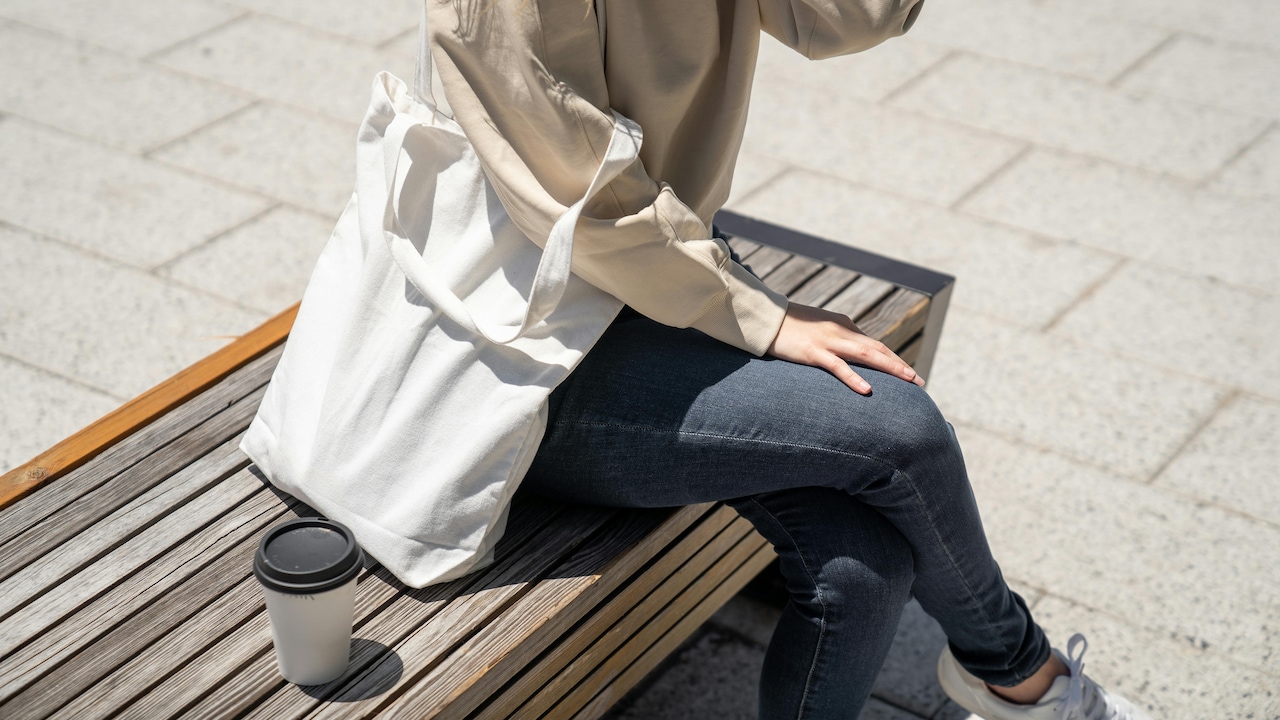
Tote Bag Shoulder Pain Explained: How Strap Width Affects Comfort; Photo Credit: Pexels
What Makes a Tote Comfortable for Everyday Carry
1. Why Shoulders Suffer Before the Bag Gives Up
Shoulders carry more than weight. They handle pressure. Pressure equals weight divided by surface area. Narrow straps shrink that surface. The shoulder then absorbs force in one sharp line. Pain follows fast.
Picture a vegetable run. The bag holds potatoes, tomatoes and a milk packet. Total weight reaches about 6 kilos. A 2 cm strap digs into the skin. A 5 cm strap spreads that load. The maths stays basic. More width means less pressure per square centimetre.
Many people blame posture or muscle weakness. Those factors play a role. Strap width still decides first contact. Narrow straps press on nerves near the collarbone. Tingling fingers often follow. Wider straps cushion that area. They also reduce slipping.
Daily life adds movement. Walking, climbing stairs and dodging traffic increase dynamic load. Each step multiplies pressure. A narrow strap reacts badly. A wider one adapts. Comfort depends on how the bag meets the body, not how stylish it looks on a hanger.
2. The Magic Number: How Wide Should a Tote Strap Be
No single width suits every person. Some clear ranges help. For light loads under 3 kilos, a strap width of 3 to 4 cm works fine. Think books, lunch boxes or light shopping. Comfort stays manageable.
Heavier loads demand more. Laptops, chargers and water bottles push the weight past 5 kilos. Strap width should reach at least 5 to 6 cm. That extra fabric spreads pressure across the muscle instead of the bone.
Street vendors often use thick cloth loops for grain sacks. They know this logic well. Those loops protect shoulders during long carries. Fashion brands sometimes ignore it. Slim straps look elegant but punish the body.
Height and build matter too. Broader shoulders handle slightly narrower straps. Petite frames need more width for the same weight. The strap should sit flat. Folding or twisting reduces effective width. That defeats the purpose.
Next time a tote feels heavy too soon, measure the strap. A ruler reveals the truth faster than guesswork.
Also Read: Top 10 Tote Bags For Laptops That Will Not Look Bulky At All
3. When Fashion Fights Function on Busy Streets
Trends love slim lines. Tote straps follow that obsession. Thin leather straps signal minimalism. They also signal pain after a 20-minute walk.
City life demands practicality. Crowded buses push bags into awkward angles. Narrow straps slide towards the neck. That area holds sensitive nerves. Discomfort escalates quickly.
Many shoppers pick totes based on prints or slogans. Strap design rarely gets attention. Yet that detail decides daily comfort. A ₹399 canvas tote with a wide strap often beats a ₹3,000 designer piece with narrow handles.
Markets tell the real story. People adjust bags constantly. They switch shoulders. They grip the straps by hand. These habits signal discomfort. A well-designed strap allows hands-free movement without constant adjustment.
Fashion need not lose here. Designers can blend width with style. Tapered ends and textured fabric add flair without sacrificing comfort. Buyers can also demand better designs. Trends change fast. Shoulder health lasts longer.
4. Maths Behind Load Distribution Explained Simply
Forget complicated physics. Think of pressure like standing barefoot versus wearing slippers. The body feels pain faster on bare feet. Slippers spread weight across a larger area. Tote straps work the same way.
A 6-kilo load on a 2 cm strap concentrates force. The same load on a 6 cm strap spreads it three times wider. Each centimetre carries less burden. Muscles cope better. Bones feel less stress.
Movement adds another layer. When walking, the bag swings. That swing creates extra force. Narrow straps fail to absorb it. Wider straps dampen motion. They stay stable on the shoulder.
Material also matters. Soft cotton or padded canvas increases surface contact. Hard leather without padding reduces it. Width alone cannot fix everything. Combined design choices create comfort.
This simple maths explains why some totes feel lighter than others with the same load. Weight stays constant. Distribution changes the experience.
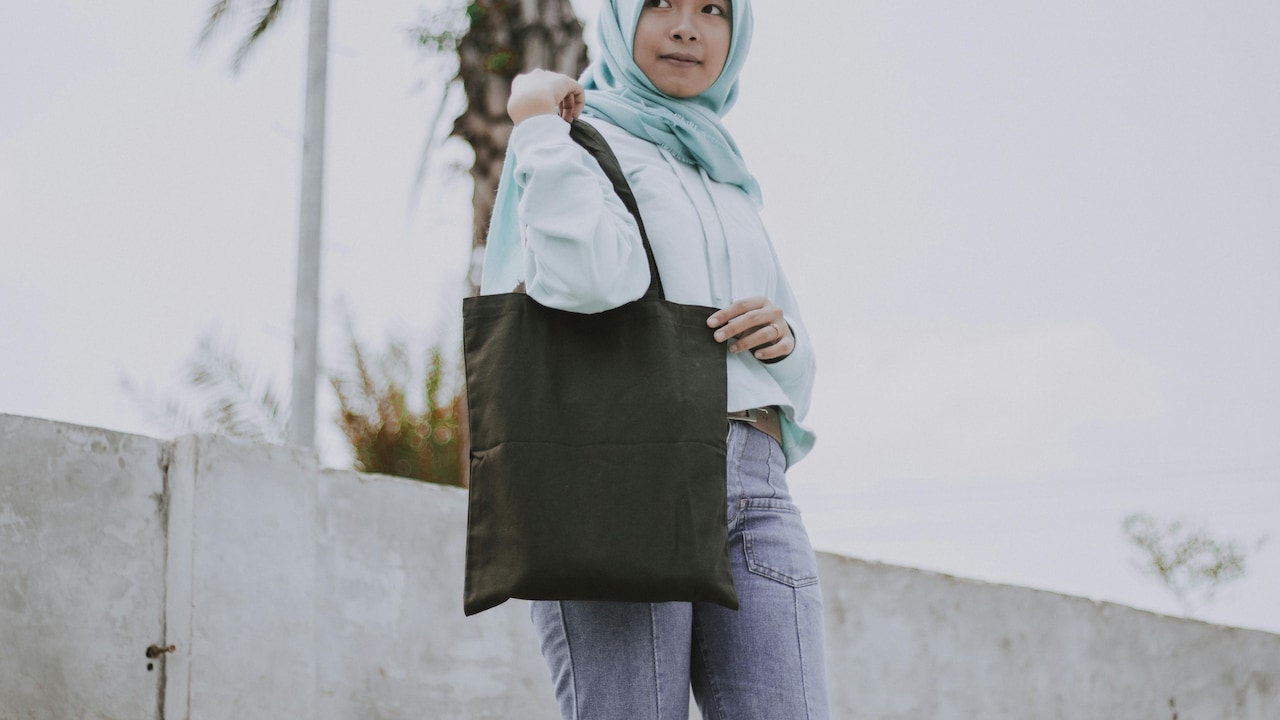
Tote Bag Shoulder Pain Explained: How Strap Width Affects Comfort; Photo Credit: Pexels
5. Daily Commutes and the Shoulder Stress Test
Morning commutes test every bag. Packed buses, sudden stops and long walks challenge the strap design. Narrow straps cut in during these moments.
Office totes often carry laptops, lunch, notebooks and chargers. Total weight climbs fast. Many commuters underestimate it. The shoulder never forgets.
A wider strap reduces micro-adjustments. The bag stays put. Muscles relax. The neck stays neutral. Comfort improves over time.
Some commuters wrap scarves around straps for padding. That hack reveals the problem clearly. The body seeks width and softness. Better strap design removes the need for such fixes.
Choosing the right tote can change the commute mood. Less pain means more energy. A small design detail can turn a daily chore into a smoother routine.
6. Shopping Days, Festivals and Unexpected Loads
Shopping rarely ends as planned. A quick errand turns into a full bag. Festivals add gifts, sweets and decorations. Tote bags stretch to their limits.
During these moments, strap width shows its true value. Narrow straps dig deeper as weight increases. Wider straps adapt better. They prevent red marks and soreness.
Street shoppers often switch to hand-carry mode halfway through. That switch signals shoulder fatigue. A good strap delays or prevents that need.
Reusable totes gained popularity for sustainability. Many focus on fabric strength. Strap design still lags behind. Sustainability should include human comfort, too.
A well-designed tote supports longer use. It reduces the urge to switch to plastic bags mid-shop. Comfort encourages better habits.
7. Gender, Body Shape and Strap Comfort
Bodies differ. Strap design should respect that fact. Shoulder slope, muscle mass and posture affect comfort.
Some people carry weight closer to the neck. Others spread it across the shoulder cap. Narrow straps suit very few shapes. Wider straps offer flexibility across body types.
Adjustable straps help, too. They allow positioning away from sensitive zones. Fixed short handles to limit options.
Many experience shoulder pain due to a bag on bra straps or clothing seams. Wider straps reduce overlap pressure. Comfort improves instantly.
Designers often use one-size-fits-all logic. Real life demands more nuance. Buyers benefit from testing bags with realistic loads. A quick mirror check can reveal pressure points.
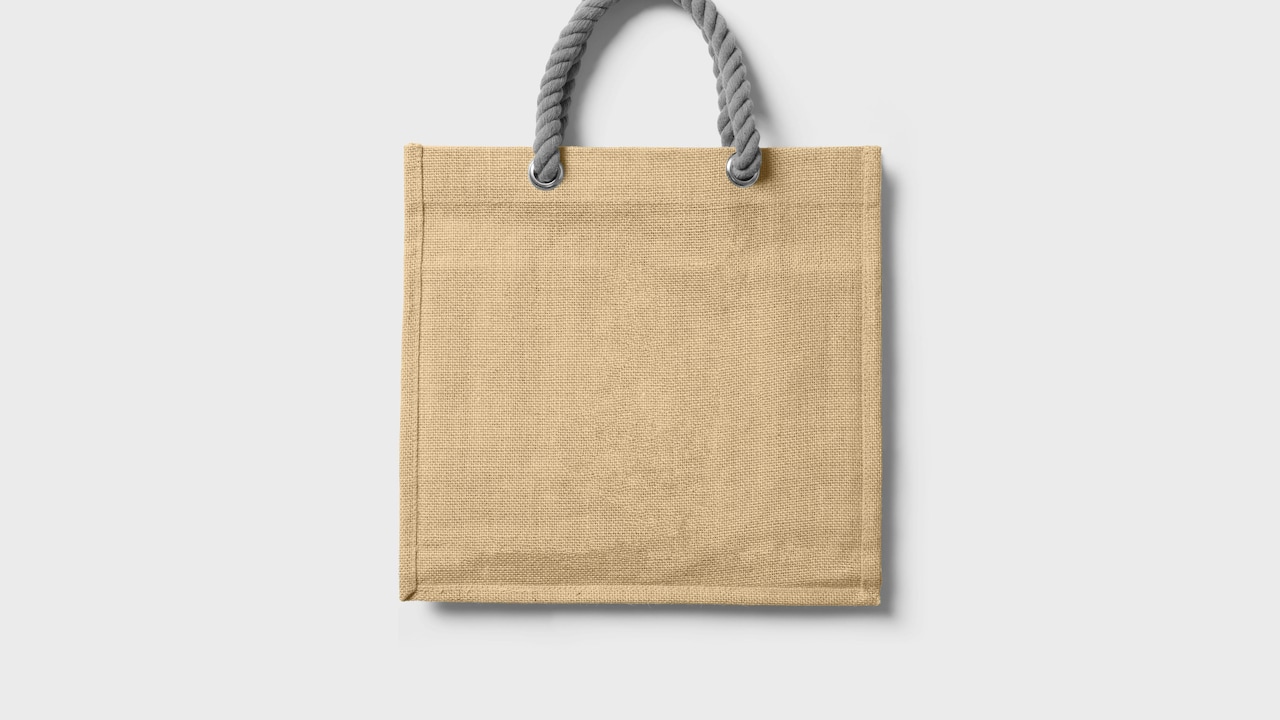
Tote Bag Shoulder Pain Explained: How Strap Width Affects Comfort; Photo Credit: Pexels
8. Material Meets Width: A Crucial Partnership
Width alone cannot save a stiff strap. Material choice completes the equation. Soft canvas, webbing and padded cotton perform well. They mould to the shoulder.
Thin leather straps look premium. Without padding, they concentrate pressure. Over time, they stiffen further. Comfort drops.
Textured surfaces grip clothing better. Slippery straps slide and cause friction burns. Wider textured straps stay stable.
Some brands add foam inserts. These work when combined with enough width. Foam on a narrow strap still fails.
Weather plays a role, too. Sweat increases friction. Wider breathable straps handle heat better. Comfort stays consistent across seasons.
9. Choosing the Right Tote Without Overthinking
Shopping for totes need not feel complicated. A simple checklist helps. Check the strap width first. Aim for at least 5 cm for daily heavy use.
Load the bag in-store if possible. Add a book or a water bottle. Feel the pressure. Walk a few steps.
Ignore brand hype. Comfort does not depend on logos. Many local brands offer smarter designs at fair prices under ₹1,000.
Check stitching near the strap. Wide straps need strong attachment points. Weak stitching cancels benefits.
Trust the body's response. Discomfort appears quickly with poor design. Relief feels instant with good width. The shoulder never lies.
10. Rethinking Everyday Carry for Long-Term Comfort
Tote bags form part of daily life. Small discomforts accumulate over time. Shoulder pain today can become chronic tomorrow.
Strap width offers an easy fix. No exercises or expensive treatments required. Just better design choices.
Conversations around bags should include ergonomics. Comfort deserves as much attention as style.
As urban life grows busier, carry habits matter more. Bags should support movement, not restrict it.
Choosing the right strap width shows care for the body. That care reflects smart living. Comfort should never feel like a luxury.
Products Related To This Article
1. Anouk Shopper Tote Bag
2. StyleCast Structured Tote Bag
3. Berrylush Structured Tote Bag
4. EcoRight Denim Tote Bag
5. ZOUK Striped Oversized Structured Shoulder Tote Bag
Tote bags promise simplicity. That promise breaks when shoulders ache by noon. Strap width holds the key to fixing that problem. Simple maths explains it. Wider straps spread the load. Pressure drops. Comfort rises.
Every day routines involve carrying more than expected. Groceries, laptops, and festival finds add up. A well-designed strap handles that reality with ease.
Next time a tote catches the eye, look beyond colour and print. Measure the strap. Feel the difference. Small design choices protect shoulders for years. Comfort should walk alongside style, not trail behind it.
(Disclaimer: This article may include references to or features of products and services made available through affiliate marketing campaigns. NDTV Convergence Limited (“NDTV”) strives to maintain editorial independence while participating in such campaigns. NDTV does not assume responsibility for the performance or claims of any featured products or services.)