Why Faux Leather Belts Crack Easily and Simple Ways to Stop the Damage
Faux leather belts crack faster than expected due to heat, sweat, and poor storage. Learn why it happens and how simple care habits can prevent warping and peeling. Here are common reasons that make faux leather belts crack and how to prevent it for longer.
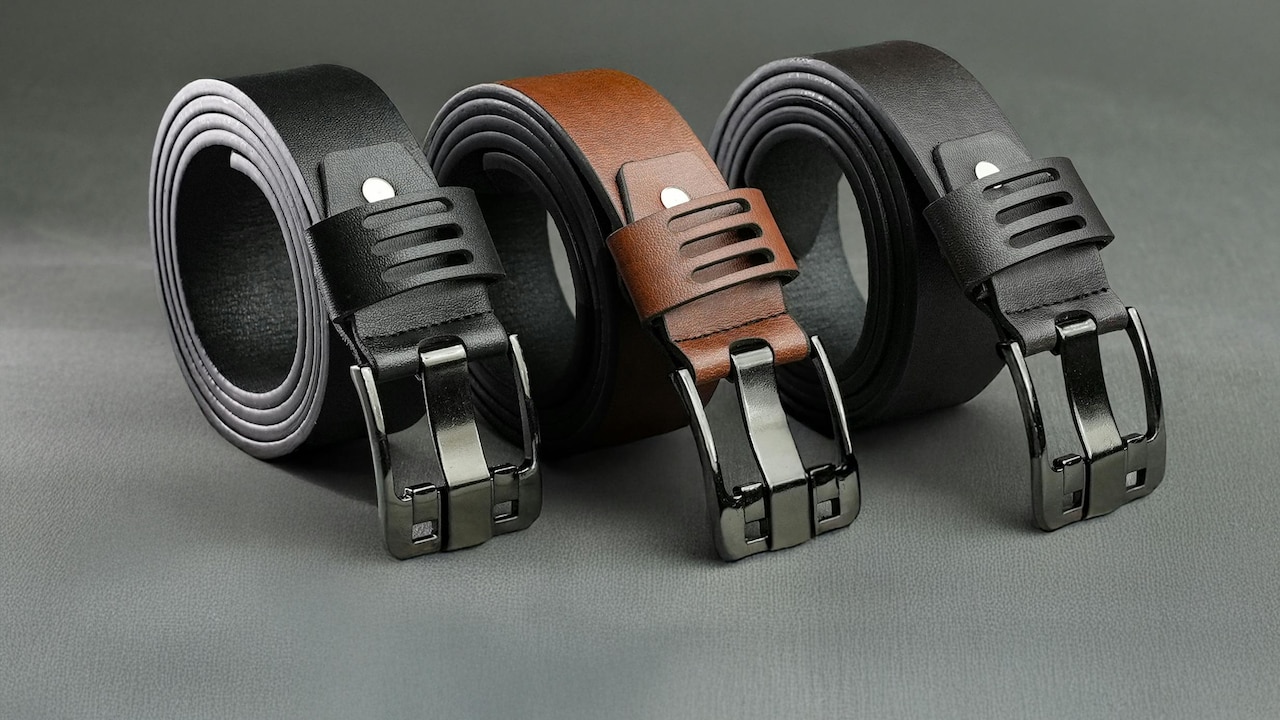
Tired Of Warped Belts? Understand Why Faux Leather Cracks And Tips To Stop It.
Belts rarely get the attention given to shoes or jackets, yet they work hard every single day. Faux leather belts sit in most wardrobes because they look good, cost less, and match almost anything. Trouble starts when the belt twists, cracks, or peels just when an important meeting or family function comes up. The disappointment feels familiar.
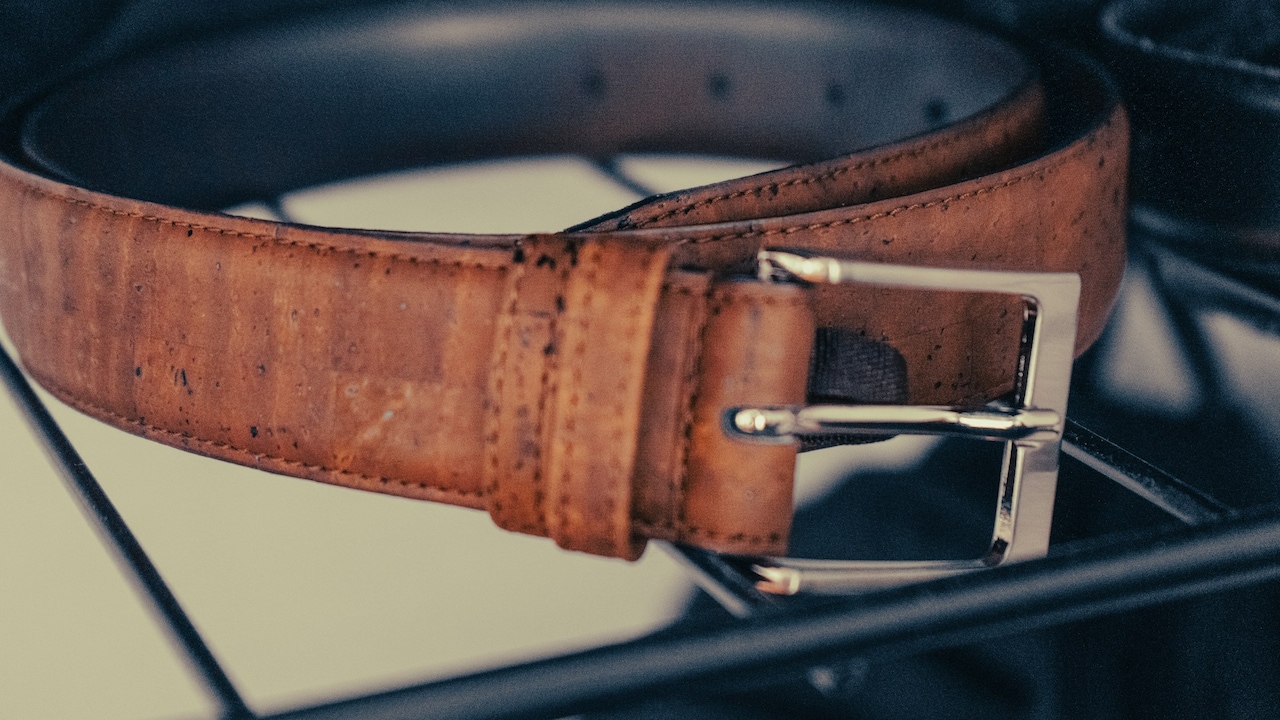
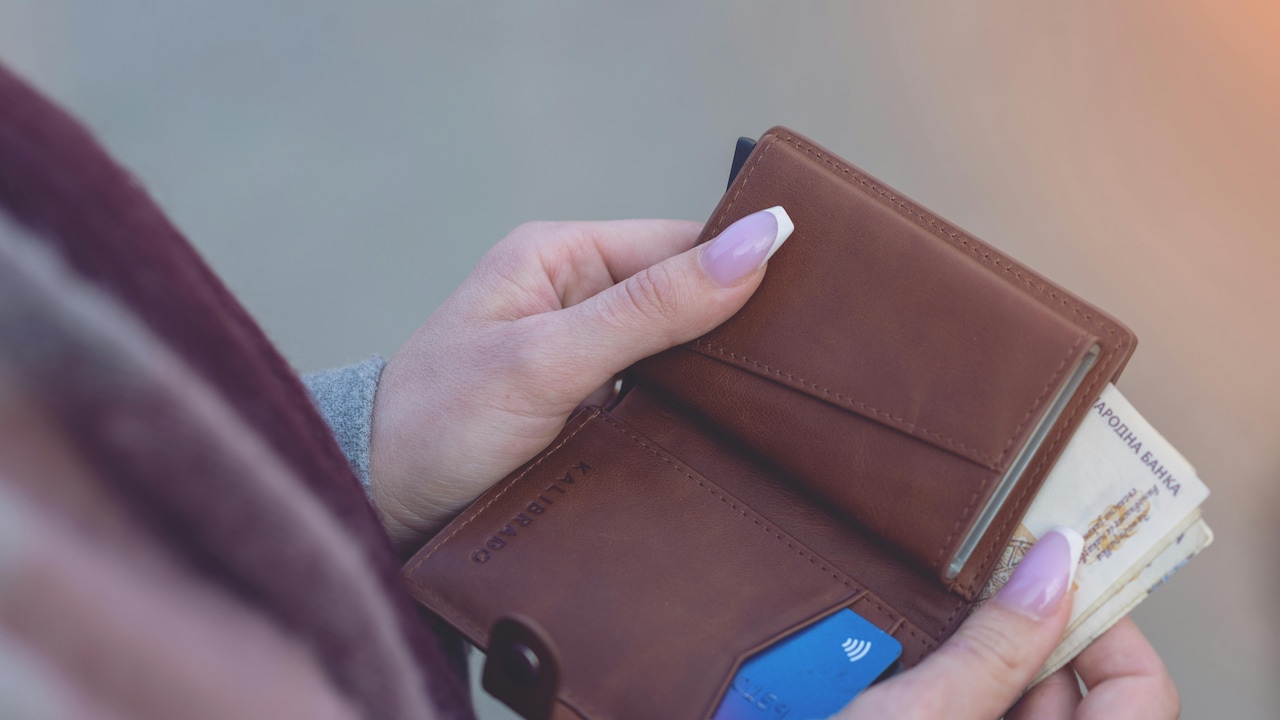
Protect your faux leather belt from cracking easily with these care tips; Photo Credit: Unsplash
Faux leather, also known as synthetic leather, behaves very differently from natural hide. Heat, humidity, and daily wear push it to its limits. In a climate where summers scorch, monsoons soak everything, and cupboards double as storage puzzles, belts face a tough life.
Understanding why faux leather cracks helps save money and frustration. More importantly, a little care can stretch the life of a belt by months or even years. The sections ahead break down the science, the habits that cause damage, and the easy fixes that actually work. No fancy tools. No complicated routines. Just smart, realistic advice that fits everyday life.
Also Read: From Casual To Formal Wear: Explore 8 Types Of Belt Every Woman Need
Before You Blame the Belt, Here's What's Really Going Wrong
1. What Faux Leather Really Is and Why It Behaves Differently
Faux leather looks convincing at first glance, yet its core tells a different story. Manufacturers create it using plastic-based materials like polyurethane or PVC layered over fabric. This structure gives flexibility and shine but lacks the natural fibres found in real leather. Those fibres allow genuine leather to breathe, stretch, and recover. Faux leather cannot do the same.
Over time, the plastic coating dries out. Heat speeds up this process. So does constant bending around the waist. Tiny cracks form on the surface, especially near holes and edges. Once cracks appear, peeling soon follows. Unlike real leather, faux leather cannot heal or soften with age. It only wears down.
Price also plays a role. Many belts cost under ₹700, which often means thinner coatings and lower-quality backing. They look great on the shop rack but struggle with daily use. Knowing this difference sets realistic expectations. Faux leather, when treated right, lasts decently. When treated like genuine leather, it gives up early.
2. Heat, Humidity, and the Climate Factor
Climate affects faux leather more than most people realise. High temperatures dry out the plastic layer, while humidity weakens the fabric base. Together, they create the perfect storm for cracking. Leaving a belt inside a parked car or near a sunny window invites trouble. Cupboards placed against warm walls do the same.
Monsoon months bring a different challenge. Moisture seeps into the fabric backing. The top layer traps that moisture. Over time, the layers lose grip on each other. Peeling starts at the edges and spreads like gossip at a wedding.
Daily life adds to the stress. Walking long distances, sitting through traffic, or riding a two-wheeler forces the belt to bend constantly. Sweat adds salt and moisture, which further weakens the material. Faux leather never gets a break unless given one deliberately. A little awareness of climate impact goes a long way in preventing damage.
3. Poor Storage Habits That Ruin Belts
Storage often causes more harm than wear. Many belts end up folded, twisted, or squeezed into drawers. That constant pressure trains the material to bend in the wrong places. Cracks then appear exactly where the folds sit. Hanging belts on sharp hooks causes similar damage by stretching one spot endlessly.
Some wardrobes lack ventilation. Warm, stale air builds up inside, especially during summer. Faux leather hates this environment. It needs cool, dry conditions to stay flexible. Piling belts on top of each other traps moisture and heat.
A simple change makes a big difference. Roll belts loosely and store them flat. Use a soft cloth pouch if possible. Even an old cotton pillowcase works well. Keep them away from direct light and heat sources. Treat belts like accessories, not afterthoughts. That shift alone can add months to their life.
4. The Role of Sweat, Dirt, and Daily Grime
Belts sit close to the body, which means sweat touches them every day. Sweat contains salt and natural oils. On faux leather, these substances break down the surface coating over time. Add dust and pollution, and the belt faces a constant chemical attack.
Many people wipe their shoes regularly but forget belts completely. Dirt settles into tiny surface cracks and widens them. Buckle areas suffer the most because fingers touch them often. Oil from skin transfers easily and builds up quietly.
Cleaning does not need much effort. A soft, damp cloth used once a week removes surface grime. A mild soap helps when sweat stains appear. Avoid soaking the belt. Dry it naturally, away from heat. This small habit keeps the surface supple and prevents early cracking. Clean belts also look sharper, which never hurts.
5. Overuse and the One-Belt Problem
That favourite black or brown belt often becomes the only belt. It pairs with jeans, trousers, and even festive wear in a pinch. Daily use sounds harmless, yet faux leather needs rest. Constant bending stresses the same points again and again. Eventually, the material gives in.
Rotating belts spread the load. Using two or three belts across the week allows each one to recover its shape. This habit mirrors shoe care, where rotation prevents wear. Even budget belts benefit from this approach.
Investing in an extra belt may cost ₹500 today, but it saves ₹1,500 over a year. The maths works. Style also improves. Different belts lift outfits effortlessly. Overuse remains one of the biggest reasons faux leather fails early. Giving belts a day off keeps them looking new for longer.
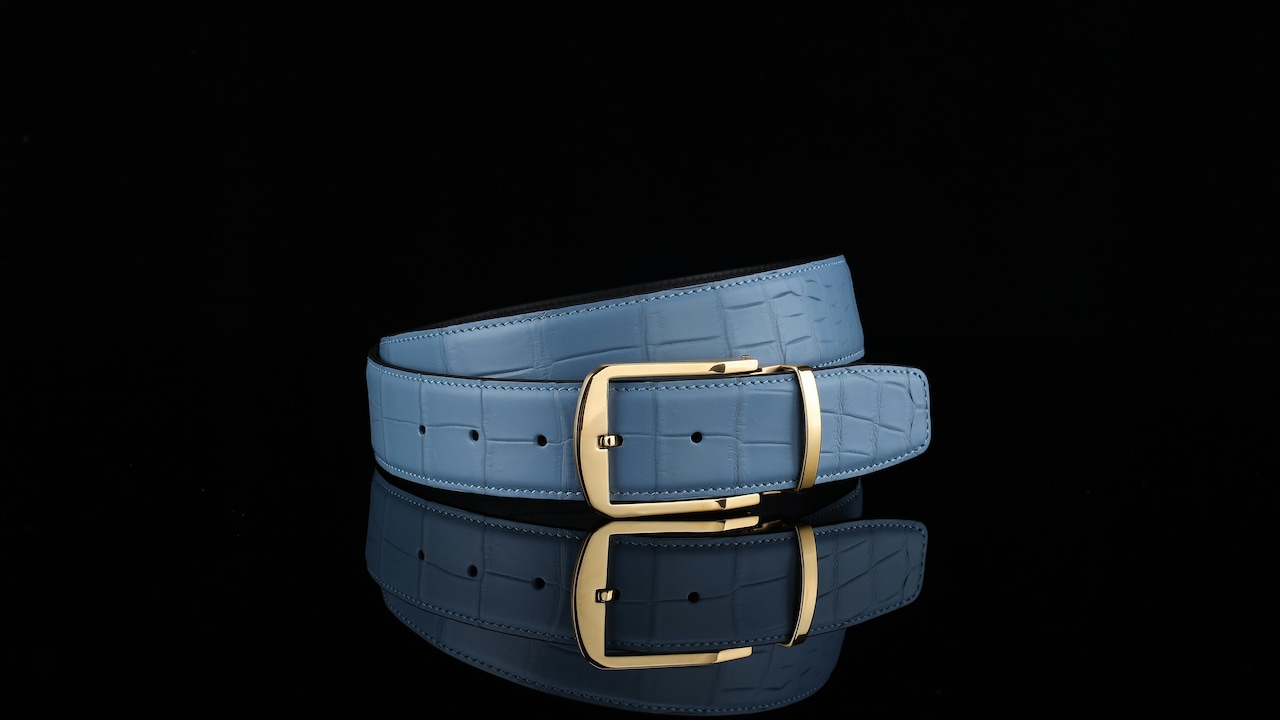
Always use your faux leather belts in rotation to protect them from overusing; Photo Credit: Pexels
6. Low-Quality Manufacturing and Hidden Weak Spots
Not all faux leather belts are equal. Some manufacturers cut corners to reduce costs. Thin coatings crack faster. Weak stitching fails under pressure. Cheap adhesives lose grip in heat. These issues hide well under glossy finishes.
Weak spots usually appear near punched holes and belt edges. Poorly sealed edges allow moisture to seep in. Once inside, damage spreads quickly. Buckles attached with flimsy rivets add to the problem by pulling on the material unevenly.
Checking quality before buying helps. Bend the belt gently in the shop. Look for surface lines that appear instantly. Inspect edges for smooth sealing. A slightly higher price often reflects better construction. Spending ₹900 instead of ₹500 can double the belt's lifespan. Quality always pays back quietly over time.
7. Cleaning Mistakes That Do More Harm Than Good
Good intentions sometimes backfire. Many people use alcohol wipes, harsh detergents, or even nail polish remover to clean belts. These products strip the plastic coating and dry it out instantly. Cracks follow soon after.
Water causes trouble, too, when used excessively. Soaking a faux leather belt weakens the fabric base. Twisting it to dry changes its shape permanently. Heat from hairdryers or direct sun worsens the damage.
Stick to gentle methods. Mild soap, lukewarm water, and a soft cloth work best. Wipe, don't scrub. Let the belt air dry on a flat surface. Patience matters here. Quick fixes often lead to quicker damage. Treat faux leather like delicate fabric rather than tough hide.
8. Simple Conditioning Tricks That Actually Work
Conditioning sounds fancy, yet faux leather benefits from light care. While it does not absorb oils like real leather, a thin protective layer helps. A tiny amount of petroleum jelly or baby oil, applied sparingly, adds surface flexibility. Use this trick once every few months, not weekly.
Test on a small area first. Overuse attracts dust and dirt. The goal involves protection, not shine. Some people use silicone-based sprays meant for car interiors. These sprays work well when used lightly. They create a barrier against moisture and cracking.
Avoid products meant for genuine leather. They penetrate too deeply and weaken faux materials. Simple, controlled care wins here. Think of it as sunscreen for the belt rather than heavy skincare.
9. When Repair Makes Sense and When It Doesn't
Small cracks and peeling edges do not always mean the end. Clear fabric glue can seal minor peels temporarily. Edge paint hides wear and improves appearance. These fixes suit occasional-use belts or emergency situations.
Deep cracks across the belt's length signal bigger trouble. Repair costs often exceed the belt's value. Spending ₹300 on fixes for a ₹600 belt rarely makes sense. At that stage, replacement saves time and frustration.
Learning when to let go matters. Holding onto a failing belt leads to awkward moments, like flakes on light trousers. Retire damaged belts gracefully. Keep them for rough use or discard them responsibly. A fresh belt lifts confidence instantly.
10. Smarter Buying Choices for Longer-Lasting Belts
Prevention starts at the shop. Choosing belts labelled as high-grade PU rather than PVC improves durability. Wider belts distribute stress better than narrow ones. Rounded edges resist cracking more effectively than sharp cuts.
Neutral colours hide wear better, yet darker shades absorb more heat. Balance matters. Textured finishes disguise minor cracks longer than glossy ones. Adjustable buckles reduce stress on fixed holes.
Ask simple questions before buying. How often will this belt get used? Does it suit multiple outfits? A thoughtful choice reduces impulse buys that fail quickly. Spending mindfully turns faux leather into a reliable companion rather than a short-term fix.
Products Related To This Article
1. CRUSSET Women Tan Brown Solid Belt
2. Shining Diva Fashion Women Embellished Leather Belt
3. Ginger by Lifestyle Women Belt
4. DressBerry Women Embellished PU Belt
5. Max Women Belt With Tang Closure
6. Louis Philippe Men Brown Solid Leather Belt
7. Tommy Hilfiger Men Black Solid Belt
Faux leather belts crack for clear reasons, not bad luck. Heat, humidity, poor storage, overuse, and harsh cleaning habits all play their part. The good news lies in how easily most of these issues can be fixed. Small changes in care, storage, and buying habits stretch a belt's life far beyond expectations.
Belts may seem like minor accessories, yet they hold outfits together in more ways than one. Treating them with a little respect saves money, avoids embarrassment, and keeps wardrobes running smoothly. The next time a belt starts to warp or crack, the reason will no longer feel mysterious. With the right approach, faux leather can stay stylish, flexible, and dependable for the long run.
(Disclaimer: This article may include references to or features of products and services made available through affiliate marketing campaigns. NDTV Convergence Limited (“NDTV”) strives to maintain editorial independence while participating in such campaigns. NDTV does not assume responsibility for the performance or claims of any featured products or services.)