10 Reasons Light-Coloured Linen Co-ords Look More Transparent Than Expected
Light-coloured linen co-ords can look surprisingly sheer in daylight. From fabric density and weave to lighting and fit, discover 10 reasons behind unexpected transparency and how to avoid it.
10 Reasons Light-Coloured Linen Co-ords Look Transparent And How To Fix It
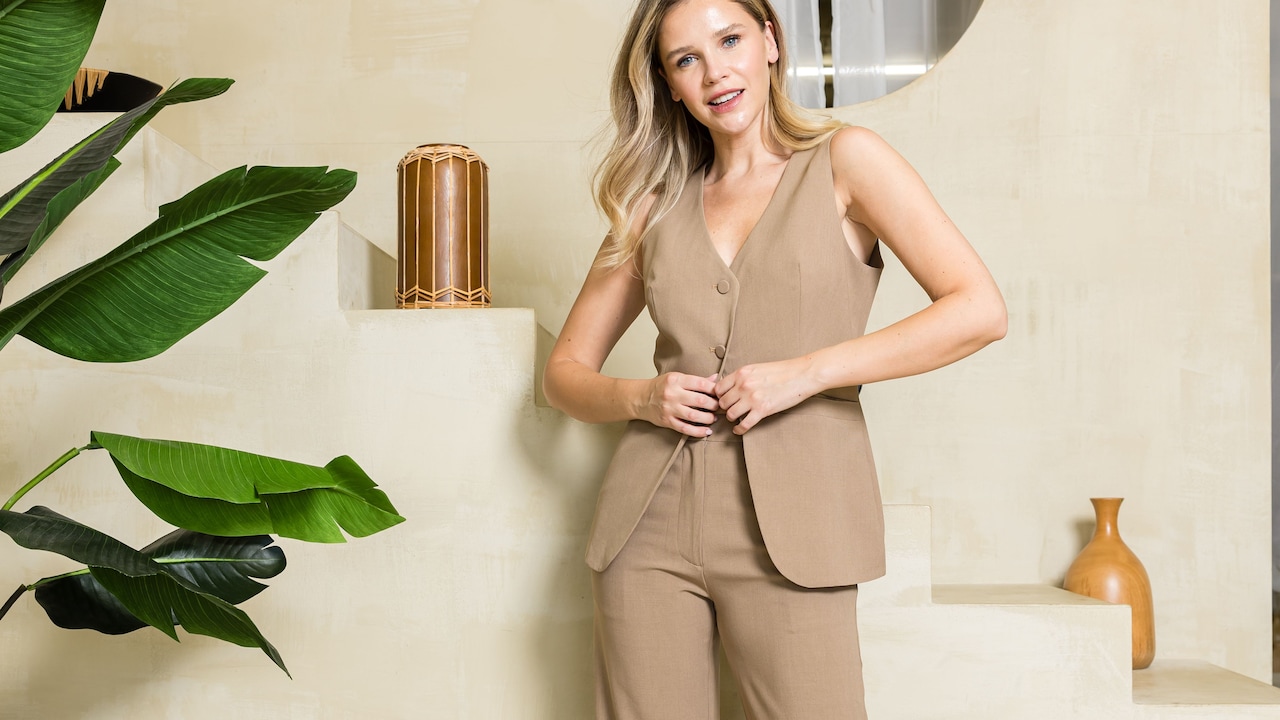
There's something effortlessly stylish about a light-coloured linen co-ord set. A crisp white shirt paired with relaxed trousers, a beige waistcoat with matching shorts, or a pastel linen ensemble can make even an ordinary summer afternoon feel like a holiday. The fabric looks breathable, the colours feel refreshing, and the matching pieces take the guesswork out of getting dressed. Yet, there's one problem that often catches shoppers off guard. What looked perfectly opaque in the trial room suddenly reveals more than expected under natural light. Linen has a distinctive texture that gives it character, but that same construction can make lighter shades appear surprisingly transparent. The issue doesn't always come down to poor quality. Fabric thickness, weave patterns, garment fit, moisture and even the colour of innerwear can influence how much shows through. Understanding these factors can save shoppers from uncomfortable surprises, particularly when buying co-ord sets online. Before giving up on white, cream or pastel linen altogether, it's worth examining why these casual outfits behave differently under changing conditions. Here are ten reasons light-coloured linen co-ords may look more transparent than expected, along with practical ways to choose and style them confidently.
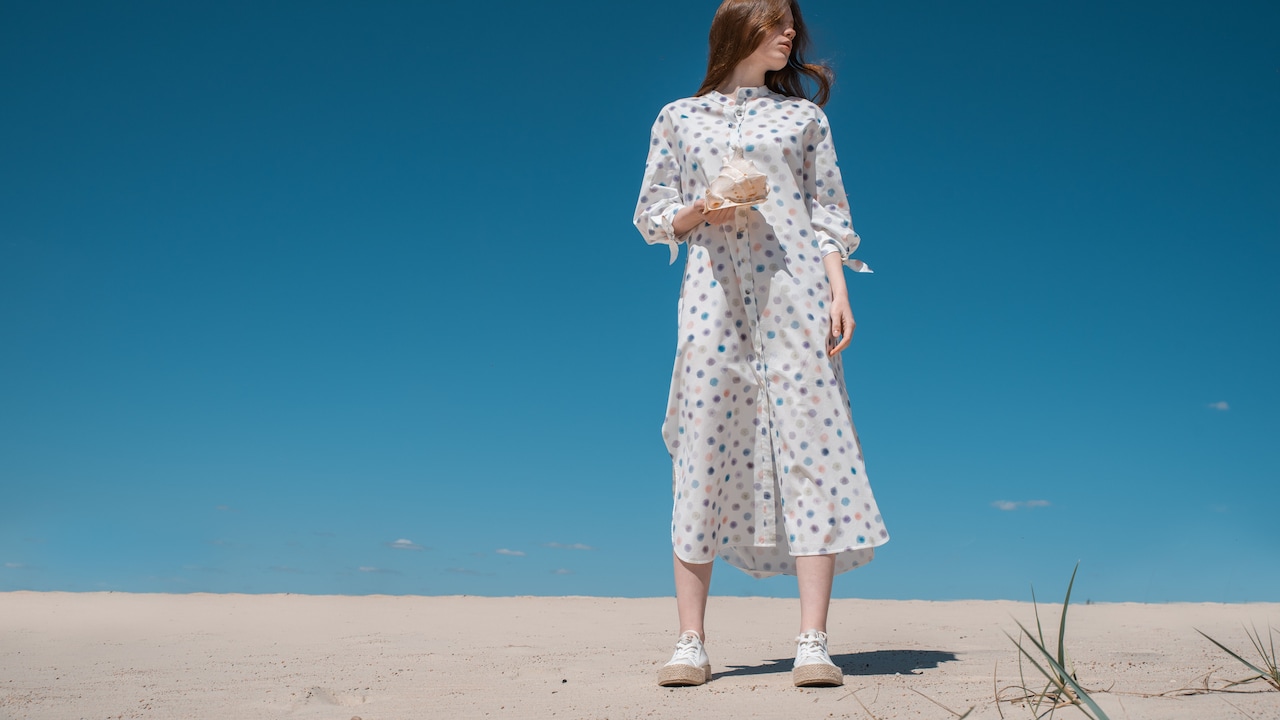
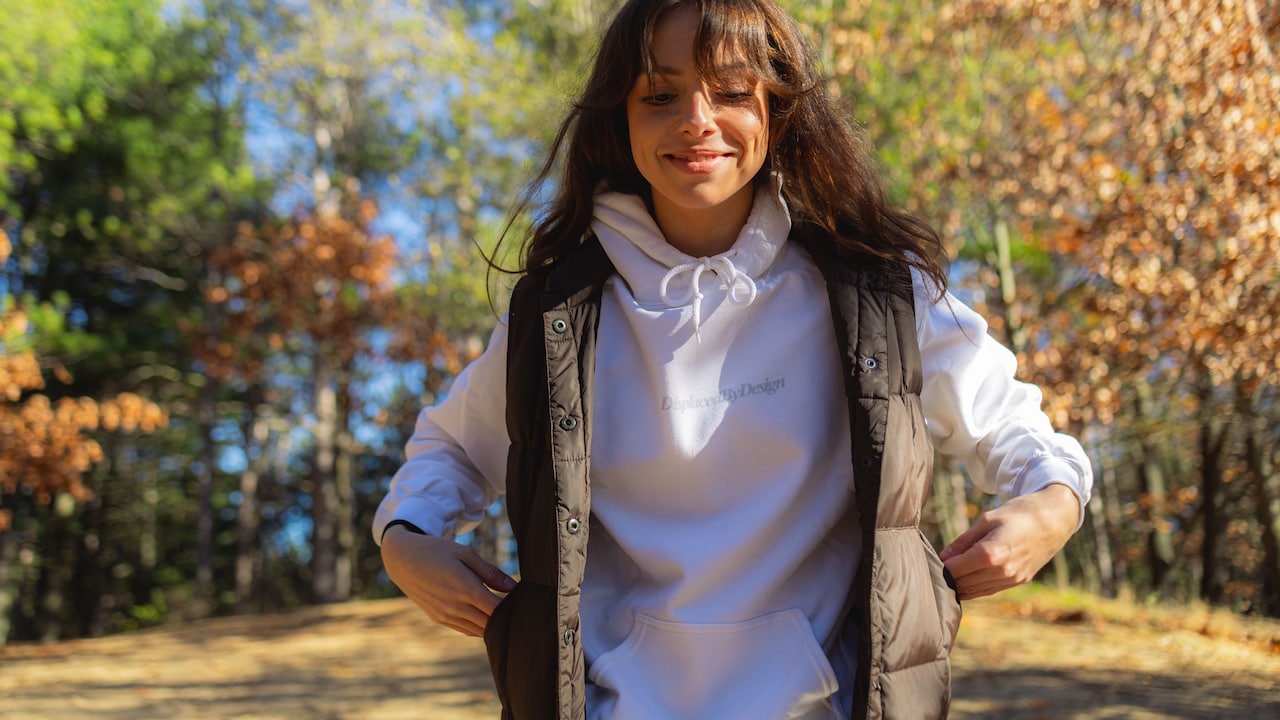
10 Reasons Light-Coloured Linen Co-ords Look Transparent And How To Fix It; Photo Credit: Pexels
Why Light-Coloured Linen Co-ords Look Sheer And What Causes It
1. The Natural Weave Of Linen Allows More Light To Pass Through
Linen owes much of its popularity to its breathable construction. Manufacturers create the fabric using fibres from the flax plant, producing a material that feels cool and comfortable in warm weather. However, linen's structure can also explain why lighter co-ord sets sometimes look unexpectedly sheer. Many lightweight linen fabrics feature relatively open weaves that allow air to circulate. While this makes them comfortable during humid afternoons, the small spaces between yarns can also allow light to travel through the material. Unlike tightly woven cotton, lightweight linen may contain irregular threads and subtle variations in thickness. These natural characteristics give the fabric its relaxed appearance but can create uneven coverage. For example, a white linen shirt may appear perfectly modest when hanging on a wardrobe door. Once worn against the body, however, the contrast between skin and fabric can become more noticeable. A simple way to assess transparency involves holding the garment against a bright window or placing a hand behind the material. If the outline appears clearly, the fabric may offer limited coverage. Choosing linen with a closer weave can help maintain the airy feel without sacrificing too much opacity.
Also Read: 6 Best Linen Shirts For Muggy Office Days
2. Light Colours Provide Less Visual Coverage Than Darker Shades
Colour plays a bigger role in fabric transparency than many shoppers realise. White, ivory, cream and pale beige linen co-ords often reveal shadows and underlying colours more easily than darker alternatives.
The problem isn't necessarily that light-coloured linen contains fewer fibres. Instead, pale shades create less visual contrast against the light passing through the fabric. Darker colours absorb more light and often make the same fabric construction appear less revealing.
Consider two linen trousers made from identical material, one in navy blue and another in off-white. The navy pair may conceal the outlines of pockets and innerwear reasonably well, while the off-white version highlights those details.
This difference becomes especially noticeable in bright outdoor settings. A cream linen co-ord worn during an afternoon brunch may reveal more than it did inside a softly lit bedroom.
Shoppers who prefer lighter shades can look for warm beige, muted taupe or slightly deeper pastel colours. These tones may offer better visual coverage, depending on the weave.
However, colour alone cannot guarantee opacity. A loosely woven dark fabric can still appear sheer, particularly when stretched or exposed to strong backlighting.
3. Thin Linen Fabric Often Prioritises Breathability Over Coverage
Not every linen garment uses the same fabric weight. Some manufacturers choose extremely lightweight linen to create flowing silhouettes that feel comfortable during summer. Although these pieces look attractive on product pages, their thin construction may offer less coverage than expected.
Fabric weight often influences how much light passes through a garment. Lighter materials generally contain less fabric mass per square metre, although weave density also matters.
A thin linen co-ord can feel almost weightless against the skin. That's wonderful during a humid commute or an outdoor gathering, but less convenient when the trousers reveal pocket outlines or the shirt shows the colour of a vest underneath.
Shopping descriptions sometimes use phrases such as lightweight, airy or feather-soft. These qualities aren't drawbacks, but they deserve closer attention when the outfit comes in white or cream.
Look for fabric weight details where available. Medium-weight linen often provides a useful balance between comfort and coverage.
Shoppers can also examine customer photographs, particularly those taken outdoors. Real-life images may reveal fabric behaviour that carefully arranged studio photographs fail to capture.
Ultimately, lightweight linen works beautifully when its transparency forms part of an intentional design rather than a surprise.
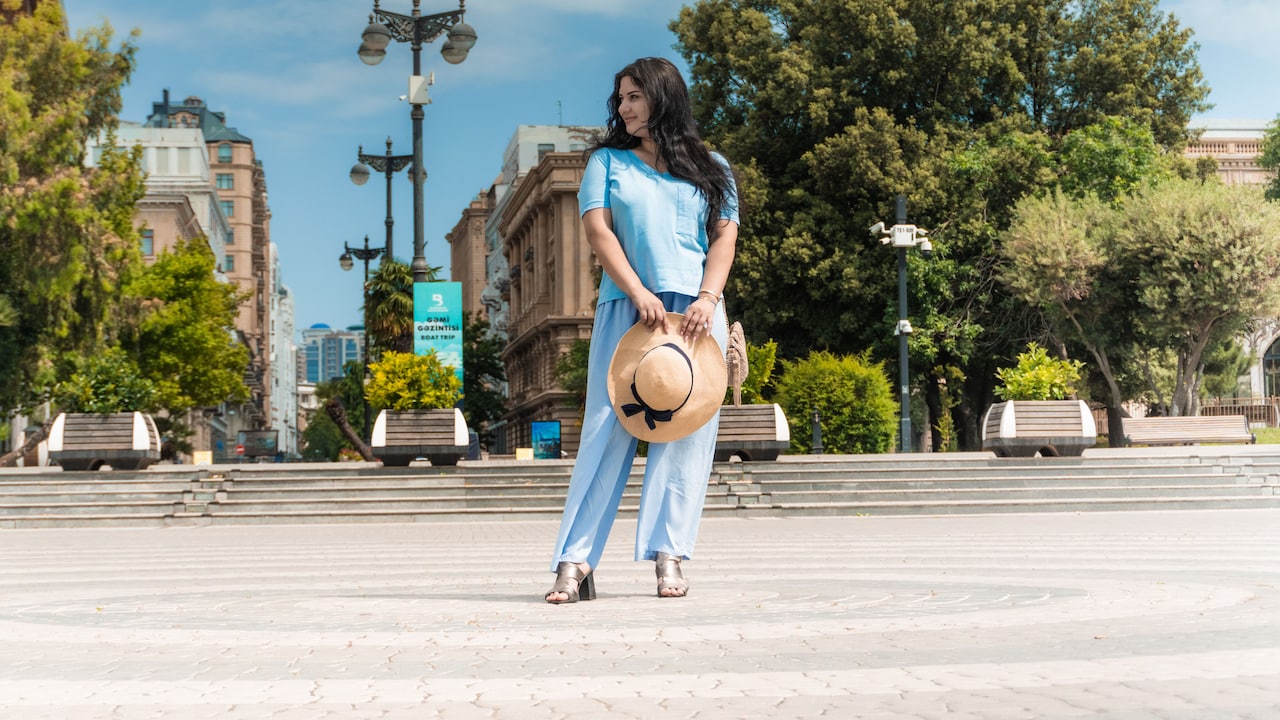
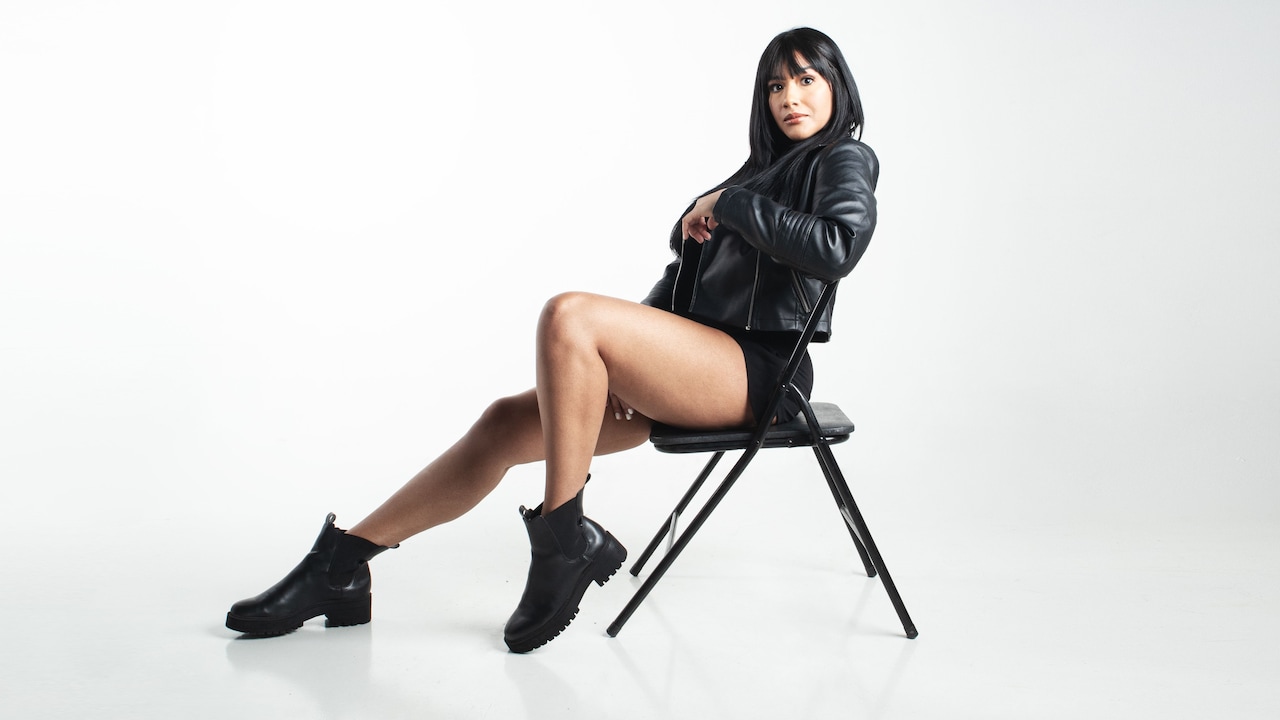
10 Reasons Light-Coloured Linen Co-ords Look Transparent And How To Fix It; Photo Credit: Pexels
4. Harsh Daylight Makes Fabric Transparency More Noticeable
Lighting can completely change how a linen co-ord looks. An outfit that appears opaque under warm indoor lights may look considerably more transparent in direct sunlight.
Strong daylight passes through openings between yarns and highlights differences between the fabric, skin and clothing underneath. This effect becomes particularly noticeable when sunlight comes from behind the wearer.
Imagine wearing a pale yellow linen co-ord while standing near a large café window. From the front, the outfit may look perfectly fine. However, when sunlight falls behind the trousers, the fabric may reveal more of the silhouette underneath.
The direction of light matters just as much as its brightness. Backlighting tends to emphasise transparency, while light falling from the front can make the same garment appear more opaque.
This explains why checking an outfit under a single bedroom light rarely provides the full picture.
Before wearing a new linen co-ord outside, try examining it near a window during daylight. Looking at the garment from different angles can reveal areas that need additional coverage.
A few minutes of testing can prevent an uncomfortable discovery halfway through a family gathering or lunch outing.
5. Tight-Fitting Co-ords Stretch The Fabric And Expose Gaps In The Weave
Linen generally works best when garments allow some room for movement. Although fitted linen co-ords can look elegant, an excessively snug fit may increase the appearance of transparency.
When fabric stretches across the body, the yarns can shift apart slightly. This movement may make the spaces within the weave more visible, especially around areas experiencing greater tension.
Trousers commonly develop this problem across the hips, thighs and seat. Similarly, fitted linen tops may become more revealing around the bust or shoulders.
The issue can become particularly noticeable when sitting down. A pair of cream linen trousers might provide adequate coverage while standing but appear sheerer when the fabric pulls tightly across the thighs.
Selecting the correct size helps reduce this effect. However, sizing up isn't always the answer, especially when the garment already features a relaxed cut.
Instead, pay attention to how the fabric behaves during movement. Sit, bend and walk while trying on the outfit.
A comfortable linen co-ord should allow movement without excessive pulling, particularly around seams and fitted areas.
Relaxed silhouettes aren't merely a fashion preference here. They can help preserve the fabric's natural drape while reducing unwanted transparency.
6. Unlined Linen Trousers Reveal More Than Shoppers Anticipate
One reason light-coloured linen co-ords can look unexpectedly transparent is the absence of lining. Many summer collections feature unlined trousers and skirts to maintain breathability and reduce fabric weight.
While this construction feels comfortable, it can leave little between the outer material and whatever sits underneath.
White linen trousers are particularly prone to revealing pocket bags, underwear edges and subtle colour differences beneath the fabric. Even when the material itself isn't extremely sheer, these internal details can create an uneven appearance.
Some manufacturers address the issue by adding partial linings or using thicker fabric around sensitive areas. Others keep the garment completely unlined to achieve a softer, more fluid silhouette.
Before purchasing a linen co-ord, check whether the product description mentions lining. Customer reviews can also provide useful clues about coverage.
For an existing outfit, lightweight shorts or seamless underlayers in a suitable skin-tone shade may help, provided they remain comfortable.
There's no need to turn a breezy summer outfit into a collection of heavy layers. The aim is to create enough coverage without compromising the comfort that makes linen appealing.
A thoughtfully constructed lining can make a noticeable difference.
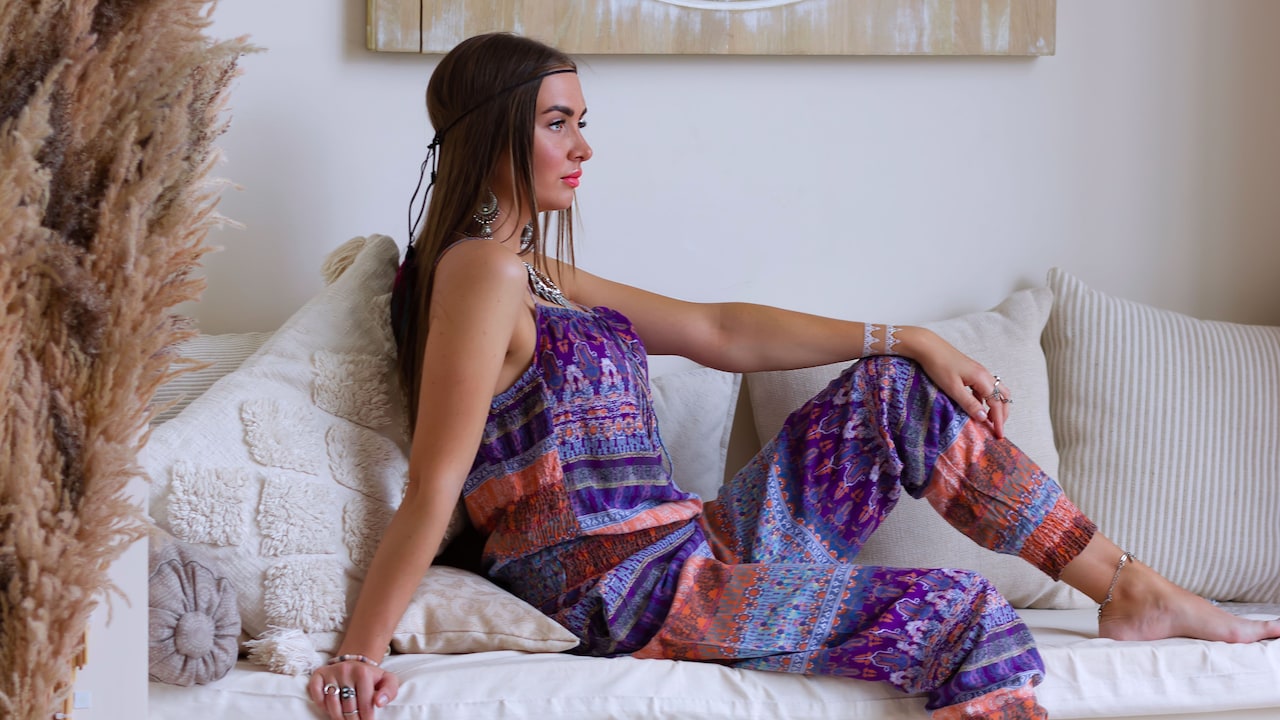
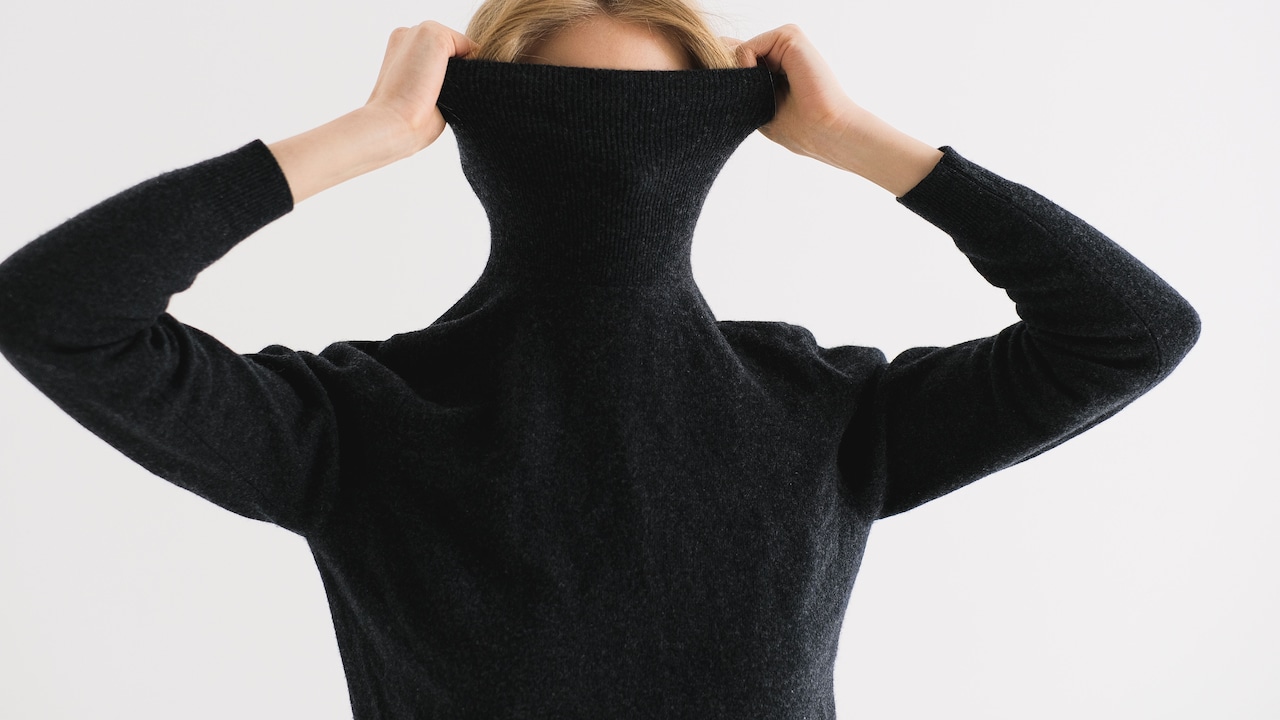
10 Reasons Light-Coloured Linen Co-ords Look Transparent And How To Fix It; Photo Credit: Pexels
7. Contrasting Innerwear Creates Visible Outlines Beneath Pale Linen
Sometimes, the problem isn't the linen itself but the clothing worn underneath it. Light-coloured fabrics can make contrasting innerwear look far more prominent than expected.
White underwear beneath white linen might seem like an obvious combination. Surprisingly, it can remain visible because the bright fabric creates a noticeable difference against the surrounding skin.
Black, colourful or heavily patterned innerwear can produce an even stronger contrast, particularly beneath cream trousers or pastel linen shirts.
The solution often involves choosing innerwear that closely matches the wearer's skin tone rather than the outer garment.
Seamless styles can also minimise visible edges, especially when linen trousers have a relatively straight or fitted silhouette.
However, even skin-tone innerwear won't completely conceal itself beneath extremely sheer fabric. In such cases, an additional lining or another garment may prove necessary.
Texture matters too. Lace, thick elastic bands and raised stitching can create shadows beneath lightweight linen.
For example, a beautifully tailored ivory co-ord may look uneven when paired with innerwear featuring prominent seams.
Choosing smooth, comfortable underlayers allows the linen's natural texture to remain the focus instead of drawing attention to distracting outlines.
8. Moisture And Sweat Can Make Linen Appear More Transparent
Linen enjoys a reputation as a summer-friendly fabric, largely because it absorbs moisture and allows air to circulate. However, moisture can also change how the material looks.
When linen becomes wet, water alters the way light interacts with its fibres and the spaces between them. In many fabrics, this reduces light scattering and makes the material appear darker or more translucent.
This effect can become noticeable during humid weather, especially around areas that experience perspiration.
A pale linen shirt may develop darker patches around the underarms or back, while lightweight trousers can look different after prolonged contact with damp surfaces.
The situation becomes more noticeable during outdoor celebrations, crowded commutes or long afternoons without air conditioning.
Although linen can absorb moisture, it doesn't remain completely unaffected by sweat.
Choosing a relaxed fit helps maintain airflow and reduces prolonged contact between damp fabric and skin. Breathable underlayers may also improve comfort.
It's equally useful to consider the occasion. A thin white linen co-ord might feel comfortable for a short café visit but prove less practical during an extended outdoor event.
Understanding how moisture affects fabric appearance helps shoppers make choices based on actual wearing conditions rather than appearance alone.
9. Fabric Finishing And Washing Can Change The Appearance Of Linen
Linen doesn't always look or behave exactly the same after repeated washing. Its texture, softness and surface finish can change over time, sometimes affecting how transparent a garment appears.
Manufacturers may apply treatments that make new linen feel smoother, firmer or more structured. These finishes can influence the way the fabric hangs and scatters light.
After washing, some finishes gradually disappear. The linen may become softer and drape closer to the body, making underlying outlines more noticeable.
Changes in dimensions can also affect coverage. If a garment shrinks and begins fitting tightly, its weave may experience greater tension during movement.
However, washing doesn't automatically make linen thinner or more transparent. Some fabrics become more compact after laundering, while others retain their original appearance.
The outcome depends on fibre quality, construction, finishing and care.
Following the garment's washing instructions helps preserve its intended shape. Gentle cycles, appropriate detergents and avoiding excessive heat can reduce unnecessary wear.
It's also worth checking whether a co-ord requires reshaping while damp.
A little care goes a long way, particularly with pale linen pieces that rely on their original drape for both comfort and coverage.
10. Online Product Photographs Can Hide The Fabric's Actual Transparency
Online shopping makes finding attractive linen co-ords wonderfully convenient. Unfortunately, product photographs don't always reveal how transparent the fabric may look in everyday conditions.
Studio lighting, carefully chosen backgrounds and professional styling can make lightweight materials appear more opaque.
Models may also wear specially selected underlayers, while certain poses prevent the fabric from stretching across the body.
A white linen co-ord photographed against a pale background, for example, may reveal very little about its actual coverage.
Image editing and screen settings can further influence how shoppers perceive fabric thickness, colour and texture.
This doesn't automatically mean a brand intends to mislead customers. Product photography simply captures a controlled setting that may differ substantially from ordinary daylight.
Before purchasing, look beyond the main promotional image. Close-up photographs, customer reviews and videos often provide a clearer understanding of the material.
Pay attention to comments mentioning sheerness, lining, thickness and whether the trousers require additional underlayers.
Checking fabric composition can also help, since some linen-blend garments behave differently from pure linen.
Where possible, examine the return policy before ordering. A co-ord that looks perfect on a screen should still meet practical expectations when it arrives.
Products Related To This Article
1. Stylum Floral Printed Cotton Tunic & Trousers Co-Ord Set
2. HIGH BUY Indigo Self Design Shirt with Palazzos
3. KALAMIR Bohemian Printed Tunic with Palazzos
4. Anouk Embroidered Mandarin Collar Top & Trousers Co-Ords
5. Sangria Floral Printed Mandarin Collar Linen Tunic With Trousers
6. Selvia Round-Neck Top With Trousers Co-Ords
7. Bannos Swagger Floral Patch Work V-Neck Three-Quarter Sleeves Tunic With Trousers
Light-coloured linen co-ords aren't necessarily poor-quality garments simply because they appear slightly transparent. Their appearance often reflects a combination of natural fibre characteristics, fabric weight, weave density, lighting, and fit.
The trick lies in understanding these details before making a purchase. Checking the fabric against daylight, choosing suitable innerwear, looking for thoughtful lining and paying attention to garment construction can make a considerable difference.
White, cream and pastel linen outfits still deserve their place in a summer wardrobe. With the right fabric and fit, they can deliver the relaxed elegance shoppers love without unexpected transparency becoming the centre of attention.
(Disclaimer: This article may include references to or features of products and services made available through affiliate marketing campaigns. NDTV Convergence Limited (“NDTV”) strives to maintain editorial independence while participating in such campaigns. NDTV does not assume responsibility for the performance or claims of any featured products or services.)