Why Festive Kurtas Look Smooth Standing Up But Bunch While Sitting
A festive kurta may look perfectly fitted while standing but bunch around the waist when sitting. Discover 10 common reasons behind awkward fabric folds and practical ways to fix them.
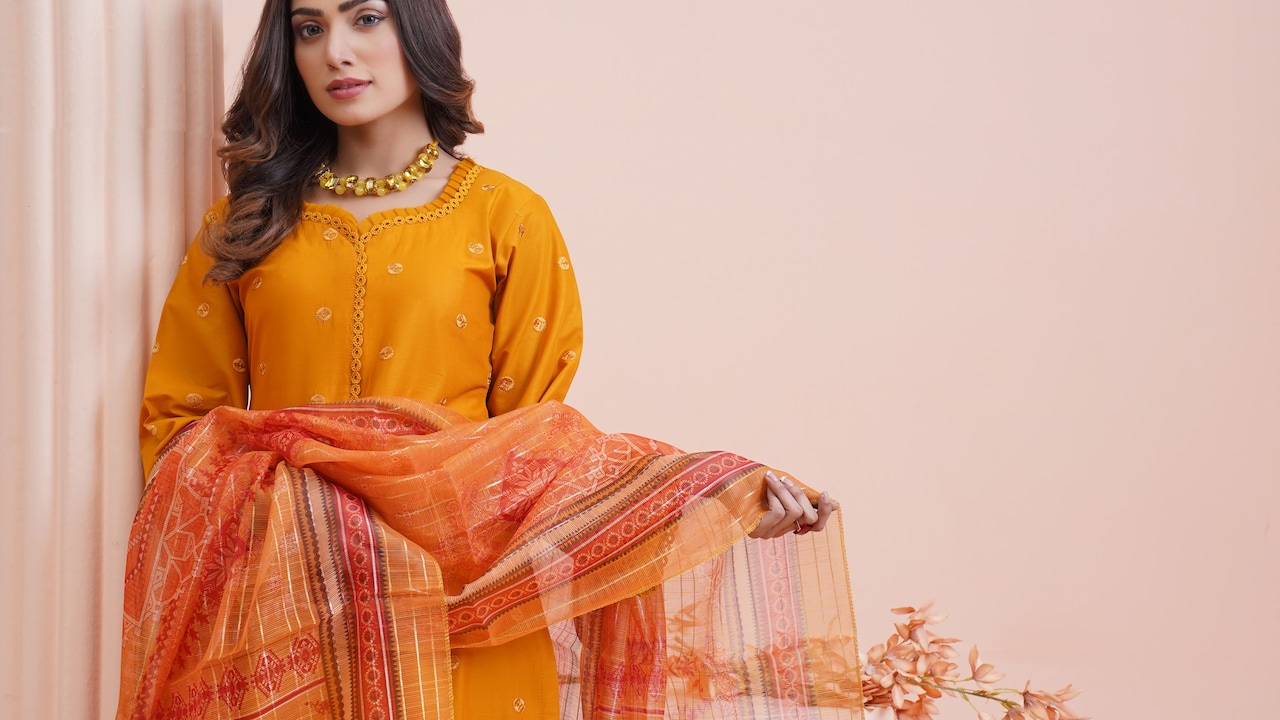
Why Festive Kurtas Bunch Up While Sitting: 10 Common Reasons And Fixes
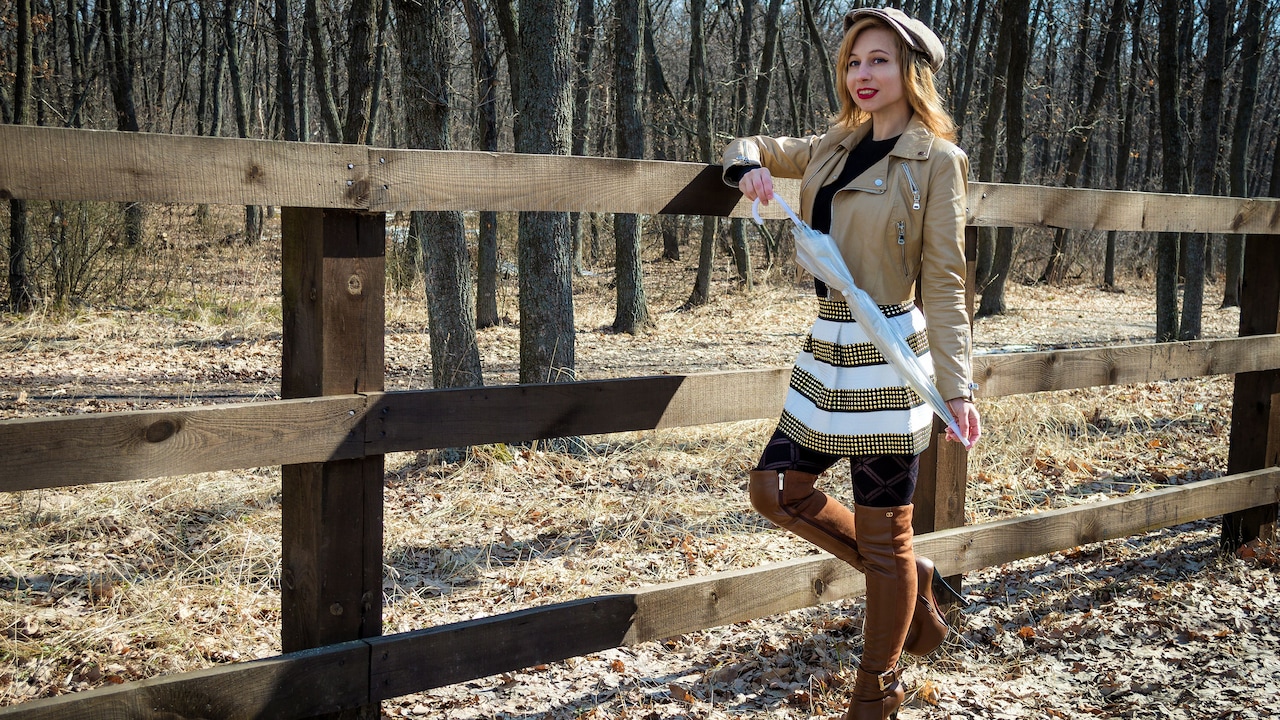
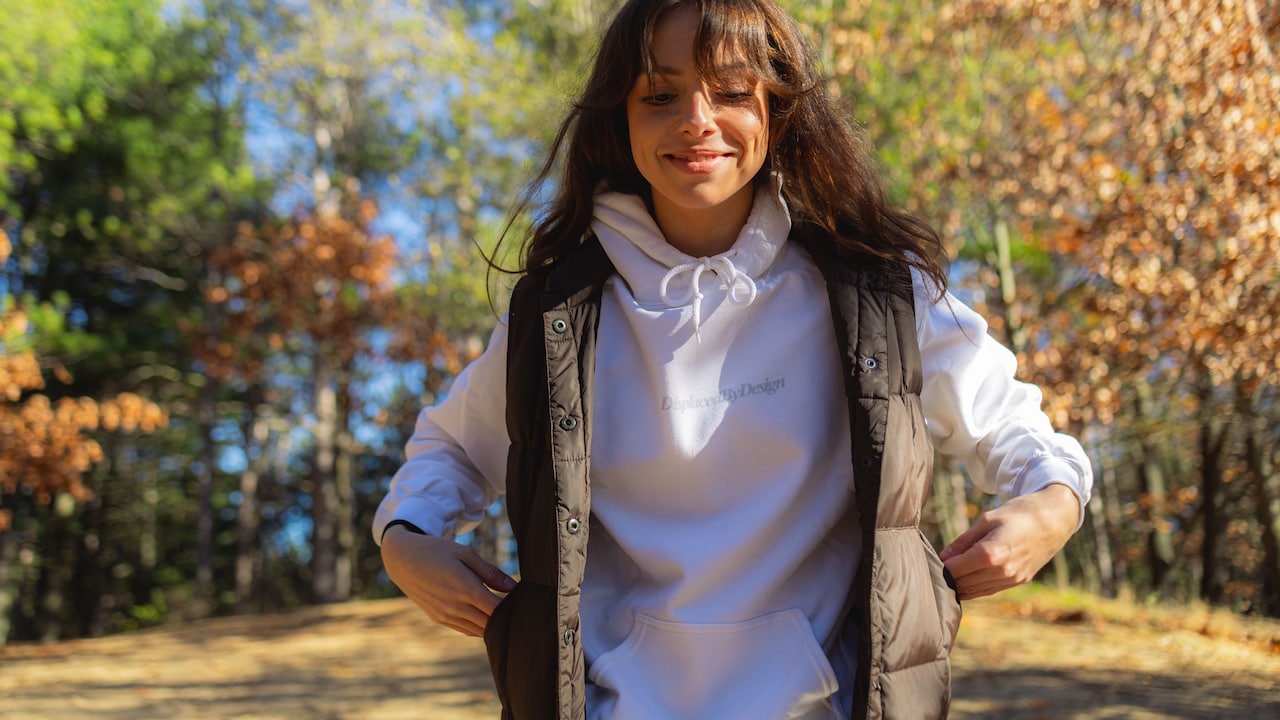
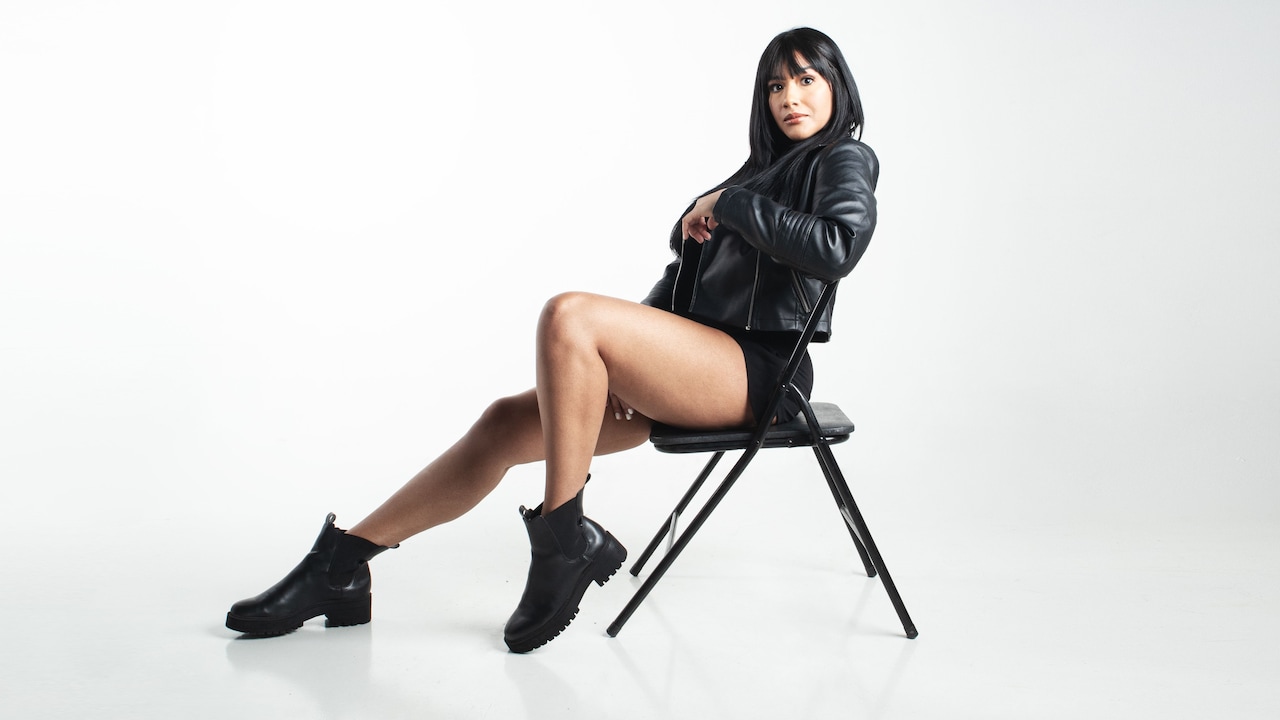
A festive kurta can look absolutely stunning in front of the mirror. The shoulders sit neatly, the embroidery catches the light, and the silhouette falls beautifully from top to bottom. Everything seems perfect until it's time to sit down. Suddenly, fabric starts gathering around the stomach, the waist develops awkward folds, and the carefully chosen outfit looks nothing like it did five minutes earlier. It's an irritating little fashion problem, especially during weddings, family gatherings and festive celebrations. Imagine wearing a beautiful silk-blend kurta for a Diwali dinner, only to spend half the evening pulling the fabric down whenever someone takes a photograph. Or settling onto a sofa during a wedding function and discovering that the kurta has formed a rather unflattering fabric mountain around the waist. Interestingly, this problem doesn't always mean the kurta is too tight or poorly stitched. Several factors influence how a garment behaves when the body changes position. Fabric stiffness, garment length, side slits, lining and even embroidery placement can affect how smoothly a kurta settles while sitting.
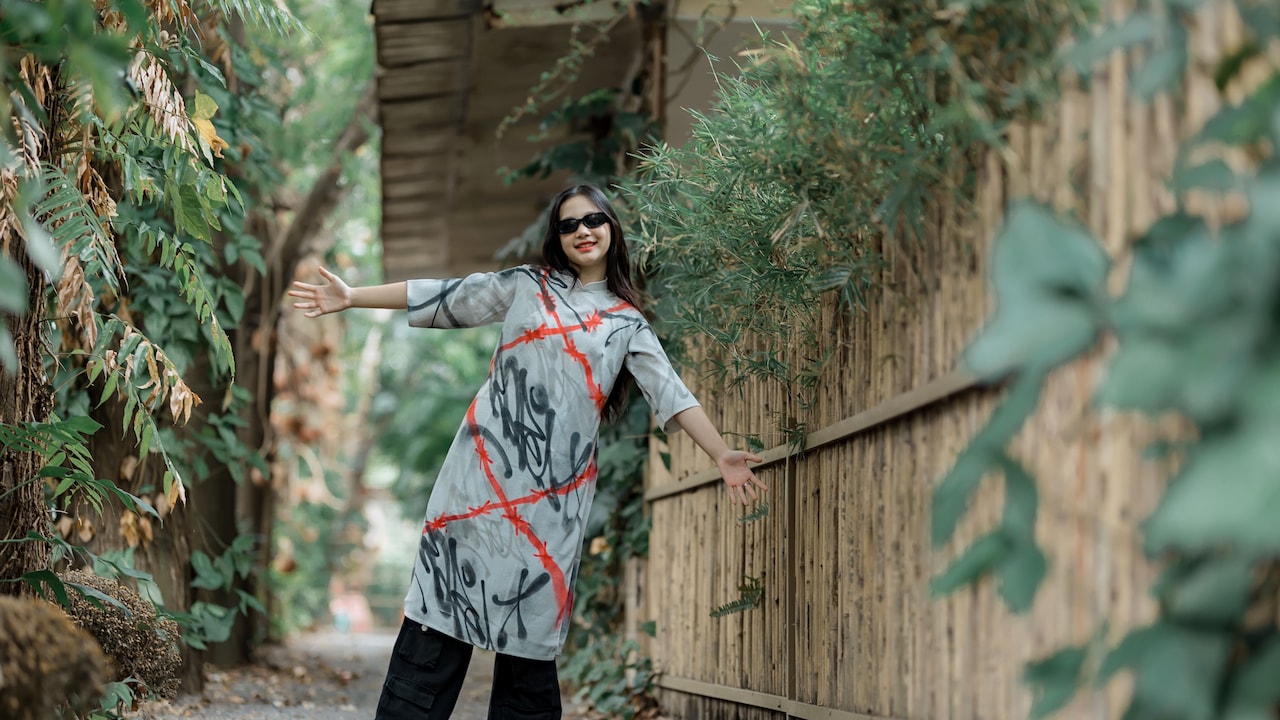
Why Festive Kurtas Look Smooth Standing Up But Bunch While Sitting
Photo Credit: Pexels
Understanding these details makes shopping and tailoring considerably easier. After all, festive clothing should allow plenty of room for enjoying good food, greeting relatives and sitting comfortably through lengthy celebrations.
10 Reasons Festive Kurtas Bunch Up While Sitting
1. Stiff Fabrics Struggle To Follow The Body's Natural Curves
Some festive kurtas look exceptionally polished because their fabrics hold a structured shape. Raw silk, brocade, organza and heavily woven blends can create sharp silhouettes that photograph beautifully. However, that same structure can become troublesome when sitting.
Standing allows the fabric to hang vertically under its own weight. Sitting changes the body's angles, particularly around the stomach, hips and thighs. A soft fabric bends naturally, while a stiff material resists movement and forms noticeable folds.
Consider a brocade kurta with a straight silhouette. It might look wonderfully sleek while standing at a wedding reception. Once seated, the fabric may push upwards around the stomach because it cannot settle easily across the lap.
The solution isn't necessarily avoiding structured fabrics altogether. Instead, look for garments that combine visual structure with flexibility. Silk blends with softer drapes, lightweight jacquard and supple cotton-silk fabrics often offer better movement.
A simple fitting-room test can reveal quite a lot. Sit on a chair, lean forward slightly and check whether the fabric settles naturally. If it forms rigid horizontal folds, the material may become uncomfortable during longer celebrations.
A beautiful kurta deserves more than five minutes of standing-room elegance.
2. A Tight Hip Area Pushes Excess Fabric Towards The Waist
A kurta can fit perfectly across the shoulders and chest while feeling restrictive around the hips. This creates one of the most common reasons for fabric bunching during sitting.
When standing, the garment hangs relatively straight, so minor tightness around the hips might escape notice. Sitting changes the situation. The hips and thighs need additional room as the body bends and spreads naturally against the seat.
If the kurta lacks sufficient width, the fabric pulls across the hips and shifts upwards. The material has nowhere else to go, so it gathers around the waist and lower stomach.
This becomes particularly noticeable with straight-cut festive kurtas featuring narrow side seams. A garment that looks tailored and elegant while standing may suddenly feel restrictive during a family function.
Before purchasing, check how comfortably the kurta moves around the widest part of the hips. The material shouldn't pull tightly when sitting or crossing the legs.
Tailors can sometimes add small side panels or release available seam allowances to improve movement. However, alterations depend on the garment's construction.
Remember that a comfortable hip fit doesn't automatically mean choosing an oversized kurta. The goal is enough room for movement without sacrificing the overall silhouette.
3. Poorly Positioned Side Slits Restrict Movement While Sitting
Side slits might seem like decorative details, but they serve an important practical purpose. They allow the front and back panels of a kurta to move independently when walking, climbing stairs or sitting.
Unfortunately, not every festive kurta has appropriately positioned slits. Some designs feature short openings that look neat while standing but limit movement around the hips.
Imagine wearing a long straight kurta with side slits that begin well below the hip. When sitting, the front panel needs to move over the thighs. However, the restricted opening prevents the fabric from spreading comfortably.
As a result, the material pushes upwards and gathers around the waist.
Longer side slits can improve flexibility, particularly in straight-cut designs. However, the ideal slit length depends on the kurta's overall length, fabric and intended silhouette.
An excessively high slit may create its own styling challenges, especially with certain trousers or leggings.
During a fitting, sit down and observe whether the side panels separate naturally. If the garment pulls tightly across the lap, the slit placement may need attention.
A skilled tailor can sometimes extend the openings without affecting the embroidery or decorative borders.
It's a relatively small detail that can make a surprisingly noticeable difference.
Also Read: Winter Party Dressing Done Right: Accessories To Pair With Long Sweaters
4. Heavy Embroidery Creates Uneven Weight Across The Garment
Festive kurtas often feature intricate zari work, sequins, beads, mirror detailing or dense thread embroidery. These embellishments bring character to an outfit, but they also influence how the fabric moves.
A heavily embroidered chest panel might remain relatively rigid, while the plain fabric below bends more easily. When sitting, these sections respond differently to the body's movement.
The embroidered portion may resist folding, forcing the softer material underneath to gather around the stomach.
Similarly, heavy decorative borders along the hem can affect how a kurta settles across the lap. If the lower edge carries substantial weight, it may pull against the fabric above or prevent the garment from moving freely.
Consider an elaborate wedding kurta with dense embroidery across the front. It might hang beautifully while standing, yet create an awkward bulge when the wearer bends forward.
Choosing garments with thoughtfully distributed embellishments can help minimise this problem.
Lightweight embroidery around the neckline, sleeves or upper chest often provides visual interest without making large sections unnecessarily rigid.
For heavily embellished designs, check the garment's flexibility before purchasing. Gently bend the fabric and observe whether the embroidered panels move comfortably.
Festive sparkle should attract compliments, not demand constant wardrobe adjustments.
5. The Kurta's Length Can Make Fabric Gather Around The Lap
Kurta length has a surprisingly significant influence on sitting comfort. A garment that falls gracefully below the knees while standing may behave very differently once the wearer settles into a chair.
Longer kurtas contain more fabric, which must adjust when the legs bend. Depending on the cut and material, this additional length can accumulate around the thighs and waist.
Straight-cut designs are particularly sensitive to this issue because their narrow silhouettes offer limited room for fabric redistribution.
For instance, a calf-length kurta made from structured cotton-silk might appear beautifully streamlined while standing. However, sitting can push the front panel upwards, creating several horizontal folds around the stomach.
The problem may become more noticeable when wearing fitted churidars or narrow trousers, especially if the fabric catches against the bottoms.
Shorter kurtas often avoid some of these complications, although they aren't automatically more comfortable.
The best length depends on personal height, body proportions and garment construction.
When shopping, consider where the hem falls while sitting rather than judging the garment entirely from a standing mirror.
A minor adjustment of a few centimetres may improve how the fabric settles. Sometimes, the difference between effortless elegance and constant tugging comes down to the hemline.
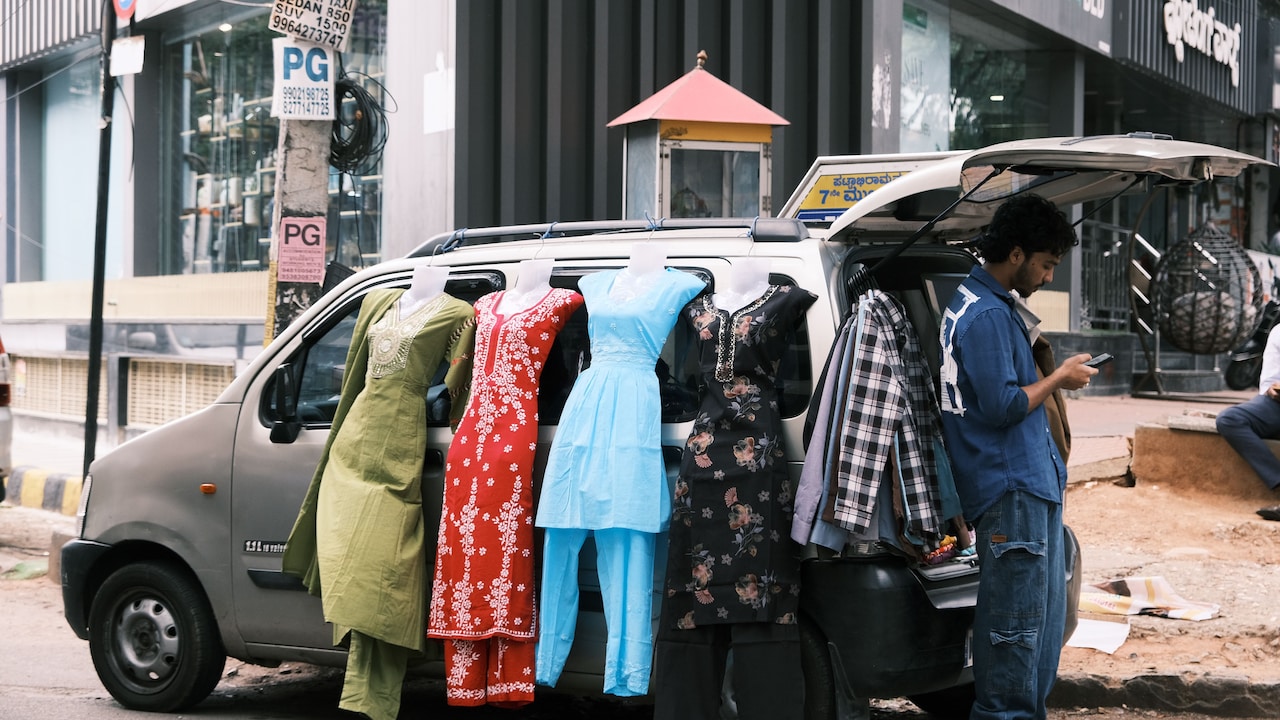
Why Festive Kurtas Look Smooth Standing Up But Bunch While Sitting
6. Incorrect Waist Shaping Makes The Fabric Fold Awkwardly
Not every kurta follows a completely straight silhouette. Many festive designs include subtle waist shaping through darts, curved seams or gently tapered side panels.
These details create a flattering fit while standing, but incorrect placement can interfere with movement.
The waist naturally changes shape when sitting. The torso bends, the stomach compresses slightly, and the garment needs enough flexibility to accommodate these movements.
If a kurta narrows too sharply around the waist, the fabric may struggle to adjust. Instead of falling smoothly, it can form horizontal creases above the hips.
Waist shaping can also cause problems when designers position the narrowest section too high or too low for the wearer's proportions.
For example, a kurta with a defined waistline may fit beautifully on the mannequin but gather awkwardly when someone with a longer torso sits down.
Tailoring offers several possible solutions. Adjusting side seams, repositioning darts or reducing excessive tapering can help improve the fit.
However, alterations should preserve enough shape to prevent the garment from looking unnecessarily loose.
An effective fitting should include standing, sitting and slight bending movements.
A festive kurta isn't a display piece, after all. It needs to accommodate an actual person enjoying an actual celebration.
7. Thick Linings Prevent The Outer Fabric From Settling Naturally
A lining can improve a festive kurta's finish, provide coverage and make certain fabrics more comfortable against the skin. However, the wrong lining can create unexpected fitting problems.
Many embellished or lightweight kurtas contain separate inner layers. When the lining and outer fabric have different levels of flexibility, they may move unevenly.
For example, a lightweight georgette kurta might drape beautifully while standing. Yet a stiff cotton lining underneath could resist movement when sitting, forcing the outer fabric into awkward folds.
The problem can become worse if the lining is shorter, narrower or stitched too tightly around the hips.
Instead of allowing the outer garment to move independently, the inner layer pulls against it.
This creates bunching that may seem mysterious because the visible fabric itself feels soft and comfortable.
When purchasing festive clothing, examine the lining rather than focusing exclusively on the outer material.
Check whether both layers have enough room around the waist and hips. Sit down and notice whether the lining pulls upwards or twists.
Lightweight, breathable linings with an appropriate drape generally work better with flowing fabrics.
For existing garments, a tailor may be able to adjust the lining without changing the outer silhouette.
Sometimes, the biggest fitting problem hides underneath the prettiest fabric.
8. The Wrong Bottomwear Can Make A Kurta Ride Up
A kurta doesn't behave independently of the clothing underneath. The choice of trousers, leggings, palazzos or churidars can influence how the fabric falls and moves throughout the day.
Some fabric combinations create more friction than others. When the outer kurta catches against the bottomwear, it may struggle to slide smoothly as the wearer sits.
For instance, a cotton kurta worn over textured leggings might gather around the hips when sitting. The fabric catches against the leggings instead of moving freely.
Similarly, thick waistbands or bulky trouser pleats can create additional volume beneath a fitted kurta. This may make the outer fabric appear bunched around the stomach.
Churidars with substantial gathering around the upper thighs can occasionally contribute to the problem, depending on their construction.
The solution involves considering the entire outfit rather than evaluating each garment separately.
Smooth, well-fitting trousers often allow long kurtas to settle more easily. Palazzos can work beautifully with certain flowing designs, although their waistbands and pleats should remain comfortable beneath the kurta.
Try sitting while wearing the complete festive ensemble, including the intended bottomwear.
An outfit that looks coordinated while standing should also feel harmonious when seated.
9. Incorrect Shoulder Fit Can Pull The Entire Kurta Out Of Position
Shoulder fit might seem unrelated to fabric gathering around the waist, but the upper part of a garment influences how the entire silhouette hangs.
When shoulder seams sit incorrectly, they can change the direction of the fabric's natural fall.
A kurta that's too tight across the shoulders or upper back may pull upwards when the wearer reaches forward or sits with a slightly rounded posture.
This movement affects the lower panels, sometimes causing fabric to accumulate around the stomach.
Conversely, excessively wide shoulders may allow the garment to shift or collapse unevenly, particularly when the fabric carries heavy embroidery.
Imagine sitting down to enjoy a festive meal and leaning forward to reach for a serving bowl. If the kurta restricts shoulder movement, the entire front panel may rise slightly.
Repeated movements can leave the garment looking crumpled around the middle.
Proper shoulder alignment helps maintain a balanced silhouette.
Check that the seams sit comfortably near the natural shoulder line, unless the design intentionally uses dropped shoulders.
The sleeves should also allow comfortable forward movement without pulling the body of the kurta upwards.
Before buying, stretch both arms forward and sit naturally.
A kurta that stays comfortably in place during these movements will usually feel easier to wear throughout a celebration.
10. Skipping The Sitting Test Leads To Unexpected Fitting Problems
Perhaps the biggest reason festive kurtas develop awkward folds is surprisingly simple: most people try them on while standing.
Shopping mirrors encourage shoppers to turn sideways, examine the neckline and check the overall silhouette. Sitting rarely becomes part of the fitting routine.
Unfortunately, a garment's standing appearance reveals only part of its comfort and fit.
Wedding celebrations, pujas, family dinners and festive gatherings involve plenty of sitting. Whether it's settling onto a sofa, sitting cross-legged during a ceremony or enjoying an elaborate meal, a kurta needs to accommodate different positions.
A quick sitting test can reveal issues that remain invisible while standing.
During a fitting, sit on a chair and observe how the fabric behaves around the waist, hips and thighs. Lean forward slightly and check whether the front panel rides upwards.
If the occasion involves sitting on the floor, test that position too, where practical.
Pay attention to comfort rather than expecting the fabric to remain completely wrinkle-free. Natural folds are unavoidable because the body changes shape when sitting.
The important distinction is whether the material settles comfortably or creates restrictive bunching.
A good festive outfit should let its wearer focus on the celebration rather than constantly rearranging the fabric.
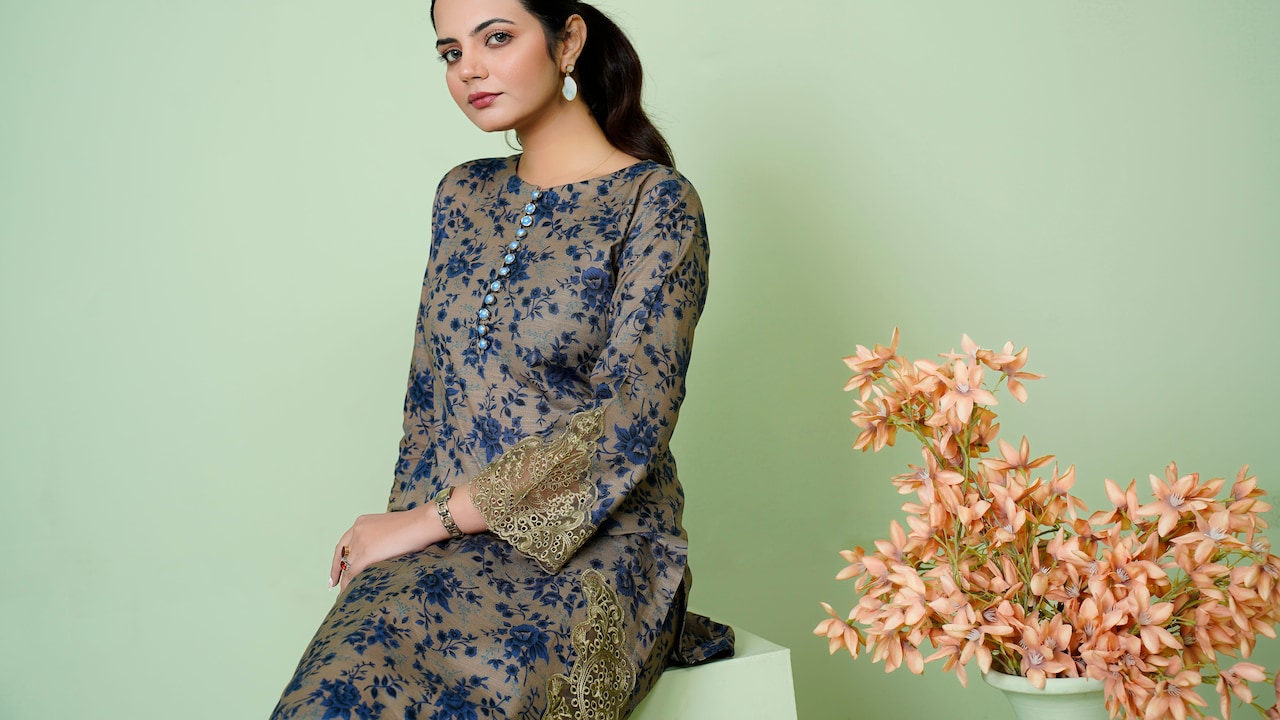
Why Festive Kurtas Look Smooth Standing Up But Bunch While Sitting
Photo Credit: Pexels
Products Related To This Article
1. Anouk Women Embroidered Thread Work Kurta
2. RANGMANCH BY PANTALOONS Women Embroidered Thread Work Kurta
3. Libas Women Maroon Yoke Design Embellished Kurta
4. Sangria Red Bandhani Printed Angrakha Sequined Straight Kurta
5. Rarethread Women Ethnic Motifs Embroidered Thread Work Kurta
6. AURELIA Rust Orange Embroidered Viscose Straight Kurta
7. Varanga Women Coral Dual Tone Floral Gota Patti Embroidered Jacquard Kurta
Festive kurtas can look flawless while standing yet gather awkwardly when sitting because fabric, fit and garment construction respond differently to movement. Stiff materials, narrow hips, short side slits, heavy embroidery and unsuitable linings can all contribute to the problem.
Fortunately, most of these issues become easier to identify with a proper fitting. Checking shoulder alignment, choosing compatible bottomwear and testing the outfit while seated can prevent unnecessary discomfort.
A little attention to these details helps festive clothing remain elegant beyond the mirror. After all, the best kurta isn't simply one that looks beautiful in photographs. It's one that allows the wearer to sit, move, eat and celebrate without spending the evening adjusting the waistline.
(Disclaimer: This article may include references to or features of products and services made available through affiliate marketing campaigns. NDTV Convergence Limited (“NDTV”) strives to maintain editorial independence while participating in such campaigns. NDTV does not assume responsibility for the performance or claims of any featured products or services.)