How To Choose Strappy Heels That Balance Style With Better Foot Support
Strappy heels can look stylish without leaving your feet aching. Discover how to choose the right heel height, strap placement, cushioning and fit for comfort that lasts beyond the first few steps.
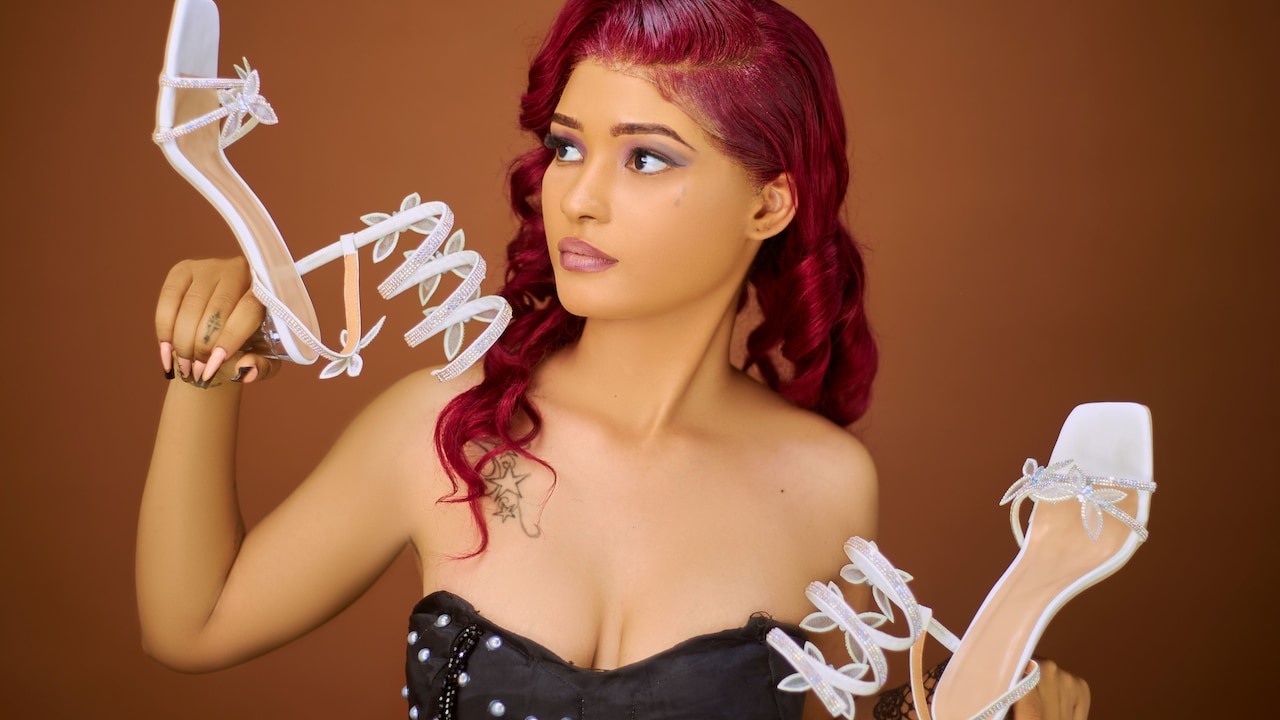
Try these tips to find the most comfortable pair of strappy heels
A beautiful pair of strappy heels can make even the simplest outfit feel special. Whether it's a satin saree for a wedding reception, a flowy midi dress for brunch or tailored trousers for an office party, the right heels add a little extra confidence. Unfortunately, that confidence can disappear rather quickly when the straps start digging into your skin or your toes begin protesting halfway through the evening. The tricky part? A pair that looks comfortable on the shelf doesn't always feel the same after two hours of walking, standing or navigating uneven pavements. Some heels offer delicate straps but barely any support, while others look sturdy yet place unnecessary pressure on the balls of your feet. Finding the right balance requires more than choosing a fashionable design or settling for a lower heel. Strappy heels can be comfortable enough for everyday occasions when their design suits your feet and activities. Details such as ankle support, strap positioning, sole flexibility and cushioning make a noticeable difference. Understanding these features helps you choose footwear that complements your wardrobe without making every outing feel like an endurance test. Here are ten practical ways to find strappy heels that combine attractive designs with better foot support.
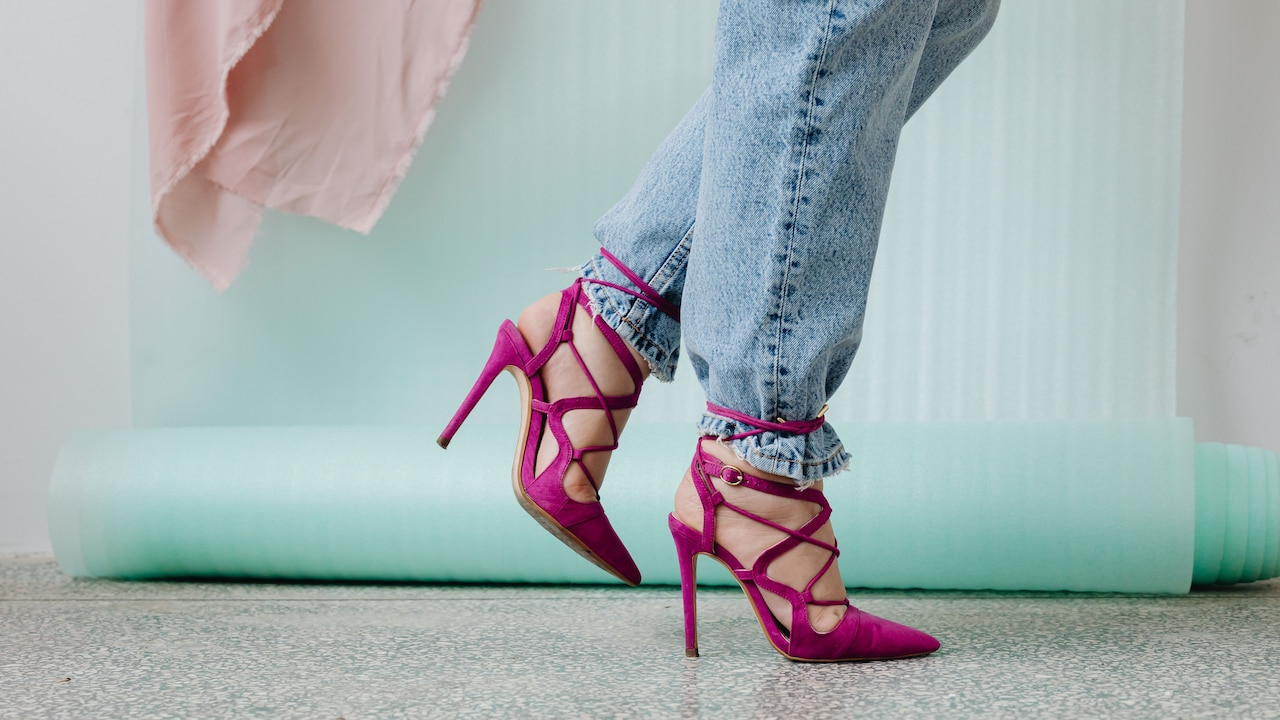
Guide to choosing strappy heels for women
Photo Credit: Pexels
10 Essential Tips For Choosing Stylish And Supportive Strappy Heels
1. Choose A Heel Height That Matches Your Daily Comfort
Heel height often becomes the first consideration when shopping for strappy footwear. Those towering stilettos might look wonderful with a party outfit, but they aren't necessarily practical for extended wear. Higher heels shift more body weight towards the front of the foot, increasing pressure around the toes and ball of the foot. This explains why some beautiful shoes become uncomfortable before the celebrations even begin.
For occasions involving plenty of standing or walking, heels around 2.5 to 5 cm often provide a more manageable option. They offer some elevation without creating the steep foot angle associated with very high heels. However, comfort also depends on individual foot structure, heel shape and the overall shoe design.
A 7 cm heel might feel surprisingly manageable in one pair but exhausting in another. The difference often lies in its construction and stability.
Consider where you'll wear the shoes most frequently. A family wedding with several hours of festivities requires different footwear from a dinner where you'll spend much of the evening seated. Choose a height that supports your plans rather than one that simply looks impressive in photographs.
2. Look For Adjustable Straps That Hold Your Feet Securely
Straps do more than decorate a pair of heels. Their placement and adjustability influence how securely the footwear stays on your feet. Loose straps allow excessive movement, while overly tight ones can cause friction, redness and uncomfortable pressure marks.
Adjustable ankle straps offer a useful advantage because they let you customise the fit. Buckles with multiple fastening holes provide greater flexibility, especially when your feet swell slightly during warmer afternoons or long celebrations.
Pay attention to where the straps sit. A thin strap pressing directly against a sensitive joint can become irritating, even when the shoe initially feels comfortable. Wider or softly lined straps may distribute contact pressure more evenly.
The straps should hold your foot without forcing your toes to grip the sole to keep the shoe in place. Try walking across the shop floor and notice whether your heel lifts excessively or the upper straps slide around.
Also, don't assume more straps automatically mean better support. A complicated arrangement can create additional pressure points. Two thoughtfully positioned straps may feel considerably better than five decorative ones.
The goal is secure, gentle contact rather than a tightly wrapped foot.
3. Prioritise Cushioned Footbeds For Long Hours Of Wear
A gorgeous pair of heels can lose its appeal when the footbed feels as hard as a wooden plank. Cushioning becomes particularly important when you expect to spend several hours standing, walking between venues or attending an event with limited opportunities to sit.
Look for footbeds with comfortable padding beneath the ball of the foot and heel. These areas experience considerable pressure during movement, especially in elevated footwear. High-density foam or other supportive cushioning materials can make the surface feel less harsh.
However, extremely soft padding isn't always ideal. If the material compresses completely under your weight, it may provide little lasting comfort. A slightly firmer, supportive footbed can sometimes feel better than one that resembles a fluffy pillow.
Check whether the cushioning extends across the entire footbed or appears only around the heel. Some shoes feature attractive padding near the back while leaving the forefoot relatively unprotected.
When trying on strappy heels, stand in them for several minutes rather than judging comfort while seated. Walk naturally and pay attention to the pressure beneath your toes.
Good cushioning won't eliminate every effect of wearing heels, but it can make a noticeable difference.
4. Select A Heel Shape That Offers Better Balance
The shape of a heel influences stability just as much as its height. A narrow stiletto creates an elegant silhouette, but its small contact area offers less stability than a broader heel. This becomes particularly noticeable when walking across uneven surfaces or crowded venues.
Block heels offer a practical alternative. Their wider base generally provides a more stable platform, making them suitable for occasions that involve frequent movement. They're especially useful for outdoor celebrations, office gatherings and social events where standing forms a considerable part of the schedule.
Kitten heels provide another option for people who prefer a subtle lift. Their lower height can reduce forefoot pressure compared with taller styles, although the overall fit still matters.
Wedge heels distribute support differently by connecting the heel and forefoot through a continuous sole. Some designs feel stable, but stiff or heavy wedges can make natural walking difficult.
Don't overlook the positioning of the heel beneath the shoe. A heel that sits awkwardly towards the back can affect balance, regardless of its width.
Try turning, stopping and walking at your usual pace. If every movement requires extra concentration, the design probably isn't the right match.
5. Check The Toe Shape Before Falling For The Design
A narrow front can make strappy heels look wonderfully elegant, but it can also squeeze your toes into an uncomfortable position. This becomes especially troublesome when the shoe combines a pointed shape with a steep heel.
Look closely at the toe area rather than focusing exclusively on the decorative straps. Your toes should have enough room to rest naturally without overlapping or pressing against the edges.
Open-toe designs often provide additional space, but they come with their own considerations. If your toes extend beyond the front edge, the shoe may be too short or allow too much forward sliding. Either situation can create discomfort during walking.
Square-toe and gently rounded designs sometimes offer more room than sharply tapered alternatives. However, the actual width matters more than the shape alone.
People with wider forefeet may find that narrow fashion heels pinch even when the overall shoe length appears correct. Choosing a wider fitting can help avoid unnecessary pressure.
Remember that increasing the shoe size isn't always the solution. A longer pair may introduce heel slipping without resolving the narrow front.
The right toe shape should accommodate your natural foot position while still complementing your preferred style.
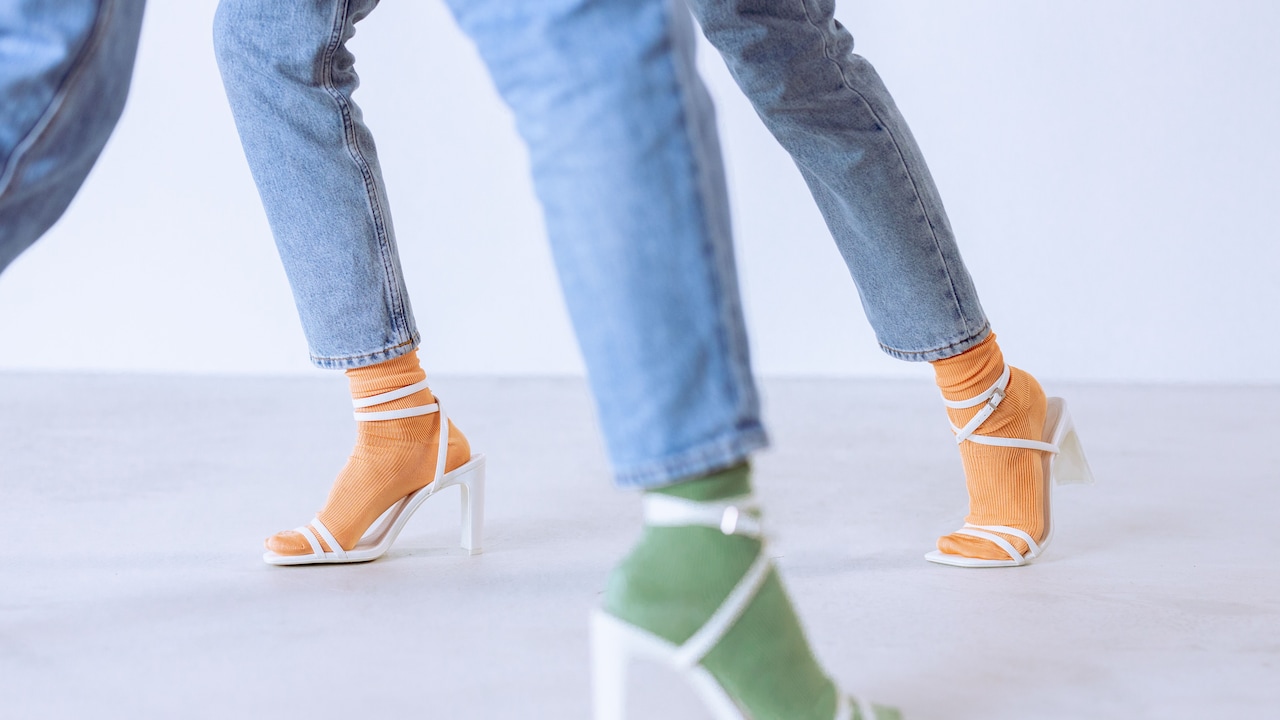
Look for a comfortable toe shape before finalising your choice
Photo Credit: Pexels
6. Pay Attention To Arch Support And Footbed Shape
Arch support rarely receives the same attention as heel height or strap design, yet it can influence how comfortable a shoe feels throughout the day. A completely flat footbed inside a high heel may leave certain areas bearing more pressure than others.
Look for a footbed that follows the natural contours of your foot without creating an uncomfortable bump beneath the arch. Gentle contouring can improve contact between the foot and the shoe, although support needs differ from person to person.
Some strappy heels include moulded footbeds with defined arch areas. Others offer little more than a thin layer of material over a rigid sole.
Try both styles and notice how your feet respond. An exaggerated arch shape can feel just as uncomfortable as inadequate support, particularly if it doesn't align with your foot.
People with flat feet, high arches or recurring foot discomfort may need more specific footwear features. In such cases, professional advice can help identify suitable designs.
Also, remember that arch support doesn't cancel out the pressure created by very high heels.
A well-shaped footbed should feel supportive without forcing your feet into an unnatural position. Comfort should come from the overall design, not a single feature.
7. Choose Breathable Materials That Reduce Rubbing
Material choice can affect how strappy heels feel against your skin, particularly during warm weather. Some synthetic uppers trap heat or have stiff edges that rub against the foot, while softer materials may adapt more comfortably to natural movement.
Leather and certain flexible synthetic materials can offer a comfortable fit when manufacturers finish the straps properly. However, material quality matters more than an expensive label.
Check the underside of each strap. Rough stitching, exposed seams and hard decorative attachments can cause irritation during extended wear. Even a tiny raised edge can become troublesome after repeated contact with the skin.
Soft linings may reduce rubbing around the ankle and across the toes. Breathable footbed coverings can also help manage moisture, although no material completely prevents sweating.
Consider the weather and occasion. Outdoor summer celebrations may make rigid, non-breathable designs particularly uncomfortable. Meanwhile, heavily embellished party heels might require extra attention because beads and metallic details sometimes create hard contact points.
Run your fingers along the strap edges before trying the shoes. If something feels unusually sharp or coarse, your skin may notice it even more.
Comfortable materials should move with your feet rather than fight against them.
8. Inspect The Sole For Grip And Natural Movement
A slippery sole can turn an elegant walk into an unexpected balancing performance. The outsole deserves attention because it affects traction, confidence and stability, particularly on polished tiles or smooth indoor flooring.
Look for soles with textured rubber sections or other slip-resistant features. These materials can provide better grip than completely smooth, hard surfaces, although no outsole guarantees protection against slipping.
Examine the heel tip as well. A worn, uneven or poorly attached tip may reduce stability and cause the heel to wobble. This matters even with lower heels.
Flexibility is another consideration. The shoe should permit appropriate movement around the forefoot while maintaining enough structure to support the elevated heel.
A sole that bends excessively in the middle may lack stability. On the other hand, an extremely rigid design can make walking feel awkward.
Try taking a few natural steps and observe how smoothly your foot moves from one step to the next. Pay attention to any unusual resistance or instability.
Think about the surfaces you'll encounter. Restaurant floors, marble staircases and outdoor walkways present different challenges.
A fashionable outsole might remain hidden beneath the shoe, but its performance becomes obvious the moment you start walking.
9. Try Heels At The Right Time And Test The Fit Properly
Trying on strappy heels requires more patience than slipping them on for a quick glance in the mirror. Feet can change slightly in size throughout the day, particularly after prolonged standing, walking or exposure to heat.
Shopping later in the day can help you assess how footwear accommodates this natural variation. A pair that feels perfectly snug in the morning may become uncomfortable by evening.
Try both shoes because one foot may be slightly larger than the other. Fasten every strap as you would during regular wear, then stand and walk across a firm surface.
Notice whether your foot slides forward, the ankle strap rubs or your toes grip the sole for stability. None of these problems should require constant adjustment.
If possible, spend several minutes walking, turning and standing. A quick fitting rarely reveals how the shoe behaves during movement.
Wear the same type of hosiery or foot accessories you expect to use with the heels. Even small changes can affect the fit.
Avoid buying painfully tight footwear on the assumption that it will stretch perfectly with use. Some materials soften, but that doesn't guarantee a comfortable result.
A good fit should feel convincing before you reach the checkout counter.
10. Match Your Strappy Heels To The Occasion And Outfit
The most comfortable heels aren't necessarily the ones that work for every occasion. A delicate pair suitable for a seated dinner may prove impractical for a wedding celebration involving hours of standing, dancing and greeting relatives.
Start by considering the actual activities rather than the outfit alone. Will you walk long distances? Navigate stairs? Stand for photographs? Spend time outdoors? These details should influence your choice.
For festive events, block heels with secure ankle straps can complement sarees, lehengas and embroidered suits while offering greater stability than very thin stilettos. Neutral shades, metallic finishes and understated embellishments can create an elegant appearance without requiring extreme heel heights.
For workwear, modest heels with simple straps often pair neatly with tailored trousers, skirts and dresses. Choose designs that accommodate your daily commute rather than relying solely on their appearance.
Brunches and casual gatherings offer opportunities to experiment with kitten heels, low block heels and softer strap arrangements.
Think about versatility, too. A comfortable pair that coordinates with several outfits may offer better value than an extravagant design worn once.
Ultimately, shoes should complement the occasion without becoming the main thing you remember about it.
Products Related To This Article
1. Lavie Block Sandals
2. Roadster Platform Sandals
3. Bata Embellished Ethnic Block Sandals
4. SAPATOS Wedge Sandals
5. Carlton London Block Sandals
6. STARTOES Party Slim Heeled Sandals
7. Austine Block Sandals
Choosing strappy heels shouldn't feel like deciding between looking stylish and walking comfortably. The right pair brings together sensible heel height, secure straps, appropriate cushioning, stable construction and a fit that respects your natural foot shape.
Small details can have a surprisingly large impact. A slightly wider heel, softer strap lining or roomier toe area might transform how footwear feels during a long celebration. Taking a few extra minutes to examine these features can also prevent disappointing purchases.
Most importantly, don't ignore discomfort simply because the shoes look beautiful. Fashion works best when it allows you to enjoy the occasion rather than spend the evening searching for somewhere to sit.
(Disclaimer: This article may include references to or features of products and services made available through affiliate marketing campaigns. NDTV Convergence Limited (“NDTV”) strives to maintain editorial independence while participating in such campaigns. NDTV does not assume responsibility for the performance or claims of any featured products or services.)