Buying Kolhapuri Sandals? Simple Tips to Spot Durable Pairs That Last
Not all Kolhapuri sandals are made to last. From leather quality to stitching and sole strength, here's how you can find a durable pair of kohlapuris like a pro.
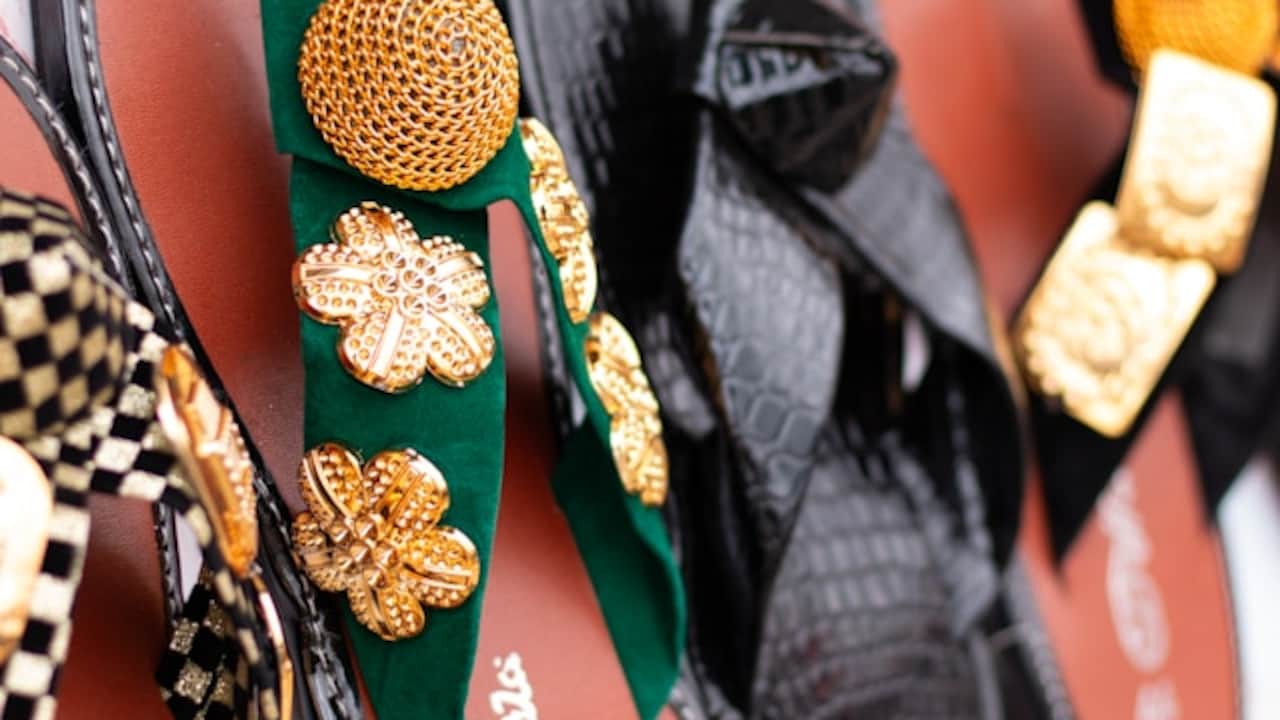
Buying Kolhapuri Sandals? Expert Tips To Find Long-Lasting, Genuine Leather Pairs.
A good pair of Kolhapuris does more than complete an outfit. It tells a story. Crafted in and around Kolhapur, these sandals reflect generations of skill, patience, and cultural flair. They slip effortlessly into daily life, whether paired with a kurta for a festive gathering or jeans for a relaxed evening out.
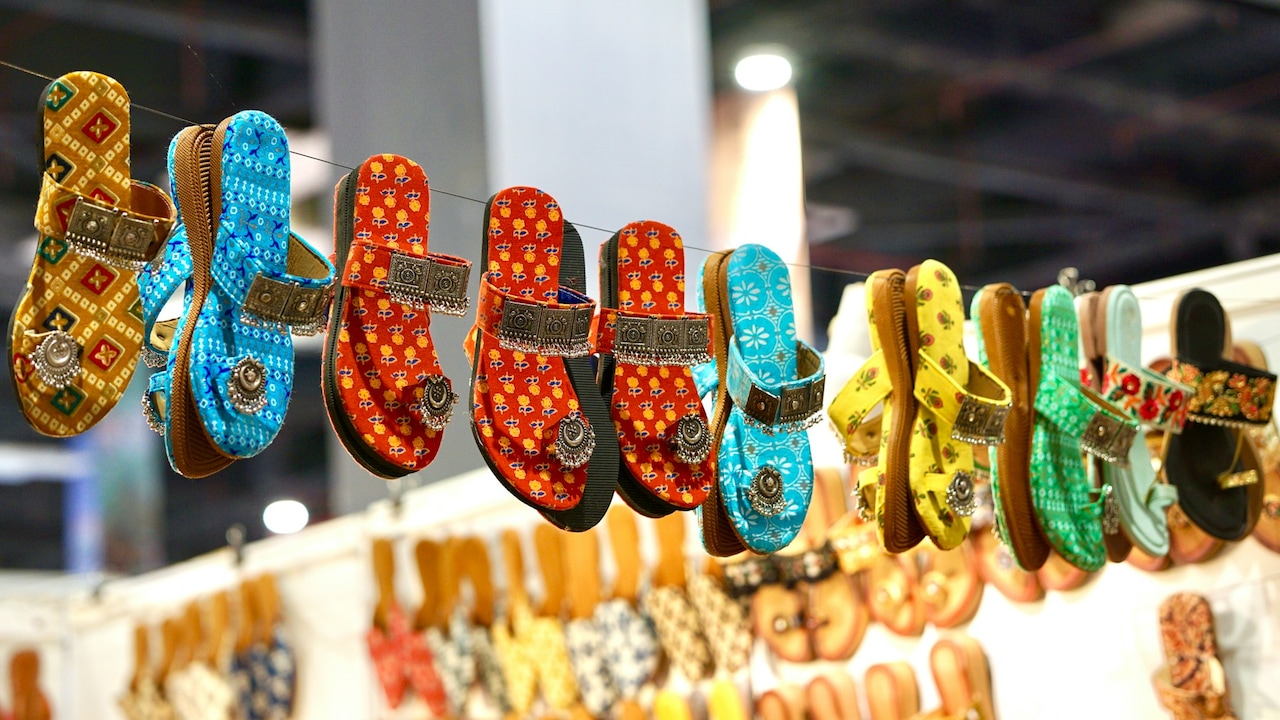
Explore easy shopping tips that can actually help spot the real and durable kohlapuri chappal; Photo Credit: Unsplash
Yet modern markets brim with machine-made kohlapuri chappal replicas that mimic the look without honouring the craft. At first glance, every pair may appear similar. The devil, as always, hides in the details. Uneven stitching, stiff leather, and synthetic soles disguised as hide – small flaws often lead to sore feet and short lifespans.
Buying Kolhapuris should feel joyful, not confusing. A thoughtful approach can ensure the pair chosen today still accompanies countless steps tomorrow. The following ten insights aim to make that choice easier, sharper, and far more satisfying.
Also Read: Top 5 Kolhapuris That Will Not Give You Blisters: Festive And Daily Wear Options
Check The Quality Of The Leather
The soul of a Kolhapuri lies in its leather. High-quality leather feels supple yet firm, never papery or plastic-like. Run fingers across the surface. Genuine leather shows natural grains and subtle irregularities. Perfectly uniform texture often signals synthetic material.
The smell offers another clue. Authentic leather carries an earthy, warm scent. Synthetic alternatives smell faintly chemical or oddly sweet. Trusting that instinct can save ₹2,000 or more on a pair that might crack within months.
Press the sole gently. Good leather bends without creasing sharply. Poor quality leather forms deep lines immediately, which later turn into cracks. Durable Kolhapuris soften with wear and mould to the feet. They should not feel like cardboard on day one.
Tanning also matters. Vegetable-tanned leather, often used in traditional workshops, ages gracefully and darkens beautifully. Chrome-tanned leather may shine brighter at first, but often lacks longevity. A short conversation with the shopkeeper about tanning methods can reveal whether the pair comes from a serious artisan or a bulk supplier chasing quick sales.
Inspect The Stitching Closely
Strong stitching separates handcrafted excellence from factory haste. Examine every seam carefully. Stitches should sit tight, evenly spaced, and straight. Loose threads or uneven patterns hint at rushed production.
Turn the sandal over and inspect where the straps meet the sole. That joint bears daily stress. If the stitching looks sparse or fragile, durability will suffer. Tug gently at the straps. They should hold firm without gaps appearing between layers.
Traditional artisans often use thick cotton or nylon threads that blend with the leather tone. Bright, mismatched threads sometimes indicate quick repairs or shortcuts. Even small inconsistencies can shorten the life of a sandal.
Fine stitching does more than strengthen. It enhances comfort. Poorly aligned seams rub against skin and cause blisters during long walks, especially in summer heat. Spending a few extra minutes in the shop studying these details can prevent weeks of regret. Quality stitching tells a silent story of patience and pride.
Feel The Sole Thickness And Flexibility
The sole acts as the foundation. Too thin, and every pebble on the road becomes painfully memorable. Too thick and stiff, and walking feels awkward.
Press the sole with both thumbs. It should offer resistance yet bend naturally at the ball of the foot. Excessively rigid soles often crack near the toe area within months. Extremely thin soles wear down quickly, especially on rough pavements.
Look at the layering. Many authentic Kolhapuris feature multiple leather layers pressed and stitched together. That layered structure increases durability and comfort. Some modern versions add rubber inserts for better grip, which can prove useful during monsoons.
Walk around the shop for a few minutes. Notice whether the sole supports the arch or lies completely flat. A well-balanced sole distributes weight evenly, preventing strain during long days.
Quality soles justify a higher price tag, sometimes ₹3,000 or more. However, they repay that investment through years of steady use. A solid foundation keeps every step steady and stylish.
Examine The Strap Construction
Straps define both design and durability. Thin decorative straps may look elegant, but often stretch or snap under pressure. Wider, well-cut straps offer better support and longevity.
Check where the straps anchor into the sole. Strong pairs feature neatly inserted ends secured with stitching rather than glue alone. If glue residue appears around the joints, caution makes sense.
The toe loop deserves special attention. It should sit comfortably between the toes without sharp edges. Rough finishing here leads to painful abrasions after even short walks. Smooth edges reflect careful finishing and proper sanding.
Design variations, from braided patterns to cut-out motifs, require equal scrutiny. Intricate work should feel sturdy, not flimsy. Gently flex the strap to ensure it does not stiffen or crack.
Well-constructed straps not only survive daily wear but also adapt gradually to foot shape. That gentle moulding effect transforms a new pair into a trusted companion over time. Poor straps, however, announce their weakness early and often.
Pay Attention To Comfort From The First Wear
A common myth suggests Kolhapuris must hurt before they feel comfortable. While slight stiffness may occur initially, severe discomfort signals poor craftsmanship.
Slip them on and walk naturally. The sandal should sit securely without excessive gripping by the toes. If the foot slides forward, the fit may be incorrect. If the straps dig into the skin instantly, the design might not suit daily wear.
Check the inner surface. It should feel smooth without rough patches or exposed stitching. High-quality pairs undergo careful finishing to prevent irritation.
Comfort also connects to proportion. The front should allow enough room for toes to rest without spilling over the edge. The heel must align neatly with the back. Ill-fitting sandals strain posture and cause fatigue.
Spending ₹500 less on an uncomfortable pair rarely feels wise after a week of limping through errands. True comfort shows immediately, even if full softness develops over time.
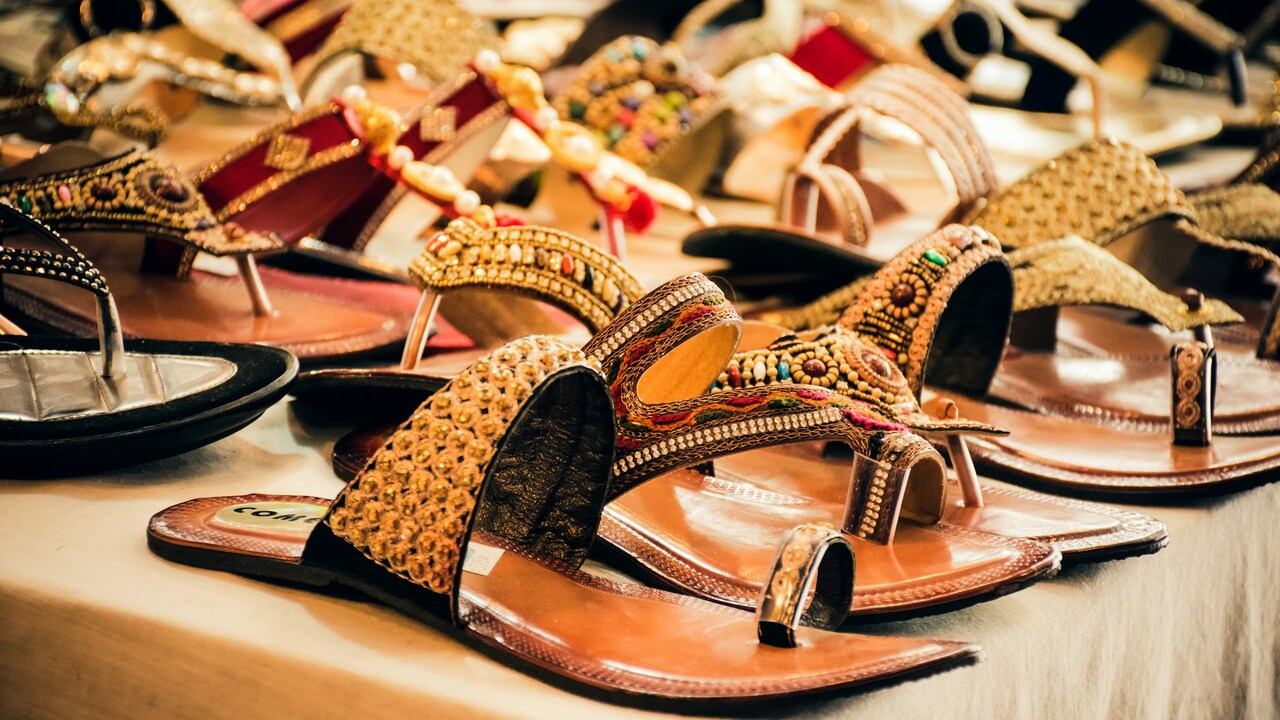
The sandals should provide a firm grip and a comfortable fit; Photo Credit: Pexels
Look For Handcrafted Details
Authentic Kolhapuris often reveal charming imperfections. Slight variations in design or stitching reflect human effort rather than machine precision. Those details add character.
Observe the finishing around the edges. Skilled artisans trim and polish leather carefully, leaving smooth contours. Mass-produced pairs may show uneven cuts or rough trimming.
Decorative elements such as braids, tassels, or punched patterns should integrate seamlessly into the structure. They should not appear glued on as an afterthought. Intricate detailing requires time and skill, which usually reflects in the price.
Engage the seller in conversation about the origin. Reputable stores proudly share details about workshops or craftspeople. That transparency often signals authenticity.
Handcrafted pairs may cost ₹2,500 to ₹5,000 depending on design. However, they tend to outlast cheaper alternatives and develop a rich patina over time. The slight quirks and marks become part of the sandal's evolving personality.
Assess The Finishing And Polish
Finishing transforms raw leather into a refined product. A good pair displays consistent colouring without patchy dye marks. Natural shades may vary slightly, yet they should not look blotchy.
Rub a clean cloth lightly over the surface. Excess colour transfer suggests poor dye setting. That problem leads to fading or staining during monsoon humidity.
Edges should feel rounded and smooth. Sharp or flaky edges indicate rushed sanding. Such areas often peel within months.
Inspect the underside as well. Even though it rarely draws attention, neat finishing underneath signals overall care. Sloppy undersides often reveal shortcuts elsewhere.
A well-finished pair maintains its charm even after exposure to dust and heat. Occasional polishing with neutral cream keeps the leather nourished and vibrant. Quality finishing ensures the sandal ages gracefully rather than looking tired after one festive season.
Consider The Price Versus Value
Price alone does not determine quality, yet extremely low prices should raise eyebrows. Genuine leather, skilled labour, and detailed craftsmanship come at a cost.
If a pair sells for ₹800 while similar designs elsewhere cost ₹3,000, questions make sense. Either the materials differ significantly, or corners have been cut.
Value means balancing cost with longevity. A durable pair worn for three years costs less per wear than a cheap one replaced every season. Think beyond the immediate transaction.
Branded stores may charge higher margins, yet some smaller boutiques offer equally strong quality at fairer rates. Exploring local markets sometimes uncovers hidden gems.
Spending wisely involves observation and comparison rather than blind trust in discounts. A thoughtful purchase protects both feet and wallet.
Check For Proper Fit And Sizing
Kolhapuris often follow traditional sizing, which may differ slightly from sports shoes. Trying them on becomes essential.
Stand up while testing the fit. Weight distribution changes when standing, revealing whether the sandal truly supports the foot. The heel should not hang over the edge, and toes should not curl uncomfortably.
Remember that leather stretches slightly with use. Choosing an extremely loose pair may lead to excessive slipping later. A snug yet comfortable fit works best.
Walk on different surfaces within the shop if possible. Notice any unusual pressure points. Even minor discomfort tends to worsen after long hours.
Sizing also varies between artisans. One size 7 may differ slightly from another. Trust the feel rather than the number printed. Proper fit ensures the sandal becomes an extension of the foot rather than a daily compromise.
Understand Care And Maintenance Needs
Durability depends not only on craftsmanship but also on care. Leather thrives when treated kindly. Regular cleaning with a soft cloth removes dust that can dry out the surface.
Occasional conditioning with a small amount of leather cream prevents cracking. Avoid soaking Kolhapuris in water. If caught in rain, dry them naturally away from direct heat.
Store them in a cool, dry place. Stuffing them lightly with paper helps retain shape. Neglecting storage often leads to warped soles or hardened straps.
Repair remains possible for quality pairs. Skilled cobblers can replace soles or reinforce stitching at modest costs, sometimes under ₹500. That repairability extends lifespan significantly.
Understanding maintenance transforms a simple purchase into a lasting relationship. With proper care, a good pair accompanies countless festivals, markets, and evening strolls.
Products Related To This Article
1. Paragon Men Sturdy Construction Ethnic Comfort Sandals
2. House of Pataudi Men Slip On Kolhapuris
3. TRYME Women Traditional Ethnic Kolhapuri One Toe Flats
4. House of Pataudi Ember Women Textured Leather One Toe Kolhapuri Flats
5. House of Pataudi Women Woven Design Leather One Toe Kolhapuri Flats
Kolhapuri sandals carry more than aesthetic appeal. They embody heritage, patience, and everyday elegance. Choosing the right pair demands attention to leather quality, stitching strength, sole structure, strap design, and overall finishing. Comfort should greet the feet from the first step, while price should reflect genuine value rather than flashy branding.
Careful observation inside the shop saves disappointment later. A well-made pair may cost more initially, yet it rewards that investment through durability and character. Over time, the leather softens, deepens in colour, and begins to feel uniquely personal.
In a market crowded with lookalikes, thoughtful buying ensures authenticity and longevity. The next time Kolhapuris catch the eye, pause, inspect, and choose wisely. The right pair will not merely complete an outfit. It will walk faithfully through seasons, celebrations, and everyday journeys, proving that good craftsmanship never goes out of style.
(Disclaimer: This article may include references to or features of products and services made available through affiliate marketing campaigns. NDTV Convergence Limited (“NDTV”) strives to maintain editorial independence while participating in such campaigns. NDTV does not assume responsibility for the performance or claims of any featured products or services.)