Caps vs Hats in Summer: Which Is Better for Heat, Comfort And Sun Safety?
Caps and hats both shield from the sun, but they handle heat very differently. This article compares airflow, comfort, materials, and sun protection to find which headwear keeps you cooler in hot weather.
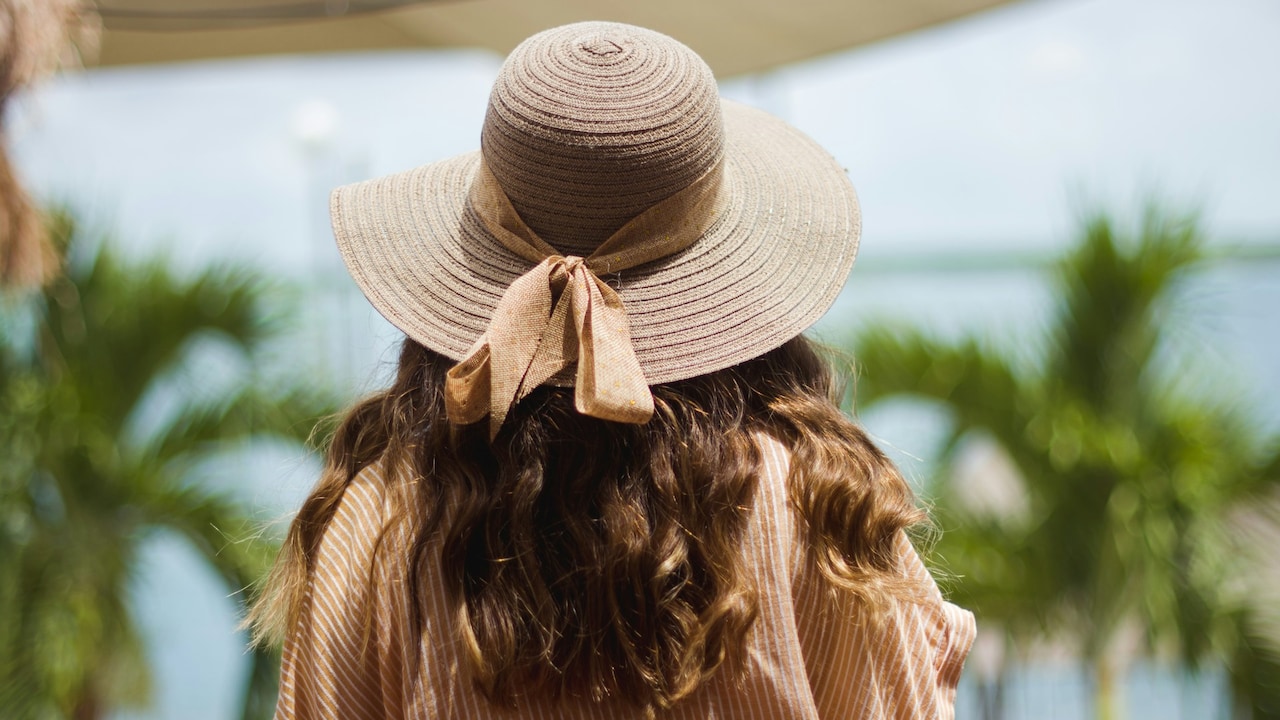
Caps vs Hats: Between caps and hats, learn which one offers better protection in summer.
Summer heat has a way of testing everything, patience, fashion choices, and even loyalty to favourite accessories. Headwear often becomes the first line of defence against the sun, whether during a morning walk, a long commute, or a weekend outing. Yet, not all head coverings behave the same once the mercury climbs.
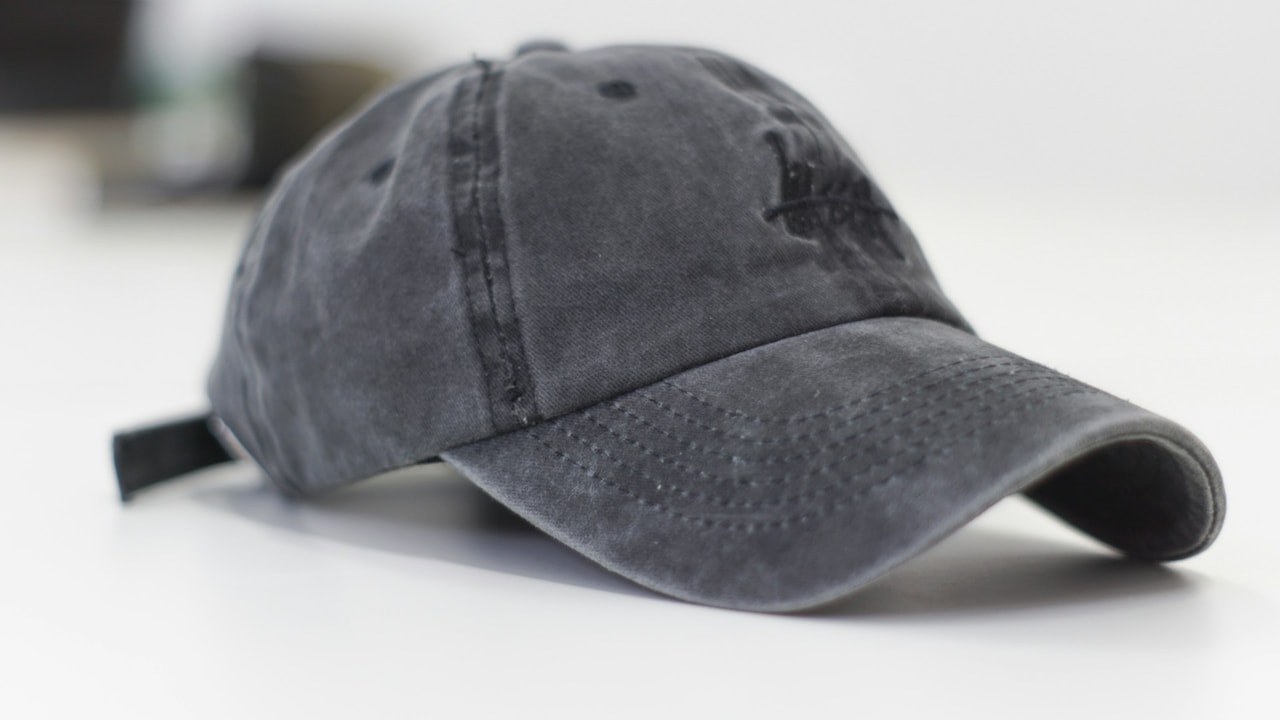
Important things to know when choosing between caps vs hats; Photo Credit: Unsplash
Caps enjoy massive popularity thanks to sports culture and street style, while hats carry a timeless charm, often linked to travel, tradition, and leisure. Both claim to shield from harsh sunlight, but a critical question remains: which one protects better without trapping heat?
This question matters more than it seems. Excessive heat around the head can cause discomfort, headaches, and even dizziness. The right choice can mean the difference between feeling breezy and feeling baked. This article explores the science, design, and everyday practicality behind caps and hats, focusing on real-world use rather than runway appeal.
Also Read: Top Off Your Look: Buy Trendy Caps For Men And Women Under ₹800 On Myntra fwd
Key Factors That Decide Whether Caps or Hats Stay Cool
1. Understanding Heat and the Human Head
The head plays a crucial role in regulating body temperature. Blood vessels near the scalp release heat, helping the body cool down. Covering the head blocks direct sunlight but can also restrict heat escape. That balance defines whether headwear feels refreshing or suffocating.
In peak summer, temperatures often hover above comfort levels. Add humidity, and the scalp starts sweating almost instantly. Hair already acts as insulation, so headwear must manage airflow carefully. A poorly designed covering traps warm air, turning sweat into discomfort within minutes.
Caps usually sit snugly, hugging the head closely. Hats, on the other hand, often allow space between fabric and scalp. That gap matters. It lets hot air rise and escape instead of getting stuck. Understanding this basic heat behaviour sets the stage for choosing wisely.
2. Caps: Design, Fit, and Heat Retention
Caps come with structure. Panels, seams, and fitted designs give them shape and stability. This structure also means less room for air to move. Many caps use thick cotton or polyester blends, materials that absorb sweat but dry slowly.
During a short outdoor activity, caps feel manageable. During longer exposure, heat builds up. Sweat accumulates around the forehead, and the fabric sticks to the skin. Ventilation holes help, but they rarely compensate fully for the tight fit.
Sports caps try to solve this with mesh panels and moisture-wicking fabrics. These upgrades improve comfort, but still struggle in extreme heat. Caps shine in active settings where movement creates airflow. Standing still under the sun tells a different story.
3. Hats: Space, Shape, and Natural Ventilation
Hats often win the airflow game. Wide brims, looser crowns, and lightweight materials allow heat to escape more easily. Traditional sun hats, straw hats, and cotton hats feel noticeably cooler during long outdoor hours.
The space between the head and the hat crown acts like a mini ventilation chamber. Hot air rises, fresh air enters, and the scalp breathes. This natural circulation reduces sweat buildup and keeps the head cooler.
Wide brims also shade the face, ears, and neck, areas caps often ignore. That extra coverage reduces overall heat absorption. While hats may feel bulky to some, their cooling advantage becomes obvious during extended exposure, such as beach trips or open-air markets.
4. Materials Matter More Than Style
Fabric choice often decides comfort more than design. Synthetic materials trap heat unless engineered carefully. Natural fibres like cotton, linen, and straw allow better airflow and moisture absorption.
Caps made from thick polyester may look stylish, but feel unbearable after half an hour outdoors. Lightweight cotton caps perform better but still limit airflow. Hats crafted from straw or breathable cotton weave feel cooler almost instantly.
Dark colours absorb heat faster. Light shades reflect sunlight and reduce temperature buildup. A beige hat or white cap always feels cooler than a black one under the same sun. This simple detail often gets overlooked during shopping.
5. Sun Protection Beyond the Scalp
Protection goes beyond cooling. Direct sunlight affects the face, neck, and ears. Caps mainly shade the forehead and eyes. Ears and neck remain exposed, often leading to uneven tanning or sunburn.
Hats provide broader coverage. Wide brims create a protective shadow around the upper body. This matters during long walks or outdoor work. Reduced sun exposure also lowers fatigue and dehydration risk.
Some hats include neck flaps or adjustable brims for added protection. Caps rarely offer such versatility. For anyone spending hours outdoors, this difference carries real health benefits, not just comfort points.
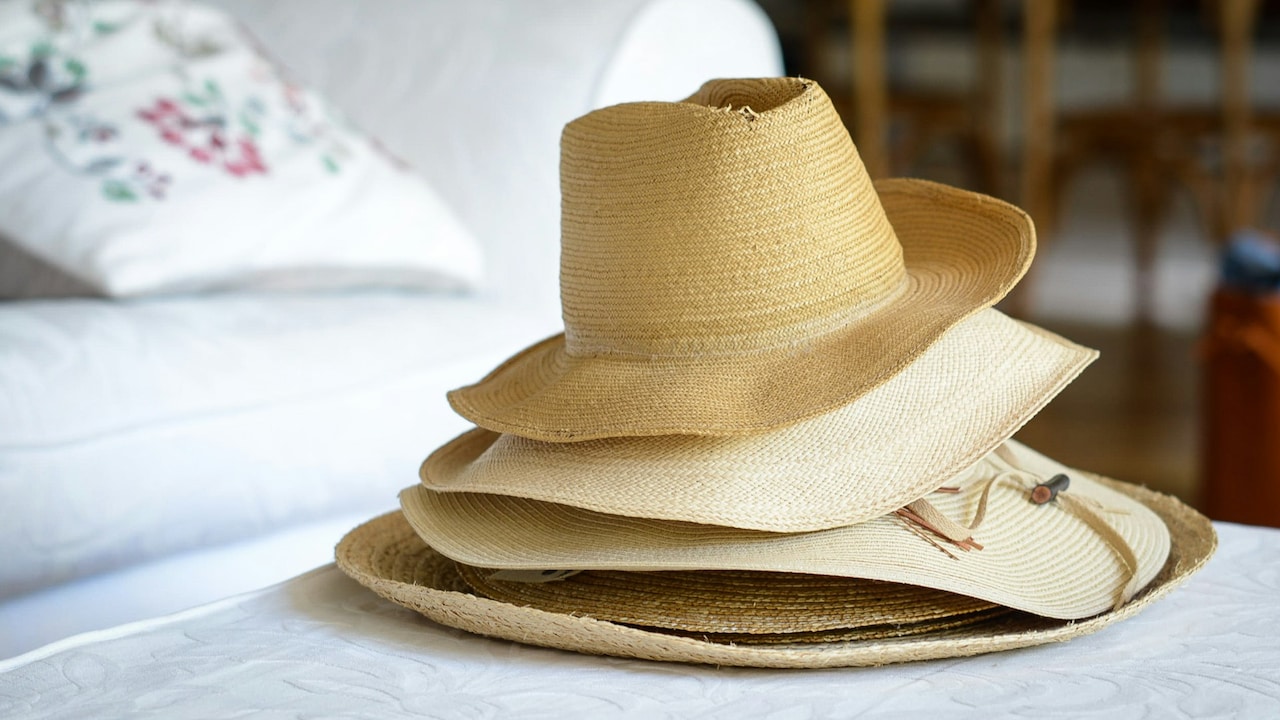
Hats offer better sun protection than caps by covering more area; Photo Credit: Unsplash
6. Comfort During Daily Activities
Daily routines vary widely. Commuting, running errands, or attending outdoor events all place different demands on headwear. Caps fit easily into bags, feel familiar, and suit casual outfits. Hats demand more care and space.
However, comfort shifts with time. Caps feel fine initially but grow uncomfortable as sweat builds. Hats may feel awkward at first, but they remain comfortable longer. During a crowded bus ride or slow traffic, sustained comfort matters.
For short bursts outdoors, caps work well. For prolonged exposure, hats maintain comfort better. Choosing based on activity duration helps avoid regret halfway through the day.
7. Cultural Comfort and Social Ease
Headwear also interacts with social settings. Caps blend seamlessly into urban life, sports events, and casual outings. Hats sometimes attract attention, which not everyone enjoys.
Yet, acceptance shifts quickly. Wide-brim hats appear more often at festivals, travel spots, and even city streets. Comfort often outweighs self-consciousness once the heat becomes intense.
Choosing headwear that feels socially comfortable encourages consistent use. A cap left unused due to discomfort serves no purpose. A hat worn confidently offers both protection and peace of mind.
8. Hair, Sweat, and Scalp Health
Sweat trapped against the scalp can irritate skin and weaken hair roots. Caps press fabric directly against hair, increasing friction and moisture retention. Over time, this may lead to itchiness or breakage.
Hats reduce direct contact. Air circulation helps sweat evaporate naturally. The scalp stays drier and healthier. This benefit matters for those with longer hair or sensitive skin.
Regular washing helps both options, but hats generally require less frequent cleaning due to reduced sweat absorption. Scalp health often improves simply by switching to more breathable headwear.
9. Cost, Durability, and Value
Caps usually cost less and last longer with rough use. Prices range from ₹300 to ₹1,500 depending on brand and material. Hats vary widely, from ₹500 straw options to premium pieces above ₹2,000.
Durability depends on the material. Synthetic caps withstand frequent washing. Straw hats need gentle handling but last well with care. Value depends on usage patterns rather than price alone.
Investing in breathable headwear pays off in comfort and health. A slightly higher upfront cost often saves discomfort and replacement expenses later.
10. The Verdict: Choosing What Truly Works
No single answer fits everyone. Caps suit active, short-term use and casual settings. Hats excel during long exposure and intense heat. The key lies in matching headwear to environment and activity.
Those moving constantly may prefer caps with ventilation. Those spending hours under open skies benefit more from hats. Material, colour, and fit refine the choice further.
Comfort always wins over trends. A cool head supports energy, mood, and overall well-being. Choosing wisely turns headwear into a trusted ally rather than a necessary evil.
Products Related To This Article
1. Puma Unisex Running Cap
2. French Accent Men Vintage Bakerboy Hat
3. Infispace Women Self Design Sun Hat
4. WROGN Unisex Black Printed Cotton Denim Baseball Cap
5. Jack & Jones Men Black Embroidered Bucket Hat
6. U.S. Polo Assn. Denim Co. Men Embroidered Baseball Cap
7. KeepCart Unisex Solid Sun Hat
8. Gustave Outdoor Shield UV Cotton Wide Brim Flap Sun Hat With Neck Flap
Caps and hats both serve their purpose, but they behave very differently under the sun. Caps offer convenience and familiarity but often trap heat during extended wear. Hats provide superior ventilation and broader sun protection, keeping the head cooler for longer periods.
Understanding personal routines, climate exposure, and comfort preferences makes the decision clearer. The best choice balances protection, airflow, and ease of use. When the sun shows no mercy, the right headwear transforms unbearable heat into manageable warmth.
In the end, style matters, but staying cool matters more.
(Disclaimer: This article may include references to or features of products and services made available through affiliate marketing campaigns. NDTV Convergence Limited (“NDTV”) strives to maintain editorial independence while participating in such campaigns. NDTV does not assume responsibility for the performance or claims of any featured products or services.)