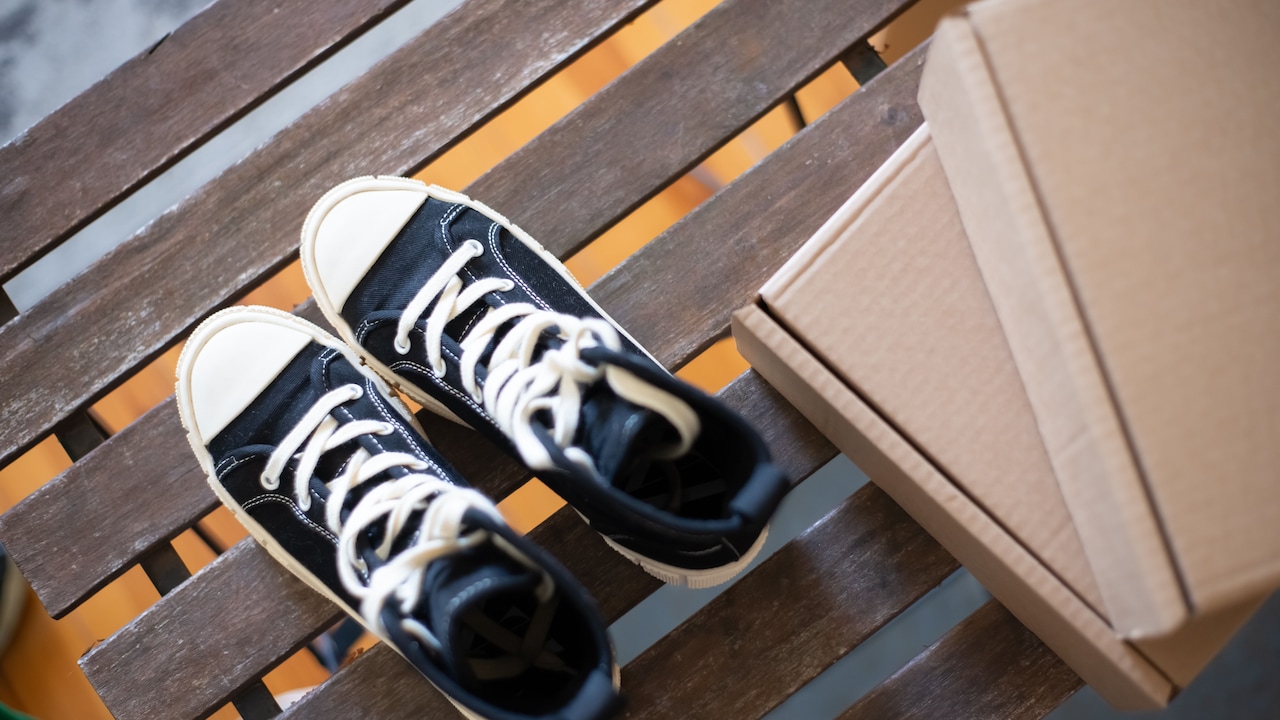
How To Buy Heels Online Without Trying Them On: Dos and Don'ts
Buying heels online can be tricky. This guide shares practical dos and don'ts to help choose the right fit, heel height, and material, without painful mistakes or returns.
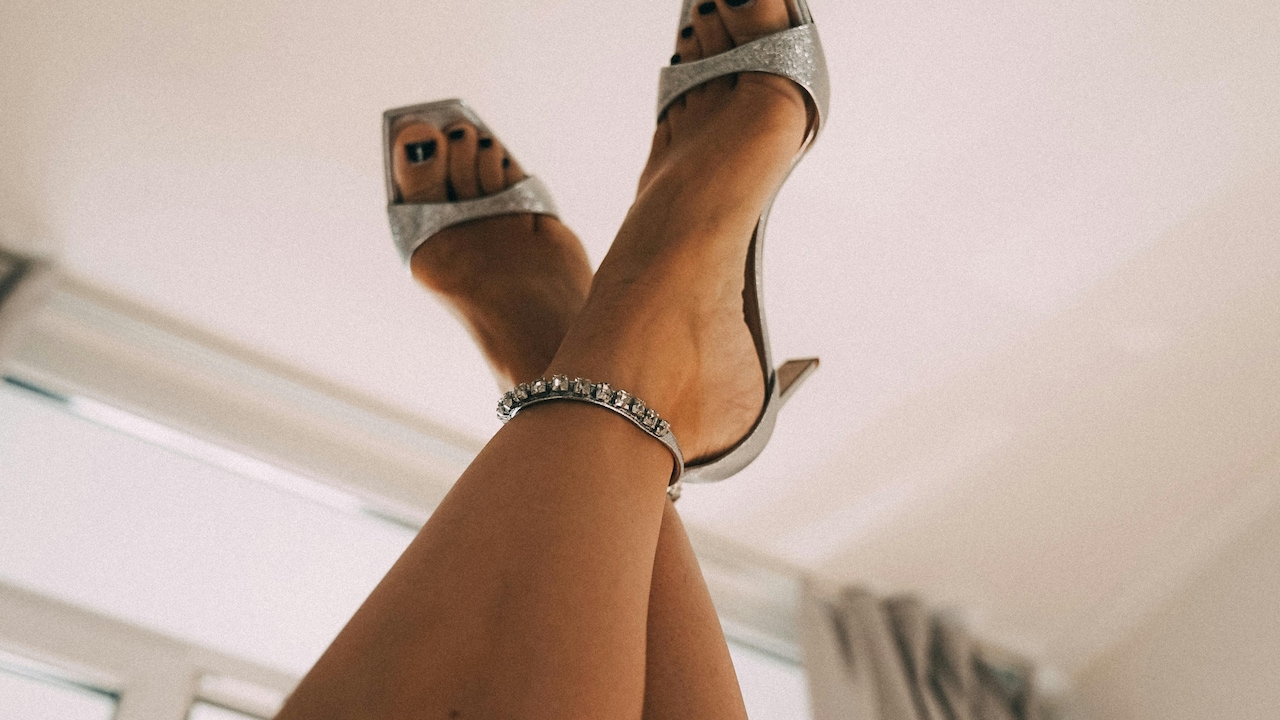
How to Buy Heels Online Without Trying Them On: Complete Dos and Don'ts Guide.
Online shopping has made wardrobes bigger and shoe racks more exciting. Heels, especially, hold a special place. They promise confidence, elegance, and that unmistakable click-clack sound on polished floors. Still, buying heels online without slipping a foot inside them can feel risky. No mirror. No trial walk. Just pictures, descriptions, and hope.
Yet, countless shoppers now swear by online footwear purchases. The secret lies in knowing what to look for and what to avoid. Heels demand more attention than flats or sneakers. A small fit issue can turn a stylish evening into hours of discomfort. This article walks through practical dos and don'ts, rooted in real shopping habits, cultural nuances, and everyday experiences. Expect clear advice, relatable examples, and a few gentle warnings, because great style should never hurt more than it has to.
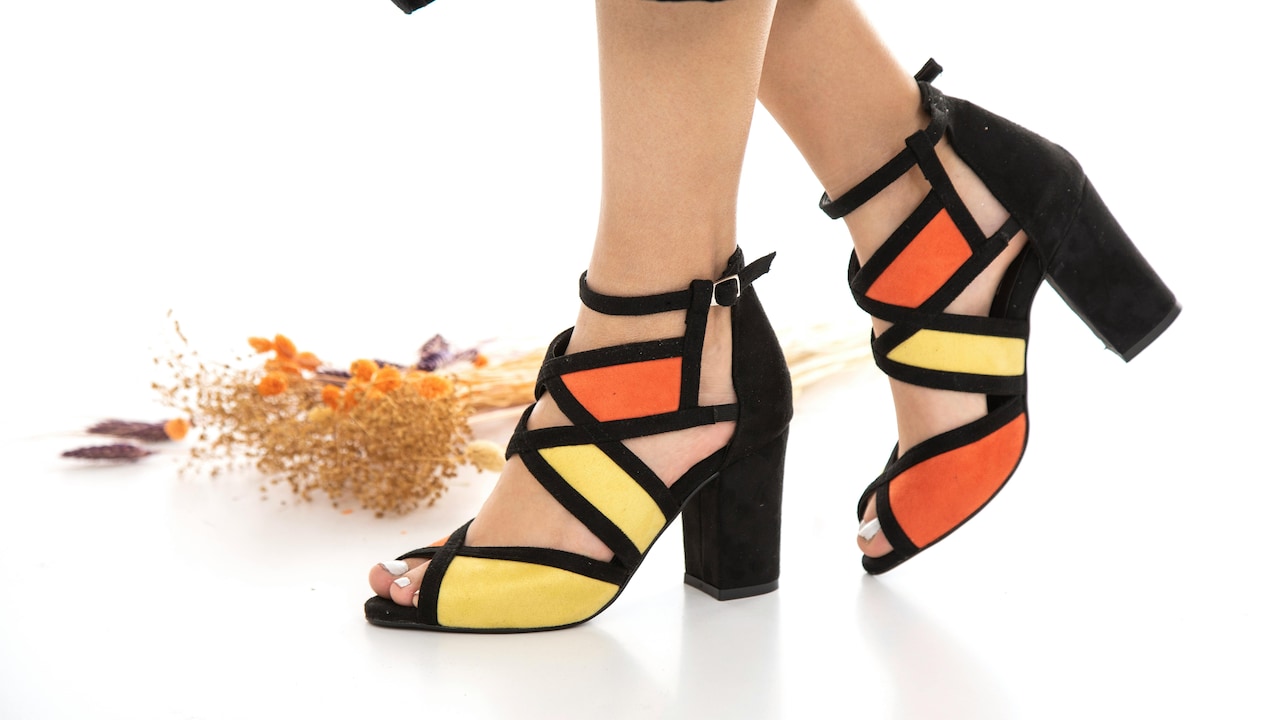
Dos and Donts of Buying Heels Online: Fit, Comfort, and Style Tips
Photo Credit: Pexels
Essential Dos and Don'ts for Buying Heels Online
1. Do Know Your Foot Measurements (Not Just Your Size)
Shoe size sounds simple, yet feet rarely follow textbook numbers. One foot often runs slightly larger than the other. Width, arch height, and toe shape matter just as much as length. Online listings usually show size charts, but many shoppers skip them and rely on memory. That's where problems begin.
Measure feet at home using a ruler or measuring tape. Do it in the evening, when feet tend to swell a little. That swelling mirrors real-life wear during long days or festive nights. Note down length and width in centimetres, then match them with the brand's size chart.
Heels magnify fitting issues. A snug flat might feel fine, but a snug heel can pinch within minutes. Knowing whether feet are narrow, broad, or somewhere in between helps narrow down suitable styles. For example, pointed-toe heels often suit narrow feet better, while block heels with rounded toes offer comfort for wider feet.
Skipping this step often leads to exchanges, refunds, or worse, unused shoes gathering dust.
2. Don't Ignore Heel Height Details
Heel height looks different on screen. A “moderate” heel can feel towering once worn. Product descriptions usually list heel height in inches or centimetres. That number deserves attention.
Think about daily routines. A 4-inch stiletto might shine at weddings but feel brutal during long dinners or office parties. Platforms may reduce pressure on the forefoot, even with extra height. Kitten heels offer elegance without strain. Block heels balance height and stability, making them ideal for extended wear.
Also consider personal comfort history. If heels above 3 inches rarely get worn, ordering a 4.5-inch pair invites regret. Online shopping lacks the instant reality check of a mirror. Logic must replace impulse.
Heel shape matters too. Thin heels demand balance and strong ankles. Chunkier heels offer support and suit uneven surfaces like outdoor venues. Matching heel height to lifestyle saves both money and mood.
3. Do Read Reviews Like a Detective
Reviews tell stories that product photos hide. They reveal whether straps cut into skin, soles feel stiff, or sizing runs small. Reading reviews requires patience but pays off.
Focus on detailed reviews rather than star ratings alone. Look for comments about comfort after hours of wear, not just first impressions. Pay attention to recurring themes. If multiple buyers mention tight toe boxes or slippery soles, believe them.
Photos shared by buyers help too. They show how heels look in real lighting and on real feet. Colour variations, finish quality, and actual heel height often become clearer.
Skip overly vague praise or criticism. Comments like “nice shoes” add little value. Instead, prioritise reviews that mention foot shape, occasion of wear, or comparisons with other brands.
Treat reviews as conversations with strangers who already tested the shoes. Their experiences can save painful lessons.
4. Don't Fall for Style Over Substance
A stunning design can cloud judgement. Sleek straps, glossy finishes, and trendy silhouettes often steal attention. Yet, comfort and construction matter far more in heels.
Check material details. Synthetic uppers may look good but trap heat and cause blisters. Soft linings, cushioned insoles, and flexible soles enhance comfort. Leather or suede often mould to feet over time, while stiff materials resist movement.
Inspect sole thickness. Ultra-thin soles offer little shock absorption. A slightly thicker sole reduces pressure on the ball of the foot. Stitching and glue details also hint at durability. Poor construction leads to early wear or sudden breakage.
Style fades fast when pain takes over. Choosing well-built heels ensures they get worn more than once. A slightly less dramatic design that feels good wins over a showstopper that hurts.
5. Do Understand Return and Exchange Policies
Return policies matter as much as shoe size. Even with research, some heels simply won't work. Flexible return options turn risky purchases into manageable ones.
Check timelines for returns or exchanges. Some platforms allow returns within seven days, others extend to fifteen. Look for conditions too. Worn soles or damaged boxes may void returns. Trying heels indoors on a clean surface helps keep options open.
Refund methods deserve attention. Store credits feel limiting compared to direct refunds. Shipping fees for returns can also add up. A pair priced at ₹2,500 may lose value if ₹300 goes into return shipping.
Knowing these details beforehand reduces stress. It allows confident experimentation with styles and sizes. Without clear return options, online heel shopping becomes a gamble rather than a choice.
6. Don't Guess Based on Brand Loyalty Alone
Brand familiarity builds trust, but blind loyalty can mislead. Sizes vary across collections and designs. A perfect fit in one style does not guarantee the same in another.
Seasonal trends influence fit. Narrow silhouettes, exaggerated points, or minimalist straps change how heels feel. Even trusted brands experiment, sometimes sacrificing comfort for fashion.
Always check size charts and reviews for each specific product. Compare measurements rather than relying on past purchases. Also consider manufacturing variations. Different factories may produce slight differences in fit and finish.
Brand loyalty works best when paired with caution. Treat each purchase as a fresh decision, guided by details rather than assumptions.
7. Do Visualise Real-Life Use
Product images show heels in ideal settings, perfect lighting, flawless floors, and carefully posed feet. Real life looks different. Visualising actual use helps choose wisely.
Think about where the heels will be worn. Smooth banquet halls differ from cobbled streets or grassy lawns. Thin heels struggle outdoors, while wedges and blocks handle uneven surfaces better.
Outfits matter too. A heel that looks elegant with dresses may clash with trousers or traditional wear. Neutral colours offer versatility. Bold shades make statements but limit pairing options.
Also consider duration. Short events allow higher heels. Long celebrations demand comfort. Visualising walking, standing, and even dancing in those heels reveals whether they suit the occasion.
This mental rehearsal prevents impulse buys and encourages thoughtful choices.
8. Don't Ignore Toe Shape and Strap Placement
Toe shape affects comfort more than many realise. Pointed toes elongate the foot visually but compress toes. Almond and round toes allow natural spread, reducing pressure.
Strap placement plays a crucial role too. Ankle straps offer support but can rub or restrict movement if poorly placed. Toe straps that sit too close to nails cause discomfort quickly.
Product images often show ideal positioning, but reviews reveal reality. Look for mentions of rubbing, tightness, or slipping. Adjustable straps offer flexibility, especially for fluctuating foot sizes during the day.
Ignoring these details leads to blisters and frustration. Paying attention ensures heels feel as good as they look.
9. Do Balance Budget with Longevity
Heels come in every price range. Affordable options tempt with trends, while premium pairs promise quality. Striking a balance matters.
Consider cost per wear. A ₹3,500 pair worn often offers better value than a ₹1,200 pair worn once. Durable materials, solid heels, and good cushioning extend lifespan.
Sales and discounts help access better quality within budget. Yet, avoid buying solely because of low prices. Poorly made heels often need replacements, increasing overall spend.
Investing wisely builds a reliable collection. A few versatile, comfortable heels outperform a crowded shelf of regrets
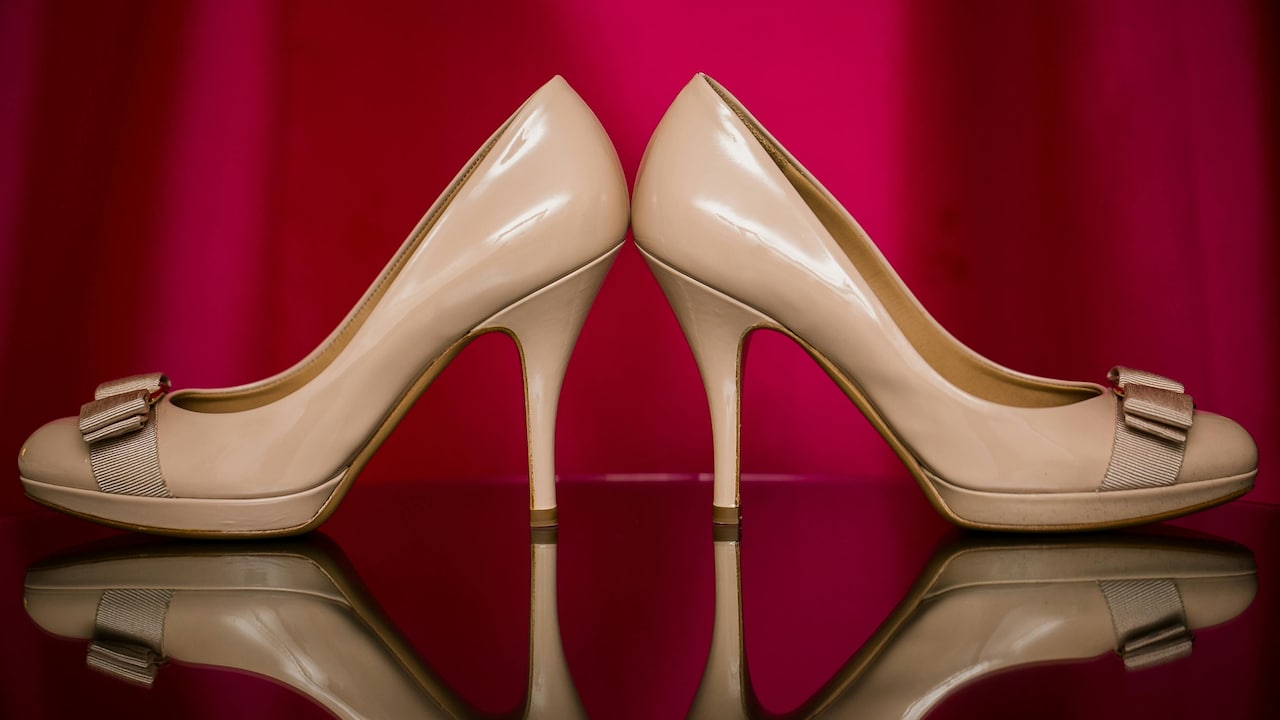
Dos and Donts of Buying Heels Online: Fit, Comfort, and Style Tips
Photo Credit: Pexels
.10. Don't Rush the Decision
Online shopping thrives on speed. Flash sales, countdown timers, and limited stock warnings create urgency. Heels deserve slower decisions.
Take time to read descriptions, zoom into images, and compare options. Sleep on the choice if unsure. A pause often reveals doubts excitement hides.
Impulse purchases often lead to returns or unused shoes. Thoughtful decisions bring satisfaction. Online shopping allows reflection, use that advantage.
Rushing rarely rewards when it comes to heels. Patience keeps feet happy and wallets wiser.
Products Related To This Article
1. Metro Women Block Pumps With Buckles
2. Froh Feet Party Block Pumps
3. CHINRAAG Party Block Pumps with Buckles
4. Marc Loire Block Pumps with Buckles
5. Mast & Harbour Party Block Pumps with Buckles
6. Lavie Women Party Block Pumps with Buckles
7. Carlton London Block Pumps with Buckles
Buying heels online without trying them on need not feel daunting. With careful attention to measurements, materials, reviews, and real-life needs, the process becomes smoother and more rewarding. Heels should elevate confidence, not cause discomfort or regret.
Smart online shopping blends excitement with awareness. Each informed choice reduces risk and increases satisfaction. Over time, instincts sharpen, and mistakes fade. The result? A collection of heels that look stunning, feel comfortable, and step confidently into every occasion, no trial room required.
(Disclaimer: This article may include references to or features of products and services made available through affiliate marketing campaigns. NDTV Convergence Limited (“NDTV”) strives to maintain editorial independence while participating in such campaigns. NDTV does not assume responsibility for the performance or claims of any featured products or services.)