10 Common Kurta Set Styling Mistakes That Make Your Outfit Look Bulky Or Unflattering
Even a beautiful kurta set can look bulky when the fit, fabric or proportions feel off. Discover 10 common styling mistakes and simple ways to create balanced, flattering ethnic outfits.
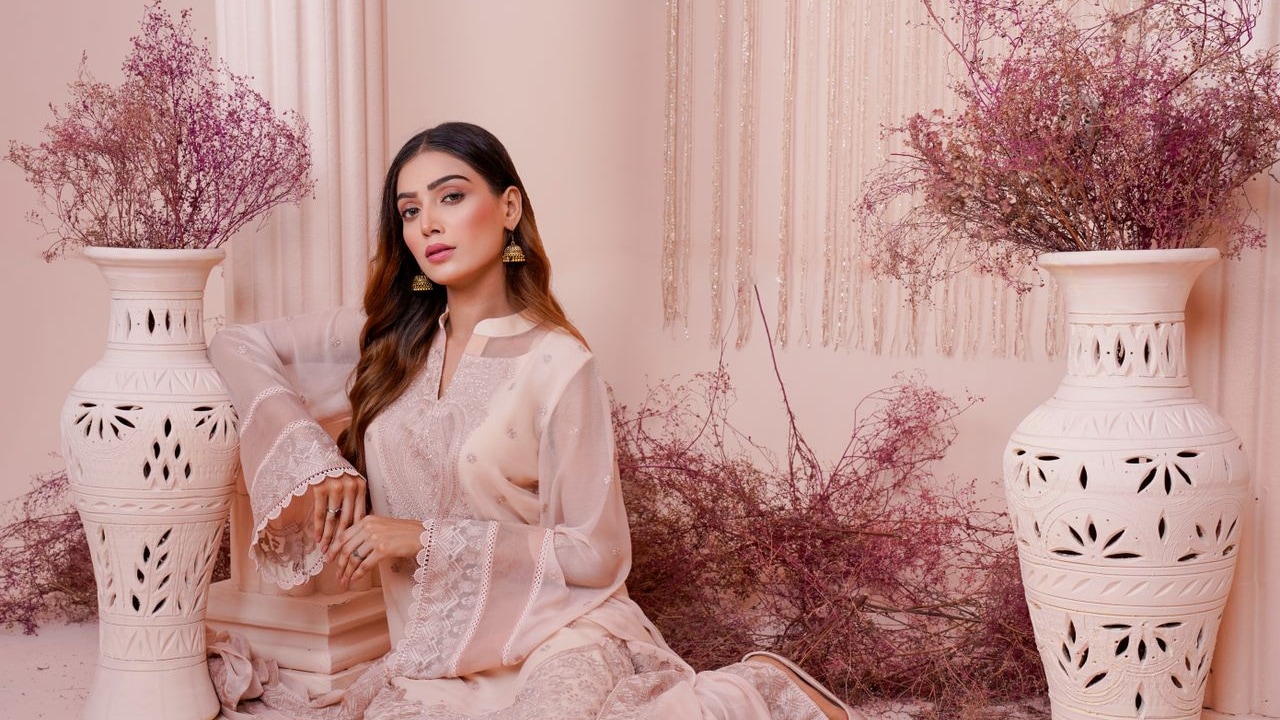
Top kurta set styling mistakes to avoid when styling
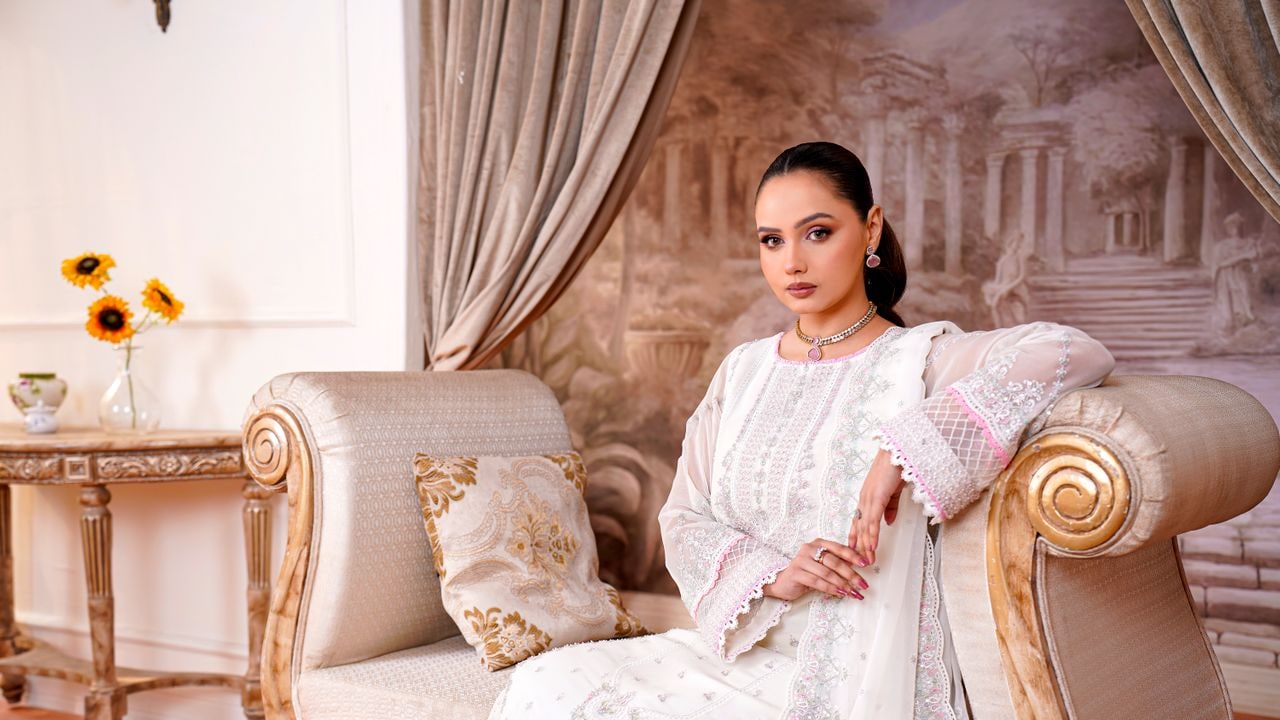
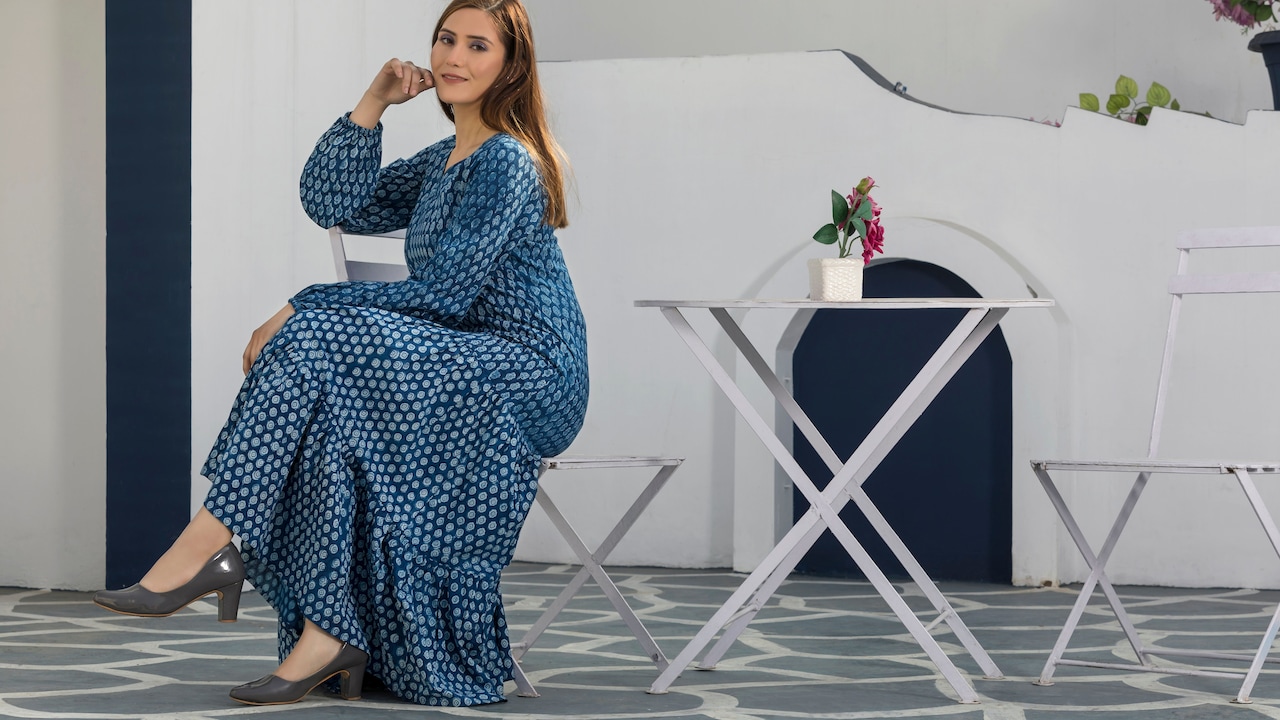
A well-styled kurta set can make getting dressed feel wonderfully simple. Whether it's a cotton kurta for office meetings, a printed co-ord set for weekend outings or an embroidered ensemble for festive gatherings, the right combination offers comfort without compromising style. Yet, even the prettiest kurta set can sometimes look shapeless, bulky or less flattering than expected. The problem isn't always the design itself. Small styling decisions, from choosing the wrong trouser length to adding an oversized dupatta, can change how the entire outfit looks. We've all experienced that moment when a kurta set looks stunning on the hanger but somehow feels different in the mirror. Perhaps the neckline seems too crowded, the trousers gather awkwardly around the ankles or the fabric adds more volume than expected. Fortunately, these details are surprisingly easy to fix. Understanding how different cuts, fabrics, colours and accessories work together can help create an outfit that feels balanced and comfortable. Here are ten common kurta set styling mistakes that can affect the overall silhouette, along with practical ways to avoid them.
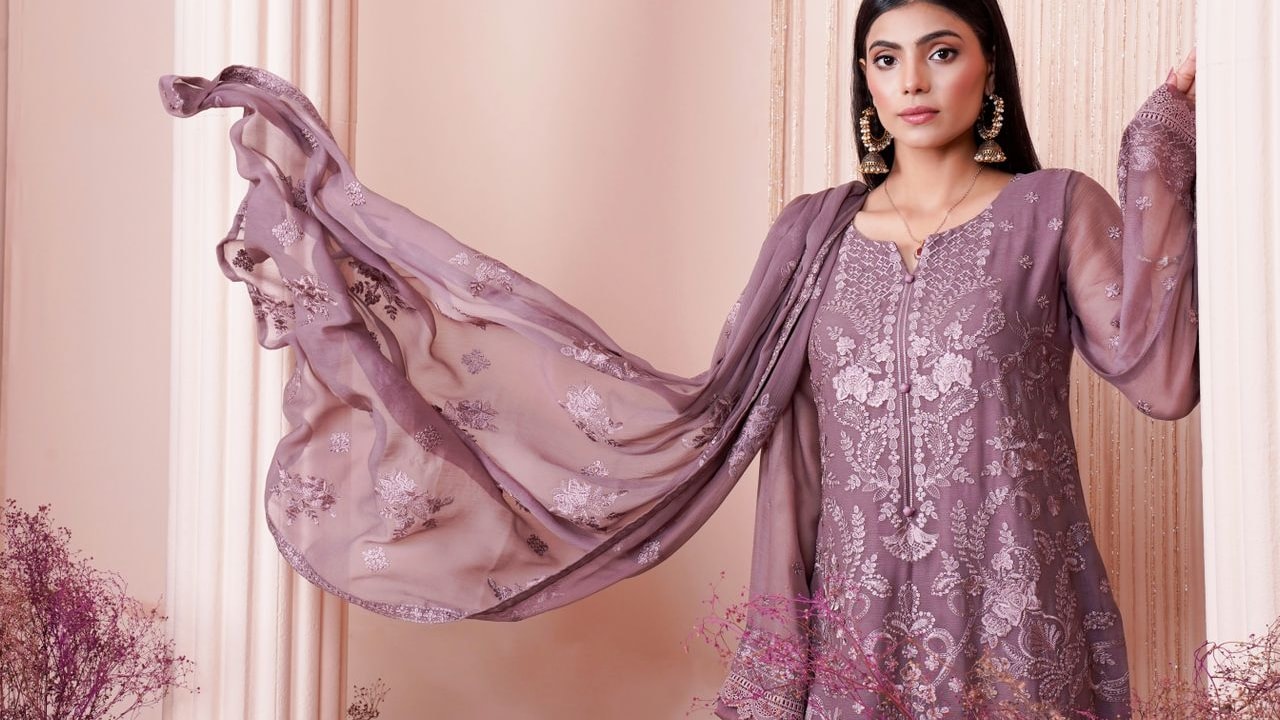
How to make kurta sets look flattering; Photo Credit: Pexels
Top 10 Common Kurta Set Styling Mistakes And How To Avoid Them
1. Choosing An Oversized Kurta Without Considering Its Shape
Oversized kurtas have a relaxed charm, especially when temperatures rise and fitted clothing feels uncomfortable. However, choosing a kurta that's several sizes too large can sometimes make the outfit appear shapeless. Excess fabric around the shoulders, bust and waist may create unnecessary volume instead of achieving that effortless, loose-fitting look.
The biggest mistake involves confusing an oversized design with an incorrect fit. A thoughtfully designed oversized kurta usually features deliberate proportions, such as dropped shoulders, wider sleeves or a structured neckline. An ordinary kurta in a larger size might simply hang awkwardly.
Pay attention to shoulder seams and sleeve placement when selecting a relaxed kurta. The fabric should fall comfortably without creating excessive folds around the upper body. Straight-cut kurtas with gentle side slits can maintain a clean silhouette while allowing plenty of movement.
Pairing a loose kurta with straight trousers or cigarette pants can also create visual balance. If both pieces have generous cuts, look for a defined neckline or a fabric that drapes neatly.
Remember, relaxed dressing should feel intentional rather than resemble borrowing someone else's outfit in a hurry.
2. Pairing Loose Kurtas With Excessively Wide Bottoms
Palazzos, shararas and wide-leg trousers bring movement and personality to ethnic outfits. However, combining an extremely loose kurta with equally voluminous bottoms can create a heavy silhouette, particularly when both pieces feature stiff fabrics.
Imagine wearing a long, flared kurta with wide palazzos that begin expanding from the hips. Without a clear distinction between the upper and lower halves, the outfit may appear wider than intended. This doesn't mean loose-on-loose combinations should disappear from your wardrobe. They simply need thoughtful proportions.
A short, straight kurta often works beautifully with flowing palazzos because the shorter hem allows the trousers to remain visible. Similarly, a longer A-line kurta can look balanced with narrower bottoms.
For coordinated sets featuring generous cuts, consider fabrics such as soft rayon, modal or lightweight cotton blends. These materials can create movement without excessive stiffness.
Footwear also makes a difference. Sleek sandals, pointed juttis or low heels can provide a neat finish.
The goal isn't to eliminate volume. It's to distribute it thoughtfully so every part of the outfit gets its moment.
Also Read: 5 Hair Oils You Must Try For Different Concerns
3. Ignoring The Importance Of Kurta Length
Kurta length can dramatically change the appearance of an outfit, yet it's one of the easiest details to overlook. A beautiful print or attractive neckline often receives all the attention, while the hemline remains an afterthought.
A kurta that ends at an awkward point on the body may interrupt the outfit's natural flow. For example, a long kurta paired with heavily gathered trousers can create a crowded appearance around the lower legs. Likewise, a loose mid-thigh kurta with wide bottoms may add unwanted visual volume around the hips.
Instead of following rigid rules about height or body shape, consider how the kurta length interacts with the accompanying trousers.
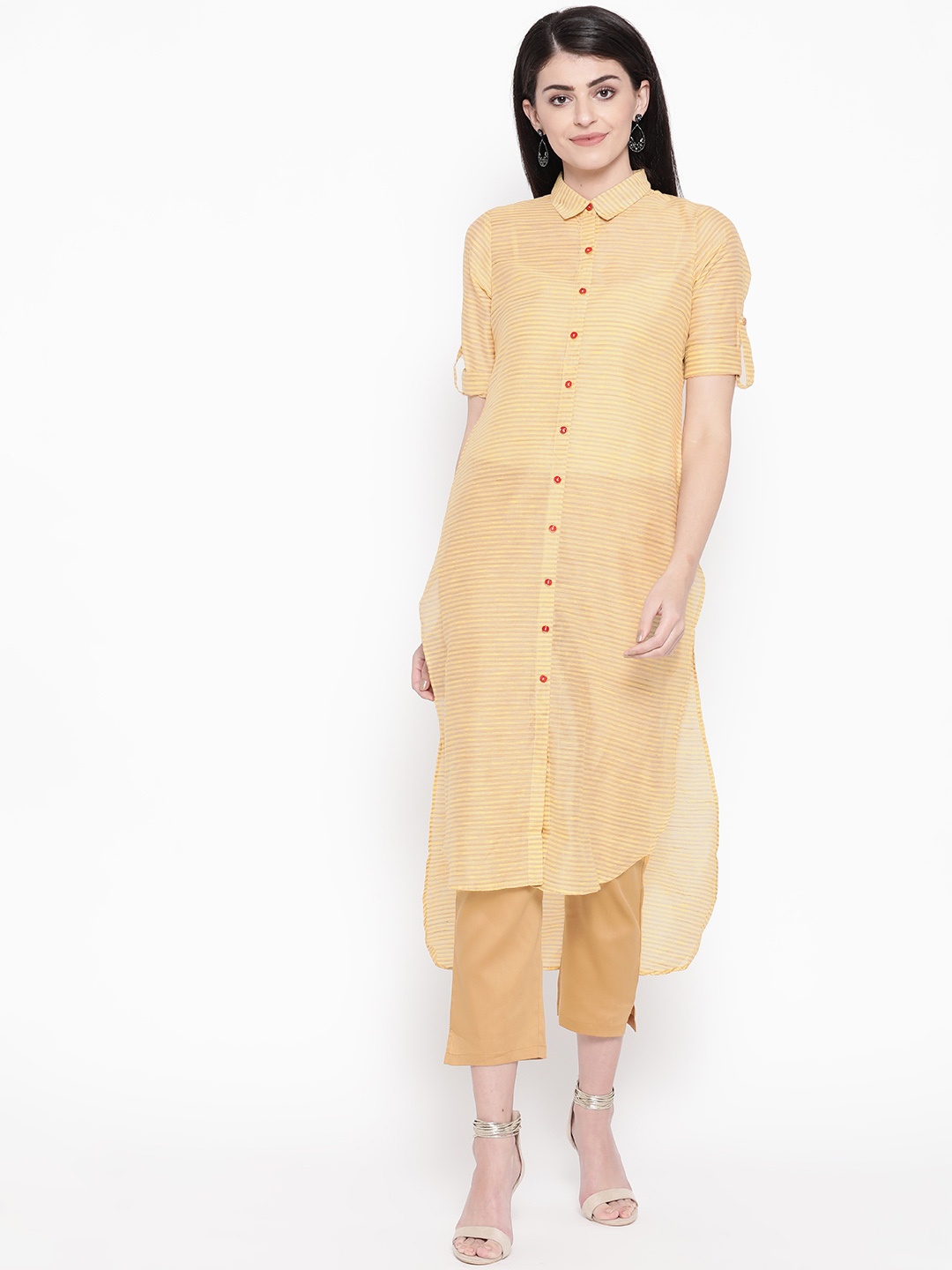
Short kurtas can highlight palazzos, shararas and other statement bottoms. Knee-length kurtas often work well with straight trousers, while longer styles can create a continuous silhouette when paired with slim or moderately fitted bottoms.
Side slits also matter. Higher slits can reveal more of the trousers and introduce movement to otherwise straight designs.
Before finalising an outfit, check the full-length reflection while standing and walking. Sometimes, adjusting the hemline by just a few centimetres can make the entire ensemble feel more harmonious.
4. Selecting Stiff Fabrics That Add Unnecessary Volume
Fabric can completely change how a kurta set sits on the body. Two outfits with identical cuts may look surprisingly different simply because one uses soft, flowing material while the other relies on a heavier weave.
Stiff cotton, thick brocade and heavily structured blends can hold their shape away from the body. While this quality works beautifully for certain festive silhouettes, it can also create extra volume around the waist, hips or sleeves.
The problem becomes more noticeable when a stiff fabric meets an already flared design. Multiple layers, broad pleats and gathered seams may increase the outfit's overall fullness.
For everyday styling, lightweight cotton, viscose, rayon and modal can offer softer movement, depending on their weave and finish. Crepe and certain silk blends may also create an elegant drape.
However, flowing fabrics aren't automatically better. Extremely thin materials may cling or reveal underlayers, making the outfit less comfortable.
When shopping, gently gather a section of fabric and release it. Notice whether it falls naturally or retains a rigid shape. Also, check how it behaves when you sit.
A flattering outfit begins with fabric that complements the intended silhouette, not merely a beautiful colour or print.
5. Wearing Poorly Fitted Trousers That Gather Around The Ankles
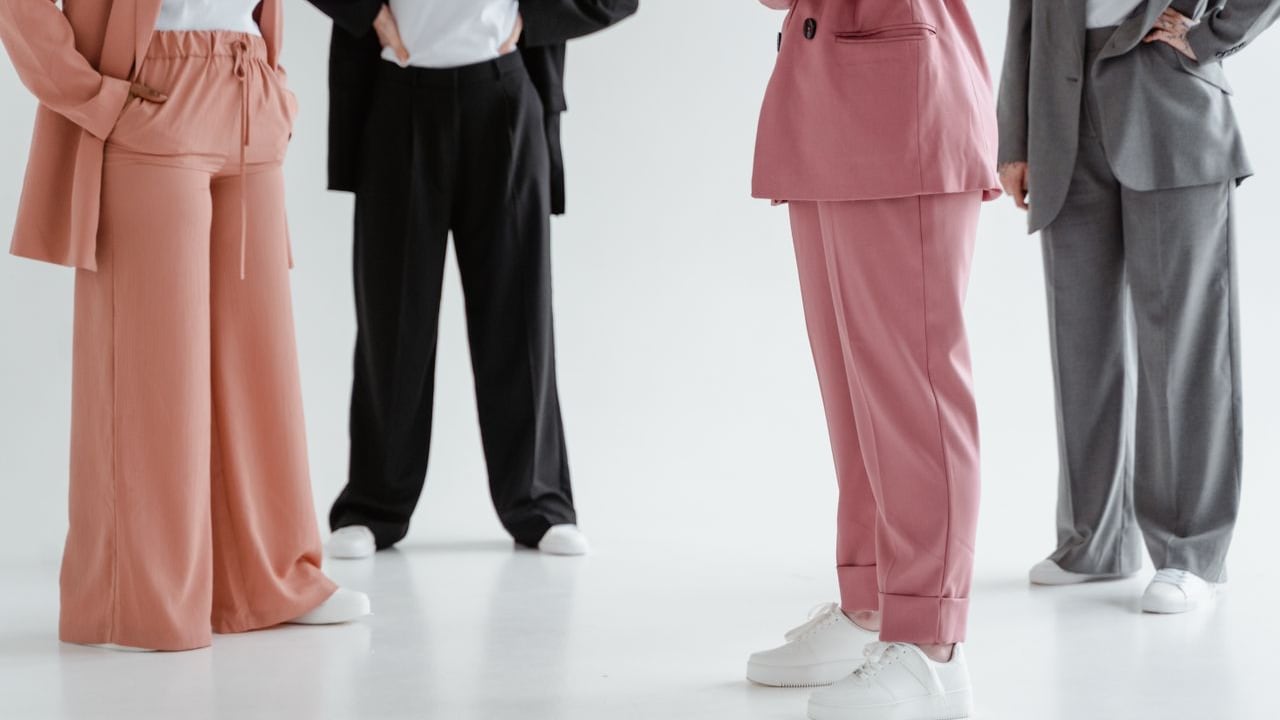
A kurta may fit perfectly, but poorly fitted trousers can still affect the overall appearance. Excess fabric around the knees, calves or ankles often creates untidy folds that make an otherwise polished ensemble look unfinished.
This issue frequently appears with straight trousers and churidars. When trousers extend too far below the ankle, the fabric bunches over footwear. Traditional churidars intentionally feature gathered folds, but excessive length can make those gathers look bulky rather than decorative.
The waist and hip measurements deserve equal attention. Trousers that pull tightly across the hips may create awkward lines, while excessively loose waistbands can cause fabric to gather beneath the kurta.
Straight trousers generally look neat when their hems fall close to the ankle or just above the footwear, depending on the design. Cropped styles can also work well with shorter kurtas and decorative sandals.
For palazzos, check that the hem doesn't drag across the floor or collapse into large folds.
A simple alteration can often solve the problem. Tailoring the length or adjusting the waist costs far less than replacing an entire outfit.
Sometimes, the difference between ordinary and polished styling comes down to a few well-placed stitches.
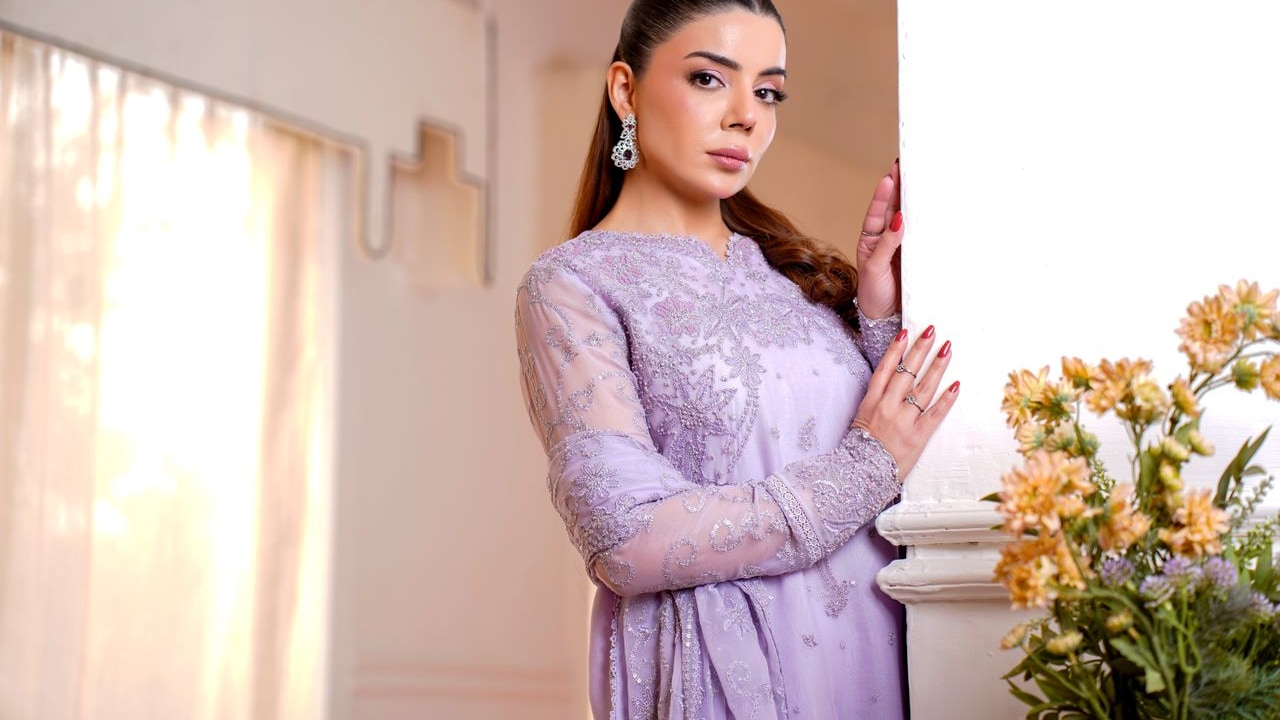
Avoid wearing poorly fitted trousers with your kurtas; Photo Credit: Pexels
6. Draping A Heavy Dupatta Without Balancing The Outfit
A dupatta can instantly transform a basic kurta set into something festive. Unfortunately, it can also overwhelm the outfit when its weight, embellishments or draping style compete with the kurta.
Heavy embroidered dupattas, thick borders and multiple fabric layers naturally create volume. When draped loosely across both shoulders, they may conceal the neckline, cover the kurta's shape and create a crowded upper half.
Consider a heavily embroidered kurta paired with an equally elaborate dupatta. Both pieces might look gorgeous individually, but together they can compete for attention.
For embellished kurtas, a lighter dupatta in chiffon, organza or another suitable fabric can provide contrast. Alternatively, a plain kurta can beautifully accommodate a statement dupatta.
Draping also influences the final result. Allowing one end to fall vertically from the shoulder can create a cleaner line. A neatly pleated dupatta offers another practical option, particularly for weddings and celebrations.
Avoid repeatedly wrapping the fabric around the neck unless the outfit specifically calls for that effect.
And if the dupatta spends the entire evening slipping off your shoulder, a discreet pin might become the most valuable accessory of the day.
7. Mixing Too Many Large Prints And Heavy Embellishments
Prints bring personality to kurta sets, whether through delicate florals, geometric patterns, traditional motifs or abstract designs. However, combining several bold elements without visual balance can make an outfit appear crowded.
Large prints across the kurta, contrasting patterns on the trousers and an intricately decorated dupatta can compete for attention. The eye struggles to identify a focal point, making the complete ensemble feel heavier than its actual fabric weight.
This doesn't mean mixing prints is a fashion mistake. In fact, coordinated patterns can create striking outfits when their colours, proportions or motifs complement one another.
Try pairing a boldly printed kurta with solid-coloured trousers that pick up one shade from the design. If the kurta features intricate embroidery, simpler bottoms can allow the craftsmanship to stand out.
For those who enjoy pattern mixing, combine motifs of different scales. Small geometric prints may complement larger florals when the colour palette remains cohesive.
Accessories should also support the overall composition. Statement earrings may feel unnecessary when the neckline already features elaborate detailing.
A little visual breathing room can make individual design elements look more impressive. After all, every attractive detail doesn't need to attend the same party.
8. Overlooking Neckline And Sleeve Proportions
Necklines and sleeves might seem like minor details, but they strongly influence how a kurta frames the upper body. Choosing the wrong combination can make the shoulder and chest area appear visually crowded.
For instance, a high neckline paired with heavily gathered sleeves and thick embroidery may concentrate too much detail around the upper half. Similarly, oversized bell sleeves can introduce additional width when combined with an already flared kurta.
The solution involves understanding how different elements work together rather than avoiding particular necklines or sleeve styles altogether.
V-necks and open notched necklines can create a longer visual line around the neck. Round necks offer a classic appearance, while square necklines introduce definition through their structured shape.
Sleeve length matters too. Three-quarter sleeves often provide a balanced finish, especially with straight or A-line kurtas. Full sleeves can also look elegant when the cuffs fit comfortably and the fabric falls neatly.
If the kurta features dramatic sleeves, consider keeping the neckline relatively simple. Likewise, detailed collars or embroidered yokes may benefit from understated sleeves.
Small changes in proportion can make familiar outfits feel completely different without requiring an expensive wardrobe update.
9. Choosing Footwear That Disrupts The Outfit's Proportions
Footwear usually enters the styling process at the last minute. The kurta looks good, the dupatta sits properly and the jewellery feels just right. Then comes the hurried search for whichever sandals happen to be closest to the door.
Unfortunately, footwear can influence how the entire outfit looks, particularly when trouser lengths and hems interact with different shoe styles.
Chunky footwear paired with heavily gathered trousers may create additional visual weight around the ankles. Similarly, bulky trainers can interrupt the flowing appearance of delicate festive ensembles, although intentional fusion styling can make them work.
For straight trousers and cigarette pants, streamlined flats, juttis or sandals can maintain a neat silhouette. Palazzos may work well with wedges or block heels, especially when their hems reach close to the ground.
Comfort should always come first. There's little charm in spending an entire wedding reception wondering when the heels can finally come off.
Try the complete outfit with your chosen footwear before leaving home. Check whether the trouser hems fall correctly and whether the shoes complement the fabrics.
The right footwear doesn't necessarily need height or embellishments. It simply needs to work with the outfit rather than against it.
10. Adding Too Many Accessories Without Considering The Overall Look
Accessories can elevate a simple kurta set, but adding too many statement pieces may overwhelm the outfit. Large earrings, layered necklaces, embellished handbags, broad bangles and decorative footwear can collectively create a busy appearance.
This becomes particularly noticeable when the kurta already features embroidery, mirror work, sequins or bold prints. Instead of highlighting the outfit's attractive details, excessive accessories may distract from them.
A useful approach involves choosing one or two elements to emphasise. For example, a plain cotton kurta set can look charming with oxidised silver earrings and a colourful handbag. A heavily embroidered festive set might need only elegant earrings and a simple bracelet.
Pay attention to placement as well. A chunky necklace worn over an elaborate neckline may make the upper body appear crowded. Similarly, a large shoulder bag can visually interrupt a flowing kurta silhouette.
Belts deserve careful consideration. Although they can define the waist beautifully, very wide belts may add bulk when layered over thick fabrics or gathered designs.
Accessories should complement the occasion and personal style without becoming uncomfortable.
Before heading out, take one final look in the mirror. If several details seem to compete for attention, removing just one accessory might bring the entire outfit together.
Products Related To This Article
1. GoSriKi Women Embroidered Regular Thread Work Kurta with Palazzos
2. Gerua By Libas Libas Burgundy Ajrakh Print A-Line Suit Set with Dupatta
3. Sangria V-Neck Short Sleeves Regular Mirror Work A-Line Kaftan With Trouser
4. Royal Export Women Ethnic Motifs Embroidered Thread Work Kurta with Trousers & Dupatta
5. Anouk Floral Yoke Design V-Neck Empire Aari Work Pure Cotton Kurta with Pyjamas & Dupatta
6. Rimeline Women Ethnic Motifs Regular Pure Cotton Kurti with Farshi Salwar
7. Royal Export Women Floral Embroidered Kurta & Trousers With Dupatta
Styling a kurta set isn't about hiding body shape or following strict fashion rules. It's about understanding how fabric, fit, length and accessories influence the overall appearance. A few thoughtful adjustments can transform an outfit that feels bulky or awkward into something balanced and comfortable. Whether you're dressing for work, a family gathering or a festive celebration, focus on proportions that suit your preferences. Most importantly, choose clothing that allows you to move confidently. A flattering kurta set should feel just as good as it looks, without requiring constant adjustments throughout the day.
(Disclaimer: This article may include references to or features of products and services made available through affiliate marketing campaigns. NDTV Convergence Limited (“NDTV”) strives to maintain editorial independence while participating in such campaigns. NDTV does not assume responsibility for the performance or claims of any featured products or services.)