Does The Right Waist Size Mean Trousers Fit Properly? 10 Fit Myths Explained
A perfect waist size doesn't always guarantee well-fitting trousers. Discover 10 common trouser fit myths and learn how to choose the right cut, length and proportions for everyday comfort.
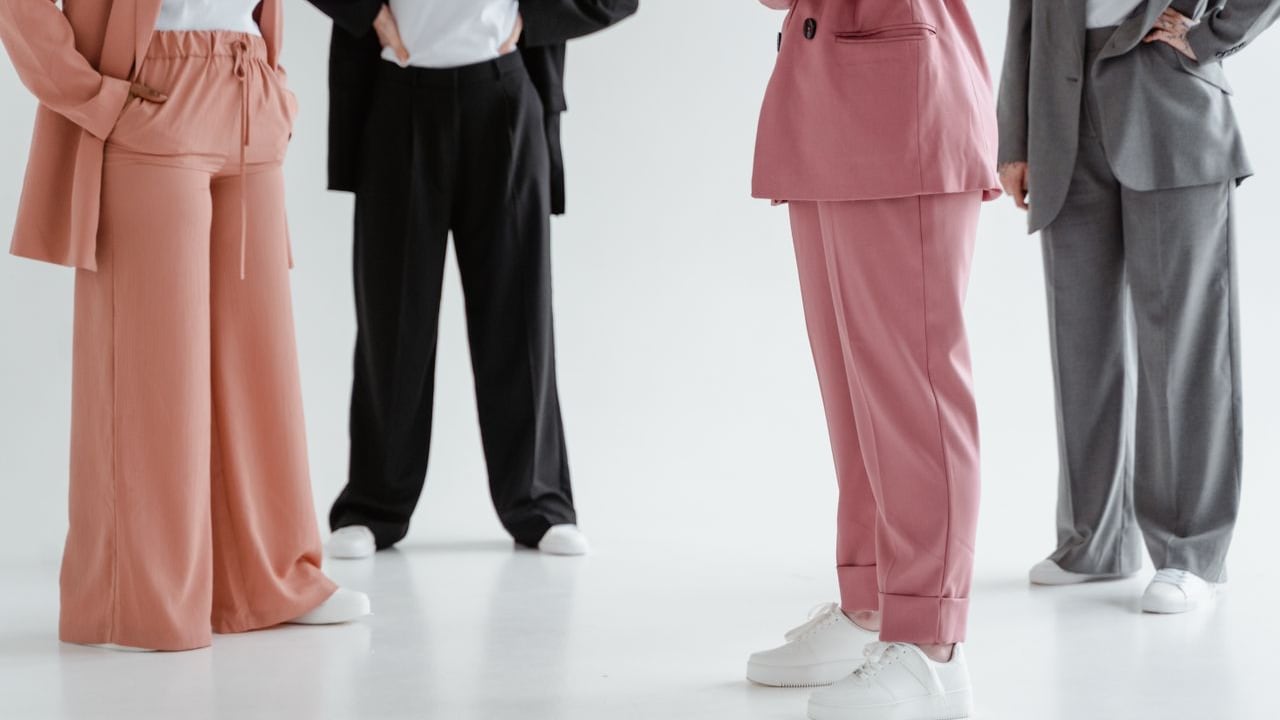
Common myths about trouser fitting
Finding trousers that fit properly sounds simple until the trial room mirror starts telling a different story. The waist feels comfortable, the size label matches expectations, and the colour looks exactly right. Yet something seems off. Perhaps the fabric pulls across the thighs, the waistband gaps at the back, or the trousers bunch awkwardly around the ankles. Suddenly, a straightforward shopping trip turns into a guessing game. Many shoppers rely heavily on waist measurements when choosing trousers. After all, numbers seem more reliable than vague descriptions such as relaxed, tailored or regular fit. However, waist size tells only a small part of the story. The cut, rise, hip measurements, thigh room and fabric can completely change how trousers sit on the body. A pair that fits beautifully while standing might feel uncomfortable during a long office commute. Another might look slightly loose on the hanger but offer excellent movement throughout the day. So, does the right waist size guarantee the right fit? Not quite. These ten common myths explain why trouser shopping deserves a little more attention than simply checking the label.

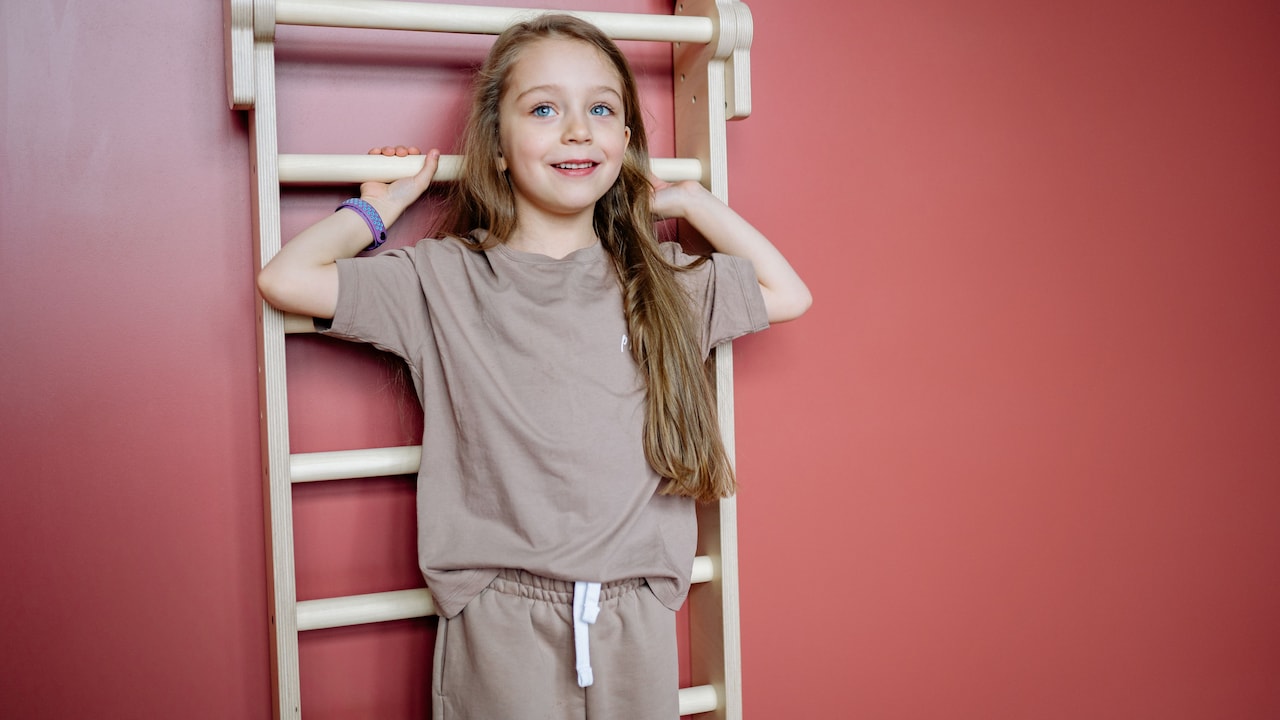
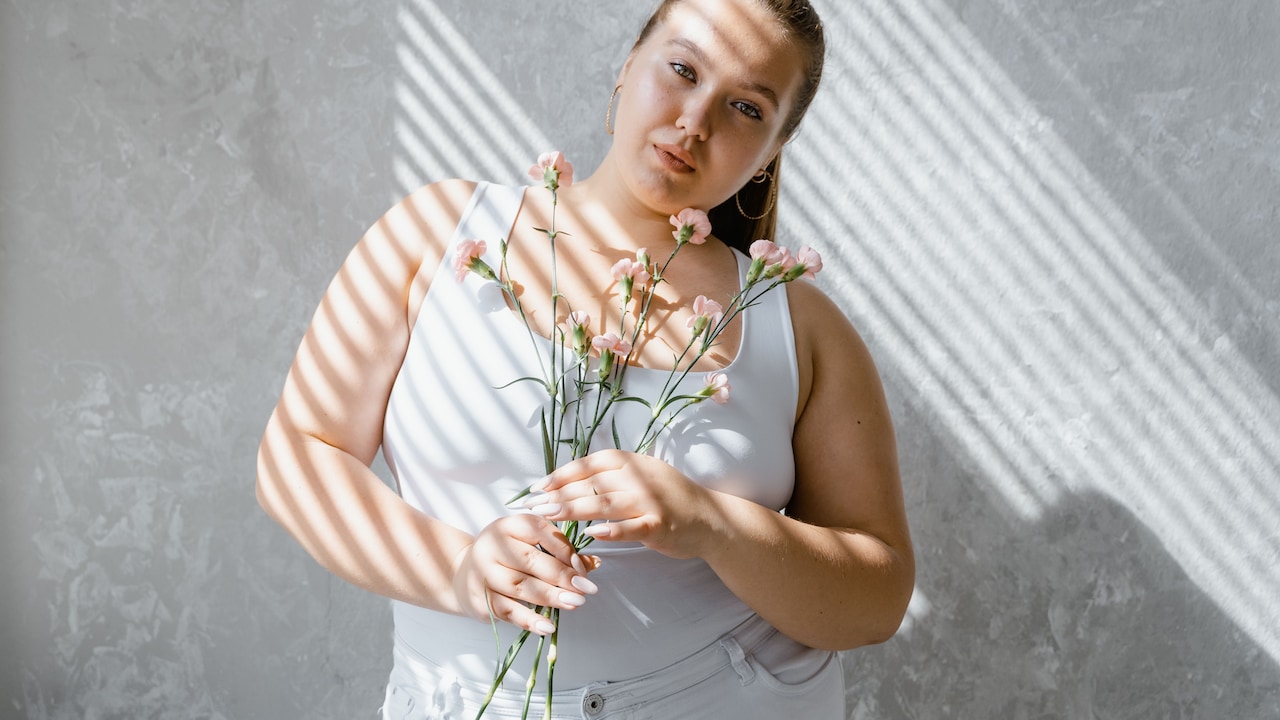
Debunk trouser fit myths for daily styling; Photo Credit: Pexels
10 Common Trouser Fit Myths You Should Stop Believing
1. Myth: The Correct Waist Size Guarantees A Perfect Fit
One of the biggest misconceptions about trousers is that getting the waist measurement right solves everything. Unfortunately, a comfortable waistband doesn't automatically mean the rest of the garment fits well. Trousers need to accommodate several areas of the body, including the hips, thighs, seat and legs.
Consider someone who usually wears a 32-inch waist. Two pairs with identical waist measurements might feel completely different. One could have a narrow thigh opening, while the other offers a relaxed cut. Even though both fit around the waist, their overall comfort and appearance will vary considerably.
The problem becomes more noticeable when sitting, bending or climbing stairs. Trousers that feel comfortable around the waist might pull tightly across the thighs or restrict movement around the hips.
Instead of relying entirely on the waist measurement, examine how the fabric falls from the hips towards the ankles. The trousers should follow the body's shape without excessive pulling or sagging.
A proper fit balances comfort, movement and appearance. Waist size provides a useful starting point, but it shouldn't make the final decision.
2. Myth: Trousers That Fit While Standing Will Always Feel Comfortable
Trial room mirrors encourage shoppers to judge trousers while standing perfectly still. Unfortunately, everyday life involves considerably more movement than a quick pose in front of a mirror.
Think about sitting through an hour-long meeting, travelling in an auto-rickshaw or bending to pick something up. These ordinary activities can reveal fitting problems that remain invisible while standing.
Trousers with a tight rise might pull uncomfortably when sitting. Narrow thighs can restrict movement, while a stiff waistband might dig into the stomach after lunch. None of these issues necessarily appears during the first few seconds of trying something on.
A simple movement test can prevent an uncomfortable purchase. Sit on a chair, bend your knees and take a few steps around the trial room. Notice whether the waistband stays comfortable and whether the fabric allows natural movement.
Pay particular attention to the crotch and upper thigh areas. Excessive tension here often indicates insufficient room or an unsuitable cut.
Well-fitting trousers should support everyday activities without constantly demanding adjustments. Looking good while standing matters, but remaining comfortable throughout the day matters just as much.
Also Read: 5 Versatile Formal Pant Colours Every Man Should Have In His Wardrobe
3. Myth: A Tight Fit Always Makes Trousers Look More Flattering
There's a popular belief that tighter trousers automatically create a sharper, more flattering appearance. While fitted clothing can look polished, excessive tightness often produces the opposite effect.
When trousers cling too closely, the fabric may stretch across the hips and thighs. Horizontal wrinkles can appear around the crotch, pockets may pull open, and seams might feel unusually tight. Instead of creating a clean silhouette, these details draw attention to an uncomfortable fit.
This issue commonly appears with slim-fit formal trousers and narrow-cut chinos. Someone shopping for office wear might choose a smaller size because it looks more streamlined at first glance. However, a slightly roomier cut could produce a smoother appearance.
Good tailoring follows the body's natural proportions rather than forcing them into a particular shape.
Check whether the fabric falls smoothly when standing and sitting. A little breathing room around the thighs and seat often improves the overall silhouette.
Slim-fit trousers can certainly look excellent, but only when their proportions suit the wearer. The goal isn't to eliminate every centimetre of extra fabric. It's to achieve a balanced fit that looks intentional rather than restrictive.
4. Myth: Loose Trousers Always Look Baggy And Untidy
Loose trousers sometimes receive an unfair reputation for looking shapeless. However, relaxed fits and poorly fitted trousers aren't the same thing.
A well-designed relaxed pair offers additional room through the hips, thighs or legs while maintaining a deliberate silhouette. Poorly fitted trousers, meanwhile, may have excessive fabric in areas where it serves no purpose.
For example, wide-leg trousers with a properly fitted waistband and a suitable length can look structured and elegant. Pair them with a tucked-in shirt or a fitted kurta, and the proportions can feel remarkably balanced.
The distinction lies in how the garment hangs. Relaxed trousers should fall naturally without creating unnecessary bunching around the crotch or overwhelming the footwear.
Fabric also makes a difference. Structured cotton can maintain a defined shape, while softer materials may produce a flowing appearance.
Rather than dismissing trousers because they appear loose, examine their overall proportions. Do the legs fall evenly? Does the waistband remain secure? Is the length appropriate?
Comfortable, roomy trousers can look just as sophisticated as narrower styles. Sometimes, giving the fabric a little space allows the entire outfit to look more considered.
5. Myth: All Brands Follow The Same Trouser Size Measurements
Finding the perfect size in one brand can feel like discovering a reliable shopping shortcut. Unfortunately, that confidence often disappears when trying trousers from another label.
A size 32 from one manufacturer might fit differently from the same size elsewhere. Brands use different measurement charts, garment patterns and fit preferences. Some offer generous room around the hips, while others favour narrower silhouettes.
Even within the same brand, a regular-fit chino and a slim-fit formal trouser may have noticeably different proportions.
This variation becomes particularly frustrating during online shopping. A familiar size might seem like a safe choice until the parcel arrives and the trousers refuse to cooperate.
The solution involves checking garment measurements rather than depending entirely on familiar numbers. Compare the waist, hip, thigh and inseam measurements whenever brands provide them.
Customer reviews can also reveal whether a particular design runs small, large or true to its stated measurements.
Treat each new trouser style as a separate fitting decision. Size labels offer guidance, but they don't guarantee consistency. A measuring tape and a few extra minutes can prevent the disappointment of an unnecessary return.
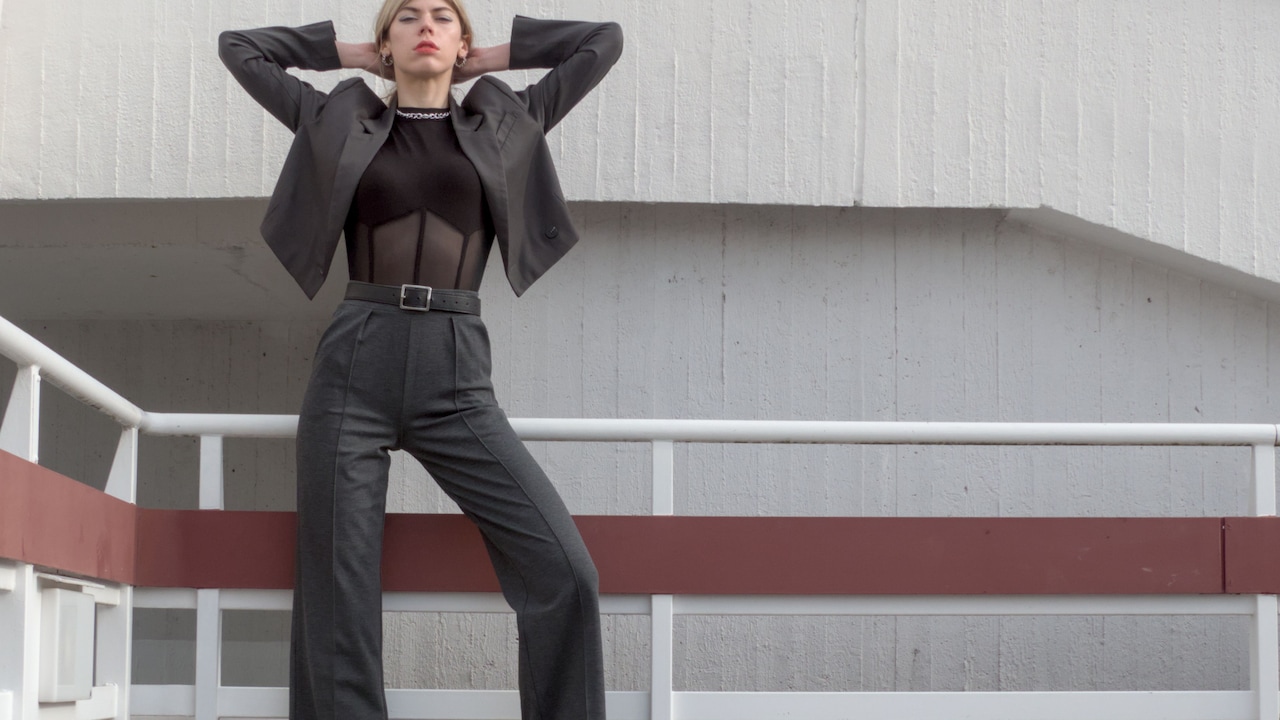
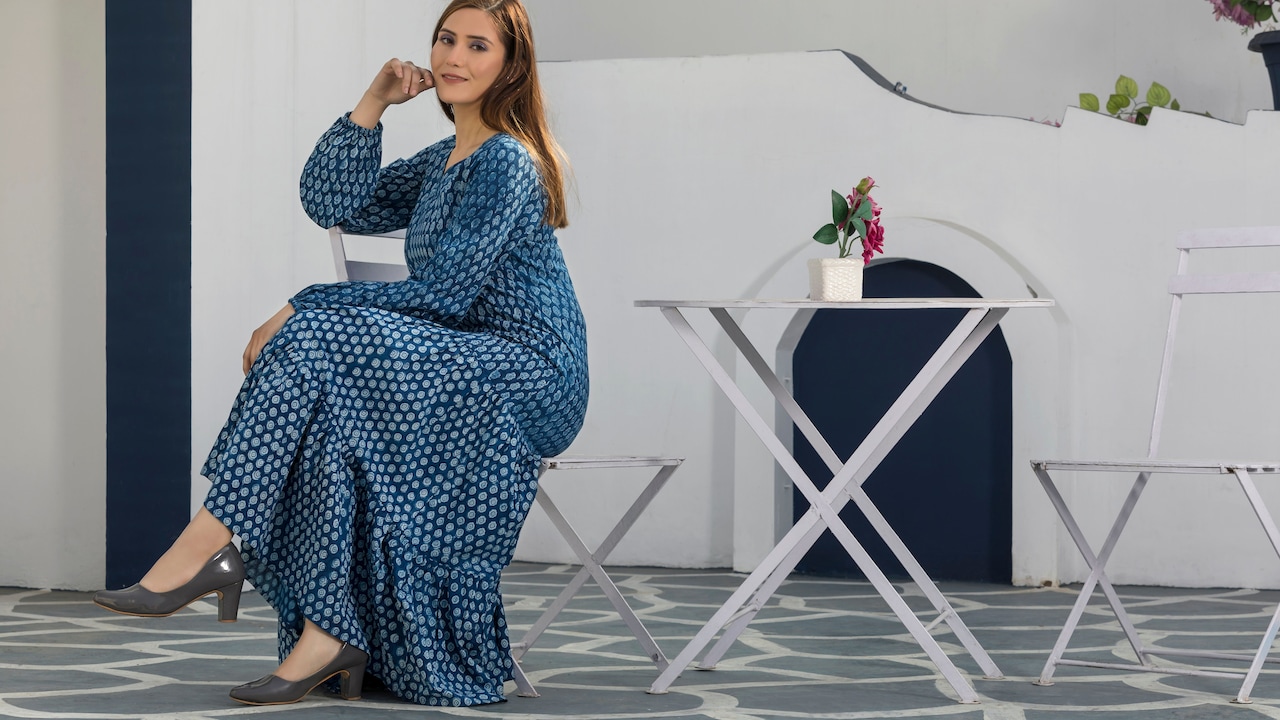
Not every brand follows the same size measurements
Photo Credit: Pexels
6. Myth: Trouser Length Doesn't Matter If The Waist Fits
Waist measurements often receive all the attention, leaving trouser length as an afterthought. Yet an incorrect length can completely change how trousers look and feel.
Consider formal trousers that gather into several folds above the shoes. Even with a perfectly fitted waist, the extra fabric can make the outfit appear untidy. On the other hand, trousers that end higher than intended might expose more ankle than expected.
The ideal length depends on the style, footwear and desired appearance. Traditional formal trousers often sit neatly over the shoes, while cropped trousers deliberately finish above the ankles. Wide-leg designs may require a different hem position from tapered styles.
Footwear can complicate matters further. Trousers that look balanced with flats might fall differently over chunky trainers or formal shoes.
When trying trousers, check the hem while wearing footwear similar to what you'll use regularly.
If everything else fits well, a simple length alteration can transform the garment. However, excessively long trousers shouldn't automatically become the preferred choice.
A suitable length creates cleaner proportions and allows the intended trouser shape to stand out.
7. Myth: The Rise Of Trousers Is Only A Style Preference
High-rise, mid-rise and low-rise trousers often appear in fashion discussions as aesthetic choices. However, trouser rise affects much more than appearance.
The rise determines where the waistband sits and influences how the garment accommodates the torso, hips and seat. An unsuitable rise may create discomfort even when the waist measurement seems correct.
For example, low-rise trousers might feel restrictive while sitting, particularly if the waistband presses against the lower abdomen. High-rise trousers may offer more coverage, but an excessively short or long crotch-to-waist measurement can still cause pulling or bunching.
Body proportions play an important role here. Two people with the same waist size may require different rises because their torso lengths and hip shapes differ.
When trying trousers, notice where the waistband naturally settles. It shouldn't require constant pulling upwards or pushing downwards.
Check the crotch area for unnecessary tension or excessive hanging fabric.
A suitable rise helps trousers remain comfortable throughout the day. Rather than choosing a particular rise solely because it's fashionable, consider how it works with your natural proportions and daily routine.
8. Myth: Stretch Fabric Can Fix Any Trouser Fit Problem
Stretch trousers have become popular for good reason. They often allow easier movement, making them appealing for office routines, travel and everyday wear. However, flexibility doesn't automatically correct an unsuitable fit.
A fabric containing elastane may stretch comfortably around the thighs, but it cannot completely compensate for poorly positioned seams, an incorrect rise or an unsuitable overall cut.
Imagine choosing trousers that are noticeably small because the fabric feels stretchy. They might initially seem comfortable, but excessive tension can still create pulling around the pockets, knees or crotch.
Stretch also varies between fabrics. Some materials recover their original shape after movement, while others may gradually lose their structure.
Check the fabric composition and notice how the trousers behave after sitting or bending. Do the knees retain their shape? Does the waistband return comfortably to its original position?
Stretch should improve movement within a suitable fit, not serve as an excuse to ignore incorrect measurements.
Well-fitting non-stretch trousers can feel more comfortable than poorly fitted stretch alternatives. The deciding factor remains the garment's overall construction and how naturally it accommodates the body.
9. Myth: If The Waist Fits, The Hips And Thighs Will Fit Too
Waist size and lower-body proportions don't always follow the same pattern. Someone with a relatively narrow waist may have fuller hips or muscular thighs. Another person might have straighter proportions and require less room through the seat.
This difference explains why trousers can fit comfortably at the waist yet feel tight elsewhere.
Common warning signs include pockets pulling open, horizontal creases across the hips and fabric stretching over the thighs. Sometimes the waistband fits perfectly, but the trousers become uncomfortable the moment the wearer sits down.
A different cut often provides a better solution than simply increasing the waist size.
For example, athletic-fit trousers may offer more thigh room while maintaining a comparatively narrower waist. Straight-leg or relaxed styles can also provide additional space without requiring excessive waistband adjustments.
When shopping, assess the widest areas of the lower body alongside the waist. Pay attention to how the fabric rests across the seat and upper thighs.
If the hips fit properly but the waist feels slightly loose, tailoring may help. It's generally easier to adjust certain waistband measurements than to create room where the garment has insufficient fabric.
10. Myth: Expensive Or Tailored Trousers Always Fit Better
Premium price tags and tailoring services often create expectations of a flawless fit. However, neither guarantees that trousers will suit every body shape.
Expensive ready-made trousers still rely on standard sizing patterns. They may feature high-quality fabric and excellent stitching, yet their proportions might not match the wearer's measurements.
Similarly, tailoring can improve certain areas without completely changing the garment's original construction.
Shortening the hem or adjusting a slightly loose waistband is usually straightforward. Altering the rise, significantly widening the thighs or correcting major crotch-fitting issues can prove much more complicated.
This matters when shoppers purchase uncomfortable trousers hoping a tailor will somehow perform a miracle. Unfortunately, even excellent tailoring has practical limits.
Before buying, prioritise a good fit around the hips, seat, thighs and rise. These areas often determine whether alterations will be worthwhile.
Consider the total cost too. A reasonably priced pair requiring minor adjustments could provide better value than an expensive pair with unsuitable proportions.
The smartest purchase isn't necessarily the priciest option. It's the pair that fits naturally, feels comfortable and requires minimal correction.
Products Related To This Article
1. Sztori Women Plus Size Trousers
2. SZN Women Striped Smart High-Rise Trousers
3. Suo Women Loose Fit Easy Wash Cargos Trousers
4. Tokyo Talkies Women Straight Fit High-Rise Trousers
5. Roadster The Lifestyle Co. Women Solid Regular Fit Cargos Trousers
6. Mast & Harbour Women Ribbed Trousers
7. Tokyo Talkies Women Mid-Rise Knitted Straight Fit Cargos Trousers
The right waist size certainly matters, but it doesn't tell the complete story of trouser fit. Hip room, thigh width, rise, length and fabric all influence how comfortable and flattering a pair feels. Even familiar sizes can behave differently across brands and styles.
Instead of trusting the number on the label, pay attention to how trousers move with the body. Sit, walk, bend and examine how the fabric falls. A few extra minutes in the trial room can prevent months of uncomfortable adjustments.
Ultimately, the best-fitting trousers aren't those that match a particular size. They're the ones that feel comfortable, maintain balanced proportions and make getting dressed wonderfully uncomplicated.
(Disclaimer: This article may include references to or features of products and services made available through affiliate marketing campaigns. NDTV Convergence Limited (“NDTV”) strives to maintain editorial independence while participating in such campaigns. NDTV does not assume responsibility for the performance or claims of any featured products or services.)