Does A Wider Apparel Size Range Guarantee Better Fit? 10 Size-Inclusive Fashion Myths Explained
Does offering more sizes mean better-fitting clothes? Discover 10 common myths about size-inclusive fashion, from inconsistent measurements to flattering cuts, and learn what truly makes clothing comfortable.
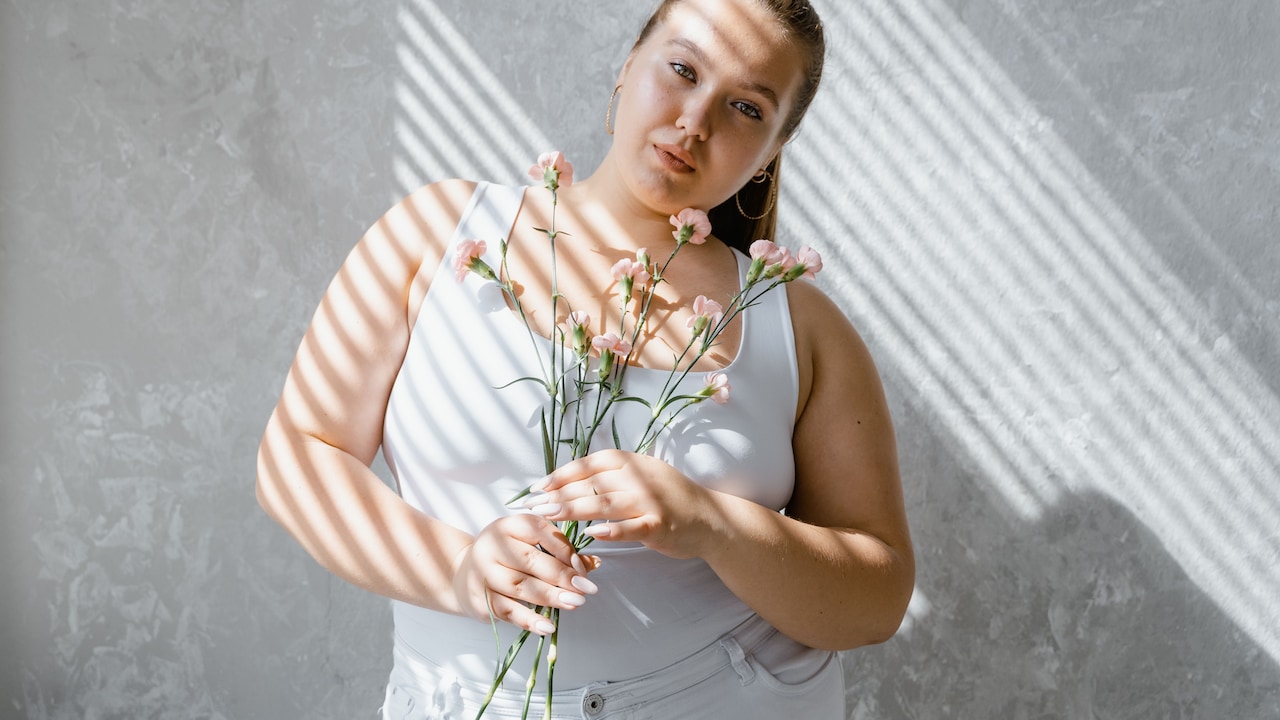
Discover common myths about size-inclusive fashion
Finding clothes that fit shouldn't feel like solving a puzzle. Yet, anyone who has ordered the same size from two different brands knows how unpredictable shopping can get. One pair of jeans fits perfectly, while another refuses to move past the hips. A dress looks lovely on the model but sits awkwardly around the shoulders. Even familiar size labels sometimes offer little reassurance. With more fashion brands promoting size-inclusive collections, shoppers now have greater choice than before. But does a wider size range automatically mean better clothing? Not necessarily. Size inclusivity involves more than adding extra letters or numbers to a clothing label. Body proportions, fabric behaviour, garment construction and thoughtful design all influence how clothes fit. Some brands understand these details, while others simply extend existing measurements without adjusting their patterns. Understanding the difference can save shoppers from disappointing purchases, uncomfortable outfits and the familiar frustration of returning clothes that looked promising online. Here are ten common myths about size-inclusive fashion that deserve a closer look.
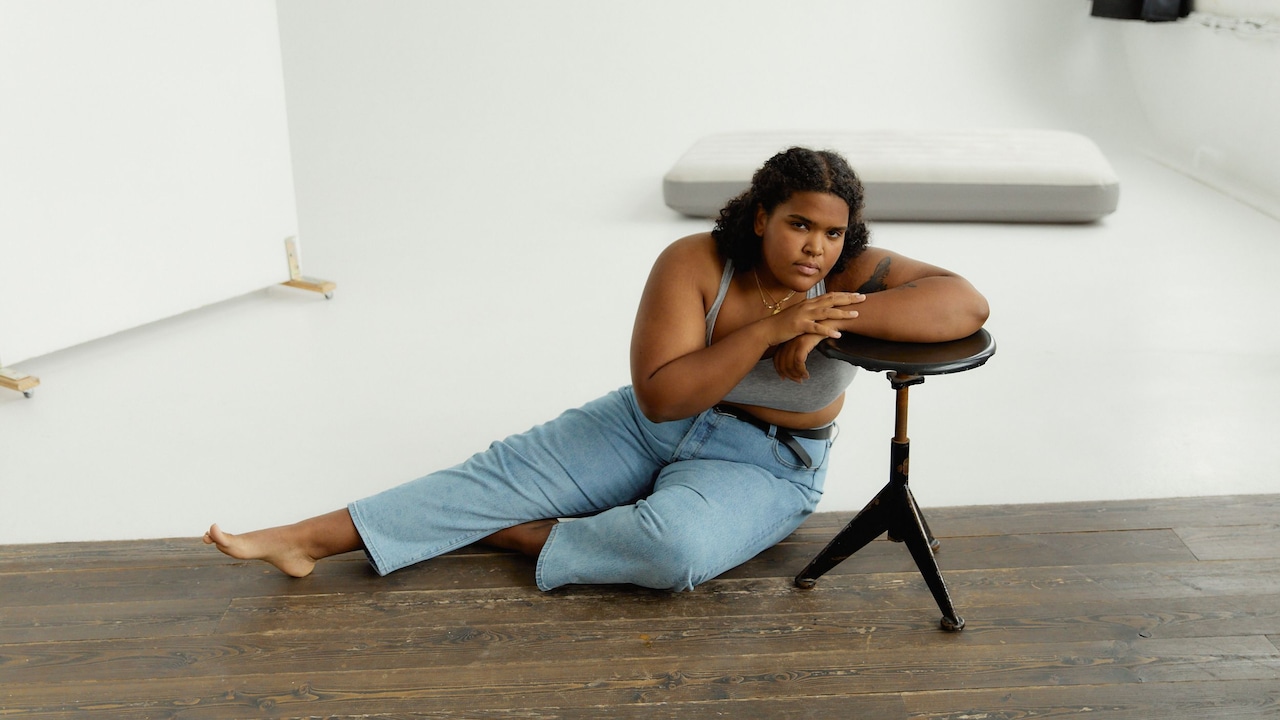
Common myths about size-inclusive fashion
Photo Credit: Pexels
10 Common Size-Inclusive Fashion Myths And The Truth Behind Them
1. A Wider Size Range Automatically Means Better Fit
Seeing sizes from XXS to 5XL on a product page feels promising, especially when finding suitable clothing usually requires visiting several stores. However, a generous size chart doesn't necessarily translate into comfortable garments. Fit depends on how designers adapt clothing patterns for different body shapes, not simply how many sizes appear on a label.
Some manufacturers increase or decrease measurements using a process called grading. While this approach helps produce multiple sizes, it doesn't always account for changes in body proportions. For instance, a larger kurta might offer enough room around the chest but feel restrictive across the upper arms. Similarly, trousers could accommodate the waist while pulling uncomfortably around the thighs.
Thoughtful size-inclusive design considers these differences. Designers may adjust shoulder widths, armhole depths, waist placement and garment length to accommodate different proportions.
Before purchasing, look beyond the available size options. Check the garment's actual measurements, examine customer photographs and read comments about specific fit concerns. A brand offering fewer sizes with carefully developed patterns might provide better-fitting clothes than one advertising an extensive range without sufficient design adjustments.
Ultimately, size availability creates opportunities, but thoughtful construction determines whether those opportunities lead to comfortable clothing.
2. The Same Size Should Fit Identically Across Every Brand
A size XL should mean the same thing everywhere, right? Unfortunately, clothing labels don't follow such convenient rules. One brand's XL might resemble another brand's XXL, while two trousers carrying identical waist measurements can fit differently.
Brands develop their own sizing systems based on target customers, design preferences and garment styles. Some follow relaxed silhouettes, while others favour close-fitting cuts. Even collections within the same brand may use different measurements.
Consider someone purchasing formal trousers and casual joggers. Both might carry the same size label, but the trousers could feel snug around the hips while the joggers offer considerably more room. Fabric elasticity, waistband construction and intended fit explain much of this difference.
The situation becomes particularly confusing during online sales. Shoppers often select their usual size without checking individual product measurements, assuming familiar labels guarantee familiar results.
A more reliable approach involves comparing waist, hip, chest and inseam measurements against each product's size chart. Customer reviews can also reveal whether garments run small, large or true to the listed dimensions.
Size labels should serve as starting points rather than promises. After all, comfort matters considerably more than the letters printed inside a waistband.
Also Read: 5 Best Wide-Leg Palazzos That Pair With Every Kurta You Own Under ₹1000
3. Size-Inclusive Clothing Is Only About Plus Sizes
Size inclusivity often brings plus-size fashion to mind, but the concept extends beyond larger clothing measurements. Genuine inclusivity considers people whose proportions, heights and body shapes fall outside conventional sizing assumptions.
Petite shoppers, for example, frequently struggle with trousers that gather around their ankles or sleeves that cover their hands. Taller individuals face the opposite problem, with dresses sitting too high and shirt sleeves stopping short of their wrists.
Body proportions introduce another challenge. Someone with broader shoulders and narrower hips might need different measurements from another person with the same chest size. Likewise, two shoppers sharing a waist measurement may require completely different trouser cuts.
Inclusive fashion attempts to address such variations through petite, tall, curvy, straight and other fit options. These categories aren't perfect, but they acknowledge that body diversity involves more than increasing garment circumference.
For shoppers, this means exploring collections designed around particular proportions rather than relying solely on conventional size categories.
A person who regularly alters trouser lengths might benefit more from petite sizing than from choosing a smaller standard size. The goal isn't to squeeze everyone into an expanded chart. It's to offer clothing that accommodates different bodies without demanding unnecessary compromises.
4. Stretchy Fabrics Can Solve Every Sizing Problem
Stretch fabric sounds like the ultimate fashion peacemaker. It bends, moves and forgives minor measurement differences. No wonder brands frequently promote stretchability as a major advantage in size-inclusive collections.
However, elasticity cannot compensate for every construction problem.
A stretchy dress might comfortably accommodate wider hips yet still pull across the shoulders. Similarly, leggings with excellent stretch could feel restrictive if their waistband sits awkwardly or their rise doesn't suit the wearer's proportions.
Fabric recovery also matters. Some materials stretch easily but fail to return to their original shape after repeated wear. This can leave knees looking baggy, waistbands losing support and garments appearing worn sooner than expected.
Breathability deserves attention, too. A highly elastic synthetic outfit might provide flexibility but feel uncomfortable during humid afternoons or lengthy commutes.
When shopping, consider fabric composition alongside measurements. Cotton blends with modest elastane content may offer a useful balance between comfort and shape retention, depending on the garment.
Stretch should support movement rather than disguise poor design. If an outfit requires excessive stretching just to sit correctly, choosing another cut or size will usually deliver a more comfortable result.
5. Oversized Clothing Always Offers A More Inclusive Fit
Oversized fashion has earned its place in everyday wardrobes. Loose shirts, relaxed trousers and roomy dresses offer comfort without demanding constant adjustments. Yet, assuming that oversized garments automatically suit every body shape overlooks some important details.
An oversized shirt might provide generous chest measurements but still have narrow armholes. Wide-leg trousers could appear spacious while fitting tightly around the waist. Even loose dresses can feel awkward when their shoulder seams or neckline proportions don't match the wearer.
There's also a difference between intentional oversized design and simply purchasing a larger size.
Designers create oversized silhouettes with particular proportions in mind. They may adjust sleeve placement, shoulder structure and garment length to achieve a balanced appearance. Buying a conventional shirt two sizes larger can produce a very different result.
For instance, a relaxed cotton shirt might look effortlessly polished with straight trousers. However, excessive fabric around the shoulders and sleeves could make the same outfit uncomfortable during everyday activities.
Rather than automatically sizing up, look for garments labelled relaxed, boxy or oversized and examine their measurements.
The most versatile loose-fitting clothing offers freedom of movement while maintaining enough structure to sit comfortably on the body.
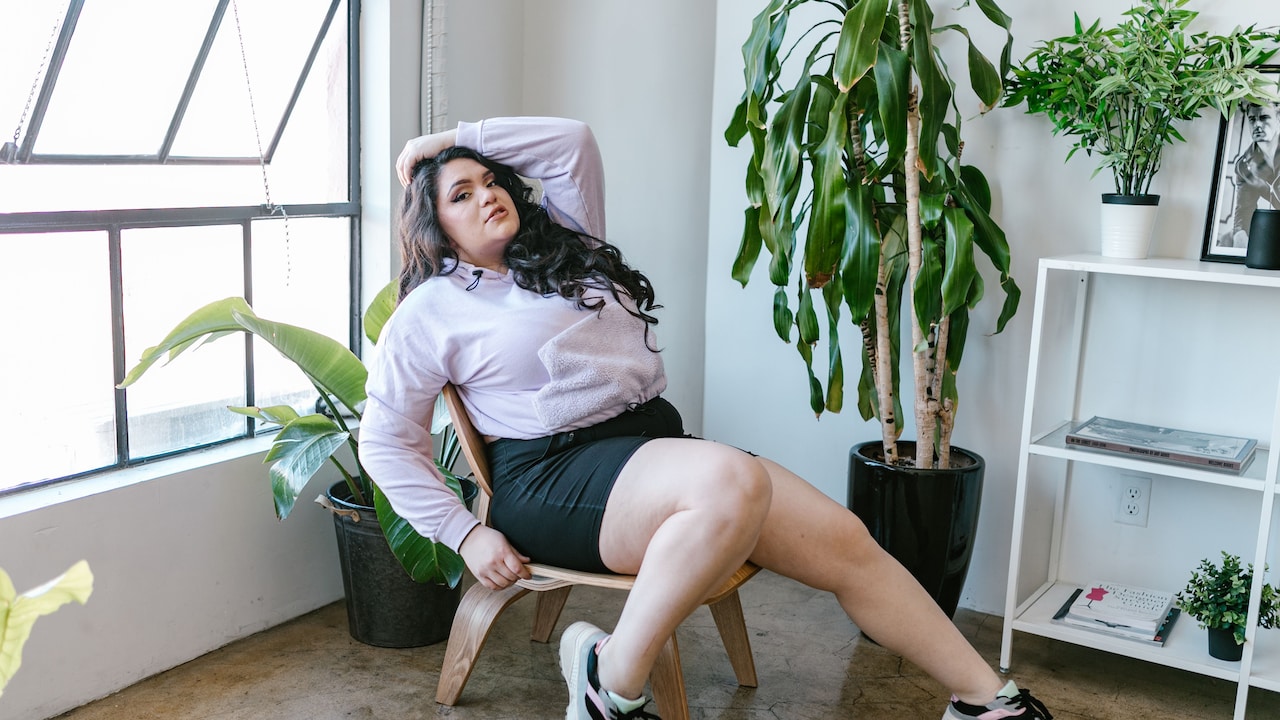
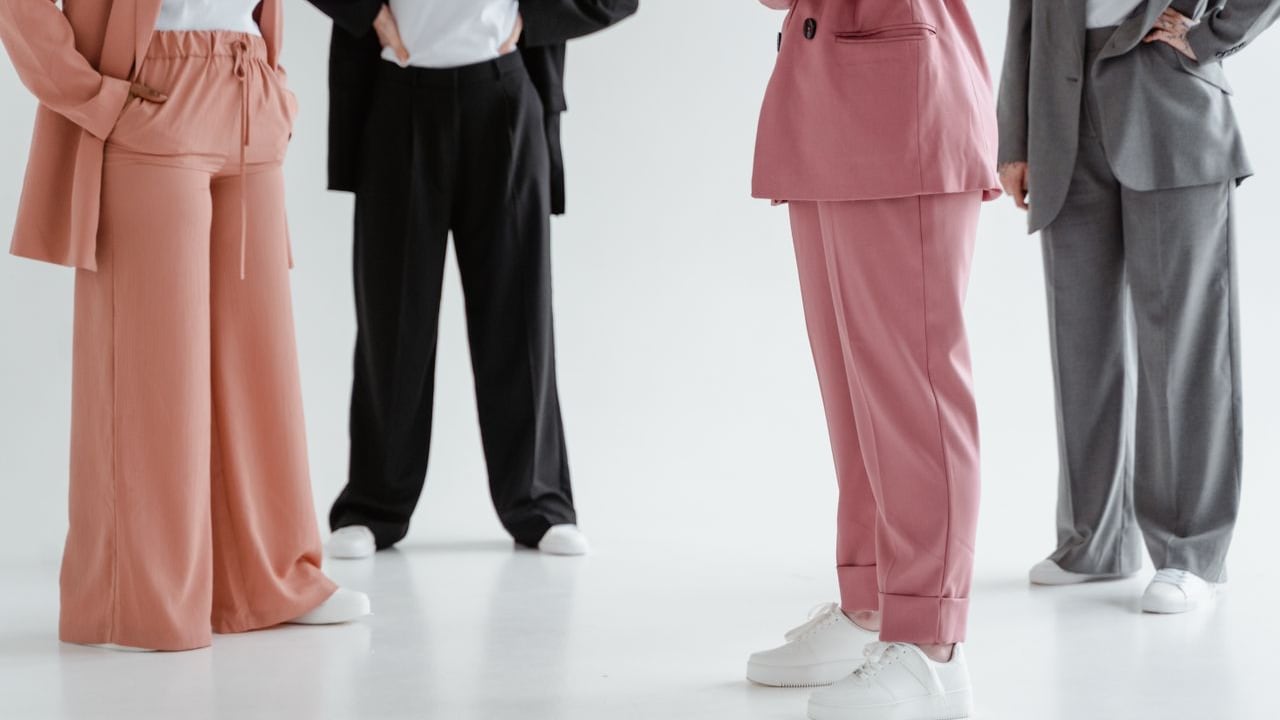
Oversized clothing may not always offer a more inclusive fit; Photo Credit: Pexels
6. Size-Inclusive Collections Must Use Loose And Basic Designs
For years, shoppers seeking larger or less conventional sizes often encountered limited choices. Plain tunics, shapeless dresses and dark trousers dominated many extended-size collections, creating the impression that inclusive fashion couldn't accommodate adventurous styling.
That assumption deserves retirement.
Size-inclusive clothing can feature fitted dresses, structured blazers, cropped jackets, wide-leg jeans and contemporary ethnic silhouettes. The important distinction lies in adapting designs thoughtfully rather than restricting customers to supposedly safe styles.
A fitted dress, for example, doesn't need to feel restrictive. Properly positioned darts, suitable fabric and adequate movement allowance can create a defined silhouette without sacrificing comfort.
Likewise, a cropped jacket can complement several body proportions when designers carefully consider its hem placement and shoulder construction.
Personal style shouldn't disappear simply because someone shops outside conventional sizing categories. A shopper who enjoys bright colours, prints or tailored clothing should have access to those choices.
When exploring collections, focus on construction details and individual preferences instead of accepting outdated rules about what different body types should wear.
Fashion becomes genuinely inclusive when people can choose clothing according to their tastes, occasions and comfort rather than settling for whatever happens to come in their size.
7. Higher Prices Always Mean Better Size-Inclusive Clothing
An expensive outfit can create high expectations. Surely, a pair of trousers costing ₹3,500 should fit better than one priced at ₹999? Unfortunately, price alone offers no such guarantee.
Clothing costs reflect several factors, including fabric, manufacturing, branding, distribution and design. While careful pattern development may increase production expenses, a higher retail price doesn't automatically indicate superior fit.
Some affordable labels invest considerable effort in developing practical everyday silhouettes. Meanwhile, premium brands can still produce garments with inconsistent measurements or awkward proportions.
Imagine purchasing an expensive formal shirt that fits across the chest but pulls around the upper arms. A more affordable shirt with a different shoulder and sleeve pattern might offer greater comfort despite its lower price.
Instead of treating cost as proof of quality, examine stitching, fabric thickness, seam placement and garment measurements. Customer photographs can reveal how an outfit sits on different bodies, while reviews may highlight recurring complaints.
Consider the garment's intended use as well. Everyday trousers need dependable comfort and durability, while occasional partywear may prioritise decorative details.
The best purchase isn't necessarily the most expensive option. It's the one that combines suitable fit, reasonable construction quality and genuine value for the wearer's needs.
8. Size Charts Provide Everything Needed To Find The Perfect Fit
Size charts are helpful, but they rarely tell the complete story. Most provide basic chest, waist and hip measurements, sometimes accompanied by garment length. Unfortunately, clothing fit involves considerably more than these figures.
Two people might share identical waist and hip measurements but have different torso lengths or body proportions. Consequently, the same dress could sit comfortably on one person while placing the waist seam too high on another.
Garment measurements also differ from body measurements. A shirt measuring 110 cm around the chest won't necessarily suit everyone with a 110 cm chest measurement. Most garments require additional room, commonly called ease, for comfort and movement.
Fabric and silhouette influence how much ease a garment needs.
Online shoppers should therefore examine product descriptions for fit terminology, stretch information and model measurements. Photographs from different angles can help identify sleeve lengths, neckline depth and overall proportions.
When possible, measure a favourite garment that already fits well and compare those dimensions with the listed product measurements.
A size chart provides useful information, but it works best alongside an understanding of personal fit preferences.
Perfect fit rarely comes from matching three numbers. It comes from understanding how the entire garment interacts with the body.
9. Size-Inclusive Fashion Eliminates The Need For Alterations
Finding clothes in a suitable size can reduce alteration costs, but it won't necessarily eliminate them. Even thoughtfully developed clothing collections cannot accommodate every variation in height, posture and body proportions.
Consider a pair of jeans that fits comfortably around the waist and hips but extends several centimetres beyond the ankles. The sizing might be appropriate, yet shortening the hem could significantly improve everyday wearability.
Similarly, a kurta may fit beautifully across the shoulders but require minor sleeve adjustments.
Alterations aren't always evidence of poor design. Standard clothing relies on predetermined measurements, while individual bodies rarely follow identical proportions. Small modifications can bridge this gap.
However, there's an important distinction between reasonable tailoring and correcting major fit problems.
Shortening a hem or adjusting a sleeve is relatively straightforward. Reconstructing narrow shoulders, altering complicated armholes or extensively reshaping trousers can prove expensive and impractical.
Before purchasing something that needs adjustments, consider whether the alterations are achievable and worth the additional cost.
Size-inclusive fashion should reduce the need for extensive modifications, not necessarily remove every tailoring requirement. Sometimes, a quick visit to the neighbourhood tailor turns an already comfortable garment into a wardrobe favourite.
10. More Size Options Mean A Brand Is Truly Inclusive
A brand advertising an impressive size range may appear inclusive at first glance. However, meaningful inclusivity involves more than extending the numbers available on its website.
Availability matters just as much as variety. If a brand lists larger sizes but rarely keeps them in stock, shoppers gain little practical benefit. The same applies when extended sizes appear in only a handful of basic styles while standard sizes receive entire seasonal collections.
Representation also plays a role. Photographs featuring different body proportions can help customers understand how clothing looks beyond a single model's measurements.
Then there's the shopping experience itself.
Clear size charts, accurate descriptions, helpful customer support and reasonable return policies make a noticeable difference. Customers shouldn't have to navigate confusing measurements or repeated exchanges simply to purchase everyday clothing.
Consistency across collections matters, too. A brand that offers inclusive sizing in casual wear but excludes those sizes from formal or festive clothing still leaves gaps in its range.
When evaluating a label, look at the complete experience rather than its largest advertised size.
True inclusivity means providing practical choices, dependable availability and thoughtful designs that allow more people to shop with confidence, comfort and a sense of personal style.
Products Related To This Article
1. Blissclub High-waisted Flare Pants with 1 Back Pocket
2. NOBERO Men Oversized Colorblock Round Neck Co-ords
3. Ichaa Women Printed Night suit
4. Bewakoof Men Black Oversized Pyjamas Cotton Lounge Pants
5. DressBerry Curve Plus Size Floral Self Designed Pullover
6. Anayna Women Checked Cotton Fit & Flare Maxi Dresses
7. Montroze Embroidered Ethnic Top
Size-inclusive fashion has made clothing more accessible, but wider size ranges don't automatically guarantee better fit. Thoughtful patterns, reliable measurements, suitable fabrics and varied silhouettes matter just as much as the numbers on a label. Shoppers can make more confident decisions by checking garment dimensions, understanding their proportions and looking beyond marketing promises. Brands, meanwhile, need to treat inclusivity as an ongoing design commitment rather than a convenient selling point. Ultimately, the best clothing doesn't demand that someone change their body to suit a size chart. It offers enough consideration, comfort and choice to make getting dressed feel wonderfully ordinary.
(Disclaimer: This article may include references to or features of products and services made available through affiliate marketing campaigns. NDTV Convergence Limited (“NDTV”) strives to maintain editorial independence while participating in such campaigns. NDTV does not assume responsibility for the performance or claims of any featured products or services.)