Common Sandal Mistakes That Hurt Elderly Feet and the Supportive Styles That Actually Work
Most everyday sandals lack the support ageing feet need, leading to pain, imbalance, and falls. This article explains why they fail seniors and which sandal styles truly protect comfort and mobility. Explore sandal buying tips to find pairs that offer comfort to the elderly.
Why Most Sandals Fail Elderly Feet and What Supportive Styles Seniors Should Choose Instead.
A morning walk to the park, a quick visit to the temple, or a stroll through the local market often begins with slipping into a favourite pair of sandals. For decades, sandals have symbolised comfort and convenience. Yet as feet age, their needs change in subtle but important ways. Arches weaken, balance shifts, joints stiffen, and skin thins. What once felt comfortable now causes pain, instability, or even falls.
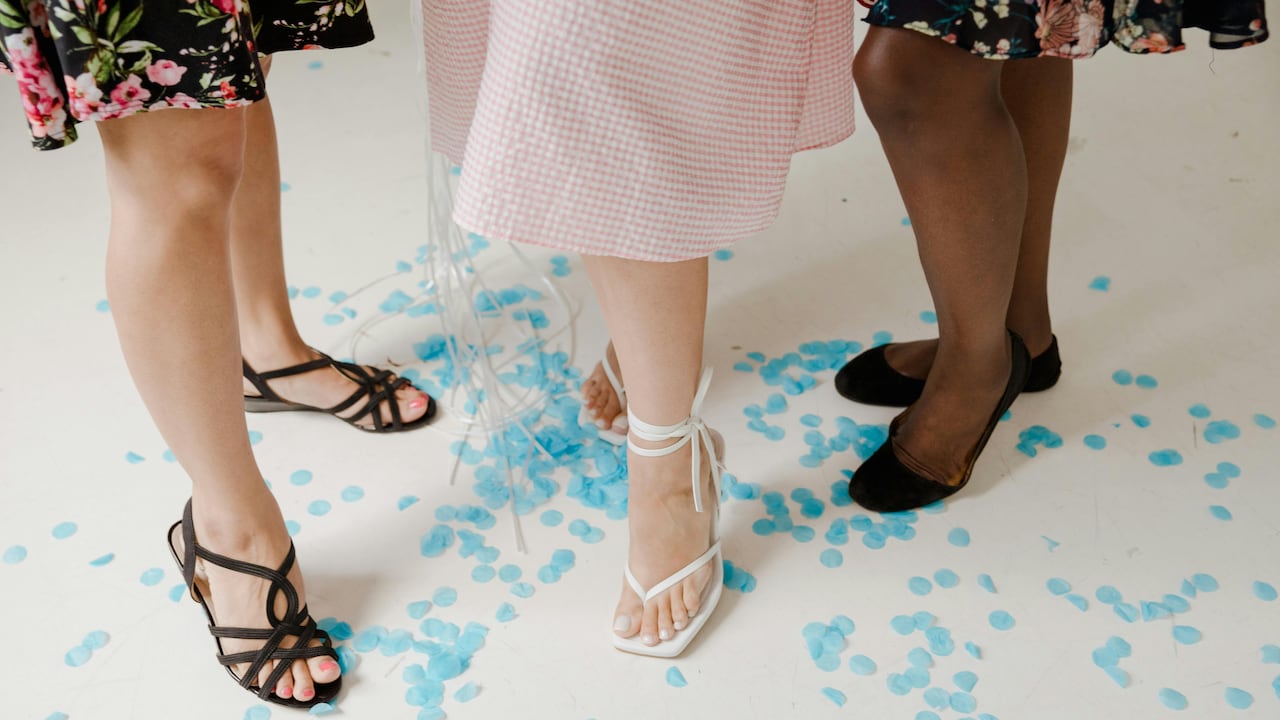
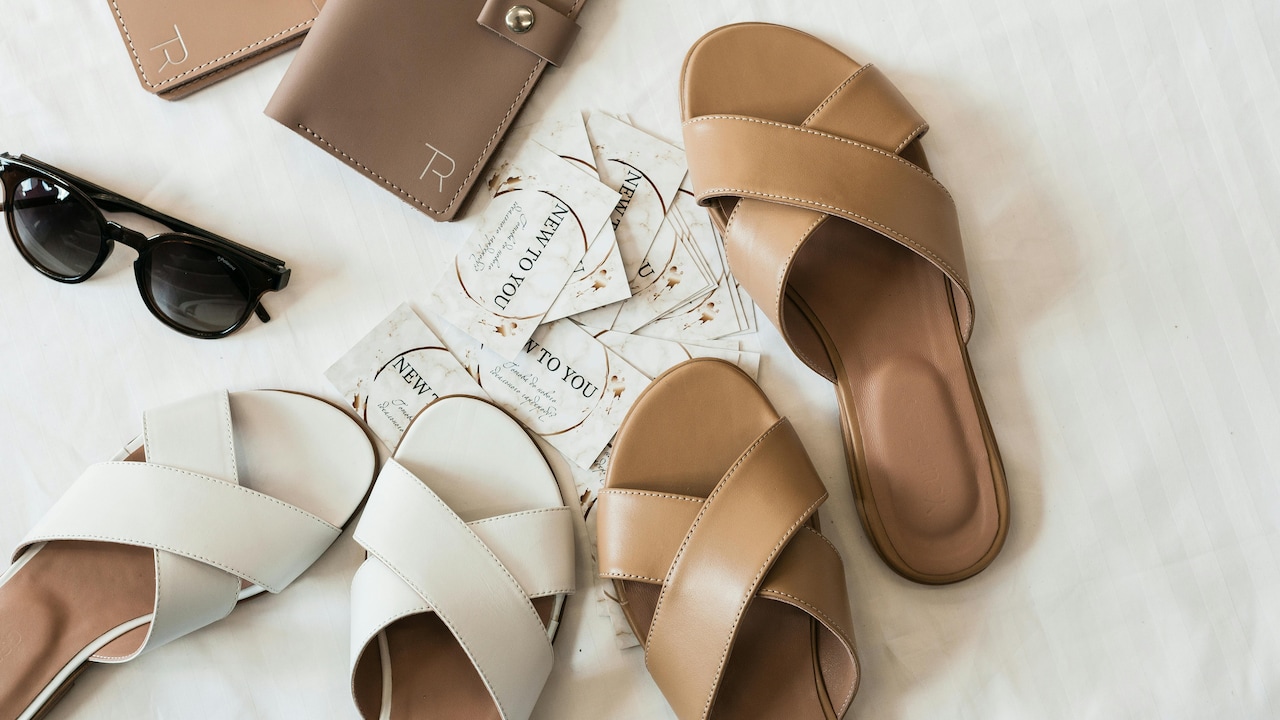
Try these shopping tips to find the most comfortable pair of sandals for the elderly; Photo Credit: Pexels
Many seniors blame ageing itself for sore heels, swollen ankles, or wobbly steps. Footwear rarely gets the blame. The truth tells a different story. Most sandals sold in neighbourhood shops prioritise price and style over support. Thin soles, flat footbeds, and loose straps may suit younger feet, but they challenge elderly ones.
Footwear affects posture, confidence, and independence. A poorly designed sandal can turn a short outing into an exhausting ordeal. The good news lies in smarter choices. Supportive sandals now exist that respect tradition while offering modern comfort. Understanding what fails and what works can transform daily life, one step at a time.
Also Read: Comfort Meets Function: A Complete Guide To 7 Daily Wear Footwear Styles For Women
Where Common Sandals Go Wrong for Senior Comfort and Safety
1. Flat Soles Offer No Arch Support
Flat sandals dominate footwear racks. They appear simple and harmless. Yet ageing feet need structure. Over time, arches lose strength and flexibility. A flat sole forces the entire foot to collapse inward with every step. This collapse strains ligaments and causes pain along the heel and ankle.
Many seniors complain of foot fatigue after short walks. Flat soles play a major role. They fail to distribute body weight evenly. Instead, pressure gathers at the heel and ball of the foot. This imbalance worsens knee and lower back discomfort.
Supportive sandals include contoured footbeds. These gently cradle the arch and guide natural movement. Cork or moulded foam bases often work well. They feel firm at first but adapt over time. Such sandals cost more, often ₹2,500 or above, yet they reduce long-term pain and medical visits. Comfort should never come flat-packed.
2. Thin Soles Increase Joint Impact
Many popular sandals use thin rubber or plastic soles. These bend easily and feel light. Sadly, they offer no shock absorption. Every step sends impact straight through the heel, ankle, and knee. For elderly joints, this impact builds pain quickly.
Hard pavements, uneven roads, and tiled floors demand cushioning. Thin soles fail this test. Seniors often avoid walking because their feet hurt afterwards. Reduced movement then affects circulation and mood.
Supportive sandals feature thicker soles with layered cushioning. EVA foam or polyurethane materials absorb shock without feeling heavy. A slight heel raise also reduces strain on the Achilles tendon. Look for soles at least 2–3 cm thick with flexibility only at the toe. This design protects joints and encourages steady walking.
3. Loose Straps Compromise Balance
Slip-on sandals feel convenient, especially for stiff fingers or aching backs. Yet loose straps allow the foot to slide with every step. This movement forces the toes to grip the sole for stability. Over time, this leads to toe pain, cramps, and imbalance.
Many falls begin with a simple misstep. A foot slides forward, the sandal lags behind, and balance disappears. Elderly walkers need sandals that move with them, not against them.
Adjustable straps make a difference. Velcro closures allow a snug fit without bending down for buckles. Multiple straps across the forefoot and ankle improve stability. A secure sandal reduces fear while walking and restores confidence during outings, whether at the market or during evening walks.
4. Hard Footbeds Aggravate Sensitive Skin
Ageing skin loses padding and elasticity. The natural fat layer under the foot thins over time. Hard footbeds press directly against bone, causing soreness and calluses. Corns often develop where pressure repeats.
Many seniors use home remedies or frequent pedicures to manage foot pain. The root cause often sits right underfoot. Hard, unyielding sandals ignore sensitive skin needs.
Supportive styles use cushioned footbeds with soft linings. Memory foam or suede-like surfaces reduce friction. These materials adapt to foot shape and prevent pressure points. Though priced higher, around ₹3,000–₹4,000, they reduce recurring discomfort and skin issues. Comfort should cushion, not punish.
5. Narrow Designs Ignore Swollen Feet
Feet swell more with age, heat, and medical conditions. Many sandals come in narrow, fixed shapes. These pinch toes and restrict circulation. By evening, swelling worsens, making sandals painful to wear.
Some seniors switch to oversized footwear to cope. This creates new problems. Loose sandals increase instability and tripping risk.
Supportive sandals offer wider toe boxes and adjustable widths. They allow feet to breathe and expand naturally. Stretchable uppers accommodate swelling without squeezing. Such designs maintain proper fit throughout the day. A well-fitted sandal respects the foot's changing shape and keeps walks enjoyable.
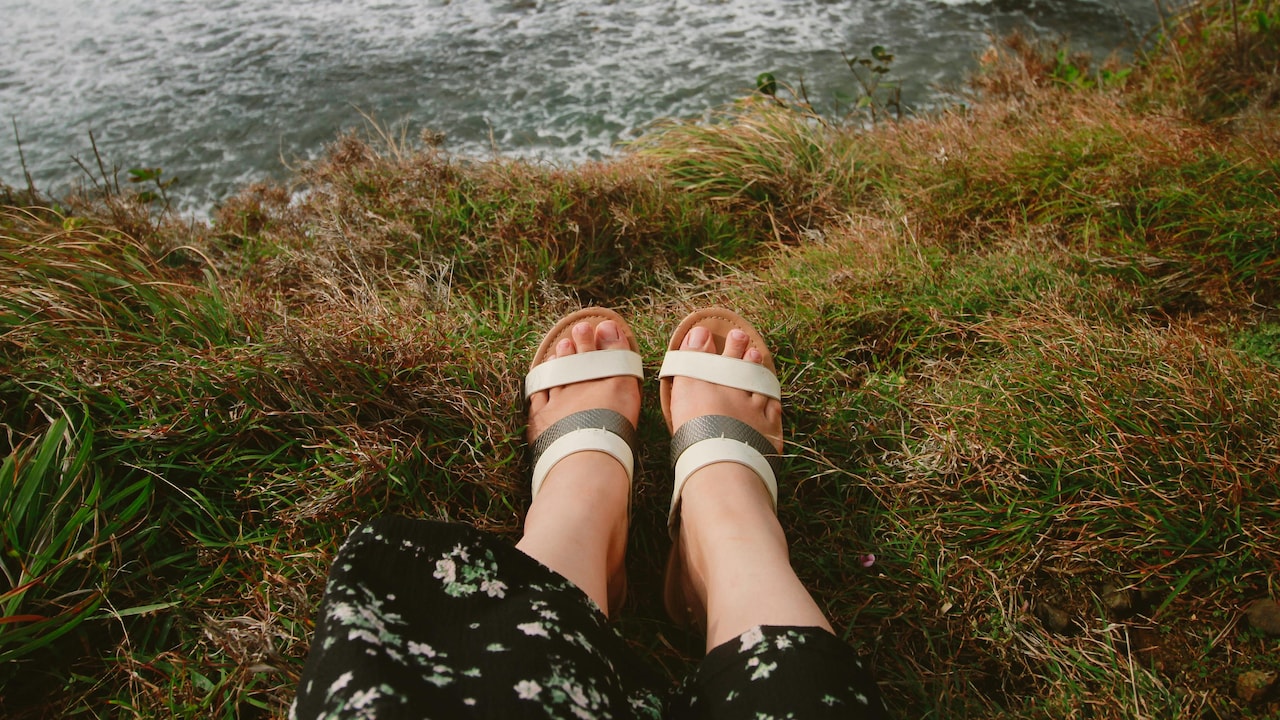
Avoid sandals with a narrow design to prevent swelling and discomfort; Photo Credit: Pexels
6. Smooth Soles Increase Slip Risk
Glossy tiles, wet pavements, and polished floors pose hazards. Many sandals use smooth soles that lack grip. A single slip can lead to fractures or long recovery periods.
Fear of falling often keeps seniors indoors. Footwear plays a silent role in this fear. Smooth soles betray trust when stability matters most.
Supportive sandals feature textured, rubberised outsoles. Deep grooves improve traction on varied surfaces. Some brands test grip specifically for urban conditions. A good sole grips without sticking. It allows confident steps during monsoon seasons or early morning walks. Safety starts from the ground up.
7. Minimal Heel Support Strains Posture
Heel cups in basic sandals often feel shallow or absent. Without heel support, the foot wobbles side to side. This instability affects posture and balance.
Over time, poor heel alignment strains the ankle and knee. Seniors may notice hip or back discomfort after standing for long periods. The chain reaction begins at the heel.
Supportive sandals include deep heel cups. These cradle the heel and align it properly. They reduce wobble and guide natural gait. Combined with a firm midsole, heel support enhances posture and comfort. Standing during prayers or social gatherings feels easier and steadier.
8. Fashion-First Designs Ignore Function
Bright colours and trendy cuts attract attention. Many sandals prioritise looks over function. Thin straps, decorative elements, and flimsy materials dominate fashion-focused designs.
For elderly wearers, these features offer little benefit. They often cause discomfort or wear out quickly. Replacing cheap sandals every few months adds up, even if each pair costs only ₹600–₹800.
Supportive sandals blend style with substance. Neutral colours, clean lines, and durable materials suit daily wear. Leather or high-quality synthetic uppers last longer and mould to the foot. Investing once saves money and frustration over time.
9. Lack of Ankle Support Reduces Stability
Ankles weaken with age. Many sandals leave them unsupported. Without ankle stability, balance suffers, especially on uneven ground.
Seniors often shuffle their feet to compensate. This gait increases fall risk and fatigue. Proper ankle support restores natural stride.
Sandals with back straps or ankle collars improve stability. They hold the foot securely and prevent sideways movement. Lightweight designs avoid bulk while offering support. Such sandals suit longer walks and outdoor activities. Stability encourages movement, which supports overall health.
10. Supportive Sandals Promote Independence
Footwear influences daily independence more than many realise. Painful sandals discourage movement. Reduced mobility affects physical health, social engagement, and mood.
Supportive sandals empower seniors to stay active. Comfortable feet encourage walks, errands, and social visits. Independence grows with every confident step.
Choosing the right sandal involves understanding foot needs. Arch support, cushioning, grip, and adjustability matter. Trusted footwear stores now offer senior-friendly options with trained staff. Spending ₹3,000–₹5,000 on quality sandals often replaces medical expenses later. Comfort and dignity walk hand in hand.
Products Related To This Article
1. CODE by Lifestyle Women PU Comfort Sandals
2. DressBerry Women Comfort Sandals
3. Ginger by Lifestyle Women Comfort Sandals
4. COGS Women Black Rubber Comfort Sandals
5. Carlton London Women Slip On Comfort Sandals
6. Hooves Women Comfort Sandals
7. SHUZ TOUCH Women Comfort Sandals
Sandals have long served as everyday companions. Yet ageing feet demand more than familiarity. Most traditional sandals fail because they ignore support, stability, and comfort. Flat soles, loose straps, and smooth bases turn simple outings into challenges.
Supportive sandals offer a better path. They respect changing feet and promote confidence. With thoughtful design, they reduce pain, prevent falls, and restore joy in movement. Choosing the right pair means choosing comfort, safety, and independence. Feet carry life's journeys. They deserve care at every age.
(Disclaimer: This article may include references to or features of products and services made available through affiliate marketing campaigns. NDTV Convergence Limited (“NDTV”) strives to maintain editorial independence while participating in such campaigns. NDTV does not assume responsibility for the performance or claims of any featured products or services.)