Why Shawls Keep Slipping Off Your Shoulders And Easy Drape Tricks To Make Them Stay In Place
Shawls often slip due to fabric, fit and movement, not poor styling. This article explains why it happens and shares easy draping tricks that keep shawls in place without pins or constant adjustment.

Here Is Why Shawls Keep Slipping Off Your Shoulders And How To Drape Them So They Stay.
A shawl carries quiet comfort. It wraps around shoulders during early-morning walks, long office hours, winter weddings and late-night tea sessions on the balcony. Yet frustration arrives fast when that same shawl keeps slipping off at the worst moments. A sudden bend to pick up a handbag, a brisk walk through a market lane, or a long commute can turn grace into a constant adjustment routine.
This struggle has less to do with clumsiness and more to do with design, fabric behaviour and how the body moves. Shawls do not cling naturally. They respond to gravity, smooth clothing and constant motion. Understanding these small details makes a big difference. With the right draping techniques and a few clever styling habits, shawls can stay in place without pins poking skin or constant fidgeting.
This guide breaks down the real reasons shawls slip and offers easy, wearable solutions. These ideas suit busy mornings, festive evenings and everything in between. Warmth deserves peace, not a tug-of-war.

Shawl Slipping Off? This Is Why It Happens And How To Keep It in Place; Photo Credit: Pexels
What Makes Shawls Slide Off: And The Easy Fixes That Actually Work
1. Smooth Fabrics Create a Slippery Situation
Silk blends, fine wool and pashmina feel luxurious against the skin. These fabrics also slide with ease. When a smooth shawl meets a smooth kurta, sweater or coat lining, gravity takes charge. Movement adds to the problem. Walking, turning and reaching forward encourage the fabric to travel south.
Many shawls come woven for softness rather than grip. That softness brings comfort but reduces friction. Winter layers often include polished cottons or synthetics, which worsen the slide. Even jewellery, such as long chains, can push the fabric out of place.
A simple fix starts with layering. Wearing a textured inner layer, such as cotton with a slight weave or a light woollen top, helps anchor the shawl. Draping the shawl slightly tighter at the shoulders also helps. Letting it sit loosely may look effortless, but it invites constant slipping. Folding the shawl once lengthwise before draping adds structure and weight, which improves control. Softness stays intact, but the shawl behaves better.
2. Shoulder Shape and Natural Movement Matter
Not all shoulders slope the same way. Some shoulders angle gently downwards, which gives shawls an easy escape route. Natural posture plays a role, too. Slightly rounded shoulders, common after long desk hours, encourage fabric to slide forward.
Daily movement adds another challenge. Reaching for a phone, carrying shopping bags or navigating crowded buses involves constant shoulder motion. Shawls respond by shifting with every action. This behaviour feels annoying but makes complete sense.
One practical trick involves asymmetrical draping. Instead of placing equal lengths on both sides, keep one side longer. Wrap the longer end across the opposite shoulder or tuck it under the arm. This creates tension and balance. Another helpful method uses the shoulder roll. Gently roll the shawl inward at the shoulders before draping. This roll grips the curve of the shoulder and reduces movement. Small changes like these work quietly throughout the day.
Also Read: 5 Shawls That Transition Effortlessly From Ethnic To Western Wear
3. Lightweight Shawls Struggle Against Gravity
Lightweight shawls suit mild winters and indoor use. They feel airy and elegant but lack the weight needed to stay put. A soft breeze, a quick walk or a sudden movement sends them slipping without warning.
Many people choose lightweight shawls for comfort, especially during travel or long workdays. The challenge lies in managing that lightness. Instead of wearing such shawls open, structured drapes work better. Folding the shawl into a narrower band before placing it around the shoulders adds weight concentration. This simple step makes a noticeable difference.
Another option involves knotting. A loose knot at the front, styled slightly off-centre, keeps the shawl secure while looking intentional. This knot works well with casual outfits and long tunics. Lightweight shawls need guidance, not force. Gentle structure keeps them elegant and cooperative.
4. Oversized Shawls Create Excess Fabric Chaos
Large shawls promise drama and warmth. They also bring extra fabric that often refuses to behave. Excess length slides, bunches or drags down the shoulders. This happens often during festive events, where movement includes standing, sitting and greeting people.
Managing size starts with folding smartly. Folding the shawl diagonally reduces bulk and creates clean lines. Draping the folded edge along the shoulders gives better control. Letting the ends fall naturally at the front avoids weight pulling from behind.
Another useful trick involves belting. A slim belt worn over the shawl at the waist secures the fabric and creates a layered look. This works well with dresses, long kurtas and winter gowns. Oversized shawls need intention. Once guided, they turn from chaos into confidence.
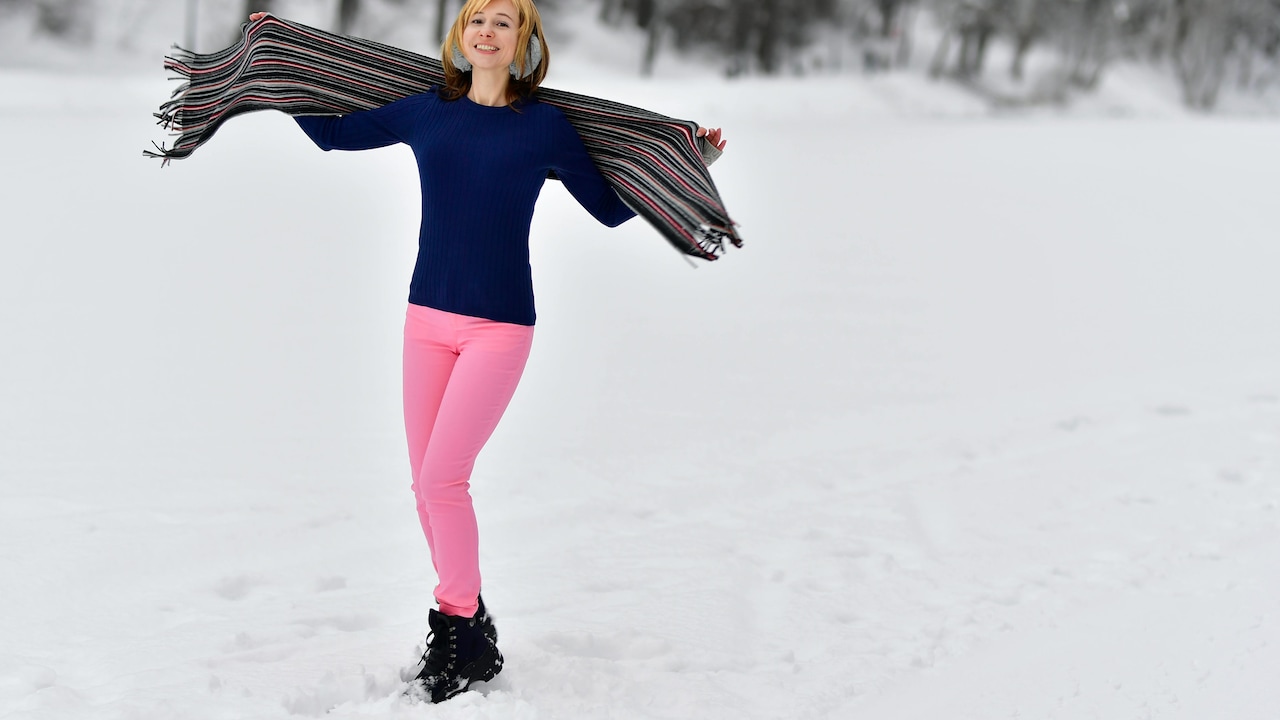
Shawl Slipping Off? This Is Why It Happens And How To Keep It in Place; Photo Credit: Pexels
5. Traditional Drapes Look Elegant but Lack Support
Classic shoulder drapes look graceful in mirrors and photographs. They often fail in real life. Traditional styles rely on stillness. Real days involve motion, crowds and long hours.
Many people place shawls gently over both shoulders without securing them. This works during short moments but fails during daily wear. Modern life demands practicality alongside style.
A hybrid drape solves this issue. Start with a traditional drape, then add a subtle tuck. Tuck one end under the opposite arm or into the waistband slightly. This hidden support keeps the look intact while allowing freedom of movement. Another option includes draping one end over the forearm while walking. This adds balance and control without disrupting elegance. Tradition adapts well when comfort joins the conversation.
6. Pins Feel Intimidating, but Smart Placement Helps
Pins often scare people due to fear of damage or discomfort. Yet, thoughtful pin placement offers reliable support without visible marks. The key lies in using the right pin and placing it wisely.
Avoid pinning at the edges. Pinning at the shoulder seam or near the collarbone works better. This area experiences less movement. Small safety pins or decorative brooch pins suit shawls well. They hold fabric without pulling.
Another helpful method uses magnetic pins. These pins hold through fabric without piercing it. They suit delicate shawls and frequent wear. Pin usage does not remove elegance. Instead, it provides peace of mind. A secure shawl allows focus on conversations, work and enjoyment rather than constant adjustment.
7. Weather and Environment Play a Sneaky Role
Cold mornings, humid evenings and windy streets affect shawl behaviour. Dry air creates static, which pushes fabric away from the body. Wind lifts lightweight shawls with ease. Indoor heating dries fabric, reducing grip.
Managing this starts with fabric care. Lightly steaming the shawl before wearing relaxes fibres and reduces static. A quick rub with a cotton cloth helps too. During windy days, tighter drapes work best. Wrapping the shawl around the neck once before letting it fall over the shoulders adds security.
Choosing the right shawl for the environment also matters. Reserve airy shawls for indoor settings and heavier ones for outdoor use. Weather awareness turns shawl styling into a smart habit rather than a struggle.

Shawl Slipping Off? This Is Why It Happens And How To Keep It in Place; Photo Credit: Pexels
8. Outfit Pairing Can Make or Break the Drape
A shawl never works alone. It responds to the outfit underneath. Slippery fabrics, bulky collars or uneven layers affect stability. Pairing a shawl with the wrong outfit invites trouble.
Simple necklines work best. Crew necks, boat necks and high collars support shawls better than deep V-necks. Structured outfits provide anchor points. Soft, flowy outfits need structured drapes.
Colour contrast helps too. Dark shawls over light outfits allow easier adjustments without visible creases. Matching textures also matters. Wool on wool grips better than wool on satin. Thoughtful outfit pairing saves time and frustration. A shawl styled with intention stays put and looks polished.
9. Movement Habits Influence Shawl Stability
Small habits affect shawl behaviour more than expected. Slouching, hunching or walking briskly without support encourages slipping. Carrying heavy bags on one shoulder pushes the shawl out of place.
Building simple habits helps. Adjust posture slightly. Keep shoulders relaxed but upright. When carrying bags, switch shoulders or hold the shawl briefly at the front. Sitting down? Smooth the shawl over the shoulders before standing up again.
These actions become second nature with time. A few mindful movements reduce constant adjustments. Shawls respond well to gentle awareness. Comfort grows when movement and styling work together.
10. Confidence Holds the Shawl Better Than Anything Else
Confidence changes how a shawl sits. Hesitant movements and constant tugging disturb the drape. Calm, assured movement allows the fabric to settle naturally.
Once a secure drape finds its place, trust it. Avoid frequent touching. Let the shawl do its job. Compliments often follow confidence rather than perfection.
Personal style evolves through trial and comfort. Some prefer neat folds, others love relaxed wraps. The best drape feels right and works through the day. When comfort meets confidence, shawls stop slipping and start shining.
Products Related To This Article
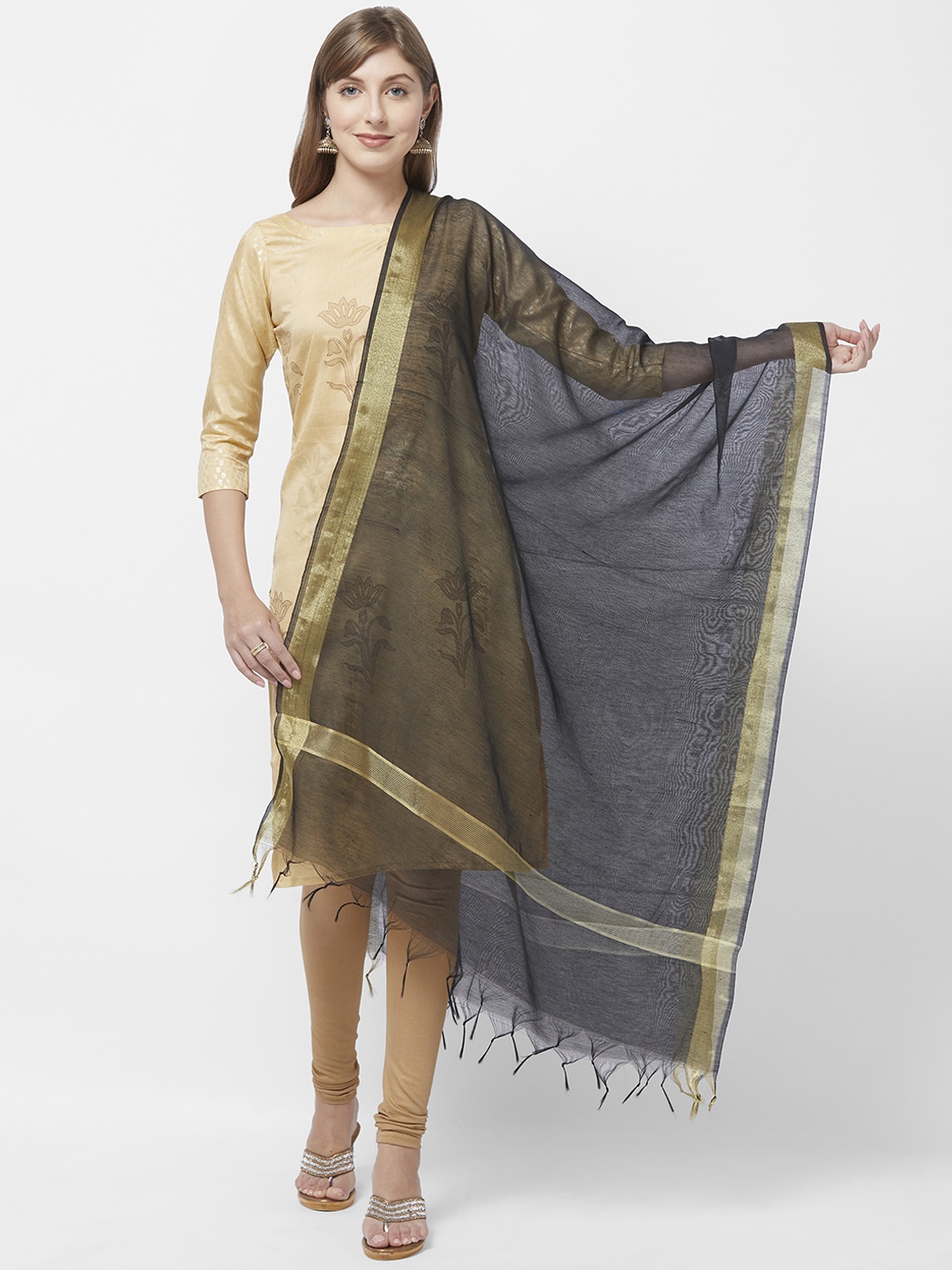
1. GK VILLA Wool Embroidered Women Shawl
2. ASRMHANDICRAFTS Rayon Floral Print Women Shawl
3. PAL FACTORY Acrylic Solid Women Shawl
4. Home craze Wool Woven Women Shawl
5. CANTABIL Acrylic Self-Design Women's Shawl
A slipping shawl feels like a small annoyance, yet it affects comfort, confidence, and daily ease. The reasons behind this problem remain simple: fabric choice, body movement,t and styling habits. Thankfully, solutions stay just as simple.
With thoughtful draping, smart layering, and small adjustments, shawls in winter can remain secure without effort. These timeless pieces deserve appreciation, not frustration. A well-draped shawl offers warmth, grace, and quiet confidence. Once mastered, it becomes a trusted companion through chilly mornings, festive nights, and everyday moments in between.
(Disclaimer: This article may include references to or features of products and services made available through affiliate marketing campaigns. NDTV Convergence Limited (“NDTV”) strives to maintain editorial independence while participating in such campaigns. NDTV does not assume responsibility for the performance or claims of any featured products or services.)