Why Most Men's Suits Look Badly Fitted And How To Get A Proper Tailored Fit
Most men wear suits that don’t truly fit, from sagging shoulders to poorly cut trousers. This article explains why tailoring often fails and shows how the right fit can instantly elevate any suit.
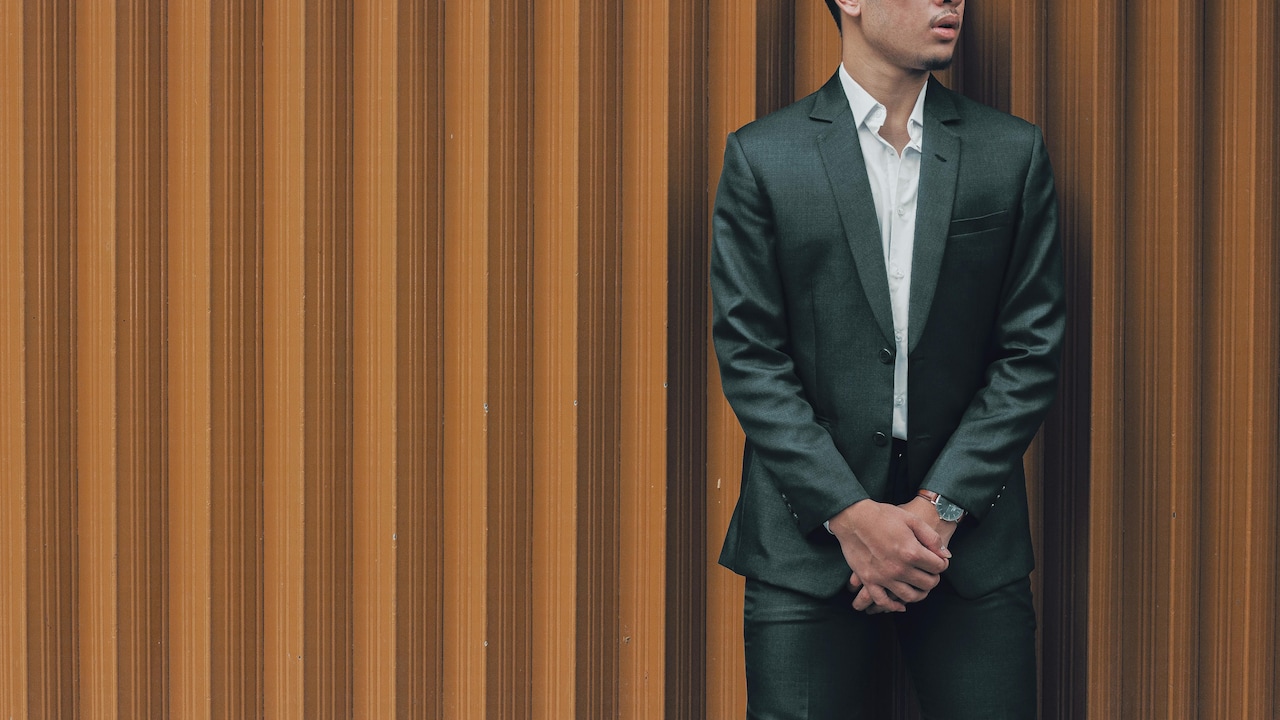
Discover what makes men's suits look dull and how to fix it.
A suit holds power. It signals authority in a boardroom, elegance at a wedding, and seriousness at a formal event. Yet despite its importance, most men step out in suits that look uncomfortable, awkward, or simply wrong. The issue rarely lies in the price tag. Even suits costing ₹60,000 can look worse than a ₹15,000 tailored piece when fit goes wrong.

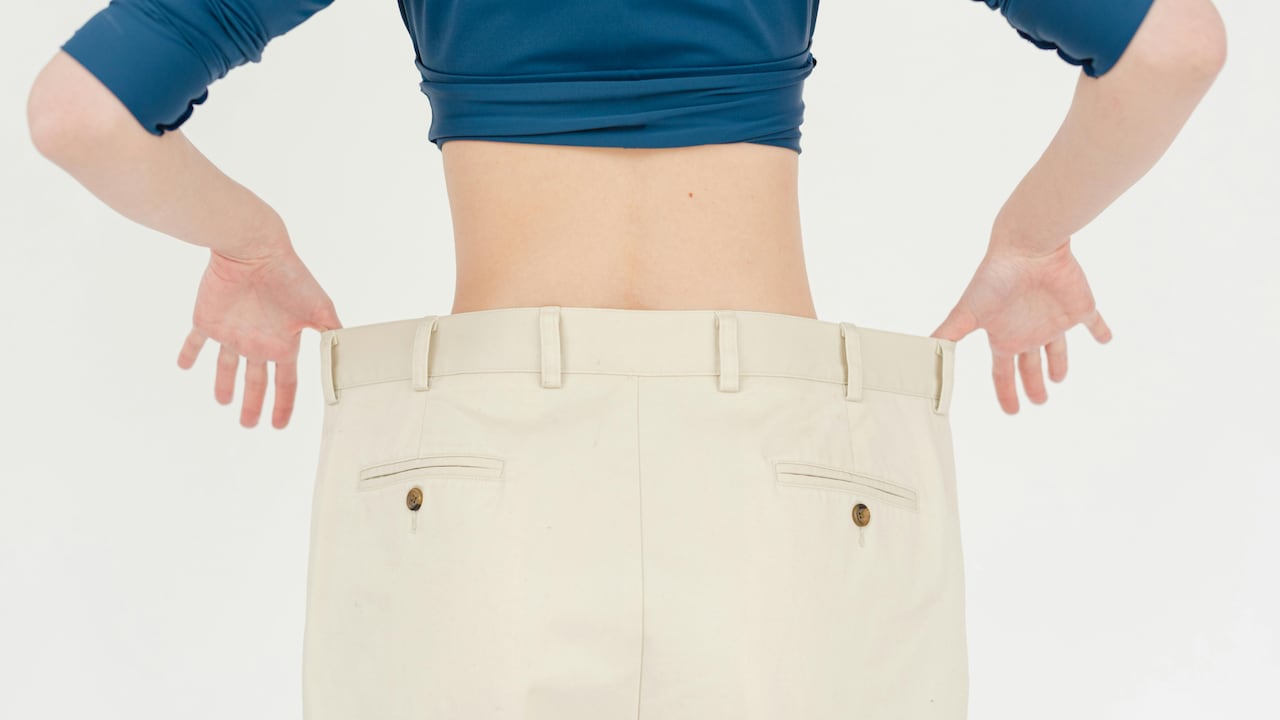
Common reasons that cause your tailored suit to look bad and how to fix them; Photo Credit: Unsplash
The problem runs deeper than fashion trends. Body diversity, climate, rushed shopping habits, and outdated tailoring advice all play a role. Many men accept poor fit as normal, unaware that a few small adjustments can transform how a suit looks and feels.
This guide breaks down the most common reasons suits fail and explains how to fix them. Think of it as a practical roadmap, no jargon, no intimidation, just clear advice, relatable examples, and a few hard truths delivered with a friendly nudge.
Also Read: Men's Suits: The Most Eye-Catching Styles Grabbing Attention This Season
Where Most Suits Go Wrong and What Proper Tailoring Really Means
1. Off-the-Rack Isn't Built for Real Bodies
Most suits come from standard size charts that assume every man fits neatly into a predictable shape. Reality tells a different story. Broad shoulders, rounded backs, long torsos, muscular thighs, or slimmer waists confuse factory sizing. When a jacket fits the chest but hangs loose at the waist, or trousers fit the waist but strain at the thighs, frustration follows.
Retail brands design suits to fit “average” measurements, yet few bodies match that average. Sales staff often suggest sizing up “for comfort” or sizing down “for a sharper look,” neither of which solves the core issue. The result looks boxy, tight, or both.
A properly tailored fit starts with accepting that off-the-rack serves as a base, not a finished product. Even a budget-friendly suit can look refined with adjustments to the shoulders, sleeves, and trouser length. The key lies in choosing the closest possible fit and refining it, rather than forcing the body to adapt to the garment.
2. Shoulder Fit: The Silent Deal-Breaker
Shoulders determine whether a suit looks sharp or sloppy. Yet this area receives the least attention during trials. When shoulders extend beyond the natural line, the suit droops. When they fall short, the jacket pulls, and creases appear near the armholes.
Unlike sleeves or waistlines, shoulders resist easy alteration. Poor shoulder fit usually means the suit will never sit right, no matter how skilled the tailor. Many men overlook this because padded shoulders hide the problem at first glance, only for discomfort to surface later.
A well-fitted shoulder aligns perfectly with the body's natural edge. The jacket should lie flat without divots or tension lines. Movement should feel free, not restricted. When trying on a suit, raise arms, stretch forward, and relax. The jacket should move with ease.
Choosing the correct shoulder fit often means rejecting a suit that looks tempting in the mirror. That decision saves money and regret later.
3. Jacket Length and Proportion Mistakes
Jacket length shapes the entire silhouette. Too long, and the suit looks dated and heavy. Too short, and it resembles borrowed clothing. Many modern suits lean towards shorter lengths, yet this trend does not flatter every body type.
A good rule places the jacket hem around mid-seat, balancing upper and lower proportions. Arms hanging naturally at the sides should reveal fingers curling just below the hem. This creates harmony and elegance.
Proportion errors often happen when men focus solely on chest fit or lapel style. A jacket that fits perfectly at the chest but cuts awkwardly at the hips ruins the overall effect. Tailors adjust length to an extent, but drastic changes compromise balance.
Proportion matters even more in warmer climates, where lighter fabrics and slimmer cuts dominate. A well-proportioned jacket breathes better, moves easily, and photographs beautifully at weddings and formal gatherings alike.
4. Trouser Troubles: Rise, Break, and Width
Trousers suffer the most neglect. Many men accept excess fabric bunching at the ankles or a waist that digs in uncomfortably. Poor rise creates awkward pulling when sitting, while incorrect width distorts posture.
A proper rise allows comfortable movement without sagging. Trousers should sit naturally at the waist, not cling to the hips or slide downward. Break, the fold where trousers meet shoes, should remain minimal. Excessive break shortens the leg visually.
Slim does not mean tight. Trousers need room for thighs and calves while maintaining a clean line. Modern tailoring favours a gentle taper, not skin-tight cuts. Comfort and elegance coexist when trousers skim the leg rather than grip it.
Alterations here remain affordable. Hemming, tapering, and waist adjustments usually cost under ₹1,000, yet the visual improvement feels dramatic. Well-fitted trousers often make the biggest difference to overall appearance.
5. Sleeve Length and the Shirt Cuff Rule
Sleeves often reveal whether a suit fits well. Too long, and hands disappear. Too short, and the suit appears shrunken. The ideal length shows about half an inch of shirt cuff when arms rest naturally.
Many men ignore this detail, assuming sleeves feel fine as long as arms move freely. Visual balance matters more than comfort alone. Sleeves frame the shirt, watch, and hand gestures during conversation.
Tailors adjust sleeve length easily, making this one of the simplest fixes. Buttoned cuffs complicate alterations slightly but remain manageable with skilled hands.
This small adjustment sharpens the entire look. Well-fitted sleeves elevate even modest suits, while poorly sized ones cheapen expensive fabrics. Attention to such details separates polished dressing from careless styling.

Look for suits with well-fitted sleeves and cuffs to elevate your look; Photo Credit: Pexels
6. The Waist Suppression Myth
A suit jacket should contour gently at the waist, not cling like a second skin. Many men fear waist suppression, believing it restricts movement or looks flashy. Others embrace extreme tapering, leading to strained buttons and fabric pulling.
Balanced shaping creates a V-shaped silhouette that flatters most body types. The jacket should follow natural lines without squeezing. Buttoning the jacket should feel effortless, with no tension lines radiating outward.
Tailors adjust side seams and darts to achieve this balance. Even off-the-rack suits benefit from waist refinement. The result looks intentional and elegant rather than boxy or tight.
Good tailoring enhances confidence subtly. The wearer stands straighter, moves freely, and feels comfortable without constant tugging or adjusting.
7. Fabric Choices Matter More Than Trends
Many suits fail because the fabric does not suit the climate or usage. Heavy wool works poorly in warm weather, causing discomfort and creasing. Cheap synthetics trap heat and lose shape quickly.
Breathable fabrics like tropical wool, wool blends, or lightweight linens perform better. They drape cleanly and recover shape faster. Spending ₹5,000 more on better fabric often saves thousands in future replacements.
Trend-driven fabrics with extreme sheen or bold textures date quickly. Classics weaves age gracefully and photographs well across the years. Fabric weight also affects fit. Lighter materials reveal poor tailoring, while heavier ones hide flaws but reduce comfort.
Choosing fabric thoughtfully ensures the suit works with the body rather than against it. Comfort improves posture, and posture enhances appearance naturally.
8. Rushed Tailoring and Unrealistic Timelines
Many men expect suits within days, especially before weddings or festivals. Rushed timelines compromise fitting accuracy. Proper tailoring requires multiple fittings, patience, and communication.
Skipping fittings leads to guesswork. Minor issues compound into visible flaws. A suit delivered in haste often demands further fixes later.
Planning ahead allows adjustments without stress. Starting three to four weeks before an event ensures time for trial, feedback, and refinement. Tailors work better when pressure eases.
A suit represents an investment, not a last-minute purchase. Treating it with respect pays dividends in comfort and confidence.
9. Poor Communication with the Tailor
Tailoring thrives on clarity. Many men struggle to articulate preferences, nodding politely instead of expressing discomfort. Others rely blindly on the tailor's judgement without asking questions.
Sharing lifestyle details helps. Office wear differs from wedding attire. Sitting long hours demands flexibility, while standing events require structure. Honest feedback during fittings leads to better outcomes.
Trust builds through dialogue. A good tailor listens, explains options, and suggests improvements without pushing trends. Mutual respect ensures the final garment reflects personality rather than a generic template.
Communication transforms tailoring from a transaction into a collaboration.
10. Understanding That Fit Evolves Over Time
Bodies change. Weight fluctuates, posture shifts, and comfort preferences evolve. A suit that fit perfectly three years ago may feel off today. Regular adjustments extend the life of good garments.
Minor tweaks, letting out the waist, adjusting hems, or refining sleeves, keep suits relevant. Ignoring these changes leads to discomfort and neglect.
Viewing tailoring as ongoing care rather than a one-time event encourages better dressing habits. Well-maintained suits outlast trends and remain dependable companions for important moments.
Fit reflects self-awareness. Updating garments signals respect for personal comfort and presentation.
Products Related To This Article
1. PETER ENGLAND Men Single Breasted Solid Suit
2. METRONAUT Men 3 piece suit for men Solid Suit
3. ARROW Men 2 Piece Suit Solid Suit
4. Denigma Men Suit Solid Suit
5. Rare Rabbit Men Suits Solid Suit
Most poorly fitted suits result from small, avoidable mistakes rather than a lack of style or budget. Understanding proportions, prioritising comfort, and respecting the tailoring process transform how a suit performs and feels.
A properly tailored fit enhances confidence quietly. It allows movement without distraction and presence without effort. Whether spending ₹12,000 or ₹1,20,000, fit remains the true measure of elegance.
With patience, communication, and attention to detail, every man can experience the difference. A well-fitted suit does more than dress the body; it sharpens the entire impression.
(Disclaimer: This article may include references to or features of products and services made available through affiliate marketing campaigns. NDTV Convergence Limited (“NDTV”) strives to maintain editorial independence while participating in such campaigns. NDTV does not assume responsibility for the performance or claims of any featured products or services.)