Why Sarees Feel Uncomfortable After An Hour And Simple Draping and Blouse Fit Fixes
Sarees often feel uncomfortable after an hour due to poor draping, tight blouses and fabric weight. This article explains why it happens and shares simple fixes to improve comfort without compromising elegance.
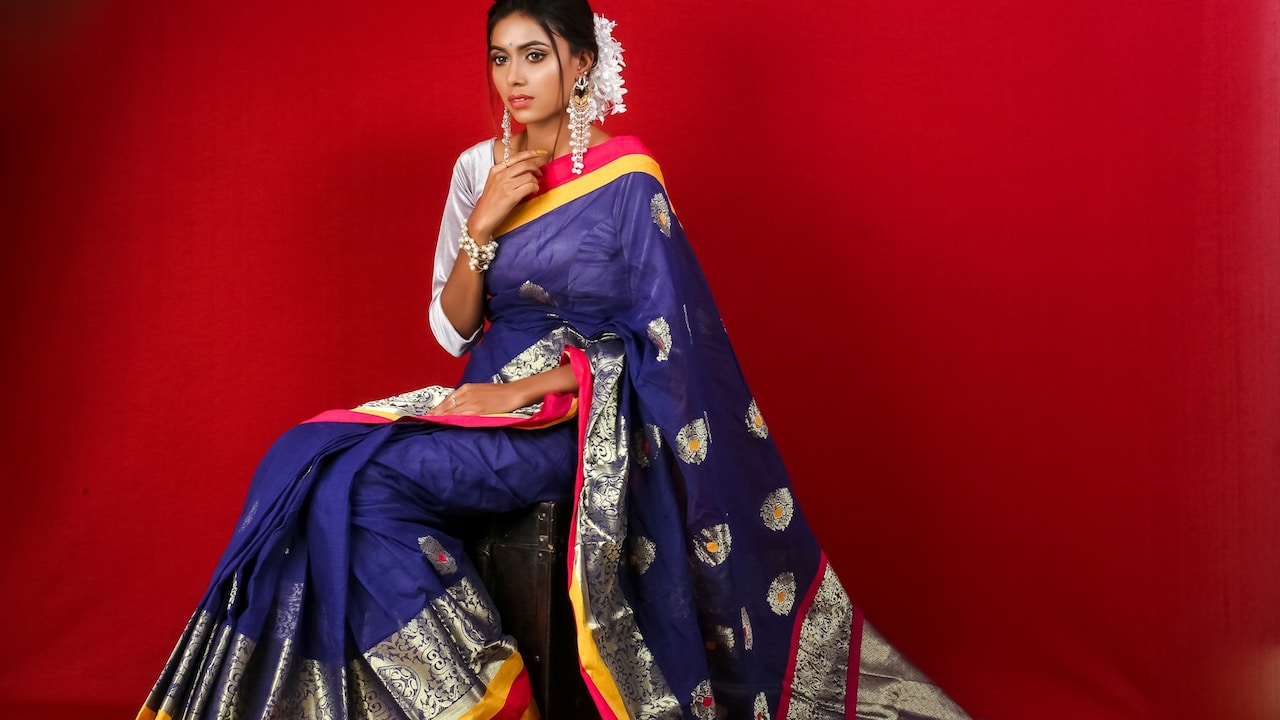
Say goodbye to sarees feeling uncomfortable after draping with these easy tips.
The saree enjoys a reputation for elegance that few garments can rival. It adapts to age, occasion and personality with ease. Yet, behind the compliments and camera flashes, discomfort often creeps in far too quickly. A constant need to readjust, a blouse that digs into the skin or pleats that refuse to stay put can drain joy from the experience.
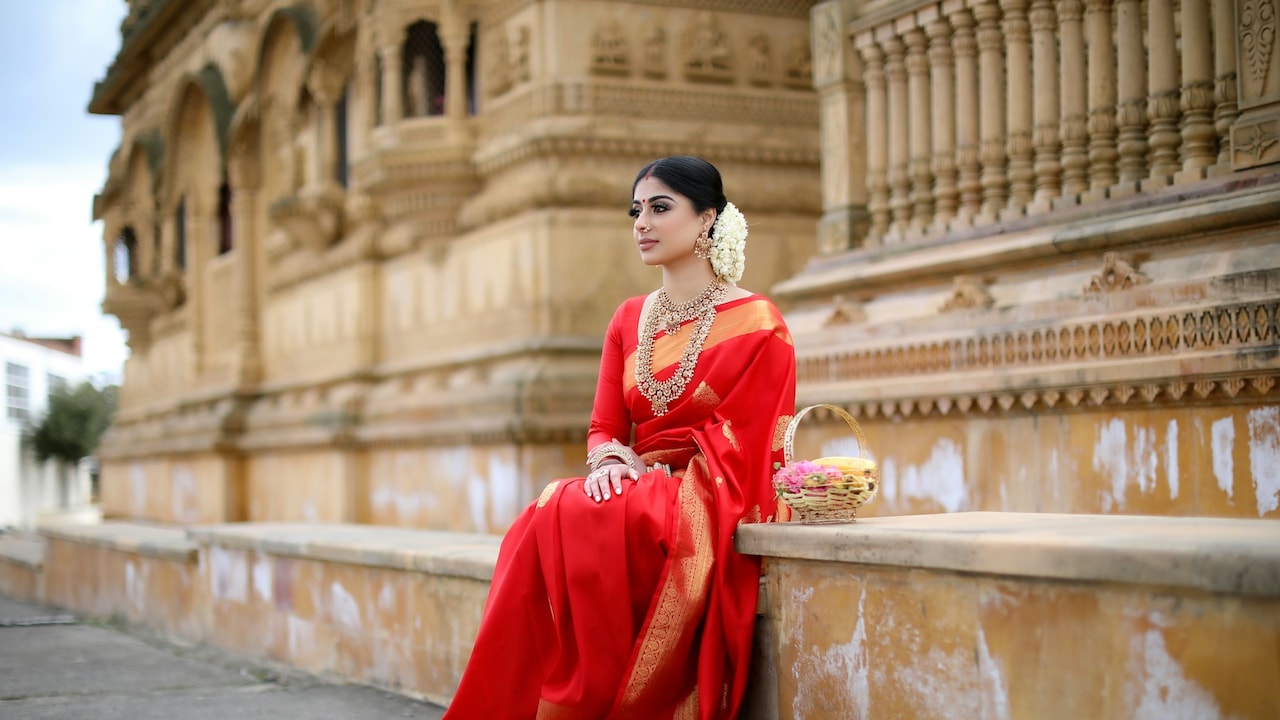
Prevent your sarees from feeling uncomfortable with these handy tips; Photo Credit: Unsplash
This discomfort rarely comes from the saree itself. More often, it stems from how it gets worn. Draping techniques passed down casually, outdated blouse designs and little attention to fabric behaviour all play their part. Comfort remains achievable with small, practical changes that respect tradition while embracing modern needs. The following points explore why discomfort shows up after an hour and how simple fixes can restore ease, confidence and joy to wearing a saree.
Also Read: Grab Stunning Sarees From Kasee And Silk Land Under ₹999 On Myntra
From Grace to Grit: Where the Discomfort Creeps In
1. The Weight of Fabric and Why It Starts to Drag
Heavy fabrics create drama and grandeur, but they also pull relentlessly on the waist and shoulder. After an hour, the strain becomes noticeable, especially with silks, brocades and heavily embellished chiffons. The body begins to compensate by hunching slightly or tightening muscles, which leads to fatigue.
A simple fix lies in balancing weight rather than avoiding it. Distributing pleats evenly and securing them properly prevents unnecessary drag. Choosing lighter versions of traditional fabrics helps too. Many modern weaves mimic the richness of heavy silks while staying breathable and manageable. For long events, avoiding dense borders can reduce pressure on the waist.
The pallu also plays a role. Letting it fall naturally instead of pinning it tightly at the shoulder reduces tension. A well-placed pin at the blouse seam rather than the shoulder seam works wonders. Comfort improves instantly when fabric flows instead of fighting gravity.
2. Tight Blouses and the Myth Of A Perfect Fit
A blouse that looks sleek while standing still may feel punishing after an hour of movement. Tight sleeves restrict circulation, narrow necklines dig into the collarbone, and stiff seams rub against the skin. Many believe discomfort equals a flattering fit, but that belief deserves retirement.
A comfortable blouse fits the body, not the mannequin. Adding half an inch of ease at stress points like the bust, underarms and shoulders changes everything. Stretchable lining fabrics offer flexibility without altering appearance. Sleeves that end just above the elbow allow movement and airflow.
Back designs matter too. Deep cuts with multiple hooks often poke and scratch. Opting for softer closures or concealed zips improves wearability. A blouse should support, not suffocate. Comfort shows in posture, confidence and the ability to enjoy the moment without constant adjustment.
3. Poor Pleating and the Battle at the Waist
Uneven pleats create chaos. Some bunch up while others loosen, causing constant pulling and re-tucking. After an hour, the waistline feels bulky and unstable. This discomfort distracts and invites repeated trips to the washroom mirror.
Neat pleating starts with patience. Folding pleats of equal width and securing them with safety pins before tucking ensures longevity. Pinning pleats to the inner waistband of the petticoat prevents shifting during movement.
The petticoat itself deserves attention. A drawstring tied too tightly causes digging, while a loose one allows slipping. Elasticated petticoats offer better comfort and adaptability throughout the day. When pleats behave, the saree feels lighter, more secure and far easier to carry for hours.
4. The Petticoat Problem Nobody Talks About
An ill-fitted petticoat silently sabotages comfort. Thick seams, rough fabrics and incorrect lengths create friction and imbalance. Many experience itching, sweating or constant slipping without realising the root cause lies underneath.
Choosing a petticoat made from soft cotton or breathable blends helps regulate body temperature. Seam placement matters too. Flat seams reduce irritation, especially during long wear. Length plays a crucial role. A petticoat that sits just above the ankle ensures smooth drape without tripping hazards.
Elastic waistbands offer consistent comfort throughout the day, especially during meals and movement. Investing ₹800–₹1,200 in a well-made petticoat may sound excessive, but it transforms the entire saree experience. Comfort begins at the base layer.
5. Shoulder Strain and the Misbehaving Pallu
The pallu commands attention, yet it often causes the most discomfort. When pinned incorrectly or weighed down with embellishments, it strains the shoulder and upper back. After an hour, stiffness creeps in, and posture suffers.
Allowing the pallu to flow naturally reduces pressure. Instead of piling fabric on one shoulder, spreading it evenly creates balance. Lightweight pallus or narrower widths work well for long wear. When pinning becomes necessary, placing the pin slightly inward near the blouse seam avoids shoulder strain.
Creative drapes like the seedha pallu or waist-tucked styles shift weight away from the shoulder. These styles also free the arms, making movement easier. Comfort improves when the pallu becomes an ally rather than an anchor.
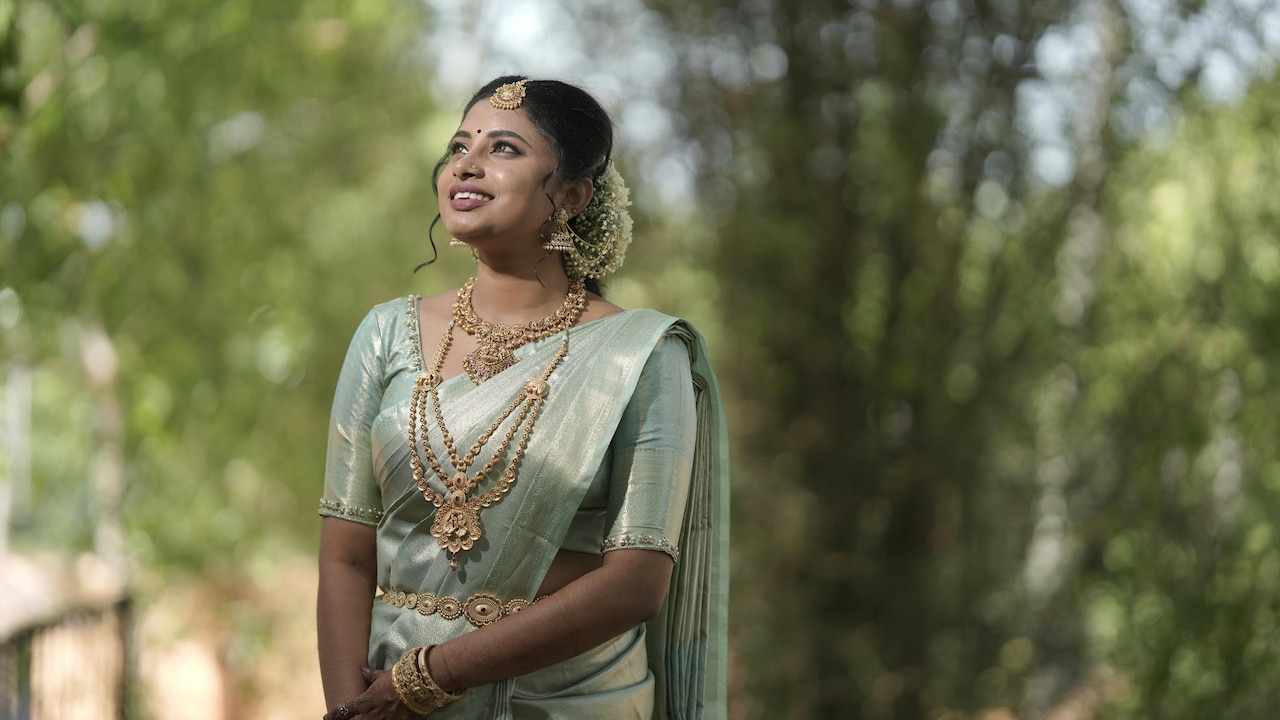
Letting the pallu flow naturally instead of pinning in one place can reduces pressure; Photo Credit: Pexels
6. Fabric Choice and Seasonal Discomfort
Wearing the wrong fabric for the season guarantees discomfort. Heavy silks during peak summer or synthetic chiffons in humid weather trap heat and moisture. After an hour, irritation, sweating, and fatigue take over.
Season-smart choices enhance comfort without sacrificing elegance. Cotton blends, linen sarees and lighter silks breathe better in warmer months. For cooler evenings, soft wool blends or tussar provide warmth without weight.
Texture matters as much as fabric. Smooth finishes reduce friction, while stiff materials restrict movement. Testing fabric against the skin before purchase helps avoid regret later. A saree should adapt to the climate, not challenge it.
7. Blouse Necklines That Restrict Movement
Necklines influence comfort more than expected. High collars, boat necks and stiff piping limit neck and shoulder mobility. After an hour of turning, bending and greeting, stiffness sets in.
Opting for softer necklines like gentle scoops or V-shapes allows natural movement. Using flexible piping or skipping it altogether prevents chafing. Back neck depth matters too. Adequate depth reduces pulling at the front.
Fastenings should sit flat against the skin. Bulky hooks or decorative knots often poke during movement. A blouse neckline should frame the face while respecting comfort. Freedom of movement keeps discomfort at bay.
8. Footwear and the Domino Effect on Comfort
Uncomfortable footwear triggers a chain reaction. High heels alter posture, causing the saree to pull awkwardly at the waist and shoulder. After an hour, the feet ache, balance falters, and the drape feels unstable.
Choosing supportive footwear changes everything. Low block heels, wedges or traditional flats offer stability without sacrificing style. Ensuring the saree length suits the footwear prevents tripping and constant lifting.
Footwear also affects confidence. When steps feel secure, posture improves, and the saree sits better. Comfort at the feet reflects upward through the body, making long wear far more pleasant.
9. Pins, Clips and the Art of Subtle Security
Over-pinning causes discomfort, yet under-pinning invites disaster. Finding balance ensures security without stiffness. Sharp pins placed carelessly scratch and poke throughout the day.
Using small, smooth safety pins placed strategically reduces irritation. Magnetic saree clips offer modern convenience without fabric damage. Securing pleats, pallu and blouse edges with the intention avoids constant checking.
The goal remains invisible support. When everything stays in place quietly, attention shifts back to enjoying the occasion. Comfort thrives when security feels effortless.
10. Mindset, Movement and Wearing It With Ease
Sometimes discomfort stems from fear rather than fabric. Constant worry about slipping, creasing or judgment creates tension. The body stiffens, making discomfort inevitable.
Practising movement while draped builds confidence. Walking, sitting and climbing stairs beforehand helps the body adapt. Choosing familiar drapes for long events reduces anxiety. Comfort grows with familiarity.
A saree responds to the wearer's ease. Relaxed shoulders, steady steps and confident posture allow fabric to fall naturally. When the mind settles, the body follows. Comfort becomes less about perfection and more about presence.
Products Related To This Article
1. HITESHREE Floral Print Daily Wear Cotton Linen Saree
2. KanjiQueen Woven, Self Design Banarasi Silk Blend, Pure Silk Saree
3. K SALIYA Woven Banarasi Jacquard Saree
4. sarify creation Temple Border, Solid/Plain Daily Wear Pure Cotton Saree
5. Tankori Woven Dharmavaram Jacquard Saree
A saree does not demand endurance. Discomfort after an hour signals small issues that deserve attention, not acceptance. From fabric choice to blouse fit, from pleating to posture, every element contributes to the experience. Thoughtful adjustments transform the saree from something endured into something enjoyed.
Comfort and elegance coexist beautifully when tradition meets practicality. With mindful draping and better fits, a saree can support long conversations, endless celebrations and unhurried joy. The true beauty of a saree shines brightest when it allows the wearer to feel at ease, confident and completely present.
(Disclaimer: This article may include references to or features of products and services made available through affiliate marketing campaigns. NDTV Convergence Limited (“NDTV”) strives to maintain editorial independence while participating in such campaigns. NDTV does not assume responsibility for the performance or claims of any featured products or services.)