10 Saree Styling Mistakes That Make The Waist Look Bulky Or The Pallu Hard To Manage
Small saree draping mistakes can create unwanted bulk around the waist or leave the pallu slipping throughout the day. Discover 10 common styling errors and practical ways to achieve neat, comfortable drapes.
10 Saree Styling Mistakes And Easy Fixes For A Smooth Waistline And Pallu
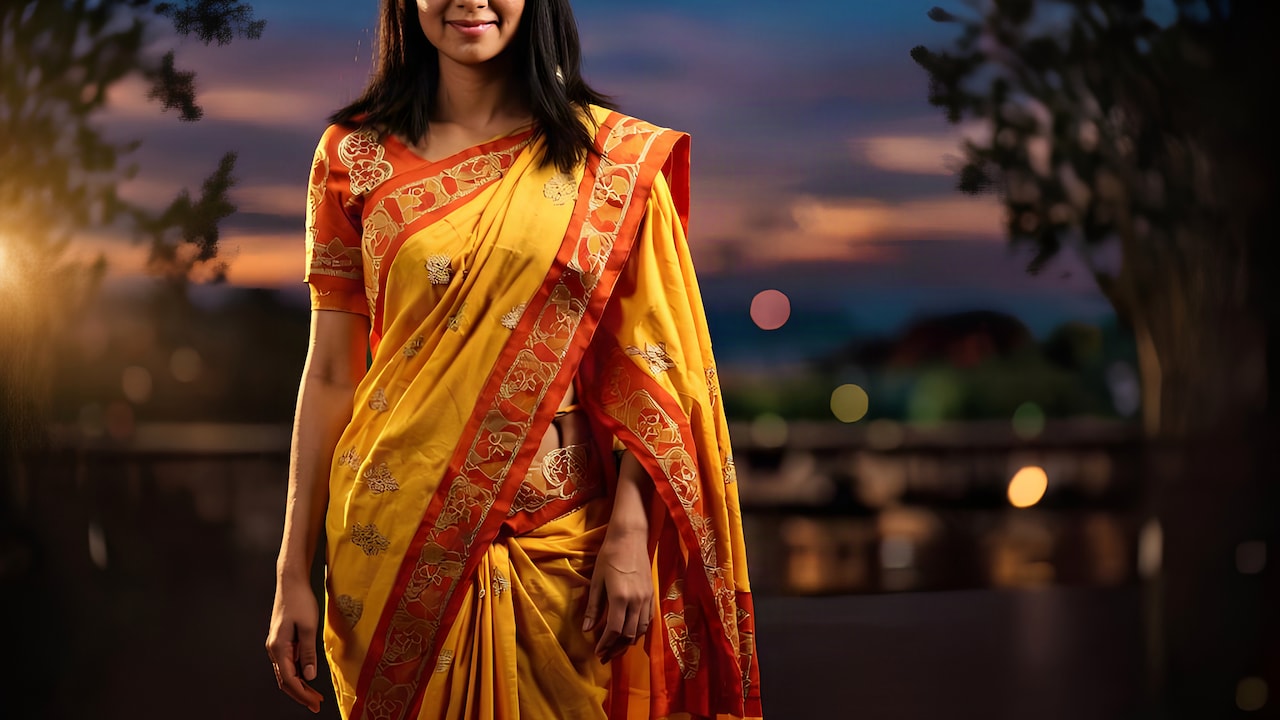
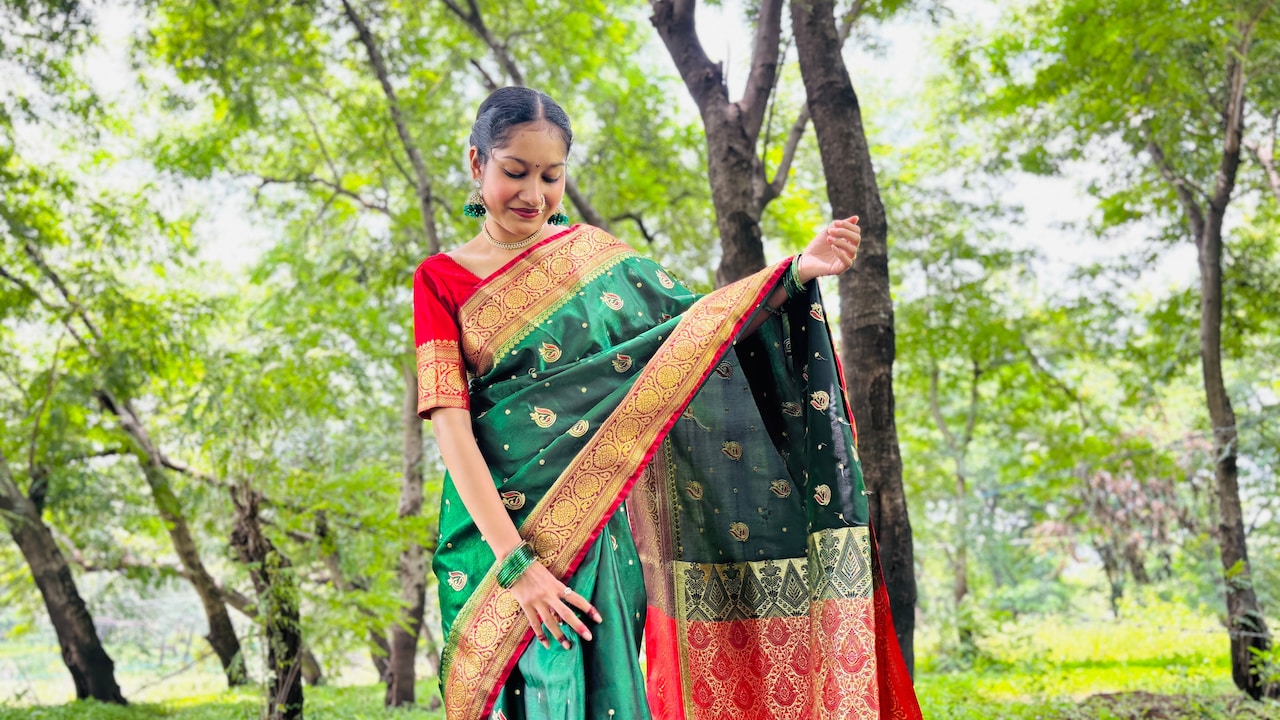
A beautifully draped saree can make even a simple outfit feel special. Yet, getting those pleats to sit neatly and keeping the pallu in place isn't always as effortless as it looks. One minute, everything appears perfect in the mirror. The next, the waist looks unusually bulky, the pleats have shifted, or the pallu demands constant adjustment. Anyone who has spent a wedding reception discreetly fixing their saree knows the struggle. Interestingly, these problems rarely mean the saree itself is unsuitable. Small styling decisions often make the biggest difference. From choosing the wrong petticoat to tucking excess fabric around the waist, several everyday habits can affect how a saree falls and moves. The good news? Most of these mistakes have surprisingly simple solutions. Understanding how different fabrics behave, where pleats should sit, and how to secure the pallu can make saree dressing far more comfortable. Here are ten common styling mistakes worth avoiding for a smoother silhouette and a drape that stays manageable throughout the day.
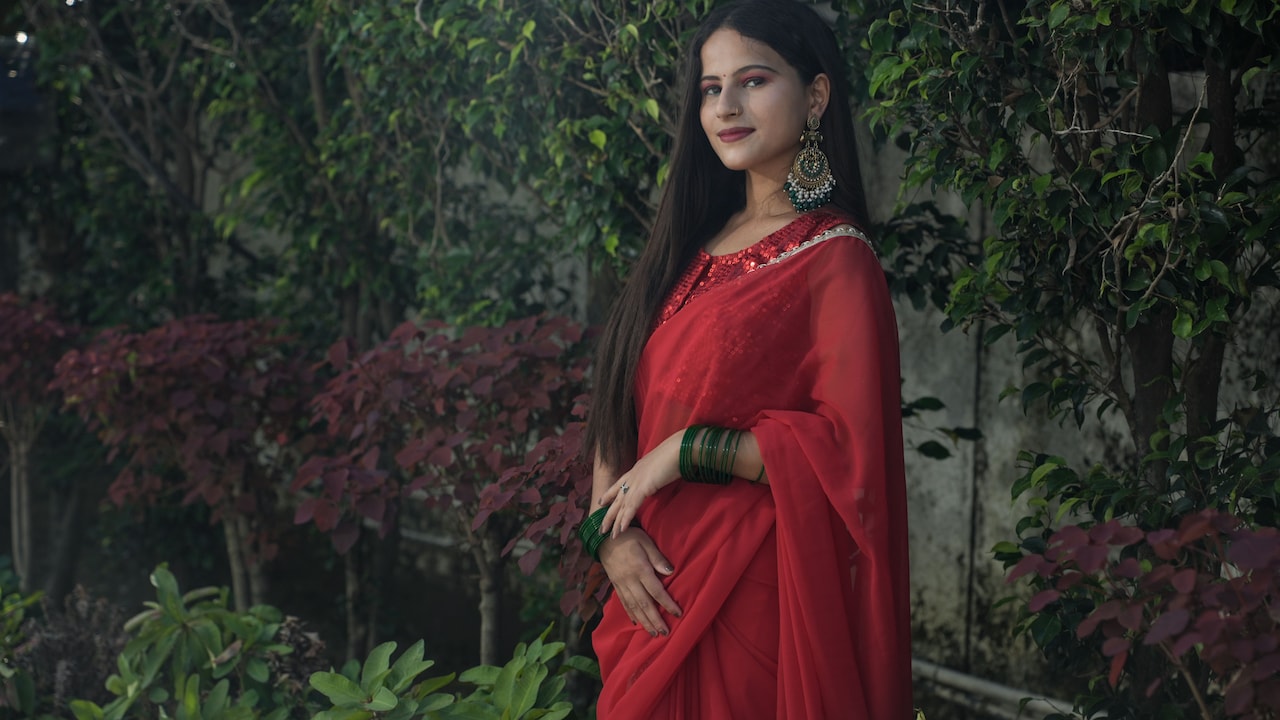
10 Saree Styling Mistakes And Easy Fixes For A Smooth Waistline And Pallu
Photo Credit: Pexels
Top 7 Common Saree Draping Mistakes And How To Fix Them
1. Choosing A Petticoat That Adds Unnecessary Volume Around The Waist
The petticoat may remain hidden beneath a saree, but its fit has a noticeable influence on the final appearance. A loose petticoat often gathers around the waist when tied tightly. These folds create extra volume beneath the saree, making the midsection appear bulkier than intended. Thick waistbands and excess fabric can make matters worse, particularly with lightweight sarees.
Another common mistake involves choosing a petticoat with a wide, flared shape. While this design works with certain traditional drapes, it may create unnecessary fullness beneath chiffon, georgette, or satin sarees. The result can look uneven, especially when the saree follows the body's natural contours.
A well-fitting petticoat should sit securely without digging into the skin. Straight-cut designs generally provide a smoother base, while suitable shapewear petticoats can offer a more streamlined appearance.
However, comfort matters just as much as appearance. Extremely tight underskirts can restrict movement and make sitting uncomfortable.
Before draping the saree, check how the petticoat fits around the waist and hips. A smooth foundation helps the outer fabric settle naturally without unwanted bunching.
2. Tucking Too Much Saree Fabric Into The Waistband
Tucking the saree securely feels reassuring, especially when dressing for a long celebration. However, pushing excessive fabric into the waistband can create the very problem the wearer hopes to avoid.
Each additional layer increases thickness around the waist. With cotton, silk, or heavily embroidered sarees, these layers can form noticeable bumps beneath the outer drape. The effect becomes more obvious when the fabric gathers in one particular area.
A better approach involves making controlled, even tucks rather than stuffing loose sections into the petticoat. Start with a smooth first wrap and keep the fabric relatively flat as it moves around the waist.
When forming the front pleats, avoid folding unnecessary fabric into the bundle. Align the pleats carefully before securing them, and tuck only the portion needed to hold them comfortably.
Fabric thickness also deserves attention. A heavy Banarasi saree requires different handling from a delicate chiffon one. Trying to apply identical tucking techniques to both can lead to awkward results.
A secure tuck shouldn't resemble a tightly packed pocket. Instead, the fabric should sit comfortably, allowing the saree to fall smoothly while leaving enough freedom for walking and sitting.
3. Making Front Pleats Too Wide Or Uneven
Front pleats play a major role in how a saree looks around the waist. When they're uneven, excessively wide, or poorly aligned, the fabric can spread outward instead of falling neatly.
This often happens when someone rushes through the pleating process. One fold becomes wider than the next, and the entire bundle starts leaning towards one side. By the time the pleats reach the waistband, the fabric has already developed an awkward shape.
The trick isn't necessarily to create more pleats. Instead, focus on making them consistent.
For many sarees, moderately narrow pleats create a tidy appearance without concentrating too much fabric in one place. However, the ideal width depends on the material, draping style, and overall length.
After forming the pleats, hold them together and gently shake the fabric so the lower sections settle. Check whether the borders align and whether the folds fall vertically.
A small safety pin can help maintain the arrangement, provided it doesn't damage delicate fabric.
Think of pleating like arranging pages in a notebook. When the edges line up, everything appears organised. When they don't, even beautiful fabric can look unnecessarily messy.
Also Read: Exploring Diverse Saree Collections On Shopsy For Everyday And Festive Wear
4. Draping The Saree Too High Or Too Low On The Waist
Where the saree sits can change both its appearance and how comfortably it moves throughout the day. A drape positioned too high may concentrate fabric around the narrowest part of the torso, particularly when the waistband contains several thick folds.
On the other hand, wearing the saree too low can create a sagging effect. The front pleats may lose their structure, and the pallu can start pulling unevenly across the body.
Neither placement works for everyone. Body proportions, personal comfort, blouse length, and the occasion all influence the most suitable position.
Rather than following a fixed rule, experiment with the waistband position before securing the pleats. The saree should sit at a height that feels stable and allows the fabric to fall naturally.
Check the drape from the front and side. If the waistline appears crowded, inspect the fabric underneath before changing the height completely.
Also, try sitting down and taking a few steps. A saree that looks wonderful while standing still may become uncomfortable during movement.
The goal isn't to create an artificially smaller waist. It's to find a balanced position that keeps the saree secure without unnecessary bunching or constant adjustments.
5. Ignoring How Different Saree Fabrics Behave
Not every saree responds to the same draping technique. Treating cotton, silk, chiffon, organza, and georgette as interchangeable materials can create problems around both the waist and pallu.
For example, stiff cotton and organza naturally hold their shape. Large pleats in these fabrics may stand away from the body, adding visible volume. Meanwhile, slippery satin or lightweight chiffon can shift easily when the folds lack support.
Heavy silk sarees present another challenge. Their substantial borders may pull the pallu downwards, especially when the fabric lacks balanced support across the shoulder.
Understanding these differences makes styling easier.
With structured fabrics, smaller and carefully aligned pleats often help control volume. Softer materials may benefit from gentle pinning or neatly arranged folds that prevent slipping.
Pre-pleating certain sarees can also save time. However, avoid sharply ironing delicate fabrics without checking their care instructions.
It's worth considering the occasion, too. A crisp cotton saree may look beautiful at an office event, while a flowing georgette saree offers a different feel for an evening celebration.
Working with the fabric's natural behaviour usually produces better results than forcing every saree into the same silhouette.
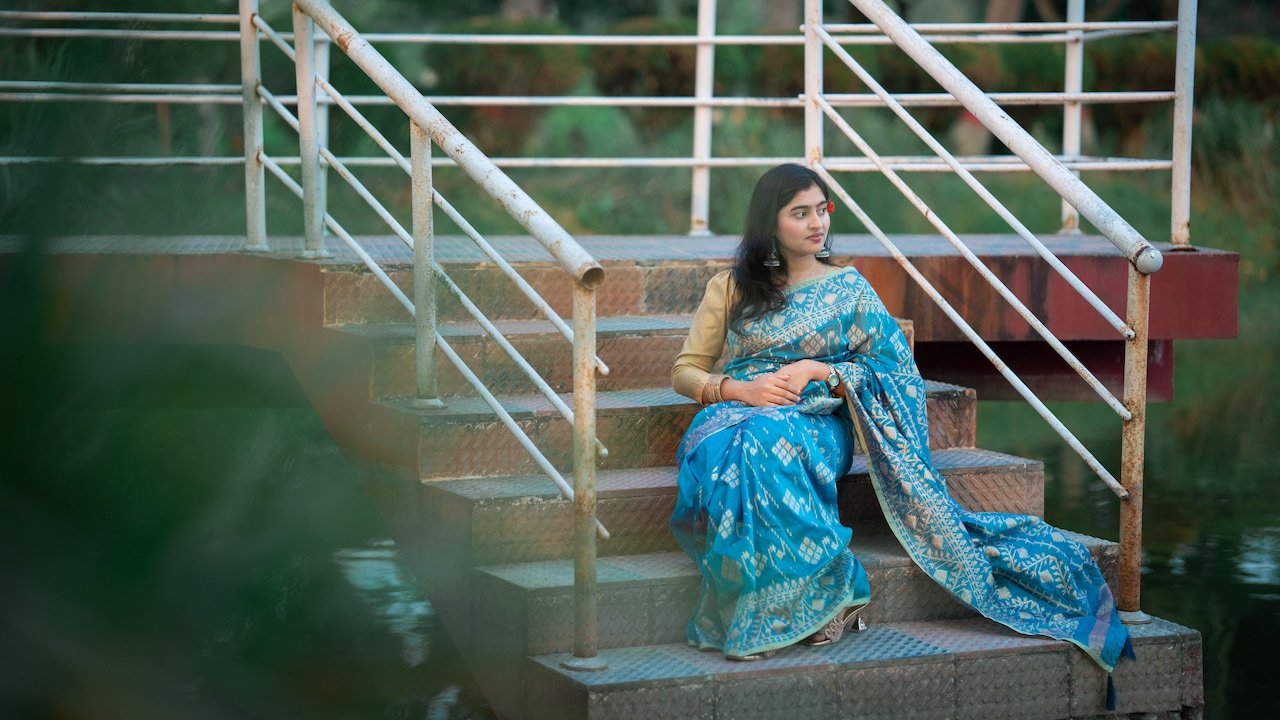
10 Saree Styling Mistakes And Easy Fixes For A Smooth Waistline And Pallu
Photo Credit: Pexels
6. Leaving The Pallu Too Long Or Uneven
A dramatic, flowing pallu can look elegant in photographs. Managing that same length while walking through a crowded wedding venue, however, tells a different story.
An excessively long pallu may drag against furniture, catch beneath someone's foot, or pull the saree backwards. The constant tugging can disturb the shoulder arrangement and gradually loosen the waist pleats.
An uneven pallu creates similar problems. When one section carries more weight, the fabric may shift towards that side, requiring frequent adjustments.
Before securing the pallu, decide how much length suits the occasion. For everyday activities, a manageable length that stays clear of the floor usually works better than an elaborate trailing drape.
If the saree features a decorative border, arrange it so the design remains visible without leaving excessive fabric hanging.
Check the length while wearing the footwear planned for the occasion. Heel height can change how close the fabric comes to the floor.
For a wedding or festive gathering, a longer pallu can certainly work. It simply needs more deliberate styling and support.
The best length allows the pallu to move gracefully without turning every staircase into a small adventure.
7. Pinning The Pallu In The Wrong Position
Safety pins can rescue a difficult saree drape, but poor placement sometimes creates more trouble than it solves. A pin positioned too close to the shoulder edge may fail to support the pallu properly.
As the wearer moves, the fabric can gradually slide backwards or bunch near the neckline. This creates uneven folds across the chest and may place uncomfortable tension on the blouse.
Another mistake involves pinning several thick layers together without considering their weight. Heavy fabric can pull against the blouse, making the shoulder feel restricted.
For a pleated pallu, first arrange the folds evenly and position them where they sit comfortably. Secure the arrangement to a suitable section of the blouse while keeping the pin concealed.
The pin should support the drape without stretching the blouse fabric or pulling the shoulder seam.
Delicate sarees deserve extra caution. Sharp pins can leave holes, catch fine threads, or damage intricate embroidery.
Always test the arrangement by moving your arms naturally. Reach forward, turn slightly, and check whether the pallu stays comfortable.
A well-positioned pin should make the saree easier to wear, not remind the wearer of its presence every few minutes.
8. Creating Excessively Thick Pallu Pleats
Pallu pleats can make a saree appear neat and structured, especially during formal occasions. However, folding too much fabric into thick pleats can create unnecessary volume around the shoulder and upper torso.
This often happens with heavily woven silk sarees or materials featuring substantial embroidered borders. Multiple overlapping folds produce a bulky arrangement that refuses to lie flat.
The weight may also pull the pallu towards the back, disturbing the front drape and causing the waist fabric to shift.
Instead of creating numerous narrow folds automatically, consider the fabric's thickness. A heavier saree may look better with fewer, slightly wider pleats that allow the material to settle naturally.
Lightweight sarees, meanwhile, can accommodate more defined folds without creating the same amount of bulk.
Once the pleats are ready, spread them gently across the shoulder rather than stacking everything into a tight bundle.
Another option involves leaving the pallu open. This works particularly well when the saree features an attractive design that deserves attention.
Ultimately, pleating should complement the material rather than overpower it. A beautiful pallu doesn't need to resemble a folded bedsheet to stay organised.
9. Forgetting To Balance The Pallu With The Front Pleats
A saree may look perfectly arranged from the front while hiding an imbalance elsewhere. Sometimes, too much fabric goes into the pallu, leaving insufficient length for comfortable front pleats.
At other times, the front pleats consume excessive material, forcing the pallu into an awkwardly short arrangement.
Both situations can affect the saree's appearance and stability. A heavy pallu may pull against the shoulder and loosen the waist tuck. Meanwhile, poorly distributed front pleats can create an uneven silhouette.
Before securing everything, check how the fabric divides between the lower drape and the pallu.
If the saree has a particularly heavy border, pay attention to how its weight affects the overall arrangement. Adjust the shoulder placement before finalising the waist pleats.
It's also helpful to check the saree from multiple angles. A quick look in a full-length mirror can reveal pulling, bunching, or uneven folds that aren't obvious from the front.
Don't hesitate to redo a few pleats if necessary. Five extra minutes before leaving can save an evening of adjustments.
Good saree styling isn't only about creating attractive folds. It's about ensuring those folds work together.
10. Skipping The Final Movement And Comfort Check
One of the most overlooked saree styling mistakes happens after the draping appears complete. The wearer checks the mirror, approves the look, and heads out without testing whether the saree can handle everyday movement.
Unfortunately, standing still doesn't reveal everything.
A tightly tucked waist may feel uncomfortable after sitting. The pallu might slide when reaching for a handbag, while loosely arranged pleats can separate after climbing a staircase.
These small inconveniences become especially noticeable during weddings, office celebrations, and family gatherings where movement is unavoidable.
Before leaving, walk around the room and sit in a chair. Raise your arms slightly, bend carefully, and check whether the pallu remains secure.
Pay attention to the waistband. It should hold the saree without digging into the skin or restricting breathing.
Also, inspect the front pleats after moving. If they twist or spread apart, adjust their arrangement before heading out.
Keep one or two spare safety pins handy, particularly when wearing unfamiliar fabric. They can help with minor adjustments, although they shouldn't replace a properly balanced drape.
A saree should allow its wearer to enjoy the occasion rather than spend the entire evening managing fabric.
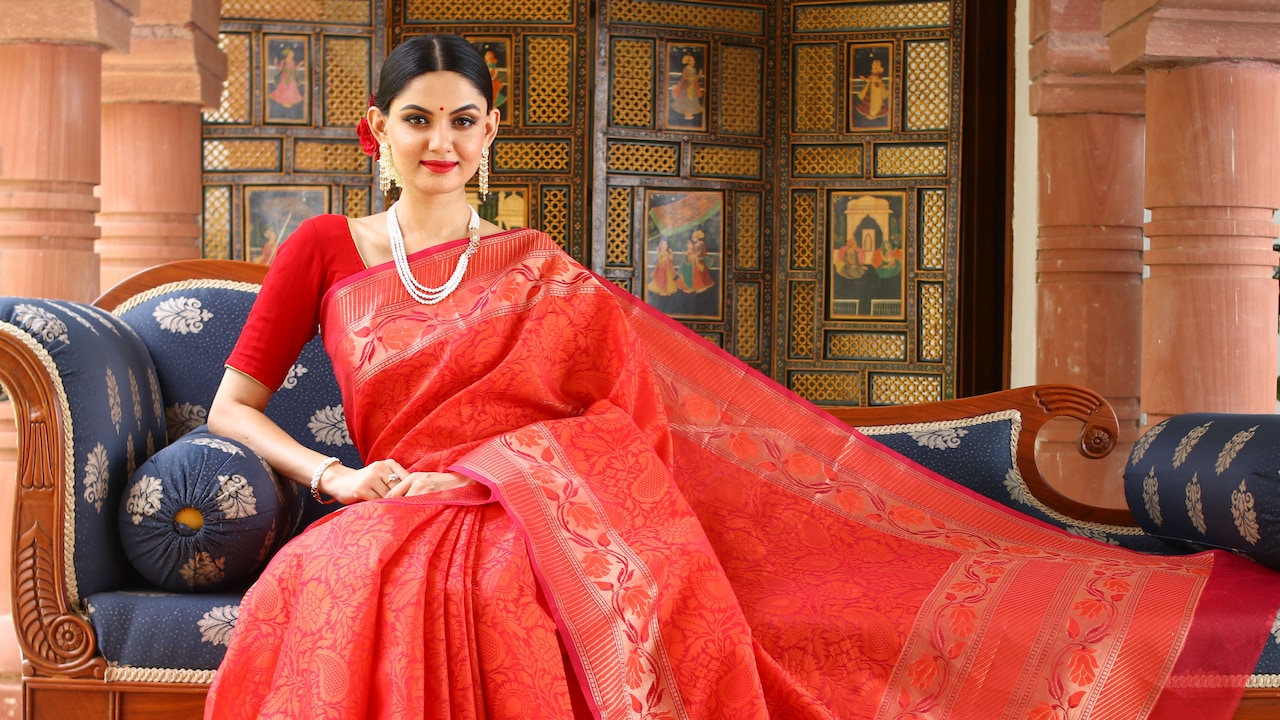
10 Saree Styling Mistakes And Easy Fixes For A Smooth Waistline And Pallu
Photo Credit: Pexels
Products Related To This Article
1. SIJILEEN Zari Satin Banarasi Saree
2. KALINI Woven Design Zari Maheshwari Saree
3. Saree mall Geometric Woven Design Zari Banarasi Sarees
4. Royal Rajgharana Saree Yellow & Gold Floral Zari Silk Blend Celebrity Banarasi Sarees
5. Mitera Ethnic Motifs Linen Blend Designer Saree
6. Anouk Rustic Ombre Poly Georgette Ready to Wear Saree
7. Garden Vareli Satin Designer Saree
Saree styling becomes easier when small details receive the attention they deserve. An unsuitable petticoat, excessive waist tucks, uneven pleats, or an awkwardly positioned pallu can affect both appearance and comfort. Fortunately, these issues rarely require complicated solutions. Choosing the right foundation, understanding fabric behaviour, distributing material evenly, and testing the drape before leaving can make a noticeable difference. Every saree has its own character, and the best styling techniques respect that individuality. After all, a beautiful drape should complement the outfit and allow comfortable movement, not demand constant attention throughout the day.
(Disclaimer: This article may include references to or features of products and services made available through affiliate marketing campaigns. NDTV Convergence Limited (“NDTV”) strives to maintain editorial independence while participating in such campaigns. NDTV does not assume responsibility for the performance or claims of any featured products or services.)