How To Choose A Watch That Suits Your Wrist: 10 Checks For Case Size, Strap And Weight
Finding the right watch involves more than picking a stylish dial. Discover 10 practical checks for case size, strap fit, thickness and weight to choose a watch that feels comfortable and looks balanced on your wrist.
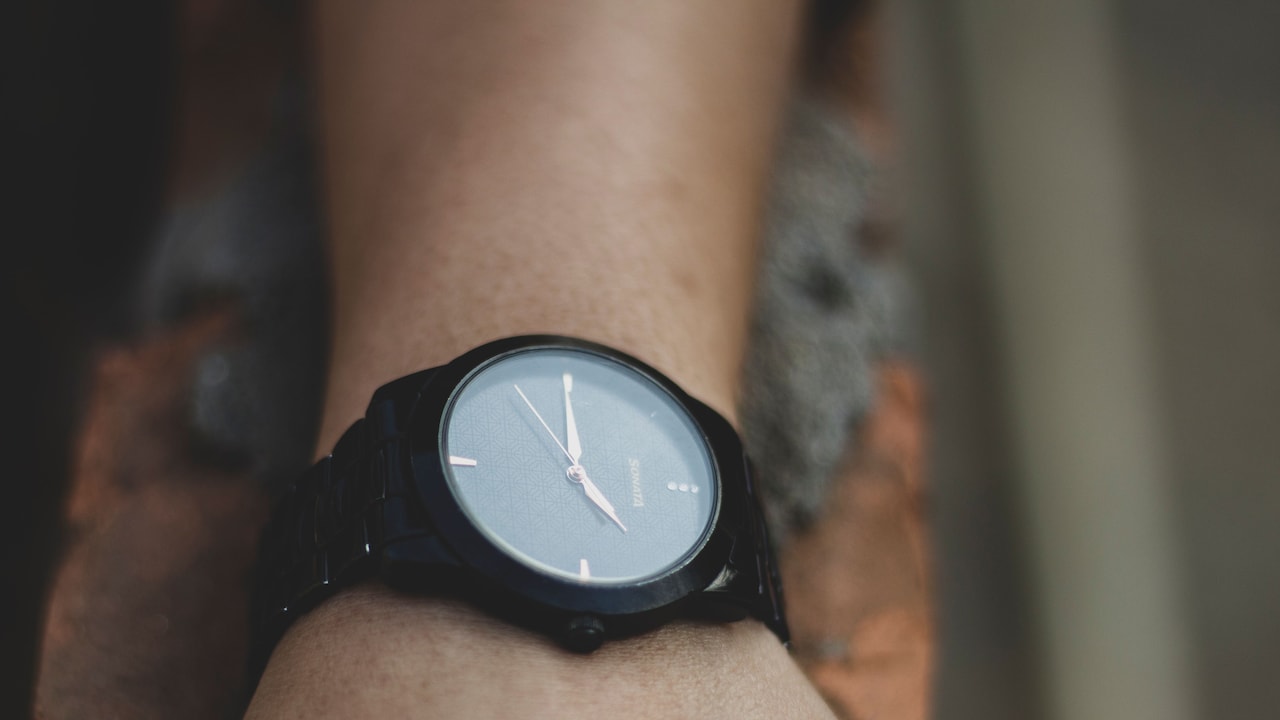
Watch Buying Guide: 10 Things To Check For The Perfect Wrist Fit
A watch can look stunning in a display case and surprisingly awkward the moment it reaches your wrist. Perhaps the dial seems too large, the strap refuses to sit comfortably, or the case keeps catching on shirt cuffs. These small annoyances often turn an exciting purchase into something that spends more time inside a drawer than on your wrist.
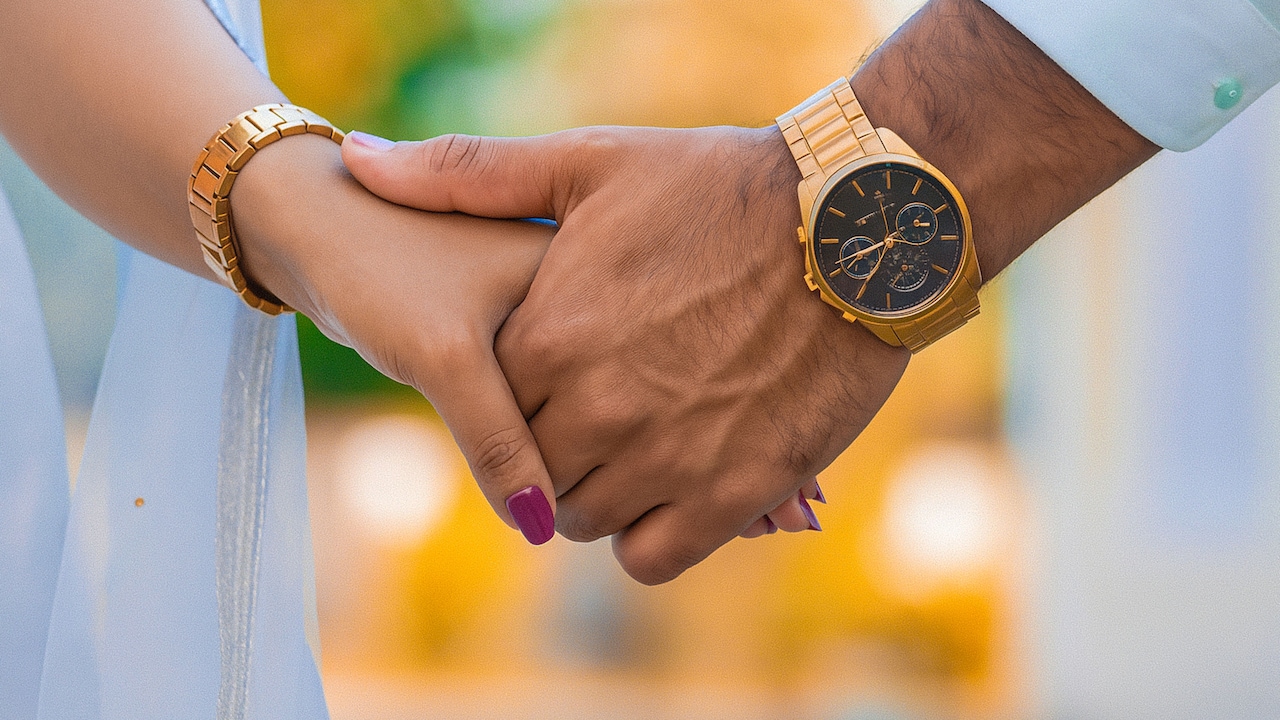
Watch Buying Guide: 10 Things To Check For The Perfect Wrist Fit
Photo Credit: Pexels
Choosing a watch isn't simply about following trends or buying the most expensive design within your budget. The proportions matter. So do the weight, strap material, case shape and how the watch moves with your hand. A chunky sports watch might suit someone with a smaller wrist, while a slim dress watch could look equally attractive on a broader one. Personal preference counts, but a few practical checks can make that decision easier.
Whether you're buying your first everyday watch, choosing something for office wear or upgrading to a more refined design, understanding how different features affect comfort makes a difference. These ten checks will help you find a watch that complements your wrist without compromising on style or wearability.
10 Essential Checks To Find The Right Watch For Your Wrist
1. Measure Your Wrist Before Choosing The Case Size
Watch shopping often begins with dial colours and attractive designs, but wrist measurements deserve attention first. Knowing your wrist circumference gives you a useful starting point for comparing different case sizes. It also helps you avoid choosing something that looks disproportionately large or unexpectedly small.
Take a flexible measuring tape and wrap it around your wrist, just above the wrist bone. Keep it snug without pulling too tightly. If you don't have a measuring tape, use a piece of string and measure its length against a ruler.
Wrist measurements don't automatically determine the perfect watch size, but they help narrow your options. Someone with a 15 cm wrist might prefer a case between 34 mm and 38 mm. A person with an 18 cm wrist could find 40 mm to 42 mm comfortable. These are only starting points, not strict rules.
Also, remember that two people with identical wrist circumferences can have different wrist shapes. One wrist might appear flatter, while another looks rounder.
So, don't let a size chart make the final decision. Use the measurement to shortlist watches, then consider their actual proportions and how comfortably they sit.
2. Check The Case Diameter Without Following Trends Blindly
A large watch can make a bold fashion statement, but bigger doesn't always mean better. Case diameter influences how prominent a watch appears and whether it complements your wrist or overwhelms it.
Most brands mention case diameter in millimetres. This measurement generally covers the watch case across its width, excluding the crown. However, the number alone doesn't tell the complete story.
For instance, a 40 mm watch with a narrow bezel may appear larger than another 40 mm model with a thick bezel. That's because the visible dial occupies more space. Similarly, an oversized crown or prominent case guards can make a watch look bulkier.
If you prefer understated accessories, a smaller case may blend effortlessly with formal clothing. Larger designs often complement casual outfits, especially when paired with denim, relaxed shirts or sporty clothing.
There's no universal rule that women should wear smaller watches or men should choose larger ones. Style preferences and wrist proportions matter far more.
When comparing options, place the watch on your wrist and examine it from a normal viewing distance. A well-proportioned case should look intentional rather than competing with your entire outfit for attention.
3. Examine The Lug-To-Lug Length For A Balanced Fit
Case diameter receives plenty of attention, while lug-to-lug length often gets overlooked. Yet this measurement can determine whether a watch sits comfortably or appears to stretch beyond your wrist.
Lugs are the small extensions that connect the watch case to its strap. Lug-to-lug length measures the distance between the outermost ends of the upper and lower lugs.
Imagine trying on two watches with identical 40 mm cases. One has a lug-to-lug length of 46 mm, while the other measures 50 mm. The first may sit neatly on your wrist, while the second could feel oversized despite having the same diameter.
Ideally, the lugs should remain within the edges of your wrist rather than hanging beyond them. Overhanging lugs can make the watch look awkward and sometimes affect comfort.
Wrist shape also matters here. Flatter wrists may accommodate longer cases more easily than rounded wrists of similar circumference.
Before purchasing online, check whether the manufacturer provides lug-to-lug measurements. Product photographs rarely communicate these proportions accurately.
It's a small technical detail, but understanding it can prevent one of the most common mistakes in choosing a watch.
Also Read: Luxury On A Budget: Top 10 Branded Watches You Must Check Out
4. Consider Case Thickness For Comfort Throughout The Day
A watch might have the perfect diameter and still feel uncomfortable because of its thickness. Case thickness affects how the watch sits above your wrist and how easily it slides beneath clothing.
Slim watches generally work well with formal shirts, office outfits and traditional clothing with fitted sleeves. Their lower profile can also make them more comfortable during desk work.
Thicker watches often accommodate additional features, larger movements or more robust construction. Sports watches and chronographs may naturally have deeper cases, although thickness doesn't always indicate greater durability.
Consider how you'll use the watch. If you spend several hours typing, a thick case may feel noticeable when your wrist rests against the desk. Likewise, a bulky watch can catch against a tightly fitted sleeve.
For everyday wear, some people find watches around 8 mm to 12 mm thick comfortable. However, the ideal measurement varies with the case design, wrist shape and personal preference.
Look at how the watch sits from the side rather than judging it only from above.
A watch shouldn't need constant adjustment every time you move your hand or change your sitting position.
5. Choose A Strap Width That Complements The Watch Case
Strap width might seem like a minor design detail, but it influences how balanced a watch appears. A strap that's too narrow can make a larger case look top-heavy, while an unusually wide strap may overpower a smaller dial.
Watch straps generally attach between the lugs, and manufacturers specify this width in millimetres. Common measurements include 18 mm, 20 mm and 22 mm, although plenty of other sizes exist.
Consider a watch with a 40 mm case and a 20 mm strap. This pairing often creates a balanced appearance, but the final result also depends on the case shape and strap design.
Some straps taper towards the buckle, giving the watch a refined appearance. Others maintain a consistent width, which may suit rugged or sporty designs.
If you enjoy changing accessories, check whether the watch accepts standard replacement straps. Proprietary attachments can limit your choices later.
The strap should also follow your wrist naturally without creating awkward gaps near the case.
Think of strap width as the frame around a painting. It shouldn't draw all the attention, but the right proportions make everything look more complete.
6. Select Strap Materials According To Your Daily Routine
A beautiful strap won't remain appealing if it feels uncomfortable halfway through the day. Material plays a major role in breathability, flexibility, maintenance and overall wearing comfort.
Leather straps offer a classic appearance and often complement office clothing or formal occasions. They can soften with regular use, although sweat and moisture may affect their condition over time.
Metal bracelets provide a more structured look and generally work with both casual and formal outfits. Stainless steel remains popular because it offers durability and versatility. However, some bracelets feel heavier than expected, especially during long working hours.
Silicone and rubber straps suit active routines because they handle moisture well and usually clean easily. They can be practical choices for workouts, travelling or particularly humid days.
Fabric and nylon straps offer another option for those who prefer lightweight accessories. Some designs also allow greater flexibility when adjusting the fit.
Consider your daily routine before choosing. A leather strap might look elegant during a celebration but feel less practical during a sweaty afternoon commute.
Your watch should work with your lifestyle, not demand that you rearrange your day around its delicate strap.
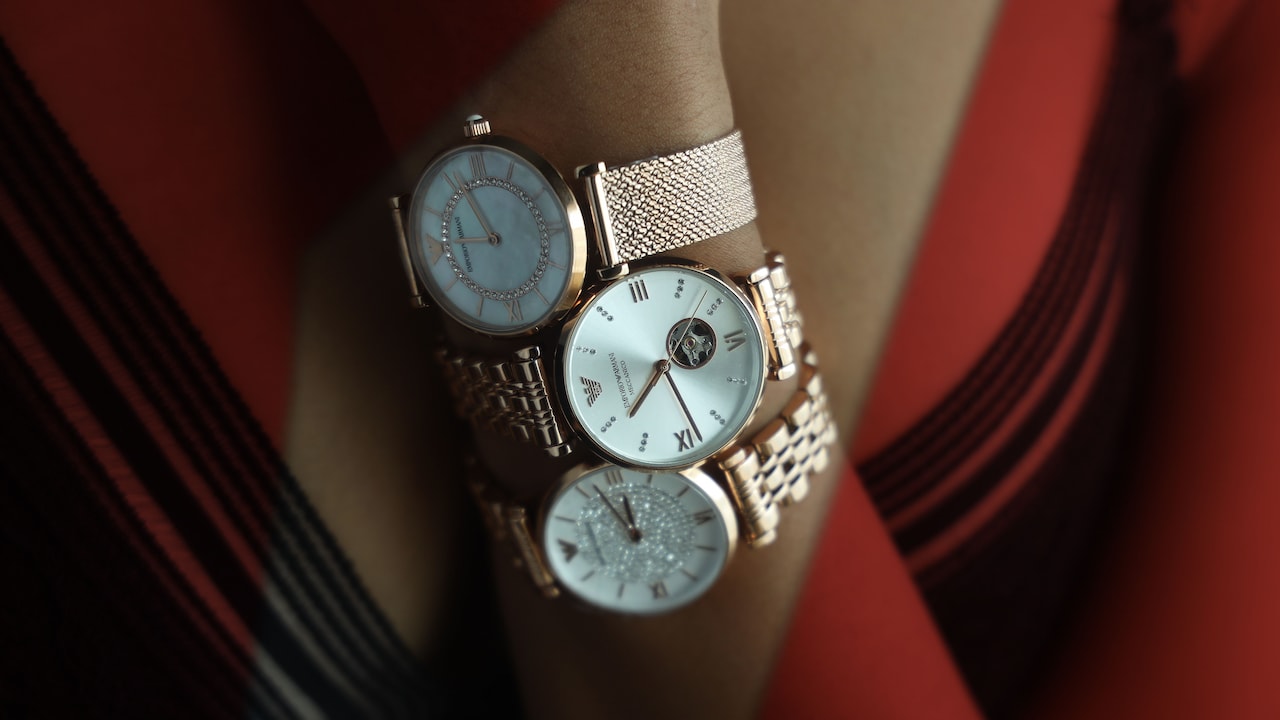
Watch Buying Guide: 10 Things To Check For The Perfect Wrist Fit
Photo Credit: Pexels
7. Pay Attention To The Watch's Overall Weight
Watch weight can influence comfort more than its appearance suggests. A design that feels pleasantly substantial during a quick trial may become tiring after several hours.
Weight depends on the case material, movement, bracelet and overall construction. Stainless steel watches generally feel heavier than comparable models made from titanium, resin or lightweight composites.
That doesn't mean a heavier watch is automatically uncomfortable. Some people enjoy the reassuring feel of a substantial metal timepiece. Others prefer something they barely notice while working, walking or travelling.
The balance of that weight matters too. A heavy case attached to an extremely light strap may feel top-heavy and shift around your wrist.
When trying on a watch, move your hand naturally. Bend your wrist, rotate your arm and imitate everyday activities such as typing or reaching for something.
Notice whether the watch stays comfortably positioned or repeatedly slides towards your hand.
Online shoppers should check the listed weight whenever available, especially for watches with full metal bracelets.
Ultimately, the right weight is the one that doesn't distract you throughout the day. A watch should add to your routine rather than become another thing you keep adjusting.
8. Check The Strap Length And Clasp Adjustment Options
Even a perfectly proportioned watch can become frustrating when its strap doesn't fit properly. Strap length and adjustment options deserve as much attention as dial design or case material.
A leather strap with several holes offers straightforward adjustments, but the spacing between those holes might prevent an ideal fit. You may find one setting too tight and the next slightly loose.
Metal bracelets often allow jewellers to remove links for a closer fit. Some also include micro-adjustment mechanisms that help fine-tune the bracelet without removing additional links.
This becomes particularly useful during warmer weather, when wrists can swell slightly throughout the day.
For smaller wrists, check whether the strap has enough adjustment range without leaving an excessively long loose end. For broader wrists, confirm that the manufacturer offers suitable strap lengths or additional bracelet links.
The clasp also matters. It should close securely without pressing uncomfortably against your skin.
Try slipping a fingertip beneath the strap. This can provide a rough comfort check, although the ideal tightness varies by design.
Most importantly, the watch should remain secure without leaving deep pressure marks. Comfort should never require choosing between a sliding watch and an overly tight strap.
9. Assess The Case Shape And Crown Placement
Round watches dominate many collections, but case shape can dramatically change how a design appears on your wrist. Square, rectangular, tonneau and cushion-shaped cases create different visual proportions, even when their advertised dimensions seem similar.
A rectangular watch may look elegant on a narrow wrist because its elongated shape creates a distinct silhouette. However, an excessively long case could extend beyond the wrist's natural boundaries.
Square watches often have more visual presence than round models with similar width measurements. Their corners occupy additional space, making them appear larger.
Rounded cases usually offer a familiar, versatile appearance, but their comfort still depends on the lugs, thickness and overall construction.
Don't overlook crown placement either. The crown is the small control used to adjust the time or other functions.
On some watches, a prominent crown at the three o'clock position may press against the back of your hand when you bend your wrist. Certain designs position it differently to reduce interference.
Try moving your wrist while wearing the watch rather than keeping your arm completely still.
The most attractive case shape is one that complements your wrist and doesn't interfere with natural movement.
10. Test The Watch With Your Everyday Clothes And Activities
A watch can pass every measurement test and still feel wrong once it becomes part of your daily routine. That's why the final check should focus on real-world wear rather than specifications alone.
Imagine wearing the watch during an ordinary working day. Does it sit comfortably while typing? Can you check the time without twisting your wrist awkwardly? Does the strap feel pleasant during a long commute?
Clothing makes a difference too. A slim watch may slide effortlessly beneath a formal shirt cuff, while a chunky sports model might suit relaxed weekend outfits.
If you frequently wear kurtas, shirts or layered clothing, consider how the case interacts with different sleeve styles. Sharp case edges or bulky crowns can occasionally catch on fabric.
Readability also matters. A beautifully designed dial loses some practical appeal if you struggle to distinguish the hands from the background.
Before purchasing, try the watch in front of a mirror and observe it from different angles. Spend more than a few seconds wearing it if possible.
For online purchases, review the dimensions carefully and check the seller's return policy.
A successful choice should feel comfortable, look balanced and suit your everyday habits without demanding constant attention.

Watch Buying Guide: 10 Things To Check For The Perfect Wrist Fit
Photo Credit: Pexels
Products Related To This Article
1. Mast & Harbour Unisex Peach-Coloured Analogue Watch
2. Carlton London Women Chelsea Analog Watch CLSSCLGRN
3. Titan Karishma Quartz Analog With Champagne Dial Watch For Women
4. Anouk Women Dial & Stainless Steel Bracelet Style Straps Analogue Watch
5. Sonata Poze 7 Analog Lt. Gold Dial Watch For Women
6. Fastrack Women Vyb Prodigy Dial & Bracelet Style Straps Analogue Watch
7. Sonata Women Poze Embellished Dial Analogue Quartz Watch
Choosing the right watch involves more than finding a fashionable dial or recognising a popular brand. Case diameter, lug-to-lug length, thickness, strap material and weight all influence how comfortably a watch sits on your wrist. Small details, including clasp adjustments and crown placement, can also make a noticeable difference.
Measurements provide a useful starting point, but they shouldn't replace personal comfort. A watch that looks balanced, stays secure and works with your daily routine will often prove more satisfying than one chosen purely for its appearance. After all, the best watch isn't necessarily the biggest, lightest or most expensive. It's the one that feels so natural on your wrist that checking the time becomes the only reason you notice it.
(Disclaimer: This article may include references to or features of products and services made available through affiliate marketing campaigns. NDTV Convergence Limited (“NDTV”) strives to maintain editorial independence while participating in such campaigns. NDTV does not assume responsibility for the performance or claims of any featured products or services.)