Cotton Vs Rayon Kurtas: Which Fabric Keeps You Cool In Humid Weather?
Beat the humidity in style. Discover how cotton and rayon kurtas differ in breathability, comfort, and care, so every summer outfit feels light, fresh and effortlessly wearable.
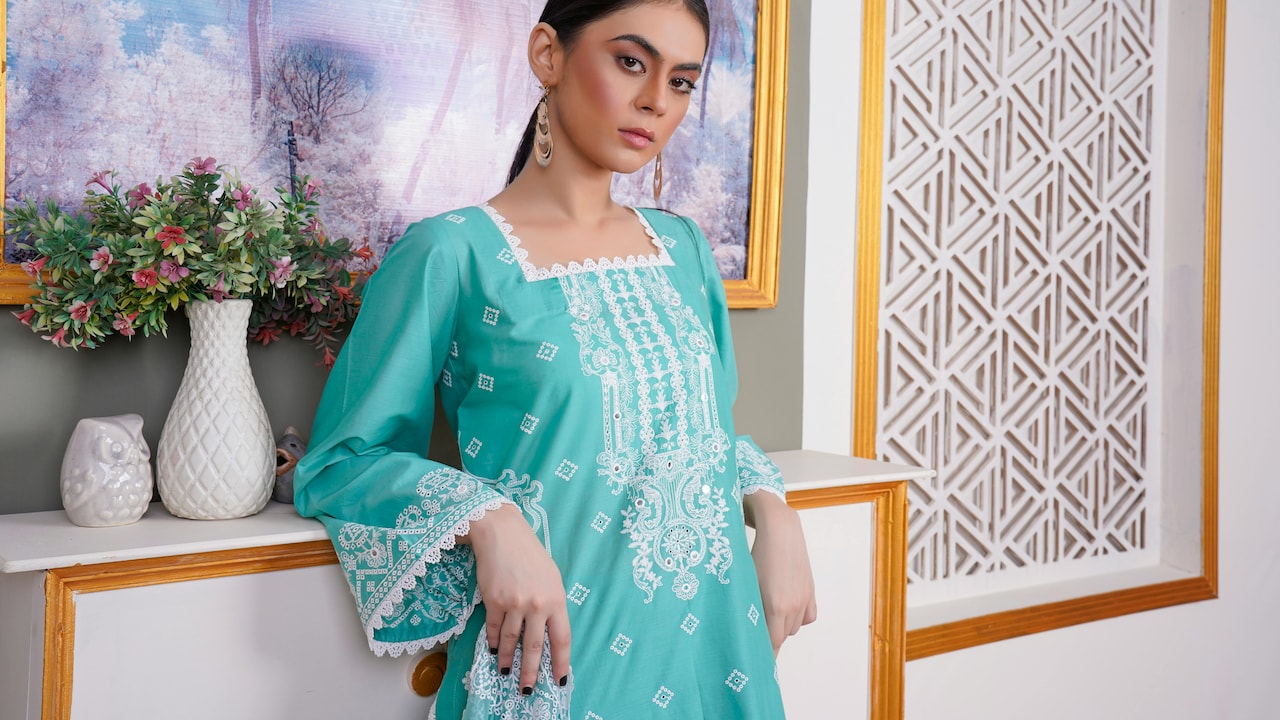
Stay Fresh In Humid Weather: A Guide To Choosing Cotton Versus Rayon For Summer Kurtas.
Summer arrives with bright skies, mango cravings, and a not-so-welcome companion, humidity. The kind that makes freshly styled hair surrender within minutes and turns even the lightest outfit into a burden. During such days, kurtas remain a trusted staple. They offer elegance without fuss, and versatility without trying too hard. Yet, the real magic lies not in the design, but in the fabric.
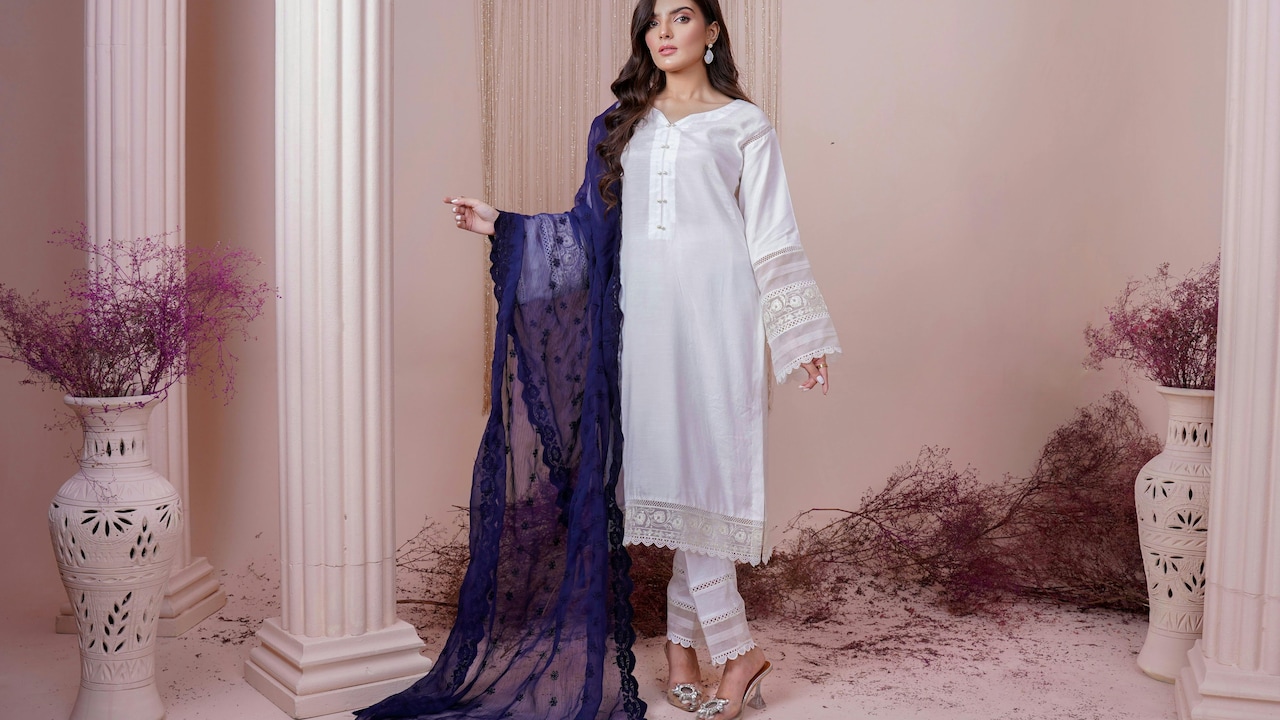
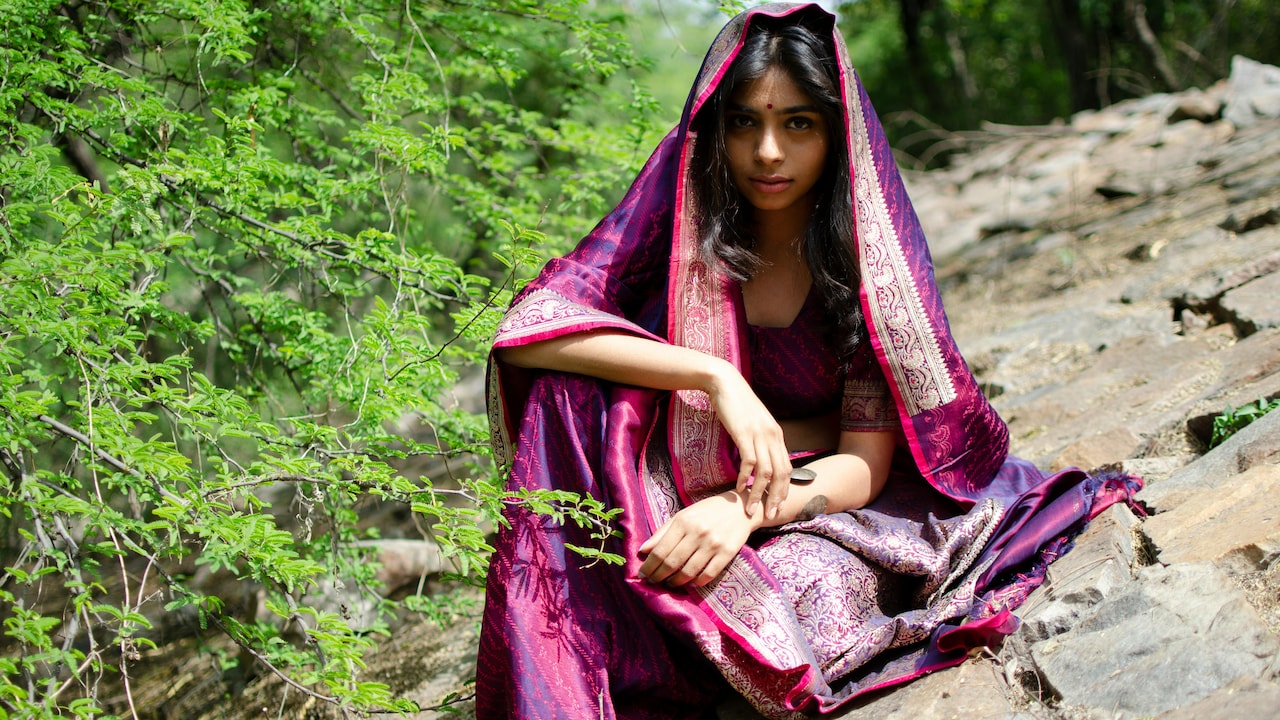
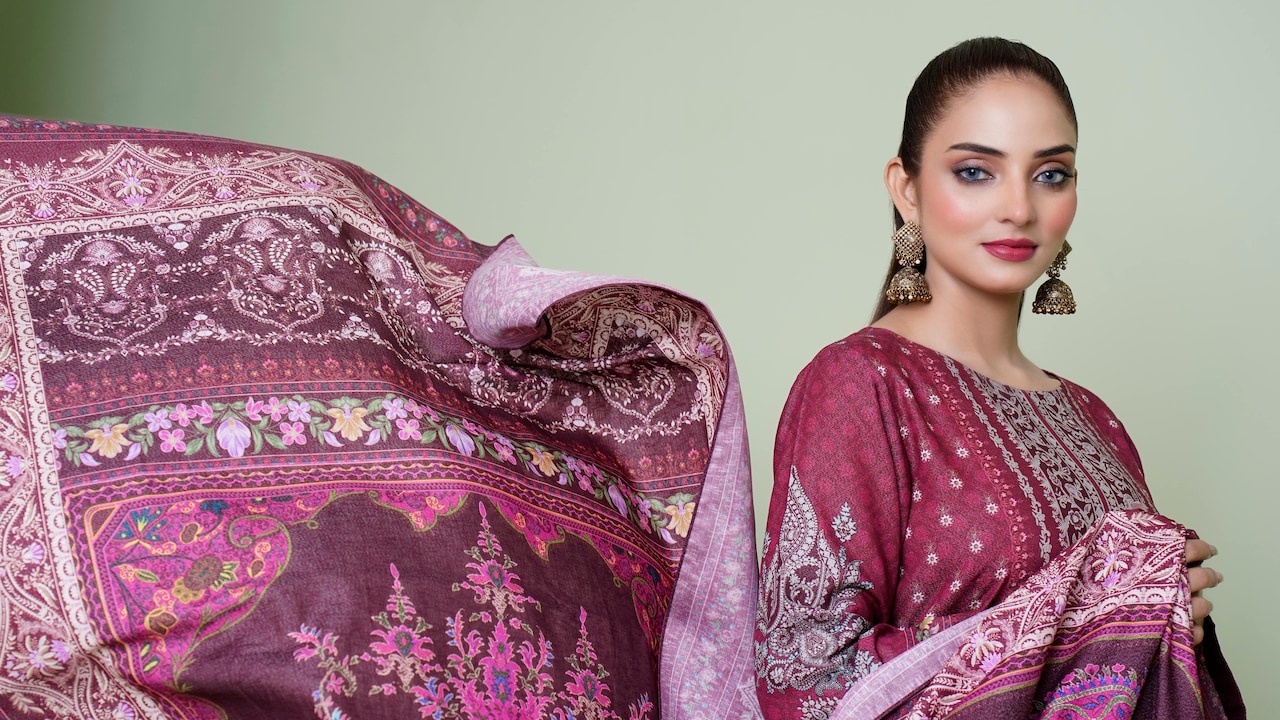
10 tips to help you choose between cotton and rayon kurtas; Photo Credit: Pexels
Cotton and rayon often sit side by side in wardrobes and shop racks, both promising comfort and style. But they behave very differently once the heat and moisture rise. Choosing between them can feel confusing, especially when both appear equally soft and breathable at first glance. The truth unfolds only after stepping into the midday sun or navigating a crowded local train.
This guide explores the subtle and not-so-subtle differences between cotton and rayon, with a focus on how they perform in humid weather. From breathability to maintenance, and from cost to long-term wear, every aspect gets its moment. The aim is simple: to help every wardrobe feel lighter, fresher, and more suited to the season.
Also Read: Best Budget Kurtas Under ₹400 That Look Decent And Feel Comfortable
Discover 7 Denim Skirts Perfect For Styling Both Casual And Polished Outfits
Understanding Breathability In Cotton And Rayon
Breathability often becomes the deciding factor during humid months. Cotton stands tall in this department. Natural fibres allow air to circulate freely, letting skin breathe even when temperatures soar. A cotton kurta feels like a quiet breeze on a crowded day, offering relief without demanding attention.
Rayon, on the other hand, presents a slightly different experience. Though derived from natural sources, it undergoes processing that alters its structure. It feels smooth and light, almost silk-like, but does not always allow the same level of airflow. In mildly warm weather, rayon works beautifully. However, when humidity spikes, it may cling slightly, reducing comfort.
Imagine stepping out for a quick errand in the afternoon heat. A cotton kurta absorbs moisture and dries relatively fast, while rayon might hold onto dampness longer. This small difference can shape the entire day's comfort. Breathability, therefore, tilts the scale strongly in favour of cotton during peak summer.
How Each Fabric Handles Sweat And Moisture
Humidity brings sweat into the spotlight, whether welcomed or not. Cotton embraces this reality with quiet efficiency. It absorbs moisture well and prevents that sticky feeling against the skin. While visible patches may appear, the overall comfort remains intact.
Rayon reacts differently. It absorbs moisture too, but tends to retain it longer. This can make the fabric feel heavier as the day progresses. The smooth texture, initially refreshing, may begin to cling in uncomfortable ways.
Picture a long commute or a bustling market visit. Cotton continues to feel manageable, even forgiving. Rayon, however, may demand a quicker change once the day ends. This does not make it unsuitable, but it does highlight the importance of timing and occasion.
For days packed with movement and exposure to heat, cotton offers reliability. Rayon suits shorter outings or evenings when humidity begins to ease slightly.
Comfort Levels During Long Summer Days
Comfort extends beyond physical sensation; it shapes mood and confidence. Cotton kurtas often feel like an old friend, familiar, dependable, and easygoing. They adapt well to long hours, whether at work, home, or social gatherings.
Rayon, in contrast, leans towards elegance. It drapes beautifully and feels soft against the skin, offering a polished appearance. Yet, prolonged wear in humid conditions may reduce its comfort quotient slightly.
Consider a day that starts with errands, continues through work, and ends with dinner plans. Cotton supports this journey seamlessly. Rayon might shine during the evening segment, where style takes centre stage and humidity softens its grip.
Choosing between the two often depends on how the day unfolds. For endurance, cotton leads. For moments that call for refined style, rayon steps forward confidently.
Maintenance And Care In Humid Conditions
Summer wardrobes demand easy maintenance. Cotton proves its worth here as well. It handles frequent washing without much fuss, and sunlight helps it dry quickly. Even after multiple washes, it retains its strength and comfort.
Rayon requires a gentler touch. It may shrink or lose shape if not handled carefully. Hand washing or delicate cycles become essential, adding a layer of effort to its upkeep.
In humid weather, clothes often need more frequent cleaning. Cotton adapts to this routine effortlessly. Rayon asks for patience and attention, which may not always align with busy schedules.
Imagine laundry piling up after a week of humid days. Cotton pieces slip through the process with ease, while rayon demands a slower, more mindful approach. Maintenance, therefore, becomes a key factor in daily practicality.
Style And Appearance: Casual Versus Polished Looks
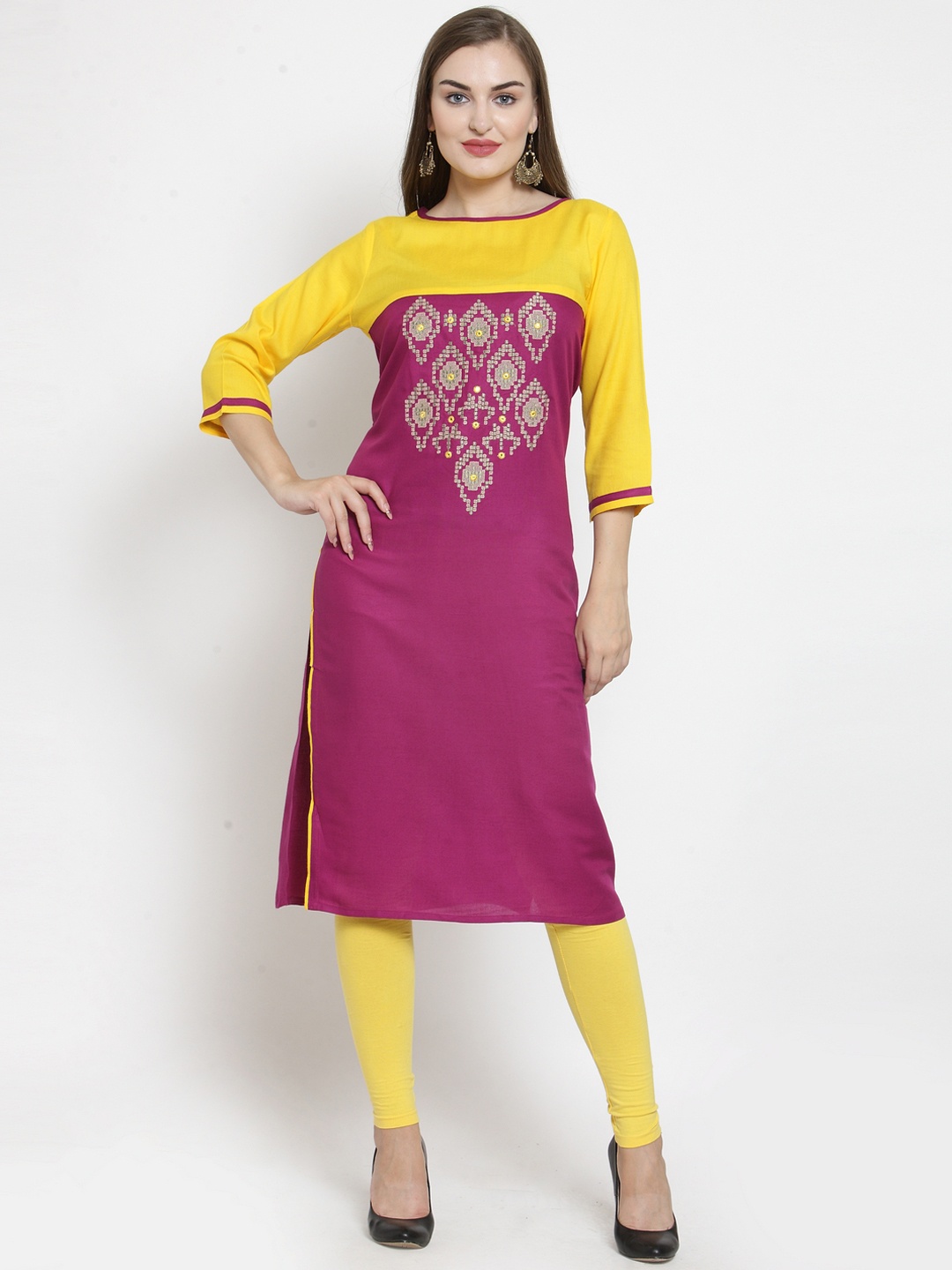
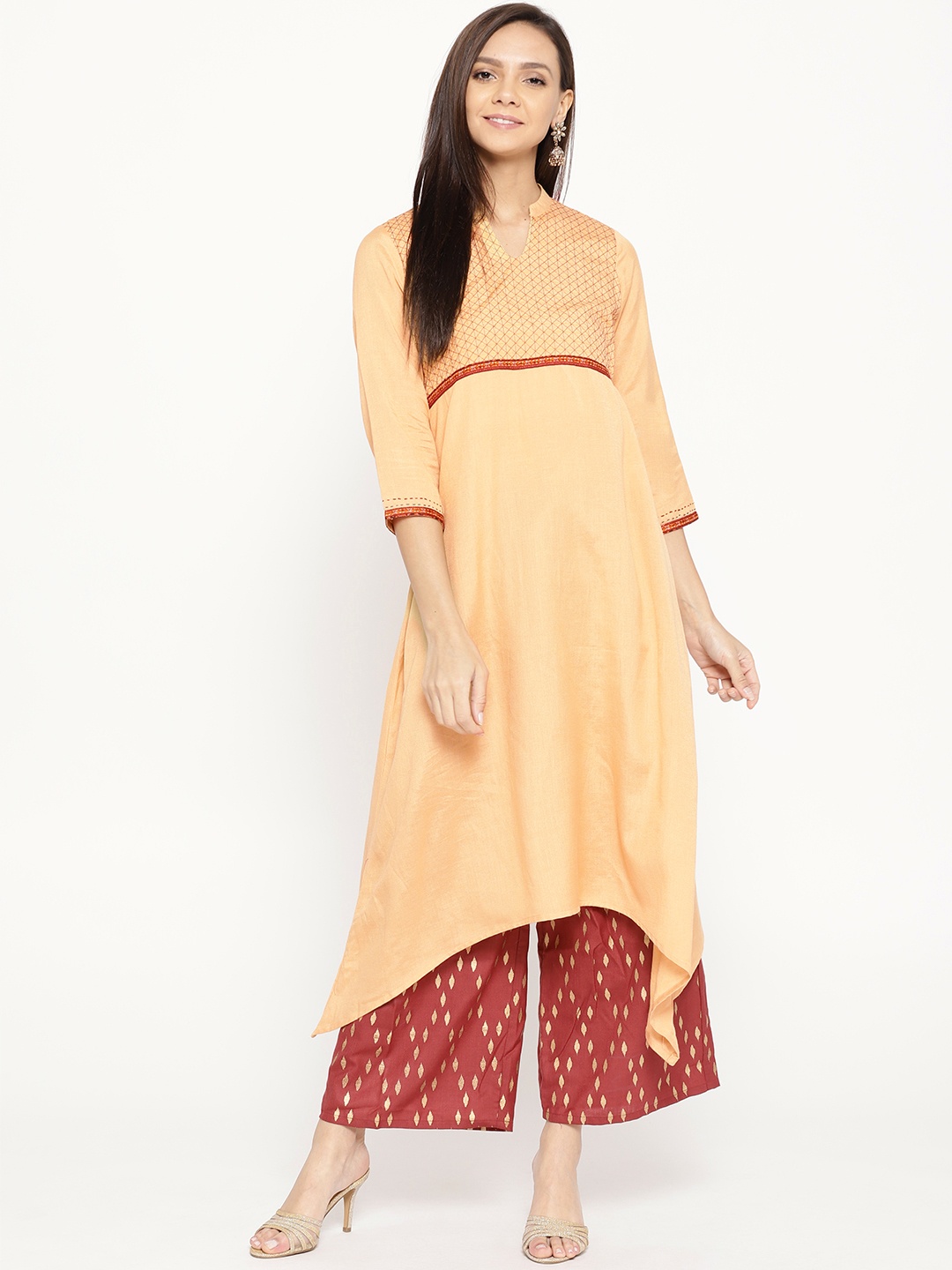
Fashion does not take a back seat during summer. Cotton kurtas bring a relaxed charm that suits everyday wear. They pair effortlessly with leggings, palazzos, or even denim, creating looks that feel natural and unforced.
Rayon introduces a touch of sophistication. Its smooth finish and fluid drape elevate even simple designs. A rayon kurta can transition from day to evening with minimal effort, making it a favourite for semi-formal occasions.
Think of a casual brunch versus a festive gathering. Cotton fits the former perfectly, offering comfort with understated style. Rayon shines in the latter, adding elegance without excessive embellishment.
Both fabrics hold their place in a well-rounded wardrobe. The choice depends on the mood and the moment, rather than a strict preference.
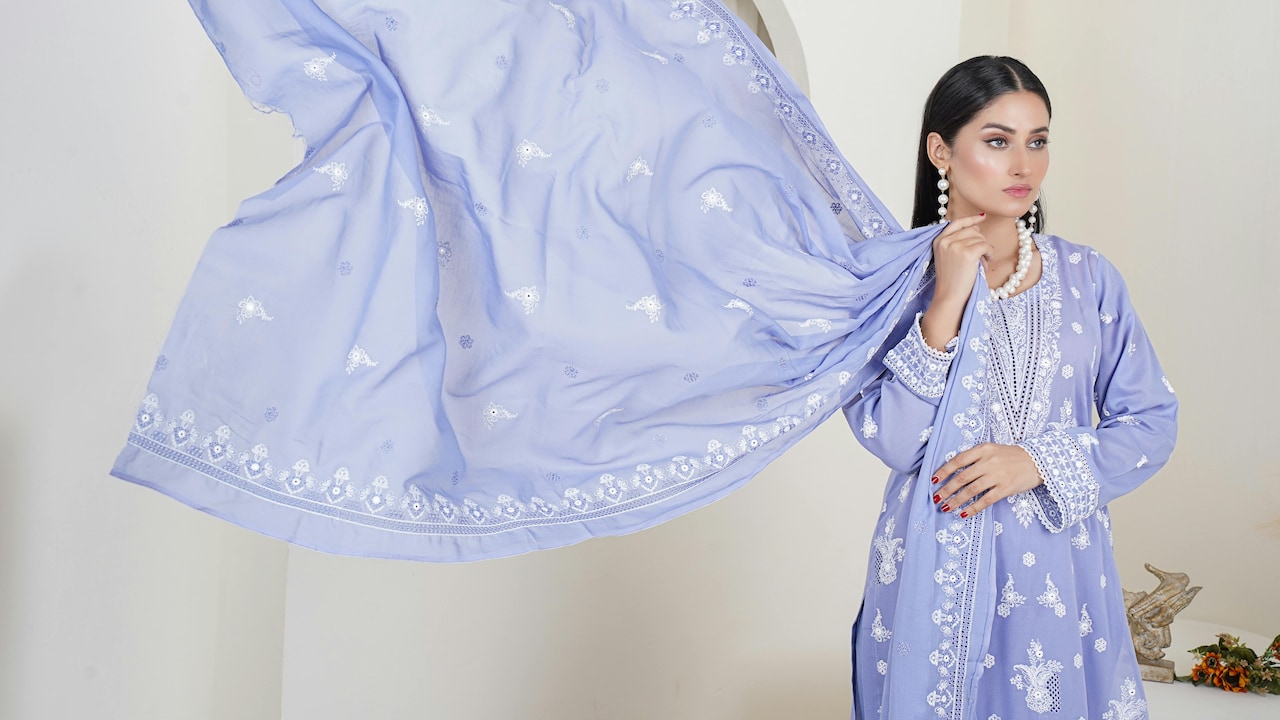
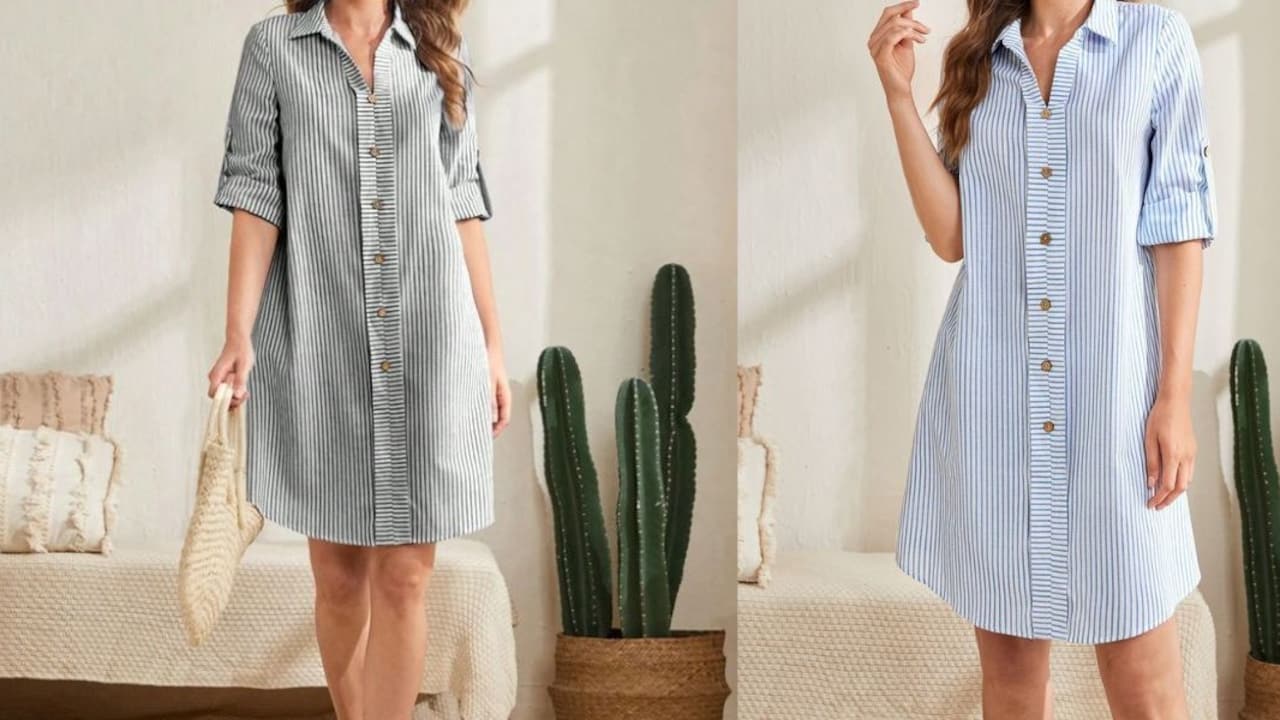
Cotton kurtas bring a relaxed charm whereas rayon looks sophisticated; Photo Credit: Pexels
Affordability And Long-Term Value
Budget considerations often guide clothing choices. Cotton kurtas come in a wide price range, making them accessible for everyday wear. They offer durability, ensuring value over time.
Rayon pieces may sit slightly higher on the price scale, especially those with intricate designs. While they deliver on aesthetics, their longevity depends heavily on care.
A cotton kurta worn regularly and washed often still holds its shape and comfort. Rayon, though beautiful, may require occasional replacement if not maintained carefully.
Spending ₹800 to ₹1,500 on cotton kurtas often feels like a practical investment. Rayon pieces priced around ₹1,200 to ₹2,500 may serve better as occasional wear. Balancing budget with usage helps in making thoughtful choices.
Environmental Impact And Sustainability
Conscious choices matter more than ever. Cotton, being a natural fibre, appears eco-friendly at first glance. However, its cultivation often requires significant water and resources.
Rayon, derived from plant-based sources, involves chemical processing. This raises questions about its environmental footprint, especially when production lacks sustainable practices.
Choosing organic cotton or responsibly produced rayon can make a difference. Awareness becomes the first step towards better decisions.
Wardrobes that prioritise longevity and mindful consumption naturally reduce environmental impact. Selecting fewer, better-quality pieces often proves more sustainable than frequent replacements.
Skin Sensitivity And Comfort Factors
Sensitive skin reacts quickly to fabric choices. Cotton's natural composition makes it gentle and hypoallergenic. It rarely causes irritation, even during prolonged wear.
Rayon, though soft, may not always offer the same level of comfort for highly sensitive skin. The processing involved can sometimes affect its compatibility.
During humid weather, skin tends to become more reactive. Cotton provides reassurance, reducing the chances of discomfort. Rayon remains suitable for many, but may require testing for those with specific sensitivities.
Comfort, in this context, goes beyond preference. It becomes essential for overall well-being during long, humid days.
Versatility Across Occasions
A versatile wardrobe simplifies daily decisions. Cotton kurtas adapt effortlessly to various settings. From morning errands to relaxed evenings, they fit seamlessly into different routines.
Rayon adds versatility of a different kind. It bridges the gap between casual and formal, offering a polished look without heavy styling.
A single cotton kurta can serve multiple purposes with minor styling tweaks. A rayon piece, while versatile, often leans towards occasions that demand a slightly elevated appearance.
Balancing both fabrics allows wardrobes to cover a wider range of needs. Each brings its own strength to the table.
Choosing The Right Fabric For Personal Lifestyle
Ultimately, fabric choice reflects lifestyle. Those who spend long hours outdoors or navigate crowded spaces may find cotton more suitable. It supports movement, absorbs moisture, and remains comfortable throughout the day.
For individuals who prioritise style and attend social gatherings frequently, rayon offers an appealing option. It enhances appearance and creates a refined silhouette.
Daily routines, travel patterns, and personal comfort preferences all influence this decision. There is no universal answer, only choices that align with individual needs.
A wardrobe that blends both cotton and rayon often delivers the best of both worlds, comfort for the day and elegance for the evening.
Products Related To This Article
1. Rimeline Floral Printed Notch-Neck Straight Kurta
2. KALINI Floral Embroidered Notch Neck Chikankari Straight Kurta
3. Indo Era Floral Embroidered Kurta
4. RANGMANCH BY PANTALOONS Women Printed Kurta
5. Anouk Floral Printed Round Neck Cotton Straight Kurta
6. HERE&NOW Women Floral Embroidered Chikankari Kurta
7. SEVEN FLOWER Women Paisley Printed Gotta Patti Indigo Kurta
Humidity tests patience, style, and comfort all at once. Choosing the right fabric for summer kurtas becomes a quiet yet powerful decision. Cotton emerges as the dependable companion, offering breathability, ease, and resilience. Rayon brings grace and sophistication, shining in moments that call for a polished look.
Rather than choosing one over the other, understanding their strengths allows for smarter decisions. A well-balanced wardrobe embraces both, adapting to different moods, occasions, and weather patterns.
When the air feels heavy and the day stretches long, the right fabric can transform the experience. Comfort becomes effortless, style feels natural, and confidence follows without effort. And sometimes, that makes all the difference.
(Disclaimer: This article may include references to or features of products and services made available through affiliate marketing campaigns. NDTV Convergence Limited (“NDTV”) strives to maintain editorial independence while participating in such campaigns. NDTV does not assume responsibility for the performance or claims of any featured products or services.)