The Truth About Ready-To-Wear Sarees: Convenience Or Styling Shortcut?
Ready-to-wear sarees promise effortless elegance in minutes. But do they simplify style or skip tradition? A closer look at convenience, culture, and modern dressing choices.
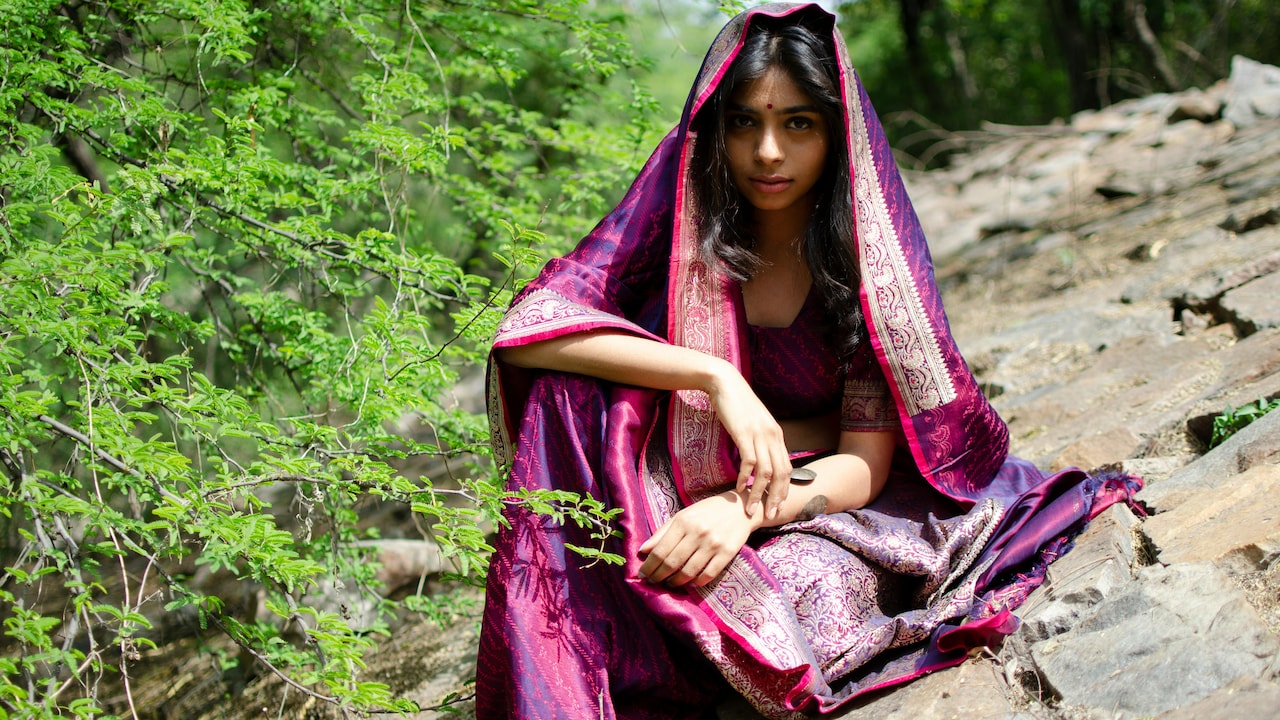
Ready-To-Wear Sarees Explained: Find Out If They Are Worth The Hype Or Just A Shortcut?
Few garments carry the emotional weight of a saree. It's not just clothing; it's memory stitched into fabric. From hurried morning pleats before college to elaborate drapes for weddings, the saree has always demanded patience, a bit of practice, and sometimes, a helping hand.
Enter the ready-to-wear saree. Pre-pleated, pre-stitched, and often paired with elastic waists or zippers, it promises to eliminate the most intimidating part of wearing a saree: draping it. For many, this feels like liberation. For others, it feels like skipping a ritual.
The debate, then, isn't just about convenience. It's about what gets lost, or perhaps gained, when a centuries-old garment adapts to modern speed. Is this evolution or erosion? Let's take a closer look.
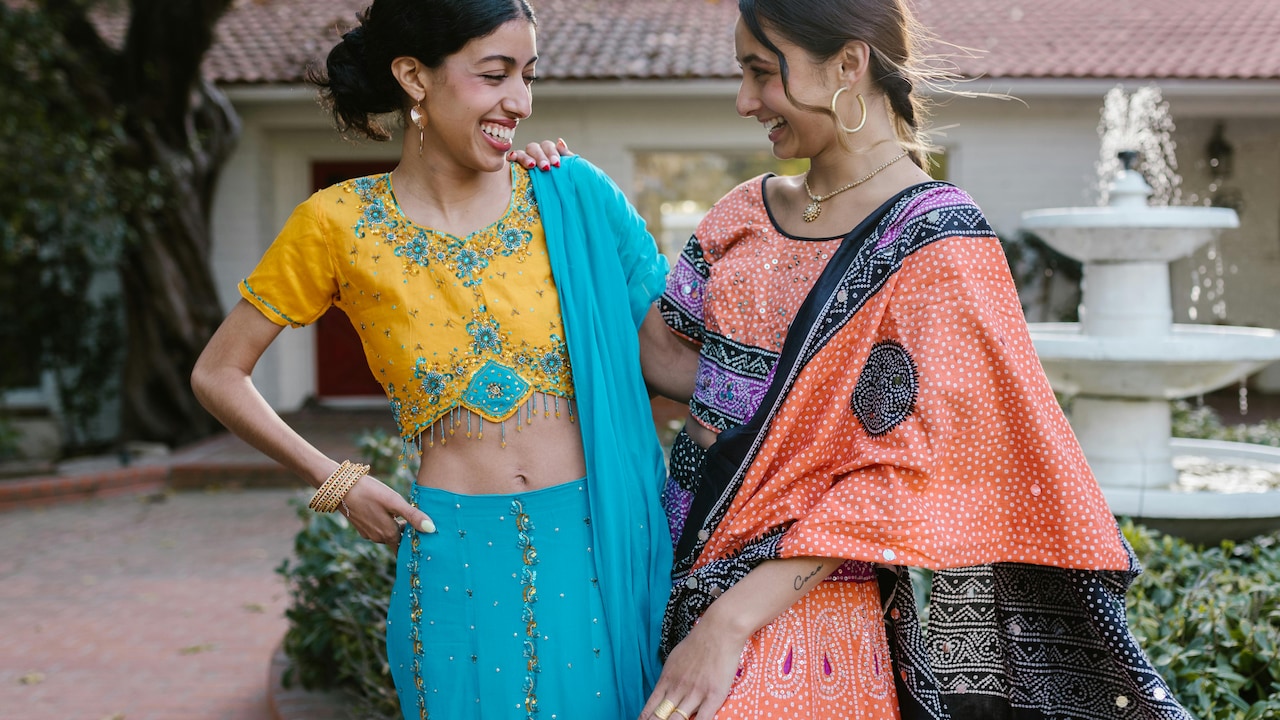
The Truth About Ready-To-Wear Sarees: Convenience Or Styling Shortcut?
Photo Credit: Pexels
Understanding The Appeal And Debate Around Pre-Stitched Sarees
The Rise Of The Ready-To-Wear Saree
Over the past decade, ready-to-wear sarees have moved from niche boutiques to mainstream fashion racks. Influencers showcase them at cocktail parties, professionals wear them to office events, and bridesmaids slip into them for quick outfit changes between ceremonies.
This rise has a lot to do with changing lifestyles. With longer work hours and shrinking patience for complicated dressing routines, garments that save time naturally gain favour. A pre-stitched saree can be worn in under five minutes, no safety pins, no mirror gymnastics.
Designers have also played their part. They've introduced contemporary fabrics, structured silhouettes, and experimental drapes that appeal to younger buyers. The saree, once seen as intimidating by many first-timers, suddenly feels approachable.
What's interesting is how this shift reflects broader fashion habits. People increasingly value efficiency, but they still crave tradition. Ready-to-wear sarees sit right at that intersection, offering a sense of cultural continuity without demanding the usual effort.
Time-Saving Or Skill-Skipping?
There's no denying the time saved. Traditional draping can take anywhere between ten to twenty minutes, especially for those still mastering pleats. Add to that the constant worry of the pallu slipping or pleats losing shape, and the appeal of a ready-made version becomes obvious.
However, the ease comes with a subtle trade-off. Draping a saree is often described as an art passed down through generations. Mothers teaching daughters, friends helping each other before events, and tailors adjusting fall and fit, all of these moments contribute to a shared cultural experience.
When the draping process disappears, so do these small rituals. The question then becomes: is convenience quietly replacing connection?
Still, not everyone sees it as a loss. For many working professionals or students juggling multiple responsibilities, saving time isn't a luxury; it's a necessity. In that context, a ready-to-wear saree doesn't feel like a shortcut. It feels like practical adaptation.
Accessibility For First-Time Wearers
For someone wearing a saree for the first time, the experience can feel overwhelming. There's the fear of tripping over loose pleats, the confusion about tucking correctly, and the anxiety of getting it “right”.
Ready-to-wear sarees remove this barrier almost entirely. With stitched pleats and fixed drapes, they offer a confidence boost that traditional sarees sometimes fail to provide. A beginner can step out looking polished without worrying about wardrobe malfunctions.
This accessibility has opened doors for many who previously avoided sarees altogether. College farewell events, office parties, and festive gatherings now see more people experimenting with this attire.
It's worth noting that accessibility often leads to appreciation. Once someone feels comfortable in a saree, even a pre-stitched one, they may eventually explore traditional draping. In that sense, ready-to-wear versions act as an entry point rather than a replacement.
Style Versatility And Modern Designs
Ready-to-wear sarees are not just about convenience; they've become a playground for design innovation. Think ruffled pallus, pant-style drapes, cape overlays, and asymmetrical cuts.
These designs break away from the classic six-yard structure while retaining its essence. For fashion enthusiasts, this opens up a new realm of experimentation. Pairing a saree with sneakers or a structured jacket no longer feels out of place.
The younger generation, especially, gravitates towards these hybrids. They offer the elegance of a saree without the formality often associated with it. A pre-stitched saree can easily transition from a daytime event to an evening gathering with minimal adjustments.
However, critics argue that too much innovation risks losing the identity of the garment. When does a saree stop being a saree? It's a question without a clear answer, but it lingers in conversations around modern fashion.
The Fit Factor: Tailored Or Limiting?
A traditional saree adapts to the body. Its fluidity allows for adjustments in drape, pleat size, and pallu length, making it suitable for a wide range of body types.
Ready-to-wear sarees, on the other hand, rely on fixed structures. While many come with adjustable features like elastic waists, they still lack the flexibility of a fully draped saree.
This can be both an advantage and a limitation. On one hand, the fixed design ensures a neat, consistent look. On the other, it may not flatter every body type equally.
For some, the predictability is reassuring. There's no guesswork involved. For others, it feels restrictive, especially for those who enjoy customising their drape to suit personal comfort and style.
Cost Considerations In A Changing Market
Pricing varies widely. A simple ready-to-wear saree might start around ₹2,000, while designer versions can climb to ₹25,000 or more. At first glance, this seems comparable to traditional sarees.
However, when factoring in tailoring, fall stitching, and blouse design, ready-to-wear options often present a bundled cost. This can feel economical, especially for those who prefer a one-stop solution.
Yet, there's another side to this. Traditional sarees often carry longevity. They can be re-draped in multiple styles and passed down through generations. Ready-to-wear sarees, with their fixed structure, may not offer the same versatility over time.
So while the initial investment might feel justified, the long-term value depends on how often and how creatively the garment gets used.
Cultural Sentiment And Emotional Value
A saree often holds more than aesthetic appeal. It carries stories, of weddings, festivals, and quiet family gatherings. The act of draping it becomes part of the memory itself.
Ready-to-wear sarees, by simplifying this process, risk losing some of that emotional depth. Without the ritual of pleating and adjusting, the experience can feel slightly detached.
That said, emotional value is deeply personal. For someone who feels confident and comfortable in a ready-to-wear saree, the garment can still hold meaning. After all, memories form around moments, not just methods.
The key lies in perspective. Tradition doesn't always have to remain unchanged to stay meaningful. Sometimes, it simply evolves.
Practicality For Everyday Wear
Wearing a saree daily can feel daunting for many. Between commuting, long work hours, and unpredictable schedules, practicality becomes crucial.
Ready-to-wear sarees address this beautifully. They stay in place, require minimal adjustment, and reduce the risk of mishaps. For professionals attending meetings or events, this reliability is invaluable.
They also make travel easier. Packing a pre-stitched saree eliminates the need for extra accessories like safety pins or underskirts.
In this context, ready-to-wear sarees don't feel like shortcuts. They feel like smart solutions designed for modern routines.
The Debate Among Purists And Modernists
Fashion often sparks debate, and sarees are no exception. Purists argue that the essence of a saree lies in its drape. Without that, it becomes just another stitched outfit.
Modernists, however, see fashion as fluid. They believe garments should adapt to changing lifestyles rather than remain fixed in time.
Both perspectives hold merit. The tension between tradition and innovation is what keeps fashion alive and evolving.
Interestingly, many people find themselves somewhere in between. They might prefer traditional sarees for weddings and festivals while choosing ready-to-wear versions for casual or semi-formal occasions.
This balance suggests that the two styles don't have to compete. They can coexist, each serving a different purpose.
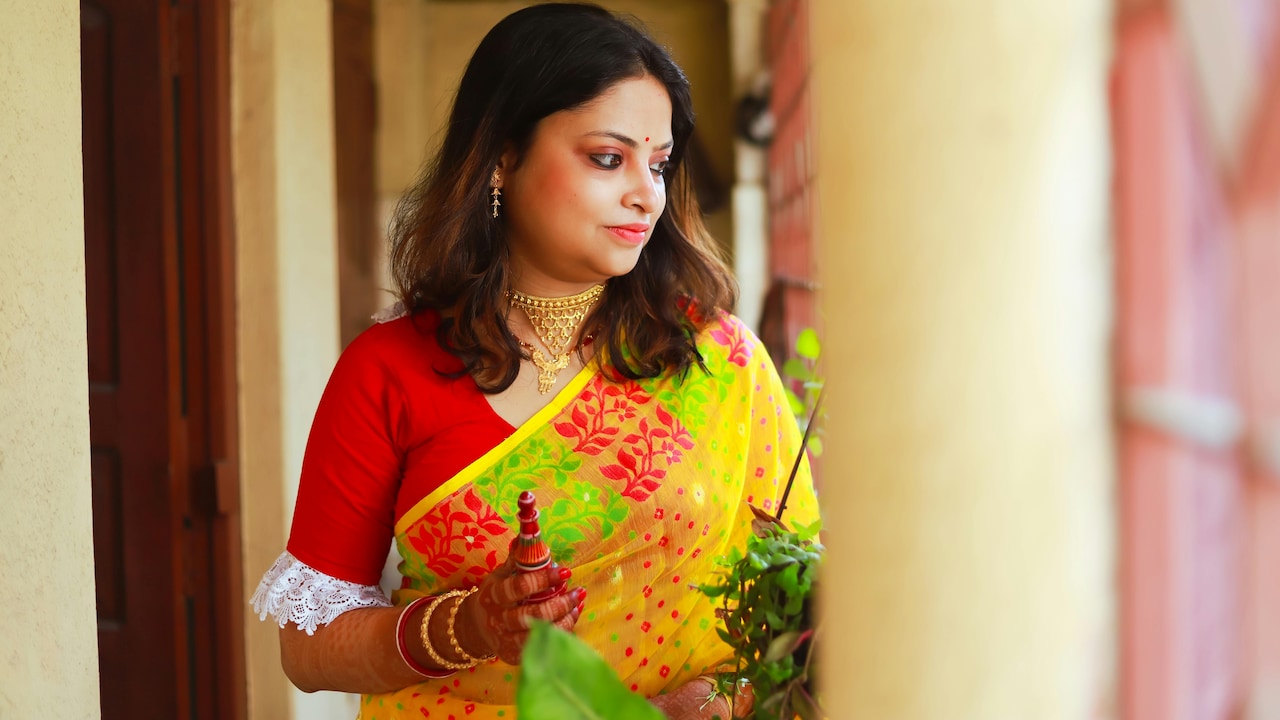
The Truth About Ready-To-Wear Sarees: Convenience Or Styling Shortcut?
Photo Credit: Pexels
Is It A Shortcut Or A Smart Evolution?
The final question lingers: are ready-to-wear sarees a styling shortcut or a thoughtful evolution?
Perhaps they are a bit of both. They simplify the process, yes, but they also expand accessibility and encourage experimentation.
Calling them a shortcut might overlook the creativity and practicality they bring. At the same time, relying solely on them could mean missing out on the artistry of traditional draping.
The truth likely lies in how they are used. When seen as an addition rather than a replacement, ready-to-wear sarees enrich the wardrobe rather than diminish it.
Products Related To This Article
1. Anouk Rustic Ombre Poly Georgette Ready to Wear Saree
2. Kasee Embroidered Silk Blend Ready to Wear Saree
3. Satrani Ethnic Motifs Woven Design Ready to Wear Saree
4. RACHNA Women Ombre Satin Ready to Wear Saree
5. Silk Land Floral Printed Art Silk Ready to Wear Saree
Ready-to-wear sarees reflect a changing world, one that values time, ease, and adaptability. They make the saree more approachable, especially for those who once found it intimidating.
Yet, the traditional saree continues to hold its ground, cherished for its elegance and the ritual of draping it. The two are not rivals; they are simply different expressions of the same heritage.
In the end, the choice comes down to personal preference. Some days call for the comfort of convenience. Others invite the slow, deliberate process of tradition.
And perhaps that's the beauty of it all. The saree, in any form, continues to evolve without losing its soul.
(Disclaimer: This article may include references to or features of products and services made available through affiliate marketing campaigns. NDTV Convergence Limited (“NDTV”) strives to maintain editorial independence while participating in such campaigns. NDTV does not assume responsibility for the performance or claims of any featured products or services.)