Does A Strong Outer Bag Mean The Lining Will Last Just As Long? 10 Handbag-Care Myths Explained
A handbag may look flawless outside while its lining quietly wears out within. From overloaded pockets to leaking cosmetics, these 10 handbag-care myths explain why interiors fail and how a few simple habits can help them last longer.
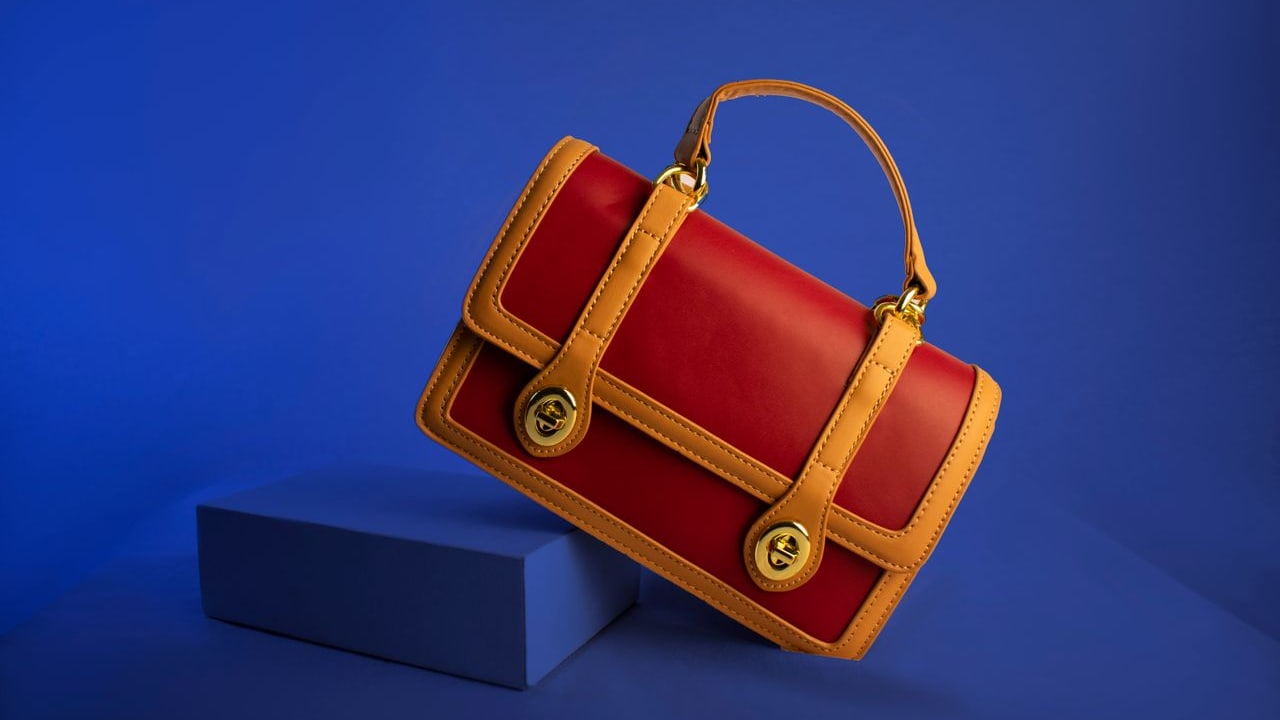
Easy ways to protect the inner lining of your handbag
A handbag can be wonderfully deceptive. The leather may still look polished, the handles may feel sturdy and the hardware may shine as brightly as the day the bag came home. Open it, though, and another story may be unfolding. The lining could have loose threads near the zip, tiny stains around the base, stretched pockets or a mysterious sticky patch courtesy of a forgotten lip balm. That difference often causes confusion. Surely a well-made outer bag should mean an equally durable interior? Not necessarily. Handbag linings live a very different life from the exterior. They rub against keys, chargers, pens, cosmetics, wallets and whatever else gets thrown inside during a busy morning. They also deal with spills, weight and constant rummaging.
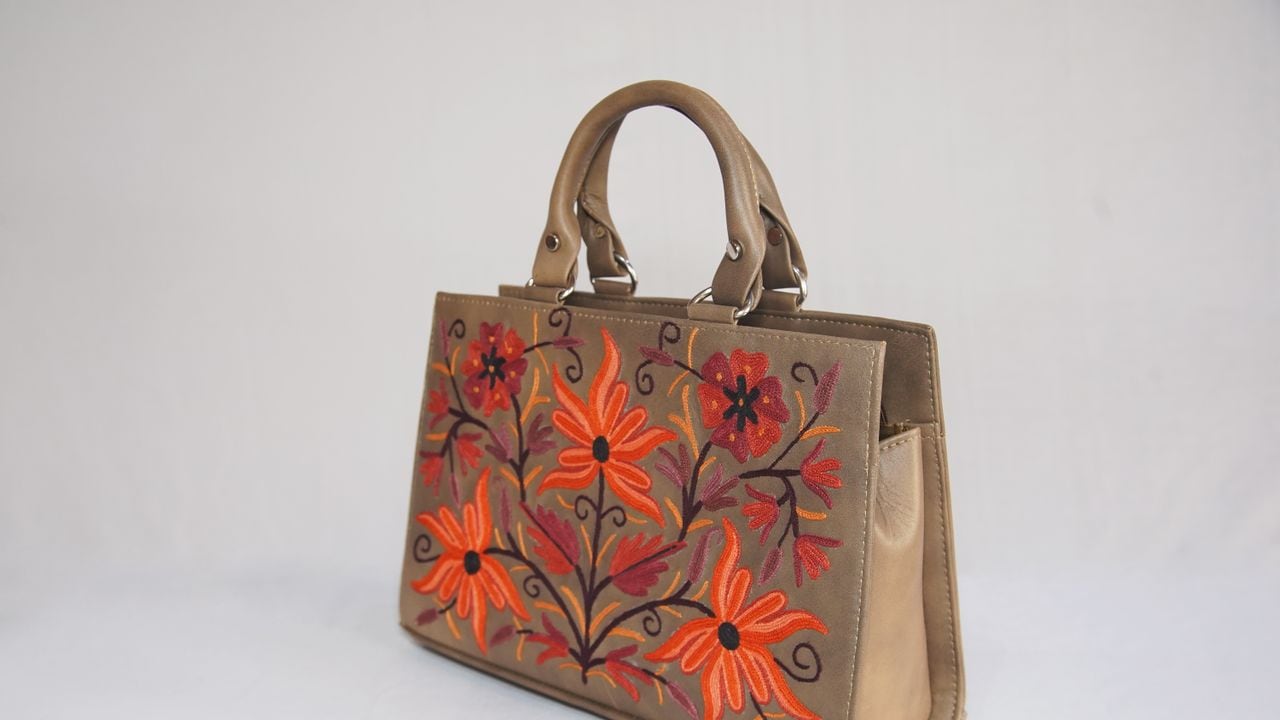
What causes damage to the inner lining of handbags
Photo Credit: Pexels
Some common handbag-care advice can make the problem worse. From believing that thicker lining automatically means better quality to assuming an organiser protects everything, several popular ideas deserve a closer look.
Also Read: H&M Shopper Tote Bag Review: Meet The Bag Built For Busy Workdays
What Really Determines How Long A Handbag Interior Lasts
1. Myth: A Tough Outer Bag Always Means An Equally Tough Lining
A structured leather or synthetic handbag can feel almost indestructible from the outside. That strength doesn't automatically extend to the interior. Manufacturers often choose completely different materials for the lining because it needs flexibility rather than stiffness. Cotton blends, polyester, nylon, microfibre and suede-like fabrics all behave differently under everyday friction.
Think about what happens inside a work handbag during a typical day. A charger moves against one corner. Keys scrape another. A wallet gets pulled out repeatedly. A cosmetic pouch slides across the base. The outer shell rarely experiences the same type of constant abrasion.
Construction matters too. Even a durable lining fabric can fail where it joins pockets, zips or seams. These areas take concentrated stress every time something gets pulled from the bag.
So, judge the lining independently when buying a handbag. Check the stitching around internal pockets, gently tug the fabric and look at how securely it meets the seams. A beautiful exterior tells only half the durability story.
2. Myth: Thick Lining Fabric Will Automatically Last Longer
Thickness can feel reassuring. A substantial fabric seems far more dependable than something light and silky. Yet handbag lining durability depends on much more than how thick the material feels between your fingers.
A thick but loosely woven fabric may snag surprisingly quickly. Meanwhile, a thinner tightly woven polyester or nylon lining can tolerate years of rubbing without developing holes. Fibre strength, weave density, stitching and the way the material handles repeated bending all matter.
Heavy lining can create another problem. When thick material bunches around seams or corners, friction tends to concentrate in those areas. Eventually, you may notice wear exactly where you expected the bag to be strongest.
Look instead for a lining that feels smooth, firmly woven and well attached. Run your fingers across the bottom corners and around pockets. Excess fabric, puckering or exposed stitching can signal areas that may deteriorate first.
Thickness certainly isn't useless. It simply shouldn't become the only quality test. A handbag interior needs the right combination of fabric strength, construction and flexibility rather than sheer bulk.
3. Myth: Small Items Cannot Damage A Handbag Interior
The smallest objects often cause surprisingly large problems. A single house key doesn't weigh much, nor does a hair clip or ballpoint pen. But these objects usually have hard edges, sharp corners or metal parts that repeatedly rub against the same sections of lining.
Keys become particularly troublesome when they settle at the bottom of a bag. Every step makes them shift slightly. Add a power bank, wallet and water bottle pressing down from above, and those keys effectively become tiny abrasive tools.
Pens create their own trouble. Beyond ink leaks, exposed clips can catch on loosely woven fabric. Safety pins, earrings and even the sharp corners of cards can also snag delicate lining.
The solution doesn't require turning the handbag into an organisational project worthy of a spreadsheet. A small zip pouch works well for keys and similarly sharp objects. Pens can sit inside a separate sleeve or pouch.
Separating a few troublesome items reduces direct contact with the lining. It also saves that familiar five-minute search for keys at the bottom of a seemingly bottomless bag.
4. Myth: Overloading Only Damages The Handles And Straps
When a handbag feels heavier than expected, attention usually goes straight to the handles. After all, they carry the weight. Yet the interior also deals with considerable strain whenever a bag gets overloaded.
Heavy objects press directly against the base lining. Internal pockets stretch when they're filled with bulky chargers, power banks or oversized wallets. Seams connecting the lining to the bag structure also carry additional tension.
Problems often begin quietly. A pocket may start sagging. Threads around the lining seam may loosen. The fabric near the bottom corners can become thin and shiny from constant pressure and rubbing. Eventually, a small tear appears.
Regularly emptying the handbag can make a surprising difference. Receipts, coins, extra cosmetics, old snack packets and charging accessories have a habit of accumulating unnoticed.
If the bag feels noticeably heavier by the end of the week, give it a quick clear-out. Reducing unnecessary weight protects the straps, certainly, but it also gives the lining and internal seams a much easier life.
5. Myth: An Internal Pocket Can Hold Anything That Fits
If an item physically fits inside a pocket, surely the pocket can carry it. That assumption has ended many otherwise perfectly good internal pockets.
Handbag pockets aren't always structural compartments. Many consist of lining fabric stitched onto another piece of lining. They work beautifully for lightweight items such as cards, earphones or a small packet of tissues. Problems start when heavier objects enter the picture.
A large power bank may fit neatly inside, but its weight constantly pulls on the upper seam. The same applies to thick wallets, heavy key bundles and bulky chargers. Over time, the pocket can sag, stretch or tear away from the lining.
Zip pockets need similar care. Forcing an overfilled pocket shut places pressure on both the zip tape and surrounding fabric.
Use interior pockets according to their construction rather than simply their size. Keep heavier objects at the base of the main compartment, preferably inside a pouch. That small change spreads their weight more evenly and protects some of the most vulnerable stitching inside the bag.

Overstuffing the inner pocket can damage the lining easily; Photo Credit: Pexels
6. Myth: Cosmetics Are Safe As Long As Their Lids Are Closed
A tightly closed lipstick or foundation bottle can still create havoc. Handbags move constantly, and cosmetic packaging gets exposed to heat, pressure and occasional knocks. A cap that felt perfectly secure in the morning can work loose after several hours inside a crowded bag.
Hot weather adds another complication. Lipsticks soften. Cream products become runnier. Balms may melt enough to escape around lids. Even sealed bottles can collect product around their caps, which later transfers onto the lining.
Once oily cosmetics soak into fabric, cleaning becomes tricky. Aggressive scrubbing may lighten the stain while damaging the lining itself.
A washable cosmetic pouch creates a simple barrier between beauty products and the handbag interior. It also makes leaks considerably less dramatic. Instead of facing a stained bag worth several thousand rupees, you may only need to wash or replace a small pouch.
Pay extra attention to liquid foundation, perfume samples, kajal, lip products and hand creams. Closed packaging reduces risk, but secondary containment provides much better protection.
7. Myth: Bag Organisers Prevent All Interior Damage
Handbag organisers can be incredibly useful. They create compartments, make items easier to find and protect parts of the lining from direct contact. But they don't turn a bag interior into an invincible fortress.
A poorly fitted organiser can actually cause fresh wear. If it sits too tightly against the sides, its edges may rub against the lining whenever the bag moves. Stiff organisers can create pressure points around corners, particularly inside soft handbags.
There's also the temptation to carry more simply because more compartments become available. Suddenly, every pocket contains something, and the handbag weighs far more than before.
Choose an organiser slightly smaller than the internal dimensions of the bag. It should slide in and out without scraping the sides. Soft-edged designs usually work better for delicate linings.
Occasionally remove the organiser too. Dust, crumbs and grit can collect underneath it. Left there for months, those tiny particles rub against the base fabric and contribute to wear. Organisation helps, but regular cleaning still matters.
8. Myth: A Clean-Looking Lining Does Not Need Cleaning
Handbag interiors can look surprisingly respectable while hiding a remarkable quantity of dust. Fine debris settles into seams, corners and the folds around internal pockets where it remains almost invisible.
That isn't purely a hygiene issue. Tiny particles of grit can act like sandpaper when heavier belongings move across them. Repeated friction gradually wears down the fabric fibres, particularly at the bottom of the bag.
There are also less glamorous residents: biscuit crumbs, cosmetic powder, pencil shavings and mysterious flakes that nobody remembers putting there.
Emptying the handbag regularly helps prevent this build-up. Turn removable linings outward when the construction allows it and gently shake out loose debris. A soft brush or low-suction handheld vacuum attachment can help with stubborn crumbs, provided the fabric and manufacturer's care instructions allow it.
Avoid soaking or aggressively scrubbing a lining simply because it looks dirty. Cleaning methods should match the material.
A five-minute interior clean every few weeks often does more good than a major rescue operation after years of neglect.
9. Myth: Small Tears Can Be Ignored Until They Become Noticeable
A tiny loose thread near an internal pocket hardly feels urgent. Unfortunately, handbag damage has an annoying habit of turning small weaknesses into much bigger ones.
Once a seam begins opening, everyday use keeps pulling at it. Fingers catch the gap while searching for something. Keys work their way behind the lining. Coins disappear into spaces that shouldn't exist. Before long, a tear that needed a few stitches may require a much more complicated repair.
Loose threads deserve similar attention. Pulling one can unravel surrounding stitching, so resist the satisfying temptation to tug it. Carefully trim an isolated loose end only when you're sure it isn't part of an active seam, or ask a professional repair service to handle it.
Early repairs usually preserve the original structure more effectively. They may also cost less than fixing extensive damage later.
Make a habit of checking the lining whenever the handbag gets emptied. Look around corners, zip ends and pocket seams. These inspections take seconds and can catch problems while they're still wonderfully boring.
10. Myth: Storing The Bag Carefully Outside Is Enough To Protect The Inside
Many people store handbags beautifully. They place them inside dust bags, keep them upright and protect them from direct sunlight. Then they forget one important detail: what remains inside.
Leaving heavy objects in a stored handbag can stretch the lining and pockets for weeks or months. Pens may leak. Forgotten food can create stains or odours. Receipts and wrappers trap moisture, while cosmetics may deteriorate in changing temperatures.
Even stuffing needs some thought. Filling a handbag helps maintain its shape, but rough newspaper or printed paper can transfer ink onto pale linings. Overstuffing can also strain seams.
Before storing a handbag, empty every compartment. Clean out loose debris and make sure the interior feels completely dry. Use clean, colourfast tissue paper or soft fabric to support the shape without packing it tightly.
Leave internal zips and pockets in a relaxed position rather than forcing them full.
Good handbag storage isn't only about keeping the exterior free from scratches. The inside deserves the same end-of-season routine.
Products Related To This Article
1. ZOUK Black Floral Printed Oversized Structured Jute Shoulder Bag Up To 16 Inch Bucket Handbag
2. DailyObjects Olive Green March Crossbody Bag Regular
3. Marks & Spencer Leather Structured Tote Bag
4. Allen Solly Structured Hobo Bag
5. Diva Dale Printed PU Structured
6. Caprese X Emily in Paris Rose Tan Small Women Satchel Bag
7. Mochi Half Moon Sling Bag
A handbag doesn't age as one single object. Its outer shell, handles, hardware, pockets and lining all face different kinds of wear. That explains why a bag can still look impressive outside while hiding a tired interior.
The good news is that protecting the lining rarely requires expensive treatments. Keep sharp objects contained, avoid overloading pockets, isolate liquids, clean out debris and repair small problems early. Most importantly, don't judge durability from the exterior alone. Sometimes the strongest-looking handbag simply needs a little more kindness on the inside.
(Disclaimer: This article may include references to or features of products and services made available through affiliate marketing campaigns. NDTV Convergence Limited (“NDTV”) strives to maintain editorial independence while participating in such campaigns. NDTV does not assume responsibility for the performance or claims of any featured products or services.)