Does Shiny Patches On Trouser Always Mean Worn-Out Fabric? 10 Care Myths Explained
Trouser shine does not always mean worn-out fabric. From ironing heat to washing habits, discover 10 common trouser care myths and what really helps keep your trousers looking sharp for longer.

Does Trouser Shine Mean Worn-Out Fabric? 10 Care Myths Explained
Few wardrobe mishaps feel quite as annoying as spotting an unexpected glossy patch on trousers that looked perfectly respectable a week ago. One moment, they are office-ready. The next, the knees seem to be catching light like a freshly polished dining table. The usual conclusion arrives quickly: the fabric must be worn out. That assumption, however, can be misleading. Trouser shine can develop for several reasons, and actual fabric damage is only one of them. Heat from an iron can flatten fibres. Repeated sitting can compress the surface. Too much detergent may leave residue behind. Even the way trousers hang inside a crowded cupboard can influence how the cloth looks over time. Clothing care also attracts plenty of inherited wisdom. Some advice comes from experience. Some belongs to another era of fabrics, washing machines and detergents. And some sounds convincing simply because it has been repeated for years. So, before blaming the fabric or booking another shopping trip, it is worth looking at what really causes trouser shine and which popular care rules deserve a rethink.

Does Trouser Shine Mean Worn-Out Fabric? 10 Care Myths Explained; Photo Credit: Pexels
Trouser Care Myths That Could Be Shortening Their Life
1. Trouser Shine Always Means The Fabric Is Worn Out
This is probably the biggest myth of the lot.
A shiny surface does not automatically mean the fibres have become weak or damaged. Shine often appears because repeated friction or pressure flattens the tiny fibres on the fabric surface. Once those fibres lie in the same direction, they reflect light more evenly, creating that polished look.
Think about trousers worn during long office hours. The seat, upper thighs and knees receive constant pressure from chairs, desks and movement. The material may still feel strong even when those areas appear noticeably smoother.
A simple check helps. Gently stretch the shiny section and compare its thickness with an unaffected area. If the cloth still feels firm, with no thinning, splitting or visible holes, the issue may be cosmetic rather than structural.
Natural fibres such as wool can show surface shine long before they genuinely wear out. Dark colours make the effect more obvious too. In other words, shine deserves attention, but it is not always a retirement notice for your trousers.
Also Read: How To Style Loose-Fit Trousers For Brunch, Errands And Low-Key Outings: 10 Tips
2. More Ironing Makes Trousers Look Smarter
There is something deeply satisfying about a crisp trouser crease. Unfortunately, enthusiasm with the iron can quickly turn smart into shiny.
Excessive heat can flatten fabric fibres and create glossy patches, particularly on dark trousers. Polyester blends, wool fabrics and delicate suit trousers react especially badly to an iron that runs too hot.
The problem often appears around pockets, seams and knees because these raised areas receive more direct pressure. Pressing the iron firmly against the cloth may seem useful for removing stubborn wrinkles, yet it can leave behind a permanent sheen.
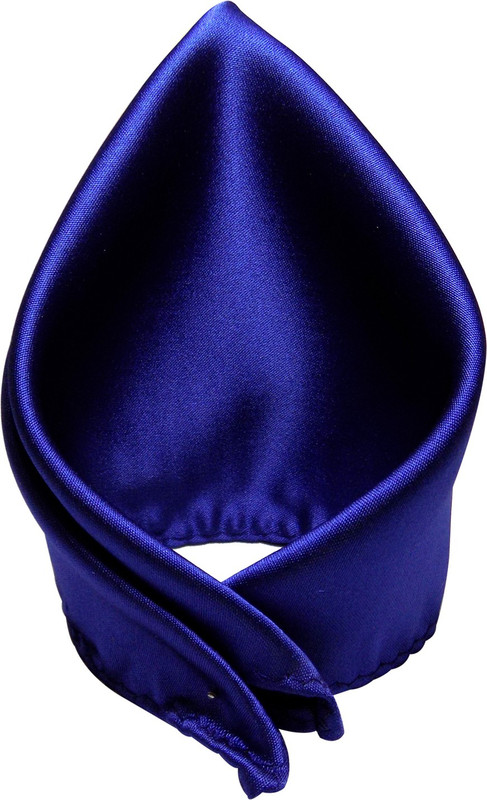
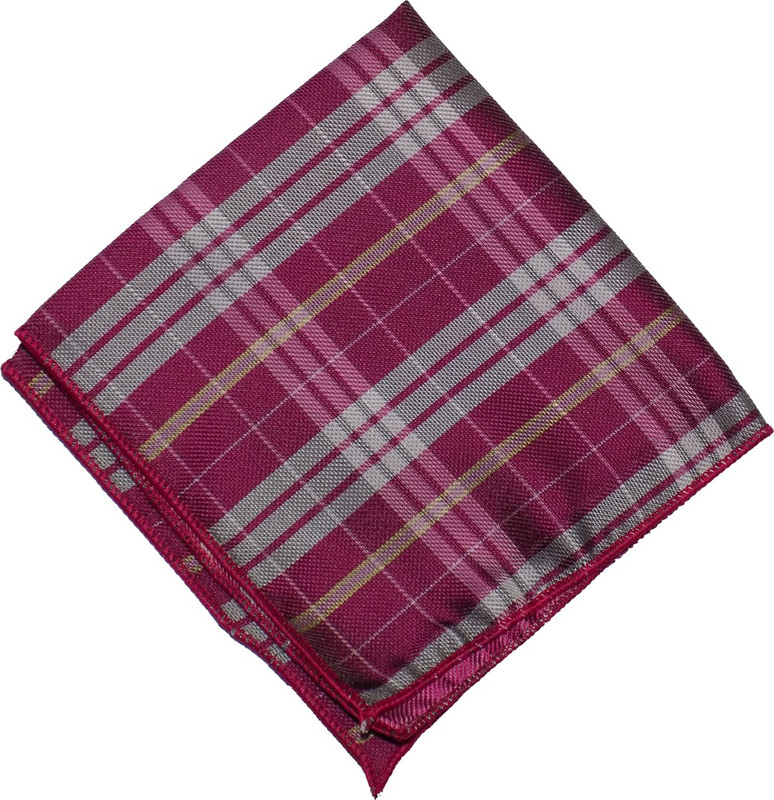
A pressing cloth makes a surprisingly big difference. A clean cotton handkerchief or thin cotton cloth placed between the iron and trousers helps shield the fabric from direct heat. Turning trousers inside out before ironing can also protect visible surfaces.
Steam usually works better than brute force. Let heat and moisture relax the fibres rather than pressing as though the trousers have personally offended you.
A neat finish comes from careful ironing, not aggressive ironing. More heat rarely means better results.

Does Trouser Shine Mean Worn-Out Fabric? 10 Care Myths Explained; Photo Credit: Pexels
3. Washing Trousers After Every Wear Keeps Them Fresh
Freshness matters, but frequent washing is not always the kindest option for trousers.
Unless they are visibly dirty, sweaty or stained, many trousers do not need a full wash after every wear. Repeated washing exposes fibres to detergent, water, spinning and friction. Over time, that treatment can fade colours, weaken fabric and change the surface texture.
Office trousers often benefit from simple airing instead. Hanging them in a well-ventilated space for a few hours helps release mild odours and moisture. A clothes brush can remove dust, lint and surface particles without putting the garment through another wash cycle.
Of course, weather and daily routines matter. A humid commute, crowded train ride or long afternoon outdoors may make washing unavoidable. The point is not to avoid cleaning. It is to avoid automatic cleaning.
Check the care label and judge each wear sensibly.
Washing less often can also save detergent, water and electricity, which adds up over time. A pair of ₹2,000 trousers deserves better than being spun around unnecessarily every second evening.
4. Stronger Detergent Gives A Deeper Clean
When trousers look dull, pouring in extra detergent feels logical. More soap should mean more cleaning power, right?
Not quite.
Using too much detergent can leave residue trapped between fibres. That residue may make dark trousers appear patchy, stiff or strangely shiny under bright light. It can also attract more dust after washing, creating the frustrating feeling that freshly cleaned clothes somehow look less fresh.
Modern detergents work in relatively small quantities, particularly in front-loading machines. Using more than the recommended amount does not guarantee cleaner clothing. In some cases, the machine may struggle to rinse everything away properly.
Residue becomes especially noticeable around thicker areas such as waistbands, hems and pocket seams.
If trousers regularly emerge feeling slightly slippery, stiff or coated, detergent overload could be the culprit.
An occasional extra rinse may help, but prevention works better. Measure detergent rather than pouring it by instinct. That generous splash from the bottle can become surprisingly expensive too.
Clean trousers should feel clean, not marinated in detergent.
5. Hot Water Removes Trouser Stains Better
Hot water has a reputation for being the heavyweight champion of laundry. Yet it can create more problems than it solves.
Some stains respond well to warmth, but many trouser fabrics prefer cooler temperatures. Hot water can encourage colour fading, shrinkage and fibre damage. It may also set certain stains, especially protein-based marks, making them harder to remove later.
Imagine spilling a little paneer gravy during lunch and immediately attacking the trousers with very hot water. The instinct feels sensible, but the stain may become more stubborn depending on its ingredients.
Cool or lukewarm water is often a safer first choice. Blotting matters too. Rubbing a stain aggressively pushes it deeper into the fibres and spreads the affected area.
The care label should always have the final word because fabric blends vary widely. Wool trousers, cotton chinos and synthetic office wear cannot all be treated the same way.
When in doubt, start gently.
Laundry is not a competition to see how much heat fabric can survive. Sometimes, patience removes a stain more effectively than temperature.
Does Trouser Shine Mean Worn-Out Fabric? 10 Care Myths Explained; Photo Credit: Pexels
6. Dry Cleaning Can Never Harm Trousers
Dry cleaning sounds reassuringly professional, which makes it easy to assume that more frequent visits must mean better clothing care.
That is not necessarily true.
Dry cleaning uses chemical solvents and mechanical processes that can gradually affect fabric, colour, trims and garment structure. Well-made formal trousers may certainly need professional cleaning, especially when the care label says so. But sending them after every minor wear can be excessive.
A good routine depends on how the trousers are used. If they have picked up stains, odours or heavy grime, professional cleaning may be sensible. If they have simply spent one afternoon in an air-conditioned office, brushing and airing could be enough.
The quality of the cleaner matters as well. A careful establishment will inspect stains, fabric type and finishing details rather than treat every garment identically.
Paying ₹300 or ₹500 for dry cleaning does not automatically buy extra lifespan. Sometimes, the gentlest care happens at home.
Professional cleaning works best as a useful tool, not as a weekly ritual performed out of habit.
7. Fabric Softener Is Good For Every Pair Of Trousers
The word “softener” sounds harmless. Who would not want softer clothes?
The trouble is that fabric softener does not suit every material. Many softeners work by coating fibres with lubricating ingredients. That coating creates a smoother feel, but it may affect breathability, moisture absorption and fabric performance.
On some trousers, especially synthetic or performance fabrics, repeated softener use can leave the surface feeling waxy or looking dull. Residue may also contribute to uneven shine.
Formal wool trousers usually do not need softener at all. Proper washing, careful drying and steaming often keep them comfortable without extra coating.
There is another catch. Fragrance-heavy softeners can sometimes mask odours rather than solve the cleaning issue behind them.
That does not mean every bottle belongs in the bin. Softener can work well for certain washable fabrics when the care label allows it. The myth lies in treating it as a universal finishing step.
Clothing care works better when products earn their place instead of joining every wash automatically.
8. Hanging Trousers Any Way Is Fine
A trouser hanger may not seem exciting, but the wrong storage method can quietly change the shape and surface of fabric.
Trousers folded carelessly over a thin wire hanger often develop deep horizontal creases. Heavy fabrics can stretch under their own weight, while clips placed too tightly may leave marks along the waistband.
Crowding causes another problem. When twenty garments compete for the space designed for twelve, constant pressure rubs fabric surfaces together. Dark trousers may develop flattened areas that catch light and resemble wear.
A broad trouser hanger or a hanger with a padded bar offers better support. Clip hangers also work well when the clips grip the waistband gently rather than crushing it.
Before storing trousers, empty the pockets too. A wallet, handful of coins or forgotten keys can distort the fabric over time.
Cupboards need breathing room just as clothes do.
Good storage may not feel as important as washing or ironing, yet it often determines whether trousers keep their shape between wears.
9. Shiny Knees Can Never Be Fixed
Shiny knees can make otherwise good trousers look older than they are. Thankfully, mild shine is sometimes reversible.
Steam can help lift flattened fibres, especially on wool and wool-blend fabrics. Hold a steamer at a safe distance or use the steam function on an iron without pressing the hot plate directly onto the shiny patch. Afterwards, gently brush the area with a clean clothes brush.
For some fabrics, professional pressing can also improve the appearance. A skilled tailor or cleaner may restore texture without damaging the material.
However, expectations need to stay realistic. If the fibres have genuinely worn thin, no household trick can rebuild missing fabric. Likewise, chemical experiments found through random social media clips may turn a small shiny patch into a permanent stain.
The important distinction is between flattened fibres and damaged fibres.
If the area simply reflects more light but still feels strong, restoration may be possible. If it feels thin, rough or weak, wear has probably progressed further.
A little shine does not always mean defeat. Sometimes, the fabric simply needs its texture back.
10. Expensive Trousers Do Not Need Special Care
Price can buy better fabric, better construction and better finishing, but it does not buy immunity from daily life.
A ₹12,000 pair of wool trousers can still develop shine if ironed at excessive heat. A premium cotton pair can still fade after repeated harsh washing. Fine fabric may actually require more thoughtful care because delicate fibres often react strongly to heat, chemicals and rough handling.
The same applies to tailoring. Well-constructed trousers may hold their shape beautifully, but overloaded pockets, poor storage and constant friction can still affect them.
Expensive clothes sometimes create a false sense of confidence. Because the garment feels luxurious, owners assume it will tolerate anything. In reality, quality often rewards careful maintenance rather than careless treatment.
Check the label. Rotate trousers between wears. Give them time to air. Brush away surface dust and deal with stains promptly.
Good clothing care is less about how much the garment cost and more about understanding what the fabric needs.
The longest-lasting trousers are usually not the ones treated like museum pieces. They are simply treated sensibly.
Products Related To This Article
1. SZN Women Relaxed Straight Leg High-Rise Easy Wash Trousers
2. Selvia Women Easy Wash Regular Fit Mid-Rise Pleated Trousers
3. Chemistry Women Loose Fit Pleated Parallel Trousers
4. Roadster The Lifestyle Co Men Relaxed Fit Linen Trousers
5. Blissclub High Rise Cotton Straight Pants with Two Side Pockets
6. Chemistry Women Relaxed Loose Fit Pleated Trousers
7. KERI PERRY Women Relaxed Straight Leg High-Rise Easy Wash Trousers
Trouser for men and women shine has an unfortunate talent for looking more serious than it sometimes is. A glossy knee, smooth seat or bright patch near a pocket can suggest ageing fabric, yet the real cause may be heat, friction, detergent residue or compressed fibres.
That is why treating every shiny mark as permanent damage can lead to perfectly wearable trousers being discarded too soon.
The better approach is simple: look closely, feel the fabric and consider how the garment has been washed, ironed, worn and stored. Small changes can make a noticeable difference. Lower ironing temperatures, measured detergent, sensible washing intervals and proper hangers require little effort, but they can protect both appearance and fabric life.
Care myths often survive because they sound convenient. More detergent sounds cleaner. More ironing sounds smarter. More washing sounds fresher. Clothing, unfortunately, rarely follows such neat rules.
A little restraint usually works better.
And the next time a trouser leg catches the light in a suspiciously glossy way, there is no need to start planning its farewell immediately. The fabric may not be worn out at all. It might simply be asking for better care.
(Disclaimer: This article may include references to or features of products and services made available through affiliate marketing campaigns. NDTV Convergence Limited (“NDTV”) strives to maintain editorial independence while participating in such campaigns. NDTV does not assume responsibility for the performance or claims of any featured products or services.)