How To Stop A Shirt Dress From Gaping: 10 Fixes For Bust Fit, Button Placement And Fabric Tension
Stop shirt dresses from gaping with simple fixes for bust fit, button placement and fabric tension. From hidden snaps to smart tailoring, these practical solutions help create a smoother, more comfortable fit.
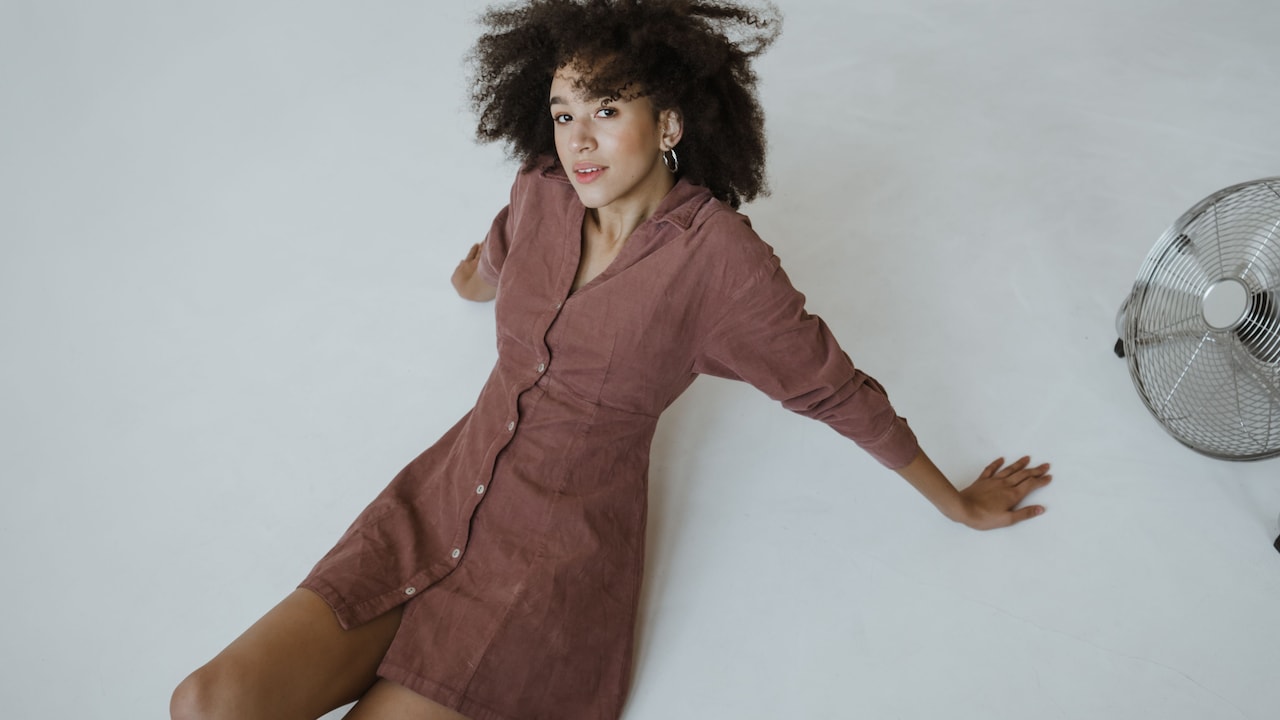
How To Stop A Shirt Dress From Gaping: 10 Easy Fixes That Work
Few wardrobe pieces work as hard as a shirt dress. It can handle a Monday meeting, a coffee run, a family lunch and an evening out with little more than a change of footwear. Yet its neat row of buttons can also create one particularly annoying fit problem: bust gaping. The fabric sits perfectly when standing still, then suddenly pulls apart between two buttons the moment the shoulders move. Sometimes the gap is barely noticeable. Sometimes it feels as though the dress has developed its own tiny window. The obvious solution may seem to be sizing up, but that can leave the shoulders droopy, the waist loose and the overall shape disappointingly boxy. Gaping often has less to do with body size and more to do with button placement, fabric tension, bust shaping and the construction of the garment. The good news is that many fixes are surprisingly simple. Some take five minutes at home. Others need a tailor, but usually involve small alterations rather than a complete reconstruction. Here are ten practical ways to make a shirt dress sit smoothly while keeping its original charm intact.
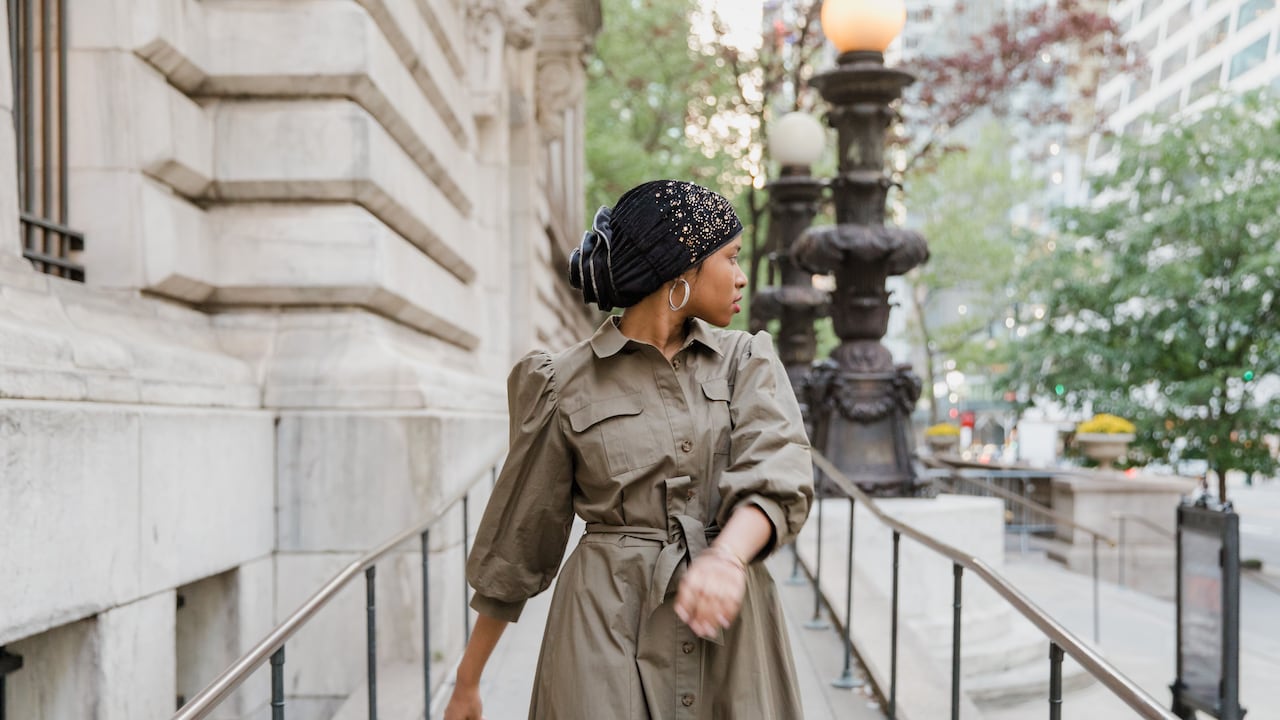
How To Stop A Shirt Dress From Gaping: 10 Easy Fixes That Work; Photo Credit: Pexels
Simple Ways To Fix A Gaping Shirt Dress
1. Check Where The Fabric Is Actually Pulling
Before reaching for a needle, safety pin or shopping app, work out exactly where the tension begins. Put the dress on and button it fully. Stand naturally in front of a mirror, then lift the arms, sit down and turn slightly from side to side.
If the fabric forms horizontal lines across the bust, the dress probably needs more room in that area. If everything feels comfortable but one section opens between buttons, button placement may be the real culprit. A gap close to the armhole can point towards a narrow chest or armhole issue rather than bust fullness alone.
This little fit test saves plenty of unnecessary alteration drama. A dress can technically close yet still carry too much strain across one section.
It also helps to wear the bra normally paired with the dress while checking the fit. A heavily padded style may change the way the fabric sits compared with a lightly lined bra. Clothing measurements do not exist in isolation; what sits underneath matters too. Once the source of tension becomes clear, choosing the right fix gets much easier.
Also Read: Everyday Dresses You Can Actually Move Freely In: 10 Fabrics, Fits and Lengths That Feel Easy
2. Add A Hidden Snap Between Problem Buttons
For a small gap that appears between two otherwise well-positioned buttons, a hidden snap is one of the neatest solutions available.
Tiny sew-on press studs can sit inside the button placket, completely out of sight when the dress is closed. Position one halfway between the two buttons where the fabric tends to separate. Once fastened, it holds the layers together without changing the appearance of the front.
This method works especially well when the dress fits comfortably and only opens during movement. It is also handy for office wear, where nobody wants to spend half a meeting subtly checking whether a button has started misbehaving.
Choose a small snap rather than a bulky one. The fastening should support the fabric, not create a visible bump. Make sure the two halves line up perfectly before sewing; otherwise, the placket may twist.
A neighbourhood tailor can usually add one quickly for a modest charge, often around ₹50 to ₹150 depending on the finishing and location. It is a tiny alteration with an impressively calming effect.
3. Move The Buttons To Improve Their Placement
Sometimes the buttons themselves are simply sitting in the wrong places.
Ready-made dresses use standard button spacing, but bodies are not arranged according to factory mathematics. One button may sit above the fullest part of the bust and the next may fall below it, leaving the fabric between them unsupported. The result is a stubborn gap even when the overall size feels right.
Moving one or two buttons slightly can solve the problem without making any major changes to the dress. In some cases, adding an extra matching button between existing ones works even better.
Look closely at where the fabric wants to open. A button positioned directly near the point of maximum tension can distribute the strain more evenly.
If moving buttons at home, mark the new position while wearing the dress rather than laying it flat on a bed. A few millimetres can make a surprisingly big difference.
Do not pull the button too far towards the edge simply to force the dress closed. That can create puckering along the placket. The aim is smoother tension, not a tug-of-war between thread and fabric.
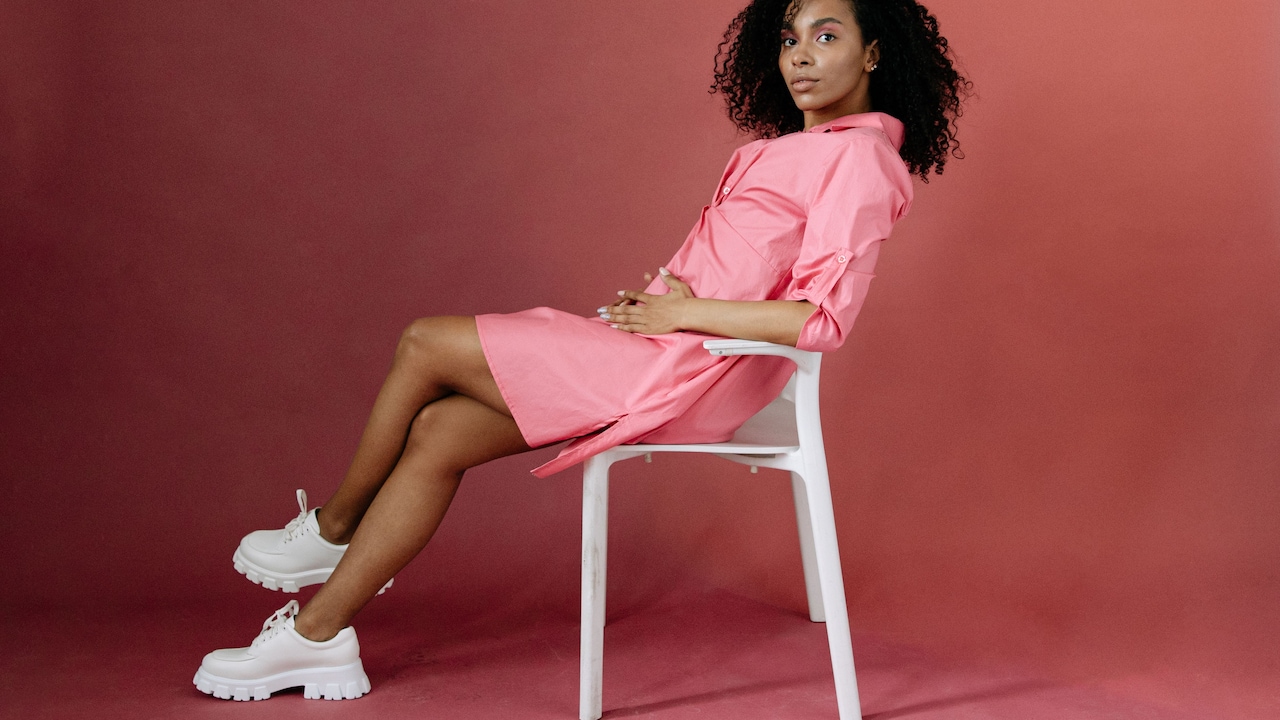
How To Stop A Shirt Dress From Gaping: 10 Easy Fixes That Work; Photo Credit: Pexels
4. Use Fashion Tape For A Quick Fix
Some wardrobe problems arrive five minutes before leaving the house. That is exactly when fashion tape earns its place in the dressing drawer.
Double-sided clothing tape can hold the inner edges of a shirt dress together and prevent a small gap from opening. Apply short pieces between the troublesome buttons, press the fabric firmly and check the front in the mirror before heading out.
This is particularly useful for weddings, work events, dinners or travel days when there is no time for sewing. It also avoids visible safety pins, which have an unfortunate habit of looking perfectly hidden at home and strangely obvious under restaurant lighting.
Fashion tape works best on clean, dry fabric. Oils, moisturiser and heavy perspiration can weaken the adhesive. Delicate silks and fabrics with loose textures also deserve caution, as strong tape may pull at the surface.
Think of this as a temporary peace treaty rather than a permanent tailoring solution. For a dress worn regularly, snaps or alterations make more sense. Still, for the occasional rebellious button placket, a little strip of tape can rescue an outfit surprisingly well.
5. Try A Different Bra Before Altering The Dress
Not every dress problem begins with the dress.
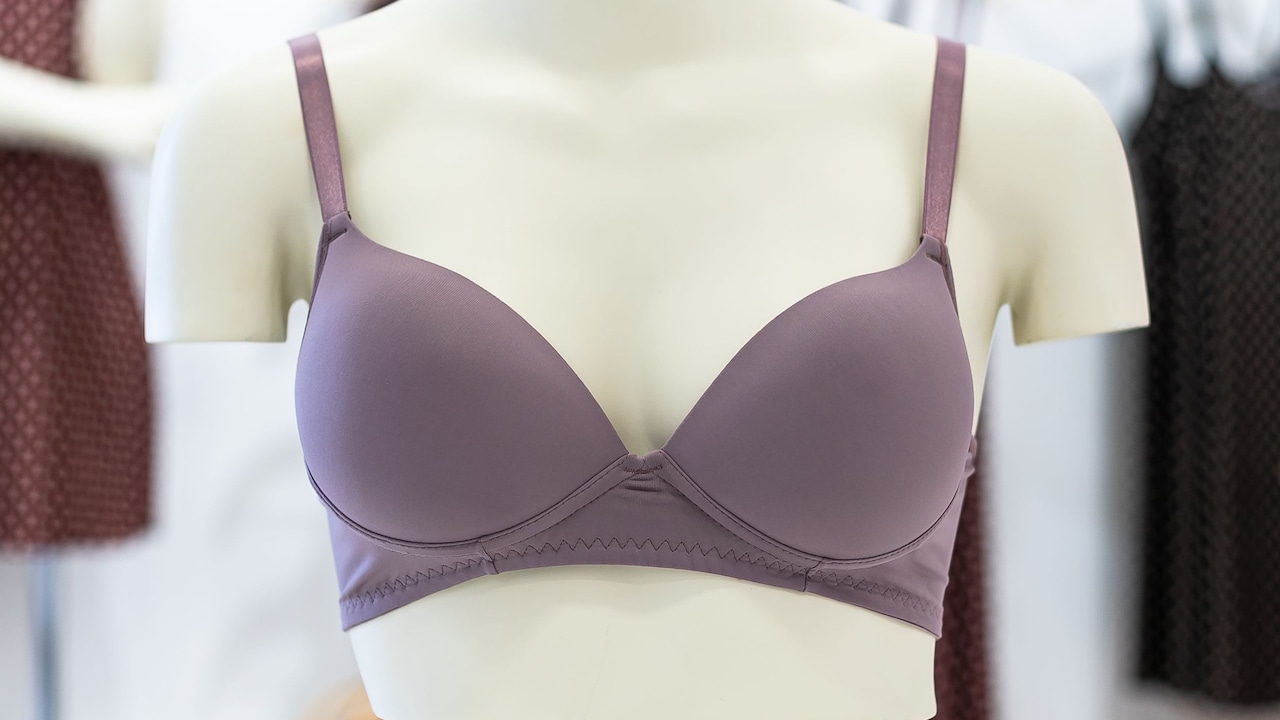
Bra shape can dramatically change how a shirt dress sits across the chest. A highly padded or push-up bra may project the bust forward, placing extra tension on the button placket. A minimiser, lightly lined bra or style with a lower-profile cup can sometimes reduce gaping immediately.
This does not mean squeezing into uncomfortable lingerie for the sake of a dress. Comfort remains non-negotiable. The idea is simply to experiment with shape.
Try the shirt dress with two or three bras already in the wardrobe. Notice whether the pulling changes. A difference of even a centimetre in projection can alter the way buttons behave.
Seam placement matters too. Thick lace, decorative padding or prominent seams may show through lighter cotton or viscose dresses and make the front appear more strained than it really is.
A smooth T-shirt bra often works well under fitted shirt dresses because it creates a cleaner surface.
Before spending ₹500 or more on alterations, this quick wardrobe experiment is worth trying. The easiest solution may already be sitting in the lingerie drawer.
6. Add Bust Darts For Better Shaping
When a shirt dress fits around the waist and shoulders but strains across the bust, extra shaping may be more useful than extra width.
Bust darts remove excess fabric in some areas while creating room where it is needed. A skilled tailor can introduce side darts that point towards the fullest part of the bust, helping the front sit closer to the body without pulling the buttons apart.
This works particularly well on woven cotton, linen blends and other structured fabrics that do not stretch much.
The alteration needs careful placement. A dart that ends too close to the bust point can look sharp or awkward. One that sits too low may fail to correct the tension. This is where professional fitting becomes worthwhile.
Depending on the dress construction and tailor, adding or adjusting darts may cost roughly ₹200 to ₹600.
The result can be much more flattering than simply buying a larger dress and taking in the waist later. Good bust shaping allows the garment to follow the body rather than fight against it. When done properly, the alteration should look as though it belonged there from the beginning.

How To Stop A Shirt Dress From Gaping: 10 Easy Fixes That Work; Photo Credit: Pexels
7. Let Out The Side Seams If Fabric Allows
A shirt dress that feels genuinely tight across the chest may need more room rather than stronger fastenings.
Check the inside side seams. Some garments contain a small seam allowance that a tailor can release, adding precious extra width around the bust. Even an additional centimetre or two can reduce strain across the button placket.
This option depends entirely on how the dress has been constructed. Budget garments often have very narrow seam allowances, while better-finished pieces may leave more fabric inside for future alteration.
A tailor can inspect the seams in seconds and tell whether there is enough to work with.
Letting out the sides usually looks cleaner than forcing buttons to hold fabric under constant tension. It may also improve movement around the upper back and armholes.
However, the alteration needs to blend smoothly into the waist and hips. Adding width only at chest level can create an odd shape if the seam is not redrawn carefully.
For a favourite dress that is almost perfect, this can be money well spent. A small release at the seams often feels far more natural than spending the whole day afraid of one determined button.
8. Choose Fabrics That Handle Tension Better
Fabric can make the difference between a calm button placket and one that seems permanently ready for rebellion.
Rigid poplin, crisp linen and tightly woven cotton tend to show tension clearly. They hold their shape beautifully, but they offer little forgiveness when the fabric stretches across curves. Softer viscose, lyocell, fluid cotton blends and fabrics containing a small amount of elastane usually move more easily with the body.
That does not mean stretchier is always better. Very thin jersey can cling in unwanted places, while slippery fabrics may pull around buttonholes if the placket lacks structure.
When shopping for a shirt dress, gently pinch the material across the bust area and move your arms. Notice whether the fabric shifts comfortably or immediately becomes taut.
Also inspect the button placket. A well-reinforced placket helps distribute tension instead of concentrating it around individual buttonholes.
For hot weather, breathable fabrics with a little softness often offer the best balance. A dress should survive a crowded metro ride, a long lunch and an enthusiastic reach for the last samosa without demanding constant adjustment.
9. Wear A Camisole When The Gap Cannot Be Eliminated
Sometimes the dress fits well enough that major alterations feel unnecessary, yet a tiny gap still appears during movement. A camisole can turn that problem into something nobody notices.
Choose a lightweight, smooth camisole that sits close to the body without adding bulk. Neutral shades work under most dresses, while a contrasting colour can look intentional if a little fabric becomes visible.
This approach works particularly well with relaxed shirt dresses worn slightly open at the neckline. Instead of treating every glimpse underneath as a wardrobe emergency, the camisole becomes part of the outfit.
Breathable cotton blends or moisture-friendly fabrics are useful during warmer months. Thick layers can quickly turn an airy shirt dress into something far less pleasant by lunchtime.
The trick is to avoid overly decorative camisoles unless the style suits the dress. Heavy lace peeking through a crisp office shirt dress may draw more attention than the original gap.
A camisole does not technically repair the fit, but it removes much of the worry. Sometimes the best clothing solution is not making the garment flawless; it is making the flaw irrelevant.
10. Size For The Bust And Tailor The Rest
When buying a new shirt dress, fit the hardest part of the body first.
If the bust needs a larger size but the waist and shoulders suit a smaller one, choose the size that closes comfortably across the chest. A tailor can usually take in excess fabric at the waist or side seams far more easily than adding fabric that does not exist.
This approach may feel frustrating when two nearby sizes look almost identical on the hanger. Yet trying to make a too-tight dress work often leads to stretched buttonholes, distorted seams and endless improvised fixes.
When trying on the dress, do more than stand still in front of the mirror. Sit down. Reach forward. Fold the arms. Pretend to grab something from a high shelf. Clothes are worn in motion, not as showroom statues.
If the larger size feels loose elsewhere, ask a tailor what can realistically be reshaped before removing the tags.
A ₹400 alteration can sometimes turn an imperfect ₹2,000 dress into something worn for years. Good fit often comes from buying strategically, then refining the details rather than expecting every ready-made garment to fit perfectly straight off the rack.
Products Related To This Article
1. Nine2Five Print Shirt Dress
2. SASSAFRAS BASICS Round Neck Short Sleeves Cotton Oversized T-shirt Midi Dress
3. Aayu Roll-Up Sleeves Tie-Up Shirt Midi Dress
4. StyleCast Green Ribbed Belted Shirt Dress
5. Trendyol Solid T-shirt Midi Dress
6. Globus Collared Neck Belted Striped Cotton Midi Shirt Dress
7. Nayo Women Solid Shirt Collar Roll Up Sleeves Shirt Midi Dress
A gaping shirt dress may seem like a tiny wardrobe problem, but tiny problems become remarkably distracting when they need checking every few minutes.
The right solution depends on what is causing the tension. A hidden snap can control a small opening. Better button placement can support the fullest part of the bust. Darts and released seams can improve genuine fit issues, while the right bra or fabric may solve the problem before a tailor even gets involved.
Most importantly, a dress should adapt to the person wearing it, not the other way around. There is no prize for tolerating uncomfortable pulling simply because a label says the garment is the “right” size.
Check the fit in motion, look at where the fabric strains and choose the smallest effective adjustment. A well-fitted shirt dress should feel easy, polished and dependable.
After all, the best outfit is one that allows attention to stay on the day ahead rather than on two buttons quietly plotting against each other.
(Disclaimer: This article may include references to or features of products and services made available through affiliate marketing campaigns. NDTV Convergence Limited (“NDTV”) strives to maintain editorial independence while participating in such campaigns. NDTV does not assume responsibility for the performance or claims of any featured products or services.)