Why Does Your Turtleneck Itch? And How To Make Winter's Chicest Knit Feel Better
Is your turtleneck making you itch? Discover expert-backed tips to prevent irritation, choose the right fabrics, and stay comfortable in stylish winter knits. Shop turtlenecks for all genders and sizes on Myntra.
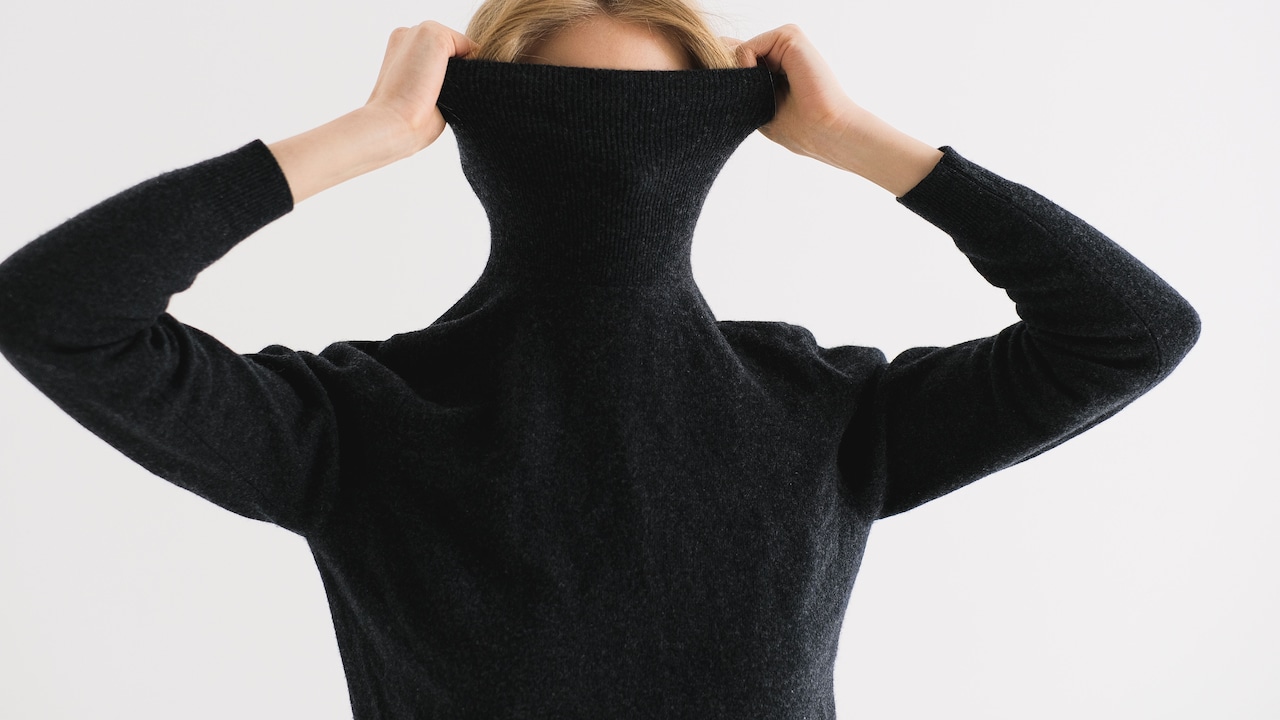
The right fabric can make a turtleneck feel cosy instead of itchy.
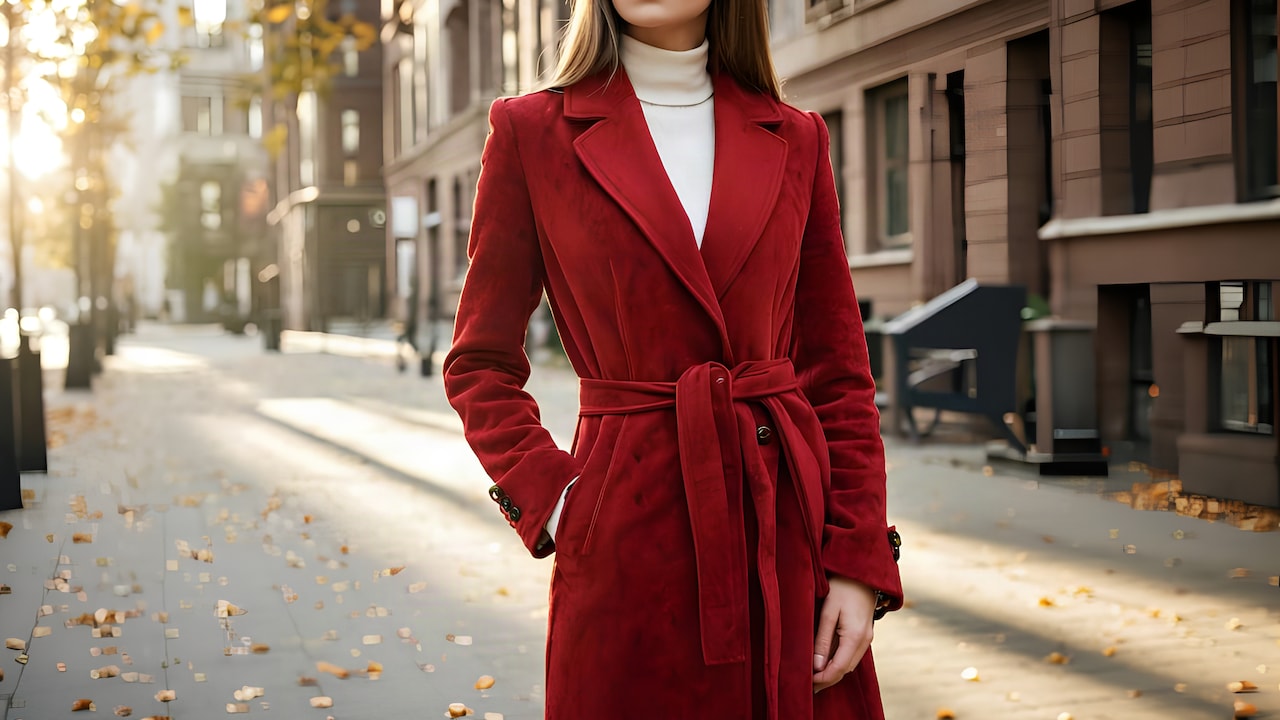
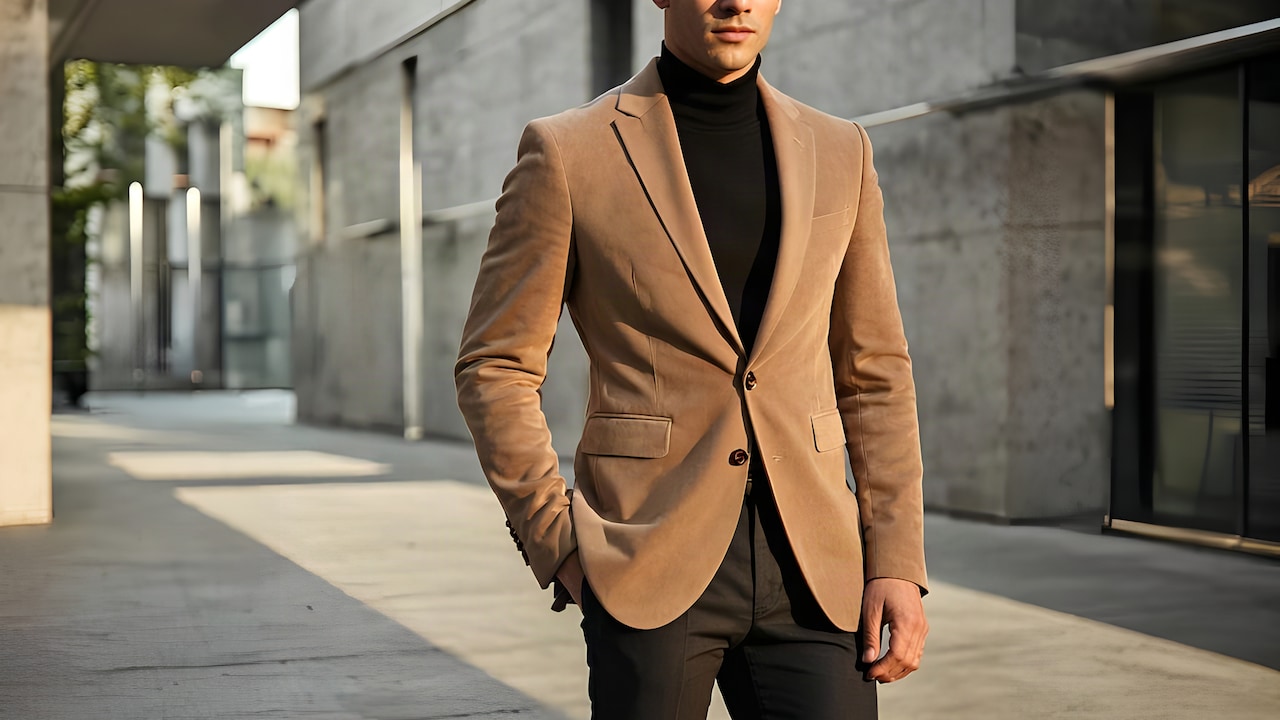
Winter's relationship with the turtleneck is complicated. On one hand, it's fashion equivalent of comfort food: reliable, versatile and effortlessly polished. On the other hand, it is one of the most complained-about knitwear styles, largely because of only one issue: neck irritation.
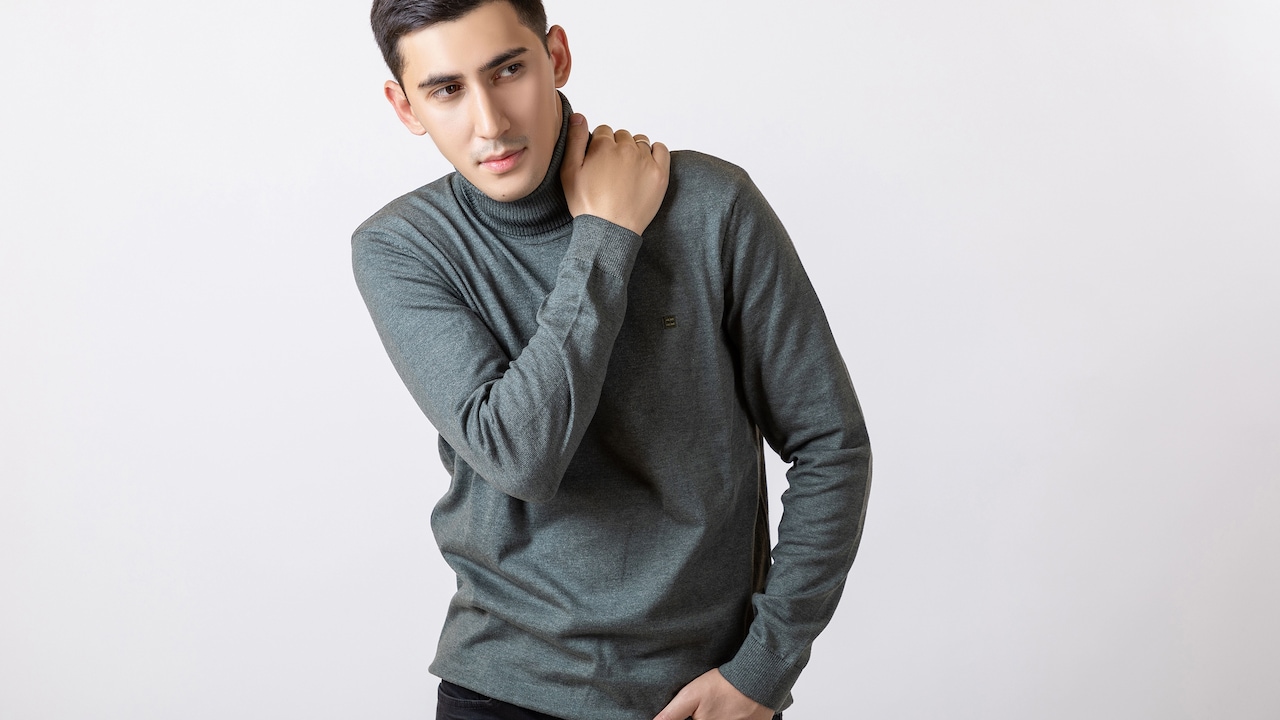
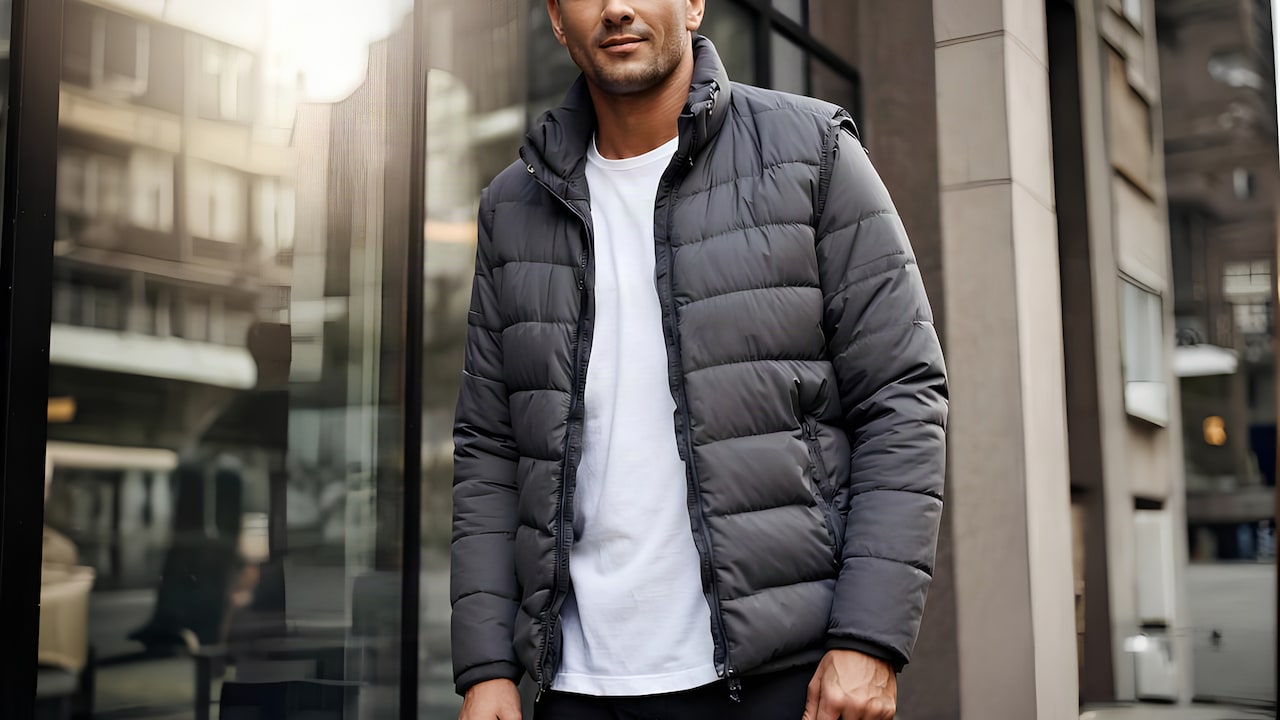
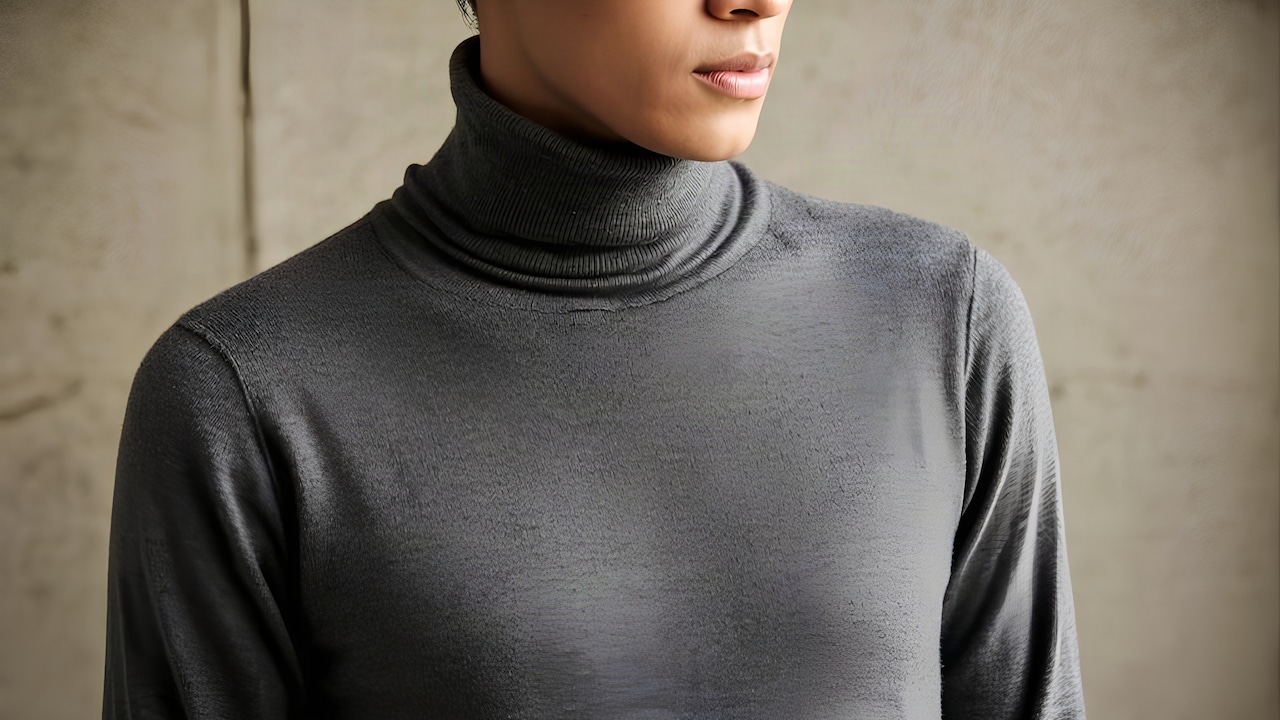
Merino wool and cotton are among the most comfortable choices for winter layering.
Photo Credit: Pexels
Unlike a crew-neck sweater or cardigan, a turtleneck sits against the skin all day. It rubs against one of the body's most sensitive areas, trapping heat, moisture and friction. As a result, even a beautifully made knit can become uncomfortable after a few hours.
Before you swear off turtlenecks altogether, here's what may be causing that itchy neckline and how to prevent it.
The Fabric Touching Your Neck Matters More Than The Rest Of The Sweater
When shoppers assess a turtleneck, they often focus on colour, fit and warmth. Comfort, however, comes down to the fabric resting directly against the neck.
Traditional wool can contain thicker fibres that feel scratchy when they're in constant contact with delicate neck skin. That's why a sweater that feels perfectly fine on your arms or torso may still irritate your collar area.
If neck sensitivity is a recurring problem, consider softer fabrics such as merino wool, cashmere, cotton or fine-knit blends. These materials generally create less friction against the skin while still providing warmth.
Dry Winter Skin Could Be The Culprit Too
Not every itchy turtleneck is actually an itchy turtleneck. Cold weather and indoor heating can leave the skin around the neck dry and more reactive. Once a high collar starts rubbing against dehydrated skin, the irritation becomes much more noticeable.
Applying a lightweight, fragrance-free moisturiser to the neck before getting dressed can help reduce friction throughout the day. Think of it as preparing your skin for winter layering.
Fold The Neckline Instead Of Pulling It Too High
One styling mistake that often goes unnoticed is wearing the neck portion too tightly.
A turtleneck that is stretched high against the throat creates more pressure and constant rubbing. Fashion stylists often prefer a relaxed fold rather than a fully stretched neckline, not just because it looks more effortless but because it tends to be more comfortable.
A little extra breathing room around the neck can significantly reduce irritation during long wear.
Fashion Secret Revealed: Try A Hidden Base Layer

A lightweight inner layer can help prevent irritation from thicker knits.
Photo Credit: Pexels
Luxury knitwear often looks effortless, but there's usually a styling trick behind the scenes.
A thin cotton crew-neck tee or lightweight thermal worn underneath the sweater can create a protective barrier between sensitive neck skin and the knit. The layer remains invisible while preventing direct contact with potentially scratchy fibres.
It's one of the simplest ways to make a turtleneck more wearable during a full day at work or while travelling.
Check The Inside Of The Collar
If the itching seems concentrated in one spot, the issue may not be the fabric at all. Labels, seam joins and stitching inside the collar can repeatedly brush against the same patch of skin. Over several hours, this minor irritation can become surprisingly uncomfortable.
Before giving up on a sweater, inspect the inside of the neck area for scratchy tags or bulky seam construction.
Heat And Sweat Make Neck Irritation Worse
The neck tends to trap warmth more quickly than other parts of the body. When heat and perspiration build beneath a folded collar, irritation often follows.
Choosing breathable fabrics and avoiding overly thick synthetic blends can help keep the area cooler. Merino wool and cotton blends are popular because they offer warmth without making the neckline feel overly stuffy.
The secret to a comfortable turtleneck isn't just choosing a softer sweater. It's reducing friction where the sweater touches your neck. Fabrics such as cotton, merino wool and cashmere, a relaxed neckline, hydrated skin and thoughtful layering can make all the difference between constantly adjusting your collar and forgetting you're wearing one at all.
If you're planning to refresh your winter wardrobe, Myntra offers turtlenecks across men's, women's and unisex collections in a variety of sizes, fits and fabrics. Whether you prefer lightweight cotton styles for everyday wear or cosy wool-blend options for colder days, there are plenty of choices designed to balance warmth with comfort. Shop turtlenecks on Myntra and find a style that keeps your neck cosy, comfortable and itch-free all season long.
Top Turtlenecks Available On Myntra
1. WROGN Men Pullover
2. DressBerry Pure Acrylic Colourblocked Pullover
3. Mr Bowerbird Men Brown Solid Pullover Sweater
4. glitchez Women Printed Long Sleeves Pullover
5. DressBerry Women Black Solid Sweater
6. CAHOOT Men Turtle Neck Pullover Sweater
7. HOLD Women Turtleneck Ribbed Pullover
8. Yellow Apple Girls Turtle Neck Woollen Pullover
9. H&M Women Polo-Neck Jumper
10. Roadster Women Magenta Cable Knit Acrylic Pullover
Frequently Asked Questions (FAQs)
1. Why does my turtleneck make my neck itch?
Turtlenecks can feel itchy due to coarse wool fibres, rough seams, clothing tags, dry winter skin, or sensitivity to certain fabrics and dyes.
2. Which fabric is best for a non-itchy turtleneck?
Soft fabrics like cotton, merino wool, cashmere, modal, and bamboo blends are generally more comfortable and less likely to irritate the skin.
3. Can washing a turtleneck reduce itchiness?
Yes. Washing a new turtleneck can remove leftover dyes, chemicals, and manufacturing residues while helping soften the fabric.
4. How can I wear a wool turtleneck without feeling uncomfortable?
Wear a lightweight cotton or thermal layer underneath, choose fine merino wool, and moisturise your skin before dressing.
5. Are turtlenecks suitable for sensitive skin?
Yes, provided you choose soft, breathable fabrics and avoid materials or laundry products that trigger irritation.
(Disclaimer: This article may include references to or features of products and services made available through affiliate marketing campaigns. NDTV Convergence Limited (“NDTV”) strives to maintain editorial independence while participating in such campaigns. NDTV does not assume responsibility for the performance or claims of any featured products or services.)