Flared Jeans Can Make Wide Hips Look Heavier: Styling Tweaks That Fix The Balance
Flared jeans can sometimes make wide hips look heavier, but the right styling tweaks change everything. From smarter fits to balanced proportions, these easy fashion fixes help create a sleeker, more flattering silhouette.
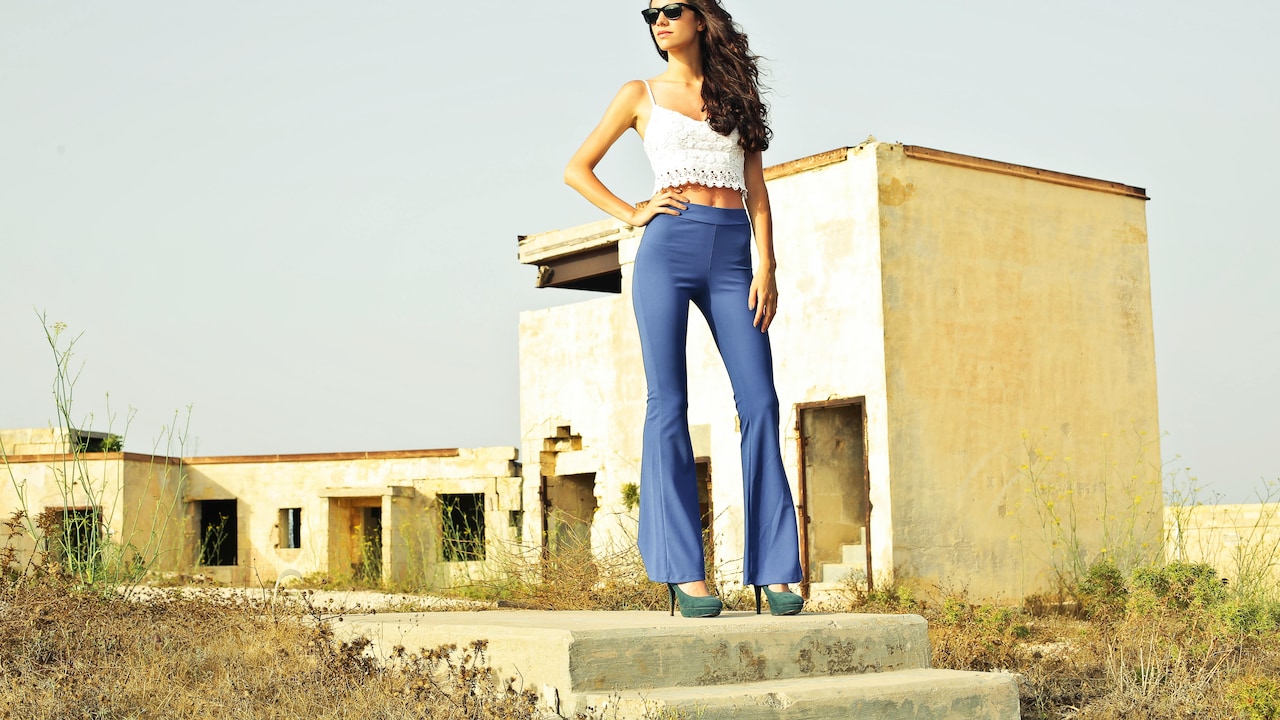
Common styling mistakes to avoid when wearing flared jeans
Fashion trends have a funny way of returning just when wardrobes finally settle down. One minute, skinny jeans dominate every shopping app, and the next, flared denim walks back into the spotlight with full dramatic flair. Celebrities wear them at airports, influencers style them with oversized sunglasses, and suddenly everyone remembers the charm of that sweeping hemline. Yet flared jeans can feel tricky. They either create that effortlessly balanced look or make the lower half appear wider than expected. Many people discover this the hard way in fitting rooms with unforgiving mirrors and fluorescent lighting. The issue usually does not lie with body shape. It lies with proportion, fabric, and styling choices that quietly work against the outfit.
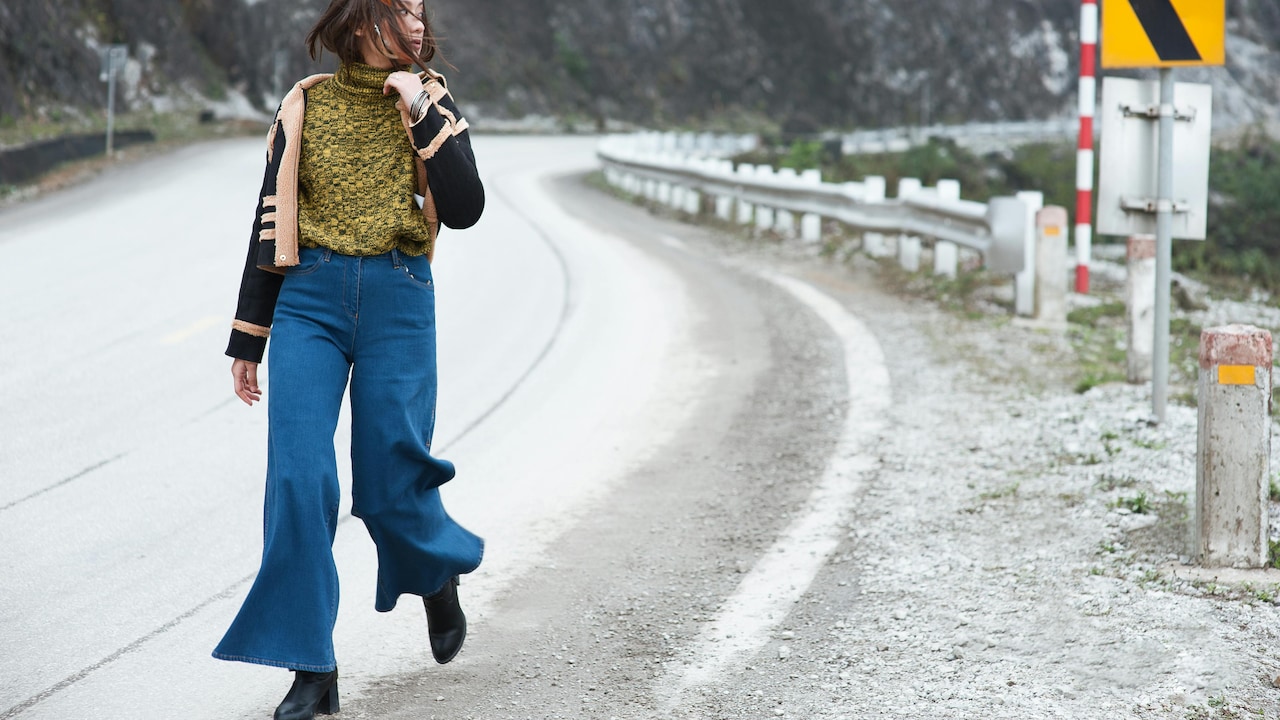
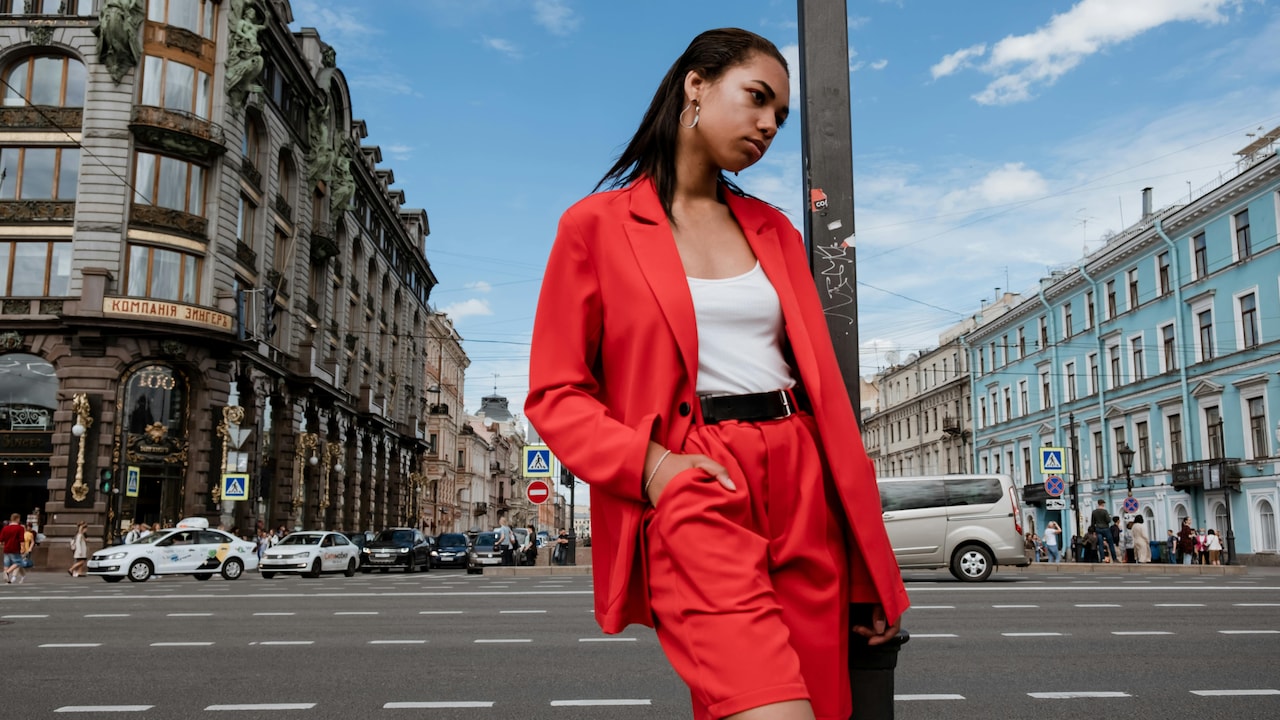
Read how do flared jeans the way your body proportions look; Photo Credit: Pexels
Wide hips naturally create curves, which can look incredibly elegant in denim. However, certain flare cuts exaggerate the width instead of complementing it. Extra fabric around the thighs, low-rise waistbands, or awkward shoe pairings can make the silhouette feel bulky. Thankfully, small adjustments can fix the balance instantly.
Fashion today leans more towards smart styling than strict body rules. Nobody needs to hide curves or dress according to outdated ideas. The aim simply involves creating harmony in an outfit so everything feels intentional. A good pair of flared jeans should move beautifully, fit comfortably, and make someone walk a little taller while crossing a busy mall or heading to brunch on a humid Sunday afternoon.
The secret sits in the details. The width of the flare, the placement of pockets, the length of the hem, and even the texture of a top can completely transform the final look. Here are the styling tweaks that make flared jeans feel flattering rather than overwhelming.
Also Read: Channel Boho Chic: Shop Trendy Boho Pants For Women Under ₹1199
Styling Tweaks That Fix The Balance
Choose Mid-To-High Rise Instead Of Low Rise
Low-rise flared jeans may look nostalgic, but they rarely create balance on wider hips. They cut across the broadest part of the body and visually stretch the hip area sideways. The result often feels heavier and less structured, especially when paired with fitted tops.
Mid-rise and high-rise styles solve this problem beautifully. They define the waist clearly and create a smoother line from the hips downward. This simple adjustment shifts attention upward and gives the body a more elongated appearance. High-rise flares also prevent the awkward waistband digging that tends to happen during long days out.
Dark-wash high-rise flared jeans paired with a tucked-in shirt often create an effortlessly polished look. Think of the kind of outfit seen at trendy cafés where someone casually sips cold coffee while pretending not to notice the camera. The silhouette looks balanced because the waist anchors the entire outfit.
The rise also affects posture. High-rise denim naturally encourages straighter posture, which subtly changes how clothes fall on the body. A structured waistband can create the illusion of cleaner proportions without uncomfortable shapewear or complicated layering tricks.
Comfort matters too. Nobody enjoys adjusting low-rise jeans every few minutes while navigating crowded markets or climbing metro station stairs. A secure waistband makes flared jeans feel stylish and practical at the same time.
Avoid Excessively Wide Flares
Not all flares work the same way. Some create graceful movement, while others resemble curtains caught in a windstorm. Extremely wide flares can overwhelm curves and make the lower body appear disproportionately large.
A moderate flare works far better for wider hips. It gently widens below the knee without creating dramatic bulk. This balanced shape helps the jeans skim the hips and thighs before flowing naturally downward. The result feels elegant rather than theatrical.
The trouble with exaggerated flares lies in visual weight. When too much fabric gathers around the ankles, the eyes automatically focus on width instead of length. The body then appears shorter and broader overall. Tailored flares avoid this issue because they maintain structure.
Fabric choice matters here as well. Heavy, rigid denim can make wide flares look stiff and bulky. Softer denim with slight stretch creates fluid movement and keeps the silhouette lighter. A pair that moves naturally while walking always looks more flattering.
Shopping online often complicates things because product photos tend to exaggerate drama for trend appeal. A flare that looks subtle on a six-foot model can suddenly feel oversized in real life. Trying jeans in natural lighting and checking proportions from multiple angles helps avoid expensive disappointment.
Classic cuts usually survive trends better anyway. Moderate flares look timeless enough to wear repeatedly without feeling trapped in a fashion phase from social media.
Pick Dark Washes Over Faded Finishes
Colour placement in denim changes everything. Light washes and heavy fading draw attention directly to the hips and thighs. When fading sits across the upper leg area, it creates visual expansion that can make curves appear wider.
Dark washes create a smoother and leaner effect. Deep indigo, charcoal, and black denim visually streamline the lower half while still allowing the flare shape to stand out. The darker colour also looks more refined and versatile.
Many premium-looking outfits rely on dark denim because it naturally photographs well and pairs easily with different textures. A dark flared jean styled with a crisp white shirt instantly feels more sophisticated than heavily distressed denim.
Overly faded whiskering around the hips can create unnecessary volume. Some designs almost look airbrushed across the thighs, which disrupts clean lines. Simpler washes keep the focus on fit rather than distracting details.
Dark denim also transitions better from casual daytime outings to dinner plans. A pair worn with trainers during the afternoon can easily work with block heels in the evening. That flexibility matters when wardrobes need to stretch across multiple occasions without endless shopping.
Maintenance becomes easier too. Dark washes generally retain a neater appearance over time, especially during monsoon season when lighter denim tends to show stains quickly. Nobody wants muddy splashes ruining the vibe halfway through the day.
Balance The Silhouette With Structured Tops
The top half plays a major role in balancing flared jeans. Soft clingy tops often emphasise hip width because they create contrast between the fitted upper body and wider lower half. Structured tops distribute attention more evenly.
Blazers, tailored shirts, cropped jackets, and slightly boxy tops create definition around the shoulders. This visual balance prevents the hips from becoming the focal point. The outfit feels proportionate instead of bottom-heavy.
Shoulder structure works particularly well with flared denim because it mirrors the shape created at the hem. Fashion often comes down to visual symmetry, even when people do not consciously notice it.
A fitted waist combined with gentle shoulder structure creates one of the most flattering combinations for curves. Think of classic cinema styling where actresses wore wide-leg trousers with crisp blouses and looked impossibly polished.
Oversized tops require caution, though. Too much loose fabric paired with flared jeans can drown the frame entirely. The goal involves balance, not hiding beneath layers of cloth. Slightly cropped or waist-length tops usually work better because they preserve shape.
Textures matter as well. Linen shirts, ribbed knit tops, and structured cotton fabrics create cleaner lines than overly stretchy materials. Even a simple tucked-in T-shirt can look elevated when the fabric holds its shape properly.
Fashion confidence often grows from understanding proportions rather than blindly following trends. Once the balance feels right, flared jeans suddenly become much easier to style.
Get The Hem Length Exactly Right
Hem length may sound like a tiny detail, yet it completely changes how flared jeans look. Jeans that bunch heavily at the ankles create visual heaviness and shorten the legs. On the other hand, flares that sit too high lose their elegant shape.
The ideal hem should almost graze the floor while wearing shoes. This creates a long, uninterrupted line from the hips downward. The flare then flows naturally instead of collapsing awkwardly around the feet.
Tailoring helps enormously here. Many people spend ₹3,000 on jeans but hesitate to spend ₹300 on hemming. That small adjustment often transforms average denim into something that looks custom-made.
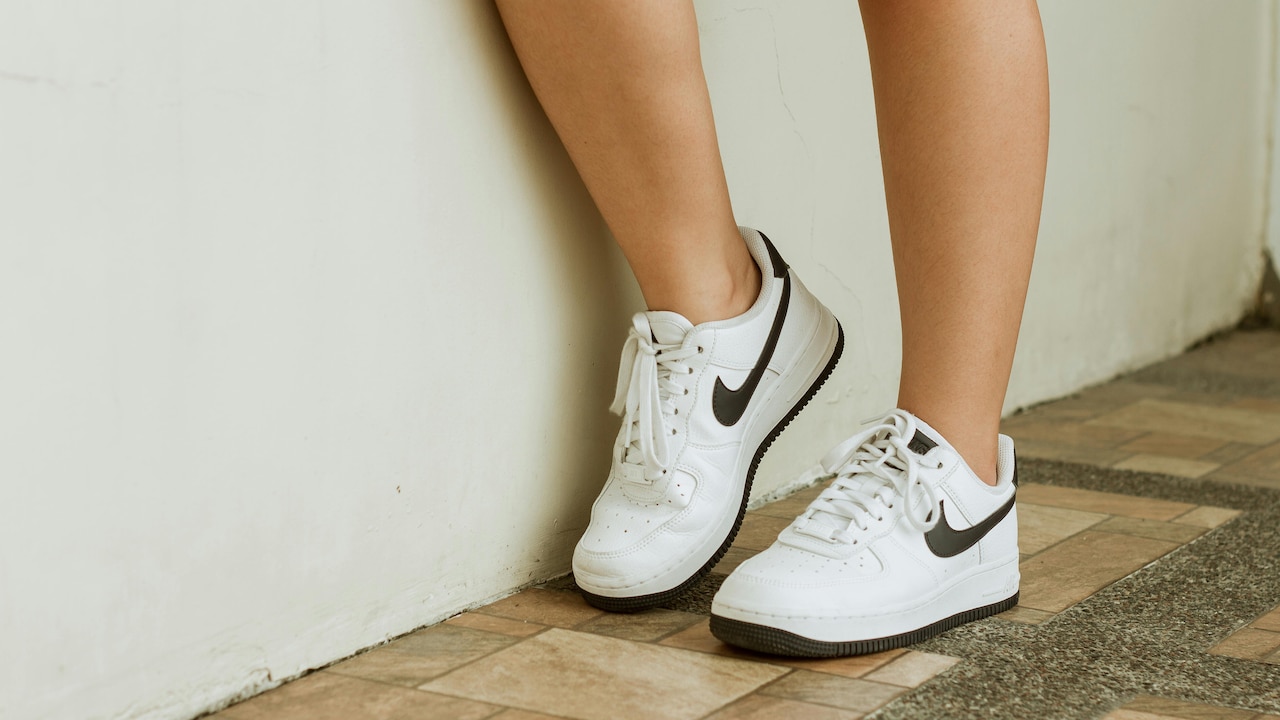
Footwear also affects hem length. A pair worn with platform sandals needs a different hem compared to trainers. Choosing the primary shoe style before alterations prevents awkward proportions later.
Street style photographs often look polished because the hems sit perfectly. The jeans neither drag nor float above the ankles. That precise length creates movement without clutter.
Weather plays a role, too. During rainy months, overly long hems soak up water and dirt within minutes. Slightly adjusted lengths help maintain style while surviving real-life conditions. Nobody enjoys walking around with damp denim clinging to their ankles after crossing puddles outside shopping centres.
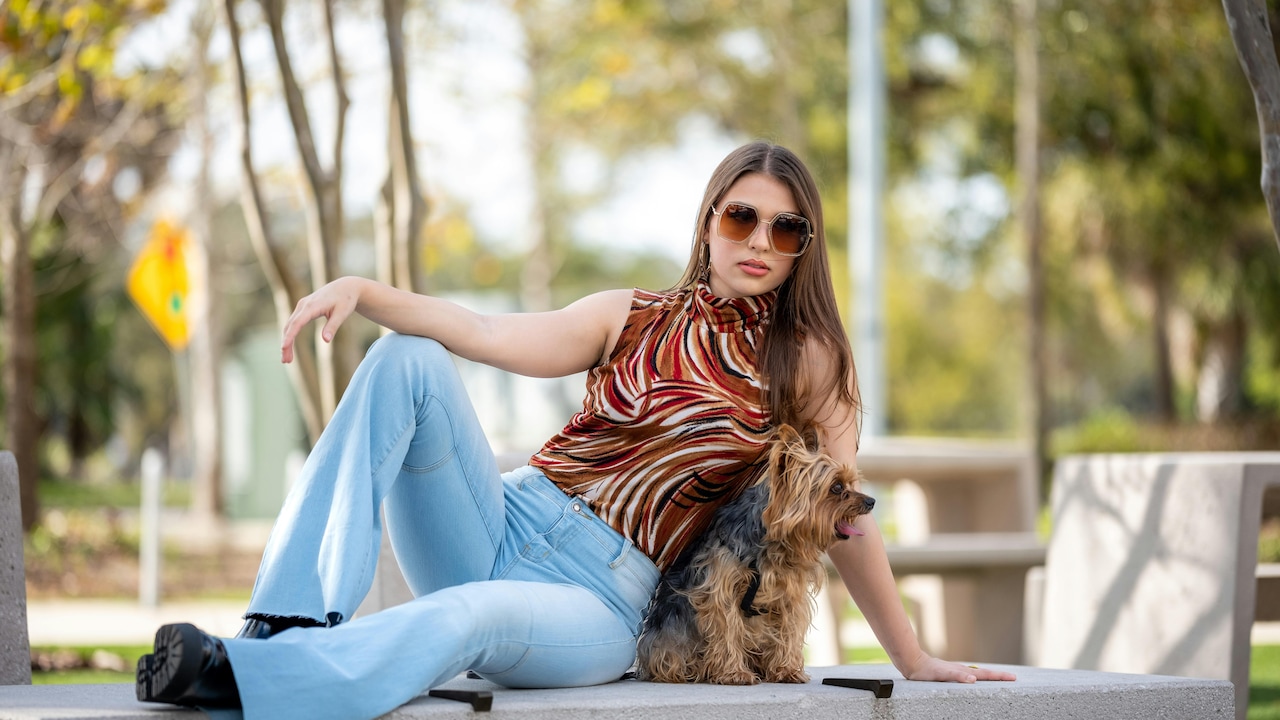
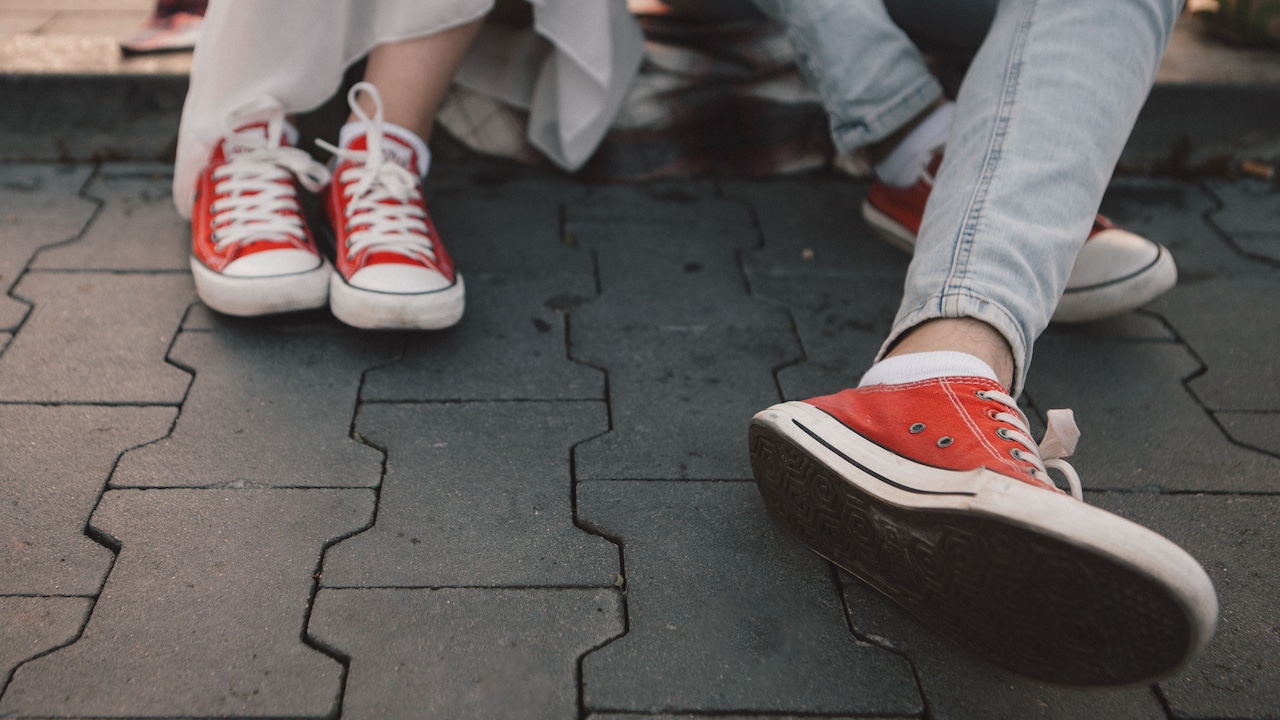
Always ensure that the hem length flatters your body type and goes well with the footwear of your choice; Photo Credit: Pexels
Skip Bulky Back Pocket Designs
Back pockets influence how hips appear more than most people realise. Large embellished pockets, heavy stitching, or oversized embroidery add unnecessary visual bulk to the rear and hip area.
Minimal pocket designs work far better. Clean stitching and medium-sized pockets placed slightly higher create a lifted and streamlined appearance. This subtle illusion changes the overall shape significantly.
Pocket placement matters too. Widely spaced pockets visually widen the hips, while centred pockets create a more balanced look. Many premium denim brands quietly use strategic pocket placement because they understand how strongly it affects silhouette.
Decorative details can quickly feel outdated as well. Rhinestones, exaggerated embroidery, and flashy embellishments often distract from the elegance of flared jeans. Simplicity usually wins.
A clean back view also makes outfits look more expensive. Tailored minimalism tends to appear polished without trying too hard. This approach works especially well in everyday settings where comfort and style need to coexist naturally.
Trying jeans from different angles helps identify pocket issues immediately. Changing room mirrors often focus on the front view, but the back silhouette tells the real story. A quick mirror check can save future regret.
Well-designed pockets should complement the body instead of demanding attention. When proportions work quietly in the background, the entire outfit feels more effortless.
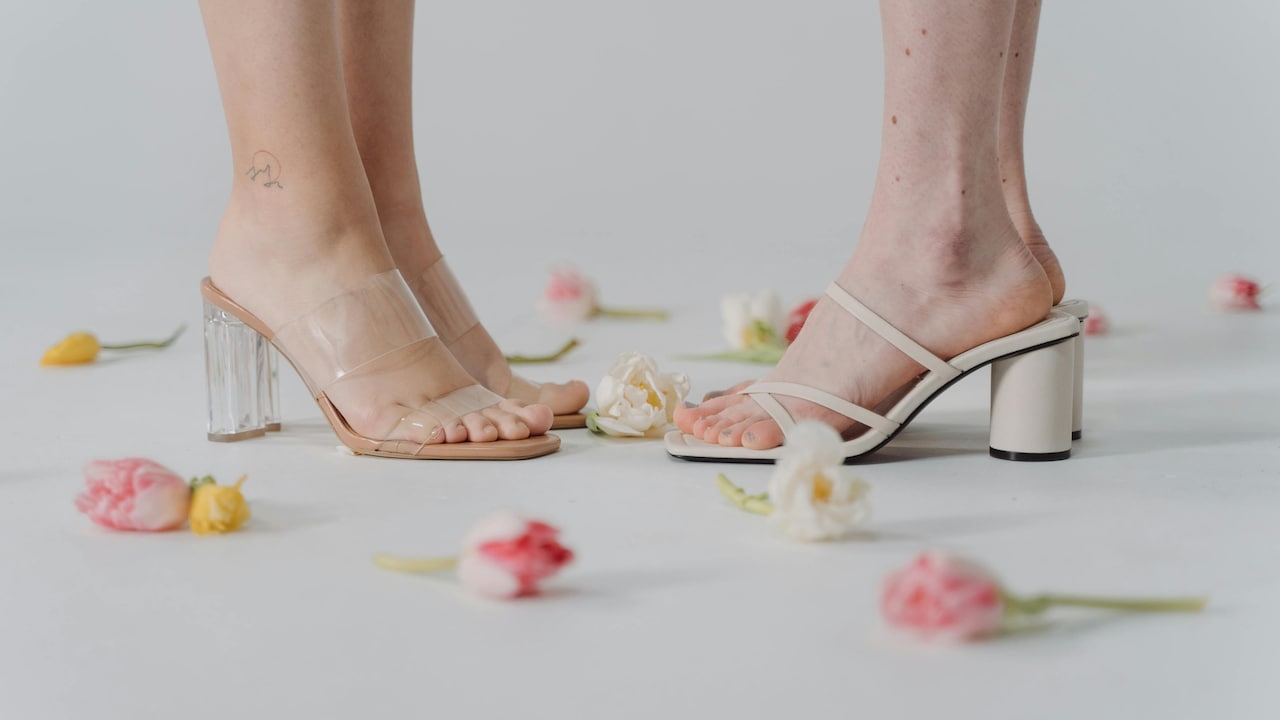
Choose Footwear That Elongates The Legs
Shoes quietly determine whether flared jeans look balanced or bulky. Flat bulky footwear can shorten the legs and make wide hips appear more prominent. The right shoes create lift and improve overall proportion instantly.
Block heels, wedges, pointed-toe shoes, and platform sandals pair beautifully with flares because they extend the leg line. Even a small heel change posture and creates smoother movement through the hips and thighs.
Chunky trainers often clash with wide flares because both elements compete visually. The outfit starts feeling heavy from top to bottom. Sleeker footwear keeps the look cleaner and more refined.
Neutral-coloured shoes help maintain continuity as well. Nude shades, black heels, or shoes close to the denim colour prevent harsh visual breaks. This simple styling trick makes legs appear longer.
Comfort still matters, though. Nobody needs to wobble through dinner plans in painful stilettos for the sake of fashion. Comfortable block heels or platform loafers offer height without sacrificing practicality.
Footwear also changes the personality of flared jeans completely. Heeled boots create a polished city look, while platform sandals feel playful and relaxed. The same pair of jeans can shift moods depending on the shoes underneath.
Sometimes the difference between “something feels off” and “this outfit works” comes down entirely to footwear.
Avoid Clingy Fabrics Around The Hip Area
Tops made from thin clingy fabric often emphasise every curve around the hips and waist. When paired with flared jeans, this combination can create too much focus on the lower body.
Structured or lightly draped fabrics create a softer visual balance. Cotton poplin shirts, linen blends, thicker knits, and tailored tops skim the body instead of clinging tightly. This creates shape without exaggeration.
Many fast-fashion tops use ultra-stretchy material because it fits multiple sizes easily, but these fabrics rarely flatter denim silhouettes. They tend to bunch awkwardly and highlight areas unnecessarily.
Layering helps too. A lightweight jacket, open shirt, or structured waistcoat can break up visual width and add dimension. Even during warmer weather, breathable layering pieces often improve balance dramatically.
Patterns also influence perception. Tiny horizontal prints near the hip area can widen the frame visually, while vertical details create length. Small styling shifts quietly guide the eye without obvious effort.
Fashion should feel enjoyable rather than stressful. The right fabric combination simply allows curves to exist naturally without making them the centre of attention. That distinction changes the energy of an outfit completely.
Well-balanced outfits rarely depend on extreme dieting or impossible body standards. They rely on thoughtful proportions and clever fabric choices instead.
Define The Waist Clearly
Waist definition creates structure, especially with flared jeans. Without a visible waistline, the flare can blend into the hips and create a shapeless silhouette.
Tucking in tops slightly or adding a belt instantly creates separation between the waist and hips. This small adjustment makes the body appear more balanced and proportionate. Even relaxed outfits benefit from waist definition.
Belts work particularly well with dark flared denim because they break up the outfit visually and add polish. A sleek leather belt paired with gold hardware can elevate even the simplest white shirt and jeans combination.
Cropped jackets also help by ending near the waist instead of covering the hips entirely. Long, shapeless layers often make flared jeans feel heavier because they hide the natural body structure.
The goal never involves shrinking the body visually. Instead, styling should highlight shape in a balanced way. Defined waists create elegance because they establish proportion clearly.
Traditional styling wisdom often focused on hiding curves, yet modern fashion celebrates them far more naturally. The trick lies in guiding proportions rather than disguising them.
A thoughtfully defined waist can make even basic denim outfits feel intentional enough for brunch dates, shopping trips, or casual office settings.
Confidence Changes The Entire Outfit
The most overlooked styling tweak has nothing to do with denim cuts or shoe choices. Confidence affects how clothes sit, move, and feel more than any trend forecast ever could.
People often assume flattering fashion means achieving a certain body type first. In reality, well-styled outfits usually come from understanding proportions and wearing clothes comfortably. Constantly tugging at hems or hiding behind oversized layers creates visible discomfort.
Flared jeans carry a certain attitude. They move dramatically, attract attention, and bring retro energy into everyday dressing. Wearing them confidently transforms the entire look from awkward to stylish.
Body language matters enormously. Straight posture, relaxed shoulders, and comfortable movement instantly improve how clothes appear. The same pair of jeans can look completely different depending on how someone carries themselves.
Fashion also connects strongly with mood. A good outfit often changes energy before a person even leaves home. That quiet confidence reflects in photographs, conversations, and overall presence.
Nobody notices minor “flaws” as much as the person wearing the clothes. Most people simply register whether an outfit feels cohesive and confident. Styling tweaks help create that harmony, but self-assurance completes it.
Flared jeans may challenge proportions occasionally, yet they also bring personality, movement, and individuality back into denim. That alone makes them worth styling properly.
Products Related To This Article
1. Stylecast X Kotty Women Flared High-Rise Clean Look No Fade Jeans
2. Roadster The Life Co. Women Flared High-Rise Heavy Fade Stretchable Jeans
3. Basics By Tokyo Talkies Women Flared Clean Look Stretchable Jeans
4. U.S. Polo Assn. Women Women Flared High-Rise Light Fade Stretchable Jeans
5. DressBerry Women Flared Fit Jeans
6. Bewakoof Women's Jet Black Washed Flared Korean Jeans
7. all about you Women Flared Stretchable Jeans
Flared jeans remain one of fashion's most expressive denim styles. They add drama, movement, and vintage charm in a way few silhouettes manage today. Yet for wider hips, the wrong styling choices can easily throw proportions off balance and create unnecessary heaviness.
Thankfully, flattering flared denim does not require complicated fashion rules or endless shopping hauls. Small thoughtful adjustments make the biggest difference. A higher rise, cleaner pockets, structured tops, balanced footwear, and the right hem length can completely transform the silhouette.
The beauty of modern style lies in flexibility. Trends no longer demand strict body standards or impossible perfection. Fashion now works best when it adapts to real lives, changing moods, busy routines, and individual personalities.
Flared jeans should feel comfortable enough for long coffee catch-ups, spontaneous shopping plans, and evenings spent laughing through traffic delays on the way home. When styled thoughtfully, they stop feeling intimidating and start becoming one of the most versatile pieces in the wardrobe.
Balance always matters more than size. And once proportions work together, flared jeans suddenly become less about hiding hips and more about celebrating style with confidence.
(Disclaimer: This article may include references to or features of products and services made available through affiliate marketing campaigns. NDTV Convergence Limited (“NDTV”) strives to maintain editorial independence while participating in such campaigns. NDTV does not assume responsibility for the performance or claims of any featured products or services.)