Why High-Waist Jeans Still Create A Muffin Top: And How To Fix It
High-waist jeans don’t always flatter. Poor fit, stiff fabric, and waistband design often create a muffin top. This is why it happens, and simple ways to fix it without sacrificing comfort or style.
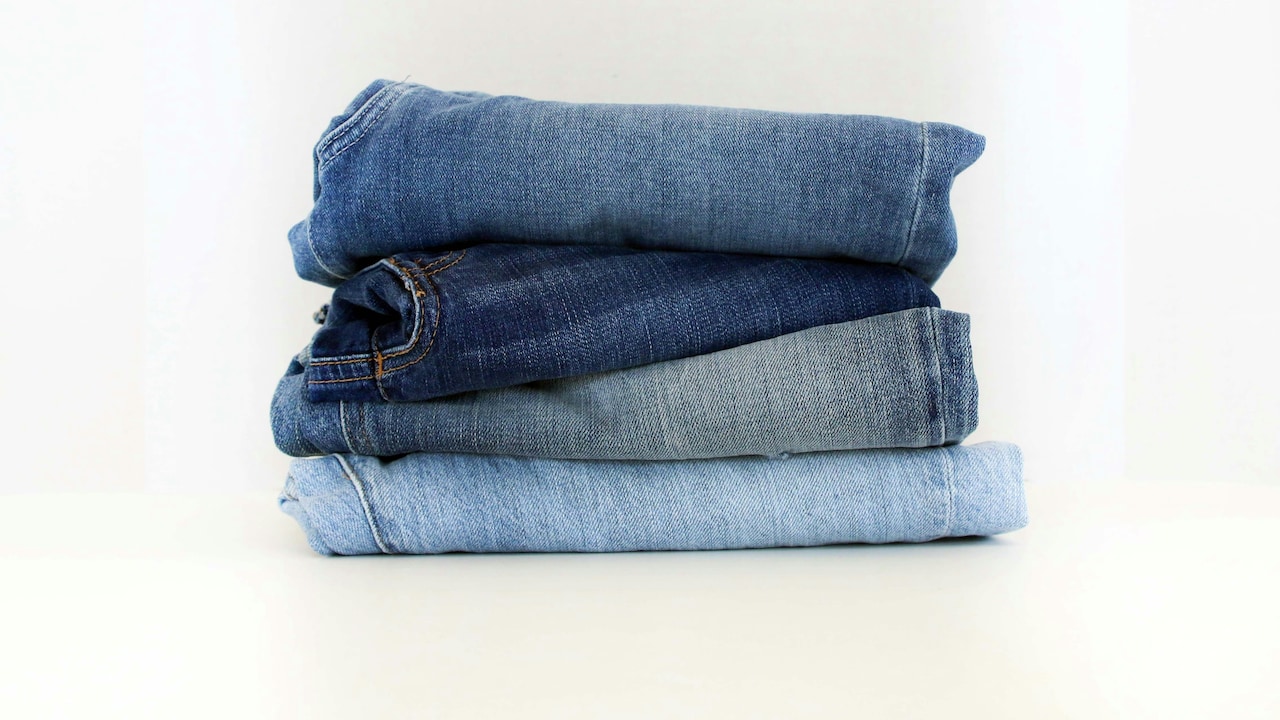
High-Waist Jeans Muffin Top Problem: Here Are The Causes, Fixes, And Styling Tips That Work.
High-waist jeans have earned a permanent spot in wardrobes across cities, from Mumbai's bustling streets to quiet Sunday brunches in Pune. They promise structure, support, and a cinched waist that feels effortlessly stylish. Yet, despite their reputation, many still face a familiar frustration, the subtle (or not-so-subtle) spillover at the waistline, often called the muffin top.
It's easy to blame body shape, late-night snacks, or festive indulgence. However, the real story runs deeper. The way denim is cut, stitched, and worn plays a much bigger role than most realise. A pair that looks perfect on a mannequin in a ₹3,000 showroom can behave very differently in real life, especially after a long commute, a heavy lunch, or hours spent sitting at a desk.
This isn't about chasing an unrealistic ideal. It's about understanding why something that should flatter often does the opposite, and how small changes can make a noticeable difference. High-waist jeans can absolutely work. The key lies in knowing how to work with them, not against them.
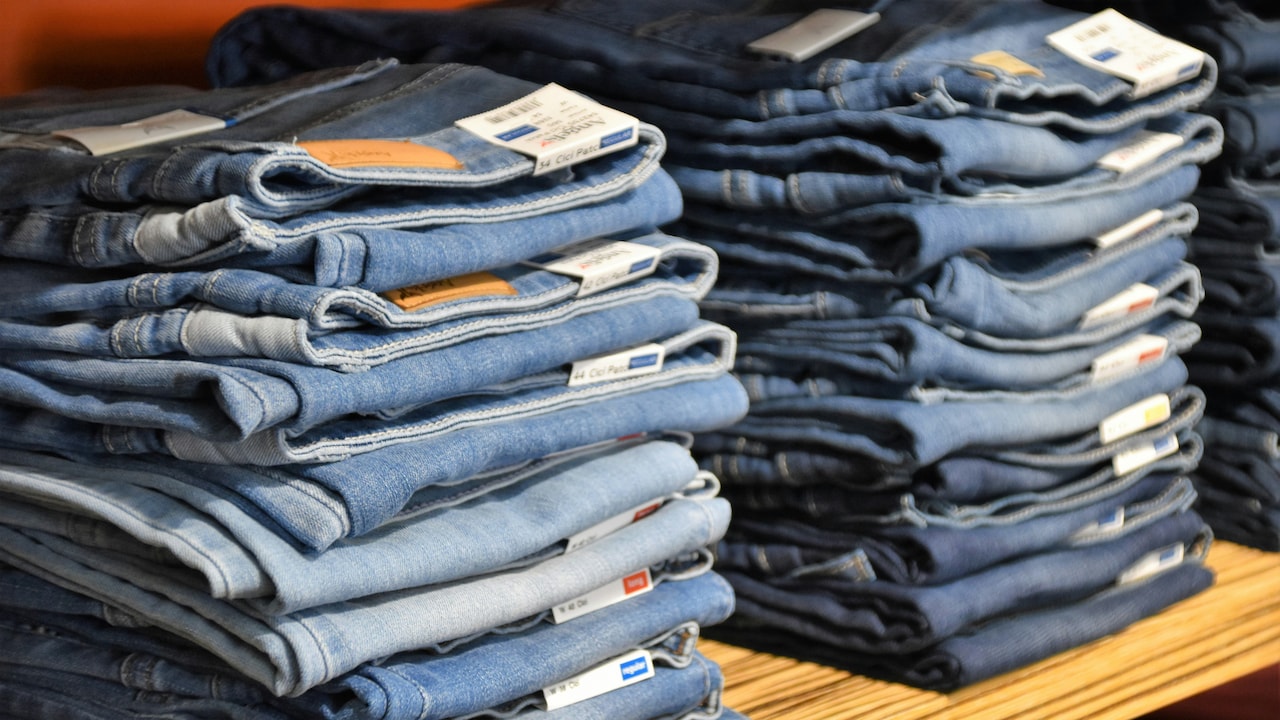
Why High-Waist Jeans Still Create A Muffin Top: And How To Fix It
Photo Credit: Pexels
Why High-Waist Jeans Don't Always Work As Expected
The Illusion Of High-Waist Flattery
High-waist jeans often carry the promise of instant elegance. The logic seems simple: raise the waistline, tuck everything in, and create a smoother silhouette. In theory, it sounds perfect. In reality, the effect depends heavily on how the jeans interact with the natural shape of the body.
The human waist is not a straight line. It curves, shifts, and changes throughout the day. High-waist jeans, however, are usually structured and rigid. When they sit at the narrowest part of the torso, they compress soft tissue, pushing it upward. This creates the appearance of a muffin top, even when the body itself hasn't changed.
Retail displays rarely reflect this reality. Bright lights, perfectly posed mannequins, and clever tailoring hide these nuances. In everyday settings, whether sitting in an auto-rickshaw or bending to pick up groceries, the difference becomes obvious.
The illusion lies in expecting jeans to reshape the body completely. Instead, they respond to movement, posture, and fabric tension. Understanding this mismatch helps shift the focus away from self-criticism and towards smarter styling choices that work with natural contours rather than against them.
Fabric Matters More Than Size
Many assume that sizing up or down will fix the issue. However, fabric composition plays a far more crucial role. Denim isn't just denim anymore. Some jeans feel like thick armour, while others stretch like leggings. This variation changes everything.
Rigid denim, often labelled as “100% cotton,” offers structure but little flexibility. It can dig into the waist and exaggerate any softness. On the other hand, jeans with elastane or stretch blends adapt to movement. They hug without compressing too harshly, reducing the chances of spillover.
In humid climates, fabric behaviour becomes even more noticeable. After a long day, jeans can feel tighter due to heat and slight swelling in the body. A pair that felt comfortable in an air-conditioned store may feel restrictive outdoors.
Investing in good-quality stretch denim, often priced around ₹2,000 to ₹4,000, can make a significant difference. The goal isn't just comfort but balance. Fabric should support the body without forcing it into an unnatural shape. When the material works with movement rather than resisting it, the silhouette naturally appears smoother and more relaxed.
The Problem With Waistband Design
Not all waistbands are created equal. Some are wide and supportive, while others are narrow and unforgiving. This small design detail can completely change how high-waist jeans sit on the body.
A narrow waistband tends to cut into the skin, creating a sharp line where fabric meets flesh. This often results in visible bulging above the waist. In contrast, a wider waistband distributes pressure more evenly. It smooths the area instead of slicing through it.
Elasticated waistbands or contoured designs offer even better results. They follow the natural curve of the torso, rather than forcing a straight line across it. Unfortunately, many budget-friendly options prioritise style over functionality, leading to discomfort after just a few hours.
Trying jeans on while standing still rarely reveals the full picture. Sitting, bending, and walking provide a more honest assessment. If the waistband digs in during these movements, it's likely to create a muffin top effect later in the day.
Choosing a well-designed waistband may seem like a minor detail, but it often determines whether jeans feel like a second skin or a daily struggle.
Rise Height Isn't One-Size-Fits-All
The term “high-waist” covers a wide range of rises. Some sit just above the navel, while others reach the ribcage. This variation can either enhance or disrupt the overall look.
A rise that is too high may compress the upper abdomen, especially when sitting. This creates pressure that pushes flesh upwards. Conversely, a slightly lower high-rise can sit more naturally on the waist, reducing this effect.
Body proportions play a key role here. Someone with a shorter torso may find ultra-high-rise jeans overwhelming. Meanwhile, a longer torso may benefit from that extra height. The same pair can look completely different on different people.
Trial and error becomes essential. Instead of focusing solely on labels, paying attention to how the jeans feel throughout the day provides better guidance. The right rise should feel supportive, not restrictive.
Finding that sweet spot often requires patience. Yet once discovered, it transforms the experience entirely. High-waist jeans stop feeling like a trend and start feeling like a reliable wardrobe staple.
The Role Of Fit Around The Hips
The waist often takes the blame, but the hips play an equally important role. If jeans are too tight around the hips, they pull downward. This tension increases pressure at the waist, making any muffin top more pronounced.
A balanced fit ensures that the fabric distributes evenly across the body. When the hips have enough room, the waistband doesn't need to compensate by gripping tighter. This reduces unnecessary compression.
Skinny fits, in particular, can create this issue. While they offer a sleek look, they often prioritise snugness over comfort. Straight-leg or slightly relaxed fits tend to provide better balance. They allow movement without pulling excessively at the waist.
Trying different styles can reveal surprising results. A pair that feels slightly looser at the hips may actually look more flattering overall. The goal isn't tightness but harmony between different parts of the garment.
When the hips and waist work together, the entire silhouette appears smoother. It's a small adjustment that can make high-waist jeans feel far more forgiving.
Styling Choices That Make Or Break The Look
Even the best-fitting jeans can create a muffin top if styled poorly. Tops, tucks, and layers all influence how the waistline appears.
A tightly tucked shirt can add bulk right where the jeans already apply pressure. This often exaggerates the problem. Instead, a half-tuck or a slightly loose top can create a more relaxed look. Cropped tops that hit just above the waistband also work well, as they avoid adding extra fabric.
Layering plays a subtle yet effective role. Lightweight jackets or open shirts can break the visual line at the waist, drawing attention away from any unevenness. This doesn't mean hiding the body, but rather balancing proportions.
Footwear also contributes. High-waist jeans paired with heels or platform sandals elongate the legs, shifting focus downward. This creates a more streamlined appearance overall.
Styling isn't about covering flaws. It's about creating visual harmony. Small tweaks can transform how high-waist jeans look and feel, turning a frustrating outfit into a confident one.
Posture And Movement Matter More Than Expected
Clothing doesn't exist in isolation. The way the body moves and holds itself affects how garments sit. Slouching, for instance, compresses the abdomen, making any waistband feel tighter.
Sitting for long periods, whether at work or during travel, can also change how jeans fit. The waist expands slightly, and rigid denim may struggle to adapt. This often leads to discomfort and visible bulging.
Standing tall with a relaxed posture can make a noticeable difference. It allows the waistband to sit naturally, reducing unnecessary pressure. While posture alone won't eliminate the issue, it certainly helps.
Movement throughout the day matters as well. Stretching, walking, and avoiding prolonged stiffness can prevent jeans from feeling overly restrictive. These small habits contribute to overall comfort.
Clothing should adapt to life, not the other way around. When posture and movement align with the design of high-waist jeans, the result feels more natural and less forced.

Why High-Waist Jeans Still Create A Muffin Top: And How To Fix It
Photo Credit: Pexels
The Impact Of Body Changes Throughout The Day
The body isn't static. It changes from morning to evening due to food, hydration, and activity levels. A flat stomach in the morning may feel slightly fuller by evening, and that's completely normal.
High-waist jeans often fail to accommodate these natural shifts. A pair that fits perfectly at 10 am may feel tight by 4 pm. This leads to the illusion of a muffin top appearing “suddenly,” even though it's simply the body responding to daily rhythms.
Choosing jeans with a bit of flexibility helps accommodate these changes. Planning outfits based on daily activities also makes a difference. A heavy lunch or long commute may call for more forgiving fabrics.
Understanding this natural fluctuation reduces frustration. It shifts the perspective from “something is wrong” to “this is how bodies work.”
Comfort doesn't mean compromising style. It means selecting pieces that adapt to real life, rather than expecting the body to remain unchanged all day.
Tailoring: The Underrated Solution
Off-the-rack jeans rarely fit perfectly. Bodies vary too much for a single standard size to work for everyone. This is where tailoring becomes a game-changer.
A skilled tailor can adjust the waistband, hips, or length to create a more customised fit. Even a small alteration can reduce pressure points and improve overall comfort. Spending ₹200 to ₹500 on minor adjustments can extend the life of a favourite pair significantly.
Tailoring also allows for personalisation. Instead of settling for “almost right,” jeans can be made to feel just right. This reduces the likelihood of issues like muffin tops.
Despite its benefits, tailoring often gets overlooked. Many assume it's only for formal wear. In reality, it can transform everyday clothing as well.
Investing in alterations isn't about perfection. It's about practicality. When jeans fit properly, they feel less like a compromise and more like a dependable part of daily dressing.
Confidence Over Perfection
Perhaps the most overlooked factor is mindset. The term “muffin top” itself carries unnecessary negativity. Bodies are meant to have softness, curves, and variation. Clothing should accommodate that, not erase it.
High-waist jeans are just one style among many. They don't define comfort or beauty. If a particular pair feels restrictive or unflattering, it's perfectly acceptable to explore alternatives. Fashion should feel enjoyable, not stressful.
Confidence often comes from comfort. When clothes fit well and feel good, it reflects in posture and attitude. This has a far greater impact than any minor imperfection at the waistline.
Trends come and go, but personal style evolves with experience. Understanding what works, and what doesn't, creates a stronger sense of ease.
In the end, high-waist jeans should enhance everyday life, not complicate it. A balanced approach ensures they remain a useful option rather than a frustrating one.
Products Related To This Article
1. Kotty Women Jean Straight Fit High-Rise Stretchable Jeans
2. Miss Chase A+ Plus Size Women Wide Leg High-Rise Stretchable Jeans
3. H&M Flared High Jeans
4. U.S. Polo Assn. Women Wide Leg High-Rise Light Fade Stretchable Jeans
5. Roadster The Life Co. Women Wide Leg High-Rise Stretchable Jeans
High-waist jeans continue to dominate wardrobes for good reason. They offer structure, versatility, and a timeless appeal. Yet, the persistent issue of the muffin top reveals a gap between expectation and reality.
The solution doesn't lie in changing the body, but in understanding the garment. Fabric, fit, waistband design, and styling all play crucial roles. Small adjustments, whether choosing stretch denim, opting for a better rise, or investing in tailoring, can make a noticeable difference.
Equally important is recognising that bodies change throughout the day. Comfort and confidence go hand in hand, and clothing should support both. High-waist jeans can absolutely work, but only when chosen thoughtfully.
Fashion should feel like a companion, not a constraint. With the right approach, high-waist jeans can move from being a source of frustration to a reliable, stylish choice that fits seamlessly into everyday life.
(Disclaimer: This article may include references to or features of products and services made available through affiliate marketing campaigns. NDTV Convergence Limited (“NDTV”) strives to maintain editorial independence while participating in such campaigns. NDTV does not assume responsibility for the performance or claims of any featured products or services.)