Why Your Linen Shirts Always Look Creased: The Truth About Linen Fabric
Linen shirts crease quickly due to their natural fibres and low elasticity. This piece explains the science behind the wrinkles and why embracing them makes linen stylish, not sloppy.
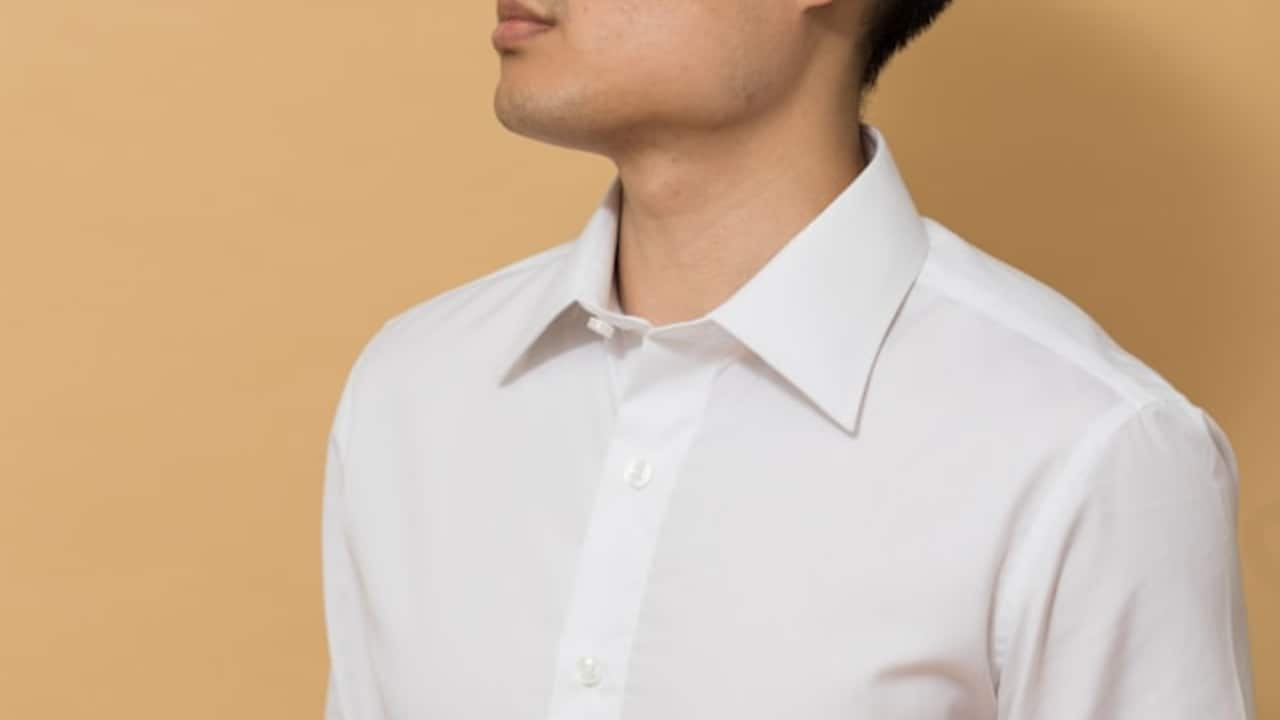
Common Reasons For Wrinkles in Linen Shirts: Understanding Why Your New Shirts Always Look Crumpled.
There is something undeniably appealing about linen. It whispers of summer afternoons, coastal breezes, and easy elegance. A crisp linen shirt, hanging in a wardrobe, carries the promise of effortless style. Yet, the moment it is worn, reality strikes. Within minutes, the smooth surface begins to crease, fold, and crumple, almost as if the fabric has a personality of its own.
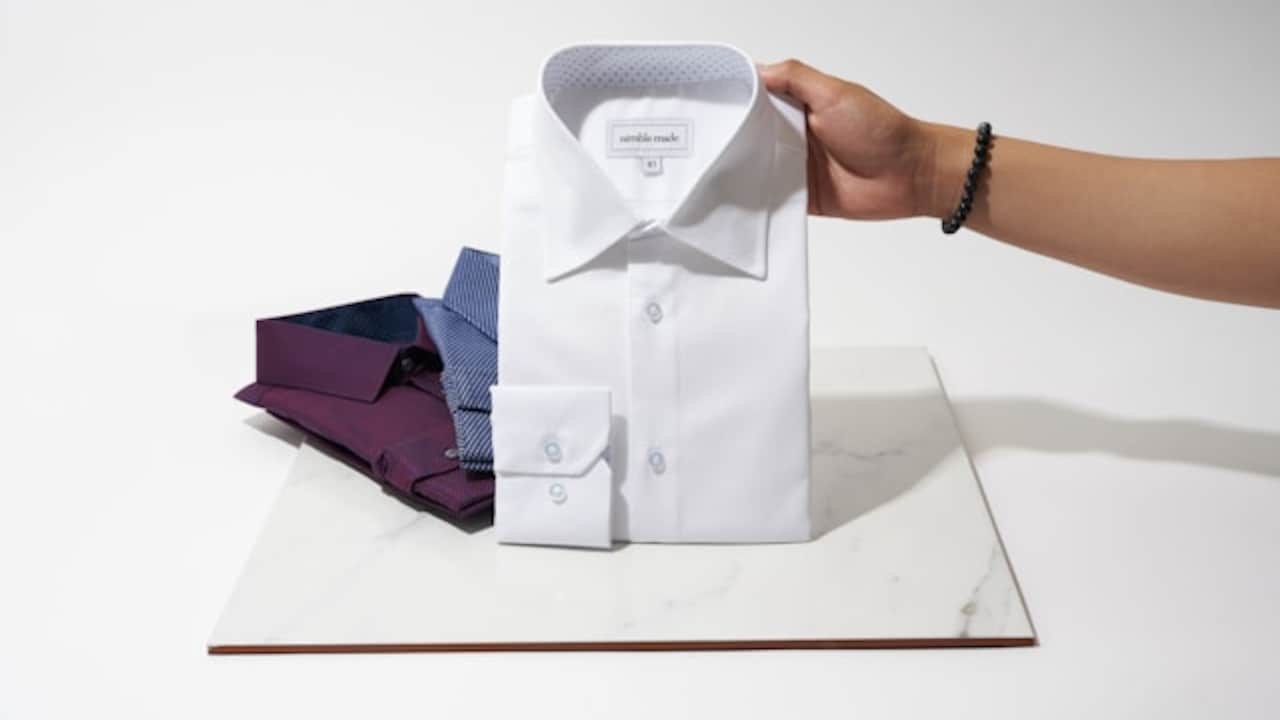
Why do linen shirts wrinkle easily; Photo Credit: Pexels
This tendency often puzzles many. After spending ₹2,000 or more on a premium linen shirt, expectations lean towards a polished look that lasts through the day. Instead, the shirt develops a lived-in texture before stepping out the door. Is it of poor quality? A manufacturing flaw? Or simply the nature of the fabric?
The answer lies deeper, woven into the very fibres of linen itself. Understanding why linen behaves this way not only clears the confusion but also transforms the way it is worn and appreciated. Rather than fighting the creases, embracing them may just unlock the true charm of this timeless fabric.
Also Read: Discover 5 Oversized Linen Shirts That Define Summer Chic
The Science And Style Behind Linen's Signature Wrinkles
The Natural Structure Of Linen Fibres
Linen comes from the flax plant, and its fibres tell an interesting story. Unlike cotton, which has shorter and softer fibres, linen fibres are long, stiff, and slightly rigid. This rigidity gives linen its signature crispness but also explains its tendency to wrinkle.
When pressure is applied, such as sitting, bending, or even folding arms, these fibres do not bounce back easily. Instead, they hold the shape of the crease. Imagine bending a thin stick versus a soft thread. The stick keeps its new shape longer, much like linen fibres.
This structural quality also contributes to linen's breathability. Air flows easily through the fabric, making it ideal for warm weather. However, the same openness means less elasticity, and therefore, more creases.
Rather than viewing this as a flaw, it helps to see it as a natural trait. Linen does not try to look perfect. It reflects movement, activity, and a certain relaxed confidence that no synthetic fabric can truly replicate.
Why Linen Lacks Elasticity
Elasticity plays a major role in how fabrics behave. Cotton stretches slightly and springs back. Polyester stretches even more due to its synthetic composition. Linen, however, has very little elasticity.
This means that once the fabric folds or bends, it does not easily return to its original shape. The fibres simply do not have the flexibility required to recover quickly. As a result, even small movements, like reaching for a bag or sitting in a car, can create visible creases.
This lack of elasticity also explains why linen feels structured and slightly firm when new. Over time, repeated washing softens the fibres, but the fundamental nature remains unchanged.
Interestingly, this characteristic contributes to linen's durability. The same stiffness that prevents elasticity also makes the fabric strong and long-lasting. Many linen garments, when cared for properly, can last years without losing their charm.
Understanding this balance between strength and flexibility helps shift expectations. Linen is not meant to behave like stretch fabrics. It has its own rhythm, and once that rhythm is accepted, wearing it becomes far more enjoyable.
The Role Of Moisture And Humidity
Humidity plays a silent yet powerful role in how linen behaves. In regions with high moisture in the air, linen absorbs water easily. This absorption softens the fibres slightly, making them more prone to creasing.
When stepping outdoors on a humid day, a freshly ironed linen shirt can begin to lose its crispness almost instantly. The fabric reacts to the environment, adjusting its structure in response to the moisture around it.
At the same time, linen dries quickly. This quick-drying nature is one of its greatest strengths, especially during hot and sticky weather. However, as it dries, the creases formed earlier tend to set more firmly.
This interaction between moisture and fibre structure creates a cycle. Absorb, soften, crease, and set. It may sound frustrating, but it also highlights why linen remains a favourite during warm seasons. Comfort often comes at the cost of a perfectly smooth appearance.
Instead of battling humidity, it makes more sense to work with it, choosing looser fits and relaxed styles that complement linen's natural behaviour.
Weave Patterns And Their Impact
Not all linen fabrics crease in the same way. The weave of the fabric significantly influences how wrinkles appear and settle.
A loose weave allows more movement between fibres, which can lead to softer, less defined creases. On the other hand, a tighter weave holds structure more firmly but may show sharper wrinkles when they form.
Some premium linen shirts use blended weaves or combine linen with cotton to reduce creasing. While this can improve wrinkle resistance, it also changes the texture and feel of pure linen.
The beauty of linen lies in its authenticity. A slightly uneven weave, visible texture, and natural irregularities add character to the fabric. These elements create a unique look that cannot be replicated by machine-perfect materials.
Understanding the weave helps in choosing the right linen garment. Those who prefer a more relaxed look may enjoy loosely woven linen, while others may opt for a tighter weave for a slightly neater appearance.
The Influence Of Dyeing And Finishing Processes
The way linen is dyed and finished also affects its tendency to wrinkle. Natural, untreated linen often wrinkles more because it retains its original fibre characteristics.
During manufacturing, some linen fabrics undergo treatments that soften the fibres or add a slight coating. These processes can reduce wrinkling to an extent but may also alter the fabric's breathability and natural feel.
Garment-dyed linen, which is dyed after stitching, often has a softer texture and a more relaxed appearance. It embraces creases as part of its aesthetic rather than trying to hide them.
In contrast, heavily processed linen may appear smoother initially but can lose its charm over time. The fabric may feel less breathable and slightly artificial.
Choosing between treated and untreated linen depends on personal preference. Those who appreciate authenticity often lean towards minimally processed linen, accepting its creases as part of its identity.
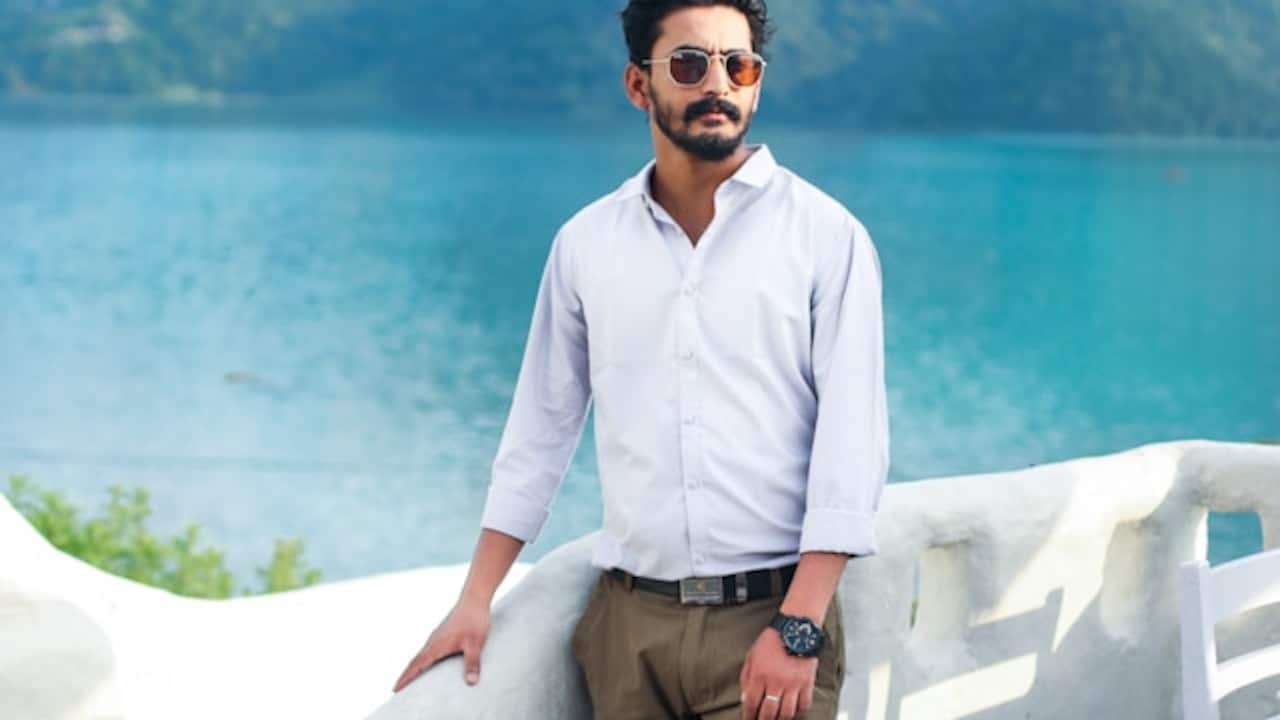
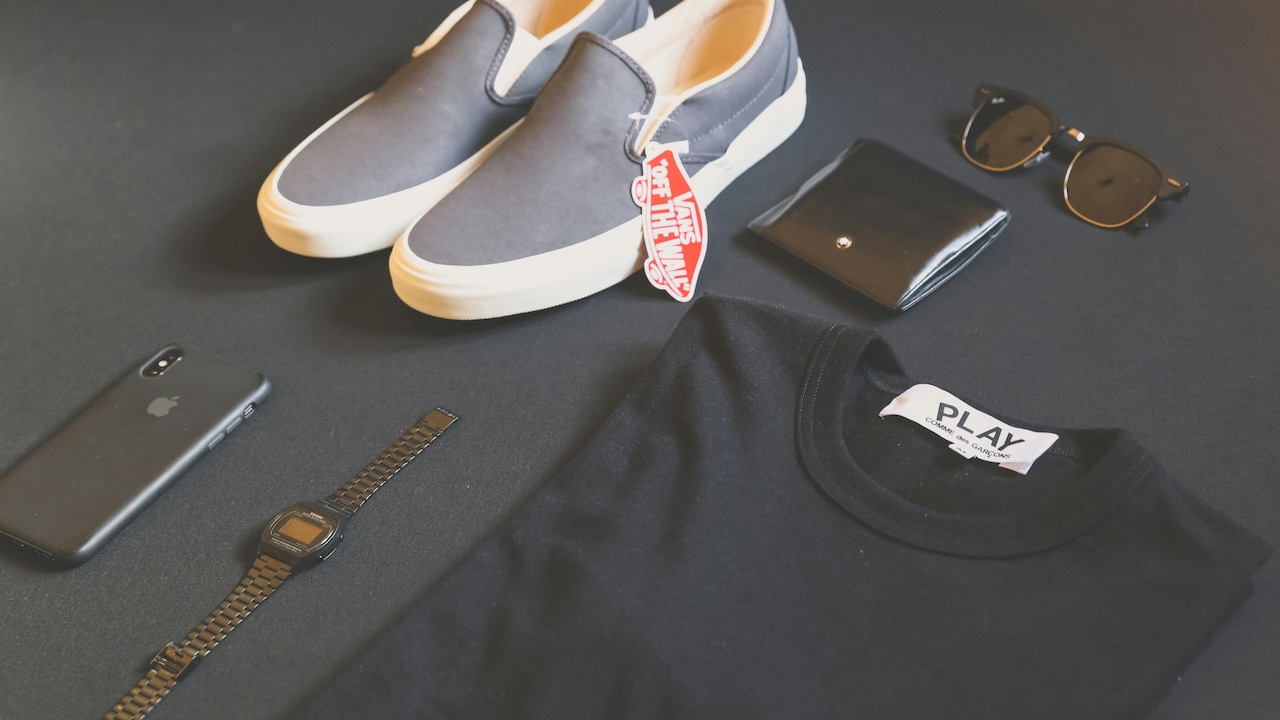
Dyeing and finishing of the fabric can also affect wrinkles; Photo Credit: Unsplash
How Fit And Tailoring Affect Wrinkles
The fit of a linen shirt plays a surprisingly important role in how it creases. A tight shirt experiences more stress across the fabric, leading to sharper and more frequent wrinkles.
When fabric stretches across the shoulders or chest, even small movements create tension points. These points become the starting areas for creases.
A relaxed or slightly loose fit allows the fabric to move freely. This reduces tension and results in softer, more natural folds rather than sharp lines.
Tailoring also matters. Well-constructed seams and thoughtful cuts can distribute pressure evenly across the garment, minimising excessive wrinkling in specific areas.
Choosing the right fit transforms the linen-wearing experience. Instead of constantly adjusting and worrying about creases, a comfortable fit allows the fabric to drape naturally, enhancing both style and comfort.
The Myth Of The Perfectly Ironed Linen Shirt
The idea of a perfectly ironed linen shirt often comes from expectations shaped by other fabrics. However, linen does not belong to that category.
Even after careful ironing, linen begins to crease as soon as it is worn. This is not a sign of poor ironing skills but a reflection of the fabric's nature.
Chasing perfection with linen can lead to unnecessary frustration. Spending time achieving a flawless finish only to see it disappear within minutes can feel discouraging.
Instead, linen invites a shift in perspective. It encourages embracing imperfection and appreciating the relaxed elegance that comes with it.
A lightly pressed linen shirt, with a few natural creases, often looks more authentic and stylish than one that appears overly stiff. The charm lies in its effortless appearance, not in rigid perfection.
Cultural Perception Of Linen's Wrinkled Look
Linen carries a cultural identity that celebrates ease and simplicity. In many settings, a slightly crumpled linen shirt signals comfort, confidence, and a laid-back approach to style.
Rather than appearing untidy, it often reflects a sense of ease. It suggests that appearance matters, but not to the point of discomfort or rigidity.
In warm climates, where practicality takes precedence, linen's breathable nature makes it a preferred choice. The wrinkles become part of its visual language, telling a story of movement and activity.
Over time, perceptions have shifted. What once may have been seen as careless now often appears stylish and intentional. Fashion trends have embraced linen's natural look, turning its supposed flaw into a defining feature.
Understanding this cultural shift helps in wearing linen with confidence. The creases are not mistakes; they are part of the narrative.
Caring For Linen Without Fighting It
Proper care can reduce excessive wrinkling, but it cannot eliminate it entirely. Washing linen gently and avoiding harsh spinning helps maintain the integrity of the fibres.
Air drying works best, allowing the fabric to settle naturally. Removing the shirt while slightly damp and smoothing it by hand can minimise deep creases.
Ironing while the fabric is still slightly moist can also help achieve a smoother finish. However, expecting the effect to last all day may lead to disappointment.
Storage plays a role too. Hanging linen shirts instead of folding them prevents unnecessary creases from forming before wear.
The goal is not to control linen completely but to manage it thoughtfully. Accepting its nature while caring for it properly ensures that it remains comfortable, stylish, and long-lasting.
Products Related To This Article
1. Aeropostale Cotton Linen Casual Shirt
2. Mast & Harbour Long Sleeves Linen Shirt
3. Roadster The Lifestyle Co. Solid Cotton Linen Shirt
4. HIGHLANDER Striped Spread Collar Relaxed Fit Cotton Linen Shirt
5. French Connection Slim Fit Mandarin Collar Linen Shirt
Linen's tendency to wrinkle is not a defect but a defining characteristic. It reflects the fabric's natural structure, lack of elasticity, and interaction with the environment. Each crease tells a story of movement, comfort, and authenticity.
Rather than resisting these traits, embracing them transforms the experience of wearing linen. The fabric offers something unique, a blend of elegance and ease that few materials can match.
In a world that often chases perfection, linen stands as a reminder that beauty can exist in imperfection. A slightly crumpled shirt, worn with confidence, speaks louder than a perfectly pressed one worn with discomfort.
The next time a linen shirt begins to crease, there is no need for frustration. Instead, it may be worth appreciating the quiet charm hidden within those folds.
(Disclaimer: This article may include references to or features of products and services made available through affiliate marketing campaigns. NDTV Convergence Limited (“NDTV”) strives to maintain editorial independence while participating in such campaigns. NDTV does not assume responsibility for the performance or claims of any featured products or services.)