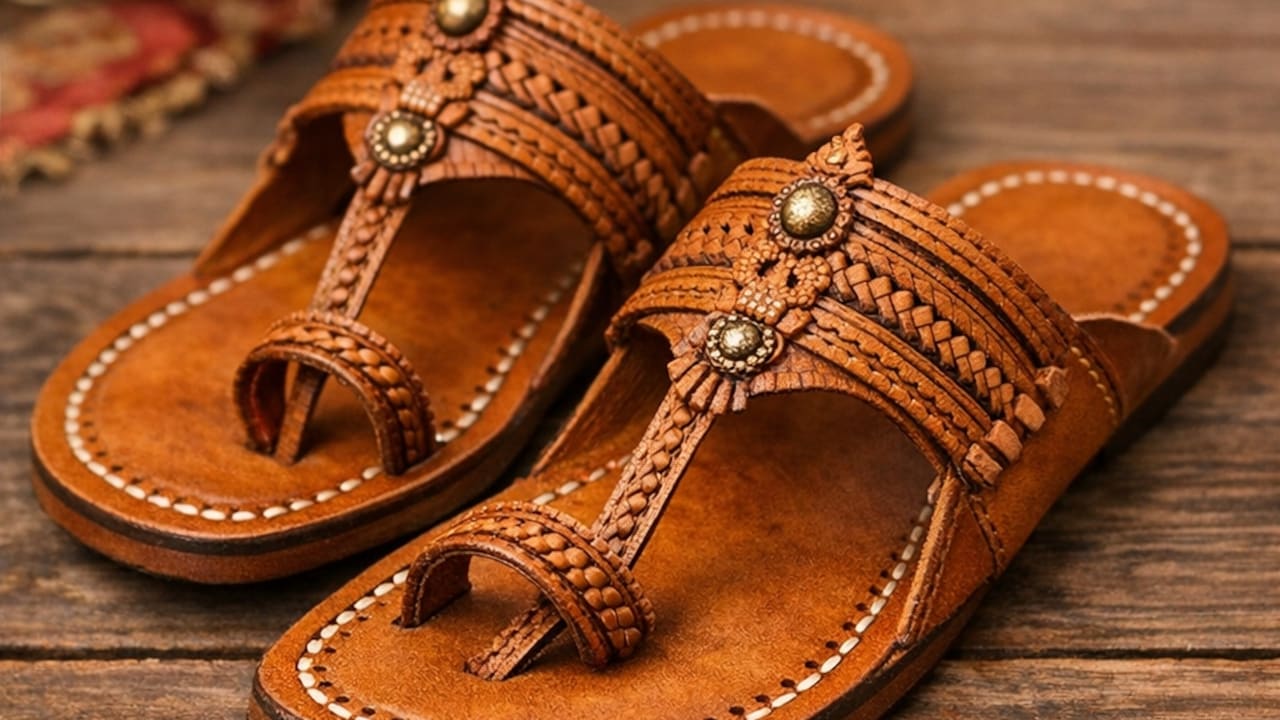
Why Block Heels Still Hurt Even Though They Are Supposed To Be Comfortable
Block heels promise comfort but often leave feet sore. From poor support to design flaws, this is why these “easy” heels don’t always live up to their reputation, and what really causes the pain.
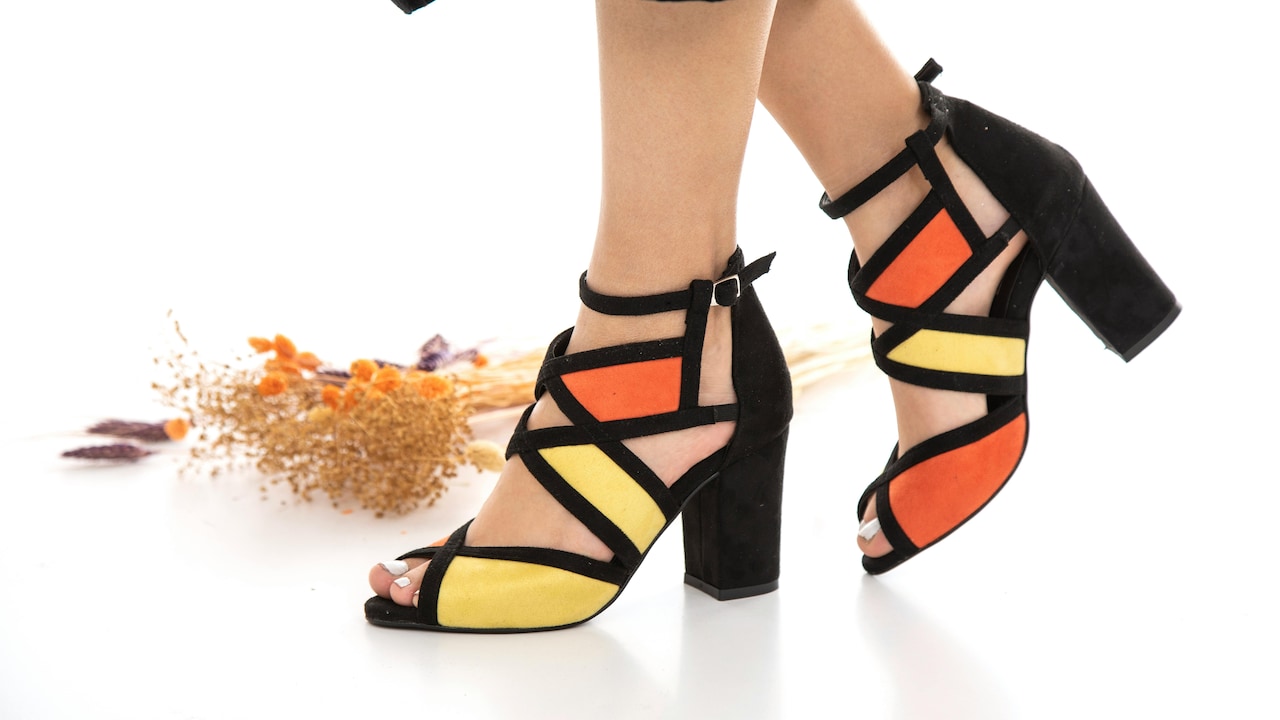
Why Block Heels Hurt: 10 Hidden Reasons They're Not As Comfortable As You Think.
Block heels carry a certain reputation. They look sturdy, feel supportive at first glance, and often get labelled as the sensible alternative to stilettos. From office corridors in Mumbai to wedding halls in Delhi, they appear everywhere, paired with kurtas, sarees, and even tailored trousers. The expectation feels simple: more surface area means more balance, and more balance should mean less pain.
Yet reality tends to tell a different story. Many who slip into a pair of block heels in the morning end up counting minutes until they can kick them off. The discomfort creeps in quietly, a pinch here, a dull ache there, before turning into something far more noticeable. It raises an obvious question: if block heels are designed for comfort, why do they still hurt?
The answer lies not in one flaw but in a mix of design choices, habits, and overlooked details. Comfort in footwear rarely depends on shape alone. It depends on how the shoe interacts with the foot, the surface, and even the pace of daily life. Understanding these factors reveals why block heels sometimes betray expectations, and what can make them easier to wear.
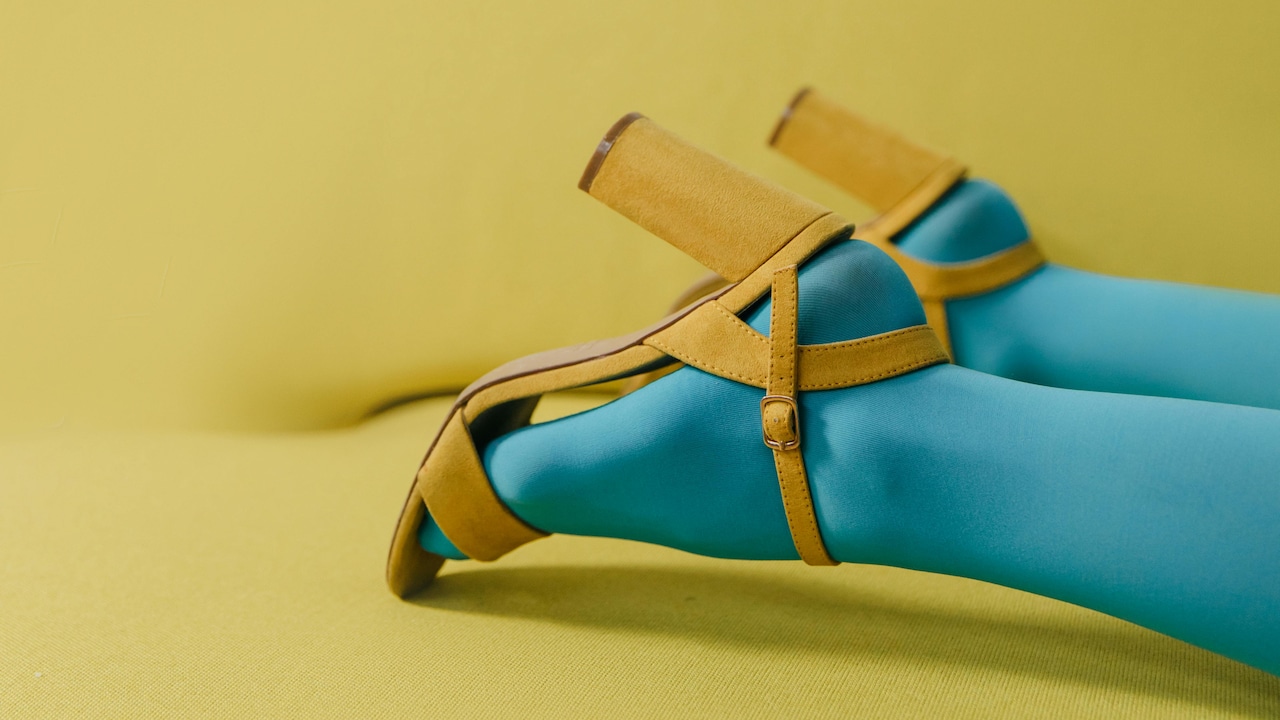
Why Block Heels Still Hurt Even Though They Are Supposed To Be Comfortable
Photo Credit: Pexels
The Real Reasons Behind Block Heel Discomfort
The Illusion Of Stability Over Comfort
Block heels feel stable, no doubt about that. The wider base distributes weight more evenly than a thin heel, which creates a sense of security. However, stability does not automatically translate to comfort. Many assume that a broader heel reduces strain, but the foot still tilts forward in most designs. That tilt places pressure on the ball of the foot, especially during long hours of standing or walking.
In busy settings, think crowded markets or long commutes, the foot keeps adjusting to maintain balance. Even with a sturdy heel, this constant micro-adjustment strains muscles that rarely get noticed. Over time, the strain turns into soreness. The mind expects ease, but the body quietly works harder than anticipated.
This mismatch between expectation and reality often leads to frustration. The shoe looks sensible, feels steady, and yet causes discomfort. Stability, it turns out, solves only part of the problem. True comfort requires alignment, cushioning, and thoughtful design, factors that many block heels compromise in favour of style.
Poor Arch Support Plays A Big Role
A surprising number of block heels lack proper arch support. While the heel itself looks solid, the insole often remains flat or minimally cushioned. The arch of the foot, however, needs consistent support to distribute weight evenly. Without it, pressure shifts to specific points, particularly the heel and the ball.
During a typical day, walking between meetings, standing in queues, or navigating uneven pavements, the absence of arch support becomes more noticeable. The foot starts to tire faster, and a dull ache develops beneath the arch. This discomfort can extend upward, affecting ankles and even knees.
Footwear that ignores the natural curve of the foot tends to create long-term discomfort. Block heels, despite their sturdy appearance, often fall into this trap. The design focuses on external stability but overlooks internal alignment. As a result, the foot compensates, leading to fatigue that builds quietly and lingers even after the shoes come off.
Incorrect Fit Makes Everything Worse
Even the most well-designed block heel can turn uncomfortable if the fit feels off. A slightly loose pair may cause the foot to slide forward, increasing pressure on the toes. A tighter fit, on the other hand, can squeeze the sides and restrict movement, leading to blisters or soreness.
In fast-paced shopping environments, many pick shoes based on appearance rather than precise fit. A pair that feels fine during a quick trial in an air-conditioned store might behave very differently after hours of wear outdoors. Heat, humidity, and walking all influence how the shoe interacts with the foot.
Small misfits often go unnoticed at first. However, they gradually create friction and uneven pressure. By the end of the day, the discomfort feels unavoidable. The lesson here remains simple but often ignored: comfort begins with the right size, but it also depends on how the shoe hugs the foot in motion, not just at rest.
Hard Soles Reduce Shock Absorption
Many block heels feature rigid soles that prioritise durability over flexibility. While this makes the shoe long-lasting, it also reduces its ability to absorb impact. Each step sends a small shock through the foot, which accumulates over time.
Walking on hard surfaces, like tiled floors, pavements, or office corridors, amplifies this effect. Without cushioning, the foot absorbs most of the impact, leading to soreness in the heel and forefoot. The discomfort often becomes more pronounced during longer outings, such as shopping trips or festive gatherings.
Soft, cushioned soles can make a noticeable difference, but they are not always present in stylish designs. The emphasis often leans towards appearance rather than functionality. As a result, block heels may look supportive but fail to provide the comfort needed for extended wear.
Weight Distribution Isn't Always Balanced
Despite their wide base, not all block heels distribute weight evenly. The height of the heel, combined with the design of the front portion, can create imbalance. If the front lacks adequate support or elevation, the foot tilts forward more than expected.
This forward tilt increases pressure on the toes and the ball of the foot. Over time, this pressure leads to discomfort, especially during prolonged standing. The body tries to compensate by shifting posture, which can strain other areas like the lower back.
The issue often goes unnoticed because the heel appears stable. However, true balance depends on the entire structure of the shoe. When one part fails to align with the rest, discomfort becomes inevitable. A balanced design requires harmony between heel height, sole thickness, and foot positioning.
Straps And Design Can Cause Pressure Points
Block heels often feature straps, buckles, or closed designs that add to their aesthetic appeal. However, these elements can create pressure points if not designed thoughtfully. A strap placed too tightly across the foot can dig into the skin, while a poorly positioned buckle can rub against sensitive areas.
During warmer days, when feet tend to swell slightly, these pressure points become more noticeable. What felt comfortable in the morning may feel restrictive by afternoon. The resulting friction can lead to redness, irritation, or even blisters.
Design plays a crucial role here. Shoes that prioritise style over comfort often overlook how these elements interact with the foot. A visually appealing pair may still cause discomfort if it fails to accommodate natural movement and changes in foot size throughout the day.
Walking Style Influences Comfort Levels
Footwear comfort does not depend solely on the shoe; it also depends on how one walks. Block heels require a slightly different walking style compared to flats or sneakers. A natural stride may not always align with the structure of the heel.
In busy environments, where quick steps and sudden turns are common, this mismatch becomes more evident. The foot may struggle to adapt, leading to strain in the ankles or calves. Over time, this strain contributes to overall discomfort.
Adapting to block heels takes practice. However, not everyone has the time or patience to adjust their walking style. As a result, the shoes end up feeling uncomfortable, even if the design itself is not entirely at fault. Comfort, in this case, becomes a shared responsibility between the shoe and the wearer.
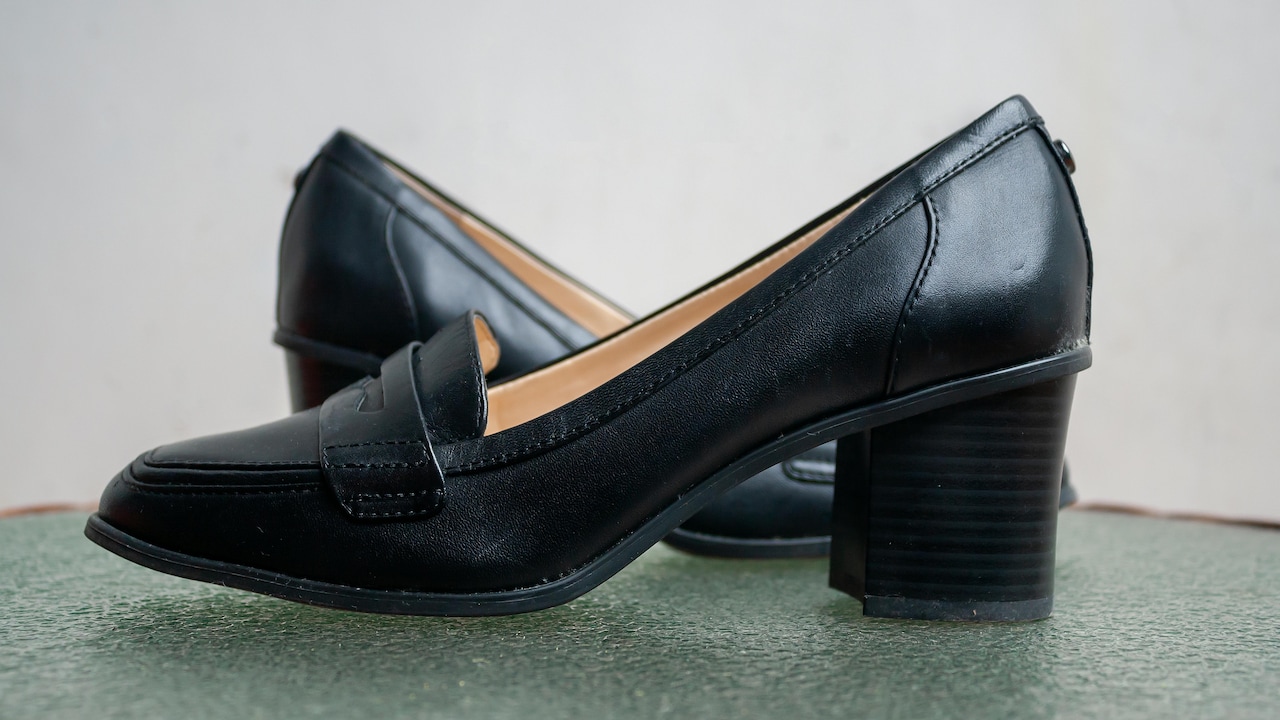
Why Block Heels Still Hurt Even Though They Are Supposed To Be Comfortable
Photo Credit: Pexels
Quality Often Takes A Backseat To Trends
Fashion trends change quickly, and footwear brands often rush to keep up. In the process, quality sometimes gets compromised. Materials may feel stiff, stitching may lack finesse, and cushioning may remain minimal.
A pair of block heels that looks appealing in a showroom might not perform well over time. The initial comfort may fade after a few uses, revealing underlying issues. This becomes particularly noticeable during long days or special occasions where the shoes stay on for extended periods.
Investing in quality footwear often makes a difference, even if it means spending a bit more, say around ₹2,000 to ₹5,000. Better materials and construction can improve comfort significantly. However, the temptation to prioritise style over substance remains strong, leading to choices that favour appearance at the cost of comfort.
Foot Shape Varies More Than Designs Do
No two feet are exactly alike. Some have higher arches, others are flatter. Some are wider, while others are narrower. However, most block heels follow standardised designs that may not suit every foot type.
This mismatch creates discomfort. A shoe that fits one person perfectly may feel awkward to another. The lack of customisation means that many end up compromising, adjusting their feet to fit the shoe rather than the other way around.
Over time, this compromise leads to strain and soreness. The foot tries to adapt, but the design limits its natural movement. Understanding one's foot shape and choosing footwear accordingly can make a significant difference, yet this step often gets overlooked in the excitement of buying a new pair.
Long Hours Amplify Every Small Flaw
A pair of block heels may feel comfortable for a short duration. However, extended wear reveals its shortcomings. Small issues, like slight pressure, minimal cushioning, or minor imbalance, become more noticeable over time.
Events that involve standing or walking for hours, such as weddings or shopping outings, tend to highlight these flaws. The foot gradually tyres, and discomfort builds up. By the end of the day, even a seemingly comfortable pair can feel unbearable.
The problem lies not just in the shoe but in the duration of wear. No footwear, regardless of design, can remain perfectly comfortable under prolonged stress. Recognising this limitation helps set realistic expectations and encourages better choices, such as taking breaks or alternating footwear.
Products Related To This Article
1. Marc Loire Women Cream-Coloured Solid Pumps
2. Kenneth Cole Leather Block Pumps with Buckles
3. Denill Women Block Sandals
4. Inc 5 Women Party Block Sandals
5. Mochi Embellished Open-Toe Block Heels
Block heels continue to hold their place in wardrobes for good reason. They offer style, versatility, and a sense of balance that appeals to many. However, comfort depends on more than just a sturdy heel. It relies on thoughtful design, proper fit, and realistic expectations.
The discomfort associated with block heels often stems from overlooked details, lack of arch support, rigid soles, poor fit, or extended wear. These factors combine to create an experience that contradicts the promise of comfort.
Understanding these nuances allows for better choices. Whether it means investing in higher-quality pairs, paying closer attention to fit, or limiting wear during long days, small changes can make a noticeable difference. Block heels need not be abandoned altogether. With the right approach, they can still deliver on their promise, just not without a bit of awareness and care.
(Disclaimer: This article may include references to or features of products and services made available through affiliate marketing campaigns. NDTV Convergence Limited (“NDTV”) strives to maintain editorial independence while participating in such campaigns. NDTV does not assume responsibility for the performance or claims of any featured products or services.)