Small Sling Bags, Big Problem: Why Your Essentials Never Fit Right
Small sling bags look sleek but rarely fit real life. From oversized phones to bulky wallets, everyday essentials turn these stylish accessories into a constant struggle of space and compromise.
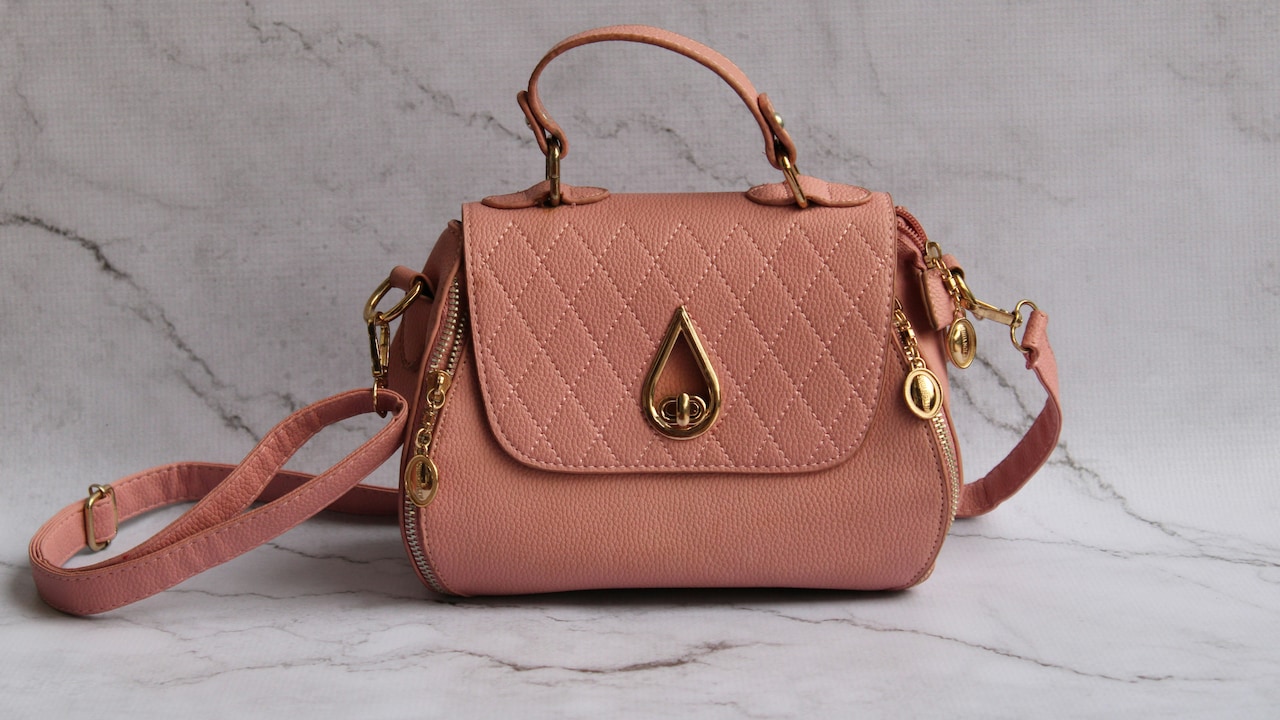
Struggling With Space? The Real Problem With Small Sling Bags Explained.
Small sling bags have become a staple in modern wardrobes. They sit comfortably between practicality and style, offering just enough space for daily essentials without the burden of a bulky tote. Perfect for quick errands, metro rides, or weekend outings, they seem like the ideal companion. Yet, reality often tells a different story.
The moment everything needs to fit inside, phone, wallet, keys, maybe a lip balm, the struggle begins. Items compete for space, zips resist closure, and the sleek silhouette quickly turns into an overstuffed pouch. This mismatch between expectation and reality is not accidental. It reflects deeper design compromises, lifestyle shifts, and even cultural habits around what people carry daily.
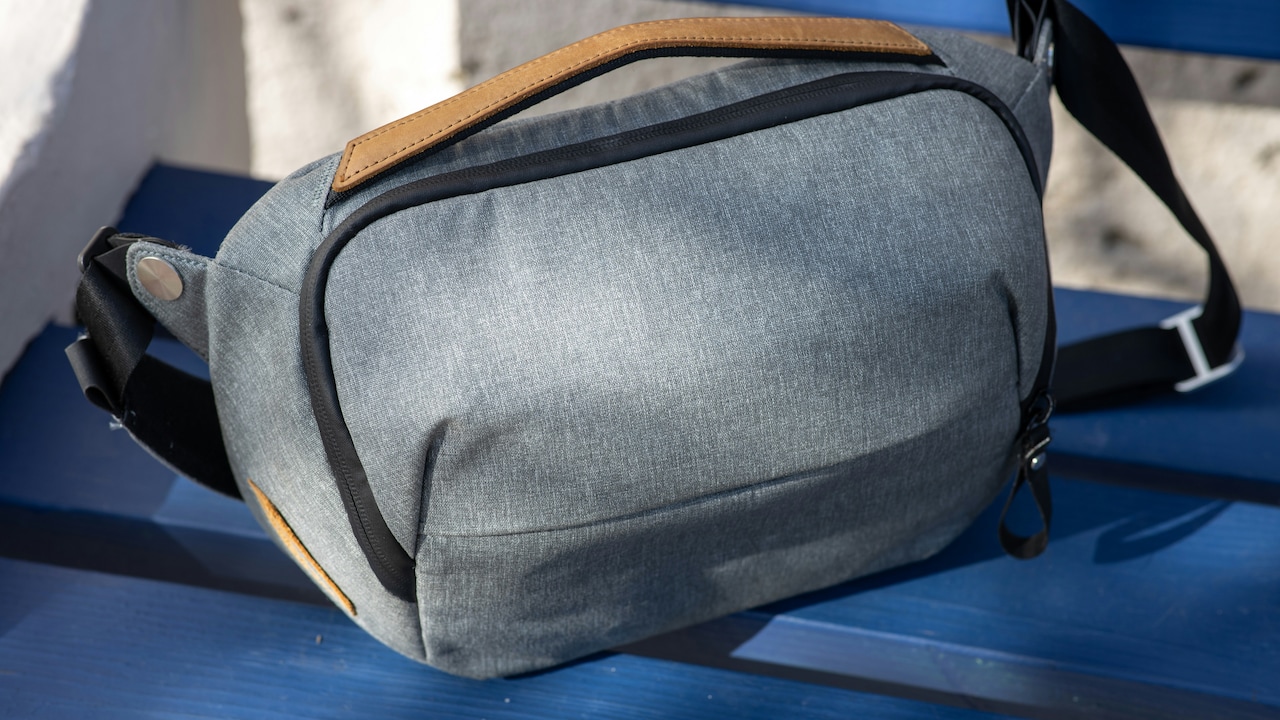
Small Sling Bags, Big Problem: Why Your Essentials Never Fit Right; Photo Credit: Pexels
The Everyday Struggles Behind Compact Style
The Illusion Of Minimalism
Minimalism sells well, especially in fashion. A small sling bag represents a curated life, where only the essentials matter. Yet, daily life rarely aligns with this ideal. Even a short outing demands more than expected: cash, cards, sanitiser, earphones, and perhaps a small snack.
This gap between aspiration and reality creates tension. The bag looks minimal, but the user's needs remain extensive. A quick coffee run suddenly requires juggling items that refuse to coexist peacefully. The illusion lies in believing that life can be compressed into a few neatly organised objects.
Designers often capitalise on this aesthetic appeal, prioritising appearance over function. The result is a product that looks perfect on display but struggles in everyday use. It becomes less about practicality and more about projecting a lifestyle that feels aspirational yet slightly out of reach.
The Phone Problem That Changed Everything
Smartphones have quietly grown in size over the years. What once slipped easily into a pocket now demands its own dedicated space. Add a protective case, and the dimensions increase further.
Small sling bags, however, have not evolved at the same pace. Many still follow older size standards, leaving little room for modern devices. This mismatch creates the first and most frustrating challenge. The phone either fits awkwardly or consumes most of the available space.
This leaves little room for anything else. A wallet becomes optional, keys get squeezed in, and other essentials are often left behind. The irony is striking; bags designed for convenience struggle to accommodate the one item that defines modern life. This imbalance turns a simple accessory into a daily puzzle.
Also Read: 7 Best Sling Bags With Multiple Compartments For Office And Travel When You Want To Go Hands-Free
Wallets That Refuse To Shrink
Despite the rise of digital payments, wallets remain stubbornly relevant. Cards, IDs, receipts, and occasional cash still demand a place. Even slim wallets carry a surprising amount of bulk.
Small sling bags rarely account for this. The internal compartments often lack flexibility, forcing users to angle or fold items awkwardly. This leads to unnecessary wear and tear, both for the bag and its contents.
There's also an emotional element. A wallet carries more than money; it holds identity, access, and security. Leaving it behind feels risky. Yet, fitting it inside a compact bag often requires compromise. This constant negotiation between necessity and space adds to the everyday frustration.
The Zip That Never Closes Smoothly
A zip should glide effortlessly, offering both security and ease. In small sling bags, it often becomes a point of resistance. Overfilled interiors push against the fabric, making closure difficult.
This is not just inconvenient; it affects usability. A bag that refuses to close properly becomes unreliable. Items risk falling out, and accessing them becomes a struggle.
The problem lies in the design. Many bags prioritise a slim profile without considering real-world usage. The result is a structure that looks neat but lacks flexibility. The zip becomes a silent indicator of this flaw, reminding users that the bag was not built for their actual needs.
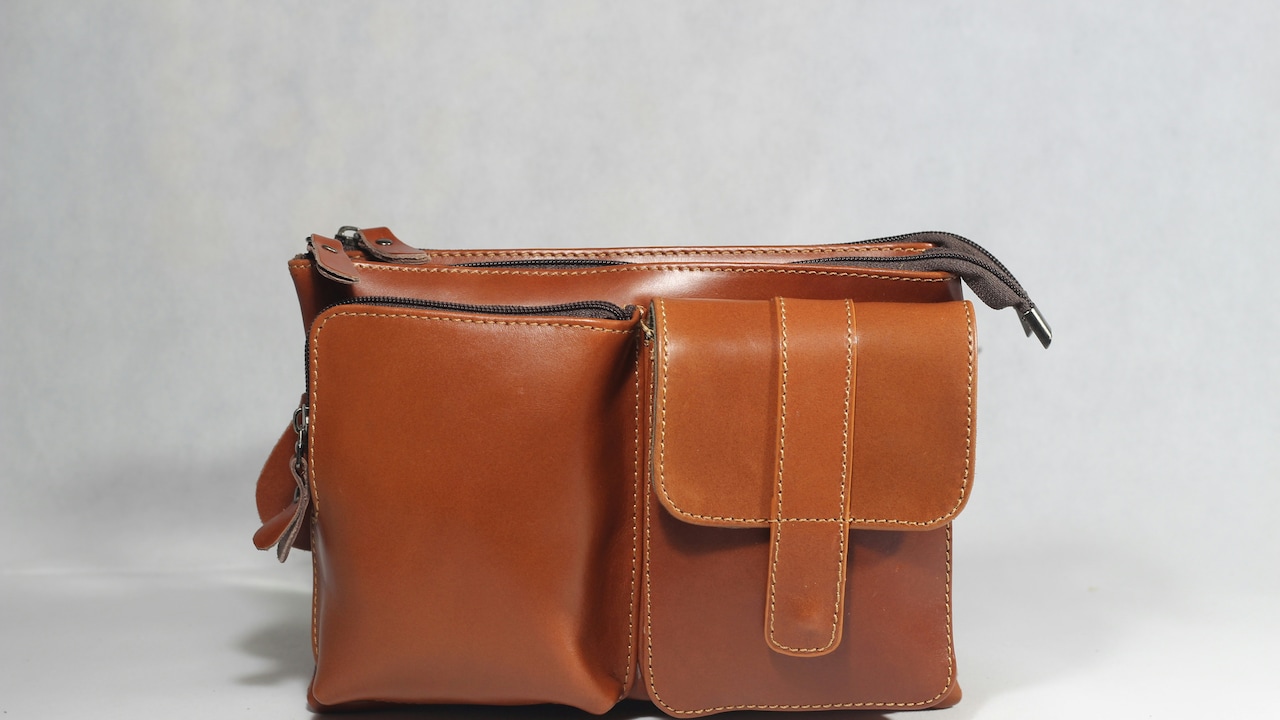
Small Sling Bags, Big Problem: Why Your Essentials Never Fit Right; Photo Credit: Pexels
The Key Chaos Nobody Talks About
Keys seem small and insignificant, yet they create disproportionate chaos inside a compact bag. Their irregular shapes and sharp edges disrupt any attempt at organisation.
In a small sling bag, keys often scratch surfaces, tangle with earphones, or hide in corners. Retrieving them becomes an exercise in patience, especially in moments of urgency.
This issue highlights a broader design oversight. Many bags lack dedicated compartments for smaller items. Everything ends up in a shared space, leading to clutter and confusion. A simple solution, like a key holder or separate pocket, often goes missing, leaving users to deal with the consequences.
Beauty Essentials And The Space Dilemma
A small pouch of beauty essentials can quickly dominate the interior of a sling bag. Lip balm, compact powder, or a small perfume bottle might seem negligible individually, but together they consume valuable space.
This creates a dilemma. Carry them and sacrifice other essentials, or leave them behind and risk discomfort later. The decision often depends on the day's priorities, adding an extra layer of planning.
The challenge lies in the unpredictability of daily routines. A long day out might require touch-ups, while a short trip might not. Small sling bags, however, offer little flexibility. They demand strict choices, turning convenience into a balancing act.
The Unexpected Bulk Of Everyday Extras
Beyond the obvious items, there are always extras. A small packet of tissues, a sanitiser bottle, or even a pair of sunglasses can tip the balance.
These items often enter the bag as afterthoughts but quickly become essential. Once inside, they disrupt the already tight space, making organisation even harder.
This highlights the unpredictability of real life. Needs change throughout the day, but the bag remains fixed in size. The inability to adapt creates friction, forcing users to constantly reassess what to carry and what to leave behind.
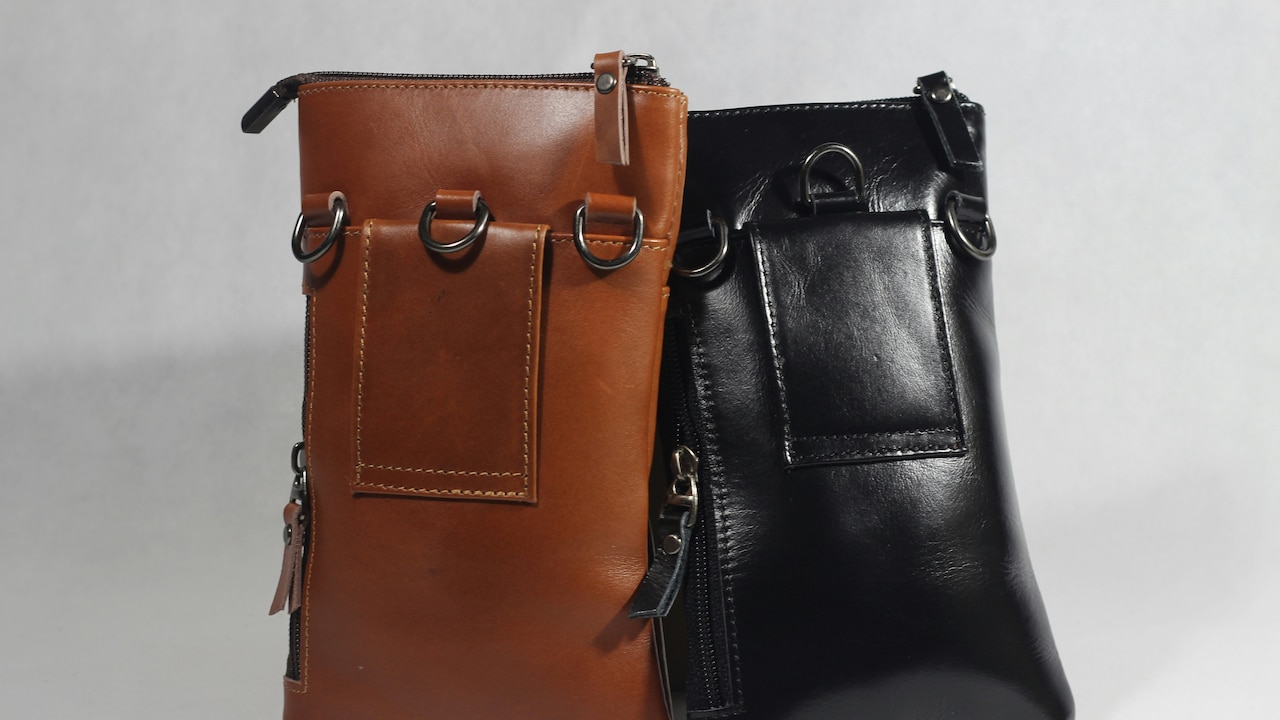
Small Sling Bags, Big Problem: Why Your Essentials Never Fit Right; Photo Credit: Pexels
Style Over Substance: A Design Dilemma
Fashion often prioritises aesthetics over practicality. Small sling bags exemplify this trend. Sleek designs, trendy colours, and compact shapes attract attention, but functionality takes a back seat.
This is not accidental. Visual appeal drives purchase decisions, especially in a market saturated with options. A bag that looks good on a display shelf or in a mirror often wins over one that offers better utility.
However, this focus on style creates long-term dissatisfaction. A beautiful bag that fails in daily use becomes a source of frustration. It sits unused or reserved for specific occasions, defeating its purpose as an everyday accessory.
The Price Of Convenience
Small sling bags are often marketed as affordable luxuries, with prices ranging from ₹800 to ₹5,000 or more. The expectation is clear: a compact, stylish solution for daily needs.
Yet, the limitations often outweigh the benefits. The convenience promised at the time of purchase slowly fades, replaced by the hassle of constant adjustments.
This raises an important question about value. Is it worth investing in an accessory that struggles to meet basic requirements? For many, the answer lies in balancing style with practicality, a compromise that feels increasingly necessary.
The Constant Repacking Ritual
Perhaps the most overlooked issue is the daily ritual of repacking. Items move in and out of the bag depending on the day's needs. This constant reshuffling becomes a routine.
It consumes time and mental energy. Decisions about what to carry become part of the daily checklist, adding to an already busy schedule.
This ritual reflects a deeper issue. The bag does not adapt to the user; the user adapts to the bag. What should be a tool for convenience turns into a source of micro-decisions, subtly affecting the flow of daily life.
Products Related To This Article
1. Glitchez Crossbody Sling Bag
2. Berrylush Structured Sling Bag
3. Fastrack Structured Sling Bag
4. Caprese Safia Sling Bag
5. StyleCast x Revolte Swagger Sling Bag
Small sling bags embody a paradox. They promise simplicity but often deliver complexity. Their compact design clashes with the realities of modern life, where essentials continue to grow in both size and number.
The problem is not the bag alone but the expectations placed on it. A balance between style and functionality remains elusive, leaving users to navigate the gap. Until designs evolve to reflect real needs, the struggle will persist.
In the end, the small sling bag remains both a fashion statement and a daily challenge, a reminder that sometimes, less is not always more. Shop now on Myntra
(Disclaimer: This article may include references to or features of products and services made available through affiliate marketing campaigns. NDTV Convergence Limited (“NDTV”) strives to maintain editorial independence while participating in such campaigns. NDTV does not assume responsibility for the performance or claims of any featured products or services.)