How Daily Desk Posture Creates Lasting Wrinkles And Creases In Office Shirts
Hours of desk work silently reshape office shirts. Slouching, leaning, and poor posture create stubborn wrinkles and creases that resist ironing. Understanding the link between posture and fabric can help shirts stay crisp longer.
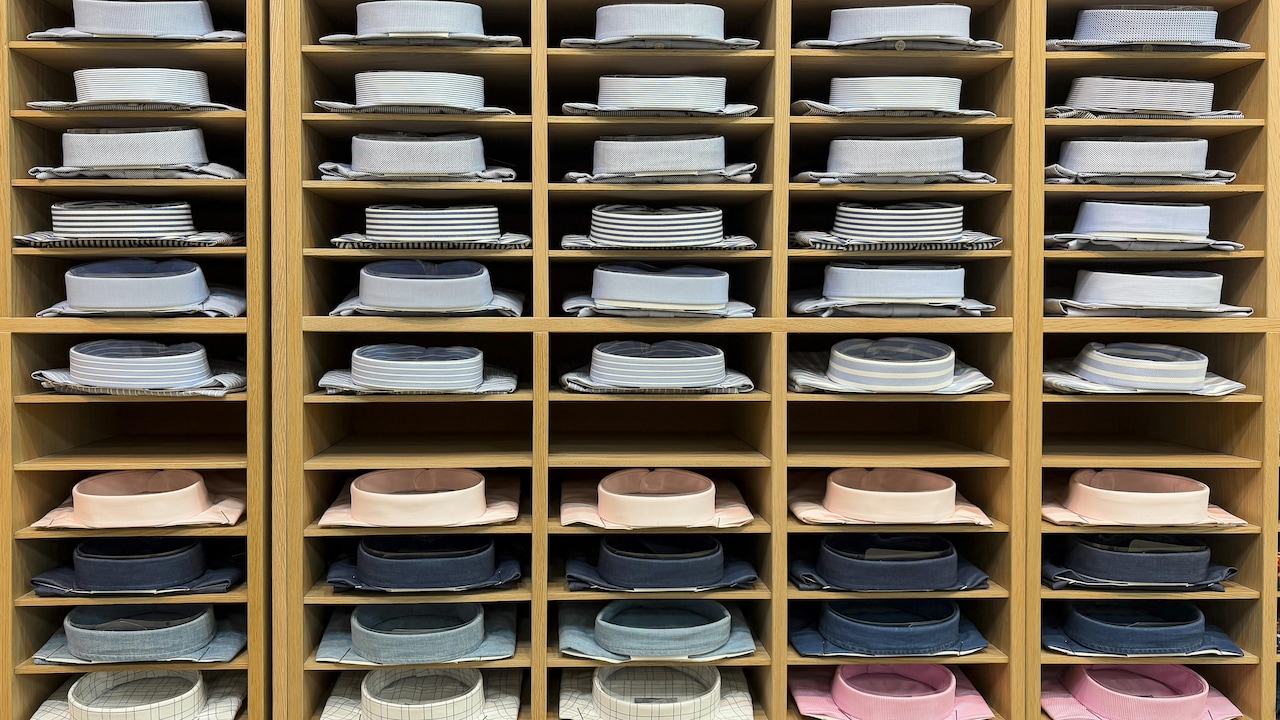
Why Office Shirts Develop Stubborn Creases Over Time: Desk Posture Explained.
Office wear carries unspoken expectations. Clean lines signal confidence. A smooth shirt suggests order and intent. Yet, hours spent at a desk undo that effort. Chairs invite slouching. Screens pull necks forward. Elbows press into armrests. Each movement leaves a mark on the fabric. Over time, these marks stop disappearing after ironing. They settle in like unwanted habits.
Many professionals blame poor laundry or cheap fabric. The real culprit often hides in plain sight. Posture shapes how cloth bends, stretches, and compresses. Shirts respond to pressure the same way people do. Repeat the same stress, and it leaves a permanent trace.
Understanding this connection helps in two ways. It protects posture and preserves wardrobe. Better habits reduce back pain and extend the life of office wear. The result feels practical and oddly satisfying. Fewer wrinkles, fewer replacements, and a sharper look without extra effort.

How Daily Desk Posture Creates Lasting Wrinkles And Creases In Office Shirts
Photo Credit: Pexels
Why The Way You Sit All Day Quietly Ruins Your Office Shirts
1. The Slouch That Trains Fabric to Fold
Slouching feels comfortable at first. Shoulders round forward, the back curves, and the shirt bunches around the stomach. This position creates horizontal stress lines across the midsection. Fabric repeatedly folds at the same spot. Over weeks, those folds turn into memory creases.
Cotton and blended fabrics respond quickly to pressure. Heat from the body sets these folds even faster. Air-conditioned offices cool the room but trap warmth between fabric and skin. That combination locks wrinkles in place.
A slouched posture also pulls fabric downward from the shoulders. Collars lose shape. Buttons strain slightly. Even a well-fitted shirt starts to look tired. Sitting upright reduces this stress. A straight back distributes pressure evenly. The shirt rests rather than fights against the body.
That small adjustment keeps the fabric relaxed. Wrinkles still form, but they release more easily after washing. Over time, shirts retain their original shape instead of ageing before their time.
2. Desk Leaning and the Rise of Belly Creases
Many desks sit slightly too high or too low. This mismatch encourages leaning forward. The torso presses against the desk edge. Fabric at the stomach bears constant friction. Each lean sharpens the same crease.
This habit shows up most clearly during long calls or intense typing sessions. The body moves closer to the screen without noticing. Shirts respond instantly. A faint line appears at first. After months, it refuses to iron out.
The issue worsens after lunch. A full stomach pushes fabric outward. Pressure increases. Combined with heat, the crease deepens. Over time, the shirt develops a permanent fold that signals fatigue rather than professionalism.
Adjusting chair height helps. Keeping a small gap between the desk and torso reduces friction. Sitting back allows fabric to fall naturally. These changes protect posture and preserve fabric. Shirts look smoother even at the end of a long day.
3. Elbow Pressure and Sleeves That Give Up Early
Sleeves suffer quietly. Elbows rest on armrests or desk edges for hours. This pressure creates sharp bends at the same point. Fabric fibres weaken first. Wrinkles deepen. Eventually, sleeves look crushed even when freshly ironed.
This damage often goes unnoticed. Attention stays on collars and fronts. Yet worn sleeves betray long desk hours instantly. They suggest tiredness and neglect.
Simple awareness helps. Lifting elbows slightly while typing reduces constant pressure. Using armrests sparingly spreads contact across a wider area. Rolling the shoulders back also shifts how the sleeves sit.
Choosing shirts with a bit of stretch helps too. Fabric that moves with the arm resists deep creasing. Still, posture matters more. When elbows stay relaxed and mobile, sleeves age gracefully. The shirt keeps its structure instead of surrendering early.
4. Chair Backs and the Story Written on Shirts
Office chairs promise support. Many deliver pressure instead. Leaning fully into a chair back presses the fabric between the spine and the cushion. This contact creates vertical creases along the back panel.
These lines rarely disappear. Ironing smooths them temporarily. The next day, they return. Over time, the shirt develops a permanent pattern that mirrors the chair's shape.
This effect intensifies during long meetings. People sit still for extended periods. Heat builds. Fabric compresses. The chair effectively stamps its outline onto the shirt.
Sitting slightly forward reduces this pressure. Engaging core muscles supports the spine without constant contact. Adjusting lumbar support helps too. When the back stays active rather than collapsed, fabric remains free to move. Shirts keep their clean back lines longer.
5. Forward Head Posture and Collar Fatigue
Screens pull heads forward. Necks crane. Shoulders follow. This posture strains muscles and collars alike. The neckline stretches subtly. Collars lose crispness. Wrinkles form where fabric bunches near the neck.
Over time, collars sit unevenly. One side droops. The other curls. This imbalance makes even an expensive shirt look careless.
Correcting screen height helps. Keeping the top of the monitor at eye level encourages a neutral neck position. Shoulders relax. Fabric rests evenly across the collarbone.
Taking short breaks also matters. Standing up resets posture. Shirts benefit from these moments too. Collars regain shape when tension eases. The result feels small but visible. A neat neckline frames the face and elevates the entire outfit.
6. Twisting at the Waist and Side Seam Wrinkles
Phones buzz. Files sit just out of reach. Many people twist at the waist instead of moving the chair. This repeated motion stresses the side seams. Fabric stretches diagonally. Wrinkles form at odd angles.
These creases prove stubborn. They ignore irons and steamers. Over time, they distort the shirt's silhouette. The garment starts to hang unevenly.
Turning the whole body prevents this damage. Swivelling the chair takes seconds. Standing up works even better. These movements protect the spine and the shirt.
Side seams rely on balanced tension. Twisting breaks that balance. When posture stays aligned, fabric ages evenly. Shirts keep their intended shape. They drape cleanly instead of telling stories of constant reaching and rushing.
7. Long Sitting Hours and Fabric Fatigue
Extended sitting compresses the fabric across the lower back and hips. The shirt remains trapped between the body and the chair for hours. This pressure weakens fibres. Wrinkles deepen. Fabric loses resilience.
Heat accelerates this process. Even in cool offices, body warmth builds up. Moisture from sweat sets creases more firmly. By evening, the shirt looks exhausted.
Breaking up sitting time helps immensely. Standing for a few minutes every hour relieves pressure. Fabric relaxes. Wrinkles soften before they set.
This habit supports circulation and focus, too. Shirts last longer when they get breathing space. A small stretch or walk benefits both body and wardrobe. The payoff shows in smoother fabric and fewer replacements over time.
8. Laptop Placement and the Shrinking Shirt Front
Laptops often sit too low. Users hunch forward. The shirt front bunches at the waist. Buttons pull slightly. Fabric creases form vertically and horizontally.
This posture shortens the front visually. Shirts appear ill-fitted even when tailored well. The constant pull trains fabric folds inward.
Raising the laptop changes everything. Using a stand or stacked books lifts the screen. The torso straightens naturally. Fabric falls cleanly.
External keyboards help too. They allow better arm positioning. Shoulders relax. The shirt front stays smooth. These adjustments feel minor. Their impact shows daily. Shirts look sharper without extra effort or expense.
9. Stress, Tension, and How Shirts Reflect Mood
Stress tightens muscles. Shoulders creep up. Necks stiffen. This tension transfers to the fabric. Shirts wrinkle faster on tense bodies.
During busy days, posture often collapses without notice. The body braces. Fabric creases deepen. By evening, the shirt mirrors the strain felt inside.
Mindful breathing helps. A few slow breaths drop the shoulders. The chest opens. Fabric smooths slightly. Over time, relaxed posture reduces deep-set wrinkles.
This connection feels subtle but real. Calm bodies move fluidly. Shirts respond kindly. Managing stress protects mental health and wardrobe alike. The benefit shows in comfort and appearance.
How Daily Desk Posture Creates Lasting Wrinkles And Creases In Office Shirts
Photo Credit: Pexels
10. Small Posture Shifts That Save Shirts and Spines
Posture does not need perfection. Small shifts create big change. Sitting upright, moving often, and staying aware reduces fabric stress.
Adjusting chair height aligns hips and knees. Keeping feet flat grounds the body. Supporting the lower back maintains natural curves. These habits protect spines and shirts together.
Choosing breathable fabrics helps. So does proper fit. Yet posture remains the silent factor. Shirts remember how they get worn.
Over time, mindful sitting extends garment life. Wrinkles soften. Creases fade. The wardrobe looks newer for longer. The body feels better, too. That quiet win adds up daily, one straightened shoulder at a time.
Products Related To This Article
1. RADHEEFAB Men Regular Fit Solid Spread Collar Formal Shirt
2. BHAGVATITRENDS Men Regular Fit Solid Slim Collar Formal Shirt
3. Spirit Men Regular Fit Printed Spread Collar Formal Shirt
4. MILDIN Men Slim Fit Solid Spread Collar Formal Shirt
5. VeBNoR Men Regular Fit Solid Button Down Collar Formal Shirt
Office shirts tell stories. They record hours spent leaning, twisting, and slouching. Wrinkles form where habits repeat. Creases settle where posture fails.
The good news feels simple. Awareness changes outcomes. Sitting a little taller, moving more often, and adjusting workspaces protect fabric and health. Shirts last longer. They look sharper. The body feels lighter.
In busy workdays, these details often get ignored. Yet they matter. A smooth shirt boosts confidence. Comfortable posture supports focus. Together, they create a workday that feels easier and looks better.
Next time a crease refuses to iron out, the answer might not lie in the laundry basket. It could sit right at the desk.
(Disclaimer: This article may include references to or features of products and services made available through affiliate marketing campaigns. NDTV Convergence Limited (“NDTV”) strives to maintain editorial independence while participating in such campaigns. NDTV does not assume responsibility for the performance or claims of any featured products or services.)