Common Fitness Tracking Myths That Make Smartwatches Seem Less Accurate Than They Are
Smartwatches often seem inaccurate, but most complaints come from misunderstood data. This article breaks down common fitness tracking myths and explains why your smartwatch is more reliable than you think.
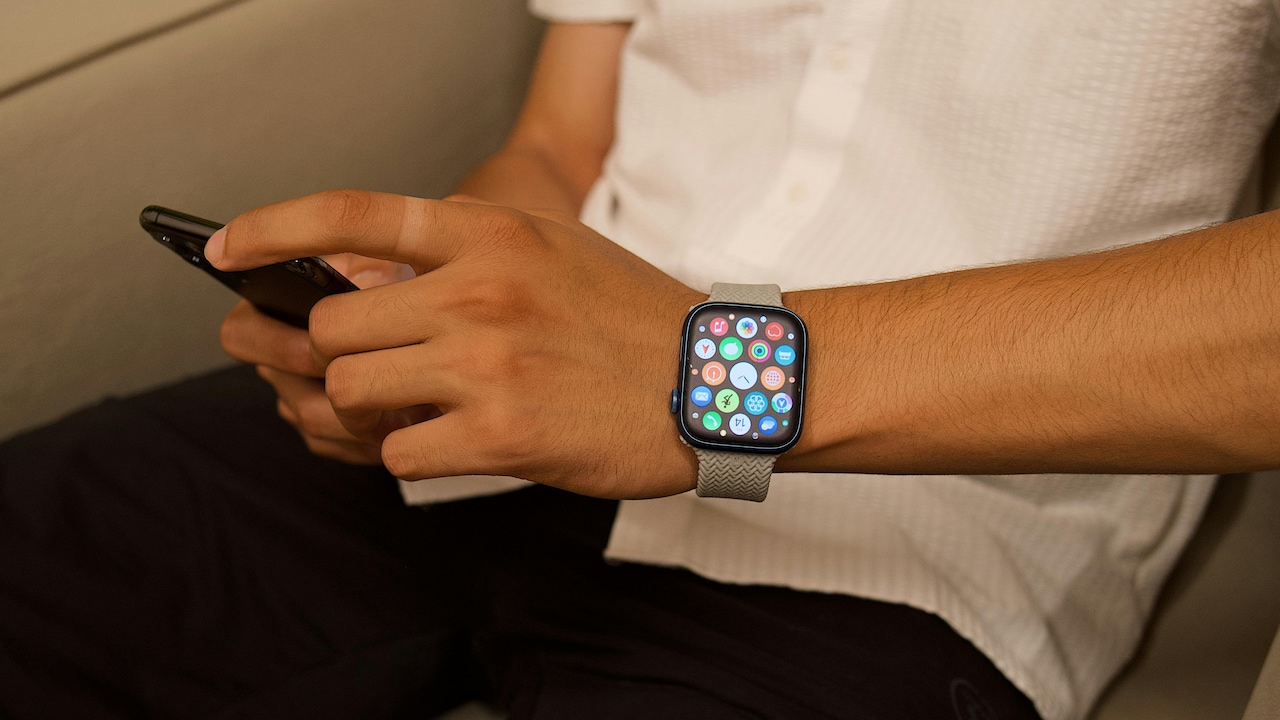
Why Smartwatches Are More Accurate Than You Think: 10 Common Fitness Tracking Myths.
Smartwatches have quietly slipped into everyday life. They wake people up, nudge them to move, and even remind them to breathe when stress runs high. Despite this, doubts about their accuracy refuse to fade. A morning walk that feels gentle shows as a calorie burn worth celebrating. A restless night still earns a decent sleep score. Suddenly, the device looks suspicious.
The truth sits somewhere else. Fitness tracking relies on patterns, sensors, and algorithms that work remarkably well when understood properly. Problems begin when expectations do not match how the technology actually functions. Comparing numbers across people, workouts, or even moods creates confusion. Blaming the watch becomes easier than questioning the myth behind the assumption.
These myths spread through conversations at parks, gyms, and office pantries. They sound logical and often feel personal. Yet they rarely tell the full story. Clearing them up can change how these devices feel, from frustrating gadgets to helpful companions on a health journey.

10 Fitness Tracking Myths That Make Smartwatches Seem Inaccurate; Photo Credit: Pexels
Why Smartwatch Accuracy Is Often Misunderstood
Myth 1: Smartwatches Should Count Every Step Perfectly
Many expect a smartwatch to behave like a strict accountant, recording each step with flawless precision. That expectation sets the device up for failure. Step tracking works through motion sensors that recognise patterns similar to walking or running. A slow stroll through a crowded market, frequent pauses, or pushing a trolley changes those patterns.
Arm movement also plays a role. A brisk walk while holding a phone or carrying shopping bags reduces arm swing, which affects detection. On the other hand, animated hand gestures during a heated conversation can sometimes add extra steps. This does not mean the watch lies. It means it reads movement, not intention.
Over the course of a day or week, these tiny errors balance out. Step counts aim to show trends, not courtroom-level evidence. Obsessing over a difference of 200 steps misses the bigger picture. The device still encourages movement and awareness, which matters far more than perfect arithmetic.
Myth 2: Calories Burned Numbers Are Completely Wrong
Calorie figures often attract the most criticism. A workout ends, and the number looks too high or too low. The instinctive reaction labels the watch inaccurate. In reality, calorie tracking relies on estimates based on age, height, weight, heart rate, and activity type.
No device can measure calorie burn directly without medical-grade equipment. Even laboratory tests show variation between individuals doing the same exercise. Metabolism, muscle mass, sleep quality, and stress all influence energy use. A smartwatch uses averages to provide guidance, not promises.
Treat calorie data as a relative measure. Compare workouts against personal history rather than someone else's numbers. A session burning 300 calories today versus 250 last week shows progress. That insight helps shape habits. Expecting absolute precision only fuels disappointment and ignores the value of the trend.
Also Read: 5 Best Affordable Smartwatches Under ₹2,000 That Track Sleep, Steps, and More
Myth 3: Heart Rate Readings Should Match Medical Equipment
Wrist-based heart rate sensors face constant scrutiny. When a reading differs from gym machines or hospital monitors, doubt creeps in. These devices use optical sensors that read blood flow through the skin. Medical equipment often uses chest straps or electrodes, which work differently.
Fit, snug placement matters. A loose strap, sweaty skin, or excessive wrist movement can affect readings. High-intensity workouts, especially those involving gripping weights, also challenge wrist sensors. This does not mean the data lacks value.
For daily activity, recovery, and moderate exercise, smartwatch heart rate tracking performs well. It captures patterns, resting heart rate, and changes over time. These trends reveal fitness improvements or signs of fatigue. Expecting hospital-grade accuracy from a wrist device misunderstands its purpose.
Myth 4: Sleep Tracking Knows Exactly How Well You Slept
Sleep scores often spark morning debates. Someone feels exhausted yet the watch reports solid sleep. Another wakes refreshed but sees poor numbers. Sleep tracking estimates stages using movement and heart rate, not brain waves.
The device identifies patterns linked to light, deep, and REM sleep. It does not read dreams or mental restfulness. External factors such as late meals, screen time, or a noisy street influence how rested someone feels without drastically altering movement patterns.
Sleep tracking works best as a long-term tool. It highlights consistent bedtimes, total sleep duration, and interruptions. Over weeks, patterns emerge that help adjust habits. One odd night does not define sleep health. Treating the score as guidance rather than judgment makes it far more useful.
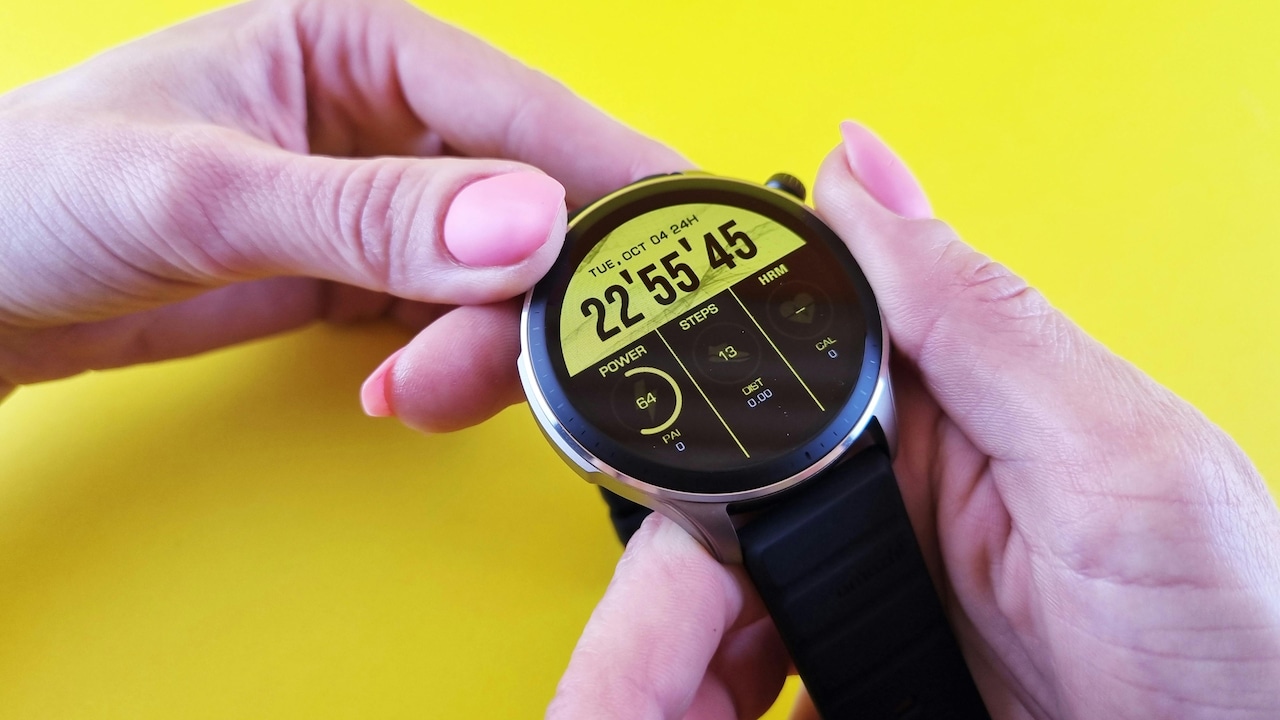
10 Fitness Tracking Myths That Make Smartwatches Seem Inaccurate; Photo Credit: Pexels
Myth 5: One Workout Mode Fits All Activities Perfectly
Workout modes promise tailored tracking for everything from yoga to cycling. Many assume selecting the exact activity ensures perfect data. In reality, these modes adjust algorithms to prioritise certain movements or heart rate responses.
Yoga tracking, for example, focuses less on steps and more on duration and heart rate stability. Strength training counts sets through motion patterns, but may miss some repetitions. Outdoor cycling uses GPS, while indoor cycling relies on motion and heart rate alone.
No mode captures every nuance. The goal lies in consistency. Using the same mode for similar workouts allows meaningful comparisons. Switching modes constantly or expecting detailed breakdowns for complex movements leads to frustration. The watch offers structure, not a personal trainer's intuition.
Myth 6: GPS Errors Mean the Entire Workout Data Is Useless
Seeing a running route zigzag across buildings feels annoying. GPS inaccuracies often occur in areas with tall structures, dense trees, or poor signal. Temporary signal loss can slightly alter distance or pace readings.
These errors usually remain small. Over longer distances, the overall accuracy stays reliable. A five-kilometre run may show a difference of a few metres, which does not change training impact. Pace trends and effort levels remain valid.
Many watches improve GPS accuracy through software updates and multi-satellite systems. Giving the device a moment to lock onto satellites before starting also helps. Dismissing an entire workout due to minor route glitches overlooks the broader benefits of tracking endurance and consistency.
Myth 7: Cheaper Smartwatches Are Always Less Accurate
Price often shapes perception. A premium device feels more trustworthy, while a budget-friendly one attracts scepticism. Accuracy, however, depends more on sensor quality, algorithms, and proper usage than price alone.
Many affordable smartwatches use similar sensors to expensive models. Differences appear in build, display, battery life, and extra features rather than core tracking. For walking, running, and general fitness, budget devices perform surprisingly well.
Expectations matter. A basic smartwatch suits daily activity tracking and motivation. A high-end model offers deeper insights and specialised features. Both can provide accurate data within their design limits. Assuming cost equals accuracy creates unnecessary bias and undervalues accessible technology.
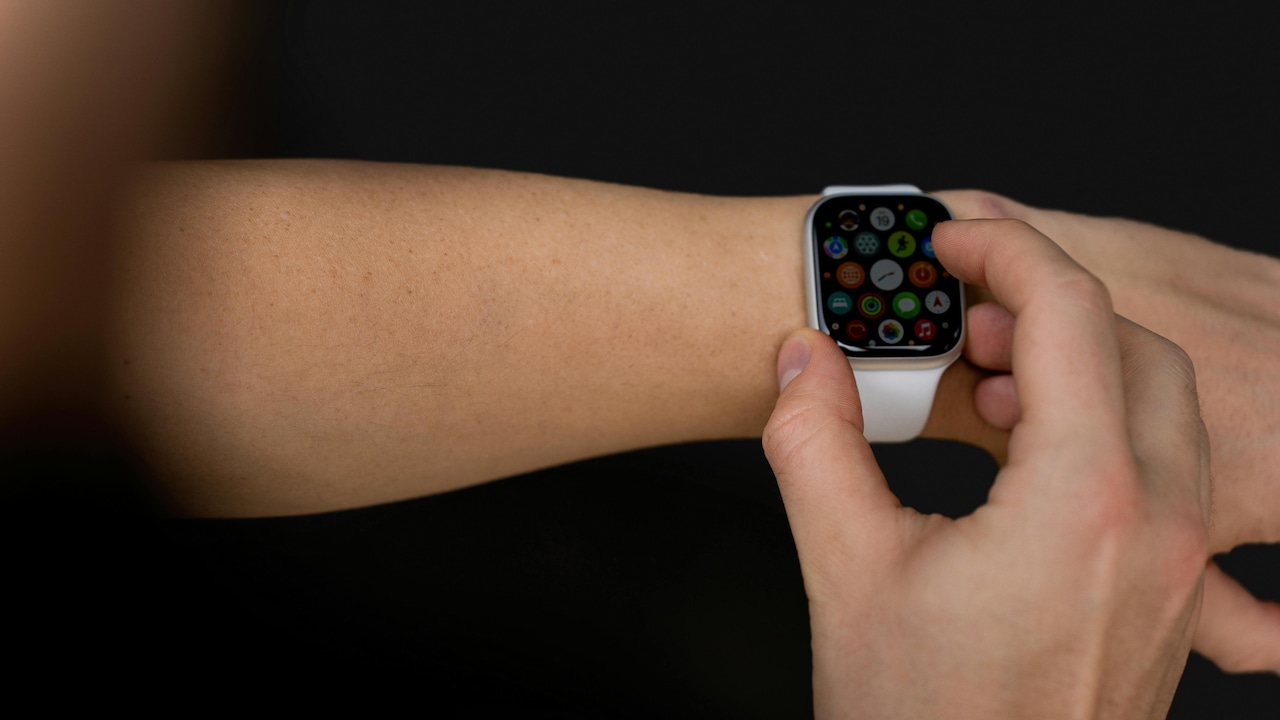
10 Fitness Tracking Myths That Make Smartwatches Seem Inaccurate; Photo Credit: Pexels
Myth 8: Fitness Tracking Should Feel Motivating Every Single Day
Some days the watch feels encouraging. Other days its reminders feel irritating. This emotional response leads to the belief that the device fails to understand real life. Fitness tracking reflects behaviour, not mood.
Low activity days show low numbers. Rest days display fewer achievements. That honesty can feel harsh, especially during busy weeks or festive seasons. Yet this transparency helps build awareness rather than guilt.
Smartwatches work best when treated as companions, not judges. Ignoring occasional reminders or adjusting goals during demanding periods keeps the relationship healthy. Expecting constant motivation from a gadget places unrealistic pressure on both the user and the device.
Myth 9: Data Should Match Everyone Else's Results
Comparing stats with friends sparks competition and curiosity. When numbers differ despite similar routines, suspicion arises. Bodies respond differently to the same activity. Age, fitness level, genetics, and lifestyle shape results.
A thirty-minute walk may burn more calories for one person than another. Heart rate zones also vary. Smartwatches personalise data based on user profiles, which makes direct comparisons misleading.
Progress should be measured against personal baselines. Improvements in endurance, consistency, or recovery matter more than matching someone else's dashboard. Treating fitness data as a personal story rather than a public scoreboard builds confidence and clarity.
Myth 10: Smartwatches Replace Common Sense About Health
Some believe wearing a smartwatch removes the need to listen to the body. Others think devices encourage blind trust in numbers. Both views miss the balance.
Smartwatches provide information, not instructions. They highlight patterns, suggest goals, and flag changes. They do not diagnose illness or replace professional advice. Ignoring pain or fatigue because the watch says everything looks fine creates risk.
Using data alongside self-awareness works best. Feeling unwell despite good stats still deserves rest. Feeling strong despite modest numbers still counts. Smartwatches support decisions but do not make them. Understanding this partnership prevents disappointment and builds trust.
Products Related To This Article
1. Fastrack Astor FR2 Pro 1.43" AMOLED Stainless Steel Smart Watch with SpO2
2. Noise Halo Plus 1.46" Super AMOLED Display Elite Smart Watch
3. Titan Crest 2.0 Smart Watch for Men & Women
4. Boat Wave Call 3 Smartwatch 1.83” HD Display with Animated Watch Faces
5. Amazfit Bip 6 Smart Watch 46mm, 14 Day Battery
6. CrossBeats Everest 2.0 2025 Smart Watch for Men 1.43" True AMOLED
7. Noise Ultra 3 Luminary Smart Watch India's 1st Ever Personalised Notification Alerts
Wrist smartwatches rarely fail as badly as their critics claim. Most frustrations come from myths built on unrealistic expectations and misunderstood data. These devices excel at showing trends, encouraging movement, and creating awareness over time. They do not promise perfection, mind-reading, or medical certainty.
Letting go of these myths transforms the experience. Numbers stop feeling accusatory and start feeling informative. Small errors fade in importance as long-term habits improve. Fitness tracking becomes less about chasing flawless stats and more about building a healthier rhythm of life.
When used with curiosity and patience, smartwatches reveal their true strength. They reflect effort, not ego. They guide, not judge. And in that role, they prove far more accurate than they often get credit for.
(Disclaimer: This article may include references to or features of products and services made available through affiliate marketing campaigns. NDTV Convergence Limited (“NDTV”) strives to maintain editorial independence while participating in such campaigns. NDTV does not assume responsibility for the performance or claims of any featured products or services.)