Common Campus Fashion Mistakes: How Poorly Fitted Tops Look Sloppy
Casual tops dominate campus wardrobes, but a poor fit often makes them look sloppy. From oversized tees to tight silhouettes, small sizing mistakes quietly undermine personal style and confidence.

Campus Fashion Flaw: How Poor Fit Makes Casual Tops Appear Sloppy And Unrefined.
A quick walk across any college campus reveals a colourful mix of styles. Graphic tees paired with jeans, crop tops layered under shrugs, oversized shirts worn as statements, casual fashion thrives in these spaces. Comfort sits at the heart of student dressing. Long lectures, crowded buses, and endless walking demand clothes that feel easy on the body and gentle on the pocket.
Yet comfort often gets mistaken for carelessness. A top that hangs awkwardly at the shoulders or pulls uncomfortably at the chest sends the wrong message. Instead of looking relaxed and confident, the outfit appears unfinished. The irony stings. Many students invest time choosing colours, prints, and trends, but overlook fit entirely.
Poor fit does not shout for attention. It quietly chips away at personal style. It makes even expensive tops look borrowed or worn out. On campus, where first impressions matter more than realised, this flaw often shapes how others perceive confidence and self-awareness. Understanding fit becomes less about fashion rules and more about self-respect, comfort, and clarity.

Campus Fashion Flaw: Poor Fit Makes Casual Tops Appear Sloppy And Unrefined
Photo Credit: Pexels
How The Wrong Fit Undermines Everyday Campus Style
1. Oversized Confusion: When Relaxed Turns Careless
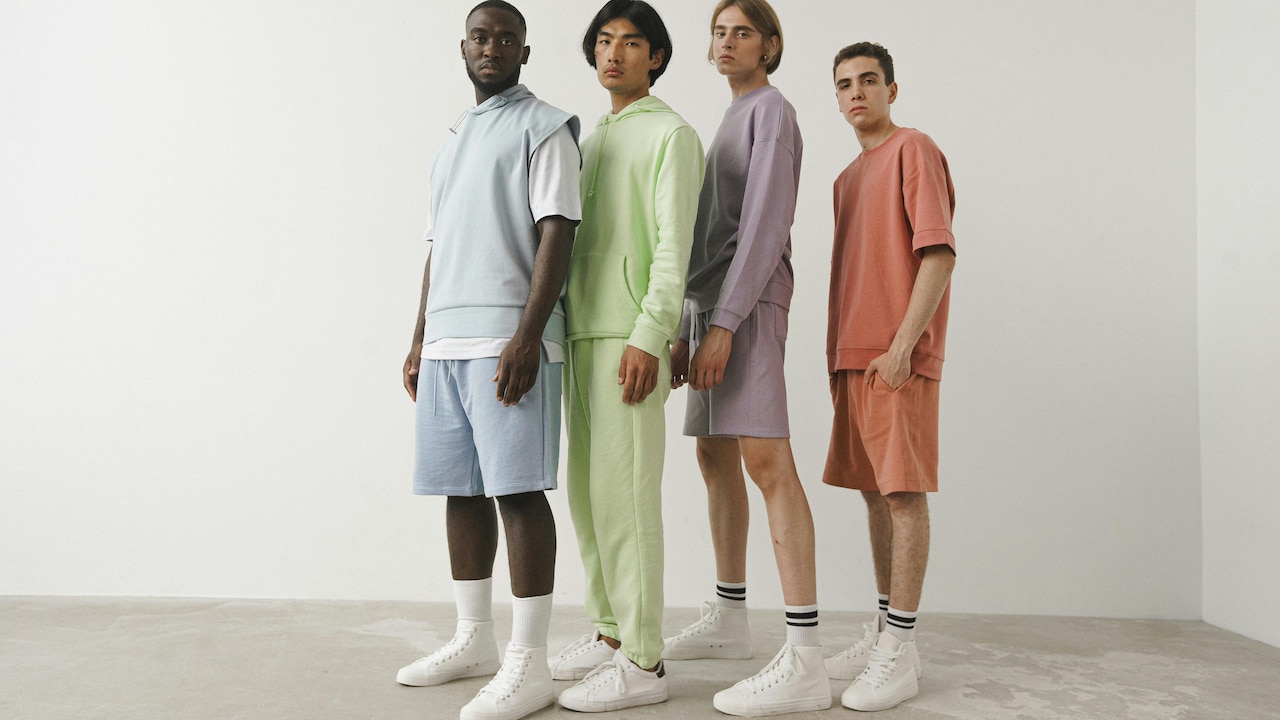
Oversized clothing enjoys massive popularity on campuses. Influenced by street style, social media trends, and celebrity wardrobes, loose tops promise comfort and a laid-back vibe. However, oversized does not mean shapeless. Many students confuse the two.
A tee two sizes bigger than necessary often droops at the shoulders and bunches around the waist. Sleeves swallow arms. The neckline slides awkwardly. Instead of looking intentionally relaxed, the outfit feels accidental, as if grabbed in a rush before class.
True oversized style still respects proportions. A roomy top works best when paired with structured bottoms or when the length complements the body frame. Without balance, the look collapses. The wearer appears hidden behind fabric rather than styled by it.
On campus, where peers notice details more than expected, sloppy oversized fits often invite silent judgment. The solution remains simple. Choose one size up, not three. Check shoulder seams. Ensure the fabric falls cleanly. Oversized should feel confident, not careless.
2. The Tight Trap: When Fit Feels Forced
At the other extreme sits the overly tight casual top. Stretchy fabrics tempt buyers with the promise of a sleek silhouette. Yet a top that clings too closely often creates discomfort and distraction.
Tugging at hems, adjusting sleeves, or feeling restricted while sitting through lectures breaks confidence. The fabric strains at seams and loses its shape after a few washes. What starts as flattering soon turns frustrating.
A well-fitted top skims the body, not grips it. It allows movement without constant adjustment. On campus, comfort influences posture and presence. A relaxed body language always looks more refined than forced sharpness.
Peer pressure and unrealistic size charts push many into buying smaller sizes. The mirror at the shop rarely tells the full story. Walking, sitting, and carrying a backpack reveal the truth. Choosing fit over illusion helps casual tops look polished and purposeful rather than awkward.
3. Shoulder Seams: The Silent Style Breaker
Few elements affect the look of a top as much as shoulder seams. Yet this detail often goes unnoticed. When seams slide down the arms or creep towards the neck, the entire top loses structure.
Shoulder seams define how a garment sits on the upper body. When placed correctly, they create clean lines and balance proportions. When misplaced, even the best fabric looks cheap.
Many campus outfits suffer from drooping shoulders caused by incorrect sizing or poor tailoring. This issue appears frequently in fast-fashion purchases, where generic sizing replaces thoughtful design.
A quick test helps. Shoulder seams should align with the natural shoulder edge. If they fall too far, the top appears oversized without intention. If they sit too high, movement feels restricted. Paying attention to this small detail instantly upgrades casual wear and projects a sharper, more confident image.
4. Length Matters More Than Expected
Top length plays a crucial role in defining casual campus style. Too long, and the top swallows the frame. Too short, and it looks ill-proportioned or impractical for daily routines.
Many students pick tops based on trends without considering body type or height. A longline tee might suit a tall frame, but overwhelm someone shorter. Cropped tops require balance with high-waisted bottoms to avoid looking abrupt.
Length also affects how a top pairs with backpacks, dupattas, or jackets. A poorly chosen length bunches awkwardly at the waist or rides up during movement.
Campus life involves constant motion. Walking between buildings, climbing stairs, and sitting cross-legged during group discussions. A top that maintains its shape and length through these activities always looks more refined. Checking length in the mirror while moving, not just standing, prevents common styling regrets.
5. Fabric Fit: When Material Works Against Style
Fit extends beyond size and cut. Fabric plays an equally important role. Some materials cling, others sag, and many lose shape quickly. Choosing the wrong fabric ruins fit even when the size seems correct.
Thin cotton jerseys stretch out after a few washes. Cheap blends pill around stress points. Stiff fabrics refuse to drape naturally, creating boxy silhouettes.
On campus, where laundry cycles run frequently and harshly, fabric quality matters. A well-fitted top on day one should remain reliable by week four. Otherwise, it joins the pile of “home wear” too soon.
Breathable fabrics with slight structure work best for casual tops. They allow movement while holding shape. Investing slightly more upfront often saves money long-term. A top that fits well and ages gracefully always looks sharper than a trendy piece that loses form quickly.
6. Size Charts and the Reality Gap
Online shopping dominates student wardrobes. Discounts, flash sales, and late-night scrolling encourage impulsive buys. Unfortunately, size charts often mislead.
Different brands interpret sizes differently. A medium in one store fits like a small in another. Without trying clothes on, many end up with tops that never quite sit right.
This mismatch leads to wardrobes full of “almost perfect” tops. Sleeves feel too snug. Length feels awkward. The neckline sits oddly. Each flaw alone seems minor, but together they create a sloppy appearance.
Understanding personal measurements helps bridge this gap. Checking shoulder width, chest measurement, and top length before ordering saves disappointment. Reading reviews also reveals how a top fits real bodies. Better choices reduce waste, frustration, and style mishaps across campus.
7. Peer Influence and the Fear of Standing Out
Campus fashion thrives on observation. Trends spread quickly through hostels, classrooms, and social media stories. Many students copy styles without adapting them to personal fit.
The fear of standing out pushes individuals to wear what everyone else wears, even when it does not suit their body shape. An ill-fitting top feels safer than experimenting alone.
Yet confidence grows from comfort. A well-fitted simple tee often looks better than a trendy top worn poorly. Style becomes memorable when it feels authentic, not copied.
Breaking away from peer pressure starts with small steps. Choosing fit over hype builds a distinct personal style. Over time, others notice the difference. Confidence, not conformity, sets true campus fashion leaders apart.
8. Budget Constraints and Smart Styling Choices
Limited budgets influence most campus wardrobes. Fashion often competes with books, travel, and daily expenses. However, poor fit does not always stem from a lack of money.
Spending ₹799 on three trendy tops that fit poorly offers less value than one ₹899 top that fits perfectly. Cost-per-wear matters more than initial price.
Smart students learn to prioritise basics. Neutral-coloured tops with a good fit mix easily with multiple outfits. They survive semesters without looking dated.
Simple tailoring also offers solutions. Adjusting shoulder seams or shortening length costs little but transforms the look entirely. Viewing clothes as adaptable rather than disposable encourages better styling decisions. Even on a tight budget, fit remains achievable with thoughtful choices.
Campus Fashion Flaw: Poor Fit Makes Casual Tops Appear Sloppy And Unrefined
Photo Credit: Pexels
9. Fit and Confidence: The Invisible Connection
Clothing affects mindset more than realised. A top that fits well encourages upright posture and relaxed movement. An ill-fitting one triggers constant self-adjustment and self-consciousness.
On campus, confidence influences participation. Speaking up in class, approaching peers, or presenting projects feels easier when appearance supports self-belief.
Poor fit quietly undermines this confidence. The wearer worries about appearance instead of focusing on conversations or tasks. Over time, this discomfort becomes habitual.
Choosing a better fit shifts this dynamic. Casual tops stop feeling like obstacles and start feeling supportive. The difference shows in body language and social ease. Fashion becomes a tool for self-expression rather than a source of anxiety.
10. Redefining Casual: From Sloppy to Effortless
Casual does not mean careless. True casual style looks effortless because thought sits behind it. Fit forms the foundation of this effort.
A clean, well-fitted top paired with simple jeans often outshines layered, trendy outfits that lack structure. Campus fashion rewards authenticity and ease more than perfection.
Redefining casual starts with small checks. Does the top sit well at the shoulders? Does it allow movement? Does it maintain shape after a day of wear? These questions guide better choices.
When fit improves, everything else falls into place. Colours look sharper. Accessories stand out more. Confidence rises naturally. Casual tops regain their purpose as reliable, stylish companions for everyday campus life.
Products Related To This Article
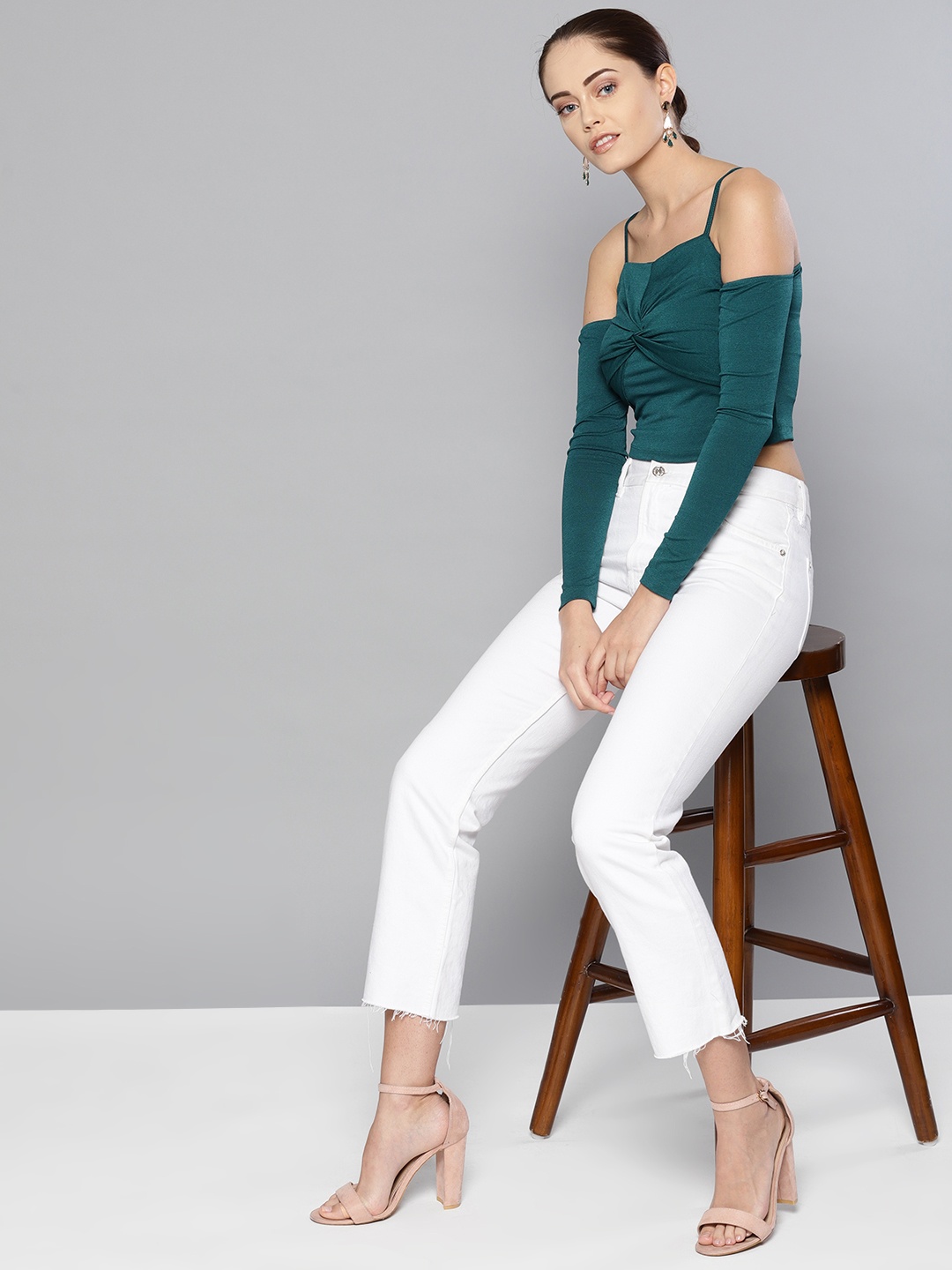
1. Istyle Can Women Solid Off-Shoulder Top
2. StyleCast Men Baggy Fit Mid-Rise Jeans
3. Stylecast X Slyck Floral Print A-Line Midi Dress
4. Bene Kleed Men Mid-Rise Relaxed Fit Pure Cotton Jeans
5. Glitchez Shirt
6. Rigo Men Henley Neck Slim Fit T-shirt
7. SZN Women Polo Collar T-shirt
Campus fashion thrives on freedom. It reflects personality, mood, and lifestyle. Yet this freedom often masks one persistent flaw: poor fit. Casual tops, though simple in design, demand attention to detail. When ignored, they shift from relaxed to sloppy without warning.
Understanding fit transforms everyday dressing. It sharpens appearance without sacrificing comfort. It saves money, boosts confidence, and simplifies choices. Most importantly, it encourages self-awareness.
Fashion on campus does not require perfection or expensive labels. It asks for intention. A top that fits well tells a quiet story of confidence, care, and individuality. In spaces where impressions form quickly, that story matters more than trends ever will.
(Disclaimer: This article may include references to or features of products and services made available through affiliate marketing campaigns. NDTV Convergence Limited (“NDTV”) strives to maintain editorial independence while participating in such campaigns. NDTV does not assume responsibility for the performance or claims of any featured products or services.)