Slim vs Spacious Wallets: How to Choose the Right One for Your Daily Lifestyle
Slim or spacious? Your wallet choice affects comfort, spending habits, and daily ease. This article breaks down how lifestyle, cash use, and routines help decide which wallet truly fits your day.
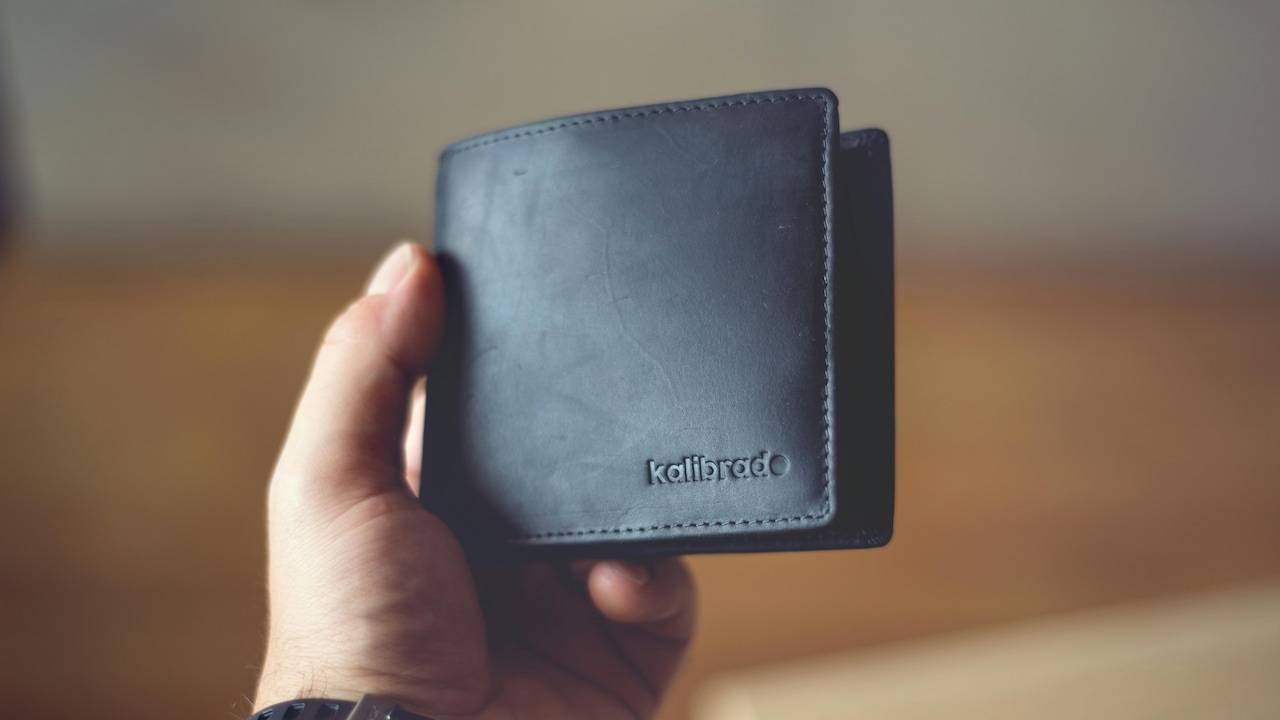
Slim Or Spacious Wallets: Choosing The Right One To Match Your Daily Habits.
Every morning begins with a short checklist. Phone, keys, wallet. That last item often gets the least thought, yet it travels everywhere. It waits patiently at tea stalls, rides along in crowded buses, and sits quietly during long workdays. Some wallets stay lean and neat, holding just a few cards and notes. Others grow bulky over time, stuffed with old bills, loyalty cards, and faded photos.
The debate between slim and spacious wallets is not just about fashion. It reflects habits, routines, and even personality. A wallet can support a fast-paced lifestyle or adapt to a day full of errands and small purchases. Choosing the right one saves time, avoids frustration, and adds comfort to daily life. The sections below break down this choice through everyday situations, making it easier to pick a wallet that truly fits.
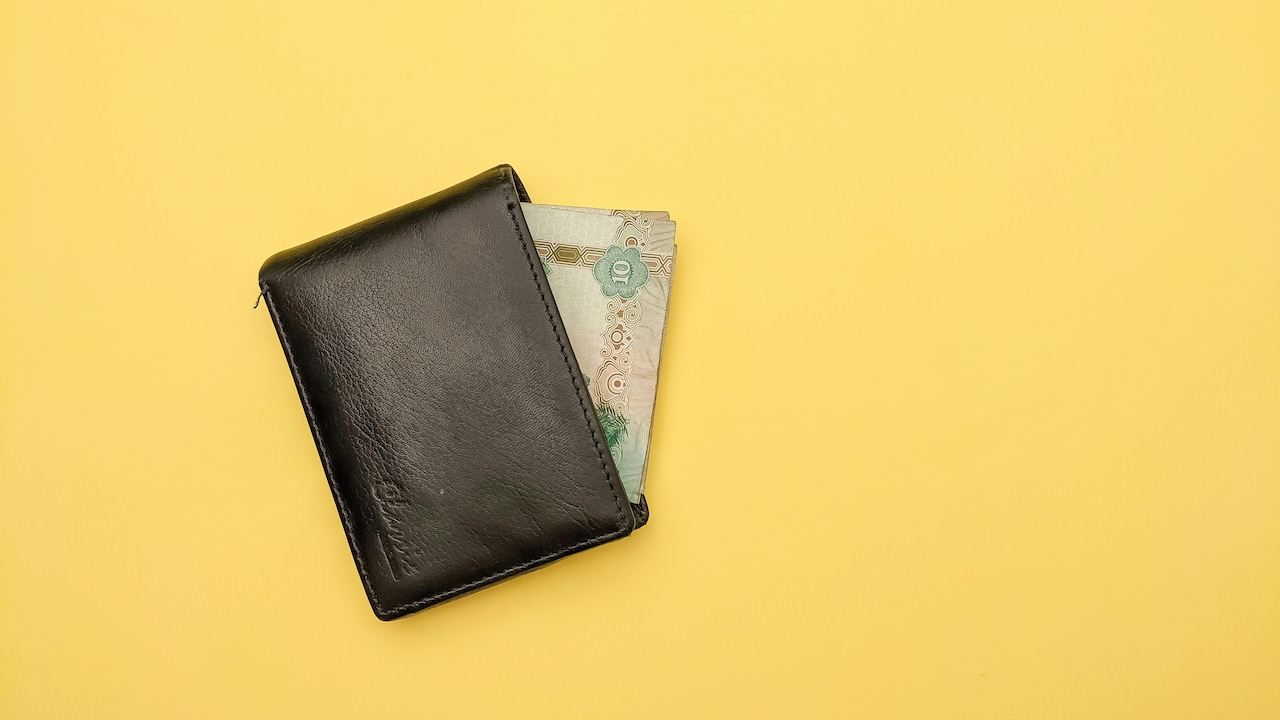
Slim Or Spacious Wallets: Which Wallet Fits Your Daily Habits Best?; Photo Credit: Pexels
What Your Everyday Routine Says About Your Wallet Choice
1. The Daily Commute Test
Morning commutes reveal a lot about wallet needs. Crowded buses, packed metros, and quick auto rides demand efficiency. A slim wallet shines here. It slides easily into a front pocket and avoids awkward bulges. Reaching for a travel card or a ₹100 note becomes quick and stress-free.
Spacious wallets tell a different story during commutes. They often sit deep in a bag, adding weight and making it time-consuming to locate. In a rush, fumbling through compartments can test patience. However, those who carry office IDs, access cards, and multiple payment options may appreciate the extra room. The commute becomes smoother when everything stays in one place.
The key lies in observing daily travel patterns. Short rides with digital payments favour slim designs. Longer journeys with multiple checkpoints may call for more space. A wallet should support movement, not slow it down.
2. Cash Habits and Small Purchases
Street food, quick grocery runs, and local markets still rely heavily on cash. Slim wallets handle this well when cash stays organised. Folded notes of ₹50, ₹100, and ₹500 fit neatly and remain easy to count. This setup suits those who withdraw small amounts often and dislike carrying excess cash.
Spacious wallets appeal to those who prefer fewer trips to the ATM. They hold larger sums without crumpling notes. Separate sections help divide daily spending money from emergency cash. This approach brings peace of mind, especially during long days out.
Both styles work, depending on the spending rhythm. Frequent small payments suit a minimalist wallet. Bulk spending days suit a roomier option. Understanding how cash flows through the day helps narrow the choice.
Also Read: Top 5 Slim Wallets That Fit Small Bags Without Losing Essentials
3. Cards, Cards, and More Cards
Debit cards, credit cards, metro cards, fuel cards, and store loyalty cards pile up faster than expected. Slim wallets usually limit card slots, encouraging careful selection. This restraint often leads to better organisation and fewer lost cards.
Spacious wallets welcome every card without complaint. They offer multiple slots and hidden pockets. This setup suits those who enjoy being prepared for every scenario. A surprise discount or an unexpected fuel stop feels easier when the right card sits ready.
The trade-off is weight and thickness. Too many cards can turn a wallet into a brick. A practical approach involves reviewing card usage every few months. Cards used once a year rarely deserve daily space. The right wallet supports essential cards while keeping clutter at bay.
4. Receipts, Bills, and Paper Trails
Receipts have a habit of multiplying. Parking slips, fuel bills, and café receipts often end up folded and forgotten. Slim wallets discourage this habit. Limited space forces regular cleaning, keeping the wallet light and tidy.
Spacious wallets invite paper trails. Dedicated compartments store receipts for expense tracking or warranty claims. This feature suits professionals who submit reimbursements or manage household accounts. Everything stays together, reducing the risk of lost slips.
However, unchecked paper buildup can cause chaos. Even spacious wallets benefit from routine sorting. A weekly review keeps papers relevant and the wallet manageable. Choosing between slim and spacious depends on how often receipts play a role in daily life.
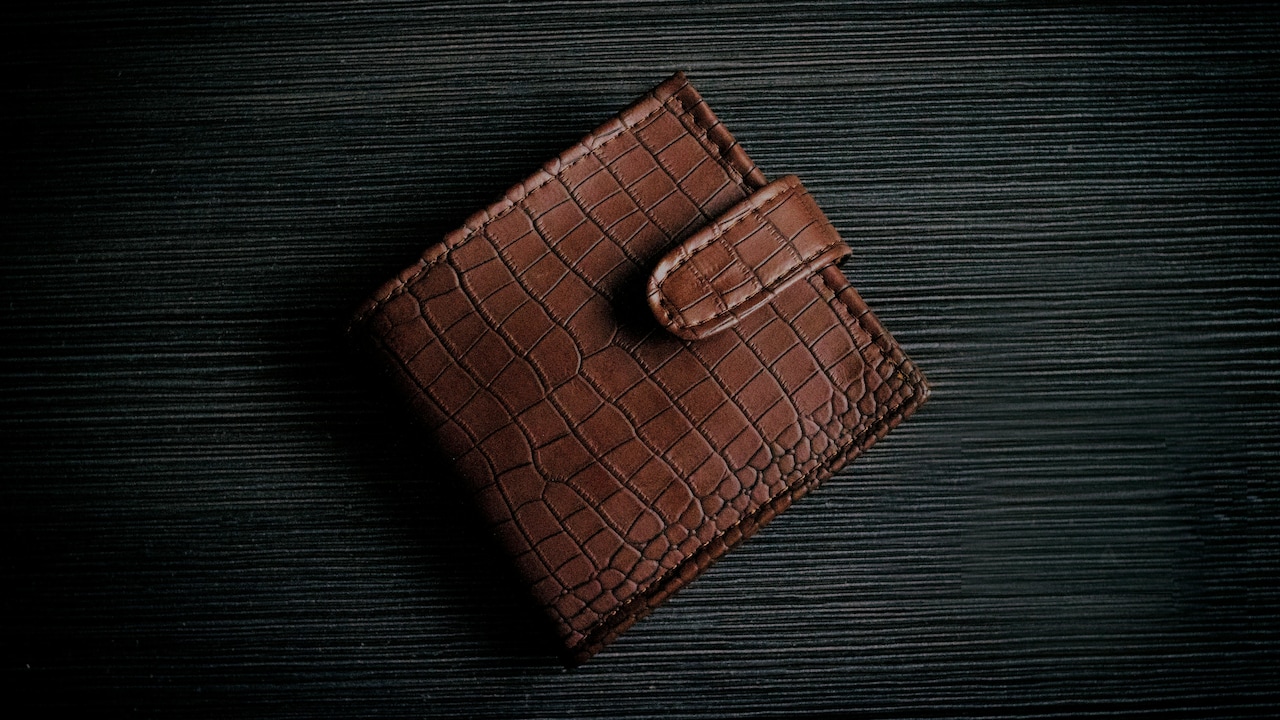
Slim Or Spacious Wallets: Which Wallet Fits Your Daily Habits Best?; Photo Credit: Pexels
5. Comfort and Pocket Health
Long hours of sitting, especially during work or travel, highlight wallet comfort. Bulky wallets in back pockets can strain posture and cause discomfort. Slim wallets reduce this risk and feel almost invisible during the day.
Spacious wallets work better in bags or jacket pockets. Carrying them in back pockets often leads to uneven seating and aching hips. Those who prefer roomy wallets may need to adjust how they carry them.
Comfort matters more than style. A wallet should support physical ease throughout the day. Paying attention to how the body feels after long hours offers a clear hint about whether a wallet suits daily habits.
6. Organisation and Mental Clarity
A cluttered wallet mirrors a cluttered mind. Slim wallets promote simplicity. Fewer items mean quicker decisions and less stress at checkout counters. Finding the right note or card takes seconds.
Spacious wallets support a different kind of clarity. Clearly labelled sections and pockets help organise life's essentials. When designed well, they prevent chaos rather than cause it. Keys, cards, and notes each have a home.
The difference lies in discipline. Slim wallets enforce it. Spacious wallets require it. Choosing the right style depends on whether structure comes naturally or needs a little external help.
7. Style, Age, and Life Stage
Style evolves with life stages. Students and young professionals often prefer slim wallets that match casual outfits and active routines. These wallets feel modern and light, fitting well with jeans and backpacks.
As responsibilities grow, spacious wallets gain appeal. Family needs, business cards, and extra documents demand room. A larger wallet feels practical and reassuring.
Neither choice signals better taste. It reflects current priorities. A wallet can change as life changes. Treating it as a flexible accessory rather than a fixed identity helps keep choices practical and stress-free.
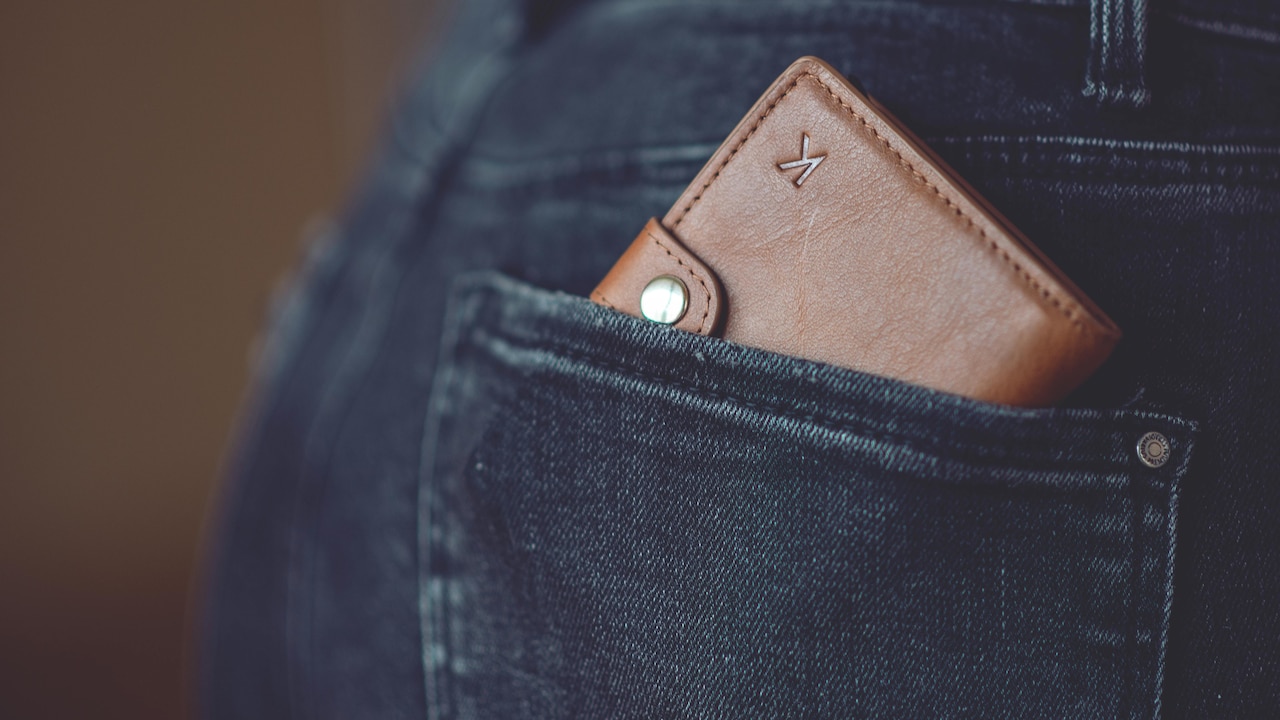
Slim Or Spacious Wallets: Which Wallet Fits Your Daily Habits Best?; Photo Credit: Pexels
8. Digital Payments and the Changing Wallet
Digital payments have reshaped wallet needs. QR codes and tap-to-pay reduce reliance on cash. Slim wallets align perfectly with this shift. A couple of cards and minimal cash often suffice.
Spacious wallets still hold value. Network issues and power cuts make cash a reliable backup. Carrying some notes and multiple cards offers security in uncertain moments.
The modern wallet balances digital convenience with traditional reliability. Observing how often digital payments replace cash provides guidance. The right wallet supports both worlds without feeling outdated.
9. Durability and Daily Wear
A wallet faces daily wear. Constant handling, exposure to heat, and occasional spills test its build. Slim wallets often use firm materials that hold shape well. Less bulk means fewer stress points.
Spacious wallets bend and stretch more, especially when overfilled. Quality stitching and strong materials become essential. Investing in durability saves money over time, even if the upfront cost feels higher than ₹1,000.
Checking seams, edges, and material flexibility before buying prevents regret. A wallet should age gracefully, gaining character rather than falling apart.
10. The Emotional Side of Wallet Choices
Wallets carry more than money. Old photos, lucky coins, and handwritten notes often hide inside. Spacious wallets allow space for these small comforts. They feel familiar and personal.
Slim wallets focus on the present. They encourage letting go of old items and travelling light. This approach feels freeing to many.
Neither approach feels right or wrong. Emotional attachment plays a role in comfort. Choosing a wallet that respects both practical needs and sentimental value leads to long-term satisfaction.
Products Related To This Article
1. METRONAUT Men Casual, Travel, Trendy Blue, White Artificial Leather Wallet
2. HouseOfCommon Men Casual Tan Artificial Leather, Genuine Leather Wallet
3. BULLFINCH Men Casual, Trendy, Evening/Party Brown Artificial Leather Wallet
4. BULLFINCH Men Evening/Party, Trendy Tan Artificial Leather RFID Wallet
5. Watchstar Men & Women Casual, Formal, Trendy Black Genuine Leather RFID Card Holder
6. WROGN Men Green, Yellow Genuine Leather RFID Wallet
7. TANSTITCH Men Casual, Trendy, Evening/Party Green Genuine Leather RFID Wallet
Choosing between slim and spacious wallets goes beyond appearance. It touches daily routines, comfort, and even peace of mind. Slim wallets suit fast-paced lives, digital payments, and minimalism. Spacious wallets support preparation, organisation, and a sense of security.
The best choice comes from honest observation. Watching how money is spent, how often cards are used, and how the body feels at the end of the day reveals the answer. A wallet should serve life, not complicate it. When the right one sits in a pocket or bag, daily tasks feel smoother, lighter, and just a little more enjoyable.
(Disclaimer: This article may include references to or features of products and services made available through affiliate marketing campaigns. NDTV Convergence Limited (“NDTV”) strives to maintain editorial independence while participating in such campaigns. NDTV does not assume responsibility for the performance or claims of any featured products or services.)