How Proper Fit And Tailoring Change Fashion And Confidence More Than Labels
Expensive clothes cannot fix bad tailoring. Even luxury outfits look sloppy when the fit feels off, while well-fitted basics always appear sharper and more stylish.
10 reasons how the right fit can change the way your outfit looks
Luxury fashion enjoys a powerful reputation. Walk into any premium mall, and the lighting alone can make a linen shirt feel life-changing. Designer logos sit proudly on shelves while shoppers convince themselves that a higher price must guarantee a sharper appearance. Yet reality tells a different story. Many expensive outfits still look oddly underwhelming once worn outside the showroom mirror. The culprit rarely lies in the fabric or brand. The real issue often hangs loosely around the shoulders, bunches awkwardly at the waist, or drags near the ankles. Fit changes everything.

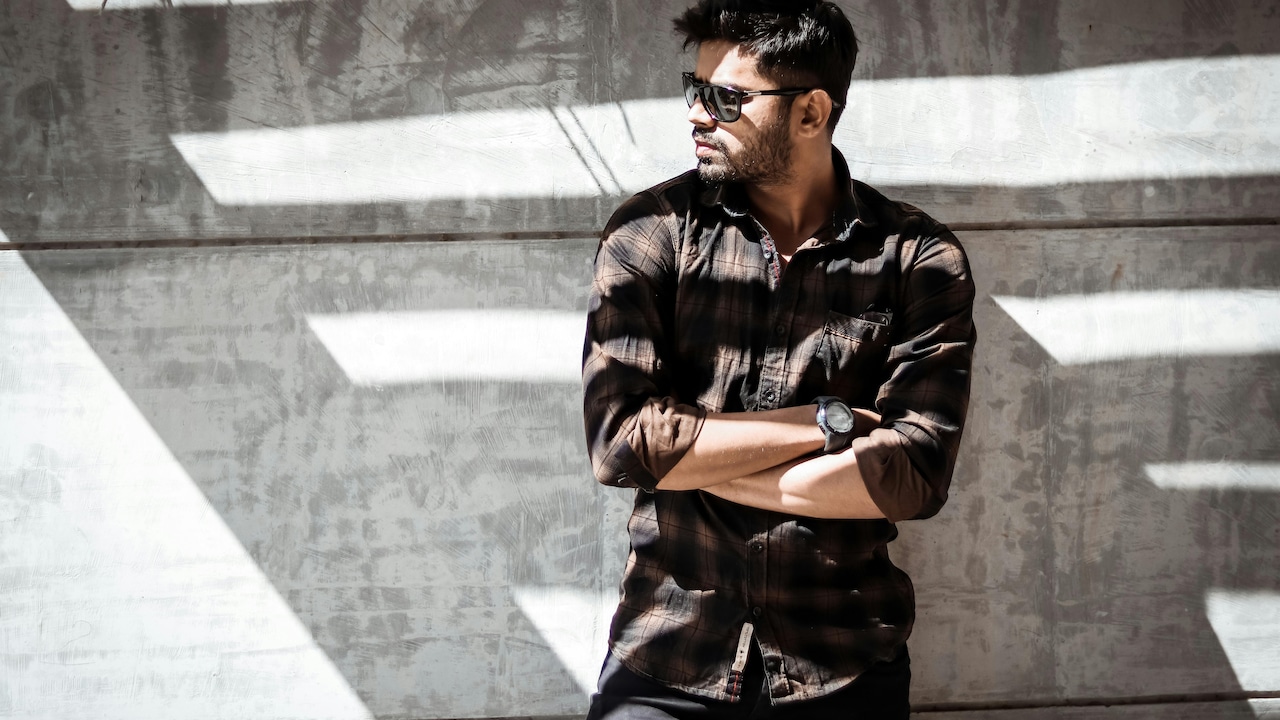
Why fitting matters even in expensive clothing; Photo Credit: Pexels
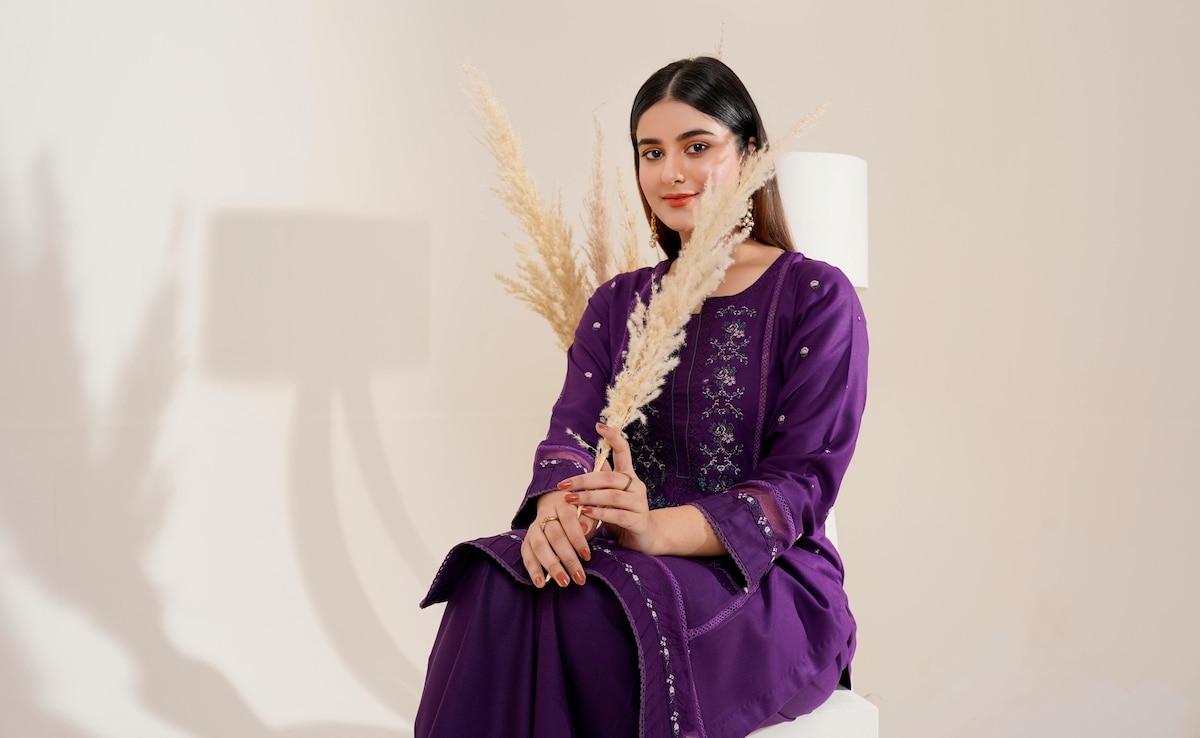
Clothes work like body language. A perfectly fitted kurta signals ease and confidence before a single word gets spoken. A badly fitted suit, even one worth ₹80,000, can create the opposite effect. It can make someone appear uncomfortable, distracted, or as though they borrowed somebody else's wardrobe in a hurry.
Also Read: From Work To Weekend: Men's Outfits Colour Combination That Never Go Out of Style
Fashion trends may change every season, but fit remains timeless. From wedding sherwanis to office trousers, from festive saree blouses to casual denim, the way clothes sit on the body matters far more than labels stitched inside them. A good fit sharpens posture, improves movement, and quietly upgrades personal style without demanding attention.
The surprising part? Many people spend heavily on clothes but ignore tailoring entirely. Some buy expensive pieces straight off the rack and hope for magic. Others chase trends that suit mannequins more than real bodies. The result often looks expensive on paper but cheap in person. Here is why fit continues to rule fashion, regardless of brand names or price tags.
Why Fit Matters More Than The Price Tag
The Shoulders Decide Everything
The shoulder line acts like the foundation of a building. If it sits wrong, the entire outfit collapses visually. This becomes painfully obvious in blazers, shirts, kurtas, and structured dresses.
Many shoppers focus on colour or brand first. Meanwhile, the shoulder seam quietly slides halfway down the arm like an exhausted commuter on a crowded local train. Once that happens, even premium clothing starts looking sloppy.
Tailors often say shoulders are the hardest area to fix properly. A shirt that fits perfectly around the chest but sags near the shoulders still appears oversized. On the other hand, tight shoulders create tension lines that make movement awkward and uncomfortable.
This explains why some people walk into weddings wearing designer bandhgalas worth a small bike's down payment, yet somehow resemble school children dressed for annual day rehearsals. The fit throws everything off balance.
Well-fitted shoulders instantly create structure. They frame the body naturally and improve posture without effort. Even a simple cotton shirt from a local market can look sophisticated when the shoulders align correctly.
The lesson feels simple, but gets ignored constantly. Fashion begins at the shoulders, not the logo.
Oversized Does Not Mean Stylish
Oversized fashion dominates social media feeds. Celebrities stroll through airports wrapped in giant hoodies and loose trousers that resemble portable blankets. Naturally, many people assume bigger automatically means trendier.
Unfortunately, oversized and ill-fitted are cousins who often get mistaken for twins.
True oversized clothing still follows proportion. The sleeves, torso, and length balance each other carefully. Poorly fitted clothing simply hangs without purpose. That difference matters more than people realise.
Loose jeans that puddle around shoes can shorten height visually. Massive shirts can drown body shape completely. Even expensive streetwear loses its edge when proportions become chaotic.
This issue appears frequently during online shopping sales. Somebody orders a luxury sweatshirt hoping for a relaxed style and ends up looking ready for a hostel laundry run. The fabric may cost ₹12,000, but the silhouette tells another story.
Well-balanced oversized clothing creates intentional drama. Bad fit creates confusion.
Comfort also plays a role here. Clothes should allow movement without appearing shapeless. A relaxed kurta can still maintain clean lines. Wide-leg trousers can still flatter the waist. Fashion works best when volume feels controlled rather than accidental.
Style should look effortless, not unfinished.
Tailoring Is The Missing Ingredient
Many wardrobes contain expensive mistakes waiting quietly behind cupboard doors. Shirts that gape near buttons. Trousers that bunch awkwardly near the ankles. Jackets that never sit right. Most of these problems could disappear with one good tailor.
Yet tailoring remains oddly underrated.
People happily spend ₹15,000 on shoes but hesitate to spend ₹500 on adjusting sleeve length. This logic makes little sense because tailoring often creates the final polished appearance people associate with luxury fashion.
Ready-made clothing follows standard body measurements. Real bodies rarely cooperate with standard sizing charts. Some people have broader shoulders and narrower waists. Others struggle with sleeve lengths or trouser cuts. Tailoring bridges that gap beautifully.
A simple alteration can completely transform clothing. Hemming trousers correctly sharpens the entire silhouette. Adjusting shirt sides creates cleaner structure. Tightening a kurta sleeve can suddenly make the outfit appear custom-made.
Even celebrities rely heavily on tailoring. Red carpet fashion never comes straight from stores untouched. Every inch gets adjusted carefully.
There is also something deeply satisfying about clothes that fit perfectly. They move naturally, photograph better, and feel more comfortable throughout the day.
Luxury fashion without tailoring resembles buying premium coffee beans and then burning the brew. The quality exists, but the execution fails.
Wrong Lengths Ruin Expensive Outfits
Length plays a strangely powerful role in fashion. Tiny measurement mistakes can make expensive clothes appear awkward within seconds.
Take trousers, for example. If they stack excessively near the shoes, the entire outfit starts looking untidy. If they end too high, the look shifts from sophisticated to accidental flood preparation. Neither outcome helps.
The same rule applies everywhere else. Shirt sleeves that swallow wrists create a messy appearance. Kurtas that end at unflattering points can distort body proportions completely. Even saree blouses lose elegance when sleeve or blouse lengths feel mismatched.
Many shoppers ignore these details because trial room mirrors rarely reveal the full picture. Bright lighting and quick decisions hide subtle fit problems that become obvious later during family photos or social events.
Length affects balance. Properly measured clothing creates cleaner lines and smoother movement. It allows fabrics to fall naturally rather than bunching awkwardly.
This explains why someone wearing a neatly fitted ₹3,000 outfit can often appear far more stylish than somebody struggling in badly proportioned designer clothing. Precision matters.
There is also a cultural element here. Festive dressing often involves flowing garments, layered silhouettes, and embroidered fabrics. Without correct lengths, these outfits lose their elegance quickly and start feeling costume-like instead of graceful.
Good fit never screams for attention. It simply makes everything appear intentional.
Fabric Cannot Save A Bad Fit
Luxury fabrics receive enormous attention. Cashmere, linen, silk, Egyptian cotton, the names alone sound expensive enough to raise blood pressure. Yet premium material alone cannot rescue poor tailoring.
A badly fitted silk shirt still looks awkward. Expensive wool trousers still appear messy if they sag incorrectly. Fabric quality enhances fit, but it never replaces it.
This becomes especially visible during festive seasons. Rich fabrics flood stores alongside dramatic embroidery and heavy detailing. Some outfits sparkle beautifully on hangers but collapse visually once worn because the fit lacks structure.
Certain fabrics actually expose fitting problems more clearly. Linen wrinkles naturally, so poor sizing appears exaggerated. Silk clings and folds visibly. Structured fabrics reveal uneven tailoring instantly.
Meanwhile, modest fabrics can surprise people when fitted correctly. A simple cotton kurta with sharp tailoring often looks fresher and more elegant than heavily embellished outfits struggling with poor proportions.
Fashion advertising often creates confusion here. Campaigns focus heavily on texture, colour, and luxury storytelling while quietly ignoring the importance of tailoring. Consumers then assume expensive material guarantees stylish results automatically.
Unfortunately, clothes do not work like that.
Fabric acts like the icing. Fit remains the cake underneath. Without a strong foundation, the final result disappoints no matter how premium the ingredients sound.

Luxury fabrics cannot alone make your outfit look better; Photo Credit: Pexels
Confidence Changes With Better Fit
Clothing affects mood more deeply than people admit. A well-fitted outfit changes posture, movement, and even facial expression. Confidence rises naturally when clothes feel comfortable and balanced.
Poor fit creates constant distraction. Tight collars invite irritation. Loose waistbands require endless adjusting. Oversized sleeves become accidental tea dippers during meetings. These small annoyances slowly affect body language throughout the day.
Well-fitted clothes remove that mental noise.
People walk differently when outfits fit correctly. Shoulders appear straighter. Gestures become more relaxed. Conversations feel easier because attention no longer stays trapped in discomfort.
This explains why certain individuals always appear stylish despite wearing relatively simple outfits. Their clothes fit properly, so confidence takes centre stage.
Meanwhile, expensive fashion worn awkwardly often creates visible self-consciousness. Somebody keeps pulling down a tight kurta or adjusting slipping trousers every five minutes. The outfit begins to wear the person instead of the other way around.
Confidence also photographs beautifully. Properly fitted clothes create cleaner shapes and sharper silhouettes in pictures. Family weddings, office events, and festive gatherings all become easier when outfits feel natural rather than restrictive.
Fashion should support personality, not compete with it.
The best-dressed people rarely appear uncomfortable. Their clothes move with them instead of against them. That effortless energy comes less from price and more from fit.
Trends Ignore Real Body Shapes
Fashion trends love unrealistic body standards. One season demands ultra-skinny silhouettes. The next celebrates giant oversized fits. Somewhere in between, ordinary people stand confused inside trial rooms, wondering why nothing looks quite right.
The problem often lies in blindly following trends without considering body shape.
Not every style flatters every person equally. Cropped trousers may suit one body type beautifully, but shorten another visually. Boxy shirts can appear modern on some people while overwhelming others completely.
Expensive brands push trends aggressively because trends drive sales. However, style becomes far more successful when clothes work with the body rather than against it.
This matters especially during festive shopping seasons. Many people buy trending outfits seen on actors or influencers only to realise later that the silhouette feels awkward in real life. The garment itself may look luxurious, but the fit disconnects from the wearer entirely.
Understanding proportions changes everything. High-waisted trousers can elongate shorter frames. Structured kurtas can sharpen broader builds. Proper sleeve lengths can improve balance instantly.
Fashion should adapt to people, not force people into uncomfortable fashion experiments.
There is nothing stylish about looking visibly uncomfortable while pretending otherwise. Good fit respects individuality. Trends simply come and go like monsoon traffic diversions.
Cheap Accessories Often Reveal Poor Fit
Accessories usually receive blame when outfits fail. People assume the shoes looked wrong or the handbag felt too simple. Yet many styling disasters begin with a poor fit rather than the accessories themselves.
A badly fitted outfit throws everything else off balance.
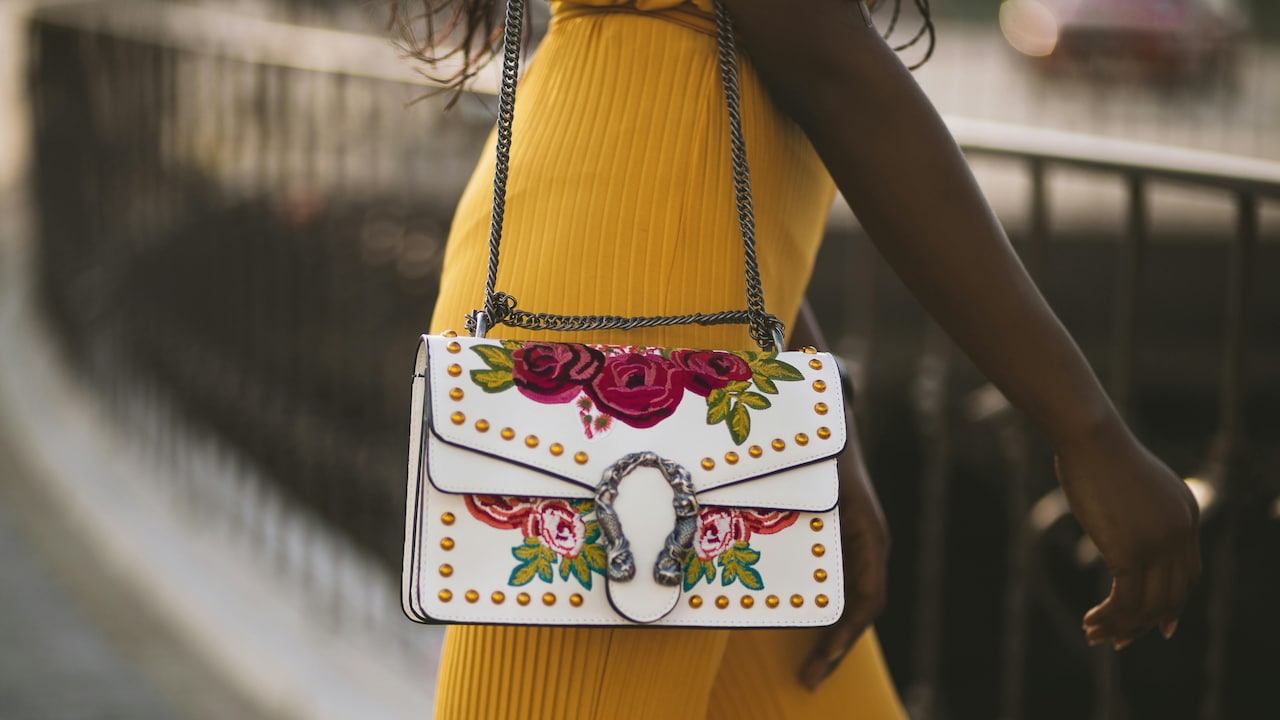
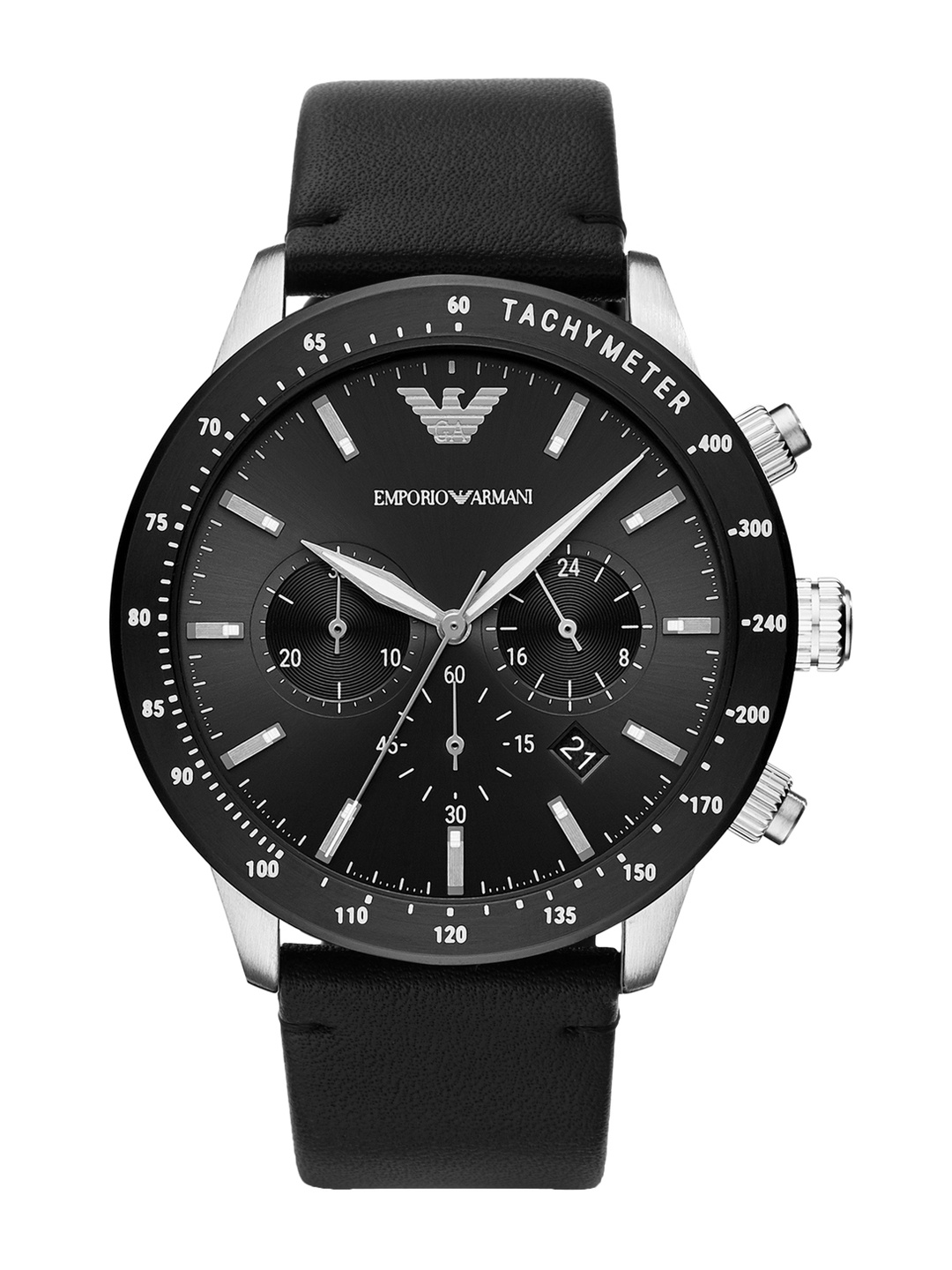
Take formal wear as an example. Expensive loafers lose elegance when paired with trousers collapsing around the ankles. Premium watches look oddly disconnected beneath oversized sleeves. Even luxury handbags appear less polished beside poorly fitted dresses.
Fit creates harmony between clothing and accessories. Once proportions align properly, smaller details start working together naturally.
This explains why some people look effortlessly stylish wearing modest accessories. Their clothing structure supports the entire appearance. Nothing competes awkwardly for attention.
Poor fit also exaggerates cheaper-looking details. Wrinkled fabric becomes more noticeable. Loose threads attract attention faster. Creases appear untidy instead of natural.
Meanwhile, properly fitted clothing elevates everything nearby. Clean silhouettes make shoes appear sharper and jewellery more intentional.
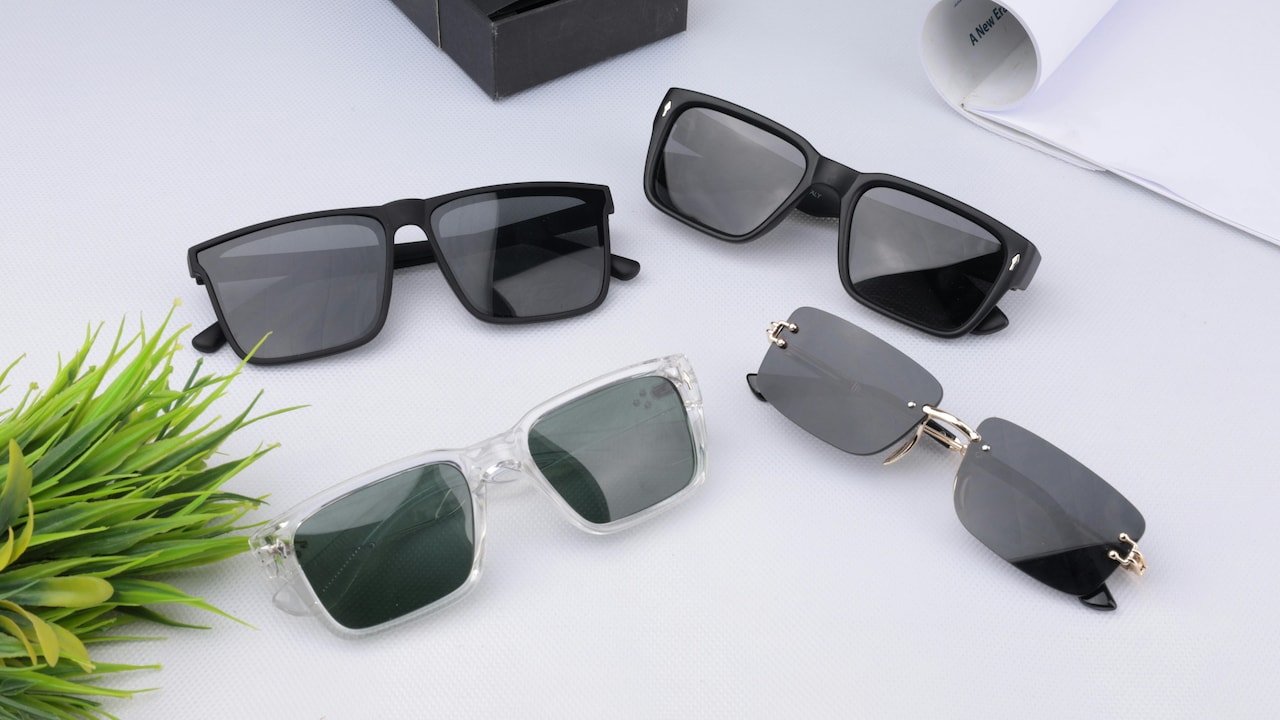
Many stylists quietly prioritise tailoring before accessories for this exact reason. There is little point in buying premium sunglasses worth ₹18,000 if the shirt underneath resembles borrowed sleepwear.
Style works like music. If the base rhythm collapses, fancy instruments cannot rescue the song.
Fast Fashion Has Changed Expectations
Fast fashion has quietly altered how people understand clothing fit. Many shoppers now expect clothes to fit perfectly straight off the rack because online shopping encourages speed over precision.
Buy. Try. Wear. Repeat.
Tailoring feels old-fashioned to some younger consumers raised on instant purchases and overnight delivery apps. Unfortunately, this convenience often creates wardrobes filled with almost-right clothing.
Mass production cannot accommodate everybody's shape accurately. Brands design according to broad measurements meant to suit the maximum number of customers quickly. As a result, many outfits require small adjustments that people increasingly ignore.
Social media worsens the issue. Edited photos and carefully posed influencer content create unrealistic expectations about how clothes should look naturally. Real-world fitting challenges rarely appear online.
This creates frustration. People buy expensive outfits expecting perfection and blame themselves when the final result disappoints. Often, the issue simply requires better tailoring.
There is also growing confusion between trendy styling and poor fit. Cropped lengths, dropped shoulders, and relaxed cuts dominate fashion right now. Without understanding intentional design, shoppers sometimes assume every awkward silhouette counts as fashionable.
It does not.
Good fit still matters, even in relaxed styles. Fashion evolves constantly, but balance, proportion, and comfort never disappear completely.
Clothes should flatter real life, not just Instagram reels filmed beside luxury cafés.
The Mirror Never Lies
People often know when clothing fits badly. The mirror reveals it instantly. Yet many ignore that first instinct because price tags create emotional pressure.
If something costs ₹25,000, surely it must look amazing. Right?
Not necessarily.
Expensive purchases sometimes trigger stubborn optimism. Shoppers convince themselves that an outfit works because returning it feels emotionally painful. Others trust sales staff too quickly despite obvious fitting problems.
The mirror, however, remains brutally honest.
When clothes fit properly, people usually notice immediately. The outfit feels balanced. Movement appears natural. Nothing pinches, droops, or demands constant adjustment. The entire look settles effortlessly.
Bad fit creates the opposite reaction. Something feels slightly off, even when the exact issue seems difficult to identify. Often, that instinct proves correct.
This is why trial rooms deserve patience. Walking around matters. Sitting down matters. Raising arms matters. Fashion exists for real life, not statue posing under flattering lights.
Many wardrobe regrets could disappear if people trusted comfort and proportion over brand obsession.
A perfectly fitted basic outfit will almost always outperform expensive clothing that feels awkward. The difference becomes obvious not just in mirrors but also in confidence, photographs, and everyday interactions.
Style begins with honesty about what actually works.
Products Related To This Article
1. Lea Clothing Co. Checked Notched Lapel Slim Fit Semiformal Blazers
2. Darelooks Premium Clothing Mandarin Collar Jodhpuri Blazers
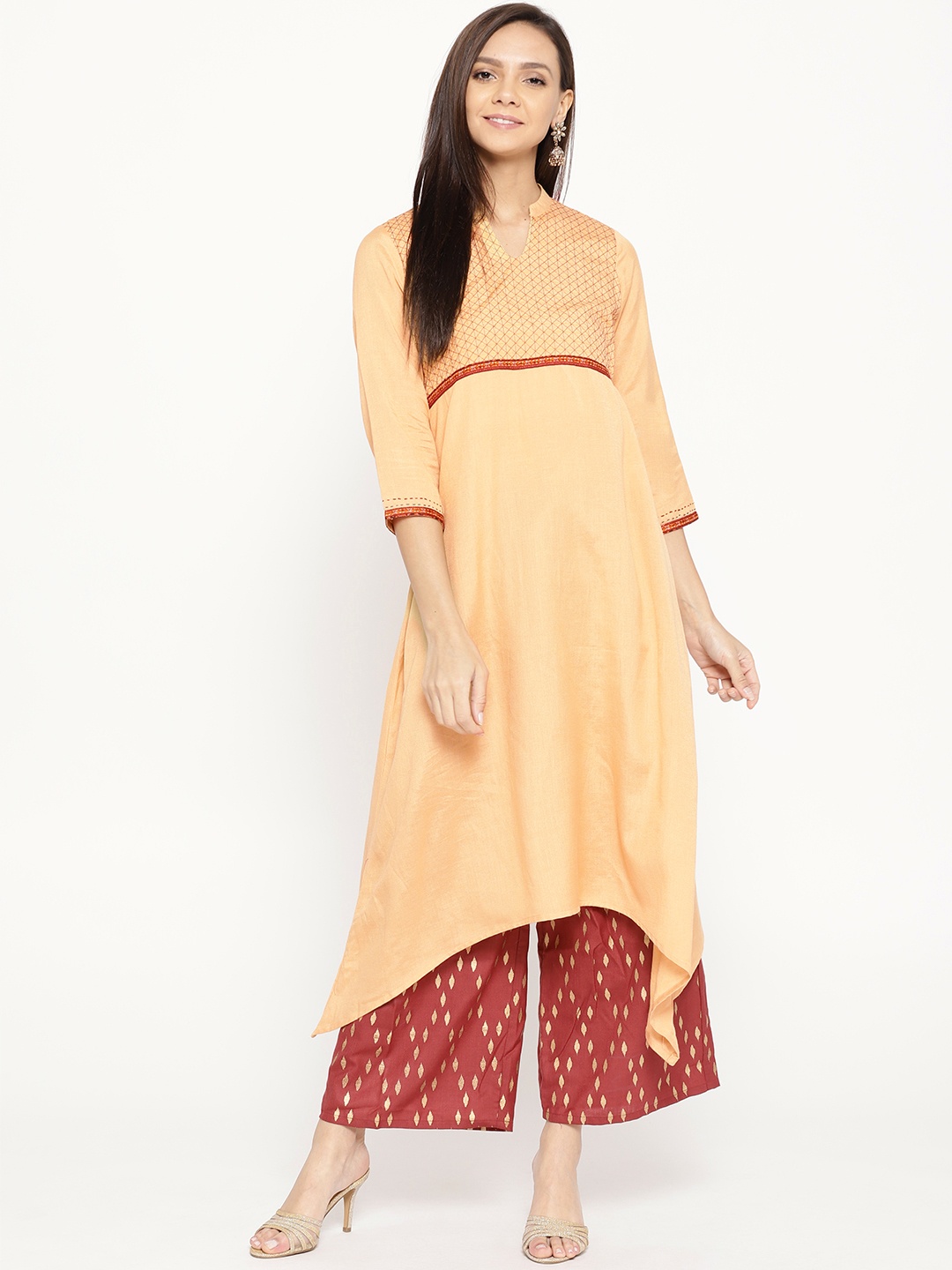
3. Idaho Clothing Women Printed Kurta with Salwar & With Dupatta
4. Tommy Hilfiger Self Design Cable Knit Mock Collar Cotton Pullover Sweater
5. Trendyol Shirt Collar Clothing Set
6. Allen Solly Checked Shirt Style Tailored Jacket
7. MANGO Women Straight Fit Pure Cotton Jeans
Fashion loves glamour, labels, and dramatic trends. Yet beneath all the noise, one simple truth continues to survive every season: fit matters more than price.
Expensive clothes cannot hide poor proportions. A luxury blazer with collapsing shoulders still looks sloppy. Designer trousers with awkward lengths still appear untidy. Premium fabrics cannot rescue discomfort or imbalance.
Meanwhile, well-fitted clothing creates effortless polish regardless of cost. Clean lines improve posture. Proper tailoring sharpens appearance. Comfort quietly boosts confidence.
Style has never depended entirely on money. It depends on awareness. Understanding body shape, proportions, movement, and tailoring creates far stronger results than blindly chasing luxury labels.
The next time somebody considers spending heavily on fashion, the smartest investment may not involve another designer purchase at all. It may simply involve finding a skilled tailor nearby and finally fixing the clothes already hanging inside the wardrobe.
Because in the end, people rarely remember the brand. They remember how the outfit looked.
(Disclaimer: This article may include references to or features of products and services made available through affiliate marketing campaigns. NDTV Convergence Limited (“NDTV”) strives to maintain editorial independence while participating in such campaigns. NDTV does not assume responsibility for the performance or claims of any featured products or services.)