How To Buy Non See-Through White Sarees: Fabric, Fit And Styling Dos And Don'ts
Choosing a white saree can feel risky when transparency is a concern. This guide breaks down the dos and don’ts of buying non-see-through white sarees, from fabric choices to smart styling tips.

Buying Non-See-Through White Sarees? Dos and Don'ts for Confident Styling.
A white saree never tries too hard. It stands for simplicity, celebration, protest, spirituality, and modern minimalism, all at once. Yet, many hesitate before buying one. The concern usually centres on transparency, especially under bright lights or midday sun. Shops look flattering, trial mirrors forgive a lot, and reality sometimes shocks later.
Choosing a non-see-through white saree requires attention, patience, and a sharp eye. Fabric, weave, weight, and even the time of day matter. The right choice can feel empowering. The wrong one can feel unforgiving.
This article serves as a practical style guide, rooted in everyday experiences. Expect honest advice, cultural familiarity, and a few knowing smiles along the way. White sarees reward those who respect their character. The sections below explain exactly how.
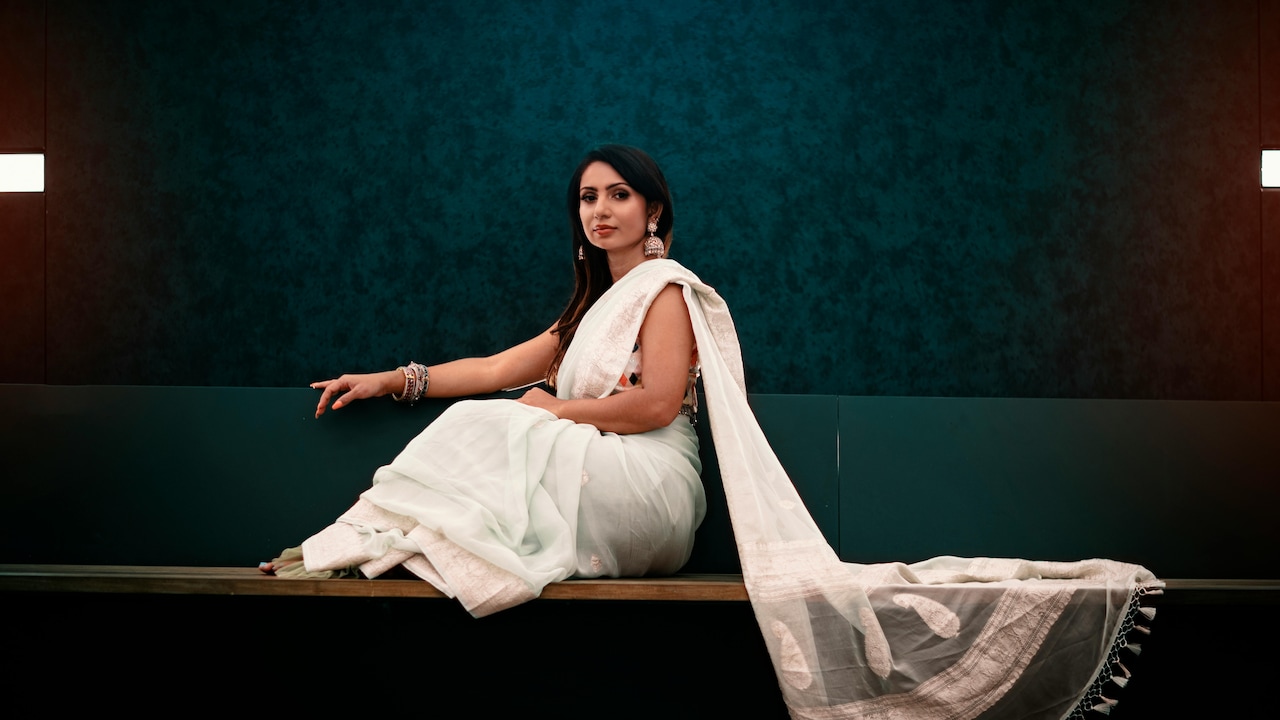
Buying Non-See-Through White Sarees: Dos and Don'ts for Confident Styling; Photo Credit: Pexels
A Practical Style Guide To Choosing The Right White Saree
1. Fabric First: When White Looks Elegant and When It Betrays You
Fabric decides everything. In white sarees, it decides dignity. Natural fabrics like cotton, silk, matka silk, khadi and linen blends offer structure and coverage. They hold their shape and do not cling unnecessarily. These fabrics work beautifully for long days, ceremonies, and even office wear.
Pure chiffon, georgette, and tissue silk look dreamy on hangers but often turn sheer under sunlight. Shops with warm lighting can mask this. Stepping outside reveals the truth. Running fingers through the fabric helps. If fingers show clearly, the saree will too.
Heavier weaves like Kanjeevaram cotton-silk blends, Banarasi cotton, and Kerala kasavu provide reliable opacity. They drape cleanly and photograph well. Avoid ultra-light imported fabrics sold as “luxury white.” Luxury means nothing if confidence disappears.
When in doubt, choose weight over airiness. White needs substance to shine.
2. Weave Wisdom: When Craftsmanship Saves the Day
Weave matters as much as fabric. Tightly woven sarees reflect light instead of allowing it through. Handloom pieces often outperform mill-made versions in this area. The density of threads creates natural coverage.
Jamdanis with dense motifs, Bengal cottons with thicker counts, and soft silks with compact zari borders offer visual depth. Patterns break monotony and reduce transparency. Plain white with no texture demands perfection and fearless styling.
Loose weaves create accidental sheerness. Stretch the saree slightly between your hands. Gaps between threads signal trouble. Good sellers allow this check without offence.
Craftsmanship shows in how the saree falls. A well-woven white saree feels reassuring, almost protective. That feeling matters more than brand labels or trending tags.
Also Read: Top 5 Sarees Under ₹2000 for Every Occasion: Cotton, Tissue, Bandhani, Organza, and Kasavu
3. The Blouse Game: When Support Becomes Style
A white saree never forgives a poor blouse choice. Nude, beige, ivory, or soft gold blouses offer safe grounding. White-on-white looks bold but requires thick saree fabric and flawless tailoring.
Avoid bright colours unless the saree has strong borders. Red or black blouses draw attention to transparency instead of away from it. Structured blouses with lining provide security. Stretch blouses without lining often betray the look.
High-neck, boat-neck, or closed-back designs work best for formal settings. They maintain elegance even if the fabric shifts. Padded blouses help avoid extra layers while ensuring coverage.
A good blouse costs between ₹1,500 and ₹3,000, but saves far more in confidence. Never compromise here. White sarees depend heavily on what sits beneath.
4. Petticoat Power: When the Base Makes or Breaks the Look
The petticoat often gets ignored. That mistake costs dearly with white sarees. Always choose a thick cotton or satin petticoat in nude, off-white, or soft beige. Shiny fabrics reflect light and highlight transparency.
Avoid white petticoats unless the saree feels heavy. Off-white blends better and hides seams. A well-fitted petticoat prevents bunching and awkward lines.
Drawstring quality matters. A slipping knot ruins posture and peace of mind. Elastic waistbands offer comfort but need strong stitching.
Tailors charge around ₹600 to ₹1,000 for a custom petticoat. This small investment ensures smooth draping and zero distractions. The saree flows better when the base feels secure.

Buying Non-See-Through White Sarees: Dos and Don'ts for Confident Styling; Photo Credit: Pexels
5. Lighting Reality Check: When Mirrors Lie
Shop mirrors flatter. Home mirrors forgive. Event lighting exposes. Always check white sarees in natural daylight. Step outside the shop if possible. If not, use the phone torchlight from behind the fabric.
Flash photography reveals everything. Weddings, receptions, and festivals love flash. What looks opaque indoors may glow unexpectedly later.
If buying online, read reviews carefully. Look for words like “opaque,” “thick,” or “summer-friendly.” Avoid listings that only show studio images.
Testing under real conditions prevents regret. White sarees demand honesty. Trust sunlight more than sales assistants.
6. Borders and Motifs: When Design Adds Confidence
Borders do more than decorate. They anchor the saree visually. Thick borders with zari, contrast threads, or woven patterns reduce focus on the body. They frame the drape beautifully.
All-over motifs help too. Small but frequent designs break the plain surface. They distract the eye and enhance richness.
Plain white sarees without borders require impeccable fabric and styling. They suit minimalists who enjoy clean lines and calm confidence.
For first-time buyers, choose a saree with some detailing. It offers visual safety while still keeping the elegance intact.
7. Occasion Matters: When White Feels Right and When It Feels Risky
Context decides comfort. Daytime functions suit cottons and linens. Evening events allow silks and blended fabrics. Outdoor gatherings demand thicker materials.
For religious ceremonies, choose modest drapes and covered blouses. For celebrations, structured pleats and statement jewellery balance the simplicity.
Avoid white sarees for crowded events if the fabric feels delicate. Accidental pulls and spills happen. White absorbs memories quickly.
Matching the saree to the setting ensures confidence stays intact from start to finish.
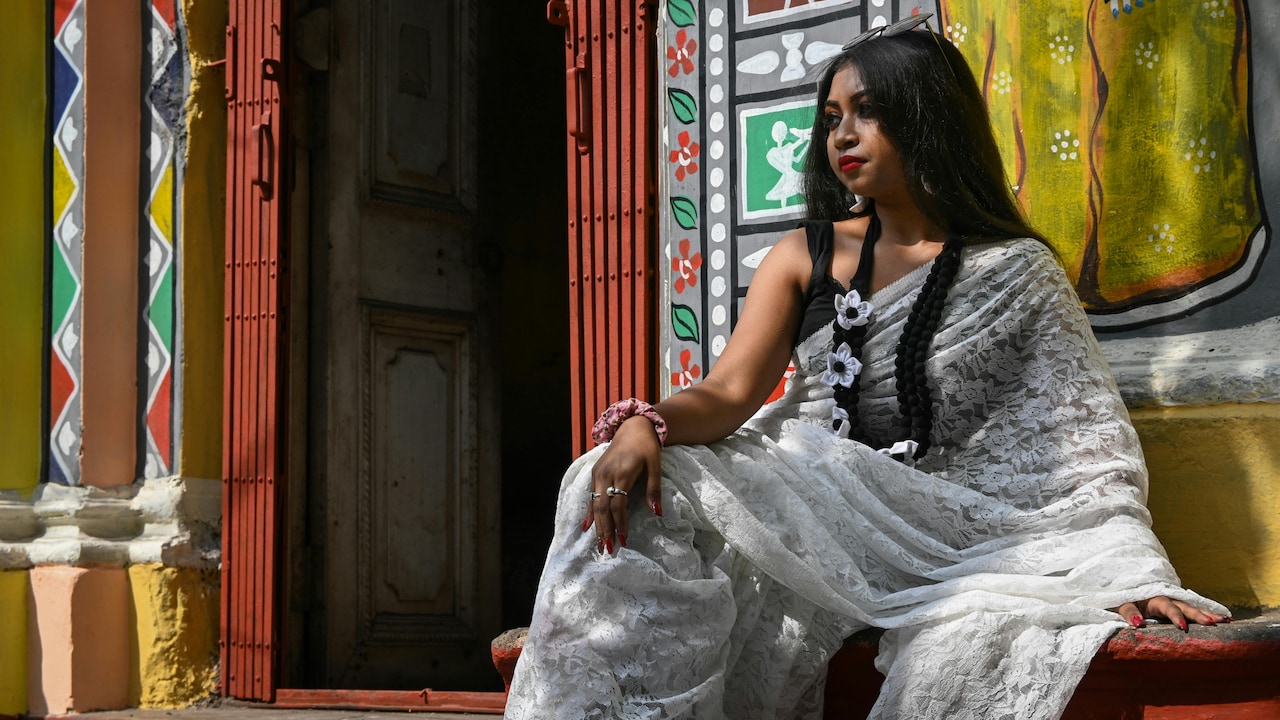
Buying Non-See-Through White Sarees: Dos and Don'ts for Confident Styling; Photo Credit: Pexels
8. Draping Techniques: When Skill Enhances Coverage
Draping changes everything. Wider pleats offer better coverage. Tight pleats create gaps. Pinning pleats properly prevents shifting.
The pallu should fall generously across the torso. Short pallus invites risk. Longer drapes add grace and security.
Avoid experimental drapes with sheer whites. Stick to classic styles that respect fabric behaviour.
Professional draping costs around ₹800 to ₹1,500 and proves worthwhile for important occasions. Good draping turns a simple saree into a statement.
9. Care and Maintenance: When White Stays Trustworthy
White sarees demand gentle care. Wash separately. Avoid harsh detergents. Fabric softeners weaken fibres and increase transparency over time.
Starch works wonders for cotton whites. It adds body and reduces see-through risks. Mild starch keeps the saree crisp without stiffness.
Store folded in breathable cotton covers. Plastic traps moisture and yellows fabric.
Proper care extends life and maintains opacity. A trusted white saree becomes a wardrobe ally for years.
10. Price Reality: When Cost Reflects Quality
Quality white sarees rarely come cheaply. Good cottons start around ₹2,500. Silks range from ₹6,000 upwards. Prices reflect weave density and craftsmanship.
Extremely cheap white sarees often cut corners. Thin fabric hides behind low prices. Bargains feel expensive later.
Invest once, wear often. A reliable white saree works across occasions with different styling. Cost-per-wear makes sense here.
Spending wisely ensures peace of mind every time the saree comes out.
Products Related To This Article
1. Mitera White & White Organza Saree
2. Suta Off White Organza Saree
3. Anouk Saree
4. Kasee Embellished Embroidered Saree
5. Kalista Sequinned Organza Saree
White sarees reward preparation. They demand respect, honesty, and thoughtful choices. Non see-through whites exist, but they require attention to fabric, weave, base layers, and care.
Confidence comes from knowing nothing will surprise under sunlight or flash. With the right choices, a white saree feels liberating rather than intimidating.
This guide aims to make that journey easier. When styled well, a white saree does not fade into the background. It stands tall, calm, and unforgettable.
(Disclaimer: This article may include references to or features of products and services made available through affiliate marketing campaigns. NDTV Convergence Limited (“NDTV”) strives to maintain editorial independence while participating in such campaigns. NDTV does not assume responsibility for the performance or claims of any featured products or services.)