How To Choose Genuine Leather Belts That Don't Crack Near The Buckle Or Fade Quickly
A good leather belt should last years, not months. Learn how to spot genuine leather, check construction quality, and choose belts that resist cracking near the buckle and fading with regular use.
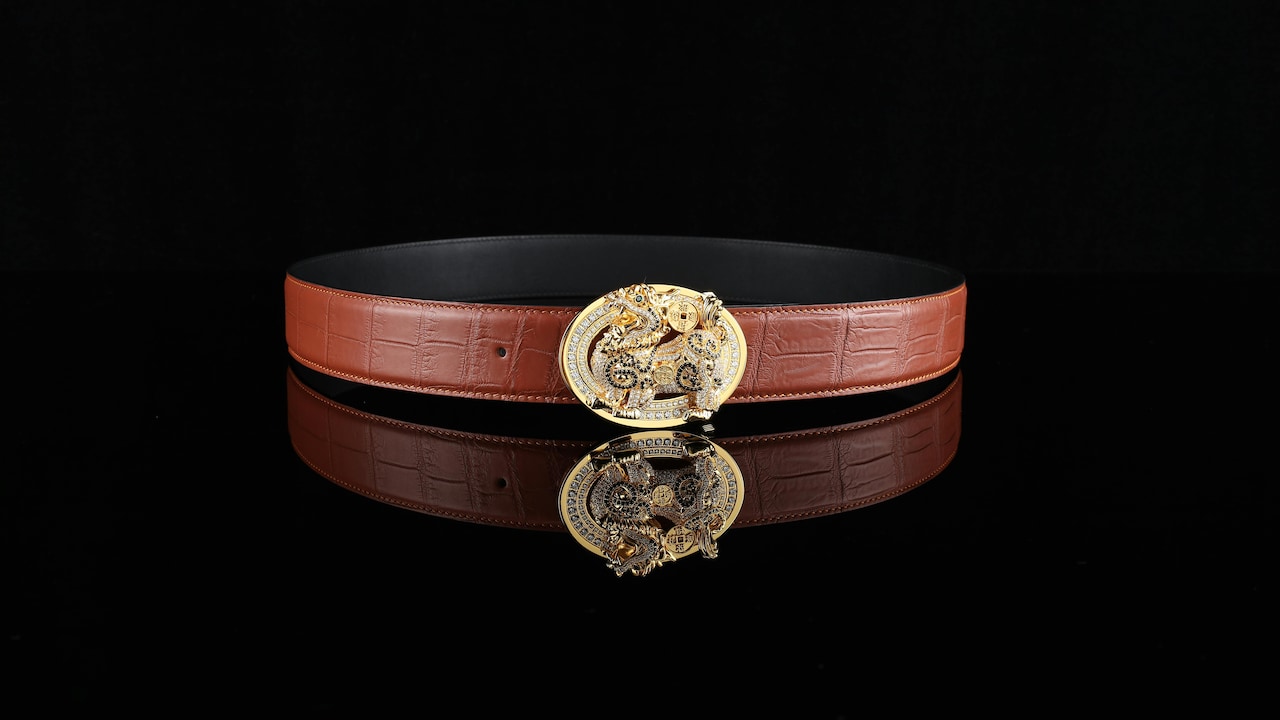
10 Smart Tips To Pick Genuine Leather Belts Offering Timeless Style And Long-Lasting Quality.
A good leather belt often becomes the unsung hero of everyday style. It anchors a formal outfit, sharpens a casual look, and quietly survives long days at work, weddings, travel, and everything in between. Yet many belts disappoint soon after purchase. Within months, faint cracks appear near the buckle, edges start peeling, and the colour fades faster than expected.
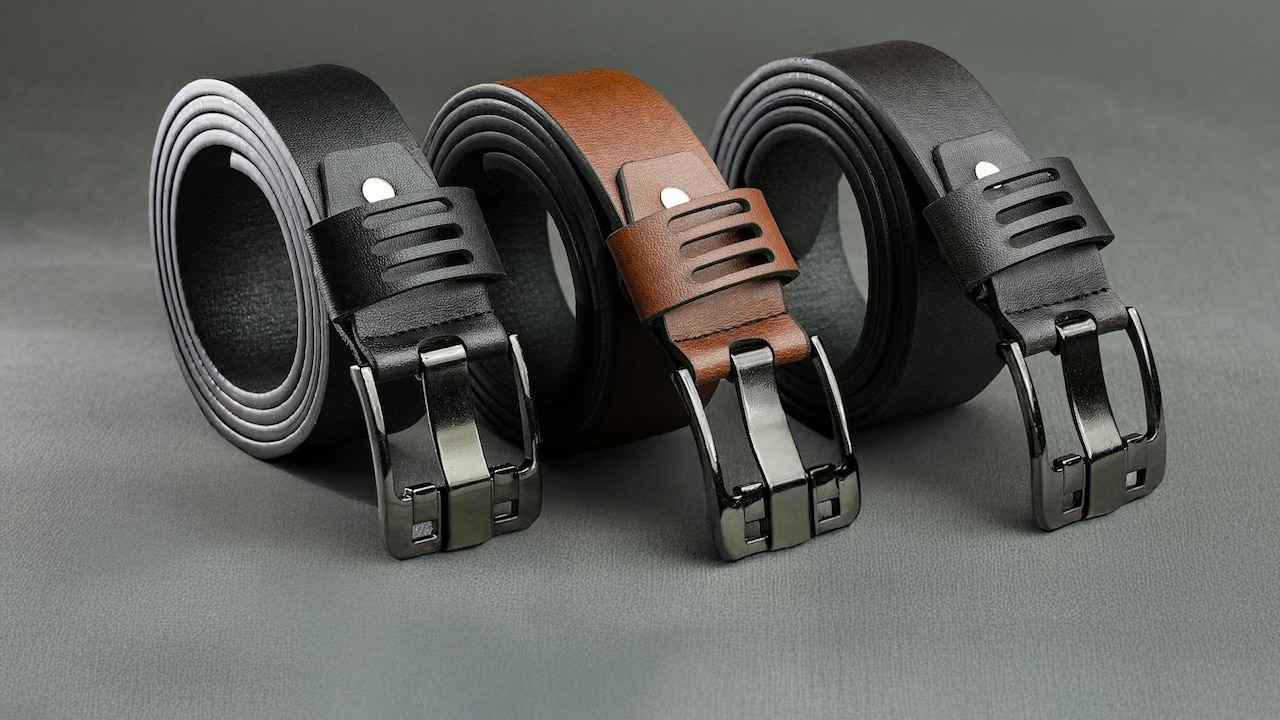
Expert tips to find leather belts that last long and look stylish; Photo Credit: Pexels
The frustration feels familiar. A belt purchased for ₹1,200 might appear sturdy at first glance. Then comes the awkward moment when the leather begins splitting right where the buckle bends each morning. Suddenly, that “great deal” feels less convincing.
Durability in leather belts rarely happens by accident. It comes from the right material, proper tanning methods, thoughtful construction, and a bit of informed buying. Understanding these details transforms belt shopping from guesswork into a confident decision.
Choosing the right belt does not require expert craftsmanship. A few simple checks, texture, flexibility, stitching, and finish, reveal whether the belt will age beautifully or crumble under daily use. With the right approach, a belt can last years rather than months, growing richer in character rather than weaker.
The following guide explores practical ways to choose genuine leather belts that resist cracking near the buckle and maintain their colour even after regular use.
Also Read: Women's Belts That Flatter The Waist Without The Pain: Trendy Styles On A Budget
What To Look For When Buying A Leather Belt That Lasts
Understand The Difference Between Genuine Leather And Real Quality Leather
The label “genuine leather” often confuses shoppers. Many assume it guarantees top quality, yet the term simply indicates that some portion of the product contains real leather. That leather may come from lower layers of the hide, where fibres feel weaker and less durable.
Higher-quality belts usually come from full-grain or top-grain leather. Full-grain leather retains the outermost layer of the hide, where fibres remain tightly packed. This structure gives the belt strength and flexibility, allowing it to bend near the buckle without cracking.
Top-grain leather removes minor surface imperfections while maintaining much of the hide's strength. It still performs well over time and often develops a smooth patina with use.
By contrast, corrected leather or bonded leather combines scraps and fibres glued together. These belts often look neat at first, yet the glued layers begin separating after repeated bending.
Price sometimes hints at quality, though not always perfectly. A belt priced around ₹800 may struggle with durability if it relies on bonded leather. Spending ₹1,500–₹2,500 on full-grain leather often proves wiser than replacing cheaper belts every few months.
Reading product descriptions carefully and asking store staff about the leather type helps avoid disappointment later.
Examine The Thickness And Firmness Of The Leather
Thickness plays a crucial role in preventing cracks near the buckle. Thin leather struggles with repeated bending. Each time the belt tightens, the fibres stretch and weaken. Over time, that constant stress leads to splitting.
Quality belts usually measure between 3.5 mm and 4.5 mm in thickness. This range provides flexibility without sacrificing strength. When held in the hand, the belt should feel solid yet not stiff like cardboard.
Press the leather gently between fingers. Good leather responds with a soft resilience. It should bend smoothly rather than form sharp creases. Those creases often predict future cracks.
Some belts attempt to imitate thickness by layering multiple thin pieces together. Glue holds these layers in place initially, but daily wear gradually loosens the bond. The edges may start peeling, especially around the buckle, where stress concentrates.
A single solid piece of leather performs far better. It distributes pressure evenly across the fibres. Even after years of use, such belts usually show only subtle bending marks rather than visible cracks.
The simple act of bending the belt slightly in the shop reveals a surprising amount about its durability.
Inspect The Buckle Attachment Area Carefully
The buckle area experiences the greatest strain in a leather belt. Every time the belt fastens, the leather folds sharply around the metal frame. If this section lacks reinforcement, cracks often appear within months.
A well-constructed belt strengthens this region through careful stitching or folded leather. Many durable belts feature an additional leather layer wrapped around the buckle bar. This reinforcement spreads pressure across a wider surface.
Another important detail involves rivets or screws. Strong metal hardware prevents the buckle from pulling against the leather unevenly. When the buckle moves loosely, friction increases, and the leather wears faster.
Check the stitching near the buckle. Tight, evenly spaced stitches signal careful craftsmanship. Loose or irregular stitches suggest weaker construction that may fail under regular tension.
The fold itself should look smooth rather than sharply bent. Leather fibres tolerate gradual curves better than tight folds. A well-designed buckle attachment reduces stress on the leather every time the belt bends.
Paying attention to this small detail often determines whether a belt lasts five months or five years.
Check The Dye And Colour Finishing Process
Fading often begins with poor dyeing methods. Many belts receive only surface colour coatings. These coatings create a polished appearance but wear away quickly with friction and sunlight.
Quality belts usually undergo deeper dyeing processes. The colour penetrates the leather rather than sitting on top. As the belt ages, it develops a richer tone instead of uneven fading.
Rub the surface gently with a dry cloth. If colour transfers easily, the finish may rely on a superficial coating. Such belts often lose colour within a few months of daily use.
The edges of the belt also reveal dye quality. Uniform colour along the edges suggests proper finishing. Rough, pale edges indicate rushed manufacturing.
Another useful test involves lightly scratching the surface with a fingernail. In high-quality leather, the mark fades quickly as the oils redistribute. Poorly dyed belts often show permanent lines.
Belts with natural shades like tan, brown, or deep chestnut usually age more gracefully than heavily painted colours. The subtle variations that develop over time add character rather than appearing worn out.
Look For Clean Edge Finishing And Burnishing
Edges might appear like a minor detail, yet they often predict long-term durability. Poorly finished edges allow moisture and friction to attack the leather fibres. Over time, those fibres begin fraying and weakening.
High-quality belts often feature burnished edges. Burnishing compresses the fibres through heat and friction, sealing them into a smooth, glossy finish. This process prevents unravelling and protects the belt from daily wear.
Run a finger along the belt's edge. It should feel smooth rather than fuzzy or rough. Rough edges usually signal minimal finishing work.
Some manufacturers apply edge paint instead of burnishing. When done properly, this technique still protects the leather. However, uneven paint layers may peel after extended use.
The edge should appear consistent along the entire belt length. Irregular edges often reveal rushed cutting or weak material quality.
While this detail might seem subtle in a shop setting, it often determines whether a belt still looks polished after years of wear.
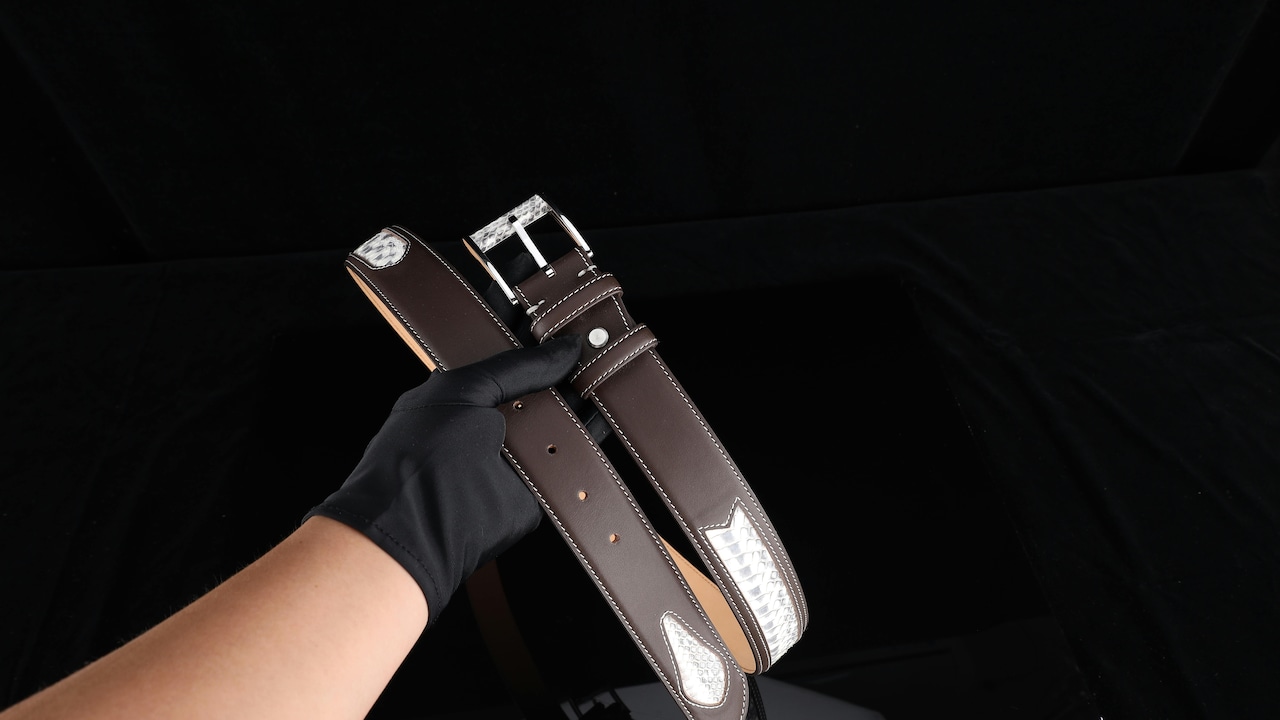
Opt for belts with clean edges and finishing; Photo Credit: Pexels
Feel The Natural Grain And Texture
Real leather carries a unique personality. Each hide contains natural grain patterns, slight wrinkles, and small variations in texture. These details distinguish genuine leather from synthetic materials.
Run fingers across the belt surface. Good leather feels slightly warm and textured rather than perfectly smooth. That subtle irregularity indicates natural fibres.
Artificial leather often appears overly uniform. The surface might resemble plastic or feel unusually slick. While it may look appealing initially, such materials rarely age well.
Natural grain also improves durability. The fibres within the grain layer remain tightly interwoven, allowing the belt to bend repeatedly without breaking.
Belts made from split leather often receive artificial grain embossing. Although this process imitates natural patterns, the underlying structure remains weaker.
Choosing belts with visible grain patterns often leads to better long-term performance. The slight imperfections give the leather character while strengthening its ability to handle daily bending.
In many cases, the most attractive belts reveal a balance between polished finish and natural texture.
Observe The Stitching Quality
Stitching might appear decorative, yet it serves a structural purpose. Strong stitching reinforces the belt's shape and prevents layers from separating.
Look closely at the stitch line running along the edges. High-quality belts display evenly spaced stitches with consistent tension. Each stitch should sit neatly within the leather without loose threads.
Handcrafted belts often use thicker threads for added strength. Machine stitching can also perform well when executed carefully.
Loose stitching creates weak points where the belt may begin splitting. Over time, friction from daily use gradually pulls those threads apart.
Another detail worth noticing involves the thread colour. Well-designed belts often match the thread with the leather tone or use a deliberate contrast for style. Random colour choices sometimes signal rushed manufacturing.
The stitching pattern should remain straight along the belt's length. Crooked lines often indicate poor craftsmanship.
Though subtle, this detail strongly influences how well the belt survives years of bending and tension.
Choose Vegetable-Tanned Leather When Possible
Leather tanning methods influence both durability and appearance. Vegetable tanning uses natural plant extracts such as bark and leaves. This traditional process strengthens leather fibres and enhances their flexibility.
Vegetable-tanned leather often develops a beautiful patina over time. Instead of fading, the colour deepens gradually with exposure to sunlight and natural oils.
Belts made with this method typically feel firmer at first. With regular wear, the leather softens and moulds comfortably around the waist.
Chrome-tanned leather, by contrast, relies on chemical treatments that speed up production. While this method reduces manufacturing costs, the resulting leather sometimes loses colour faster.
Many premium belts priced around ₹2,000–₹3,000 use vegetable tanning for its durability and ageing qualities.
The aroma also reveals tanning differences. Vegetable-tanned leather carries a rich, earthy scent that synthetic treatments rarely replicate.
For buyers seeking belts that age gracefully rather than deteriorate quickly, vegetable tanning offers a reliable choice.
Consider The Belt's Flexibility During Trial
Flexibility reveals how leather fibres respond to repeated bending. A belt that feels excessively rigid often cracks sooner. Conversely, overly soft belts may stretch and lose shape.
Hold the belt horizontally and bend it gently. Quality leather curves smoothly without creating deep creases. The surface should recover its shape once released.
If the leather produces sharp lines immediately, the fibres may already be too dry or thin. Such belts struggle with the constant bending near the buckle.
Another useful check involves rolling the belt loosely into a circle. Strong leather bends comfortably while maintaining structural integrity.
This quick test takes only seconds but offers valuable insight into the belt's future performance.
Belts that balance flexibility with firmness usually survive daily wear far better than extremely stiff or overly soft options.
Match Belt Use With Intended Lifestyle
Even the finest leather belt struggles when used outside its intended purpose. A slim dress belt designed for formal trousers differs greatly from a thick casual belt meant for denim.
Daily office wear often requires a belt that bends frequently yet maintains polish. Full-grain leather with moderate thickness works well in such situations.
Casual belts for jeans often feature heavier leather and sturdier buckles. These belts withstand greater tension and movement.
Climate also plays a role. High humidity and heat can dry out leather over time. Occasional conditioning helps maintain flexibility and colour.
Proper storage matters as well. Hanging belts rather than folding them sharply reduces stress near the buckle.
Matching the belt style with everyday routines ensures the leather performs well rather than deteriorating prematurely.
Products Related To This Article
1. Provogue Men Casual Formal Party Black Genuine Leather Belt
2. Roadster Men Formal Casual Evening Party Black Genuine Leather Belt
3. Urban Forest Men Casual Brown Genuine Leather Belt
4. Park Avenue Men Khaki Genuine Leather Belt
5. Tommy Hilfiger Men Casual Black Genuine Leather Belt
A leather belt may appear simple, yet its quality reveals itself through subtle details. Thickness, stitching, tanning, grain texture, and buckle construction all shape how the belt ages over time.
Belts that crack near the buckle or fade quickly often suffer from rushed manufacturing and low-grade materials. Spending a few extra minutes examining leather quality can prevent months of frustration later.
Well-crafted leather belts rarely shout for attention. Instead, they grow richer with time, developing gentle creases and deeper colour rather than cracks and peeling.
Choosing wisely means investing not just in an accessory but in reliability. A dependable belt quietly supports daily routines, from busy workdays to festive gatherings.
When selected carefully, a leather belt becomes more than a functional item. It becomes a companion that ages with dignity, holding together countless outfits without losing its strength or charm.
(Disclaimer: This article may include references to or features of products and services made available through affiliate marketing campaigns. NDTV Convergence Limited (“NDTV”) strives to maintain editorial independence while participating in such campaigns. NDTV does not assume responsibility for the performance or claims of any featured products or services.)