How To Choose Running Shoes That Don't Feel Heavy: A Complete Guide For Comfortable Runs
Choosing the right running shoes can transform a sluggish run into a smooth stride. Learn how to pick lightweight shoes that boost comfort, reduce fatigue, and keep every kilometre feeling effortless.
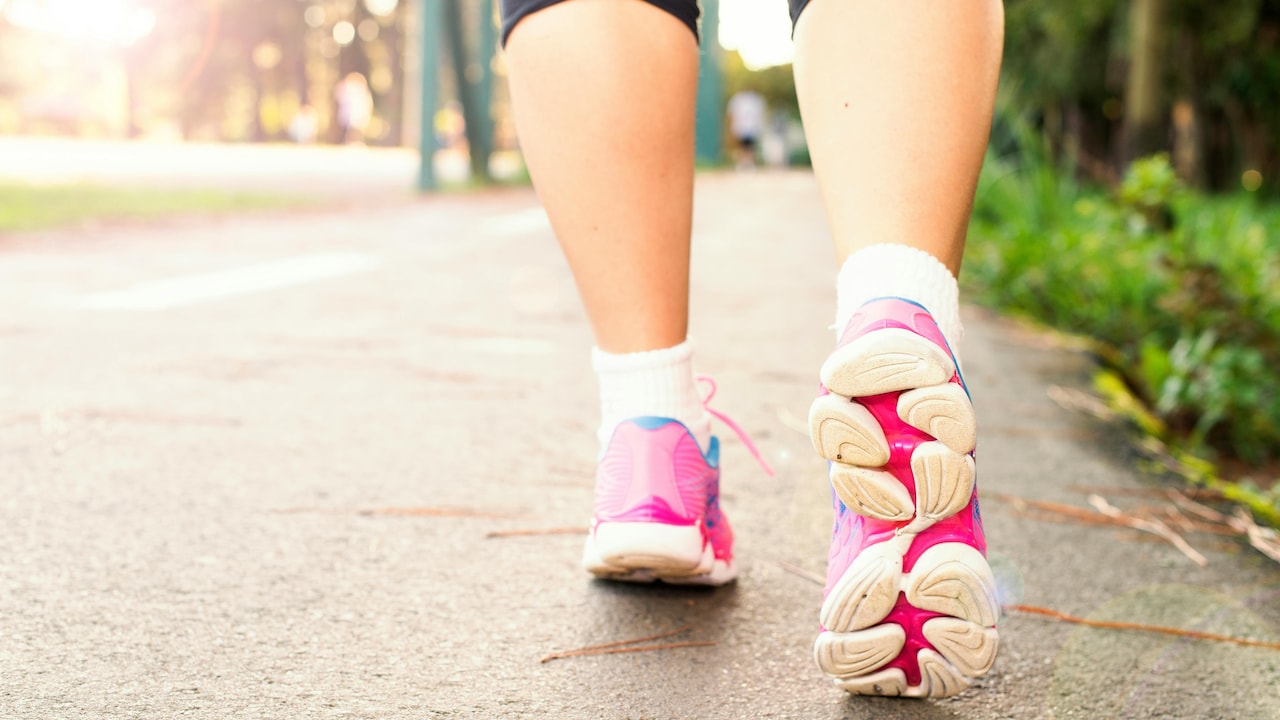
Know How To Select Lightweight Running Shoes For Maximum Comfort And Top Performance While Training.
Every runner knows the feeling. The alarm rings before sunrise, the streets still carry the quiet of early morning, and the plan is simple: step outside and move. Yet sometimes the first few strides feel oddly sluggish. The legs are ready, the lungs cooperate, but the shoes feel heavy.
Often, the problem lies not in stamina or training, but in footwear. Many people assume any sports shoe will do the job. However, running shoes differ enormously in weight, structure, cushioning, and materials. The wrong pair can feel bulky, slow down movement, and even increase fatigue over time.
Lightweight running shoes do not merely reduce weight on the feet. They improve rhythm, encourage smoother strides, and create a sense of flow during runs. For beginners and seasoned runners alike, selecting the right pair becomes one of the simplest ways to enhance performance and comfort.
Shoe stores today offer endless options, from minimal trainers to cushioned models built for long distances. Prices range from around ₹2,500 for entry-level pairs to ₹12,000 or more for premium designs. With so many choices, confusion often follows.
Understanding what truly makes a running shoe feel light can remove that confusion. The answer rarely lies in marketing claims alone. It involves paying attention to weight, materials, fit, cushioning, and overall design.
Choosing wisely turns each run into an easier, more enjoyable experience. The road feels smoother, the pace becomes steadier, and the body finishes the run with energy left in reserve.
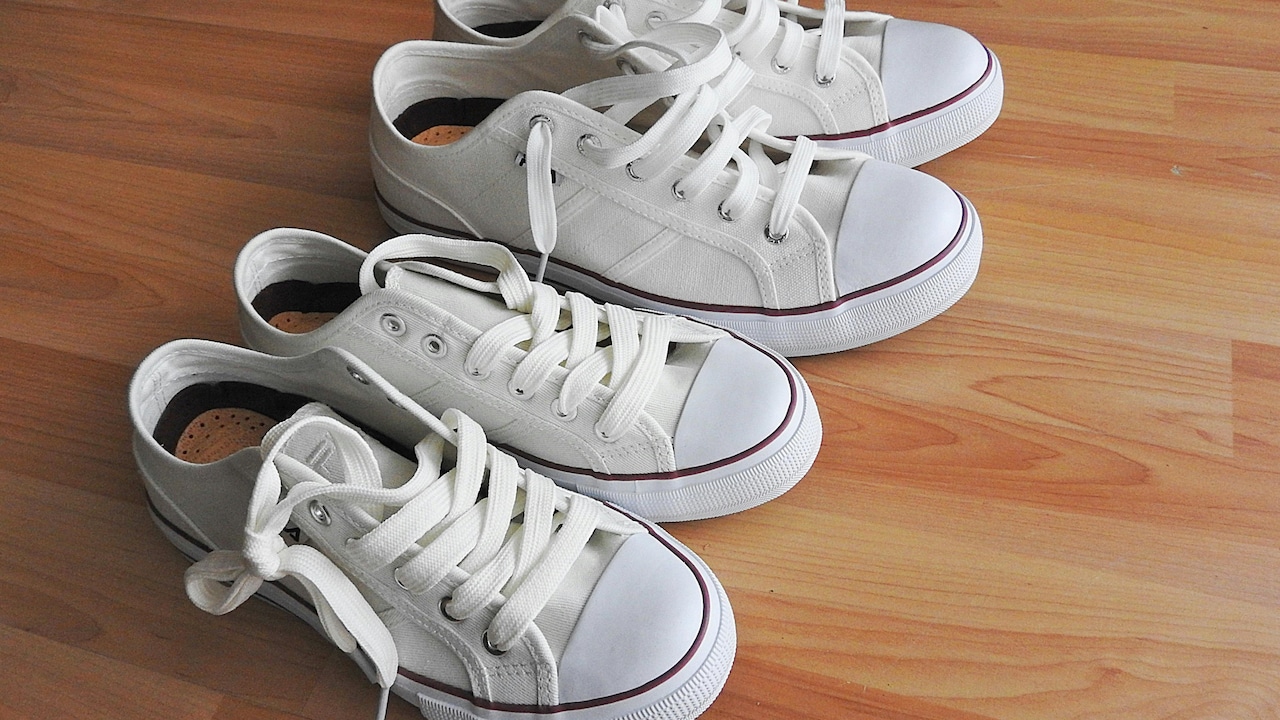
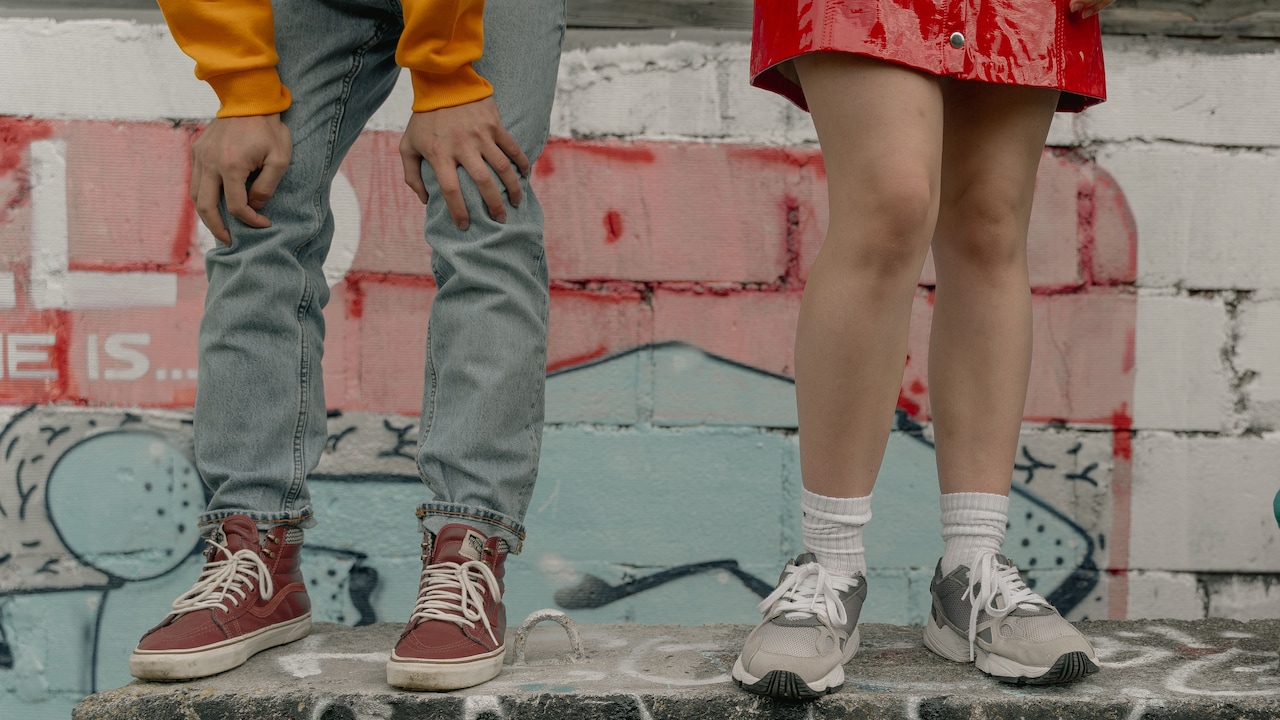
How To Choose Running Shoes That Don't Feel Heavy
Photo Credit: Pexels
What Makes A Running Shoe Feel Light On Your Feet
Understand Shoe Weight Before Buying
Many runners glance at colours and design first, yet the true secret often hides in the numbers printed on the shoe box. Weight plays a surprisingly large role in how shoes feel during a run.
Most lightweight running shoes weigh between 200 and 280 grams per shoe. Once the weight climbs beyond 320 grams, many runners begin to notice extra heaviness during longer runs. That difference might appear tiny in the hand, yet after five kilometres the feet definitely notice.
Shoe brands use different materials and technologies to reduce weight without sacrificing durability. Mesh uppers, foam midsoles, and streamlined designs all help keep shoes lighter.
However, extremely light shoes are not always the best option for everyone. Beginners sometimes prefer slightly more cushioning and structure, even if it adds a few grams. The key lies in balance rather than chasing the lightest option available.
Trying on several pairs in the shop often reveals the difference instantly. Walk around, jog lightly, and notice whether the shoe encourages natural movement or feels slightly bulky.
A good pair should almost disappear once worn. If the shoes feel noticeable even during a short jog inside the store, the weight might become frustrating during longer runs.
Choose Breathable And Flexible Materials
The materials used in a running shoe influence both weight and comfort. Modern footwear has evolved far beyond thick leather designs from decades ago.
Breathable mesh uppers dominate most lightweight running shoes today. This fabric allows air to circulate through the shoe, keeping the feet cool even during humid evenings or summer runs.
Flexible materials also help reduce the sense of heaviness. Shoes that bend naturally with each step support smoother movement and reduce energy loss.
A stiff upper often creates resistance during the running cycle. The foot struggles slightly against the material, and over time, that resistance adds fatigue.
Quality mesh designs solve this problem beautifully. They stretch gently around the foot, allowing natural movement without feeling loose or unstable.
Some premium models include engineered mesh that balances airflow with durability. Although these shoes sometimes cost around ₹7,000 to ₹10,000, the comfort often justifies the price for regular runners.
Trying to bend the shoe slightly in the store can reveal a lot. A flexible front section usually signals a design built for smooth running rather than rigid walking.
Pay Attention To Midsole Foam Technology
The midsole acts as the engine room of a running shoe. Hidden between the upper and outsole, this layer absorbs impact and provides energy return with every step.
Older running shoes relied on dense foam that offered cushioning but added weight. Modern designs use advanced foam compounds that remain light while delivering excellent shock absorption.
Foams such as EVA and newer proprietary blends provide a bouncy feel that many runners enjoy. The sensation often feels like a gentle push forward with each stride.
A good midsole balances cushioning and responsiveness. Too soft, and the shoe may feel unstable. Too firm, and the run becomes harsh on joints.
Lightweight foams also prevent that heavy, sinking feeling sometimes experienced with thick cushioning. The foot lands, compresses slightly, and springs forward smoothly.
Trying the shoe on a short jog inside the store can reveal how the foam behaves. Some pairs feel lively and energetic, while others feel flat.
Choosing a responsive midsole often creates the biggest difference in how light a running shoe feels during longer distances.
Ensure The Fit Feels Snug But Not Tight
Even the lightest shoe can feel heavy if the fit feels wrong. Footwear that shifts around during movement forces the muscles to work harder with every step.
A good running shoe should feel snug around the midfoot and heel. This secure fit keeps the foot stable while allowing the toes enough room to move naturally.
Many runners unknowingly buy shoes that are too small. Feet swell slightly during running, especially during longer sessions or warm weather. Leaving about a thumb's width of space near the toes prevents discomfort later.
Trying on shoes in the evening often provides a more realistic fit since feet naturally expand throughout the day.
Running socks also influence the fit. Testing shoes while wearing the same type of socks used during runs helps avoid surprises later.
A shoe that hugs the foot comfortably often feels lighter simply because it moves naturally with the body. There is no sliding, rubbing, or awkward shifting.
The result is a smoother stride that feels effortless from the first kilometre to the last.
Look For Lightweight Outsole Designs
The outsole sits at the very bottom of the shoe, providing grip and durability. Traditional running shoes once used thick rubber layers that added considerable weight.
Modern designs focus on the strategic placement of rubber rather than covering the entire sole. Manufacturers often reinforce high-impact zones while leaving other sections lighter.
This approach reduces overall weight without compromising traction. Runners still receive grip where needed, especially around the heel and forefoot.
Flexible grooves in the outsole also help shoes bend naturally during movement. This flexibility contributes greatly to the sensation of lightness.
Some running shoes now include blown rubber compounds that feel softer and lighter compared to older, dense rubber materials.
Testing the outsole by flexing the shoe gently often reveals how easily it moves. A shoe that bends smoothly usually supports a more natural running stride.
Durability still matters, of course. A very thin outsole might reduce weight, but wear out quickly on rough roads.
Finding the balance between durability and lightness helps ensure the shoe performs well for months rather than weeks.
Consider Your Running Surface
The roads and paths where runs take place influence which shoes feel lightest. Footwear designed for trails often includes extra grip, thicker soles, and protective features.
While those elements help on rocky terrain, they can feel unnecessarily heavy on city roads.
Road running shoes usually feature smoother outsoles and lighter construction. These designs prioritise speed, flexibility, and comfort over rugged protection.
People who run mostly in parks, pavements, or jogging tracks often benefit from road-specific models. The lighter build supports faster and more efficient strides.
Trail runners, on the other hand, require additional stability and grip. The extra weight serves a purpose when navigating uneven surfaces.
Understanding the typical running environment helps narrow down options quickly. A shoe built for the right terrain naturally feels lighter because every feature serves the actual running conditions.
Choosing wisely prevents the frustration of wearing bulky trail shoes during a simple evening jog around the neighbourhood.
Test The Shoe With Movement, Not Just Standing
Standing inside a shoe store reveals only part of the story. A running shoe might feel comfortable while walking slowly, yet behave very differently during movement.
Short jogging tests provide valuable insight. Many sports stores allow customers to run briefly on treadmills or inside open spaces.
This moment of movement reveals whether the shoe feels lively or sluggish. Lightweight shoes often create an immediate sense of bounce and freedom.
Pay attention to how quickly the foot transitions from landing to pushing off. Shoes that support smooth transitions usually feel lighter and more responsive.
Noise can also offer clues. Some heavy shoes create loud thuds with every step, while lighter designs produce softer, quicker footfalls.
The goal is not speed inside the shop, but awareness. Notice how the shoe interacts with the foot and whether the stride feels natural.
Those few seconds of testing can prevent the disappointment of discovering heaviness only after the first long run.
Balance Cushioning With Weight
Cushioning often attracts runners searching for comfort. Thick midsoles promise softer landings and protection during long runs.
However, excessive cushioning can sometimes add unnecessary weight. A shoe that looks comfortable on the shelf may feel bulky after several kilometres.
The ideal running shoe offers enough cushioning to absorb impact without feeling overly padded.
Many modern lightweight trainers achieve this balance through advanced foam designs that remain soft yet light.
Distance runners may prefer slightly thicker midsoles for long weekend runs. Meanwhile, runners focusing on shorter distances or faster paces often enjoy lighter shoes that feel quicker.
Trying multiple models helps identify personal preference. Some people enjoy a plush feel, while others prefer a firmer ride that feels more connected to the ground.
The goal lies in finding cushioning that supports comfort without turning each step into a heavy landing.
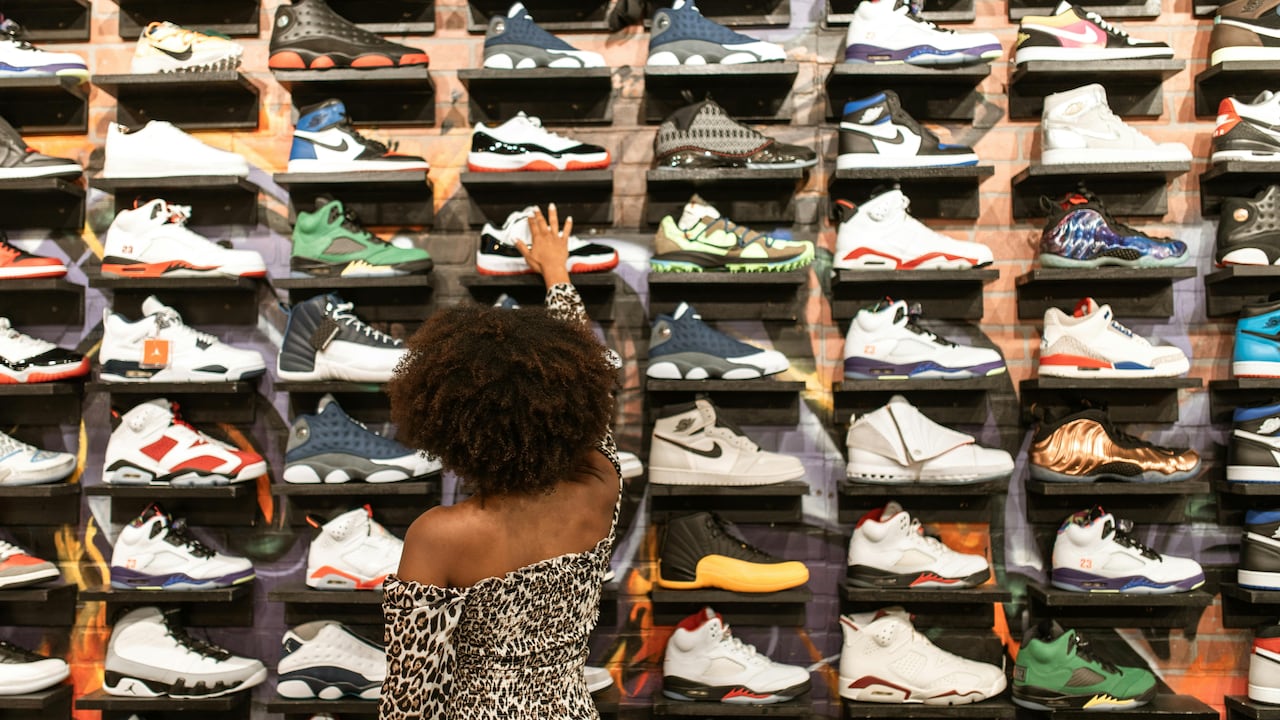
How To Choose Running Shoes That Don't Feel Heavy
Photo Credit: Pexels
Check The Overall Shoe Design
Sometimes the overall shape and design reveal whether a shoe will feel light or cumbersome. Bulky overlays, thick padding, and complex structures often increase weight.
Sleeker designs usually signal modern engineering focused on performance.
Many lightweight running shoes feature minimal stitching, streamlined shapes, and thinner tongues. These elements reduce weight while maintaining comfort.
A simple visual test can help. Place two shoes side by side. The pair with a cleaner, simpler design often feels lighter during runs.
Modern brands frequently remove unnecessary layers and replace them with supportive knit or mesh materials.
This minimalist approach not only reduces weight but also improves flexibility and breathability.
While appearance should never be the only deciding factor, thoughtful design often reflects a focus on performance.
A well-designed shoe supports movement rather than resisting it.
Replace Shoes Before They Become Heavy
Even the best running shoes eventually lose their light, energetic feel. Over time, midsoles compress, and materials wear down.
A pair that once felt responsive may begin to feel flat or slightly heavy after hundreds of kilometres.
Most running shoes perform well for roughly 500 to 700 kilometres. Beyond that range, cushioning and support gradually decline.
Regular runners often track mileage using fitness apps or simple estimates. This habit helps determine when shoes approach the end of their lifespan.
Continuing to run in worn-out footwear can lead to discomfort and fatigue. The shoes may not literally gain weight, yet they certainly feel heavier due to lost responsiveness.
Replacing them at the right time restores the enjoyable bounce that makes running feel effortless.
A fresh pair often brings back that familiar excitement — the sensation that the road ahead feels inviting rather than tiring.
Products Related To This Article
1. Campus Hurricane Running Shoes Men
2. Killer Lightweight Comfortable Trendy Breathable Sports Outdoor Running Shoes Men
3. Adidas Fluo M Running Shoes Men
4. Asian Mens Running Shoes Lightweight Memory Foam Sports Sneakers Men
5. Hrx Hrithik Roshan Running Shoes Men
Running should feel freeing. Each stride should carry a sense of rhythm and ease rather than the burden of heavy footwear. The right running shoes make an enormous difference, transforming ordinary runs into smooth, energising experiences.
Lightweight running shoes do more than reduce grams. They improve comfort, support natural movement, and help runners maintain a steady pace without unnecessary fatigue.
Understanding shoe weight, materials, cushioning, fit, and design allows smarter choices in stores filled with endless options. Testing shoes properly and selecting models suited to typical running surfaces ensures the final decision truly supports the runner.
Prices may vary widely, from around ₹2,500 for beginner models to ₹12,000 for advanced designs. Yet the most expensive pair does not automatically guarantee the best experience. Comfort, balance, and suitability matter far more.
Once the right pair slips on, the difference becomes obvious. The feet move freely, the body finds its rhythm, and the road ahead feels lighter with every step.
And that, ultimately, is what every runner hopes for when stepping outside for the next run.
(Disclaimer: This article may include references to or features of products and services made available through affiliate marketing campaigns. NDTV Convergence Limited (“NDTV”) strives to maintain editorial independence while participating in such campaigns. NDTV does not assume responsibility for the performance or claims of any featured products or services.)