How To Choose Nightwear That Keeps You Cool Without Clinging
Struggling with sticky, uncomfortable nights? This guide explains how to choose breathable, non-clinging nightwear that stays cool, light, and comfortable in warm weather.
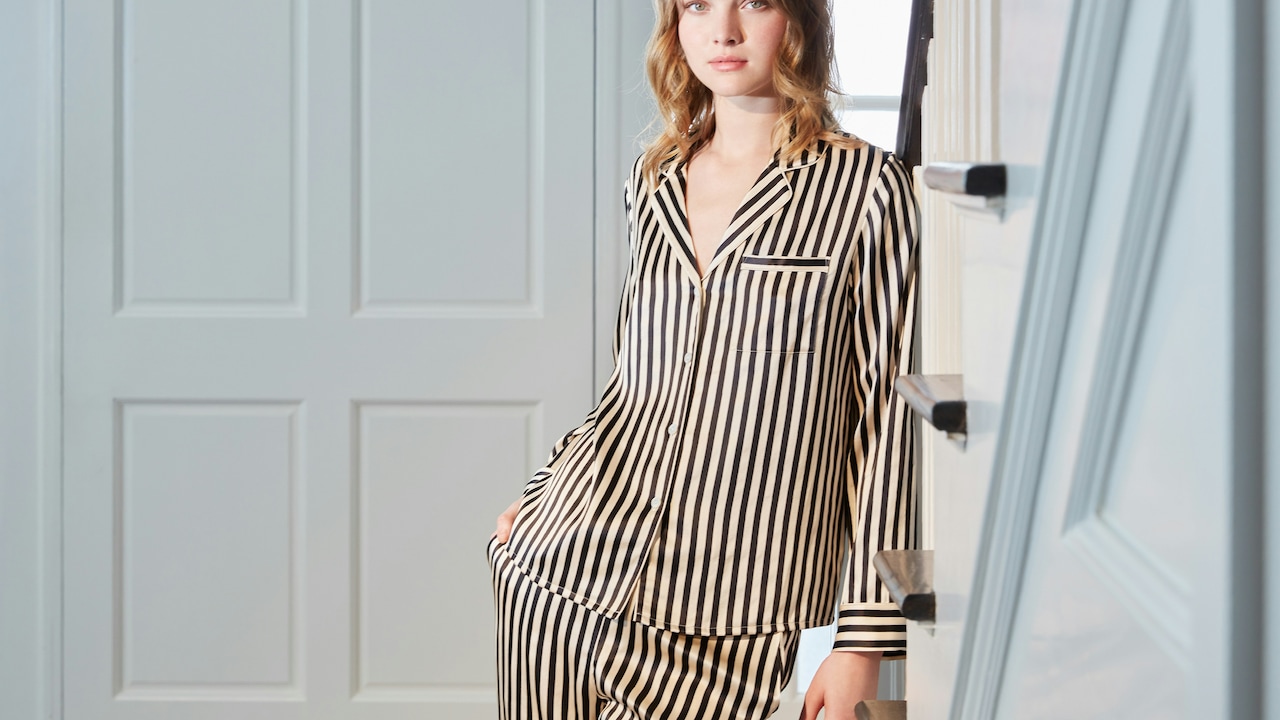
How To Choose Nightwear That Keeps You Cool And Comfortable All Night.
Summer nights have a personality of their own. Fans whirr endlessly, air coolers hum in the background, and yet sleep still feels elusive. One moment the room feels bearable, the next it turns stuffy. In these moments, nightwear stops being just bedtime clothing and becomes a comfort tool.
Choosing the wrong nightwear can feel like a small mistake with big consequences. Fabric that traps heat or clings to the skin can lead to tossing, turning, and waking up irritated. On the other hand, the right nightwear almost disappears on the body. It allows the skin to breathe, keeps sweat at bay, and helps the mind relax.
This article breaks down how to choose nightwear that stays cool without clinging. It focuses on everyday realities, familiar weather patterns, and practical choices that suit real homes and real budgets. No jargon, no unrealistic advice, just thoughtful guidance to help bedtime feel like a reward rather than a struggle.

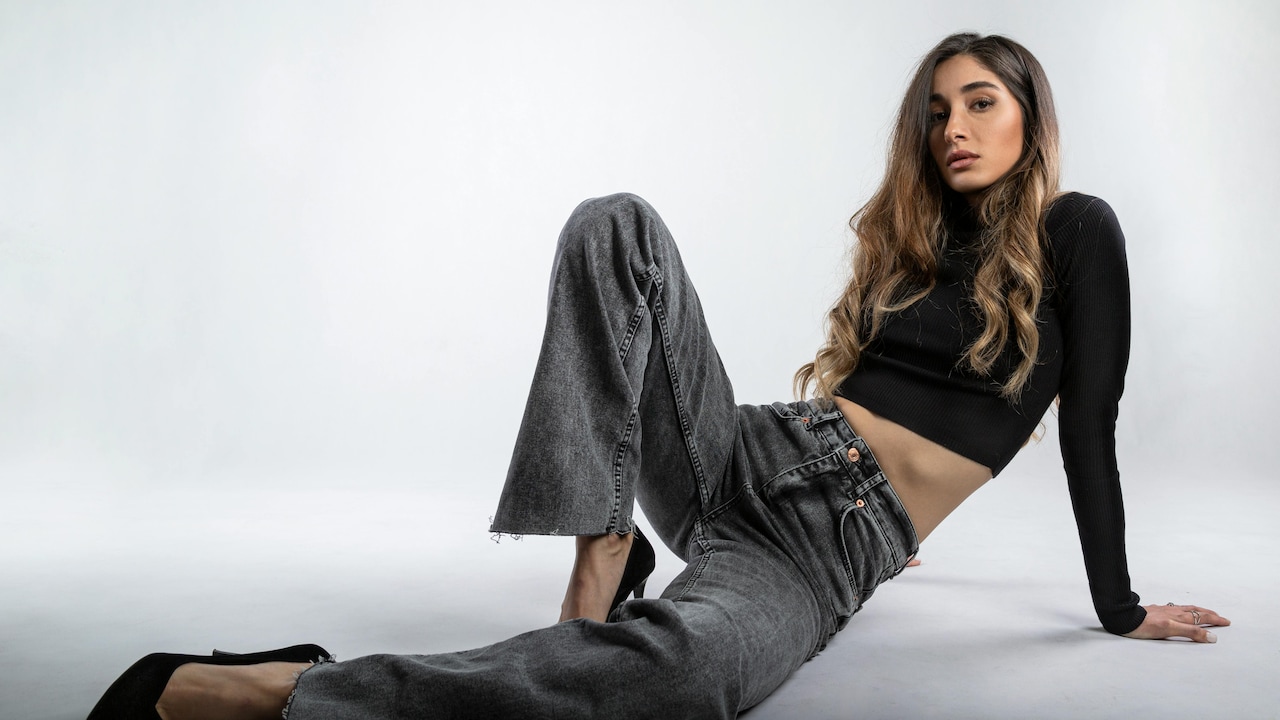
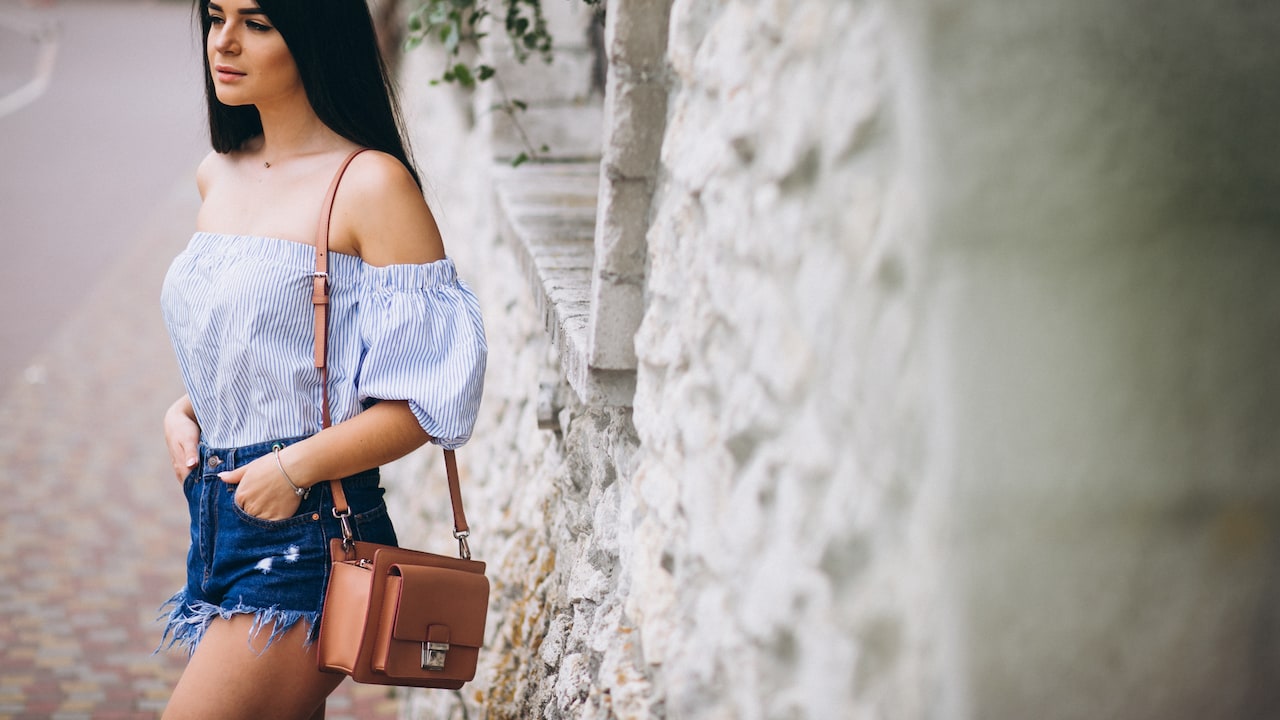
How To Choose Nightwear That Keeps You Cool Without Clinging; Photo Credit: Pexels
What Really Matters When Choosing Cool, Comfortable Nightwear
1. Prioritise Breathable Fabrics Over Fancy Textures
Fabric choice sets the tone for how nightwear behaves on warm nights. Breathable materials allow air to circulate, which helps regulate body temperature and reduces sweat build-up. Cotton remains a favourite for a reason. It feels soft, absorbs moisture, and stays gentle on the skin. Mulmul, voile, and lightweight cotton blends also work well, especially in humid weather.
Synthetic fabrics often look smooth and stylish, but they trap heat. Materials like polyester and nylon may cling once sweating begins, which creates discomfort. Blended fabrics with a high synthetic content can also feel sticky after a few hours.
Natural fibres adapt better to changing temperatures. They feel cool when the body warms up and cosy when the night cools slightly. For those who enjoy a touch of luxury, modal and bamboo fabrics offer softness with breathability. They cost more than basic cotton, but even then, good options exist under ₹1,500.
The goal stays simple: let the skin breathe. When fabric works with the body rather than against it, sleep improves without effort.
2. Choose Loose Fits That Allow Airflow
Fit matters just as much as fabric. Nightwear that hugs the body too closely restricts airflow. This leads to heat getting trapped, especially around areas like the waist, underarms, and thighs. Loose-fitting silhouettes create small pockets of air that help cool the skin naturally.
Oversized does not mean shapeless. Well-designed nightwear balances comfort with structure. Think relaxed pyjama sets, airy nightdresses, or roomy shorts paired with a soft top. Elastic waistbands should stretch easily without digging in. Drawstrings add flexibility and prevent pressure marks.
Tight nightwear may look neat, but it rarely feels comfortable after midnight. As the body temperature changes, clinging fabric becomes noticeable. A relaxed fit allows movement during sleep and prevents fabric from sticking to damp skin.
Many brands now design nightwear with comfort-first cuts. These options cost roughly ₹800 to ₹2,000 and often last longer because the fabric experiences less strain. Comfort begins with space, and good nightwear always leaves room to breathe.
Also Read: Best 5 Cosy Winter Night Suits For Women Under ₹1000
3. Pay Attention to Weave, Not Just Material
Two nightwear pieces can use the same fabric yet feel completely different. The difference lies in the weave. A tight weave restricts airflow, while a loose weave encourages ventilation. This detail often goes unnoticed but plays a crucial role in comfort.
For cotton nightwear, look for words like “lightweight”, “open weave”, or “summer cotton” on labels. These usually indicate better airflow. Fabrics like poplin or cambric feel crisp and cool, whereas thicker weaves feel heavier on the skin.
Hold the fabric up to the light when possible. If light passes through easily, air will too. This simple test helps avoid purchases that feel breathable in-store but suffocating at home.
Loose weaves also reduce clinging. When sweat appears, fabric with space between fibres dries faster and feels less sticky. This quality proves invaluable during peak summer nights.
A well-chosen weave transforms ordinary nightwear into a sleep essential. It shows that comfort often hides in the smallest details.
4. Opt for Shorter Lengths and Smart Sleeves
Coverage affects temperature more than expected. Long sleeves and full-length bottoms trap heat, especially during warmer months. Shorter lengths promote airflow and prevent fabric from wrapping around limbs.
Cap sleeves, sleeveless tops, and short-sleeved shirts work well for most body types. For bottoms, knee-length shorts or cropped pyjamas offer comfort without exposure anxiety. These styles suit both sleeping and lounging, which adds value.
That said, balance matters. Extremely short or tight pieces may ride up and cause discomfort. The aim is with ease and movement. Loose shorts with a soft waistband often feel better than fitted styles.
Nightdresses with side slits also help. They allow air circulation while maintaining modesty. Many comfortable options fall between ₹700 and ₹1,800, proving that practical design does not require overspending.
Length and sleeve choice shape how nightwear feels through the night. A little less fabric often leads to much better sleep.
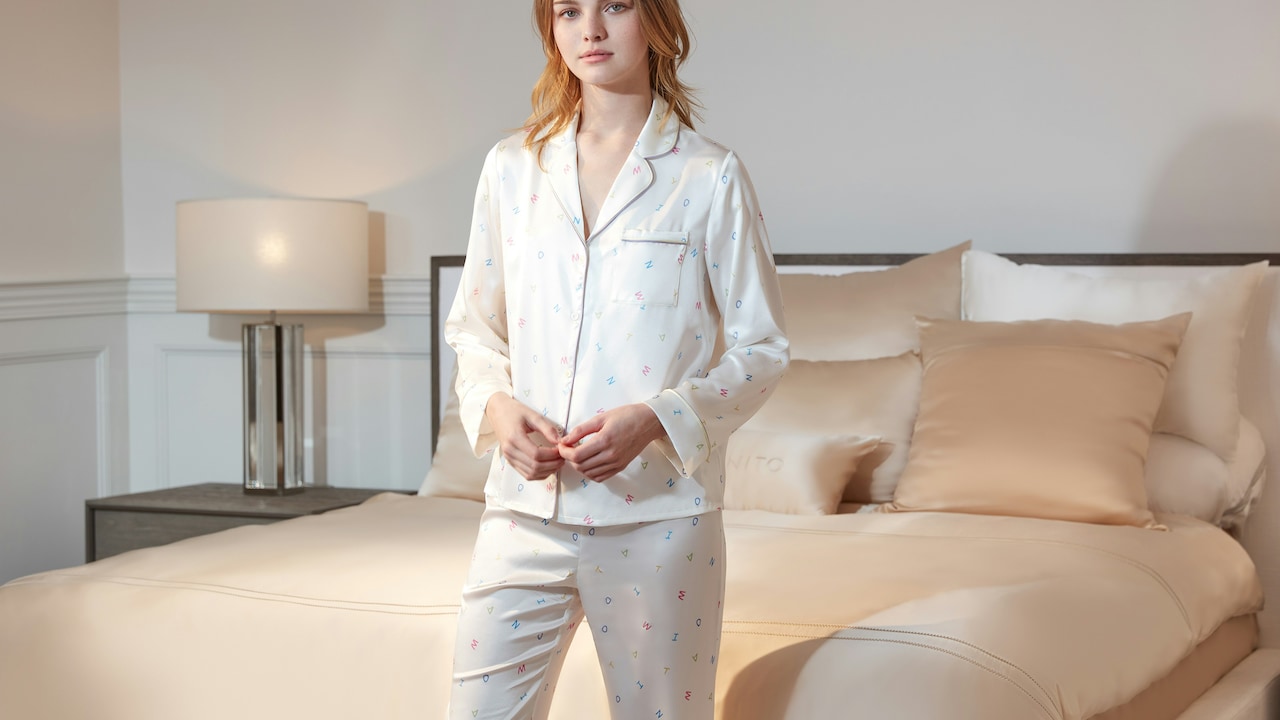
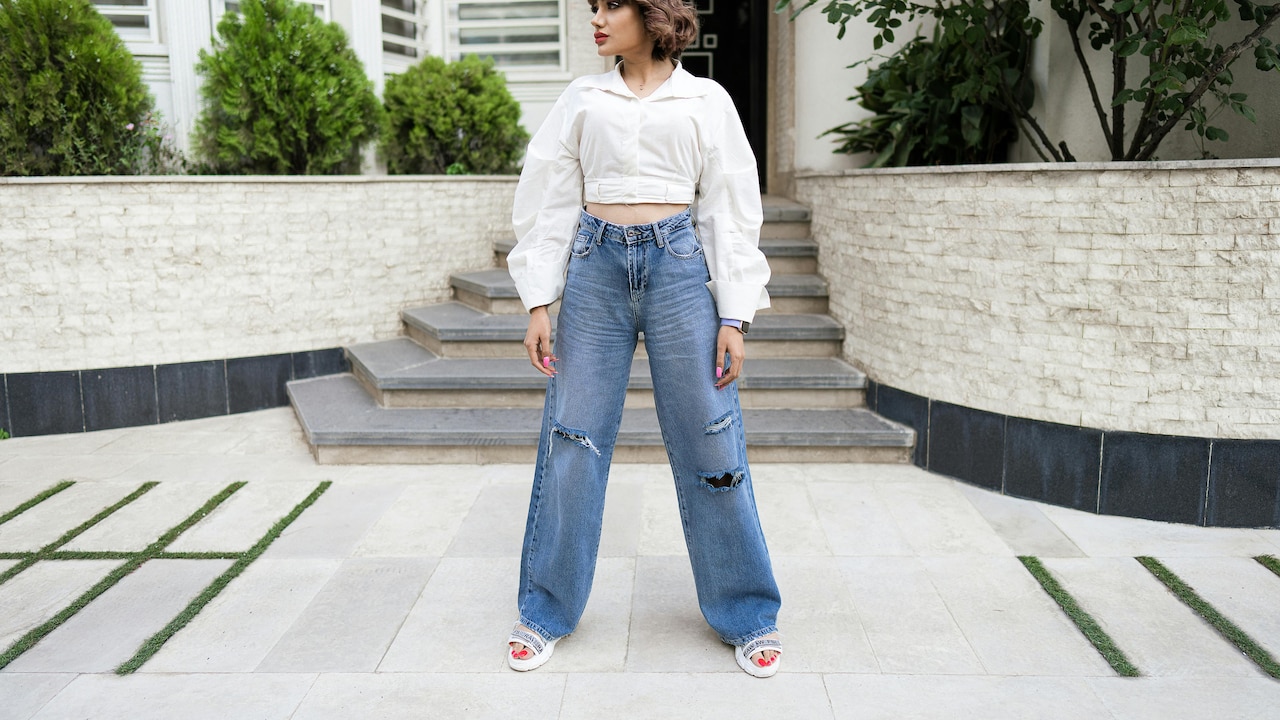
How To Choose Nightwear That Keeps You Cool Without Clinging; Photo Credit: Pexels
5. Avoid Heavy Embellishments and Thick Trims
Decorative elements may look appealing, but they rarely serve comfort. Lace trims, heavy embroidery, sequins, or thick piping add weight and reduce breathability. These features can irritate the skin during sleep, especially when combined with heat and sweat.
Simple designs work best for nightwear. Flat seams prevent chafing and reduce pressure points. Minimal trims keep the garment light and flexible. Buttons should feel smooth and sit flat, especially around the chest area.
Elastic bands deserve attention, too. Thick elastic traps heat and presses against the skin. Soft, narrow elastic or drawstrings feel far more comfortable. Nightwear designed for sleep rather than display often performs better over time.
This does not mean sacrificing style. Clean lines, gentle prints, and subtle colours create visual appeal without unnecessary bulk. Many comfortable designs stay within ₹1,000 and still look polished enough for relaxed mornings.
Comfort thrives in simplicity. When nightwear focuses on function, sleep follows naturally.
6. Select Colours That Reflect Heat
Colour choice influences how nightwear feels, especially in warm climates. Dark colours absorb heat, while lighter shades reflect it. Whites, pastels, and soft neutrals feel cooler against the skin and create a calming bedtime atmosphere.
Light colours also show sweat marks less prominently once washed regularly. They maintain freshness and feel psychologically cooler. Soft blues, mint greens, peach tones, and classic ivory work well for nightwear.
Prints matter too. Small, spaced-out prints allow fabric to remain airy. Dense patterns may use heavier inks, which stiffen the fabric slightly. Over time, this stiffness can reduce comfort.
Choosing lighter shades does not mean limiting variety. Many brands offer playful prints and elegant patterns in summer-friendly palettes. Prices range widely, but comfortable options appear easily under ₹1,200.
Colour influences mood and temperature perception. The right shade can make bedtime feel lighter and more relaxed, even on the warmest nights.
7. Think About Moisture Management
Sweating during sleep remains common, especially in humid weather. Nightwear that manages moisture well prevents discomfort and keeps skin feeling dry. Natural fibres absorb sweat and release it slowly, which helps maintain balance.
Avoid fabrics that feel slick or rubbery. These materials trap moisture against the skin, leading to clinging and irritation. Instead, choose fabrics that feel dry to the touch even after hours of wear.
Some modern fabrics blend cotton with moisture-wicking fibres. These blends improve drying time without sacrificing breathability. They suit those who sweat more or sleep without constant airflow.
Proper moisture management also reduces skin issues. Rashes, itching, and general discomfort decrease when fabric allows the skin to stay dry. Investing in better nightwear often saves money on skin treatments later.
Comfortable nightwear works quietly through the night. It absorbs, breathes, and adjusts without demanding attention.
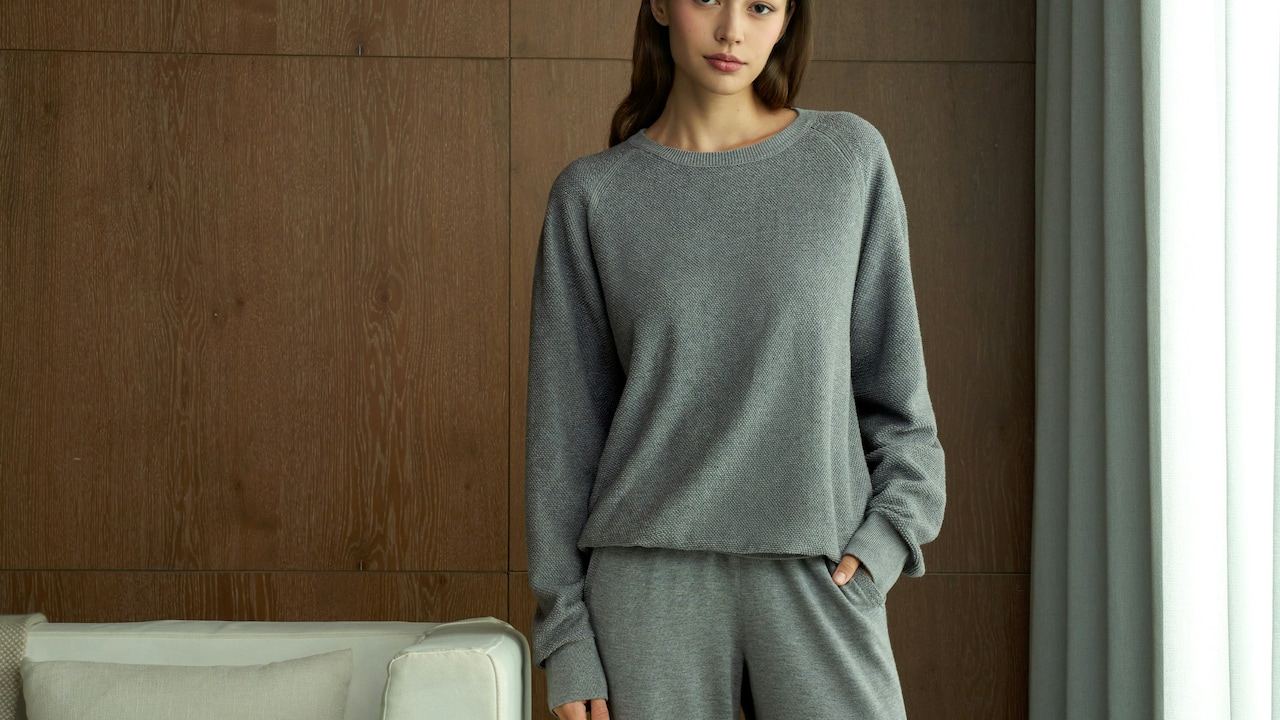
How To Choose Nightwear That Keeps You Cool Without Clinging; Photo Credit: Pexels
8. Choose Designs That Suit Sleeping Positions
Sleeping positions influence how nightwear feels. Side sleepers may find buttons and seams uncomfortable. Those who move frequently need fabric that stretches gently and stays in place.
Avoid nightwear with bulky front plackets or back seams if turning often during sleep. Wrap styles may loosen and cause discomfort. Instead, look for pull-on designs with minimal construction.
Nightdresses suit many sleeping styles because they move freely with the body. Pyjama sets with relaxed cuts also work well, especially when tops stay slightly longer to prevent riding up.
Understanding personal sleep habits helps narrow choices. A garment that feels fine while standing may feel restrictive while lying down. Trying on nightwear at home and moving around slightly helps assess comfort.
Nightwear should adapt to the sleeper, not the other way around. Good design respects movement and supports rest.
9. Pay Attention to Skin Sensitivity
Sensitive skin reacts quickly to heat and friction. Nightwear that clings or scratches can disturb sleep and cause irritation. Choosing soft, hypoallergenic fabrics reduces this risk.
Avoid harsh dyes and chemical finishes. Natural or lightly processed fabrics feel gentler and age better with washing. Pre-washed cotton often feels softer from the first wear.
Labels and tags also matter. Stiff tags scratch and distract. Many brands now print care instructions directly on the fabric, which improves comfort.
Those with sensitive skin may spend slightly more on quality nightwear, around ₹1,500 to ₹2,000. The investment pays off through better sleep and fewer skin complaints.
Comfort touches the skin directly. When nightwear feels kind, sleep feels deeper.
10. Balance Comfort With Daily Practicality
Nightwear often doubles as loungewear. Morning tea, quick chores, or answering the door require a level of presentability. Choosing nightwear that balances comfort with modest design adds convenience.
Co-ord sets with soft prints, knee-length nightdresses, or relaxed tops with pyjamas serve this dual purpose well. These pieces transition smoothly from night to morning without feeling sloppy.
Washability also matters. Nightwear needs frequent washing. Fabrics that hold shape, resist pilling, and dry quickly suit daily use. Easy-care fabrics reduce effort and extend garment life.
Practical nightwear does not need to look boring. Thoughtful colours, neat stitching, and comfortable fits create a polished look. Many reliable options sit between ₹900 and ₹1,800.
When nightwear supports daily routines, it earns a permanent place in the wardrobe.
Products Related To This Article
1. Clovia Women Blue Floral Print Rayon Nightwear Shirt & Pyjamas Set
2. Jack & Jones Men Round Neck T-shirt & Pyjamas Night suit
3. DAMMODE Women Printed Night suit
4. U.S. Polo Assn. Men Brand Logo Round Neck Pure Cotton T-shirt & Pyjamas
5. BLANC9 Women Blue Checkered Peplum Top Nightwear
6. English Navy Men Wrinkle Resistant Checked Lapel Collar Night suit
7. Zeyo Women Purple Printed Cotton Night suit
Choosing nightwear that keeps cool without clinging requires attention to detail rather than dramatic changes. Fabric, fit, weave, and design all work together to shape comfort. Warm nights test patience, but the right nightwear eases the struggle.
Comfortable sleepwear respects the body's needs. It breathes, moves, and adapts quietly through the night. It avoids unnecessary embellishments and focuses on practical elegance. It feels good at bedtime and still works in the morning light.
Small choices make a lasting difference. A softer fabric, a looser fit, or a lighter colour can turn restless nights into restful ones. When nightwear feels right, sleep follows naturally, and mornings begin with ease rather than exhaustion.
(Disclaimer: This article may include references to or features of products and services made available through affiliate marketing campaigns. NDTV Convergence Limited (“NDTV”) strives to maintain editorial independence while participating in such campaigns. NDTV does not assume responsibility for the performance or claims of any featured products or services.)