Why Sandal Straps Start Cutting Skin After a Few Hours
Fresh sandals feel fine at first, then start cutting into the skin within hours. Heat, friction, swelling, and poor strap design are usually to blame, and the reasons are more common than most people realise.
Why Do Sandal Straps Start Hurting and Cutting Into Skin Within Hours?
Sandal season brings freedom. Feet breathe, outfits feel lighter, and daily travel seems easier. Yet, by afternoon, that freedom often comes with stinging skin and awkward limping. The question pops up quietly: why do sandal straps start cutting skin after just a few hours?
This problem affects office-goers rushing for buses, college students walking across campuses, and shoppers navigating crowded markets. It rarely shows up during the first few minutes. The trouble builds slowly, almost politely, before becoming impossible to ignore.
Footwear makers promise comfort, but real life adds sweat, heat, movement, and uneven roads. Skin reacts, straps rub, and friction takes over. This article breaks down the causes behind this everyday annoyance and explains why it happens so often. The reasons range from footwear materials and weather to foot shape and simple design flaws. Once understood, those painful evenings make a lot more sense.
Why Sandal Straps Start Cutting Skin After a Few Hours; Photo Credit: Pexels
Why Sandals Feel Fine at First: And Then Don't
1. Friction: The Silent Troublemaker
Friction causes most sandal-related pain. Each step creates tiny movements between the strap and the skin. At first, the skin handles it well. After a few hours, repeated rubbing irritates the surface.
Bare skin has no protective layer. Closed shoes spread pressure evenly, but sandals rely on narrow straps. These straps focus force on small areas, often near toes or ankles. As walking continues, skin cells weaken. Redness appears, followed by a burning sensation.
Busy streets make it worse. Uneven pavements force feet to adjust constantly. That extra movement increases friction without notice. By the time discomfort becomes obvious, damage has already started.
This explains why sandals feel fine indoors but painful outdoors. Smooth floors cause less movement. Real-world walking tells a different story.
2. Heat and Sweat Change Everything
Heat transforms feet. Warm weather causes swelling, even without long walks. Feet expand slightly as blood flow increases. Sandal straps that felt perfect in the morning start feeling tight by afternoon.
Sweat adds another layer of trouble. Moist skin softens and becomes more vulnerable. Straps slide less smoothly over damp skin, increasing resistance. Instead of gliding, they tug and scrape.
Crowded buses, long queues, and standing under the sun worsen the effect. Sweat builds up, especially around toes and ankles. Synthetic straps trap heat and moisture, making irritation more likely.
This explains why the same sandals behave well during cooler months but misbehave in summer. Heat and sweat quietly change how skin responds to pressure.
Also Read: 7 Comfortable Sandals For Women Who Stand For Long Hours
3. Stiff Materials That Refuse to Adapt
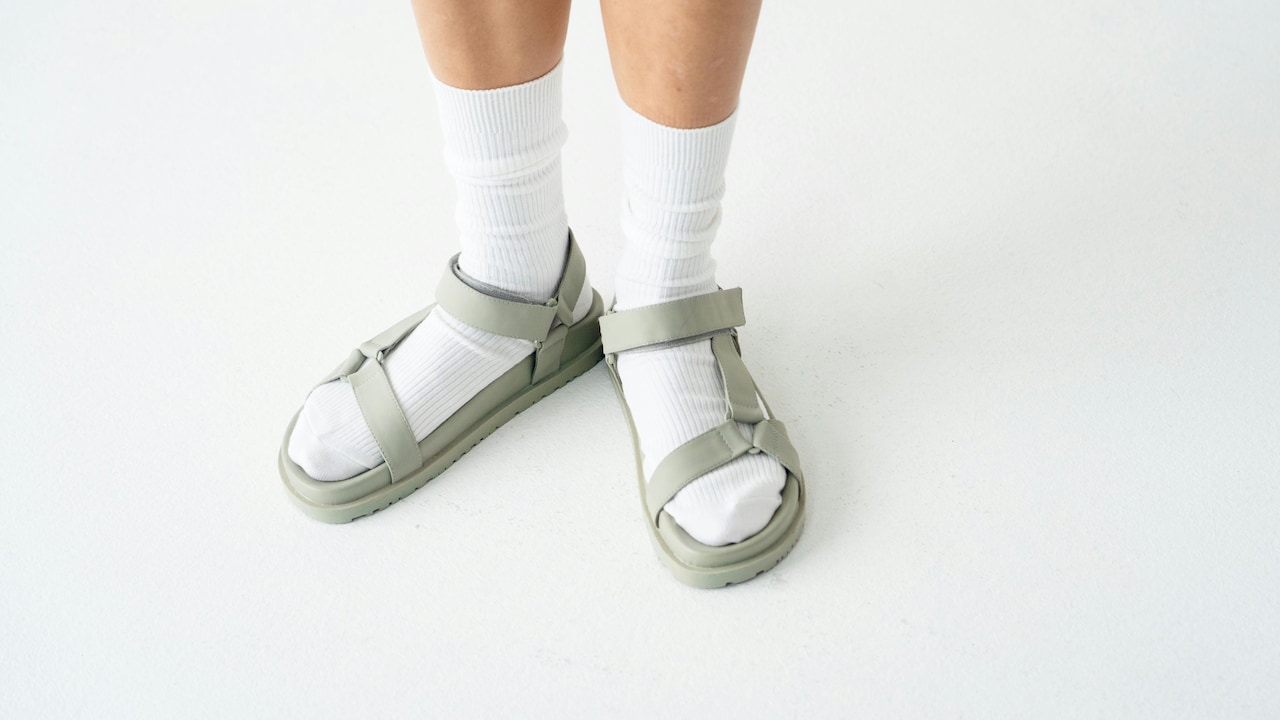
Many sandals use rigid materials for durability or style. Hard leather, thick synthetic bands, or decorative elements look good but lack flexibility.
Feet move naturally while walking. Stiff straps resist this movement. Instead of bending with the foot, they press against it. Over time, this pressure turns into soreness and sharp discomfort.
New sandals cause more trouble than old ones. Fresh materials have not softened yet. They hold their shape firmly, often digging into sensitive areas. Breaking them in takes time, but many give up before reaching that stage.
Affordable sandals priced around ₹800–₹1,200 often prioritise appearance over comfort. The result shows up after a few hours of use.
4. Poor Strap Placement and Design Flaws
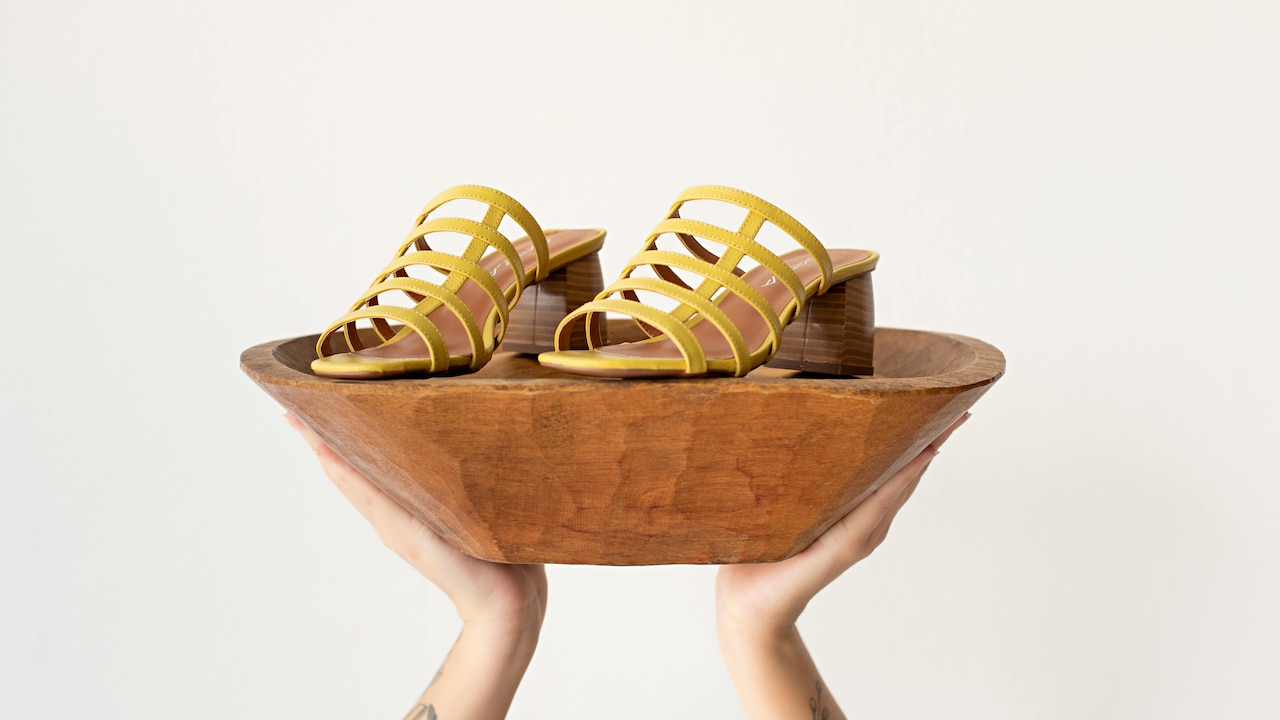
Design plays a huge role in comfort. Some straps sit directly over bony areas or joints. These spots lack padding and absorb pressure poorly.
Toe loops cause frequent complaints. They rub against soft skin between toes, which reacts quickly to friction. Ankle straps may look elegant but restrict natural movement.
Fashion trends sometimes ignore anatomy. Thin straps appeal visually but fail functionally. Wider straps distribute pressure better, but they rarely win style points.
Design flaws do not reveal themselves instantly. Short trials at shops hide long-term issues. Only extended wear exposes how poorly placed straps behave during daily routines.
Why Sandal Straps Start Cutting Skin After a Few Hours; Photo Credit: Pexels
5. Foot Shape Matters More Than Expected
No two feet share the same shape. Some have wider fronts, higher arches, or prominent bones. Standard sandal designs cater to average measurements, leaving many struggling with fit.
A strap that suits one person may torture another. Narrow straps cut into wider feet. High arches push straps downward, increasing pressure on the top of the foot.
Sizing adds confusion. A size 7 may fit length-wise but fail across the width. Many ignore this detail while shopping, focusing only on length.
After hours of walking, pressure builds unevenly. Sensitive areas protest first. This explains why discomfort feels personal and unpredictable.
6. Long Walking Hours Reveal Hidden Problems
Short trips hide sandal flaws. Long walks expose them. Daily routines often involve more walking than expected, bus stops, staircases, and errands add up.
Each step repeats the same motion. Small irritations multiply. What felt minor becomes unbearable by evening.
Standing still causes problems too. Body weight presses continuously on the same areas. Without movement to redistribute pressure, straps dig deeper into the skin.
This pattern explains why sandals survive weekend outings but fail during workdays. Extended wear demands better design and materials.
7. Dust and Grime Act Like Sandpaper
City streets leave their mark. Dust sticks to sweaty skin, forming a rough layer. When straps rub against this mix, friction increases dramatically.
Grime collects under straps, especially near toes. Over time, this creates tiny abrasions. The skin reacts with redness and soreness.
This issue worsens during dry months when dust levels rise. Open footwear exposes skin directly to environmental elements.
Regular cleaning helps, but rarely solves the problem completely. Once irritation starts, even clean straps continue to hurt sensitive skin.

Why Sandal Straps Start Cutting Skin After a Few Hours; Photo Credit: Pexels
8. Weight Distribution and Walking Style
Walking style influences sandal comfort. Some people put more pressure on the front of the foot. Others lean towards heels or outer edges.
Uneven weight distribution strains certain straps more than others. Front straps often suffer, cutting into toes and upper skin.
Fast walkers face additional trouble. Increased speed amplifies friction. Each step hits harder, giving skin less recovery time.
Foot posture also matters. Flat feet spread outward under pressure, tightening straps. High arches concentrate force in specific areas. Both scenarios increase the risk of discomfort.
9. Cheap Padding That Loses Its Cushion
Many sandals include thin padding under straps for comfort. Unfortunately, low-quality padding compresses quickly.
After a few hours, that soft layer flattens. Straps press directly against skin with little protection. What started as a cushioned experience turns harsh.
Heat accelerates this process. Warm temperatures soften padding, making it collapse faster. Once compressed, it rarely recovers during the day.
This explains why sandals feel worse as time passes. Comfort decreases gradually, often without realising why.
10. Ignoring Early Warning Signs
The body sends signals early. Mild irritation, slight redness, or warmth indicate trouble ahead. Many ignore these signs, hoping discomfort fades.
Continuing to walk worsens the issue. Skin breaks down, leading to cuts or blisters. By the time pain demands attention, damage has already occurred.
Busy schedules encourage this behaviour. Stopping to adjust footwear feels inconvenient. Unfortunately, ignoring early warnings leads to bigger problems later.
Listening to the body saves skin and sanity. Small adjustments early prevent painful evenings.
Products Related To This Article
1. CLARASHOE Women Comfort Sandals
2. FUEL Women Velcro Fastening Sports Sandal
3. ziyarat collection Women PU Comfort Sandals
4. Deals4you Women Solid Velcro Comfort Sandal
5. ARKFOOT Women Comfort Sandals
6. LUXEVE Women Comfort Sandals
7. ARKFOOT Women Comfort Sandals
Sandal straps cutting into skin after a few hours feels frustrating, but it rarely happens without reason. Friction, heat, sweat, poor design, and individual foot shapes work together quietly. The damage builds slowly, revealing itself only after extended wear.
Understanding these causes changes how sandals are chosen and worn. Comfort depends on materials, fit, and daily habits. Paying attention to early signs and choosing designs that respect foot anatomy makes a big difference.
Sandal season should feel light and carefree, not painful and irritating. With a little awareness, those evening aches can stay where they belong, firmly in the past.
(Disclaimer: This article may include references to or features of products and services made available through affiliate marketing campaigns. NDTV Convergence Limited (“NDTV”) strives to maintain editorial independence while participating in such campaigns. NDTV does not assume responsibility for the performance or claims of any featured products or services.)