How To Choose Sturdy Kid-Proof Sunglasses That Don't Snap In A Week
How to choose sturdy kid-proof sunglasses: Check for UV400, flexible frames, tough hinges, and the right fit, so one pair of sunglasses survives school bags, playground drops, and daily chaos.

How to Choose Sturdy Kids Sunglasses That Don't Break; Check UV400, Flexible Frames And Fit Too.
Sunny days feel like a gift, until a child squints through a car window, complains about glare, and then grabs your expensive sunglasses with jammy fingers. Eye protection matters early, especially in strong sunlight, but kids also test the limits of gravity and plastic every single hour. Many parents end up buying 'just-in-case' shades that snap quickly, pinch little ears, or slide off sweaty noses during a park sprint. A smarter plan starts with two goals: proper UV protection and proper durability. Do know that sturdy sunglasses don't need to cost a fortune. In fact, this article makes it simple, practical, and slightly less heartbreaking on the wallet.
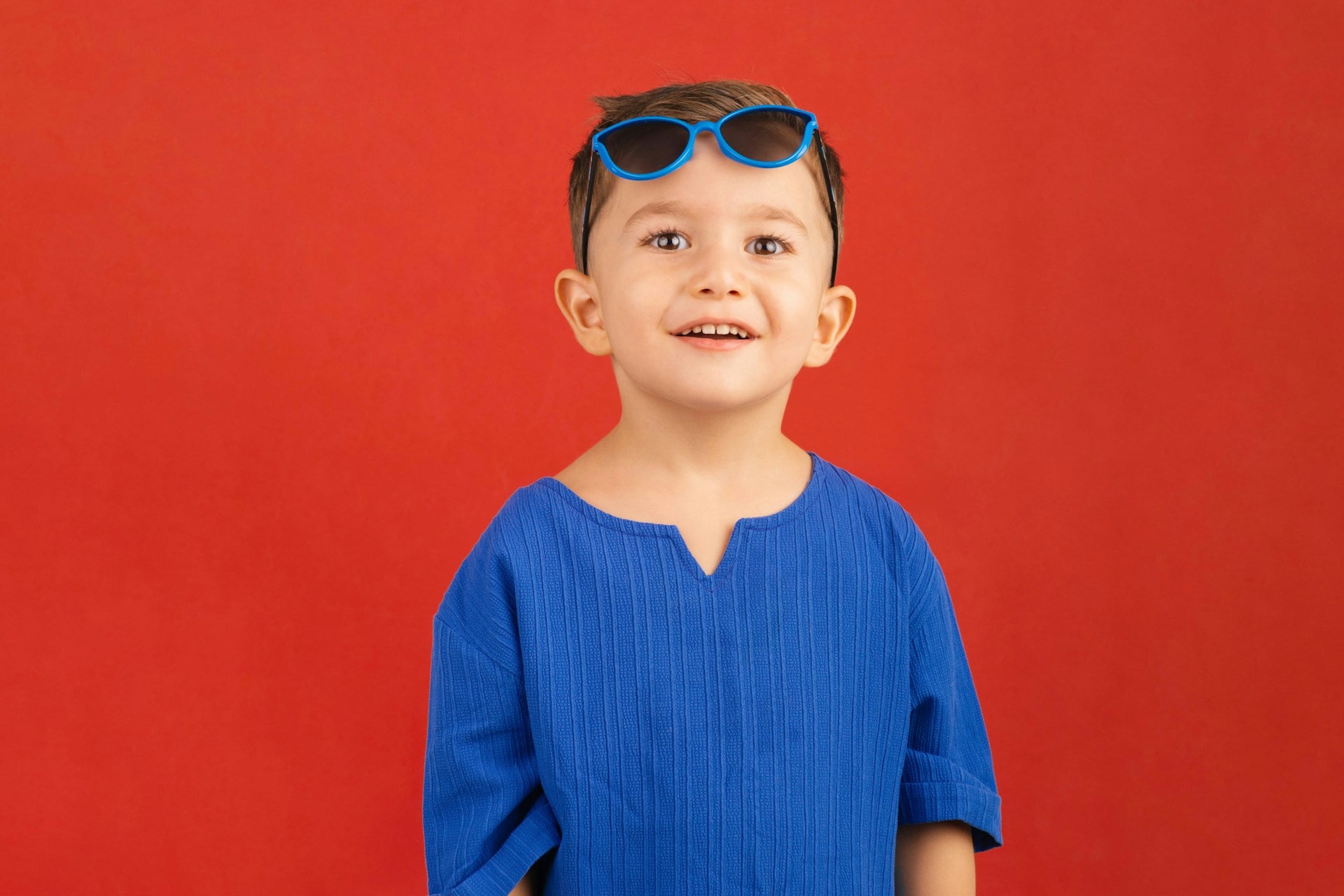
Use these 10 easy tips to choose sturd sunglasses for kids; Photo Credit: Unsplash
Just check out these top points about how to choose sturdy kid-proof sunglasses that don't break easily.
Also Read: Sun Out, Shades On: Stylish Sunglasses For Every Look
Before You Buy: What Actually Makes Kids' Sunglasses Sturdy
1) Start With Real UV Protection, Not Dark Lenses
Dark lenses look convincing, but darkness alone doesn't protect eyes. Many cheap pairs simply tint the world and let harmful rays pass through. That combo can even push pupils to open wider, which invites more UV in. Choose lenses that clearly state UV400 or '100% UVA/UVB protection'. If the tag looks vague or suspiciously silent, skip it, no matter how adorable the frames look.
Polarised lenses help with glare, especially near water, on highways, or when a child stares out from the back seat during a long drive. Polarisation doesn't replace UV protection, but it can make outdoor time feel more comfortable. For everyday use, school pickup, balcony play, cricket in the lane, UV400 matters most.
A quick reality check also helps: a trustworthy shop will explain protection without acting defensive. If someone insists 'all sunglasses protect, walk away. Eyes deserve better than guesswork, and your money deserves better than a shiny lie.
2) Pick Flexible Frames That Bounce Back From Chaos
Kids bend things. Kids twist things. Kids sit on things. A sturdy frame must bounce back instead of cracking like a papad. Look for flexible materials such as TR90, TPEE, or silicone-based frames. These handle rough use far better than brittle plastic. They also feel lighter, which helps kids keep them on instead of flinging them off at the first hint of discomfort.
Avoid frames that feel sharp at the edges or creak when you flex them gently. Creaking often signals low-quality moulding or weak joints. A good frame feels smooth, slightly springy, and consistent. Many kid-specific frames also come with wraparound designs, which protect from side glare and reduce the 'it keeps falling' complaint.
Metal frames look stylish, but they bend out of shape faster in tiny hands. They also pinch more easily. Save the metal look for older kids who understand that sunglasses don't belong inside a pencil pouch with a geometry box.
3) Choose Hinges That Don't Give Up After Three Tantrums
The hinge decides whether a pair survives a week. Many kids' sunglasses fail at the hinge first, especially when the arms get yanked open like a tiny action-hero move. Look for spring hinges or flexible hinge designs, as they allow a wider opening without snapping. A spring hinge helps when a child stretches the arms beyond normal range during fast wearing and removing.
Also check the screws. Some brands use tiny, soft screws that loosen quickly. If the arm wobbles within a few days, the hinge will soon surrender. A better pair holds firm. If a shopkeeper lets you examine the hinge closely, take that chance. Open and close the arms a few times. Feel for smooth movement and strong resistance.
If you already own a mini screwdriver at home, keep it handy. Tightening a screw can add months of life. Still, a good hinge should not demand a repair routine like a temperamental scooter.
4) Get The Fit Right: Snug, Not Squeezy
Even the toughest sunglasses fail if the fit annoys the wearer. Kids remove uncomfortable things at lightning speed, and then those sunglasses meet the floor. Fit starts with the bridge. Many children have smaller, flatter nose bridges, so adult-styled frames slide down constantly. Choose a design made for children, with a properly shaped bridge and grippy material.
The arms should sit comfortably over the ears without digging in. If the arms press too hard, a child will complain, fidget, and finally bend them in frustration. If the arms sit too loose, the glasses will bounce off during play. A snug fit feels secure but gentle.
A simple test helps: ask the child to look down as if tying shoelaces. The sunglasses should stay in place. Then ask for a few head turns, like spotting a friend across the park. If the sunglasses shift dramatically, choose a different size. Comfort makes durability easier.
5) Prefer Impact-Resistant Lenses That Don't Shatter
Frames snap, but lenses can cause bigger trouble if they crack sharply. Choose polycarbonate lenses for kids. They resist impact, weigh little, and handle drops well. They also work well for active play, cycling, and those enthusiastic kartwheels that appear without warning.
Avoid glass lenses for young children. Glass scratches less, but it can break dangerously. Even if a child rarely throws things, accidents happen, especially when sunglasses travel in a school bag beside a water bottle and a steel tiffin.
Also think about scratch resistance. Many polycarbonate lenses come with scratch-resistant coating. That coating helps when sunglasses share space with coins, keys, or the gritty mystery dust that lives in every bag. A soft microfibre pouch helps too, but kids rarely treat pouches like sacred objects. Better to choose lenses that forgive a little rough handling and still look clear.
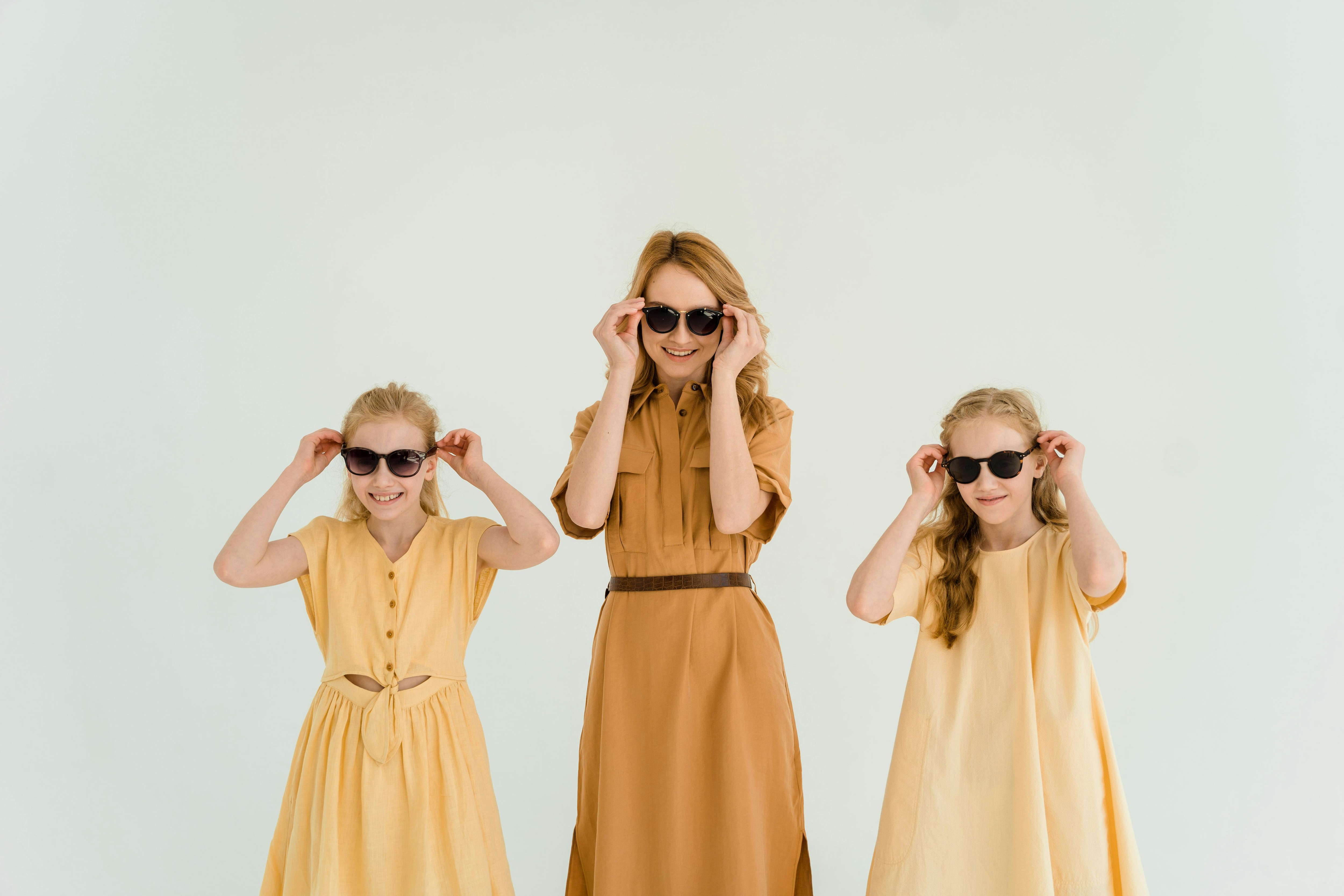
Opt for impact-resistant lenses that don't damage or shatter easily; Photo Credit: Pexels
6) Use Straps And Bands Without Making It A Daily Battle
A strap can turn 'lost in five minutes' into 'still here by evening'. For toddlers and younger kids, a soft adjustable band keeps sunglasses on during swings, slides, and sudden sprints towards a balloon seller. Choose straps that feel soft, don't pull hair, and adjust easily. Silicone or fabric bands usually work well.
Some kids resist straps because they feel 'babyish' or 'itchy'. Handle that with style choices. Pick straps in fun colours, or match them with a cap. If the sunglasses come with a strap loop built into the arms, even better. Clip-on or add-on straps sometimes slip off.
For older kids, consider a lightweight sports retainer rather than a full headband. It looks cooler and feels less restrictive. Either way, a strap reduces drops, prevents breakage, and saves money that would otherwise disappear faster than a packet of chips at a birthday party.
7) Don't Pay Only For Branding, Pay For Build Quality
A famous logo doesn't guarantee survival in a child's world. Some branded kids' sunglasses offer excellent quality, but plenty also charge ₹1,500–₹3,000 for a name and deliver average durability. Focus on build signs instead: flexible frame material, solid hinges, safe lenses, and comfortable fit.
Set a sensible budget. Many sturdy pairs sit comfortably around ₹600–₹1,200, depending on features like polarisation and coatings. If a child loses things often, it may make sense to buy two mid-priced pairs rather than one expensive pair. One can live in the school bag, the other at home.
Also, check warranty or replacement policies. Some brands offer a short replacement window for manufacturing defects. That helps when a hinge fails unusually early. Spending smartly doesn't mean spending less at all costs. It means spending on the parts that actually prevent snapping and cracking.
8) Look For Kid-Friendly Design Details That Quietly Help
Small design choices can save a pair. Rounded edges prevent pokes and reduce pressure points. Rubberised tips on the arms improve grip and comfort. A slightly wraparound shape blocks side glare and makes the sunglasses stay steady during movement.
Lens size matters too. Tiny lenses look cute but allow sunlight to sneak in from above and sides, which makes kids squint anyway. Oversized frames can hit cheeks, fog up, or slide off. Aim for coverage that sits close to the face without touching skin.
Also, watch weight. Heavy sunglasses slip and annoy. Light ones feel forgettable, in a good way. Many kids tolerate lightweight frames far longer. If sunglasses feel 'in the way', they will end up on the top of the head, then in a pocket, then under a car seat with crumbs.
Choose colours and patterns your child enjoys, but avoid paint that scratches off quickly. Fading unicorns cause heartbreak.
9) Teach Two Tiny Habits That Extend Life By Months
No lecture will survive a child's attention span, but two quick habits can. First: 'Two hands on, two hands off.' That prevents twisting the frame and stressing the hinge. Make it a simple rule, like washing hands before snacks. Second: 'Sunglasses sleep in one spot.' That spot can be a small pouch in the bag, a box near the door, or a dedicated corner on a shelf.
Turn it into a game. Some families use a 'parking spot' idea: sunglasses only 'park' in one place. Kids love rules when they feel like secret club rules. Add a little reward system if needed. A sticker chart for a week can work better than nagging.
Cleaning matters too. Tell kids not to wipe lenses with a T-shirt covered in dust. A quick rinse and a soft cloth prevent scratches. These habits cost nothing and save repeated ₹800 purchases.
10) Plan For Real Life: Buy A Backup And Expect Adventures
Even the best sunglasses can't beat every adventure. A child may drop them into a puddle, donate them to a friend, or forget them at a cousin's house after a wedding. Real life loves plot twists. A backup pair prevents panic and prevents you from handing over your own sunglasses and then watching them suffer a slow, tragic death.
Keep the backup simple but safe: UV400 protection, decent fit, flexible frame. Store it in the car or in a travel pouch. That way, a sudden beach plan or a bright afternoon outing won't turn into squinting and complaints.
Also consider the child's routine. If sunglasses travel to school, choose a hard case. If they stay mostly at home, a soft pouch may do. Match the solution to the chaos level. Kids don't aim to destroy things. They simply live loudly. Plan for that, and the sunglasses will last.
Products Related To This Article
1. Carlton London Girls Pink Lens & Gold-Toned Aviator Sunglasses UV Protected Lens
2. Hooper by Lenskart Kids Wayfarer Sunglasses With UV Protected Lens
3. H&M Sunglasses 1226669006
4. Decathlon QUECHUA Boys Sports Sunglasses
5. Spiky Unisex Kids Grey Lens & Black Square Sunglasses with UV Protected Lens
6. DukieKooky Kids Aviator Sunglasses with Polarised and UV Protected Lens
7. Babymoon Kids Sports Sunglasses with UV Protected Lens AC045B Sunglasses Mirror Sports
Kid-proof sunglasses need more than a cute colour and a cartoon sticker. They need genuine UV protection, flexible frames, strong hinges, and lenses that won't shatter when life gets clumsy. They also need a fit that feels comfortable, because comfort keeps sunglasses on faces instead of under feet. Sunshine should feel fun, not frustrating. With the right pair of sunglasses, kids can run, play, and pose dramatically like mini film stars, without snapping their sunglasses before the week ends.
(Disclaimer: This article may include references to or features of products and services made available through affiliate marketing campaigns. NDTV Convergence Limited (“NDTV”) strives to maintain editorial independence while participating in such campaigns. NDTV does not assume responsibility for the performance or claims of any featured products or services.)