How To Choose The Right Swimwear: Fit, Coverage And Comfort
Tired of adjusting your swimsuit every few minutes? This guide explains how to choose swimwear that fits well, offers the right coverage, and stays comfortable in and out of water. Find the best swimwear buying guide to get the right size and coverage.
Swimwear Buying Guide: Fit, Coverage, And Comfort Without Constant Adjusting.
Swimwear shopping often sounds more glamorous than it actually feels. Bright lights, unforgiving mirrors, confusing size charts, and that lingering question: Will this stay in place once I move? Too often, swimsuits look great on the hanger but behave very differently in water. Straps slip, hems ride up, padding shifts, and suddenly the focus moves from enjoying the moment to constant adjusting. The truth is, good swimwear isn't about trends or body “rules”. It's about smart design, thoughtful fit, and fabric that works with the body, not against it. This guide breaks swimwear down into practical, wearable choices, what to look for, what to avoid, and how to spot pieces that stay put without feeling restrictive.

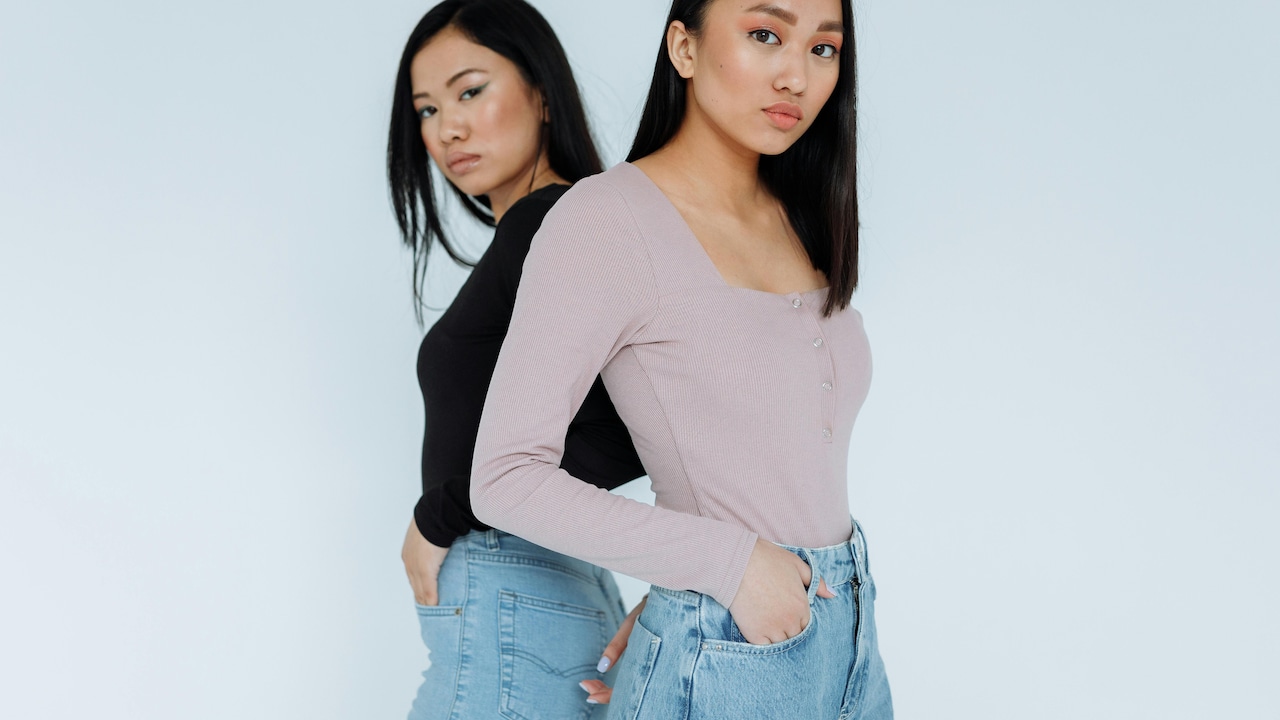
Discover secrets to buying the best swimwear for your body type; Photo Credit: Unsplash
So, here is how to find your ideal swimwear with this guide that provides a flattering fit, comfortable support, and coverage that matches your body confidence and lifestyle.
Also Read: 5 Best Full-Coverage Swimsuits Under ₹5,000 For Pool And Pilates On Myntra
Key Factors That Decide Swimwear Comfort And Fit
1. Fit Comes First, Not Size Labels
Swimwear sizing is notoriously inconsistent. A medium in one brand can feel like a second skin, while another hangs loose in all the wrong places. Instead of relying on labels, focus on how the swimsuit behaves when worn. A good fit should feel snug without cutting in, supportive without digging, and secure even before entering the water.
Try simple movements when checking fit: raise arms, bend forward, sit down, take a few steps. If straps slide, cups gape, or bottoms shift, the suit will only worsen once wet. Stretch is essential, but excessive stretch usually signals poor recovery, meaning the fabric won't bounce back after use.
It also helps to consider torso length, especially with one-pieces. Long torsos often need adjustable straps or longer cuts to avoid pulling, while shorter torsos benefit from flexible ruching or stretch panels. A swimsuit that fits properly should feel reliable, not delicate.
2. Coverage Should Match the Activity
Coverage isn't about hiding; it's about suitability. A swimsuit meant for lounging by the pool has very different requirements from one worn for swimming laps or playing beach sports. Minimal cuts may look stylish but can become distracting during movement.
For active use, fuller coverage around the bust, underarms, and hips helps avoid constant readjustment. Mid-rise or high-rise bottoms offer better hold than ultra-low cuts, especially in waves or deeper water. For tops, wider bands and fuller cups distribute weight more evenly, reducing strain on straps.
That said, coverage doesn't mean bulky. Well-designed swimwear balances shape and security, allowing freedom of movement while staying in place. Choosing coverage based on how the swimsuit will be used often leads to more confidence and less fuss later.
3. Fabric Quality Makes Or Breaks Comfort
Not all swim fabrics are created equal. The best ones feel smooth, slightly firm, and resilient when stretched. Cheap materials often feel soft at first but lose shape quickly, becoming baggy after a few wears. High-quality blends with elastane or spandex offer better stretch and recovery.
Chlorine resistance matters if pools are used frequently. Chlorinated water weakens fibres over time, leading to fading and sagging. Look for suits labelled as chlorine-resistant or designed for regular swimming. For beach use, saltwater resistance and quick-drying properties become more important.
Lining is another detail worth checking. Fully lined suits offer better coverage, reduce transparency when wet, and add a layer of comfort against the skin. Thin, unlined pieces may look sleek but often lack long-term durability.
4. Support Is Not Optional, Especially For the Bust
A common mistake is assuming swimwear support works like regular lingerie. It doesn't. Water adds weight, movement, and resistance, which means swim tops need stronger construction. Built-in shelf bras, underbands, moulded cups, or structured seams can make a significant difference.
Wide straps distribute weight better than thin strings. Adjustable straps allow fine-tuning, especially helpful for uneven shoulders or longer torsos. For fuller busts, underwire swim tops can offer excellent lift, provided they are designed specifically for water wear.
Even for smaller busts, some level of internal support prevents shifting and gaping. A well-supported top stays where it should, allowing movement without constant awareness of fit.
5. One-Piece Or Two-Piece: Choose Based On Ease, Not Trends
The one-piece versus two-piece debate often focuses on appearance, but comfort should take priority. One-pieces offer all-over stability and are ideal for swimming, water sports, or relaxed lounging without fuss. Designs with stretch panels or wrap details add flexibility without compromising hold.
Two pieces, when chosen well, can be just as secure. High-waisted bottoms paired with supportive tops offer both comfort and versatility. The key lies in matching proportions; tops and bottoms should complement each other in fit and coverage.
There's no universally “better” option. The best choice is the one that feels natural to wear and doesn't require constant checking or adjusting.

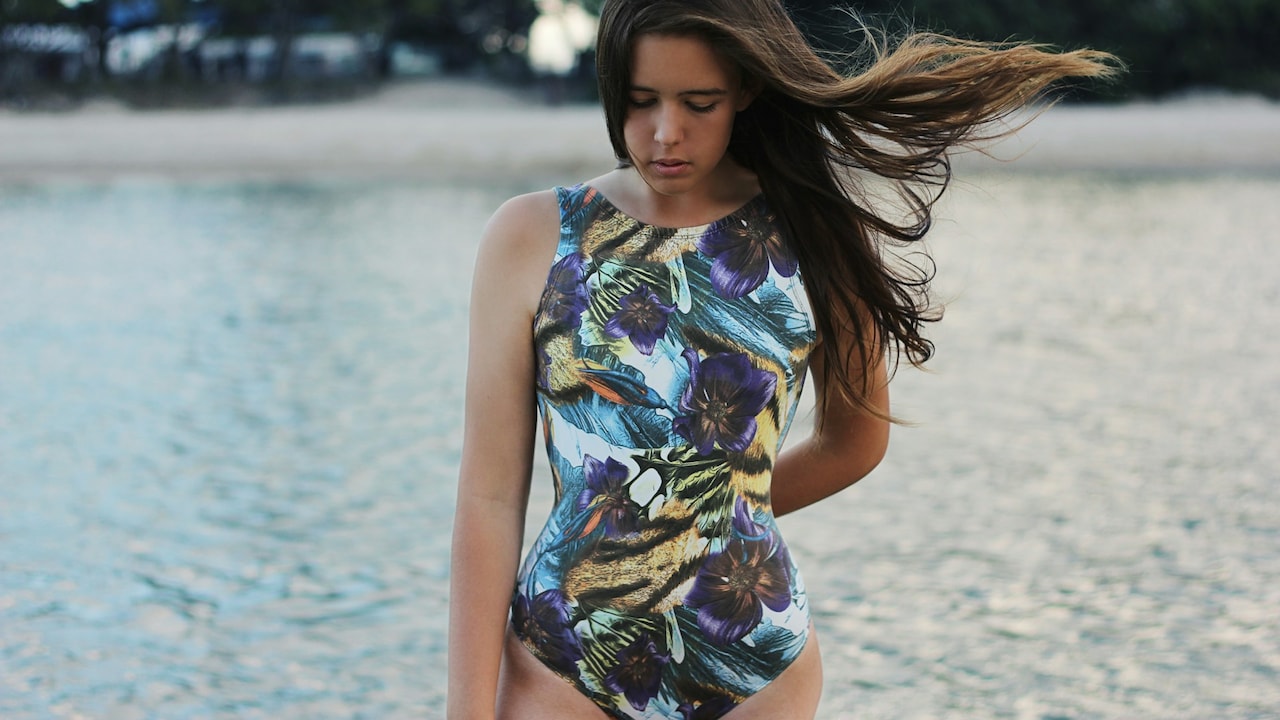
Choose what feels comfortable and not what's trending on the internet; Photo Credit: Unsplash
6. Straps, Bands, And Closures Matter More Than Expected
Small details often determine whether a swimsuit feels comfortable or annoying. Thin straps may look delicate, but tend to dig in or slip. Wider straps provide better support and stay put longer. Cross-back or racerback designs add extra stability, especially for active use.
Bands around the bust should sit flat without rolling or riding up. Adjustable back closures allow better customisation, especially for fluctuating body changes. Fixed, non-adjustable designs can feel restrictive or loose depending on fit.
Check seams and edges too. Smooth, flat seams reduce chafing, while rough stitching can become uncomfortable after extended wear. Comfort often hides in these overlooked details.
7. Leg Openings And Rise Affect Movement
Leg openings influence both comfort and confidence. Cuts that sit too high may restrict movement or feel exposing, while overly low cuts can dig into the hips. Moderate leg openings usually offer the best balance, allowing freedom without slipping.
Rise is equally important. Low-rise bottoms often shift during activity, while mid-rise or high-rise styles provide more coverage and hold. Elastic quality matters here, soft, flexible elastic prevents digging while maintaining shape.
When trying on swimwear, walk, stretch, and sit. If the leg openings stay comfortable through these movements, they're likely to behave well in water too.
8. Padding And Linings Should Feel Intentional
Padding can be helpful, but only when done right. Light, fixed padding offers shape and coverage without shifting. Removable pads, while convenient, often bunch up or move, requiring frequent fixing.
For those who prefer no padding, double-lined or thicker fabric options provide coverage without bulk. Mesh linings can add breathability, but should feel smooth against the skin.
The goal is ease, padding and lining should enhance comfort, not add another thing to manage.
9. Style Can Still Be Functional
Comfort doesn't mean boring. Thoughtful design can combine style and practicality effortlessly. Ruched panels offer flexibility and visual interest. Colour blocking can create structure. Prints distract from water marks and wear better over time.
Darker shades often provide better coverage, but textured fabrics, subtle patterns, and matte finishes also help. Shiny fabrics, while eye-catching, can highlight creases and wear faster.
Choosing styles that align with personal taste while meeting comfort needs leads to pieces that get worn more often and enjoyed more fully.
10. Confidence Comes From Not Thinking About It
The best swimsuit is the one that fades into the background. When fit, coverage, and comfort work together, attention shifts away from the outfit and towards the experience, swimming, relaxing, laughing, and moving freely.
Confidence isn't about perfection. It's about feeling secure enough to stop adjusting, stop checking, and simply be present. Swimwear that supports movement without restriction allows that ease to happen naturally.
When trying on swimwear, trust comfort instincts. If a piece feels distracting in the mirror, it won't improve in water. The right swimsuit should feel dependable, not demanding.
Products Related To This Article
1. Decathlon Women Purple One-Piece Sleeveless Swimsuit With Inner Support & Skirt
2. ROVARS Removable Pads Swimwear
3. N-Gal Padded 4-Way Stretch Quick Dry One Piece Swimming Dress With Attached Shorts
4. BEACH RIOT Women Colourblocked One Shoulder Asymmetric Design Bodysuit Swimwear
5. IMPERATIVE Women Round Neck Swimming Dress
6. MEGASKA Colourblocked Full length Padded Swimming Dress
7. CUKOO Padded Halter Neck Swimming Dress With Attached Shorts
Swimwear doesn't need to be complicated. It needs to fit well, feel comfortable, and support real movement. By focusing on fabric quality, thoughtful design, and practical coverage, choosing swimwear becomes less about chasing trends and more about personal ease. Good swimwear allows the body to move naturally, without constant checking or fixing. When chosen thoughtfully, a swimsuit becomes just another comfortable part of the day, exactly as it should be.
(Disclaimer: This article may include references to or features of products and services made available through affiliate marketing campaigns. NDTV Convergence Limited (“NDTV”) strives to maintain editorial independence while participating in such campaigns. NDTV does not assume responsibility for the performance or claims of any featured products or services.)