Why Heavy Blankets Don't Keep You Warm: A Simple Guide to Fabric Fill
Heavy blankets not keeping you warm? Learn how different fabric fills affect insulation and discover simple tips to choose a warmer, cozier blanket.

Have Heavy Blankets But They Are Not Keeping You Warm Enough? Simple Guide to Fabric Fill.
Every household owns at least one blanket that looks serious, feels hefty, and promises warmth the moment it lands on the bed. Yet, by midnight, the cold sneaks in through the edges, toes curl up, and sleep turns patchy. The instinctive reaction blames the weather, the room, or even fate. Rarely does anyone blame the blanket itself. Weight often tricks the senses. A heavy blanket feels luxurious, almost protective. Many people grow up believing that heaviness equals heat. That belief made sense decades ago, when materials stayed limited, and options were few. Today, blankets come packed with different fabric fills, each behaving in its own way.
Understanding fabric fill helps decode this mystery. It explains why one light quilt feels warmer than a bulky blanket, and why some expensive options still disappoint. So, if your heavy blankets are not keeping you warm enough, this simple fabric fill guide explains the best materials you should shop for to ensure maximum warmth and cozy winter comfort.
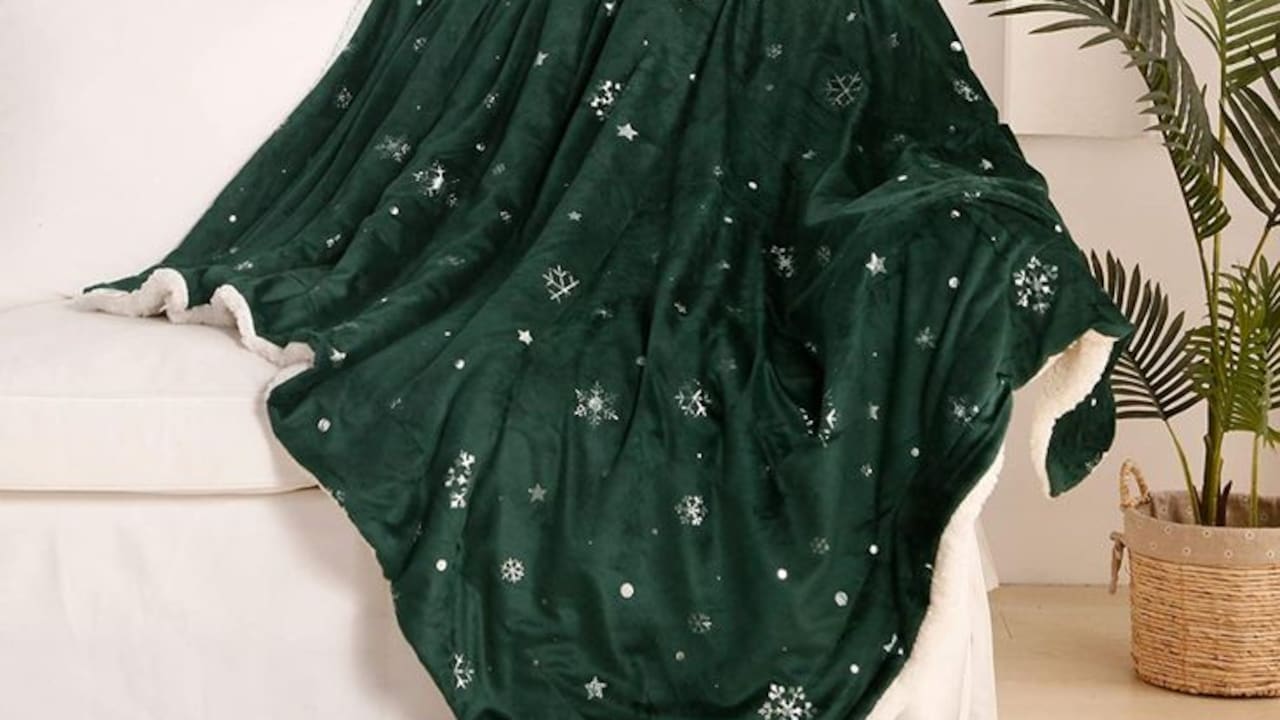
Blankets Feel Heavy but Are Not Warm Enough: Simple Guide to Fabric Fill; Photo Credit: Pexels
Understanding What Really Keeps A Blanket Warm
1. The Big Myth: Heavier Always Means Warmer
Heaviness creates an illusion of warmth. When a blanket presses down, the body senses comfort and security. That sensation often gets mistaken for insulation. In reality, warmth depends on trapped air, not weight. Fabrics that hold air pockets slow down heat loss, keeping body warmth close.
Many heavy blankets use dense materials that flatten under pressure. Once flattened, they lose the air spaces needed to insulate. The result feels oddly cold despite the effort it takes to lift or fold the blanket. This explains why older cotton blankets, though solid and durable, struggle on cold nights.
Think of it like wearing a thick denim jacket in winter. It feels sturdy but lets the cold creep in. A light puffer jacket, on the other hand, traps air and keeps the body warm. Blankets work the same way.
Breaking this myth changes buying habits. Instead of checking weight first, checking fill type makes more sense. That simple shift saves money, cupboard space, and many sleepless nights.
2. Fabric Fill: The Real Source of Warmth
Fabric fill refers to what sits inside the blanket, not the outer cover. This inner layer decides how much heat stays trapped. Some fills create fluffy air pockets, while others compress easily and let warmth escape.
Natural fills like wool and down adjust to body temperature. They breathe well and keep moisture away. Synthetic fills mimic these qualities but vary widely in performance. Some trap heat efficiently, while others simply add bulk.
A good fill feels light yet springy. It bounces back when pressed, signalling air retention. A poor fill stays flat and lifeless. That difference shows up clearly during chilly nights.
Understanding fills removes guesswork. Instead of relying on brand names or thickness, attention shifts to performance. That knowledge empowers smarter choices, especially in regions where winters vary from mildly cool evenings to bone-chilling mornings.
Once fabric fill becomes the focus, warmth stops feeling accidental. It becomes predictable, reliable, and far more comfortable.
Also Read: Top Lightweight Blankets For Winter Travel You'll Love
3. Cotton: Breathable but Not a Winter Champion
Cotton blankets dominate cupboards for good reasons. They breathe well, feel soft on the skin, and survive countless washes. During warmer months or humid nights, cotton works beautifully. Trouble begins when temperatures drop.
Cotton lacks loft. It does not trap much air, which limits insulation. Even when layered thick, cotton compresses under body weight. The cold then slips through quietly. That explains why a heavy cotton blanket often feels cool after a few hours.
Cotton also absorbs moisture. On damp winter nights, that moisture lingers and creates a clammy feeling. Instead of warmth, discomfort takes over. Many people respond by adding another cotton blanket, which increases weight but not heat.
Cotton still holds value. As a top layer or for mild winters, it performs well. Pairing cotton with a warmer inner blanket often solves the problem. Understanding cotton's limits prevents disappointment and encourages smarter layering rather than heavier stacking.
4. Wool: Nature's Temperature Regulator
Wool carries a reputation for itchiness, yet modern processing has softened that image. Beyond comfort, wool excels at temperature regulation. Each wool fibre crimp traps tiny air pockets, creating natural insulation without bulk.
Wool adapts to body heat. It warms when the temperature drops and releases heat when it rises. That adaptability suits regions where nights turn cold but afternoons stay pleasant. Wool also manages moisture well, keeping the body dry and comfortable.
Unlike cotton, wool retains warmth even when slightly damp. This quality proves valuable during foggy winters or coastal climates. A wool blanket may feel lighter than a cotton one but delivers far superior warmth.
Care requires a bit more attention. Gentle washing and proper drying extend its life. The effort pays off through consistent comfort year after year. For those seeking warmth without suffocation, wool strikes a near-perfect balance.
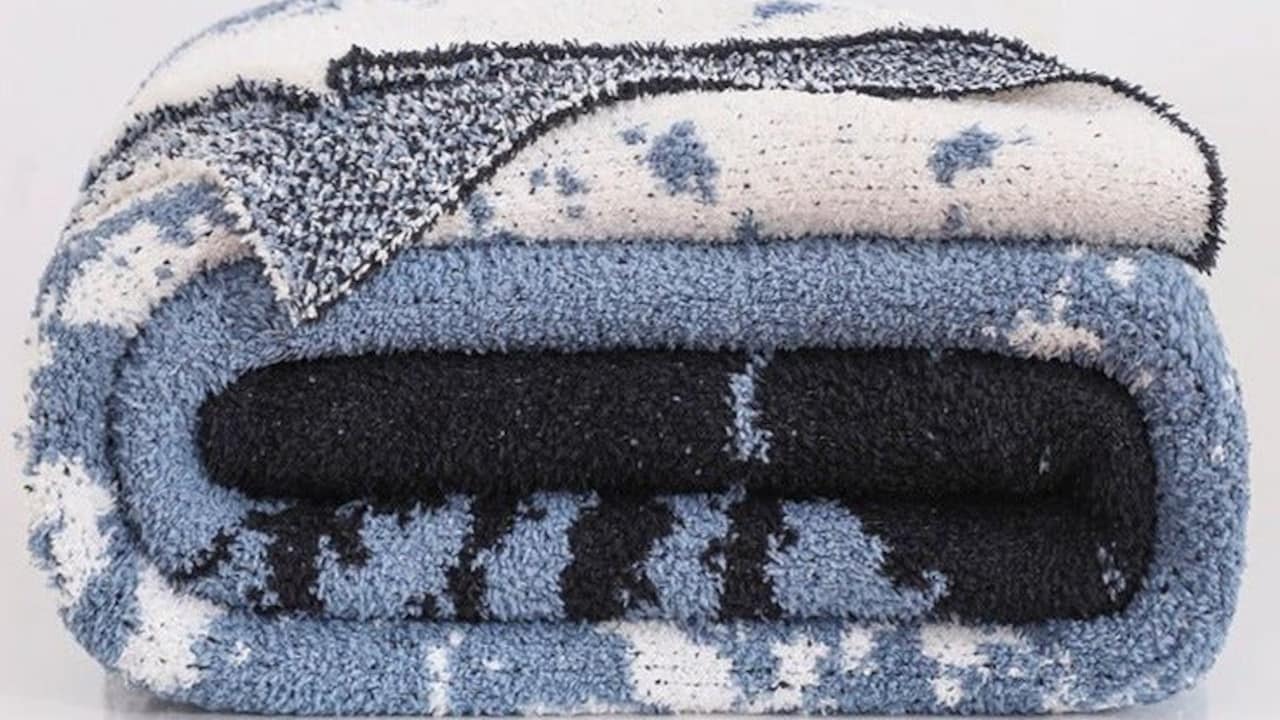
Blankets Feel Heavy but Are Not Warm Enough: Simple Guide to Fabric Fill; Photo Credit: Pexels
5. Down and Feather: Light as Air, Warm as Toast
Down blankets feel almost magical. They weigh very little yet trap exceptional warmth. The secret lies in the structure of down clusters. These fluffy clusters create abundant air pockets, slowing heat loss effectively.
Feather blends add a bit of structure and weight, while pure down offers maximum loft. Both options outperform many heavier alternatives. On cold nights, a down blanket warms quickly and maintains comfort without pressing down.
However, quality matters. Low-grade down compresses easily and loses loft over time. High-quality down costs more upfront but lasts longer and performs better. Maintenance also matters. Proper airing and occasional fluffing keep the fill lively.
Down suits dry in winter. In extremely humid conditions, it may need extra care. For those who enjoy a cloud-like feel and reliable warmth, down delivers luxury without excess weight.
6. Synthetic Fills: Practical and Budget-Friendly
Synthetic fills aim to mimic natural insulation at lower costs. Materials like microfiber and hollow fibre trap air reasonably well. They resist allergens and tolerate machine washing, making them practical for everyday use.
Not all synthetics perform equally. High-quality fibres maintain loft and warmth, while cheaper ones flatten quickly. A blanket may feel plush at first, but lose insulation after a season of use.
Synthetic fills handle moisture better than down and dry faster. That quality suits humid climates and busy households. They also come in a wide range of warmth levels, from light summer quilts to winter-ready comforters.
Choosing synthetic requires a bit of inspection. Squeezing the blanket and watching how quickly it regains shape reveals a lot. A springy response signals better insulation. With the right choice, synthetic blankets offer dependable warmth without straining budgets.
7. Weave and Construction: The Hidden Helpers
Fill alone does not tell the whole story. How a blanket gets stitched and woven greatly influences its warmth. Box stitching, for example, keeps the fill evenly distributed. Without it, insulation shifts, leaving cold spots.
Tight outer weaves prevent warm air from escaping. Loose weaves allow heat to drift away, regardless of fill quality. This explains why two blankets with similar fills can feel very different.
Quilting patterns also matter. Smaller compartments trap heat more effectively. Larger panels may look stylish but risk uneven insulation. Construction quality often separates long-lasting comfort from short-term appeal.
Checking seams, stitching consistency, and overall structure helps predict performance. These details rarely appear in advertisements but make a noticeable difference during use. Paying attention to construction turns blanket shopping into a thoughtful investment rather than a gamble.
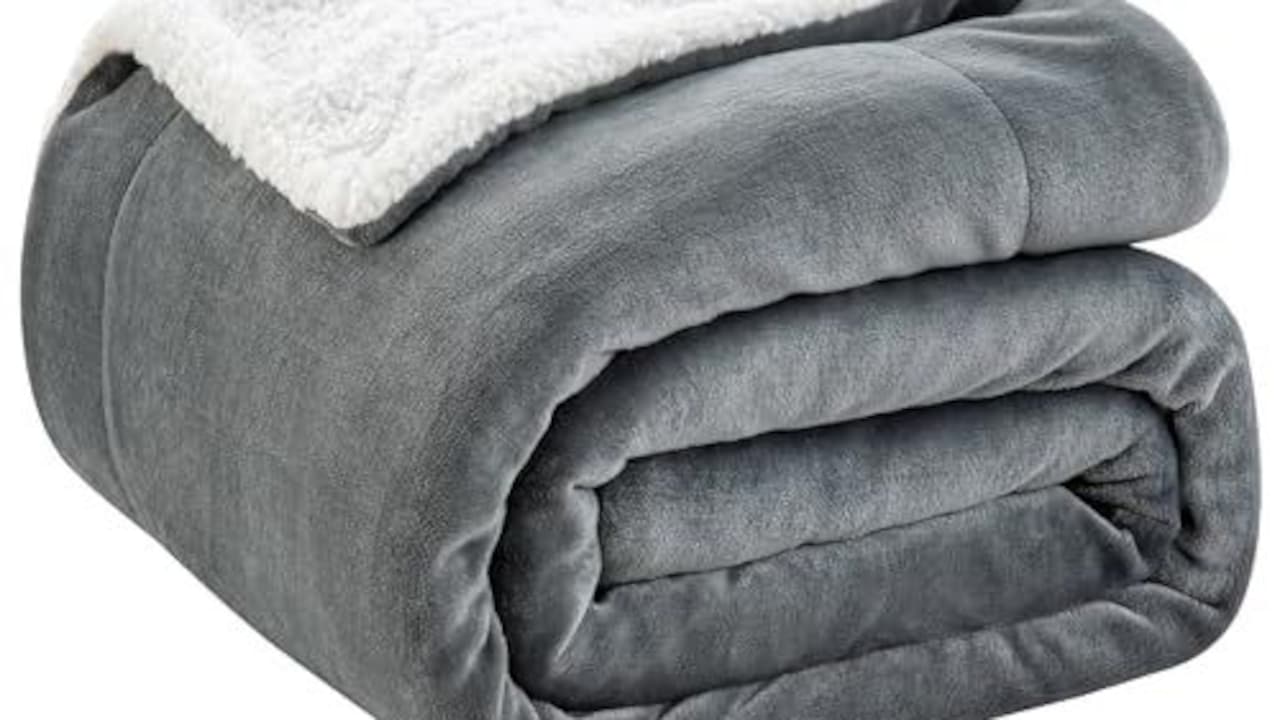
Blankets Feel Heavy but Are Not Warm Enough: Simple Guide to Fabric Fill; Photo Credit: Pexels
8. Climate Awareness: Matching Blanket to Weather
The weather varies widely across regions and seasons. A blanket that works in one climate may fail in another. Mild winters call for breathable warmth, while colder areas demand higher insulation.
Layering offers flexibility. A light wool or synthetic quilt paired with a cotton top sheet allows adjustment as temperatures shift. This approach avoids overheating and under-warming alike.
Many households rely on a single heavy blanket year-round. That habit often causes discomfort. Rotating blankets based on season improves sleep quality significantly. Storage space may feel limited, but the comfort gained outweighs the inconvenience.
Understanding local climate patterns helps narrow choices. Instead of chasing weight or thickness, matching insulation to typical night temperatures ensures consistent comfort without guesswork.
9. The Psychology of Comfort: Why Weight Still Matters
While weight does not equal warmth, it still influences comfort. A gentle heaviness provides a sense of security. That feeling can calm the body and mind, aiding sleep. This explains the popularity of weighted blankets.
Weighted blankets rely on beads or dense fills, not insulation. They suit anxiety relief more than warmth. Using them alone on cold nights leads to disappointment. Pairing them with an insulating layer solves the issue.
Comfort blends physical warmth and emotional ease. Ignoring either part creates an imbalance. A well-chosen blanket satisfies both needs by combining effective insulation with a pleasing feel.
Recognising this psychological aspect prevents unrealistic expectations. Weight can comfort, but warmth needs air, loft, and proper materials. Balancing both leads to restful, uninterrupted sleep.
10. Smart Buying Tips for Long-Term Warmth
Shopping smart begins with touching and testing. Compress the blanket and observe recovery. Check labels for fill type and construction details. Avoid judging by thickness alone.
Budget plays a role, but value matters more than price. Spending a little extra on quality fill often saves money over time. Cheap blankets need frequent replacement and deliver inconsistent comfort.
Maintenance requirements deserve attention. Easy-care options suit busy routines, while premium materials reward gentle handling. Knowing personal habits helps choose wisely.
Finally, trust experience over advertising. A blanket that feels warm within minutes usually performs well through the night. By focusing on fill, construction, and climate suitability, warmth becomes a certainty rather than a hopeful guess.
Products Related To This Article
1. GADDA CO Super Soft Polyester Micromink Sherpa Blanket for Summer
2. 220 GSM Solid Plain Reversible Summer Microfiber AC Comforter
3. VAS COLLECTIONS 220 GSM Microfiber Reversible AC Comforter
4. BSB HOME All Season Multipurpose Polar Fleece Single Bed Printed Assorted Multicolor Light Weight Blanket
5. Trance Home Linen Premium 100% Cotton Dohar for Single Bed
6. BSB Home Polyester Micromink Summer Ac
7. THE HOME STYLE Super Soft Glace Cotton King Size AC Comforter
Blankets feel heavy for many reasons, but warmth depends on something far simpler and smarter. Fabric fill decides whether heat stays close or slips away quietly. Weight may comfort the senses, but insulation comforts the body. Understanding materials like cotton, wool, down, and synthetics removes confusion. With this knowledge, choosing a blanket turns from a habit into an informed choice. Remember, comfortable sleep does not demand piles of heavy layers.
(Disclaimer: This article may include references to or features of products and services made available through affiliate marketing campaigns. NDTV Convergence Limited (“NDTV”) strives to maintain editorial independence while participating in such campaigns. NDTV does not assume responsibility for the performance or claims of any featured products or services.)