Thermal Bottoms Buying Guide: How to Stay Warm Without Feeling Tight or Sticky
Choosing the right thermal bottoms isn’t about bulk. This buying guide breaks down fabrics, fit, breathability, and comfort to help you stay warm all winter without that tight, sticky feeling.
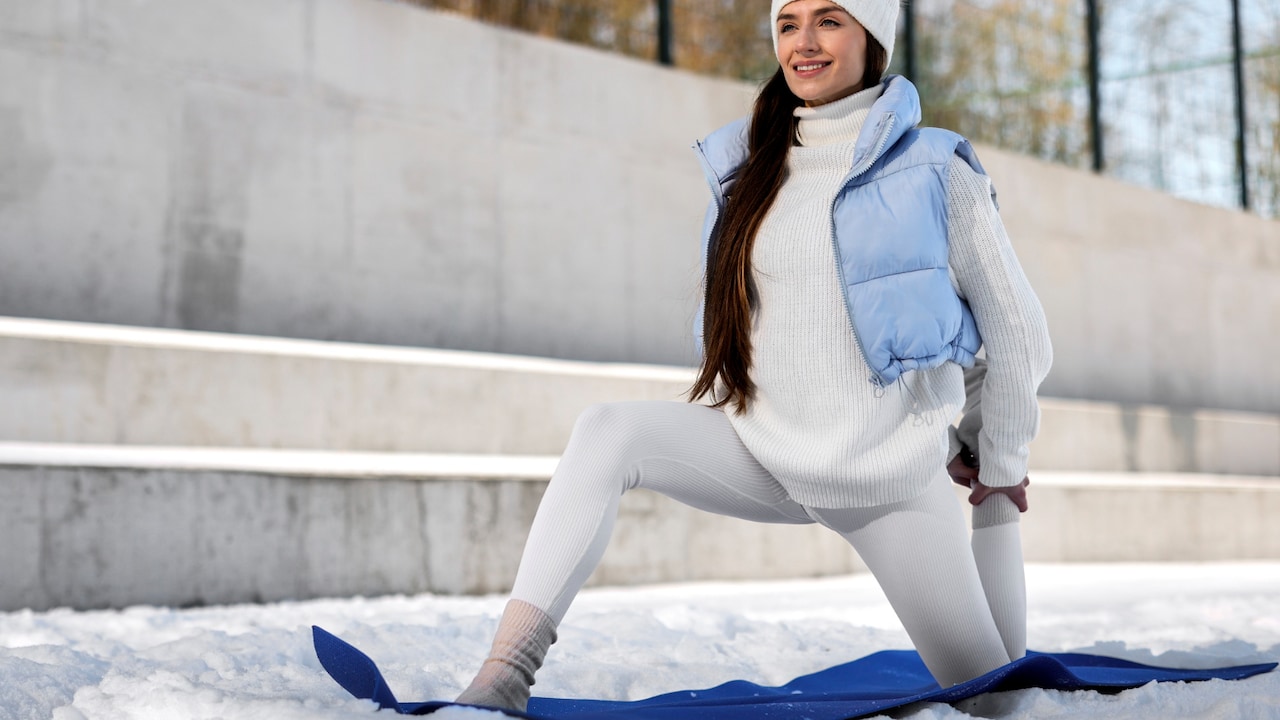
Learn how to choose thermal bottoms that actually provide warmth without feeling sticky.
Winter dressing often begins with compromise. One layer keeps the chill away, but traps sweat. Another feels soft yet fails when temperatures dip. Thermal bottoms sit right at the centre of this dilemma. They are worn closest to the skin, which means every flaw feels amplified. Too tight and blood flow feels restricted. Too loose and cold air sneaks in. Poor fabric choice leads to itching, overheating, or that dreaded sticky feeling during long commutes or crowded bus rides. Buying the right thermal bottom can change winter entirely. Morning walks feel easier. Office chairs no longer feel icy.
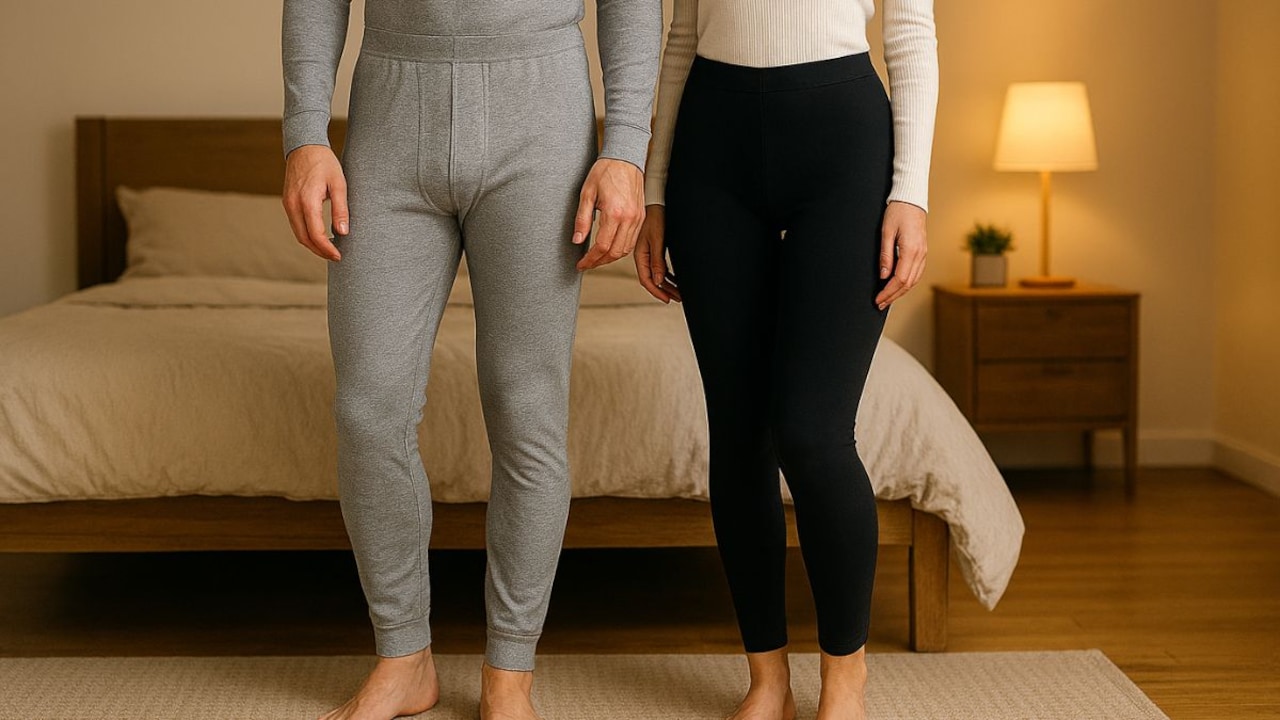
Explore 10 easy tips to find the right thermal bottoms for winter; Photo Credit: Copilot
This guide breaks down what truly matters when choosing thermal bottoms, explained in a friendly, grounded way.
Also Read: Winter's Hottest Picks: 10 Best Thermals And Body Warmer's To Grab On Myntra
The Small Details That Make Winter Thermals Worth Wearing
1. Fabric Matters More Than Thickness
Many assume thicker always means warmer. That belief leads straight to discomfort. Fabric composition plays a far bigger role than bulk. Cotton-rich thermals feel soft and breathable, yet they struggle with moisture. A short walk or crowded metro ride can leave the fabric damp and chilly. Synthetic blends, especially those with polyester or elastane, manage moisture better and dry faster.
Wool blends deserve attention. Merino wool, in particular, offers warmth without itchiness. It regulates temperature well and resists odour, which suits long days. However, pure wool can feel heavy and may irritate sensitive skin. Blends strike a better balance.
Look for brushed interiors or waffle knits. These trap air and provide insulation without adding weight. Smooth outer surfaces help layers slide on easily, avoiding that tight, sticky feel. Fabric labels may seem dull, yet they reveal everything. A good thermal feels almost invisible once worn. That quiet comfort signals the right fabric choice.
2. The Right Fit Is Not About Size Charts Alone
Size charts help, yet bodies rarely follow neat measurements. A thermal bottom should hug gently, not squeeze. Compression-style fits promise warmth but often restrict movement and trap sweat. That leads to discomfort by mid-morning.
Focus on stretch and recovery. A fabric that stretches well and returns to shape feels supportive without pressure. Waistbands matter more than expected. Wide, elasticated waistbands distribute pressure evenly and avoid digging into the skin during long sitting hours.
Length also plays a role. Ankles exposed to cold defeat the purpose of thermals. Full-length designs that sit just above the ankle work best with socks and shoes. Avoid bunching behind knees or around ankles. That extra fabric rubs and irritates over time.
Trying thermals while sitting, bending, or climbing stairs reveals more than standing still. Comfort during movement defines a good fit. A well-fitted thermal disappears into daily life instead of demanding attention.
3. Breathability Keeps the Sticky Feeling Away
Warmth without breathability turns into discomfort fast. Sweat trapped against the skin cools quickly, leaving legs clammy and cold. Breathable thermals allow moisture to escape while retaining heat.
Look for terms like “moisture-wicking” and “quick-dry.” These features matter during travel, office hours, or winter workouts. Breathable fabrics maintain a dry microclimate next to the skin. That balance prevents overheating and chills.
Ventilation zones or mesh panels may sound technical, yet they help regulate temperature. Even subtle design choices make a difference. Flatlock seams reduce friction and allow better airflow compared to bulky stitching.
Breathability also affects odour. Poor airflow leads to lingering smells, even in cold weather. Fabrics that breathe stay fresher longer, reducing frequent washing. That saves time and extends garment life. A dry, comfortable feel through the day marks a breathable thermal done right.
4. Layering Compatibility Makes or Breaks Comfort
Thermal bottoms rarely work alone. They sit under trousers, jeans, or track pants. Compatibility with outer layers matters. Bulky thermals create friction, making movement awkward. Smooth finishes glide under clothes and reduce that sticky sensation.
Slim-profile thermals suit fitted trousers. Slightly thicker options work under relaxed winter wear. Colour choice helps too. Neutral shades blend easily and avoid showing through lighter fabrics.
Consider how thermals behave during long wear. Some fabrics cling as the day progresses. Others maintain structure. Anti-static finishes reduce clinging and improve comfort. This detail often goes unnoticed until experienced.
Layering also involves temperature shifts. Mornings feel cold, afternoons warmer. Thermals that adapt prevent constant adjustments. A well-layered outfit feels balanced across environments. The thermal acts as a silent supporter, not a constant reminder.
5. Waistbands and Seams Deserve Attention
Small design elements shape daily comfort. Waistbands that roll or pinch distract throughout the day. A soft, covered elastic waistband feels gentler on the skin. Adjustable drawstrings add flexibility without bulk.
Seams can irritate, especially during long walks. Flat seams reduce chafing and sit smoothly under clothes. Avoid thick overlocked seams along inner thighs. These cause friction and discomfort.
Tagless designs prevent itching at the waist or back. This detail seems minor until experienced. Comfort often hides in such thoughtful touches.
Good construction also affects durability. Strong seams prevent sagging and maintain fit after washing. Quality stitching costs slightly more yet saves money over time. A thermal that lasts multiple winters proves its worth quietly, season after season.
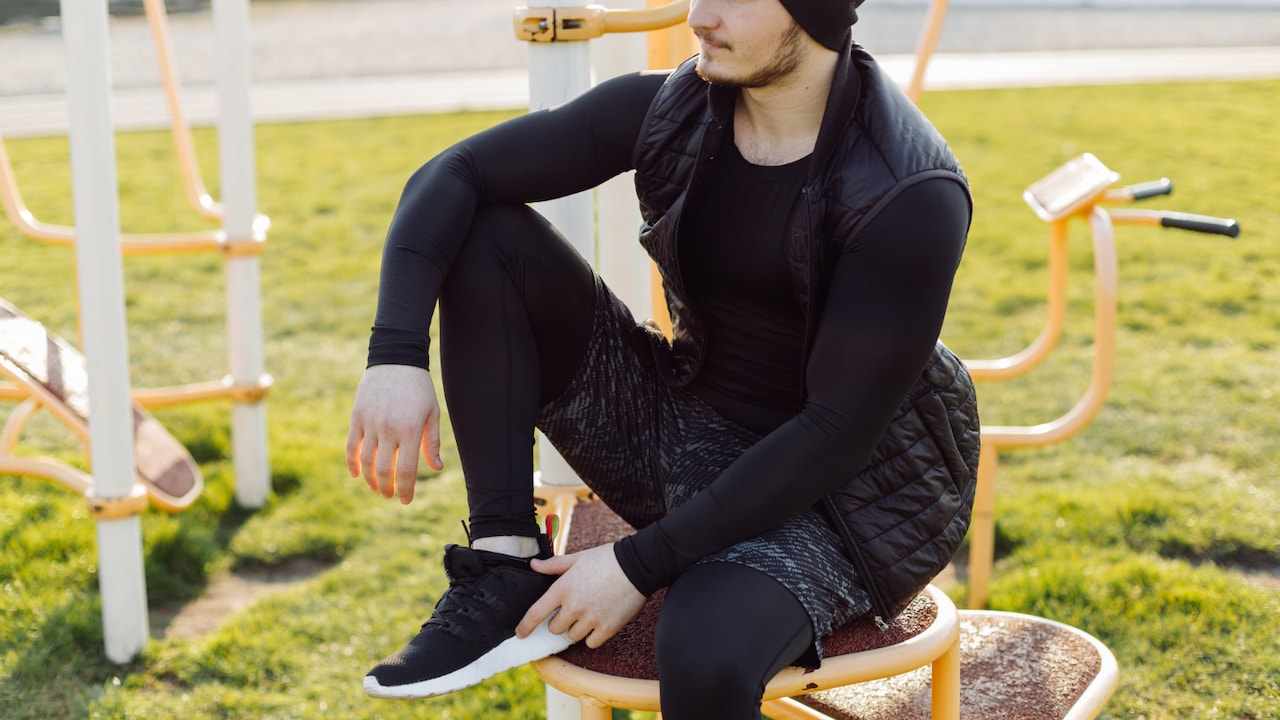
Look for thermal bottoms with soft elastic waistbands for a comfortable fit; Photo Credit: Freepik
6. Climate and Usage Decide the Best Choice
Winter varies across regions and routines. Mild mornings and chilly nights demand different thermals compared to consistently cold days. Light to mid-weight thermals suit fluctuating temperatures. Heavy-duty options fit colder climates or outdoor activities.
Daily commuters benefit from moisture control and flexibility. Office environments require thermals that stay discreet under formal wear. Outdoor enthusiasts may prefer insulation and durability.
Using thermals for sleep differs again. Softness and breathability matter more than compression. Sleeping thermals should feel relaxed and cosy.
Matching thermals to usage prevents discomfort. Buying one pair for everything often disappoints. Two well-chosen pairs serve better than a single all-purpose option. Thoughtful selection aligns comfort with lifestyle, not just weather.
7. Skin Sensitivity and Comfort Go Hand in Hand
Sensitive skin reacts quickly to poor fabrics. Itching, redness, or rashes ruin winter comfort. Natural fibres or gentle blends reduce irritation. Avoid rough textures and chemical-heavy finishes.
Pre-washed or enzyme-treated fabrics feel softer from the start. This reduces break-in time. Hypoallergenic materials suit those prone to skin issues.
Tight thermals exacerbate sensitivity. Gentle fits allow air circulation and reduce friction. Seam placement also matters. Smooth interiors prevent constant rubbing.
Comfort against the skin builds confidence. A thermal that feels kind encourages regular use. That sense of ease carries through the day, from morning routines to late-night strolls.
8. Care and Maintenance Affect Long-Term Comfort
Thermals endure frequent washing. Poor care shortens lifespan and affects comfort. Always follow wash instructions. Cold washes preserve elasticity and softness. Hot water damages fibres and leads to shrinkage.
Avoid fabric softeners. They coat fibres and reduce breathability. Mild detergents work best. Air drying maintains shape and prevents stiffness.
Proper care keeps thermals fresh and effective. A well-maintained pair retains warmth and softness over time. Neglected thermals lose stretch and become uncomfortable.
Storing thermals clean and dry prevents odour and fabric damage. Folding instead of hanging preserves shape. Simple habits extend usability and protect investment.
9. Price Versus Value: Spending Smartly
Thermal bottoms range widely in price. Budget options start around ₹400, while premium pairs exceed ₹2,000. Price alone does not guarantee comfort. Value lies in fabric quality, fit, and durability.
Spending slightly more often brings better materials and construction. That translates into fewer replacements. Cheap thermals may lose shape or comfort quickly.
Sales and seasonal discounts offer opportunities to buy quality at lower prices. Investing in two dependable pairs costs less than replacing several poor ones.
Think in terms of cost per wear. A thermal worn daily through winter earns its keep. Smart spending balances comfort, longevity, and budget without regret.
10. Trying Before Trusting the Label
Marketing promises warmth, softness, and performance. Real comfort comes from experience. Trying thermals at home reveals true fit and feel. Walk, sit, stretch, and wear them for a few hours.
Notice temperature regulation. Does the fabric breathe? Does it stay dry? Check for slipping, rolling, or itching. These signs appear quickly.
Trust personal comfort over brand claims. Everyone's body responds differently. What works for one may not suit another.
Once the right thermal is found, winter feels simpler. Dressing becomes effortless. That quiet satisfaction marks a successful choice, far more than any label or slogan.
Products Related To This Article
1. Dixcy Scott Originals Cotton Slim Fit Ankle Length Thermal Bottom
2. Jockey Women Super Combed Cotton Rich Thermal Leggings With Staywarm Technology
3. U.S. Polo Assn. Men Black Solid Cotton Thermal Bottoms
4. Van Heusen Women N9 Anti Bacterial & Elasticized Waistband Thermal Bottoms
5. Decathlon WEDZE - Men Black Solid Base Layer Winter Thermal Bottoms
Thermal bottoms shape winter comfort more than most realise. They sit closest to the skin and influence warmth, movement, and mood. Choosing the right pair means understanding fabric, fit, breathability, and usage. The ideal thermal feels supportive, breathable, and barely noticeable. With thoughtful selection and care, thermal bottoms become trusted companions through winter mornings and chilly evenings.
(Disclaimer: This article may include references to or features of products and services made available through affiliate marketing campaigns. NDTV Convergence Limited (“NDTV”) strives to maintain editorial independence while participating in such campaigns. NDTV does not assume responsibility for the performance or claims of any featured products or services.)