Why Some Artificial Earrings Turn Black Quickly And How To Pick Better Finishes
Artificial earrings often turn black due to sweat, humidity, perfume and poor plating. Here is how to understand finishes better and pick pairs that stay brighter for longer.

Common reasons why your artificial earrings lose colour and turn black with every use
Artificial earrings can change an outfit in seconds. A plain kurta looks festive, a simple shirt suddenly feels polished, and a basic black dress gets the drama it secretly wanted. The only heartbreak begins later, when that favourite pair goes from golden and glossy to dull, patchy and almost black. Many people blame bad luck, but earrings rarely turn dark without reason. The truth sits in the finish, the base metal, the way the earrings react with sweat, and how they face daily products like perfume, moisturiser and hair spray. Add heat, humidity, crowded local markets, wedding-season storage boxes and last-minute dressing chaos, and artificial jewellery has a tough life. Better choices can make a big difference. The goal is not to avoid artificial earrings altogether, but to understand which finishes deserve a place in the jewellery box.
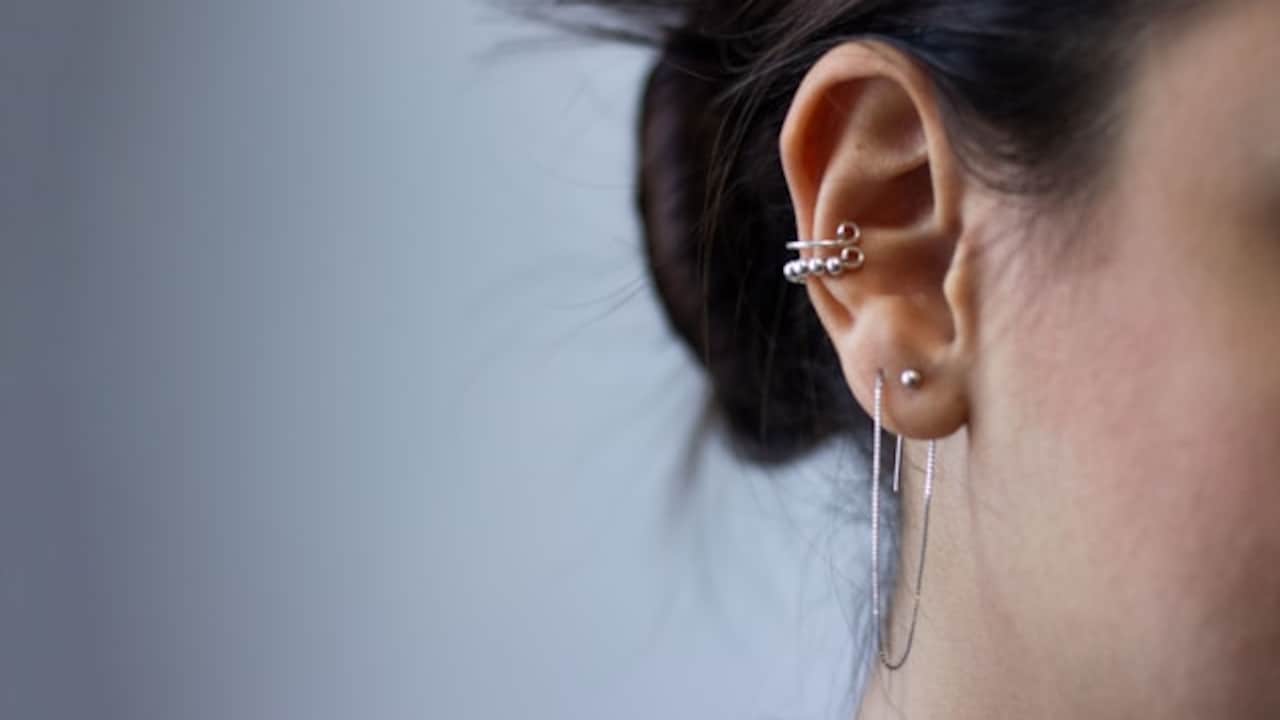
What makes artificial earrings lose shine after a few uses; Photo Credit: Unsplash
Also Read: Top 6 Lightweight, Stylish Earrings That Stay Comfortable
What To Check Before Buying Artificial Earrings That Last Longer
Why Artificial Earrings Turn Black So Quickly
Artificial earrings turn black mainly because the metal reacts with air, moisture and skin. Most budget earrings use base metals such as copper, brass, iron alloys or mixed metal blends. These metals look attractive once brands coat them with gold, silver, rhodium or coloured polish. The problem starts when that outer layer stays too thin or wears off quickly. Once sweat reaches the base metal, tarnish begins.
Daily weather makes things harder. Warm days, humidity, long commutes, oily skin and sunscreen can speed up discolouration. Even a pretty pair worn during a haldi function or a long office day may darken faster if sweat sits on the surface for hours. Artificial earrings do not always “go bad” because they cost less. They often suffer because the finish cannot handle rough use. A little awareness before buying can save the pair from turning into a sad black souvenir.
Sweat, Perfume And Moisturiser Can Ruin The Finish
Perfume feels harmless, but artificial earrings may disagree. Alcohol-based sprays, body mists, moisturisers, hair serums and setting sprays can all react with plating. Many people finish dressing by spraying perfume after wearing earrings. That tiny habit can slowly strip the shine, especially around hooks, studs and danglers that sit close to the neck.
Sweat adds another layer of trouble. It contains salts and oils, which cling to jewellery. After a long day at work, a metro ride, a family lunch or a sangeet practice session, earrings may carry more residue than expected. If they go straight back into a box, the chemicals stay trapped. This creates the perfect setting for dullness and blackening.
A better habit helps. Earrings should go on last and come off first. Perfume, lotion and hair products should settle before jewellery touches the skin. After wearing, a quick wipe with a soft dry cloth can keep the finish fresher for longer.
Thin Plating Looks Pretty But Fades Faster
Many artificial earrings look expensive on the display card because plating gives them instant shine. Thin plating, however, behaves like a decorative veil. It may look bright under shop lights but fades after a few wears. Once the layer rubs off, the base metal peeps through. That is when black patches, greenish marks or dull brown spots begin to appear.
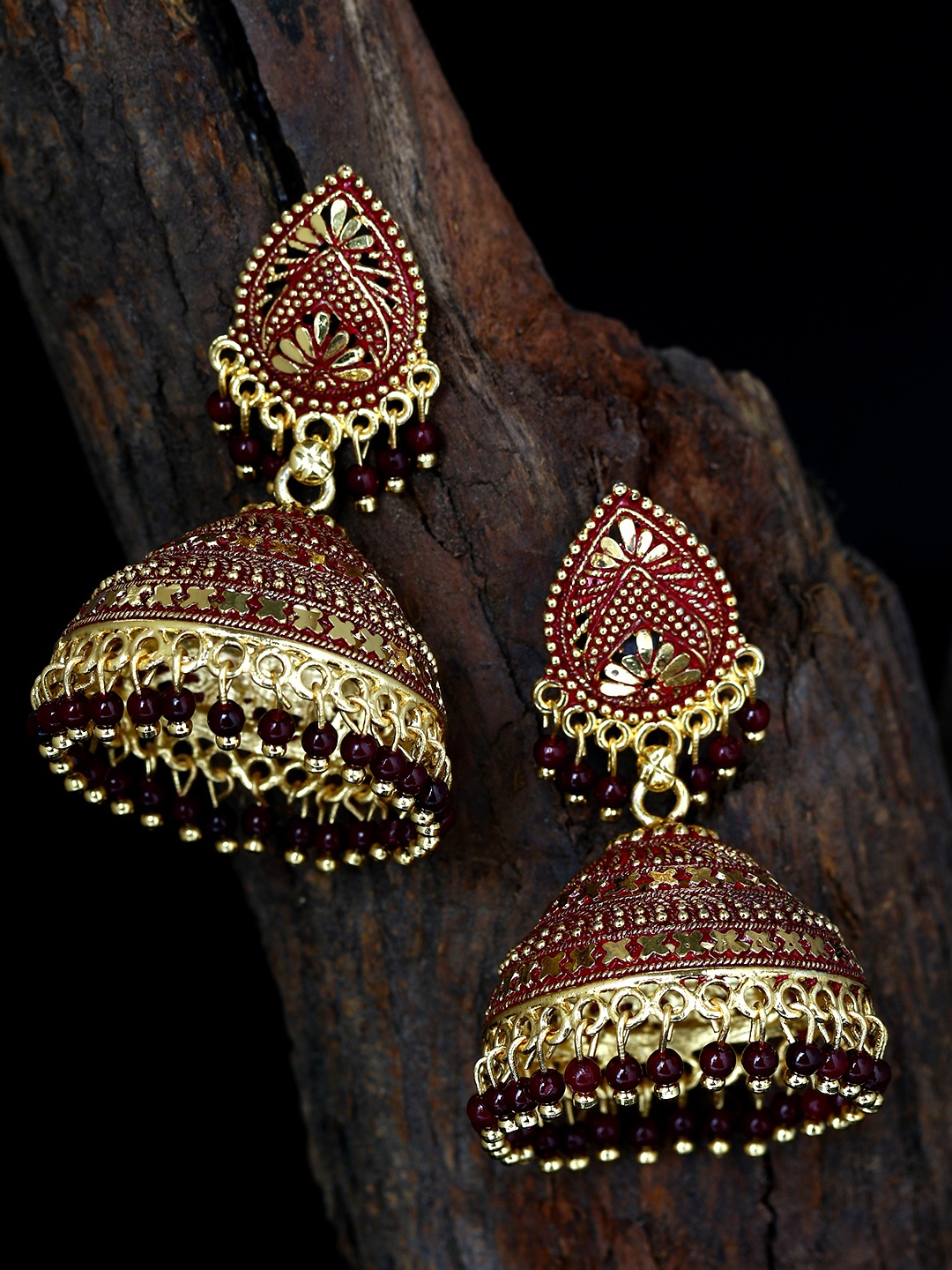
The issue becomes common in earrings with moving parts. Jhumkas, chandbalis, layered danglers and hoop charms rub against themselves while walking, dancing or travelling. This friction weakens the coating. Even tightly packed jewellery boxes can cause scratches that later darken.
When shopping, the finish should look even, not overly yellow or plasticky. Edges, hooks and the back of the earrings matter as much as the front. If the back already looks rough, patchy or uneven, the pair may not age well. A beautiful front cannot compensate for a careless finish at the back.
Gold-Toned Earrings Need The Right Shade
Gold-toned artificial earrings can look elegant, festive or painfully fake depending on the finish. Very bright yellow-gold finishes often lose their colour quickly because they rely on a flashy coating rather than a stable surface. These earrings may look tempting for weddings, but they can turn dull after exposure to sweat and cosmetics.
Softer antique gold, matte gold and brushed gold finishes usually hide wear better. They do not scream for attention, and minor dullness blends into the design. This makes them a smarter choice for everyday kurtas, cotton sarees, office wear and small functions. Antique finishes also suit oxidised patterns, temple-inspired designs and textured earrings.
That said, not every antique finish means better quality. Some sellers darken cheap metal deliberately to create an aged look. The trick lies in checking consistency. A good finish looks intentional. A poor one looks patchy, sticky or rough. The safest pick has a balanced tone, clean corners and smooth contact points.
Silver-Toned Earrings Often Need Rhodium Or Stainless Steel
Silver-toned earrings can turn black faster when they use cheap silver polish over reactive base metal. This becomes common with hoops, studs and party earrings that imitate sterling silver. The shine looks crisp at first, but the surface may darken if moisture reaches the inner metal.
Rhodium-plated artificial jewellery usually resists tarnish better than basic silver polish. Rhodium gives a brighter, cooler shine and works well for earrings with stones, crystals and sleek designs. Stainless steel also performs well for everyday use. It handles sweat better, keeps its tone longer and suits people who prefer minimal hoops, huggies or studs.
When choosing silver-toned earrings, weight can reveal a clue. Extremely flimsy pieces may bend easily and lose polish faster. The clasp, post or hook should feel smooth and sturdy. Earrings that irritate the ear or leave marks after one wear rarely deserve repeat use. Shine means little if comfort and finish both fail.

Silver-toned earrings often turn black faster than other options; Photo Credit: Pexels
Oxidised Earrings Should Look Aged, Not Damaged
Oxidised earrings have their own charm. They look earthy, artistic and easy to style with kurtas, handloom sarees, long skirts and even plain black tops. The confusion starts when buyers cannot tell the difference between intentional oxidation and poor-quality blackening. Good oxidised earrings carry depth in the design. The dark tones sit neatly in grooves, carvings and textures. The raised areas still show a clean silver, gunmetal or antique finish.
Bad oxidised earrings look as though someone rubbed black powder unevenly across the surface. They may leave residue on fingers or smell metallic. That kind of finish can transfer onto skin and clothes, especially during humid weather. It may also worsen after contact with sweat.
A practical test helps while shopping. Run a finger gently over the surface. If black colour transfers immediately, the finish may not last. A good oxidised pair should look aged, not dirty. It should add character, not leave stains behind like a badly behaved kajal pencil.
Enamel And Lacquer Finishes Need Smooth Edges
Colourful artificial earrings often use enamel, resin or lacquer finishes. These pieces look playful and work beautifully with casual outfits, festive co-ord sets and summer dresses. The risk lies in chipping. Once enamel cracks or lifts at the edge, moisture can slip underneath. The metal around that area may then darken quickly.
Good enamel work looks smooth, even and settled into the design. The colour should not spill over edges or form bubbles. Cheap lacquer may feel sticky, uneven or too glossy. It can peel when exposed to heat, perfume or rough storage. Earrings with painted backs often show wear faster because the paint rubs against skin and hair.
For better durability, choose earrings where the colour sits inside a metal frame. This protects the edges from everyday knocks. Avoid pairs where the enamel already has tiny cracks in the shop. Those cracks will not heal at home. They will only grow, usually right before a function.
Stone-Studded Earrings Can Tarnish Around The Setting
Stone-studded artificial earrings often look grand without demanding a heavy budget. Kundan-inspired pieces, American diamond studs, pearl danglers and crystal hoops remain popular because they create instant polish. But these earrings can turn black around the setting if the metal quality runs poor.
The area around stones collects sweat, makeup and dust. Once residue settles into tiny gaps, the shine starts fading. Glue can also yellow or loosen with time, especially in cheaper pairs. If moisture touches the base metal beneath the stones, blackness appears around the edges. This makes the pair look older than it is.
Check the setting before buying. Stones should sit firmly and evenly. Gaps, extra glue, tilted crystals and cloudy patches show weak workmanship. For occasional wear, such earrings can work well. For daily use, simpler designs with fewer gaps last better. More stones mean more beauty, but also more corners where tarnish can hide.
Hypoallergenic Labels Do Not Always Mean Tarnish-Proof
Many shoppers see the word hypoallergenic and assume the earrings will not turn black. That is not always true. Hypoallergenic usually means the earrings may reduce the risk of skin irritation, especially when they avoid nickel or use safer posts. It does not automatically guarantee a long-lasting finish.
An earring can feel comfortable and still tarnish. Similarly, a tarnish-resistant finish may still irritate sensitive ears if the post uses poor metal. The best choice combines both comfort and better finishing. Stainless steel, surgical steel posts, titanium posts and nickel-free options often suit sensitive ears better. For artificial earrings, the post matters because it touches the piercing directly.
People with sensitive ears should pay close attention to itching, redness or burning. A stylish pair loses its charm if it turns the earlobe into a complaint department. For daily wear, skin-friendly posts and stable finishes matter more than oversized sparkle. Comfort should not feel like a luxury add-on.
Storage Can Decide How Long Earrings Stay Bright
Even good artificial earrings can darken quickly if storage goes wrong. A common habit involves tossing all earrings into one pouch after a function. Hoops scratch studs, jhumkas tangle with chains, and pearl drops rub against metal edges. By the next outing, the jewellery box looks like a tiny battlefield.
Moisture also creates trouble. Bathrooms, dressing tables near windows and damp cupboards can make earrings tarnish faster. Artificial jewellery prefers dry, separate storage. Small zip pouches, soft cloth wraps or compartment boxes work well. Silica gel packets from old packaging can help absorb moisture, as long as they stay away from children and pets.
Earrings should not stay inside velvet boxes forever either, especially if the box traps humidity. A quick wipe before storage works better than any grand cleaning ritual later. Treat artificial earrings like delicate festive clothes. They do not need royal treatment, but they do need breathing space, dryness and less chaos.
How To Pick Better Finishes While Shopping
A smart shopping eye can spot better artificial earrings before money leaves the wallet. Start with the back of the pair. Sellers make the front attractive, but the back reveals workmanship. Smooth backs, even plating and neat hooks suggest better finishing. Rough edges, dark spots, sharp corners or uneven colour hint at trouble.
Next, check the weight. Earrings should feel sturdy without dragging the ear down. Very light pieces may use thin metal that bends and loses coating. Very heavy ones may pull the piercing and cause discomfort. The best pair finds a middle ground.
Finish matters more than excessive shine. Matte gold, antique gold, rhodium tone, stainless steel, good-quality oxidised textures and clean enamel usually age better than overly glossy coatings. For earrings needed for regular wear, choose simpler designs with fewer glued parts. For weddings and festivals, statement pieces can work, but they still need careful storage.
Price does not always guarantee quality. A ₹299 pair can last if the finish is decent, while a costly pair can disappoint if the plating feels weak. The eye must judge the finish, not just the tag.
Products Related To This Article
1. StyleCast x Revolte Men Silver-Plated Artificial Stones Studded Quirky Shaped Studs
2. Mahi Pink Teardrop Shaped Drop Earrings
3. Peora Men Rose Gold-Plated Stainless Steel Cubic Zirconia Contemporary Stud Earrings
4. Zaveri Pearls Pack of 3 Gold-Toned Contemporary Studs
5. StyleCast x Revolte Classic Hoop Earrings
6. Accessorize London Women Gold Reconnected Angular Hoop Earring
7. MANGO Geometric Studs Earrings
Artificial earrings turn black quickly when weak finishes meet sweat, humidity, perfume, friction and careless storage. That does not make them a bad buy. It only means they need smarter selection and gentler handling. Better finishes, cleaner backs, safer posts and sensible storage can stretch their shine for many more wears.
The next time a pair of earrings looks too pretty to ignore, check more than the front. Turn it around, inspect the hooks, feel the edges and study the finish. A little patience at the counter can save plenty of disappointment later. After all, earrings should add sparkle to the day, not become another mystery in the jewellery box.
(Disclaimer: This article may include references to or features of products and services made available through affiliate marketing campaigns. NDTV Convergence Limited (“NDTV”) strives to maintain editorial independence while participating in such campaigns. NDTV does not assume responsibility for the performance or claims of any featured products or services.)