Poncho Vs Zip-Up Raincoat: Which One Actually Works Better For Bike Rides?
Ponchos offer quick coverage, while zip-up raincoats give a closer, safer fit. For bike rides in heavy rain, the better choice depends on speed, comfort, visibility and daily riding needs.

Poncho Vs Zip-Up Raincoat: Which One Works Better For Bike Rides?
Rain on a bike ride has its own drama. One minute the road looks calm, and the next, the sky opens like someone forgot to turn off a tap. The rider slows down, the pillion adjusts their bag, the helmet visor fogs up, and every passing bus adds a fresh splash of muddy water to the scene. That is when rainwear stops being a small accessory and becomes the difference between reaching work dry or sitting through the day with damp jeans and a defeated mood. Ponchos and zip-up raincoats both promise protection, but they behave very differently on two-wheelers. A poncho feels easy, roomy and quick to wear. A zip-up raincoat feels more fitted, secure, and ride-friendly. The real question is not which one looks better on a hanger. It is the one that actually works when traffic crawls, wind hits from the side, and rain comes down like a proper monsoon warning.
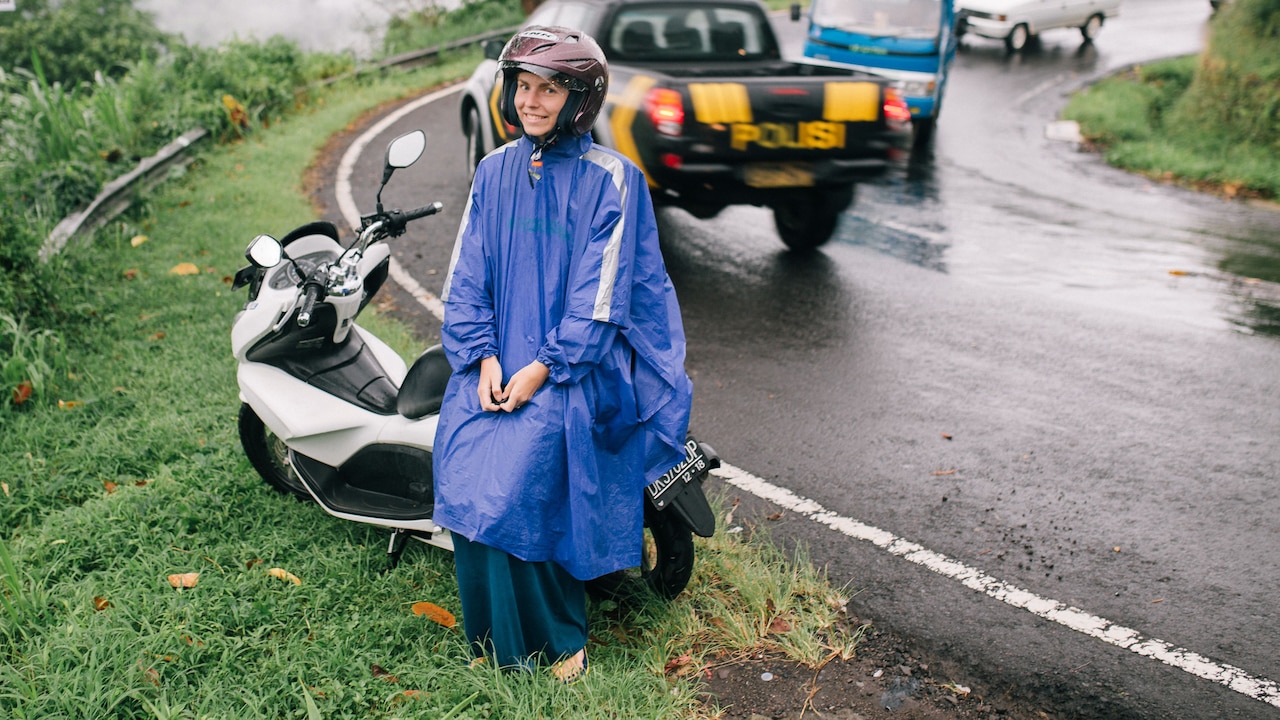
Poncho Vs Zip-Up Raincoat: Which One Works Better For Bike Rides?; Photo Credit: Pexels
What To Check Before Picking Rainwear For Bike Rides
Coverage Matters More Than It Looks
A poncho wins the first round when the discussion starts with coverage. It spreads over the shoulders, chest, arms and often the lap too. For short scooter rides, especially at slow speeds, that generous fabric can feel like a blessing. It can even cover a backpack or sling bag without much effort, which matters when office laptops, lunch boxes or college notebooks sit inside.
A zip-up raincoat, on the other hand, covers the body more neatly. It stays close to the arms and torso, but it may not protect the lap as well unless paired with rain trousers. This becomes obvious during longer rides, when water starts collecting near the seat and slowly soaks through denim or cotton trousers.
That said, extra coverage does not always mean better performance. A poncho can lift, flap and shift when wind catches it. The wide shape that feels useful in the parking lot can become irritating on a flyover. So, for slow neighbourhood rides, a poncho feels generous. For faster bike rides, coverage needs control, not just size.
Also Read: Top 5 Waterproof Raincoats For Women Under ₹500
Wind Can Turn A Poncho Into A Problem
Wind is where the poncho starts losing its charm. On a two-wheeler, rain rarely falls neatly from above. It comes sideways, bounces off buses, sprays from potholes and sneaks under loose fabric. A poncho has a wide, open structure, so wind can get underneath and lift it like a stubborn kite. This feels funny for two seconds and annoying for the rest of the ride.
For riders on bikes rather than scooters, this becomes even more important. The knees, fuel tank area and sides remain more exposed. Once the poncho starts flapping, attention shifts from the road to the fabric. That is never ideal in traffic.
A zip-up raincoat handles wind better because it hugs the body. The sleeves stay in place, the front remains shut, and the overall shape creates less resistance. It may not feel as breezy, but it behaves better when the ride gets rough. In windy rain, a fitted raincoat brings more peace than a flying poncho.
Safety Should Not Be Treated Like A Small Detail
Rainwear should protect from water without creating fresh problems. This is where the zip-up raincoat has a clear advantage. Since it fits closer to the body, it does not usually interfere with handlebar movement, mirrors, brakes or indicators. The rider can turn, check blind spots and move arms without wrestling with loose fabric.
A poncho needs more caution. Long or oversized ponchos can hang near the wheels, footrests or chain area. Even if that sounds unlikely, busy roads leave very little room for fabric-related surprises. A loose edge can also cover the side mirror or block the rider's view when wind lifts it. During heavy rain, that one distracted moment can feel risky.
Reflective strips also matter. Many zip-up raincoats now come with reflective piping, brighter panels or contrast detailing. Ponchos have these features too, but cheaper ones may skip them. In dark rain, visibility matters as much as dryness. A raincoat that keeps the rider seen wins silent bonus points.
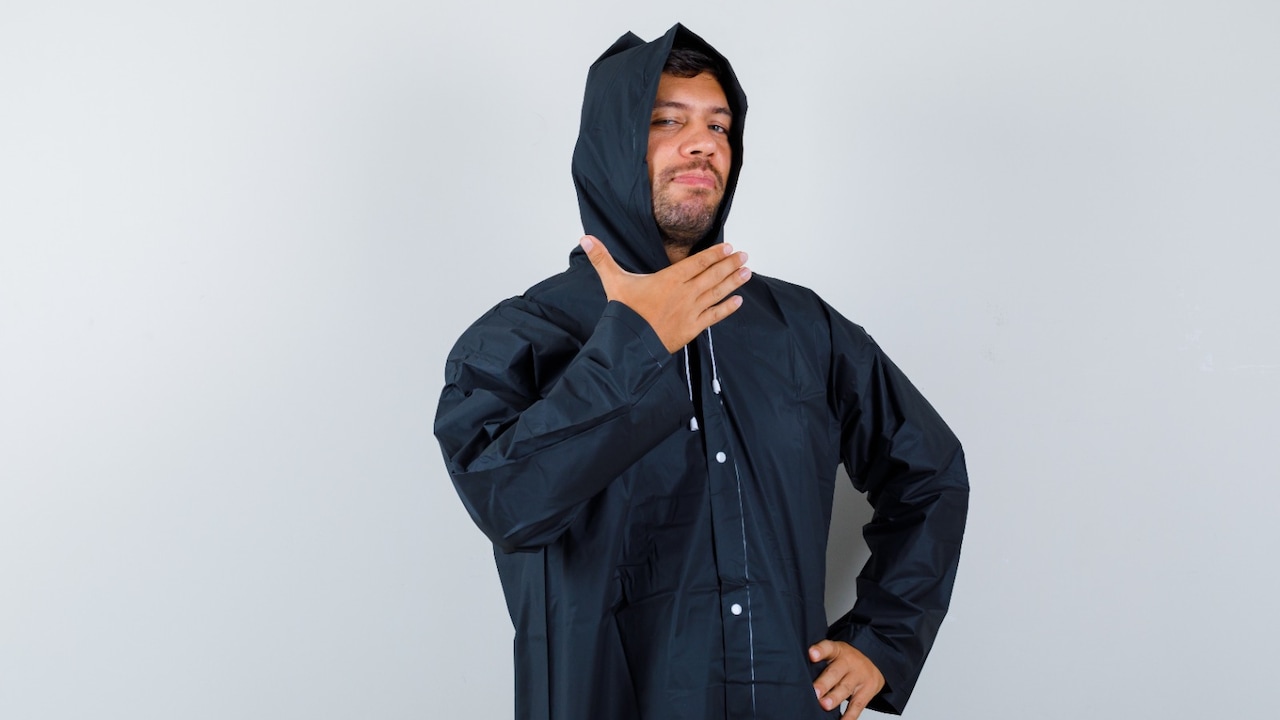
Poncho Vs Zip-Up Raincoat: Which One Works Better For Bike Rides?; Photo Credit: Pexels
Comfort Feels Different In Humid Weather
Rainy weather does not always feel cool. Many cities deal with sticky humidity before, during and after showers. This makes comfort a serious factor. Ponchos feel airy because they do not cling to the body. Air moves underneath, sweat builds up more slowly, and the rider does not feel sealed inside plastic. For short errands, school drops, or market runs, that comfort can feel unbeatable.
Zip-up raincoats can feel warmer, especially budget ones made with non-breathable material. A rider may stay dry from the rain but feel sweaty from the inside. That is the classic monsoon joke: protected outside, steamed inside. Better-quality raincoats with ventilation flaps, mesh lining or lighter fabric reduce this problem, but they usually cost more.
So the choice depends on ride length and tolerance. For five-minute scooter rides, a poncho feels relaxed. For a 40-minute commute through traffic, a zip-up raincoat with ventilation works better. Comfort should not mean loose fabric alone. It should also mean steady movement and less fuss on the road.
Getting Ready In A Hurry Changes Everything
Rain never waits politely while someone arranges cuffs and zips. It usually arrives just when the rider has packed the bag, locked the door and started the bike. In that moment, a poncho feels wonderfully practical. It slips over clothes quickly, covers the upper body in seconds and does not demand much adjustment. For sudden showers, that speed matters.
A zip-up raincoat takes slightly more time. The sleeves need proper placement, the zip must close fully, the hood may need tucking under the helmet, and rain trousers, if used, add another step. This can feel irritating when the first drops have already turned into a full shower.
However, quick wear is only half the story. Once the ride begins, the rainwear must stay put. A poncho may go on faster, but it may also need repeated adjusting at signals. A zip-up raincoat takes longer at the start but usually behaves better afterwards. For unpredictable rain, ponchos win on convenience. For planned daily rides, raincoats feel more dependable.
Bags And Backpacks Change The Decision
Many riders do not travel with just a wallet and keys. There is often a laptop bag, delivery package, handbag, tiffin, gym clothes or shopping packet involved. This changes the rainwear debate completely. A poncho can cover a backpack without needing a separate rain cover. That makes it useful for students, office commuters and anyone who carries more than the bike's storage can handle.
A zip-up raincoat protects the person, not always the bag. If the backpack sits outside the raincoat, it needs its own waterproof cover. If the bag goes under the raincoat, the fit may feel tight and awkward. Some raincoats have extra room at the back, but not every design supports that.
Still, a poncho can create a bulky shape when worn over a large bag. The fabric may pull backwards or expose the front. For longer rides, a proper bag rain cover plus a zip-up raincoat often performs better. For quick rides with one backpack, a poncho can save the day with very little planning.
Pillion Riders May Prefer Ponchos For Short Trips
The pillion rider has a different problem. They do not control the handlebar, so loose fabric creates fewer steering issues. A poncho can feel comfortable for pillion use because it covers the lap, shoulders and sometimes even part of the bag. During short rides to the metro station, tuition class, office gate or nearby market, it does the job without much fuss.
However, the pillion still needs to stay safe. Extra-long ponchos can hang near the rear wheel or footrest. The fabric should never trail loosely. It also should not cover the taillight or number plate. Rainwear that makes the rider invisible from behind creates a bigger problem than wet sleeves.
For pillion riders who travel daily or on faster roads, a zip-up raincoat still feels smarter. It stays secure and allows easier movement while getting on and off the bike. But for short, low-speed rides, a poncho can feel like a practical shield, especially when worn carefully.

Poncho Vs Zip-Up Raincoat: Which One Works Better For Bike Rides?; Photo Credit: Pexels
Storage And Drying Make A Daily Difference
Rainwear is not only about the ride. It is also about what happens after reaching the destination. A poncho folds quickly and usually takes less effort to stuff into a scooter boot or office bag. Since it has fewer seams, fewer zips and a simpler shape, it can be shaken dry with ease. That helps when a parking space has no covered area.
A zip-up raincoat can be bulkier, especially if it comes as a jacket-and-trouser set. It needs more careful folding, and wet trousers can feel annoying to carry indoors. Still, many raincoat sets come with pouches, which makes storage neater. They also dry better when hung properly instead of being rolled into a damp ball.
For daily office use, drying space matters. Nobody wants a dripping raincoat hanging over a chair like a sad monsoon flag. A poncho suits people who need quick storage. A raincoat suits those who can hang it properly and want a more complete riding solution.
Durability Depends On Seams, Zips And Fabric
A poncho looks simple, but quality still matters. Thin ponchos may tear near the neck, sides or snap buttons. Cheap plastic-like versions can stick to the skin, crack after a season or feel noisy in the wind. A thicker poncho with sealed seams, strong buttons and enough length gives better value, even if it costs a little more.
Zip-up raincoats have more parts that can fail. The zip can jam, the lining can peel, and water can enter through weak seams. But a well-made raincoat with taped seams, sturdy closures and a storm flap over the zip can last longer than a flimsy poncho. It also handles repeated use better.
For occasional use, a basic poncho may feel reasonable. For daily bike rides, durability should guide the decision. Spending a little more on stronger rainwear often makes sense because wet clothes, ruined bags and uncomfortable rides cost more in irritation than the price difference suggests.
The Final Choice Depends On The Ride
There is no single winner for every rider. The poncho works better for slow, short and sudden trips. It suits scooter users, pillion riders, backpack carriers and people who want quick coverage without much effort. It feels easy, airy and forgiving, especially when rain turns up without notice.
The zip-up raincoat works better for regular bike rides, faster commutes and heavier rain. It stays close to the body, handles wind better and feels safer in traffic. When paired with rain trousers, it gives much stronger protection from water splashes, wet seats and road spray. It may feel warmer, but the trade-off often feels worth it for longer rides.
So the practical answer is simple. Choose a poncho for convenience and short-distance coverage. Choose a zip-up raincoat for safety, stability and daily riding comfort. For anyone who rides through proper monsoon traffic, the zip-up raincoat usually wins. The poncho remains a handy backup, not the main hero.
Products Related To This Article
1. Goodluck Unisex Nylon Raincoat
2. Rocksport Green Waterproof Polyester Full Coverage Rain Poncho for Travel Bike
3. Dollar Hood Waterproof Reversible Rain Jacket
4. Decathlon Forclaz - Adults Blue MT50 Waterproof Hiking Poncho
5. Style Quotient Hooded Rain Jacket
6. Dollar Unisex Waterproof PVC Rain Poncho with Adjustable Hood
7. Citizen Kids Avengers Printed Rain Jacket
Ponchos and zip-up raincoats both have a place in rainy-day travel, but bike rides demand more than basic water protection. A poncho feels quick, roomy and useful for short trips, especially when a bag needs coverage. A zip-up raincoat feels more secure, safer and better suited for regular two-wheeler commutes.
For slow scooter rides or nearby errands, a poncho can work well. For longer rides, windy roads and daily office travel, a zip-up raincoat with rain trousers makes far more sense. The best rainwear should not flap, distract or leave the rider half-soaked at the signal. It should let the ride continue with fewer complaints, drier clothes and just enough dignity to survive a dramatic downpour.
(Disclaimer: This article may include references to or features of products and services made available through affiliate marketing campaigns. NDTV Convergence Limited (“NDTV”) strives to maintain editorial independence while participating in such campaigns. NDTV does not assume responsibility for the performance or claims of any featured products or services.)