How To Choose Yoga Pants That Stay Opaque And Comfortable During Every Move
Learn how to choose yoga pants that stay opaque during squats, stretches and bends, with simple checks for fabric, fit, colour and stretch before you buy.
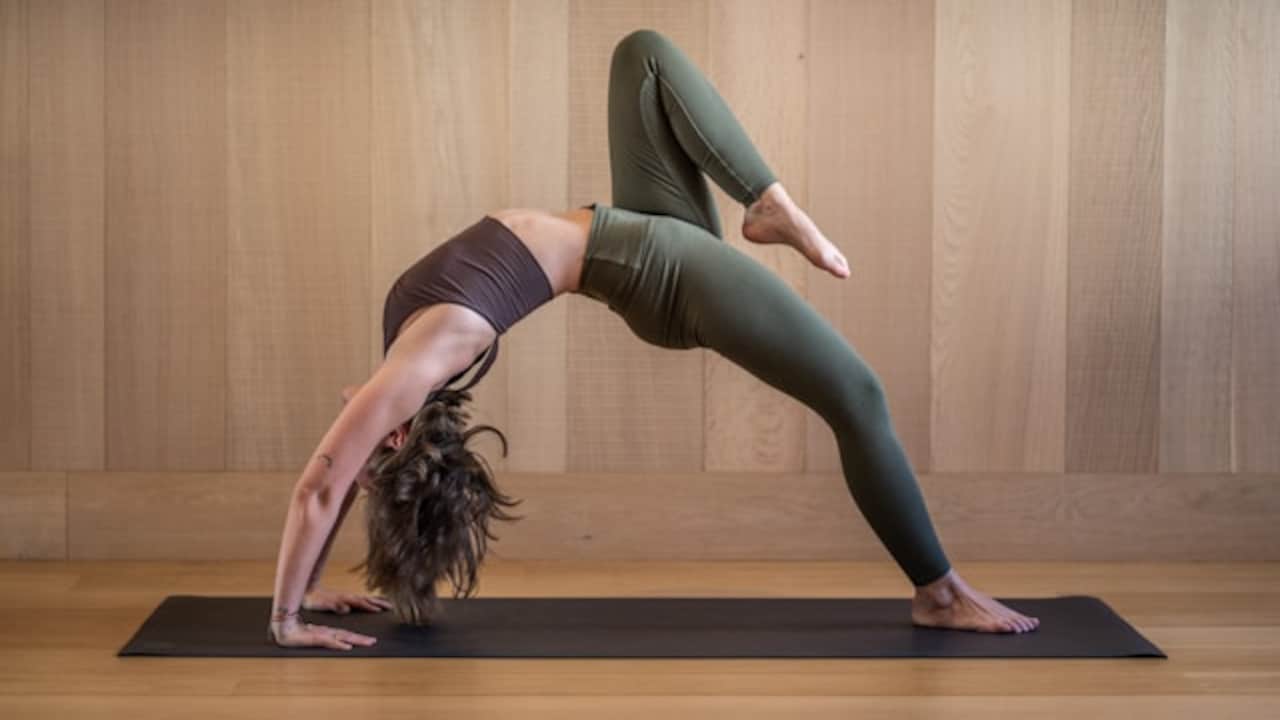
Here's how you can find squat-proof yoga pants for everday use
Good yoga pants can make a morning practice feel smooth, confident, and almost effortless. Bad ones can turn one downward dog into a full-blown wardrobe crisis. Anyone who has checked the mirror under harsh trial-room lighting knows the fear. The fabric looks perfect while standing, then suddenly gives away too much during a squat, lunge, or forward fold. The problem rarely comes from body shape. It comes from fabric quality, poor sizing, weak stitching, and designs that look better on a hanger than on a moving person. With online sales, festive discounts, and gymwear brands shouting about “second skin” fits, shopping can feel like solving a riddle in a crowded bazaar.
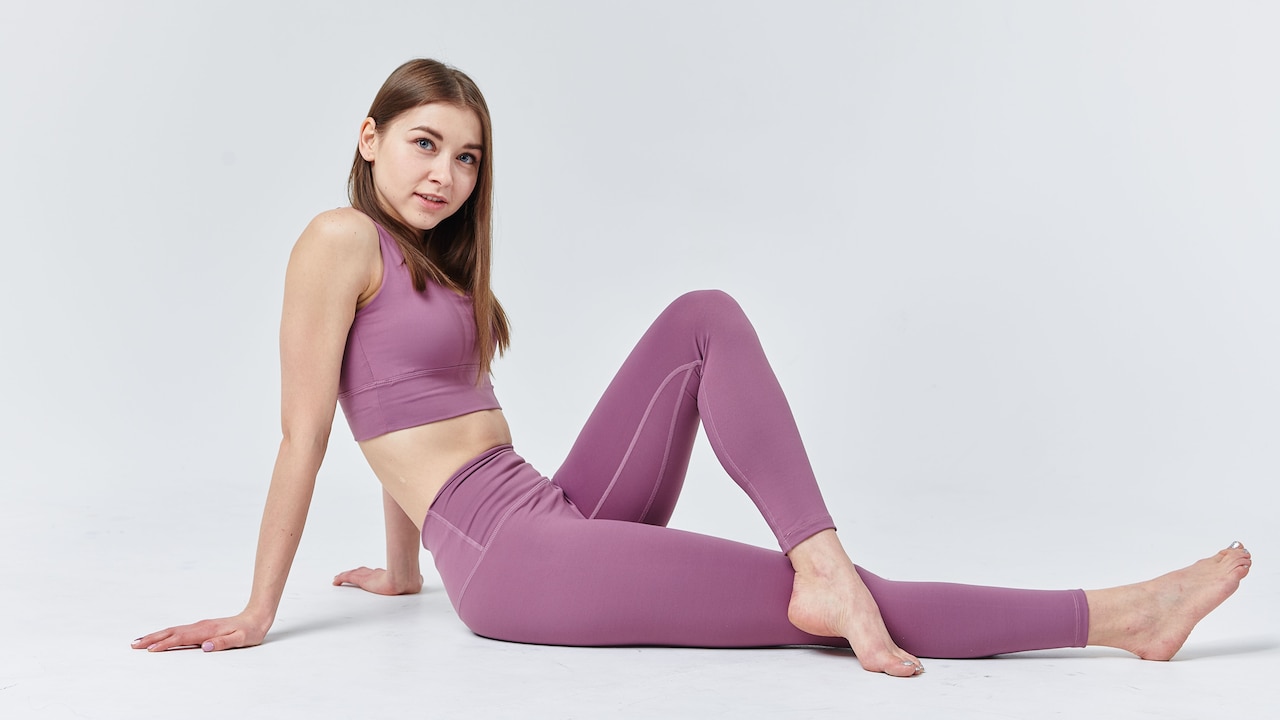
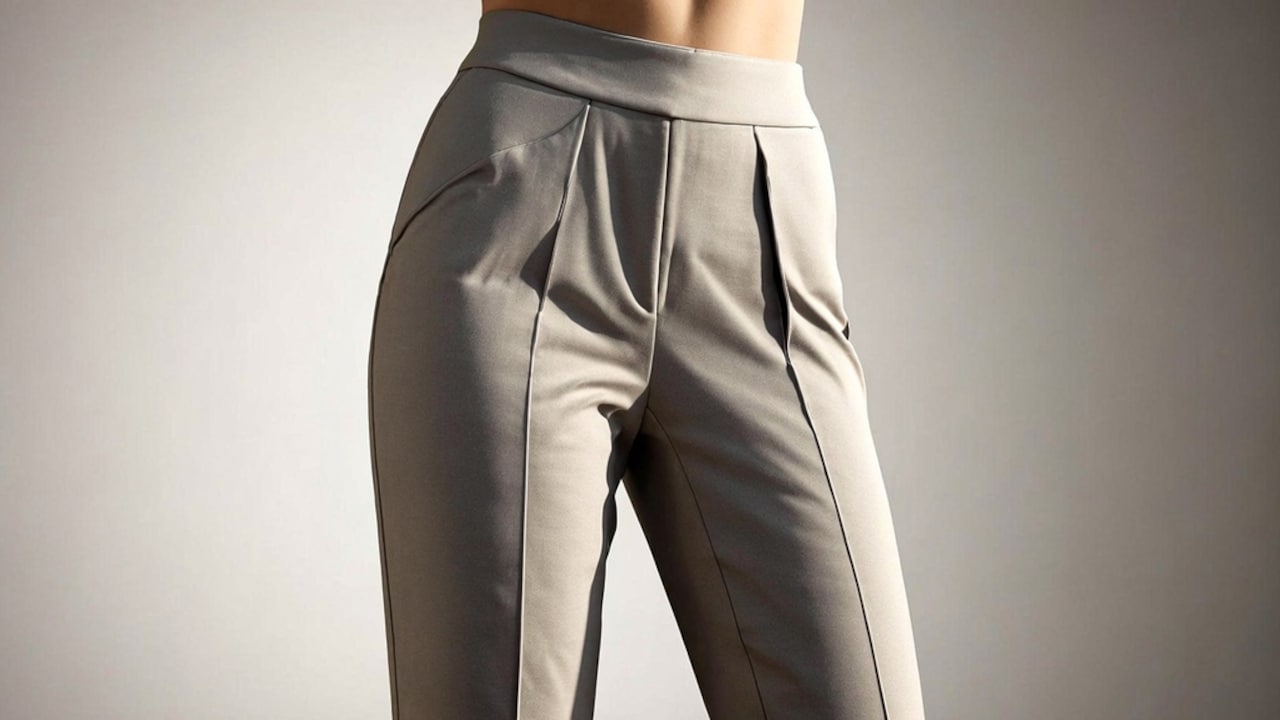
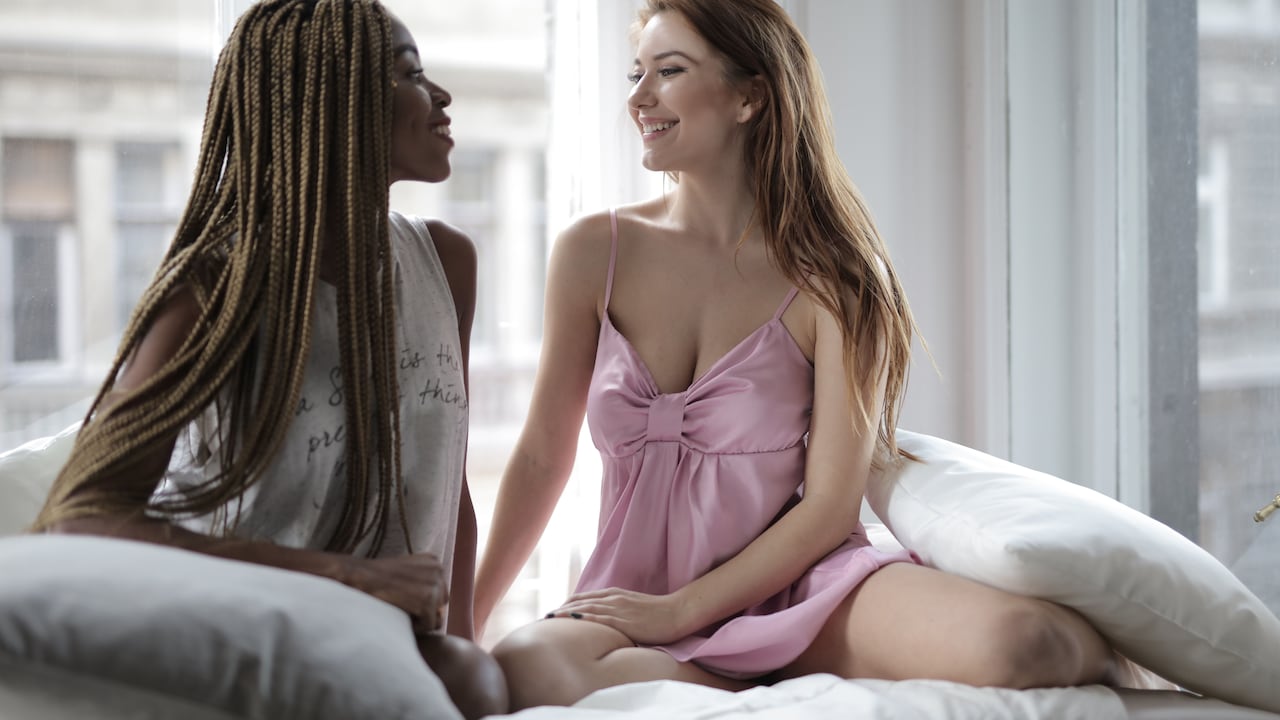
Easy tips to choose squat-proof yoga pants; Photo Credit: Pexels
The good news? A few simple checks can save embarrassment, wasted money, and that awkward habit of tying a T-shirt around the waist. Choosing the right pair means knowing how fabric behaves when stretched, washed, sweated in, and worn under real light.
Also Read: High-waisted yoga pants with pockets Under ₹1200
How To Choose Yoga Pants That Stay Opaque Through Every Move
Check The Fabric Thickness Before Anything Else
Fabric thickness matters more than fancy brand words. A pair may claim to offer “premium stretch” or “buttery softness”, but if the material thins out the moment it stretches, trouble starts. Hold the fabric between your fingers and gently pull it sideways. Good yoga pants should stretch without turning pale, shiny, or sheer. When the colour looks weaker under tension, the cloth may reveal more during movement.
A slightly thicker fabric often works better for squats, lunges, and Surya Namaskar flows. This does not mean the pants must feel heavy or hot. Many good pairs balance density with breathability. Look for fabric that feels firm yet flexible, like it can hold its own during a packed evening class after office hours.
Thin leggings may work for lounging at home, but yoga needs more structure. Trial-room mirrors can mislead, especially under soft lighting. Try bending, sitting, and doing a small squat. If confidence drops even a little, leave the pair behind.
Look For A Strong Nylon And Spandex Blend
The fabric blend tells a bigger story than the print or colour. Nylon and spandex usually make a reliable team for yoga pants. Nylon gives smoothness, durability, and a neat finish. Spandex brings stretch and recovery, which means the pants should return to shape after movement instead of sagging at the knees.
Cotton leggings may feel familiar and breathable, but they often lose shape faster and can become see-through when stretched. Polyester blends can work too, though some cheaper versions trap heat and feel plasticky during long sessions. A good blend should move with the body without clinging in an uncomfortable way.
For regular yoga, look for enough spandex to support movement. Too little stretch can make the fabric pull across the hips and thighs. Too much stretch in weak fabric can thin out quickly. The sweet spot feels secure, smooth, and flexible. Think of it as the difference between a dependable dupatta and one that slips every two minutes. Comfort should not need constant adjustment.
Do The Squat Test In Proper Light
The squat test deserves star status while shopping for yoga pants. Stand in front of a mirror, turn around, and squat slowly. Then bend forward, lift one knee, and try a simple lunge. These moves show what the fabric does when it faces real pressure. Standing still tells only half the truth.
Lighting makes a huge difference. A pair that looks opaque in a dim shop may fail under sunlight or bright studio lights. If shopping at a store, move closer to stronger lighting before deciding. If shopping online, test the pants at home near a window during the day. Wear the same innerwear shade that would go under the pants during class.
This check may feel silly for ten seconds, but it saves weeks of discomfort. No one wants to discover the problem while holding chair pose in a packed class. A good pair passes the squat test without colour fading, fabric whitening, or visible outlines stealing attention.
Pick The Right Size, Not The Smaller Size
Many people size down because they want a sculpted look. That trick can backfire badly with yoga pants. When fabric stretches beyond its limit, it becomes thinner and more transparent. A smaller size may feel snug at the waist, but it often pulls too tightly across the hips, thighs, and seat.
The right size should hug the body without digging into the skin. The waistband should stay steady without rolling down. The seams should sit flat, not strain like they are fighting a losing battle. If the fabric forms horizontal pull lines, the size may be too small. If the crotch area feels tense, movement will only make things worse.
A size label should not control the final choice. Different brands cut their pants differently. One brand's medium may fit like another brand's small. Focus on movement, comfort, and opacity instead of the number. Yoga already asks the ego to calm down. The shopping tag can join the same lesson.
Choose Darker Colours With Care
Darker colours usually offer better coverage, but they do not guarantee opacity. Black, navy, charcoal, bottle green, and deep maroon often hide stretch better than pale pink, beige, mint, or light grey. Still, poor-quality dark fabric can turn shiny or slightly transparent when stretched. That means colour helps, but fabric quality still rules.
Light colours need extra caution. They can look chic in photos and tempting during summer sales, yet they often reveal innerwear lines, sweat patches, and fabric thinning more easily. Printed yoga pants can also behave unpredictably. Dense prints may disguise transparency, while stretched prints can look faded across the seat and thighs.
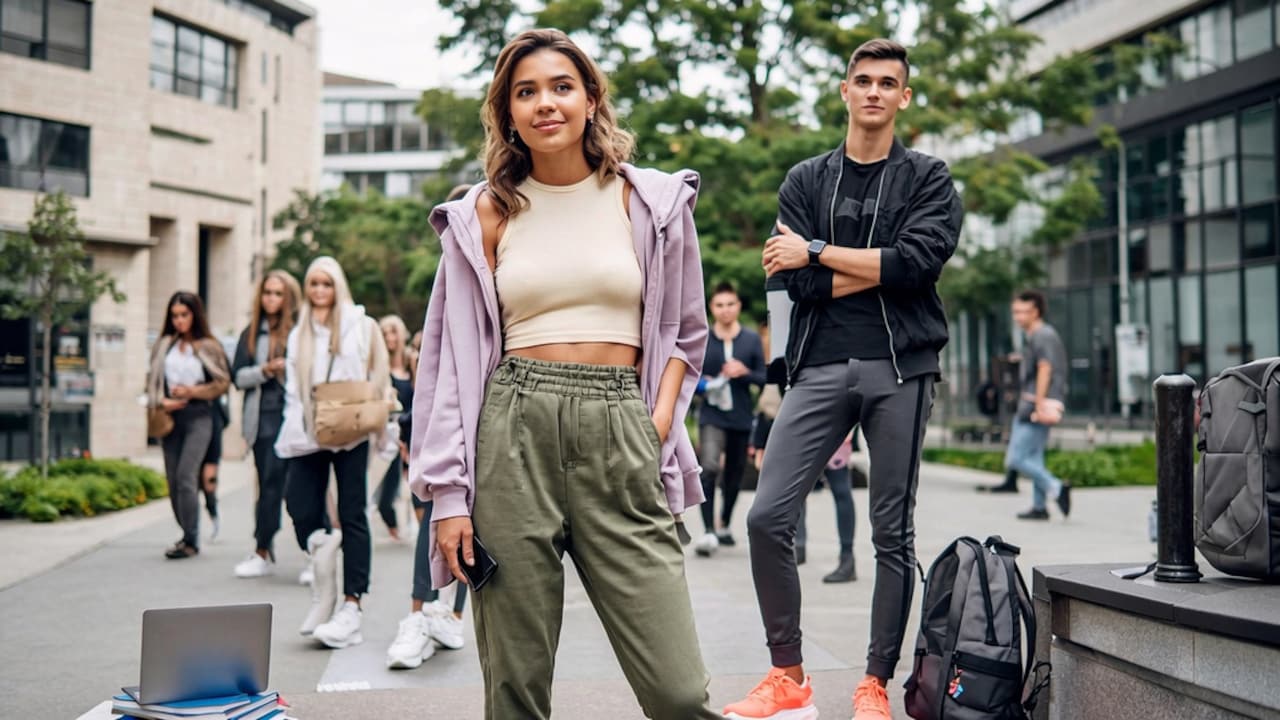
For a first dependable pair, darker solid shades make sense. They pair well with kurtas, oversized T-shirts, sports bras, and longline tops. They also forgive dust, scooter rides, and the general chaos of daily life. Once a trusted fabric and brand have proved themselves, lighter shades become less risky.
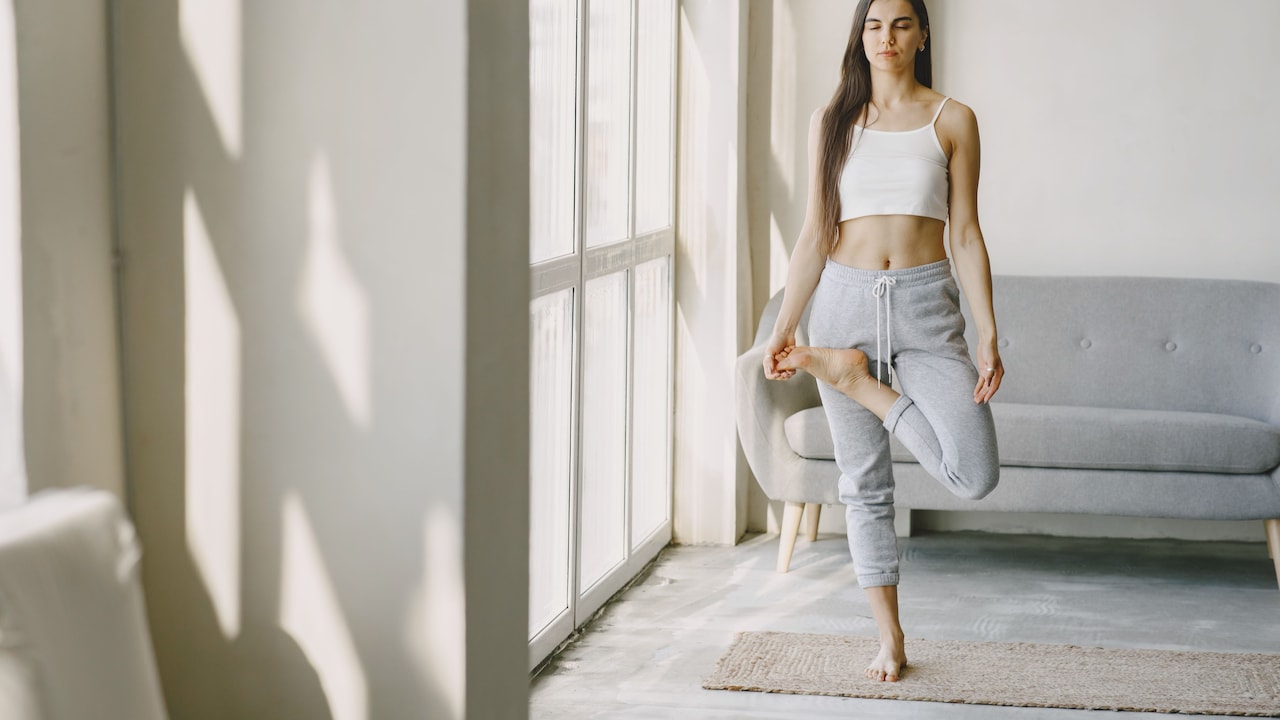
Ensure that yoga pants in darker colours offer the right amount of opacity; Photo Credit: Pexels
Check The Waistband And Seam Placement
A good waistband can change the whole experience. Yoga includes bending, twisting, folding, and lying down, so the waistband must stay put without squeezing the stomach. A wide, high-rise waistband usually offers better support and coverage. It also reduces the chance of the pants sliding down during forward folds.
Seam placement matters just as much. Poor seams can pull the fabric tight in awkward areas, making opacity worse. Flat seams work better because they reduce bulk and rubbing. A gusseted crotch, which means an extra diamond or triangle-shaped fabric panel, helps movement and reduces stress on the centre seam.
Check whether the back seam stretches too much when you bend. If the stitching looks strained in the trial room, it will not improve in class. Also avoid designs with too many cut-outs, mesh panels, or decorative stitching around high-stretch zones. They may look fashionable, but yoga pants need function first. Style can join the party after comfort behaves itself.
Feel The Fabric Recovery After Stretching
Fabric recovery sounds technical, but the check feels simple. Pull the fabric gently and release it. Good yoga pants should bounce back quickly. Weak fabric stays loose, rippled, or slightly baggy. During yoga, poor recovery leads to sagging knees, loose waistbands, and that tired look after only a few wears.
Recovery matters because yoga pants stretch again and again in the same areas. Chair pose stresses the thighs. Pigeon pose pulls across the hips. Seated forward folds test the back. If the fabric cannot return to shape, it may grow thinner and less supportive over time.
This also affects transparency. When fibres lose strength, the fabric spreads out more easily during movement. That creates a see-through effect even if the pants looked fine on the first day. A pair that costs ₹900 but lasts only three washes is not a bargain. Sometimes spending ₹1,800 on better recovery saves money, mood, and mirror-check anxiety.
Read Reviews For Movement, Not Just Looks
Online reviews can help, but only when read with a sharp eye. Many shoppers praise colour, packaging, or delivery speed. Those comments do not reveal whether the pants stay opaque during a squat. Look for reviews that mention yoga, gym workouts, stretching, opacity, waist roll-down, and fabric thickness.
Photos from buyers can help too, though lighting and angles vary. Pay attention to repeated complaints. If several people mention that the fabric turns see-through, believe them. If many say the waistband slips, that problem will likely appear during practice too. One angry review may not mean much, but a pattern tells the truth.
Do not trust product descriptions alone. Words such as “squat-proof”, “non-transparent”, and “high coverage” sound reassuring, but brands use them freely. Reviews from people with similar height, build, or activity style offer better clues. Before buying during a big sale, check the return policy. A cheap deal loses charm when the pants cannot leave the cupboard.
Match The Pants To Your Yoga Style
Different yoga styles need different levels of support. Gentle stretching at home may not demand the same fabric strength as power yoga, hot yoga, or a fast Vinyasa class. A slow morning routine can work with soft, medium-weight pants. A sweaty studio session needs better compression, moisture control, and strong opacity.
For deep stretches, choose four-way stretch fabric. It moves both lengthwise and sideways, so the pants do not pull sharply in one direction. For hot and humid days, breathable fabric helps. No one wants yoga pants that feel like plastic wrap during a 7 am class in June.
Length also matters. Full-length pants offer more coverage and suit air-conditioned studios. Ankle-length pairs work well for daily wear and warmer weather. Cropped styles feel breezy but may ride up during floor poses. Pick according to practice, not just trend. Yoga pants should support the routine, whether that means a serious class, a home mat near the balcony, or stretching after a long metro ride.
Wash And Care For Opacity
Even the best yoga pants can lose opacity when cared for badly. Harsh detergents, hot water, rough scrubbing, and machine drying can weaken elastic fibres. Once those fibres break down, the fabric stretches poorly and starts looking thin. Gentle care keeps the pants supportive for longer.
Wash yoga pants in cold water with mild detergent. Turn them inside out before washing to protect the outer finish. Avoid fabric softeners because they can coat performance fabrics and reduce their stretch. Dry them in shade rather than under fierce afternoon sun. Heat can damage spandex and loosen the fit.
Do not iron yoga pants. They do not need it, and high heat can harm the fabric. Also avoid washing them with jeans, hooks, or rough towels. These can cause pilling and surface wear. Treat good yoga pants like reliable kitchen knives: not delicate, but worth caring for properly. A little care keeps them opaque, smooth, and ready for the next practice.
Products Related To This Article
1. BLINKIN Women's Stretch Fit Mid Rise Pants
2. XFyt Premium OG Yoga Pants for Women
3. BlissClub Ultimate Flare Pants Lite
4. Mehrang High Waist Wide Leg with Side Pockets
5. Jockey AW87 Women's Super Combed Cotton Elastane Stretch High Rise Leggings
6. Clovia Women's Slim Yoga Pants
7. Boldfit Gym Leggings for Women Gym Tights for Women Yoga Workout Leggings
Choosing yoga pants that do not turn see-through is less about luck and more about small, smart checks. Fabric thickness, blend, size, colour, waistband design, stretch recovery, and care all play a role. A pair should pass the squat test, stay comfortable during movement, and feel secure under real light.
The best yoga pants do not shout for attention. They simply do their job while the body bends, balances, sweats, and settles into stillness. They let the mind focus on breathing instead of worrying about who stands behind in class. That quiet confidence matters.
Trends will keep changing. New colours, cuts, and celebrity gym looks will keep appearing online. Yet opacity, comfort, and fit never go out of style. Before paying for the next pair, bend, stretch, read, check, and trust the mirror. The right yoga pants should move with you, not reveal more than your dedication to the pose.
(Disclaimer: This article may include references to or features of products and services made available through affiliate marketing campaigns. NDTV Convergence Limited (“NDTV”) strives to maintain editorial independence while participating in such campaigns. NDTV does not assume responsibility for the performance or claims of any featured products or services.)