Is Satin Nightwear Comfortable? The Truth Behind Its Luxe Appeal
Satin nightwear looks luxurious, but comfort depends on fabric, fit and weather. This is when it feels smooth and indulgent and when it turns clingy, sweaty and hard to sleep in.

Choose Satin Nightwear Wisely For Climate, Comfort And Style
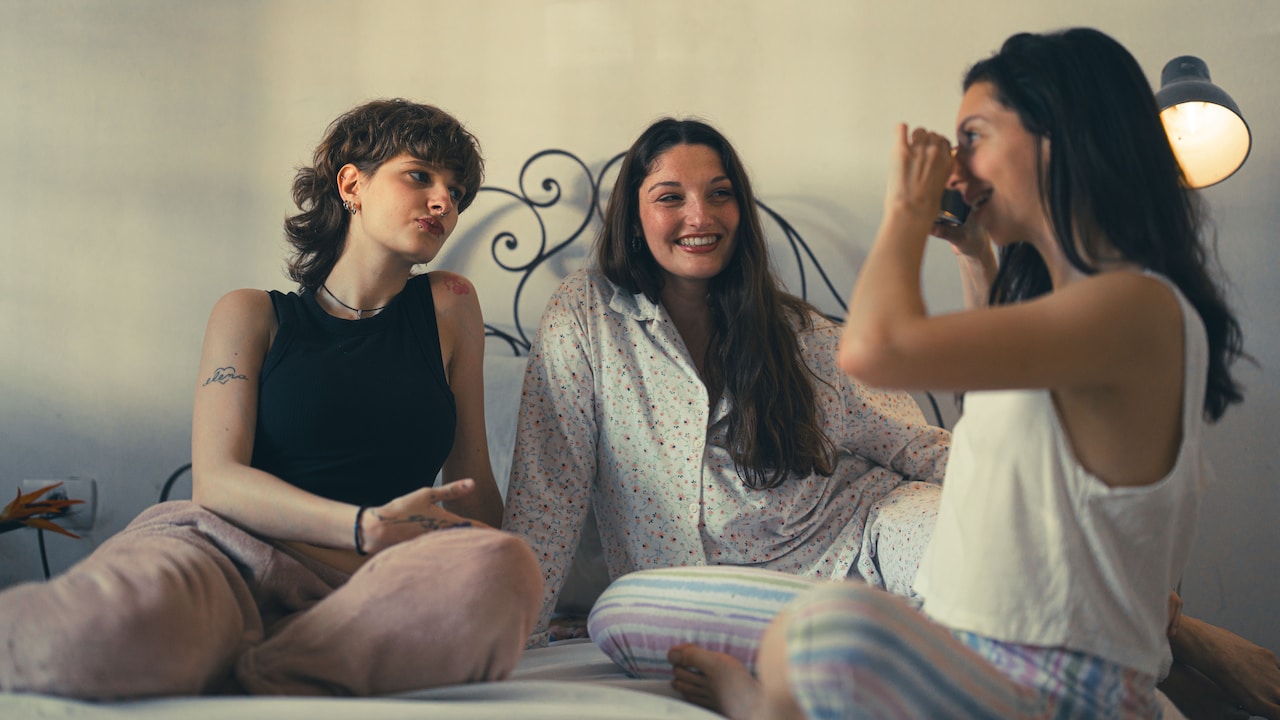
Satin nightwear has always carried a little drama. It appears in films like a promise of elegance, glows under soft light, and makes even a sleepy walk to the kitchen feel slightly filmi. A satin robe over a simple nightdress can turn bedtime into a tiny ritual, the kind people imagine after a long commute, a hot shower, and a quiet cup of elaichi chai. Yet the myth begins when satin gets sold as perfect for every night, every season and every sleeper. Real homes have ceiling fans, shared wardrobes, monsoon dampness, summer sweat, winter dryness, and the occasional mosquito hunt at midnight. Satin can feel heavenly in one setting and deeply annoying in another.
The Satin Nightwear Myth: When It Feels Luxurious And When It Feels Uncomfortable
Photo Credit: Pexels
So, when does satin nightwear deserve its glamorous reputation? And when does it become the pretty outfit pushed to the back of the cupboard? The answer sits somewhere between comfort and theatre.
Understanding The Satin Nightwear Myth
The Shine That Sells The Dream
Satin wins attention before anyone even touches it. That glossy surface catches light beautifully, which makes it look expensive even when the price tag says ₹799 in a local market or online sale. It photographs well, folds like liquid, and carries an instant sense of occasion. This matters because nightwear no longer hides in the cupboard. People wear it during slow Sunday mornings, video-call-ready lounging, bridal trousseau packing, birthday staycations and festive family holidays.
The shine also creates emotion. Cotton says comfort. Satin says mood. It whispers pampering after a day of deadlines, school runs, metro rides or bargaining with the sabziwala. That visual charm explains why satin night suits, robes and slip dresses sell so easily. They make rest look intentional, not accidental. Still, shine can fool the senses. A fabric may look cool and smooth but behave differently against warm skin. Satin sells the dream first; comfort arrives later, only when the fabric, weave and fit truly cooperate.
The Smooth Touch That Feels Like A Treat
Good satin has a lovely first touch. It glides over the skin instead of rubbing against it, which can feel delightful after a bath or skincare routine. Many people enjoy satin because it does not feel rough, heavy or scratchy. A well-cut satin pyjama set can turn an ordinary night into something softer, especially during cooler months or in an air-conditioned room.
There is also a small emotional comfort in wearing something that feels special without being loud. No sequins, no stiff embroidery, no complicated hooks. Just a smooth surface and an easy drape. For someone who spends the day in uniforms, formals, denim or synthetic office wear, satin nightwear can feel like a private reward.
The trouble starts when the satin has poor finishing. Cheap seams, tight elastic, plasticky fabric and scratchy lace can ruin the whole experience. Satin should feel like a glide, not a wrapper. The magic depends less on shine and more on quality.
Also Read: Nightwear That Does Not Feel Sticky In Non-AC Rooms: Top 5 Comfortable Sets
The Heat Problem Nobody Mentions Enough
Satin often looks cool, but not all satin feels cool. This creates the biggest bedtime betrayal. Many affordable satin pieces use polyester satin, which can trap warmth and reduce airflow. On a humid night in Mumbai, Chennai, Kolkata or Kochi, that glossy nightdress may start as glamour and end as a sweaty regret. The fabric can cling to the back, stick behind the knees and make sleep feel fussy.
This does not mean all satin fails in warm weather. Lighter satin blends, looser cuts and sleeveless designs can work better. A satin robe worn briefly after a shower may feel pleasant, while a full-sleeved satin pyjama set in May may feel like punishment wrapped in shine.
Climate matters. Homes without strong cooling need breathable nightwear more than dramatic nightwear. Cotton, modal and bamboo blends often win summer nights because they allow the body to relax. Satin can still belong in the wardrobe, but it may need seasonal timing rather than blind loyalty.
When Satin Works Beautifully In Cooler Rooms
Satin often shines brightest in cooler weather or air-conditioned spaces. In such settings, the smooth surface feels soothing rather than sticky. A satin night suit can feel elegant during winter weddings, hill-station holidays, hotel stays or relaxed evenings when the room stays crisp. The fabric slides comfortably under quilts and blankets, avoiding the bunching that thicker materials sometimes create.
Cooler rooms also make satin's slightly dressy nature more enjoyable. A matching set with a soft waistband and relaxed sleeves can look polished without feeling stiff. Many brides pack satin robes for pre-wedding mornings because they look graceful in photos and feel easy over makeup and jewellery. The same robe may later become useful during quiet nights at home.
The best satin moments often happen when the wearer does not expect it to do everything. It works well for lounging, short evening routines, slow mornings and light layering. It becomes less successful when asked to handle sweat, heat and eight hours of tossing sleep.

The Satin Nightwear Myth: When It Feels Luxurious And When It Feels Uncomfortable
Photo Credit: Pexels
The Fit Can Make Or Break The Fantasy
Satin has less forgiveness than many softer fabrics. A tight satin top can pull across the bust. Narrow pyjama bottoms can ride up. A short slip dress can twist during sleep and create endless midnight adjustments. Since satin tends to slide, a poor fit becomes more noticeable. What looked dreamy in the mirror may feel restless in bed.
A relaxed fit solves many problems. Slightly loose sleeves, wider legs, adjustable straps and gentle waistbands help satin move with the body rather than fight it. Side slits, curved hems and soft inner seams also matter. The goal should not be a perfect catalogue pose. The goal should be easy movement while sitting cross-legged on the bed, reaching for the charger, opening the door for late-night food delivery or hunting for the TV remote.
Many shoppers buy satin nightwear one size too small because shine can make fitted clothes look sleek. Comfort asks for the opposite. With satin, breathing room feels more luxurious than a tight silhouette.
The Slip And Slide Situation Is Real
Satin's smoothness can feel wonderful, but it also creates comedy. Pyjama bottoms may slide on polished floors. A robe belt may loosen every ten minutes. A satin pillowcase can make the head gently migrate across the bed. On some mattresses, satin nightwear and satin bedsheets together can feel like a low-budget skating rink.
This slippery quality does not bother everyone. Some people love the glide because it prevents fabric from bunching. Others find it irritating because nothing stays in place. During sleep, satin shorts can ride up, loose tops can shift, and robes can open without warning. In shared homes, that can lead to awkward early morning dashes to the kitchen.
Texture balance helps. Satin nightwear with cotton bedsheets feels easier than satin over satin. A robe with inner ties stays better than one with only an outer belt. Shorts with a better waistband behave better than flimsy elastic. The fabric has charm, but it needs clever design to avoid becoming a nightly circus.
Care, Creases And The Price Of Pretty
Satin may look effortless, but it rarely lives that way. It can snag on rough nails, jewellery, zips, laundry hooks and even a sharp corner on a wooden cot. Some satin pieces show water marks. Some lose shine after careless washing. A ₹1,499 satin set can look tired quickly if tossed into a harsh wash with towels and denim.
Care labels matter more with satin than with basic cotton nightwear. Gentle washing, mild detergent, shade drying and low-heat ironing help preserve the finish. Yet not every household has the patience for delicate laundry. Between office clothes, school uniforms, gym wear and festival outfits, satin can feel like one more demanding guest.
Creases also change the mood. Satin can look elegant when smooth and strangely crumpled when neglected. This makes it better for people who enjoy garment care or reserve it for special evenings. For daily rough use, sturdier fabrics often feel more practical. Pretty has a price, and sometimes that price is laundry discipline.
Skin, Sweat And Sensory Comfort
Comfort does not mean the same thing for every body. Some people enjoy satin's silky surface because it reduces friction. Others dislike the cool, slippery feel and prefer the grounded softness of worn cotton. Sensitive skin can react badly to rough seams, synthetic blends or trapped sweat. Those prone to heat rashes may find polyester satin uncomfortable during sultry nights.
Nightwear sits close to the body for hours, so tiny irritations grow louder. A lace edge that feels cute at 10 pm can feel unbearable by 2 am. A label near the neck can ruin sleep. A tight sleeve can leave marks. Satin magnifies these issues because the fabric already draws attention through touch.
The better choice depends on personal sensory comfort. Some enjoy a fabric that glides. Some need fabric that absorbs. Some want warmth. Some want air. Satin is not a universal answer; it is a mood, a texture and a preference. The body gives the honest review.
The Occasion Wear Side Of Nightwear
Satin nightwear has a festive personality. It suits bridal gifts, anniversary stays, spa days, birthday trips, honeymoon packing and those rare evenings when the house finally feels calm. A satin robe over a simple camisole can make getting ready feel more graceful. A coordinated satin set can lift the mood during a hotel breakfast or a relaxed family vacation.
This occasion-wear quality explains why satin remains popular even among people who do not sleep in it daily. It has presence. It makes ordinary routines feel styled. During wedding season, satin robes in blush, wine, emerald or champagne tones appear in many trousseau trunks because they look celebratory without heavy embellishment.
The mistake lies in expecting occasion wear to behave like everyday wear. A sherwani does not replace a cotton kurta for daily errands. In the same way, satin nightwear need not replace breathable pyjamas. It can hold a smaller, more joyful role: beautiful when the moment asks for beauty.
How To Choose Satin Without Regret
A good satin purchase begins with honesty. Will it suit the climate, room temperature, laundry routine and sleeping style? A person who sleeps hot may prefer satin robes over full night suits. Someone with air-conditioning may enjoy long satin pyjamas more often. Those who toss and turn should look for relaxed cuts, secure waistbands and soft seams.
Fabric composition deserves attention. Silk satin feels luxurious but costs much more, often several thousand rupees. Polyester satin costs less and offers shine, but it may trap heat. Satin blends vary widely, so touch and thickness matter. Very thin satin can look flimsy. Very heavy satin can feel warm. Mid-weight fabric with a soft fall often works best.
Colour also plays a role. Pale shades can show stains and water marks faster. Deep jewel tones often look richer and survive regular use better. Above all, satin should not demand discomfort in exchange for glamour. True luxury lets the body rest.
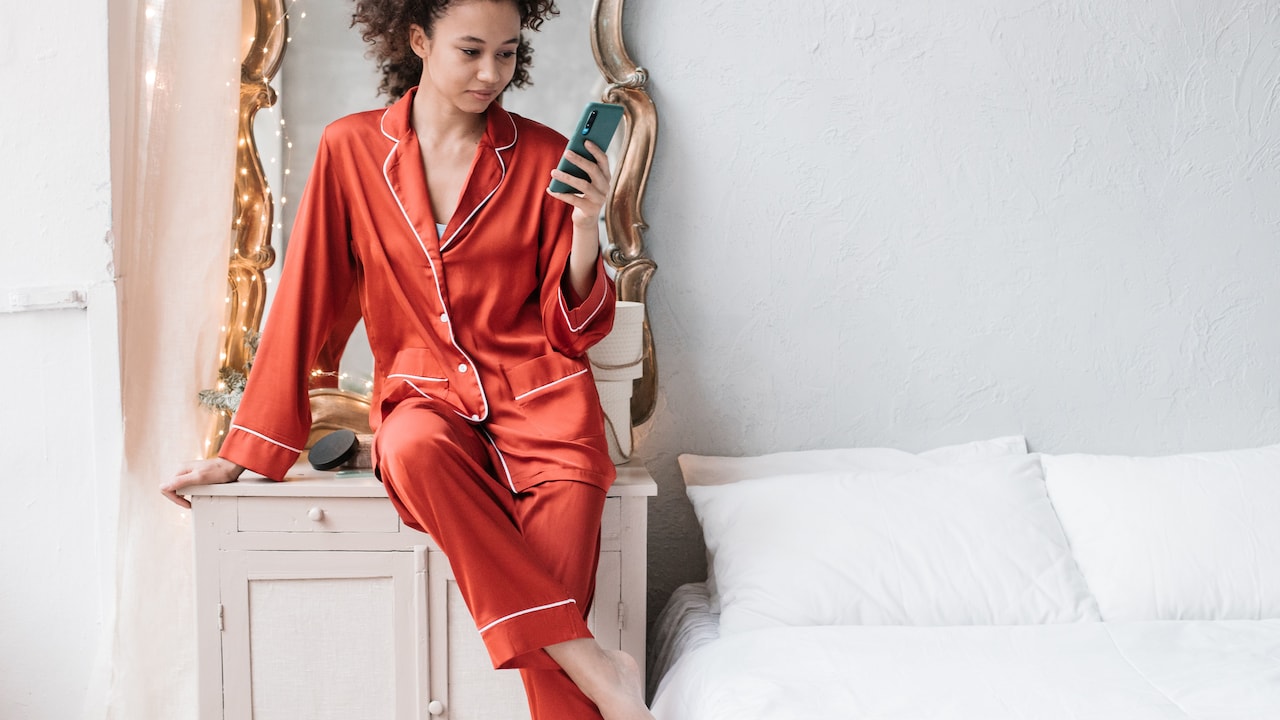
The Satin Nightwear Myth: When It Feels Luxurious And When It Feels Uncomfortable
Photo Credit: Pexels
Products Related To This Article
1. Women's Lycra Loungewear Set with Full Sleeves
2. STORIES OF BANNO'S SWAGGER Women Satin Solid Night Suit Set
3. Anvesha Beauty Silk Satin Night Dress for Women with Lace Trim
4. AV2 Women Satin Short Nighty with Lace & Robe 1306
5. Satin Nighty with Lace Detail
6. STORIES OF BANNO'S SWAGGER Women Satin Solid Night Suit Set
7. Women's Satin Maxi Night Dress Full Sleeve Gown Comfortable
The satin nightwear myth survives because satin knows how to make an entrance. It glows, drapes, photographs beautifully and turns bedtime into a scene with soft lighting and a better soundtrack. It can feel luxurious, especially in cooler rooms, relaxed fits and moments that call for a little indulgence.
Yet satin also has a stubbornly practical side. It can trap heat, slip around, cling to sweat, snag easily and demand careful washing. The same fabric that feels romantic in December may feel unbearable during a humid power cut in June. The same robe that looks graceful during a wedding morning may not suit daily sleep after a long day of chores and commuting.
Satin nightwear works best when treated as a pleasure, not a promise. It does not need to win every night. It only needs to win the right ones. Keep the cotton pyjamas for sticky evenings, keep the soft old T-shirt for lazy comfort, and let satin step in when the mood, weather and room temperature agree. That is where the real luxury lives: not in shine alone, but in choosing comfort without giving up charm.
(Disclaimer: This article may include references to or features of products and services made available through affiliate marketing campaigns. NDTV Convergence Limited (“NDTV”) strives to maintain editorial independence while participating in such campaigns. NDTV does not assume responsibility for the performance or claims of any featured products or services.)