How to Pick the Right Tote Bag Strap Width For Daily Use and Shoulder Comfort
Things to look for in a tote bag to avoid painful shoulders: Shoulder pain from tote bags isn't just about weight. The real culprit is strap width. Learn how to choose the right strap size for daily comfort, better posture and stress-free carrying.
Tote Bags Hurting Your Shoulder? How To Choose The Correct Strap Width For Comfort.
Tote bags have become the unofficial sidekick of modern life. They go from office to café, from college to grocery store, from a bookstore haul to a sudden “let's stop by the market” situation. They also have a sneaky talent: looking harmless while quietly punishing your shoulder.

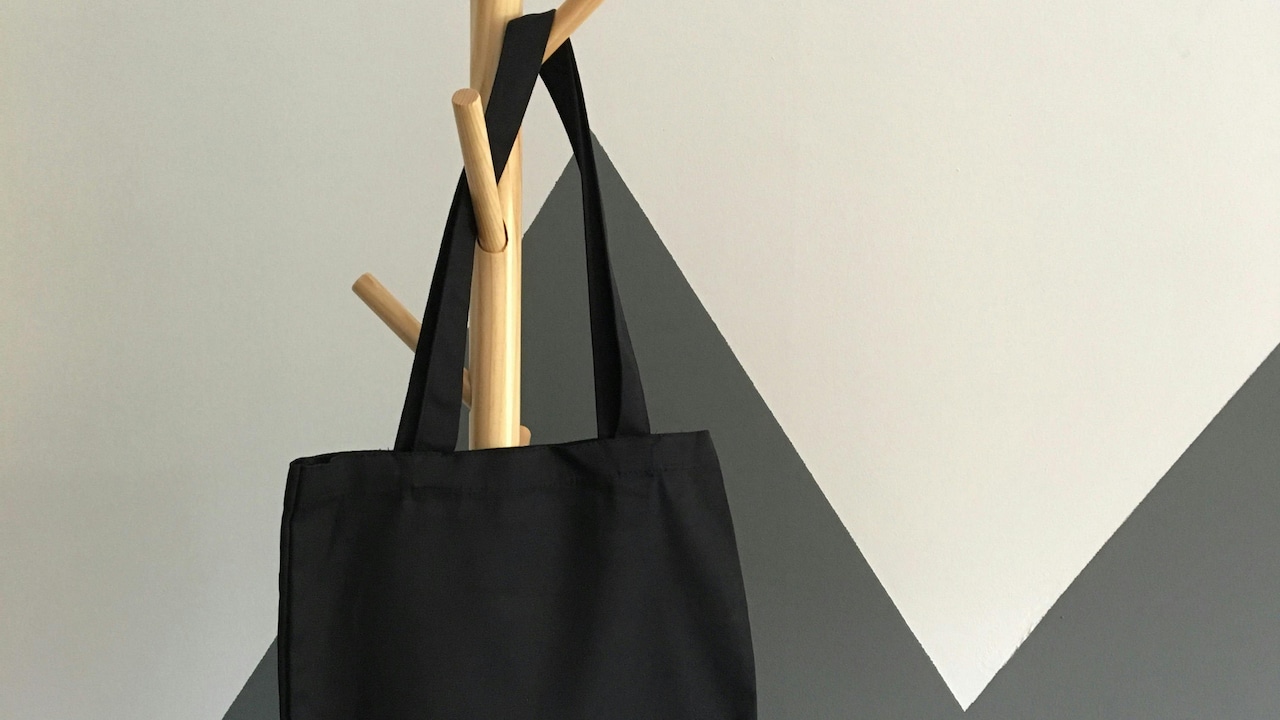
Explore the common reasons behind a tote bag that hurts your shoulders; Photo Credit: Pexels
Most people blame the weight. And yes, weight matters. But strap width is the real comfort villain that gets away every time. A narrow strap can dig in like a stubborn shoelace. A wide strap can feel like a gentle seatbelt for your shoulder. And if the strap is wide but stiff, the tote bag https://www.ndtvshopping.com/fashion/best-tote-bags-for-laptops-spacious-lightweight-and-affordable-picks-9124858can still irritate you like a badly stitched kurta collar.
The best part is this: you don't need a complicated formula. You just need to understand how strap width distributes pressure and how your tote fits into your daily routine. Once that clicks, shopping for a tote becomes less of a style gamble and more of a comfort upgrade.
Also Read: Get Tote Bags For Women Under ₹699 On Myntra
Strap Width Matters: 10 Comfort Tips to Stop Tote Bags Hurting Your Shoulder
1) Why Strap Width Matters More Than People Think
A tote bag strap works like a tiny bridge between your bag and your body. The bag pulls down, gravity does its thing, and the strap decides how that force lands on your shoulder. When the strap is narrow, the pressure concentrates in a smaller area. That's why it feels like the bag is “cutting” into your shoulder even when it's not extremely heavy.
Wider straps spread the same load across more surface area. The difference feels dramatic. It's like sitting on a hard plastic chair versus a sofa. The weight may be the same, but the experience changes completely.
This is also why some tote bags feel fine for five minutes and unbearable after twenty. Pressure builds up. Muscles tense. The shoulder starts to lift slightly without you noticing. By the time you reach your destination, you're rubbing your neck like you just carried a sack of rice.
Comfort is not just about avoiding pain. It's about staying relaxed while carrying your essentials. The right strap width lets you walk naturally instead of looking like you're bracing for impact.
2) The Shoulder-Digging Effect: A Tiny Strap's Biggest Crime
That sharp “digging” feeling is not imagination. It's basic physics. Narrow straps behave like thin wires. They focus pressure on a small strip of skin and muscle. The body reacts by tightening up, and the trapezius muscle (that area between the neck and the shoulder) takes the hit.
This becomes extra obvious during daily commutes. A crowded metro or bus ride already makes people tense. Add a narrow tote strap, and the shoulder becomes the main shock absorber. If the tote keeps sliding off, you keep lifting your shoulder to catch it. That repeated motion is basically a workout nobody asked for.
There's also the irritation factor. Narrow straps tend to rub more, especially if the material is rough or the edge stitching is thick. After a long day, that friction can leave a sore spot, even if the bag wasn't heavy.
A strap doesn't need to be painfully thin to cause this. Even medium straps can dig if the bag carries heavy items like a laptop, charger, water bottle, tiffin, and the mysterious “extras” that multiply inside bags.
3) The Comfort Zone: Ideal Strap Width for Everyday Use
For daily life, most people do best with straps that are neither too skinny nor comically wide. The sweet spot is a strap that feels stable on the shoulder and doesn't fold into a thin rope when loaded. A strap that collapses under weight is basically pretending to be wide.
For regular essentials like a wallet, phone, keys, makeup pouch, and maybe a small notebook, a medium-width strap is usually comfortable. But daily life rarely stays that minimal. Add a water bottle, and suddenly the bag is auditioning to be a gym bag.
A strap that is moderately wide and flexible tends to handle this better. It spreads pressure without feeling bulky. It also stays put more easily. A strap that stays put is a small luxury. It means you can walk without constantly adjusting it like it's a misbehaving dupatta.
The best test is simple: if the strap feels comfortable at the start but turns annoying by the time you reach your destination, it's not the right width for your routine. Comfort should last, not expire.
4) When Your Tote Carries a Laptop: Strap Width Rules Change
The moment a laptop enters the chat, everything changes. Laptops don't just add weight. They add a solid, concentrated weight that sits like a brick. Even a slim laptop can make a tote feel heavy because the weight doesn't shift or compress.
If you carry a laptop daily, narrow straps are basically a trap. The pressure becomes intense, and the bag tends to pull down and forward, which strains the shoulder and upper back. You may not notice it immediately, but after a week, the discomfort starts showing up as neck stiffness and a dull ache near the shoulder blade.
A wider strap makes a noticeable difference here. It distributes weight and reduces the “knife-edge” feeling. But width alone isn't enough. The strap needs to have some softness. A wide strap that is stiff can still dig in because it doesn't mould to your shoulder.
Another thing to watch is the strap attachment points. If the strap connects to the bag in a narrow way, the pressure concentrates near the edge. For laptop totes, look for straps that stay consistently wide and feel supportive across the shoulder.
5) Strap Width vs Strap Material: Why Some Wide Straps Still Hurt
A wide strap can still feel uncomfortable if the material fights you. Some straps are made from stiff canvas, rigid faux leather, or thick woven fibres with hard edges. They look sturdy, but they don't sit smoothly on the shoulder. Instead, they create pressure points along the strap edges.
Softness matters. A strap should feel like it's hugging the shoulder, not sitting on it like a plank. The best straps have a balance: strong enough to hold weight, but flexible enough to conform.
Material also affects friction. A strap with a rough texture can irritate skin, especially in hot weather. And yes, summer makes everything worse. Sweat increases rubbing, and a strap that felt “fine” in January becomes unbearable in May.
The most comfortable straps tend to have a slightly padded or layered feel, even if they don't look padded. If you're shopping in-store, run the strap between your fingers. If it feels scratchy or stiff, your shoulder will probably complain later.

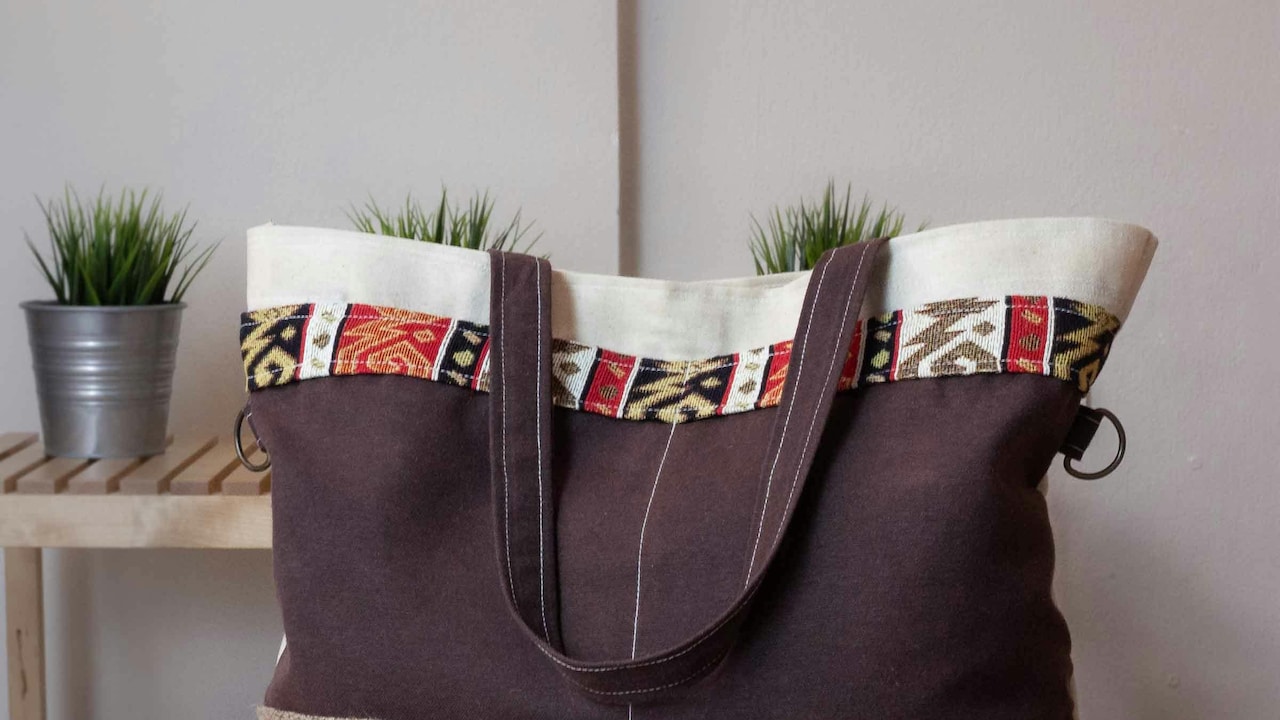
Look for straps that are slightly padded or have a layered feel to feel comfortable while using the tote bag; Photo Credit: Pexels
6) How Strap Length and Width Work Together
People often focus on width and forget length. But strap length changes how the weight sits on your body. A longer strap usually makes the bag hang lower, which can reduce pressure on the shoulder. But it can also make the bag swing, which adds strain because you end up stabilising it with your arm.
A shorter strap keeps the bag closer to your body and reduces swinging. But it increases shoulder pressure because the bag sits higher and pulls more directly downward. If the strap is narrow and short, that combination is a recipe for discomfort.
This is where width becomes the hero. A wider strap compensates for shorter length by spreading pressure. And if the strap is longer, a slightly wider strap can prevent the bag from feeling like it's dragging you down.
The most comfortable tote straps often fall into a “secure but not tight” zone. The bag sits around the hip or slightly above, doesn't swing too much, and doesn't force the shoulder to hunch. When width and length work together, the bag stops feeling like a burden and starts feeling like an accessory again.
7) The “Market Run” Tote: Why Groceries Need Wider Straps
A tote bag is often used for quick grocery runs. It starts innocently: a few tomatoes, some coriander, maybe a packet of atta. Then it escalates. A bottle of oil joins. A box of snacks appears. Suddenly, the tote is carrying the emotional weight of your entire kitchen.
Groceries create an uneven load. Items shift. The bag pulls in odd directions. Narrow straps struggle with this because the weight isn't stable. You keep adjusting the bag, switching shoulders, and doing that awkward shuffle while trying not to crush the vegetables.
Wider straps make grocery carrying much more tolerable. They reduce pressure and make the bag feel steadier. Even better if the tote has a wide strap and a reinforced base, because then the load sits properly instead of collapsing.
There's also the reality of walking. Markets often mean walking longer than expected. A comfortable strap width makes the difference between enjoying the outing and counting down steps like it's a punishment.
If the tote is meant for groceries, treat the strap width as essential, not optional. Your shoulders will thank you more than your wallet ever will.
8) The Shoulder-Switching Habit: A Sign Your Strap Is Wrong
Most people have a tell. If you constantly switch the tote from one shoulder to the other, it's not just a habit. It's your body quietly protesting.
Shoulder switching happens because the strap is causing discomfort, the bag is sliding, or the weight is pulling too hard in one direction. Narrow straps are a common cause. They create pressure quickly, so the shoulder needs relief. But switching shoulders doesn't fix the root problem. It just spreads the discomfort around like a “sharing is caring” situation, your body did not agree to.
Wider straps reduce the need for switching because they feel stable and less painful. They also tend to grip better, especially if the strap has a slightly textured surface.
If you want a simple self-check, notice your behaviour during a normal day. If you adjust the strap more than twice during a short walk, something is off. A good strap should disappear from your awareness. If you keep thinking about it, it's not doing its job.
9) How to Choose Strap Width When Shopping Online
Shopping online makes strap width tricky because photos can be misleading. A strap may look wide in a styled product image, but in real life, it could be narrower than expected. Or it could be wide but thin and flimsy, which defeats the purpose.
The best approach is to look for measurements. Many listings mention strap width, but not all. If a listing doesn't mention it, zoom into close-up photos. Compare the strap to the model's shoulder width, or to the bag hardware. It's not perfect, but it helps.
Also, pay attention to strap construction. If the strap looks like a single thin layer of fabric, it may fold under weight. A better strap looks layered or stitched in a way that gives it structure.
Reviews are gold here. People often mention whether the strap hurts, slips, or feels comfortable. If multiple reviews mention shoulder pain, believe them. People rarely exaggerate discomfort. If anything, they understate it and just say “not very comfortable”.
A tote bag is supposed to make life easier. If the strap is wrong, it becomes a stylish nuisance.
10) The Practical Comfort Formula: Match Strap Width to Your Lifestyle
The right strap width depends on what your tote carries most days. If it's a light everyday bag, you can get away with a moderate strap. If it carries a laptop, water bottle, or lunch box, go wider. If it's used for groceries or long commutes, go wider still.
But there's also body comfort to consider. Some people have sensitive shoulders. Some have neck stiffness from desk work. Some carry bags on one shoulder out of habit. These factors make strap width even more important.
It's also worth remembering that style doesn't have to suffer. Wider straps can look sleek and modern. They can also look casual and artsy. The trick is to choose a tote that looks balanced. A very wide strap on a tiny tote can look odd, but on a medium or large tote, it looks intentional.
A comfortable tote is not just a bag. It's a small daily kindness to yourself. The right strap width prevents pain, improves posture, and makes carrying your essentials feel effortless again.
Products Related To This Article
1. DailyObjects Shopper Tote Bag with Quilted
2. ZOUK Women Mandala Printed Structured Tote Bag
3. Fastrack Structured Shoulder Bag with Laptop Sleeve Fits Upto 15" Laptop
4. Mast & Harbour PU Structured Tote Bag
5. Anouk Geometric Printed Oversized Office Tote Bag
A tote bag should not leave you rubbing your shoulder like you just carried a suitcase through a railway station. If your tote hurts, it's not because you're “weak” or carrying it wrong. It's usually because the strap width doesn't match your daily load.
Wider straps spread pressure and feel kinder to the body. Narrow straps concentrate pressure and create that sharp, digging discomfort. Material, length, and construction matter too, but strap width is the easiest upgrade with the biggest impact.
The next time you're choosing a tote, don't just look at colour, print, or how well it matches your outfit. Think about the reality: the laptop, the bottle, the charger, the snack box, and the extra things that always sneak in. Choose a strap that can handle your life without making your shoulder pay for it.
Comfort isn't boring. Comfort is freedom. And a tote bag that feels good is one less daily irritation in a world already full of them.
(Disclaimer: This article may include references to or features of products and services made available through affiliate marketing campaigns. NDTV Convergence Limited (“NDTV”) strives to maintain editorial independence while participating in such campaigns. NDTV does not assume responsibility for the performance or claims of any featured products or services.)